Tag: sunscreen

  • Edgewell Faces Legal Action Over Alleged ‘greenwashing’ Of Sunscreen Products

    Edgewell Faces Legal Action Over Alleged ‘greenwashing’ Of Sunscreen Products

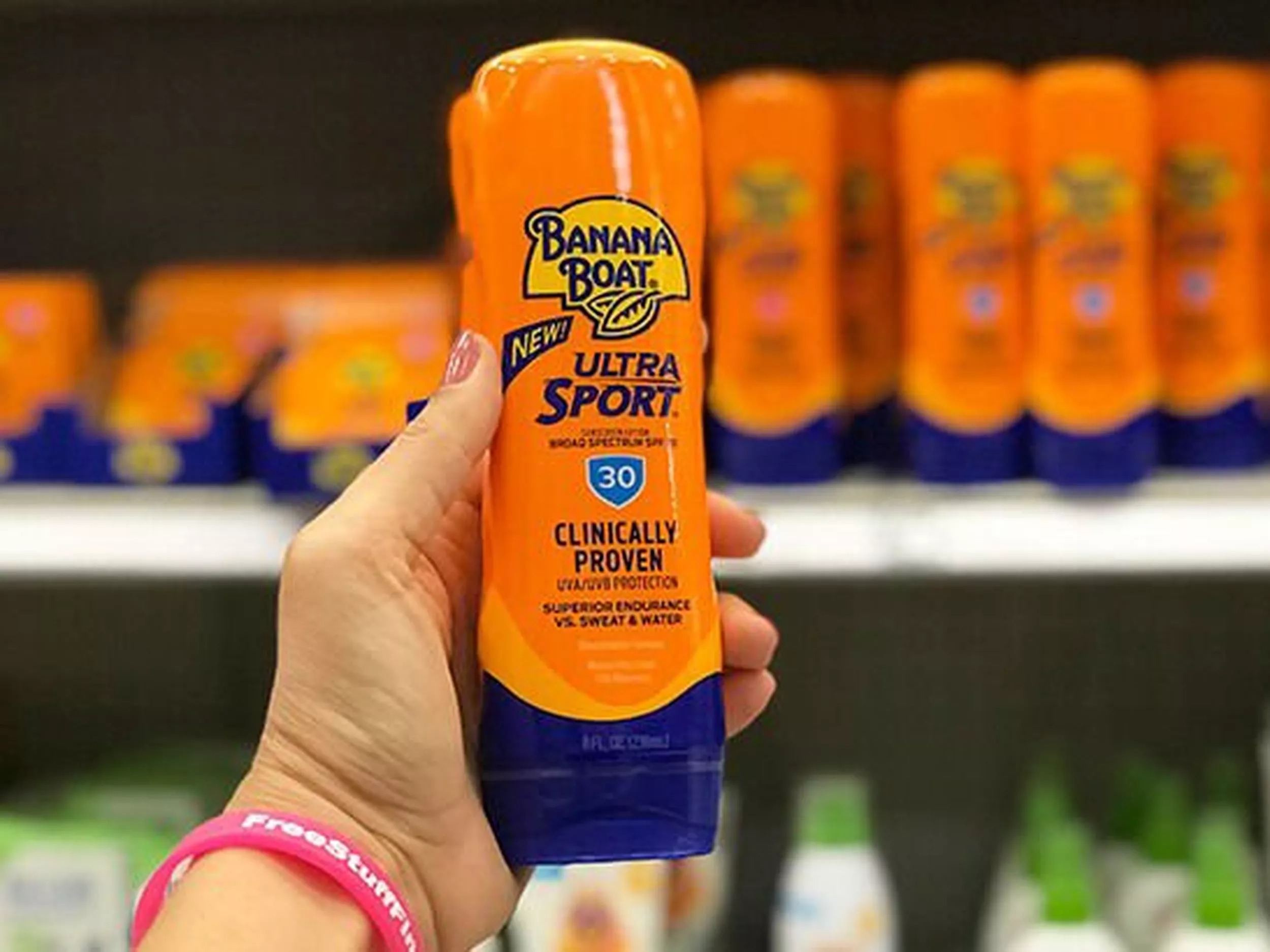
    Edgewell Personal Care Australia, the firm behind the well-known Banana Boat and Hawaiian Tropic sunscreens, is embroiled in a legal dispute with the Australian Competition and Consumer Commission (ACCC). The ACCC claims that the company misled consumers by inaccurately promoting their products as “reef-friendly.”

    Legal Action Initiated

    The ACCC has initiated a court case in the Federal Court against Edgewell Personal Care Australia and its American parent company, Edgewell PCC. The consumer protection organization alleges that more than 90 of Edgewell’s sunscreen products were falsely marketed as reef safe from August 2020 through December 2024. The promotion was done through various channels, including websites, social media, retail catalogs, and product packaging. Some of the promotional materials even featured images of coral reefs alongside the claims.

    Misleading Claims

    Despite the fact that the products do not contain oxybenzone and octinoxate, two chemicals banned in areas like Hawaii due to their proven toxicity to coral reefs, they contain other ingredients. These include octocrylene, homosalate, 4-MBC, and avobenzene, which are either known or suspected to be harmful to marine ecosystems.

    According to the ACCC, Edgewell was aware of scientific research indicating these potential environmental hazards but did not conduct independent testing to verify these findings. Even though “reef-friendly” labels were removed from the company’s US product line around 2020, the misleading claim continued in the Australian market until late 2024.

    “Greenwashing” Accusations

    ACCC Deputy Chair, Catriona Lowe, referred to Edgewell’s actions as “greenwashing,” suggesting that the company’s misleading marketing could have influenced consumer purchasing decisions.

    “The company’s behavior has potentially misled a significant number of consumers,” Lowe said. “The sunscreen products were distributed across Australia over a four-year period, available in large stores and online platforms.”

    Lowe added that companies should not hesitate to promote their product’s environmental credentials but they must ensure they can back up such claims with reputable third-party certification or reliable scientific evidence.

    The ACCC now seeks penalties, declarations, injunctions, and legal fees in its court case against Edgewell.

    Questions & Answers

    What are the ACCC’s allegations against Edgewell Personal Care Australia?

    The Australian Competition and Consumer Commission alleges that Edgewell falsely marketed its sunscreen products as “reef-friendly” when they contain ingredients that are potentially harmful to marine life.

    What chemicals are in question in Edgewell’s sunscreen products?

    The chemicals that are known or suspected to be harmful to marine life in Edgewell’s sunscreen products include octocrylene, homosalate, 4-MBC, and avobenzene.

    What action is the ACCC seeking against Edgewell?

    The ACCC is seeking penalties, declarations, injunctions, and legal costs from Edgewell in their case against the company.
  • Aussie sunscreen brand Ultra Violette debuts in the Middle East

    Aussie sunscreen brand Ultra Violette debuts in the Middle East

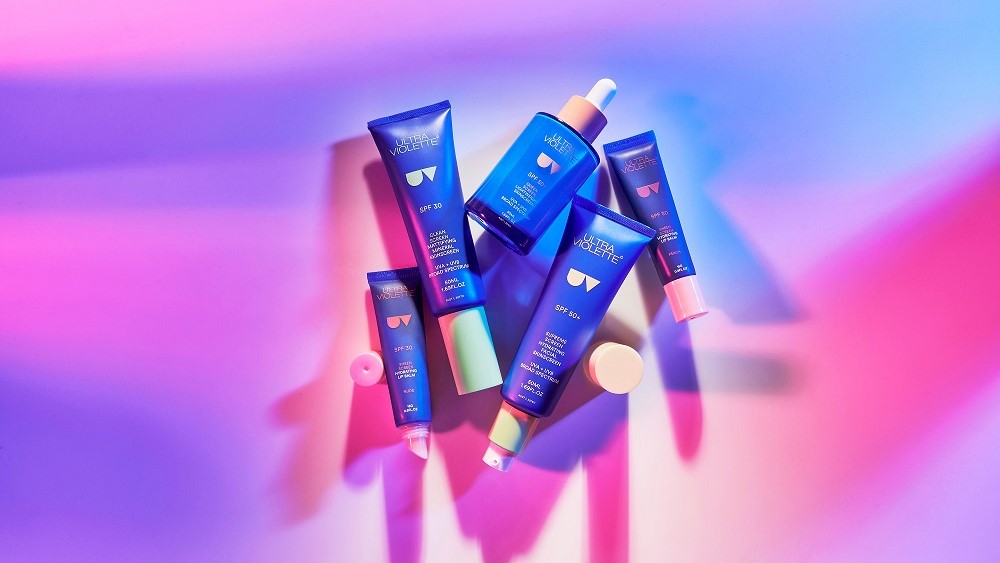
    Australian sunscreen brand Ultra Violette is set to expand its global presence with a launch in the Middle East through retail giant Sephora.

    The expansion marks a significant milestone for the brand, reaching 25 countries and more than 250 stores worldwide, including Australia, New Zealand, the UK, Europe, Southeast Asia, and now the Middle East.

    Ultra Violette’s debut in the Middle East will see its full range available in 89 brick-and-mortar Sephora stores across five countries, including a brand fixture in the retailer’s highest-volume store, the Dubai Mall.

    Founded by Ava Mathews and Bec Jefferd in 2019, the brand aims to redefine sunscreens with a collection designed for those who dislike using traditional SPF products.

    Its Skinscreens range combines innovative textures, skin-enhancing ingredients, and compatibility with other skincare and makeup products, which, in turn, garnered the brand a “cult following”.

    Earlier this year, the company expanded its presence in Europe and with products available in more than 450 Sephora stores across multiple countries, including France, Spain, Italy, Poland, the Czech Republic, Portugal, Greece, Germany, and Switzerland.

    Ultra Violette initially partnered with Sephora ANZ in 2020, and the collaboration has helped grow the brand significantly since.

    “Our ultimate goal is to bring Ultra Violette to as many faces in as many countries as possible worldwide,” said Mathews.

    “The Sephora global team has been incredibly supportive in championing an Australian brand, and we are thrilled to expand within their network in the Middle East, with Sephora being the number one prestige beauty retailer globally.”

    In addition to Sephora, Ultra Violette’s products are available in major beauty and luxury retailers worldwide, including SpaceNK, Harrods, Liberty, Cult Beauty, and David Jones.

  • Sunscreen maker Ego admits misleading consumers over SP50 claim

    Sunscreen maker Ego admits misleading consumers over SP50 claim

    Australian skincare company Ego Pharmaceuticals has admitted making unsupported claims about the SPF (sun protection factor) on two of its sunscreens – Ego Sunsense Ultra SPF 50+ and Ego Sunsense Sensitive Invisible SPF 50+.

    The company supplies products into the New Zealand market via a wholesale distributor and has pleaded guilty to two charges under Section 12A of the Fair Trading Act.

    “If you can’t back it up, don’t say it,” observed the New Zealand Commerce Commission, which prosecuted the company.

    “Section 12A of the Fair Trading Act 1986 prohibits the making of unsubstantiated representations and came into effect in June 2014.

    The law prohibits a trader from making an unsubstantiated representation about goods or services. A representation is unsubstantiated if the trader does not, when the representation is made, have reasonable grounds for making it, said the commission.

    Vanessa Horne, GM of fair trading at the Commerce Commission, said Ego had accepted that between February 2019 and June 2020, it did not have any reasonable basis to make the SPF claims on the sunscreen products.

    “We opened an investigation into Ego following Consumer NZ’s testing in 2019 and a subsequent complaint filed with the commission,” she explained.

    “In 2019 and 2020, Ego claimed that both products provided ‘very high’ protection for consumers and were ‘SPF50+’ under an Australian and New Zealand Standard for sunscreen products.”

    Horne said that while Ego had grounds for those claims when first launched, the accumulation of test results between 2017 and 2019 said otherwise.

    The two sunscreen products have not been distributed in New Zealand since December 2019, and the company issued a withdrawal notice for the products in 2020.

    The case against the company is now before the court, and the commission said it cannot comment further on the matter. Sentencing is scheduled for October 26.

    A new mandatory safety standard for sunscreen supplied in New Zealand will be implemented this month. The commission said any businesses that import, manufacture and/or supply sunscreen products into the country must meet the new standard requirements.

  • Sunbutter Skincare becomes world’s first certified palm oil-free sunscreen

    Sunbutter Skincare becomes world’s first certified palm oil-free sunscreen

    The innovators behind Australia’s first reef safe sunscreen is packaged in reusable and recyclable tins and Australia’s first vegan surf zinc, SunButter Skincare, have announced they will become the first sunscreen company in the world to be certified palm oil free.

    Working closely with International Palm Oil Free Certification Trademark (POFCAP) SunButter has removed palm oil from its supply chain ensuring none of the ingredients used in any of its sunscreen or skincare products is derived from palm oil.

    “At SunButter we’re all about protecting people and the planet and if we’re including palm oil as an ingredient then we’re not protecting the planet, we wanted to make sure we live up to our ethos and mantra,” said SunButter Skincare Founders Sacha Guggenheimer and Tom Hiney.

    Typically, consumers won’t see ‘palm oil’ listed as an ingredient on the back of their sunscreen bottle, it’s usually hidden behind the name caprylic/capric triglyceride, cetostearyl alcohol, glycerin and glyceryl caprylate.

    “Sadly, it’s super complicated, because palm oil and palm oil derivatives are disguised under hundreds of different names,” said Hiney.

    To complicate things further, finding transparency when it comes to supply chains is difficult and this might partly explain why no Australian company is currently able to say that their sunscreen is certified as free of palm oil.

    “It’s really about encouraging brands to go palm oil free and support other palm oil free brands, we’ve been fortunate enough to go to Sumatra and see the devastating effects palm oil plantations have on the planet from deforestation and the disruption of soil carbon to the decimation of local animal populations, so talking about this certification is a great exercise in raising awareness about the use of palm oil in the cosmetic industry,” said Guggenheimer

    SunButter encourages consumers to do their research, looking for items with a ‘palm oil free’ logo from the POFCAP, Orangutan Alliance, Go Palm Oil Free or POI Approved, which means they’re certified (rather than just labelled as ‘palm oil free’ by the company, which can be inaccurate and misleading).

    “While the palm oil issue is a big one, there is a string of organisations doing really good work to get us back on the right path, and it’s important that we take personal responsibility and become more conscious in our buying habits as the less demand there is for products containing palm oil, the fewer products “While the palm oil issue is a big one, there is a string of organisations doing really good work to get us back on the right path, and it’s important that we take personal responsibility and become more conscious in our buying habits as the less demand there is for products containing palm oil, the fewer products containing palm oil there’ll be on the market.” said Hiney.