Tag: superstore

  • Miniso to acquire 29.4 percent of Yonghui Superstores

    Miniso to acquire 29.4 percent of Yonghui Superstores

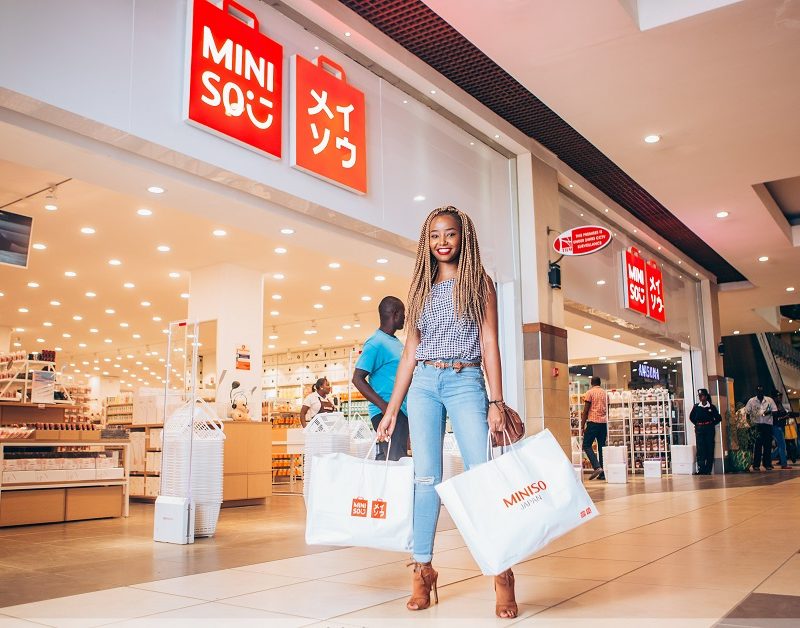
    Miniso Group Holding will acquire 29.4 percent of Yonghui Superstores from various shareholders for RMB6.3 billion (US$893.3 million).

    Miniso, through its PRC subsidiary Guangdong Juncai International Trading, entered into share purchase agreements with DFI Retail Group subsidiary The Dairy Farm Company and JD.com subsidiaries Beijing Jingdong Century Trade and Suqian Hanbang Investment Management.

    The transaction will result in Miniso becoming the largest single shareholder of the supermarket chain.

    Under the agreements, Guangdong Juncai will pay each seller RMB2.35 per share, representing a 3.1 percent premium to the closing price of Yonghui’s shares on the Shanghai Stock Exchange on September 20.

    Shares of Miniso Group Holding plunged as much as 39.2 percent to HK$20 ($2.57) on Tuesday after the deal was announced.

    The lifestyle products retailer’s shares dived to the lowest since December 2022, on track for the biggest one-day percentage drop since its debut in July 2022, and was the top percentage loser on the Hong Kong bourse. Reuters reported that compared to a 2.1 per cent rise in the benchmark Hang Seng Index.

    Yonghui has logged three years of net losses, reflecting the mounting costs of closing unprofitable stores.

    Guofu Ye, the Miniso chairman and CEO, said that acquiring the shares would allow his company to expand its access to the essential goods sector.

    “With our support and leveraging our expertise in design-led products, Yonghui will be poised to develop higher-quality self-branded products to cater to evolving consumer needs,” said Ye.

    “Furthermore, I believe that our collaboration with Yonghui in retail channel upgrade and supply chain will enable us to share resources to further enhance economies of scale, optimise the cost structure and create value for consumers.”

    Miniso’s newest flagship store – which opened early this month in downtown Jakarta – is among the first to include a range of snackfoods, all sourced from local suppliers, as the novelty retailer looks to expand into other categories, with blind boxes being another.

    DFI Retail Group will receive US$637 million for its stake, funds CEO Scott Price said would support the company’s plans to expand its other businesses in Mainland China, which remains a significant market for the company.

    “We are proud to serve millions of customers through Mannings China and 7-Eleven, and we have ambitious plans to increase the number of 7-Eleven stores in Guangdong Province in the coming years,” said Price.

    The deal is subject to Miniso shareholder approval and applicable regulatory conditions, including antitrust approval.
  • What the new JD superstore says about the future of e-commerce

    What the new JD superstore says about the future of e-commerce

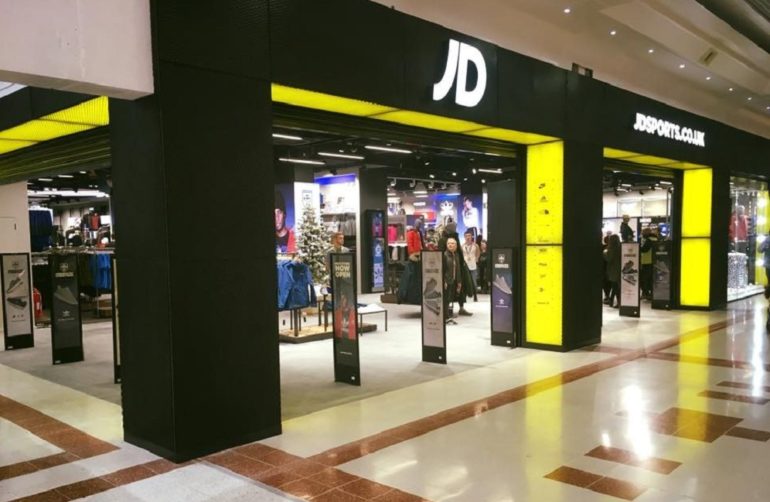
    On Singles Day this year, China’s largest online retailer JD.com launched a 50,000 sqm JD superstore in Chongqing, Mainland China.

    Nicknamed the E-Space store, the massive, 5G-equipped high-tech complex is designed to flex JD’s strengths in retail technology, logistics, and services.

    More than 30,000 customers crammed into the store, purchasing over 10 million RMB worth of products that day.

    A true omnichannel experience

    The E-Space store displays more than 1500 brands and 200,000 items across electronics, furniture, home appliances, and smaller categories such as health & wellness, beauty, books, and daily necessities.

    It is split into seven zones with 55 interactive experience zones, and smart robots designed to guide customers to the right area. This layout gives JD an opportunity to provide a unique offline retail experience that can’t be replicated online.

    For example, the store hosts Apple’s largest authorized offline experience store, a Microsoft smart home experience area, and GE’s first omnichannel home-appliances store in China. There’s a special floor designed for immersive virtual reality video games, and there are JD Home sections that display white goods appliances and furniture in different living scenarios.

    Such a store format is designed to give customers a better sense of what products would look like at home.

    To merge these experiences with its e-commerce business, JD has equipped each item’s price tag with a QR code that customers can scan to order online, through JD’s WeChat mini-program.

    These smart price tags are electronic, meaning that prices can be updated remotely to keep up with online price changes on JD’s e-commerce platform.

    Such an omnichannel model is important for large purchases such as washing machines and furniture, especially in lower-income cities such as Chongqing.

    Customers may be more hesitant to make these purchases as they might account for a large chunk of their monthly salaries. The customer journey is longer; shoppers might see a product in a store but wait several days or weeks to make a final decision.

    But with JD’s model, once that decision is made, the products can be delivered within 24 hours, complete with installment and repair services.

    In this sense, JD is providing multiple touchpoints between the merchant and the customer, as well as a full end-to-end service.

    This business model is designed to help JD differentiate from other retailers who may sell the same brand but lack the same capabilities in technology, logistics, and services.

    How the JD E-Space store fits into JD’s Boundaryless Retail Strategy

    Boundaryless retail is meant to be JD’s response to Alibaba’s New Retail strategy, leveraging technology, big data, and cloud computing to merge offline retail with online e-commerce, sharing data and traffic to provide an optimized omnichannel experience.

    The premise is that the typical marketplace e-commerce model where customers search for their products on a platform is seeing slowing growth.

    For future growth, players will have to look towards decentralized e-commerce, where new customers discover new products through online content partners and offline retail/experience centres. The E-Space store is just one example, but other examples include JD’s convenience store chain, its fresh fruit partner chain 7Fresh, and larger retailer partners such as Yonghui Superstores and Walmart.

    After hooking in new customers, JD can then upsell them using its online e-commerce capabilities. This is particularly important in China’s smaller cities where e-commerce is less prevalent and older users are less tech-savvy.