Tag: supplements

  • BioActive+ Introduces Two Liquid Vitamins in Thailand for THB 410

    BioActive+ Introduces Two Liquid Vitamins in Thailand for THB 410

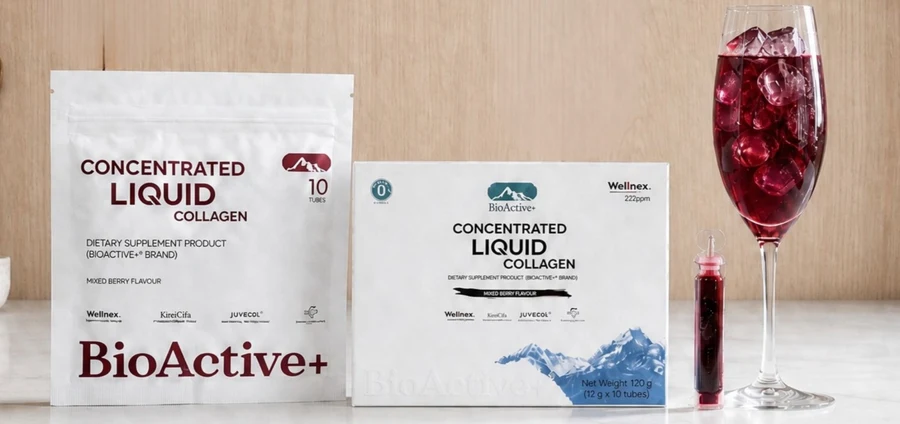
    BioActive+ launched two concentrated liquid supplement lines across Thailand in November 2026, pricing 15-tube packs at THB 410 against a regular shelf price of THB 800. The rollout covers Concentrated Liquid Lipo C and Concentrated Liquid Multivit, designed for direct consumption from the tube or mixed into 150 to 200ml of water.

    The twin launch shifts the company beyond specialized nutricosmetics into everyday health formats that drive repeat basket volume.

    Formulations and Form Factor

    Concentrated Liquid Lipo C delivers 1,000mg of vitamin C equivalence using liposomal vitamin C alongside botanical extracts from camu camu, acerola cherry, elderberry, and sea buckthorn. The formulation carries a Yuzu Orange flavour and targets immune support and antioxidant functions.

    Concentrated Liquid Multivit uses a Tropical Fruit flavour. The caffeine-free liquid combines B vitamins with vitamins C, D3, E, and carotenoids to address daily energy metabolism.

    Retail Sampling With KOI Thé

    To pull customers into retail trial, BioActive+ partnered with bubble tea operator KOI Thé across Bangkok and adjacent provinces. The sampling ran on 10 and 11 November.

    Outlets distributed a complimentary single-serve tester tube of either Lipo C or Multivit with purchases of medium or larger beverages, excluding milk tea orders. The partnership puts an ingestible format directly into the hands of cafe foot traffic without requiring consumers to step into pharmacies or beauty counters.

    Category Shift for Shelf Space

    Supplement brands across Southeast Asia face fierce shelf competition from standard pill blister packs and imported effervescent tablets. By deploying single-dose tubes that mix into water or take directly, BioActive+ attempts to take market share from traditional multivitamins with convenience and speed.

    The promotional price cut to THB 410 halves the barrier to consumer entry, but sustaining volume once the price returns to the THB 800 standard will test real repeat demand. Operators selling functional packaged goods in Thai convenience and specialist retail networks must balance steep introductory discounting against margin compression.

    The Line from Beauty to Daily Health

    BioActive+ entered the Thai market in May 2025 with four beauty-focused liquid supplements: Collagen, Asta Drink, Gold, and Gluta. Those early items targeted skin care routines with higher price thresholds and narrow consumer targets.

    The shift to everyday vitamin C and broad-spectrum multivitamins moves the brand toward high-frequency household consumption. Retailers and distributors are now tracking whether the return to the standard THB 800 price point slows conversion across Bangkok shelves.


  • Jessica Sepel Tracks Decade-Long Shift to Preventative Wellness

    Jessica Sepel Tracks Decade-Long Shift to Preventative Wellness

    Consumer wellness is experiencing a fundamental change as shoppers move away from reactive remedies toward proactive health routines, according to Jessica Sepel in September 2026.

    Over the past decade, consumers have increasingly prioritized daily habits and preventative measures to safeguard their future wellbeing rather than waiting to address emerging health concerns.

    Surging Adoption Meets Low Shelf Satisfaction

    Shoppers are replacing reactive remedies with preventative routines. They are buying supplements, specialized nutrition, and metabolic support earlier in life. Women in transition stages try an average of 3.3 more interventions than women at other life stages, and 2.9 more than male consumers.

    Retail shelves have failed to keep pace. In the consumables category, 90 per cent of surveyed women in menopause have purchased at least one wellness product. Only 35 per cent report that the product met their health requirements. The shortfall stems from generic formulation strategies that ignore sex-differentiated hormonal aging.

    The Healthspan Deficit Driving Basket Size

    Underlying the commercial disconnect is a structural gap between lifespan and healthspan. Women outlive men by roughly five years worldwide. However, they spend 25 per cent more of their lives managing illness or disability.

    This disparity drives steady demand across Asia-Pacific markets, including China, India, and Japan. Retailers stocking unisex longevity lines miss out on high-spending shoppers seeking targeted hormone, sleep, and metabolic formulas. Brands offering verified clinical efficacy can take market share directly from legacy multivitamin labels.

    Category Shifts Across Asian Pharmacies and E-Commerce

    For health retailers and cross-border platforms, preventative longevity signals a structural break from quick-fix symptom treatments. Wellness brands built on broad lifestyle positioning now face buyers demanding targeted clinical data before committing to repeat subscriptions.

    Supply chain priorities are shifting for vitamin and dietary supplement manufacturers. Formulators who relied on standard herbal blends must invest in specialized compounds for hormonal transitions, bone density, and cellular aging to protect distribution in major pharmacy chains.

    Earlier Baseline and Future Commercial Benchmarks

    The product gap follows years of longevity protocols built on male clinical baselines. Research published in December 2024 by JAMA Network Open documented systematic healthspan-lifespan disparities across 183 World Health Organization member states, opening doors for direct-to-consumer disruption.

    Manufacturers and retail category buyers will review updated demographic conversion metrics at the upcoming St. Moritz Longevity Forum proceedings as brands prepare 2027 product pipelines for key Asian and Western consumer markets.

  • APAC Supplement Sales Reach $76 Billion in 2024, Lubrizol Reports

    APAC Supplement Sales Reach $76 Billion in 2024, Lubrizol Reports

    Lubrizol has published a new white paper assessing women’s health, beauty and nutrition needs across the Asia-Pacific region, finding that 66 per cent of Chinese respondents feel underserved by currently available products.

    The Asia-Pacific supplement market reached approximately $76 billion in 2024 retail sales, accounting for 48 per cent of total global supplement sales as beauty-from-within demand expands.

    Drawing on consumer research across China, Korea and Indonesia following the Vitafoods Asia show, the study found that 87 per cent of women in China prefer health and nutrition solutions tailored to their specific life stage.

    Across the wider Asia-Pacific region, between 40 per cent and 50 per cent of consumers said their existing supplements either did not work or delivered only partial results. That performance gap creates an opening for consumer brands willing to overhaul product lines around life stages rather than broad wellness claims.

    Four Demographics Reshape Formulation Demand

    Consumer priorities split sharply along age lines in the region. Women aged 20 to 39 in the active life and career bracket focus on physical energy, recovery and appearance. They buy primarily from brands they already recognise.

    For women in the family planning and motherhood group, purchasing criteria pivot toward formulation safety and simplicity. In China, 93 per cent of surveyed mothers and expectant women cited a distinct need for specialised pregnancy iron and nutritional products. Consumers also indicated an openness to pay price premiums of up to 50 per cent for goods that remove safety uncertainties.

    Women entering the midlife transition bracket between ages 40 and 55 prioritize hormonal balance, sleep quality, metabolic energy and skin elasticity. Purchase choices in this cohort rely heavily on published ingredient data and clinical evidence.

    The healthy longevity segment, covering women aged 55 and older, showed the strongest appetite for premium pricing. Purchasing here centers on maintaining physical capability, cognitive sharpness and daily independence.

    The Shift to Ingestible Beauty

    Preventive health routines have gained greater commercial traction in China than in neighboring markets. China recorded a proactive wellness score of 34.3 per cent in the research. That outranked Indonesia at 32.6 per cent and South Korea at 30.8 per cent.

    Chinese women ranked personal beauty as their second most disruptive daily lifestyle concern, compared to sixth place in Indonesia and eighth place in South Korea. Commercial demand for ingestible skincare expands with age. While 33 per cent of Chinese women aged 20 to 39 take supplements for long-term prevention, that figure reaches 52 per cent among women aged 55 and older.

    Physical proof remains the core requirement to retain buyers across every territory surveyed. Noticeable physical benefits ranked among the top three triggers to maintain a daily routine for 62 per cent of respondents in China, 74 per cent in South Korea and 76 per cent in Indonesia.

    Consumers are no longer waiting for problems to emerge. They are investing earlier, seeking solutions that help them maintain confidence, vitality and quality of life throughout every stage of their journey.

    Safety Fears and the Bioavailability Bottleneck

    High retail sales mask friction at checkout. In China, 62 per cent of women cited fear of adverse side effects or unproven long-term safety as a top-three barrier preventing them from trying new supplements.

    Shopper trust follows a strict sequence in Asian retail channels. Buyers demand tangible physical results first, verified ingredient science second, and product safety as an absolute minimum requirement. Products relying on marketing claims without clinical backing face immediate drop-off after the first purchase cycle.

    Formulators face technical hurdles delivering active compounds that the body absorbs efficiently without unpalatable taste or digestive irritation. Lubrizol has responded by pushing microencapsulation technologies for sensitive nutrients, including iron, magnesium and curcumin, to improve bioavailability and taste profiles.

    Traditional ingredient delivery formats struggle to sustain subscription renewals across Asian e-commerce platforms. Brands that fail to show measurable outcomes within three to four weeks lose shelf space to clinical brands backed by published ingredient trials.

    Cross-Border Brands Target Reformulation

    Trade show data presented at Vitafoods Asia showed ingredient suppliers documenting rising cross-border orders for nutricosmetics and functional foods. Retailers across Tier 1 Chinese cities have expanded shelf allocations for ingestible collagen, microencapsulated minerals and cellular health compounds over the past two years.

    Suppliers are now bundling topical skincare products with ingestible nutritional packs to lock in higher basket values. For consumer health groups selling through cross-border channels like Tmall Global and JD Worldwide, regulatory compliance and clean ingredient labels will determine which brands capture the aging demographic.

    Teams across formulation and retail face the task of translating these stage-specific consumer datasets into finished products ahead of the 2025 regional exhibition cycle. New clinical trial data on bioavailable ingredients will meet commercial buyers there.

  • Bodie’z Rolls Out Waterless Functional Sherbet Sachets Across Kmart

    Bodie’z Rolls Out Waterless Functional Sherbet Sachets Across Kmart

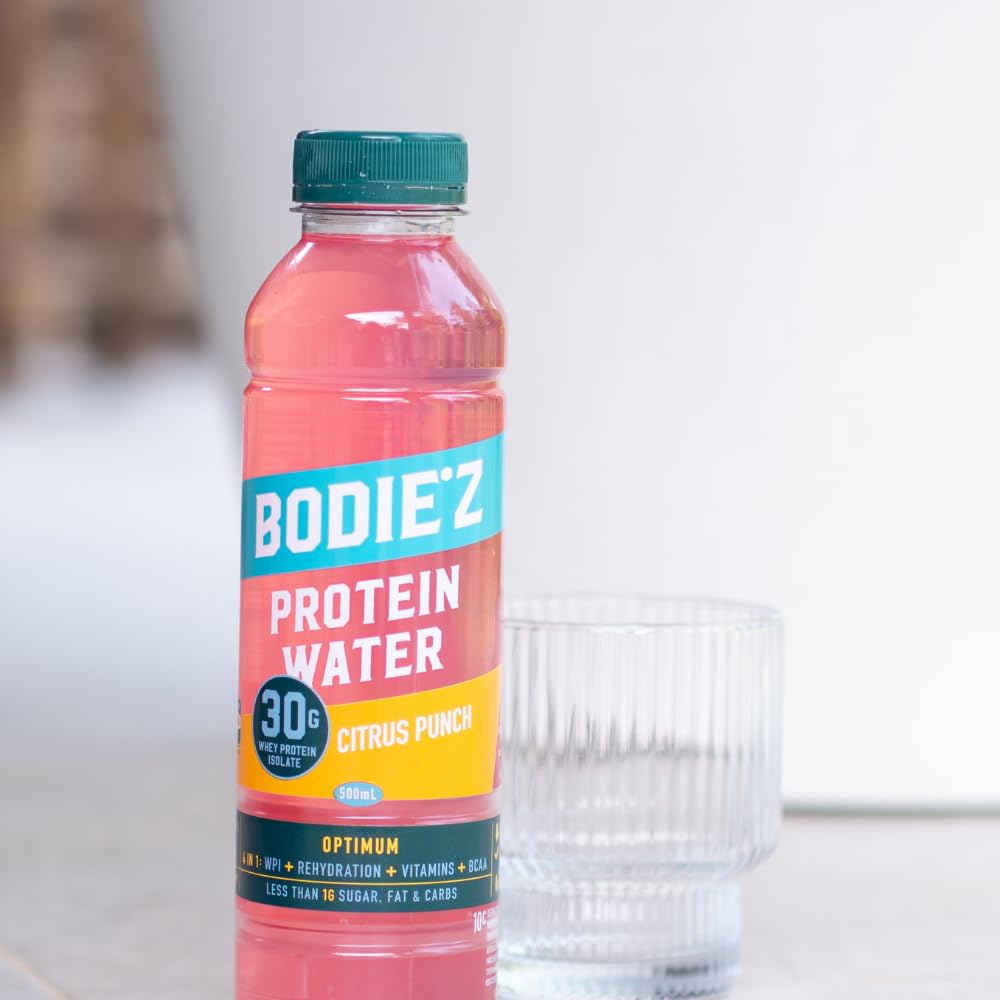
    Sydney sports nutrition brand Bodie’z has launched a waterless functional sherbet range called Fizzers across Australia, pricing single-serve sachets at $2.50. The rollout puts the direct-to-mouth powders into discount department store chain Kmart alongside Amazon and the company’s direct retail site this September.

    The launch shifts the company beyond its established ready-to-drink protein water products into portable dry formats. Each sachet delivers active nutritional compounds without requiring water or shaker bottles, targeting consumers seeking faster daily supplement habits.

    Three functional recipes

    Bodie’z built the Fizzers lineup around three specific formulations. Electrolyte Fizz focuses on hydration and mineral replenishment, while Creatine Fizz provides 3 grams of creatine monohydrate per serving. The third option, Lock In Fizz, combines L-tyrosine, matcha, and vitamin B6 for cognitive support.

    Every variant is low in sugar and uses natural flavouring. Founder Bodie Lazar designed the recipes to eliminate common points of friction in sports nutrition, including measuring scoops and swallowing large capsules.

    Waterless formats and retail reach

    Functional food manufacturers across the Asia-Pacific region are increasingly testing waterless and confectionery-inspired formats to capture shoppers who find standard powders and pills inconvenient. Moving into Kmart gives Bodie’z direct access to high-footfall general retail shelves, broadening its consumer base beyond specialist supplement channels.

    Distribution begins this month across Kmart’s national store network, Amazon Australia, and the brand’s e-commerce platform.

  • Decade-Long Scam Uncovered: $68.5M Fake Dietary Supplements Ring Busted in Hanoi

    Decade-Long Scam Uncovered: $68.5M Fake Dietary Supplements Ring Busted in Hanoi

    A vast counterfeit dietary supplement production operation has been exposed by authorities in a Hanoi industrial park, potentially impacting millions of consumers.

    The operation, allegedly run by Medistar Vietnam Company, is believed to have produced and distributed hundreds of tons of fraudulent supplements throughout the country for over a decade. The enterprise has reportedly generated an estimated VND1.8 trillion (US$68.5 million) in revenue through these activities.

    Key Players Arrested

    On January 18th, Lao Cai provincial police arrested Doan Trung Duc, the 46-year-old general director of Medistar Vietnam, along with five other individuals. The charges against them include producing and trading counterfeit food products, food additives, and seriously violating accounting regulations.

    The police have described the operation as “exceptionally large scale,” spanning across Vietnam. A coordinated effort by Lao Cai police, the Ministry of Public Security’s Investigation Police Department for Corruption, Economic Crimes and Smuggling, and Hanoi police led to an inspection of the operation on January 5th.

    Factory Raid Uncovers Counterfeit Products

    Upon inspecting a Medistar factory within Quang Minh Industrial Park in Hanoi, investigators discovered thousands of counterfeit and substandard dietary supplement products being manufactured for distribution. Among the counterfeit items were collagen supplements, vitamins, joint health products, and digestive aids.

    Preliminary findings suggest that from 2012 to 2025, this group has been distributing hundreds of tons of fraudulent supplements in the market. This illegal activity poses grave risks to consumer health and significantly damages consumer trust. The authorities further allege that hundreds of billions of dong were concealed for illicit profit, which has led to substantial tax deficits for the state.

    The investigation by Lao Cai provincial police is ongoing, and there is a possibility for its scope to be expanded in the future.

    Questions & Answers

    What is the estimated revenue generated by this counterfeit operation?
    The enterprise is believed to have generated nearly VND1.8 trillion (US$68.5 million) in revenue.

    What kind of counterfeit products were being produced?
    The factory was producing a range of fake dietary supplements, including collagen supplements, vitamins, joint health products, and digestive aids.

    What are the implications of these activities?
    The illegal activities pose serious risks to consumer health, significantly damage consumer trust, and have resulted in substantial tax deficits for the state.

  • Dietary Supplements Surge: Market Expected to Hit $351.8 Billion by 2032!

    Dietary Supplements Surge: Market Expected to Hit $351.8 Billion by 2032!

    The global dietary supplements market is on a significant upswing, projected to soar from a valuation of $185.5 billion in 2024 to an impressive $351.8 billion by 2032. This climb represents a robust compound annual growth rate (CAGR) of 8.5% between 2025 and 2032, as revealed in a recent report by SkyQuest Technology Consulting.

    Navigating Health Trends and Consumer Demand

    Much of this growth stems from an increasing emphasis on health awareness, where preventive healthcare has become a focal point for consumers. There is an escalating demand for supplements that support nutrition, bolster immunity, manage weight, and promote healthy aging. As chronic diseases such as obesity, diabetes, and cardiovascular issues rise in prevalence, there is a corresponding surge in the consumption of vitamins, minerals, proteins, omega-3 fatty acids, and herbal supplements.

    Younger generations are particularly energizing the market with their growing interest in fitness trends and personalized nutrition, pushing demand for sports and functional supplements to new heights. This demographic shift also corresponds with a preference for plant-based and clean-label products that highlight natural ingredients. The proliferation of e-commerce platforms and mobile health apps has further facilitated easy access to these products, making supplement shopping as effortless as a few taps on a smartphone. Who knew enhancing your health could be quite so click-friendly?

    Tackling Industry Challenges

    Despite this optimistic trajectory, the industry faces notable challenges. One pressing issue is the absence of standardized global regulations, which has led to inconsistencies in product quality, labeling discrepancies, and safety concerns. In various regions, lax enforcement has allowed counterfeit and substandard products to flood the market, undermining consumer trust.

    Additionally, misleading health claims and a lack of scientific backing for certain supplements have gnawed at the credibility of some offerings, creating skepticism among healthcare professionals and consumers alike. Compounding these issues are supply chain disruptions, particularly the sourcing of natural and organic ingredients, which are impacting product availability and pricing.

    Emerging Opportunities in Asia-Pacific

    The Asia-Pacific region is emerging as the fastest-growing segment of the dietary supplements market, driven by rapid urbanization, increasing disposable income, and the growth of the middle class in countries like China, India, Japan, and South Korea. There is a discernible shift towards healthier lifestyles, coupled with a rise in lifestyle-related diseases, which — along with a heightened demand for traditional and herbal supplements — is fueling robust regional growth.

    While the global dietary supplements market rallies forward with notable momentum, addressing regulatory gaps and supply chain challenges will be crucial for ensuring sustainable growth in the years to come.

    Questions & Answers

    How fast is the dietary supplements market expected to grow?
    The global dietary supplements market is projected to increase from $185.5 billion in 2024 to $351.8 billion by 2032, achieving a CAGR of 8.5% during that period.

    What factors are driving the demand for dietary supplements?
    The demand is largely driven by a growing awareness of health, an emphasis on preventive healthcare, and increased consumption of supplements that aid nutrition, immunity support, weight management, and healthy aging.

    What challenges does the dietary supplements industry face?
    Key challenges include a lack of standardized global regulations leading to product quality issues, the risk of counterfeit products, misleading health claims, and supply chain disruptions affecting the availability of ingredients.

  • Countdown partners with UK tech startup to tackle dietary requirements

    Countdown partners with UK tech startup to tackle dietary requirements

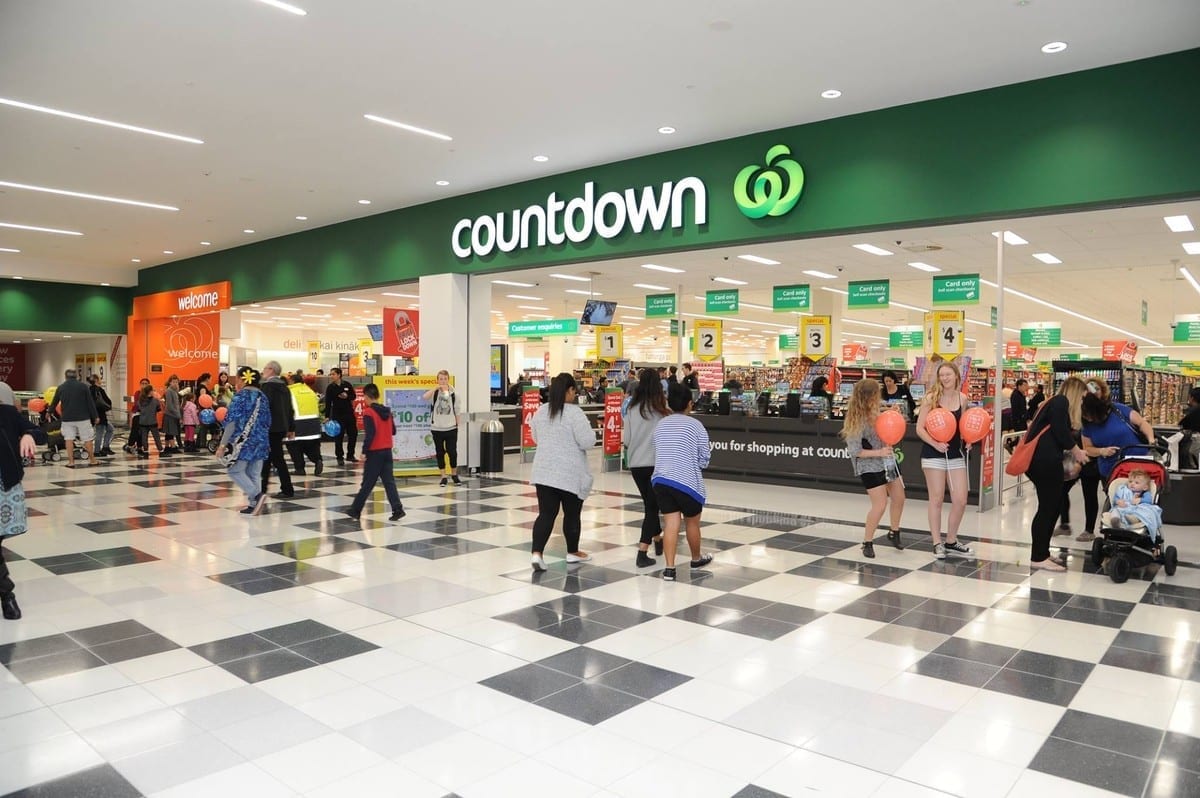
    Countdown-owner Woolworths Group has partnered with UK tech startup Spoon Guru to add new filtering options to its online shopping experience, allowing customers with food allergies or dietary and lifestyle restrictions to sort its products based on their needs.

    According to Woolworths general manager of digital experience Ananth Sarathy, the group is the first in New Zealand and Australia to partner with the startup.

    “The platform will blend our in-house digital and data capabilities with Spoon Guru’s world-leading machine learning and AI to derive rich and detailed product attributes for our customers,” Sarathy said.

    “It’s early days but the initial response from customers using the filters have been positive, with many shoppers using the feature to build lists to shop in-store as well as online.”

    The dietary indexing was rolled out initially in May, with up to 30,000 products now filterable based on consumer needs, such as gluten free, low fat, vegan and vegetarian.

    Spoon Guru aims to help consumers all over the world struggling to manage diets based due to health, lifestyle, and religious reasons.

    “The technology provides an innovative solution to a world-wide pain-point,” Spoon Guru co-founder and co-chief executive Markus Stripf said.

    “Sixty-four per cent of the world’s population is on some form of exclusion diet and whether this is due to allergy, intolerance or health and lifestyle choices, the demand for a more personalised approach to food shopping is clear.”

    Using proprietary tagging technology, Spoon Guru combines AI and algorithms with human expertise, indexing products based on certain values, making them more accessible and searchable on digital storefronts.

    Spoon Guru has partnered with other international retailers, such as Tesco, Jet and Albert Heijn, but Woolworths Group is its first partner in Australia and New Zealand.

    Spoon Guru’s partnership with Tesco began in November 2017, and has changed the way its consumers interact with its online channel – with certain search terms increasing in popularity, and some search terms seeing up to a 500 per cent increase in conversion.

    “It’s incredibly rewarding to have the opportunity to help millions of consumers around the world to find the right foods for their personal needs,” Stripf said.

    “Jet, Albert Heijn and Woolworths are all forward-thinking brands that share the same passion as Spoon Guru, making them the perfect partners for our business as we grow into a global solution.”

  • Vietnamese pharmacy firms cash in on nutritional supplements, brokers say

    Vietnamese pharmacy firms cash in on nutritional supplements, brokers say

    Liver supplements marketed for detoxication and supporting liver functions have become big business.

    Many major pharmaceutical companies in Vietnam, one of Asia’s top beer consumers, have stepped up selling liver supplements to boost their profits, company reports and a brokerage said.

    Duoc Hau Giang, Vietnam’s largest pharmaceutical company, reported that revenue last year rose 4.8 percent to VND3.78 trillion ($166 million) from 2015, fuelled by a surge in sales of liver supplements, Ho Chi Minh City-based Rong Viet Securities Co cited the firm’s financial statement as showing.

    About 2 percent of the revenue last year came from liver supplements, which surged 114 percent from 2015 to VND89 billion.

    The company planned to more than double sales of liver supplement brand Naturenz to VND800 billion, accounting for 12 percent of total revenues in the next five years.

    In pill form, liver supplements marketed for detoxication and supporting liver functions have become big business for local pharmaceutical companies, Rong Viet Securities said.

    Some major pharmaceutical companies have gradually reduced their antibiotics business in favor of other medicines, including supplements, in hope for greater profits.

    Hau Giang’s revenues from antibiotics fell to 40 percent of the firm’s revenue last year, from 45 percent in 2008, based on financial reports. It has projected the antibiotics sales to fall further to 38.5 percent of revenue by 2020.

    Traphaco, Vietnam’s second-biggest listed pharmaceutical company, reported that sales of its liver detox brand Boganic had doubled within a five-year period to VND200 billion in 2015 and that the sale has been rising 16 percent annually in recent year.

    Each Vietnamese person drank on average 42 liters, making the country Asia’s third biggest beer consumer after Japan and China, and Vietnam ranks among the world’s top 25 heaviest beer drinkers. Demand for liver detox has been rising in line with higher consumption of alcoholic drinks.

    Over the past five years, Vietnam has doubled its beer consumption to more than 3 billion liters per year. Last year it produced an estimated 3.8 billion liters of beer, up 18 percent from 2015, based on government data. Its well-known export brands include Bia Saigon and 333.

    The country has projected beer production to rise to 4.1 billion liters in 2020, based on a Industry and Trade Ministry plan.