Retail News CRM

Tag: supplier

  • Vietnam’s Sparkling Affair: $121.5M Diamond Imports in H1 2026, India Emerges as Top Supplier

    Vietnam’s Sparkling Affair: $121.5M Diamond Imports in H1 2026, India Emerges as Top Supplier

    In the first half of 2026, Vietnam saw diamond imports totalling an estimated US$121.5 million. Of this figure, India emerged as the main supplier, accounting for approximately 52% of the total imports, around $63.2 million. This figure is a significant increase compared to the previous year, where diamond imports from India totalled $107.6 million over the year.

    Other Notable Diamond Suppliers

    Belgium, another key player in the diamond market, came in second as a supplier. The country’s diamond exports to Vietnam amounted to $17.9 million, a decrease from the previous year’s total export value of $51.7 million. Israel followed closely as the third largest supplier with $9 million worth of diamond imports. Botswana and Thailand completed the list of top five suppliers, with imports valued at $7.7 million and $5.1 million, respectively.

    Other noteworthy suppliers to Vietnam included the U.S., contributing $3.6 million worth of diamonds, Hong Kong at $2.8 million, Japan at $2.7 million, and finally China at $2.2 million.

    Under current regulations, the Department of Customs stated that rough diamonds can only be imported from markets that participate in the Kimberley Process Certification Scheme (KPCS). The accompanying shipment must have a valid KPCS certificate issued by the appropriate authority of the exporting market, and it must comply with all customs documentation and clearance procedures.

    Customs authorities bear the responsibility of examining documentation, inspecting consignments, issuing certificates for imported rough diamond, and managing imports in line with the law. Customs clearance is executed based on import declarations, KPCS certificates, and other relevant documents submitted by importers.

    Recent Diamond Smuggling Incident

    These import figures have come under public scrutiny following the recent crackdown on a significant cross-border diamond smuggling operation. This operation, dismantled by police in the central province of Thanh Hoa, led to charges against 22 suspects and the seizure of 1,100 diamonds. According to police reports, the network had conducted 141 smuggling operations since 2024, trafficking more than 28,000 diamonds from Hong Kong into Vietnam. The estimated turnover of this operation was VND280 billion (roughly US$10.6 million).

    Questions & Answers

    Who is Vietnam’s largest diamond supplier in the first half of 2026?
    India was Vietnam’s largest diamond supplier in the first half of 2026, accounting for 52% of total imports.

    What is the Kimberley Process Certification Scheme (KPCS)?
    The KPCS is a scheme that regulates the trade of rough diamonds, ensuring the diamonds are legally mined and sold, to prevent the sale of conflict diamonds.

    What were the details of the recent diamond smuggling incident in Vietnam?
    A major cross-border diamond smuggling operation was recently dismantled by police in the central province of Thanh Hoa. The operation had trafficked more than 28,000 diamonds from Hong Kong into Vietnam since 2024, netting an estimated turnover of VND280 billion (roughly US$10.6 million).

  • Apple’s Key Supplier Tata Boosts Security Measures Amid Dark Web Data Leak Investigation

    Apple’s Key Supplier Tata Boosts Security Measures Amid Dark Web Data Leak Investigation

    Tata Electronics, a primary supplier for tech giant Apple in India, has increased its internal security measures following a potential leak of confidential client files on the dark web, according to a source from Tata and two industry representatives.

    In response to the incident, Tata has engaged an international consultant to perform a forensic audit. The company has also reported the incident to the Indian government and its customer base. The source from Tata chose to remain anonymous due to the sensitive nature of the situation.

    The cybercrime group known as World Leaks claimed responsibility for uploading over 200,000 files onto the dark web. These files allegedly include design documents for components used by both Apple and Tesla, another of Tata’s clients. The authenticity of the data remains unverified.

    Tata acknowledged the occurrence of a “cybersecurity incident” but assured that its operations were not affected, without providing further details.

    In addition to Apple and Tesla, the leaked data is believed to include at least 16 files and folders from Taiwan Semiconductor Manufacturing Co (TSMC) and 23 from Qualcomm. Both companies supply parts for iPhones.

    Increased Security Measures

    Following the breach, Tata Electronics strengthened security protocols across all its facilities and offices. Remote access to sensitive internal tools, such as those used for placing purchase orders, was limited to a select group of employees. Prior to the incident, these tools were more accessible. The updated protocols apply across Tata Electronics and are not limited to specific factories.

    The investigation into the breach continues, with Apple’s security team reportedly collaborating closely with Tata. The security enhancements include stricter regulations for accessing Tata’s official network from outside the company’s premises.

    Implications for Tata and its Clients

    Tata Electronics, led by former Intel and Applied Materials executive Randhir Thakur, is a critical part of Apple’s strategy to expand iPhone production outside China. However, the breach poses a significant setback to Apple’s supply chain. Tata is also facing scrutiny over alleged farmland contamination near one of its iPhone parts plants in India.

    World Leaks claimed to have published more than 204,341 files containing Tata Electronics data, amounting to over 630.4 gigabytes. The exposed documents include purported “product reliability test” details of a TSMC component and mechanical specifications for a power management integrated circuit from Qualcomm.

    Despite the challenges, India is expected to manufacture 26% of the world’s iPhones by 2026, a significant increase from the 6% it produced four years ago, as reported by research firm Counterpoint.

    Questions & Answers

    How has Tata Electronics responded to the data breach?
    Tata Electronics has increased internal security measures, limited remote access to sensitive systems, and engaged an international consultant for a forensic audit.

    What does the leaked data purportedly contain?
    The data allegedly contains design documents from Apple and Tesla, and files from Taiwan Semiconductor Manufacturing Co and Qualcomm.

    What are the potential impacts of the breach on Tata and its clients?
    The breach could interrupt Apple’s supply chain and increase scrutiny on Tata, which is already facing allegations of farmland contamination in India.

  • GrapeCo and Mondelēz Triumph at Woolworths New Zealand’s Annual Supplier Awards: Celebrating Innovation and Sustainability

    GrapeCo and Mondelēz Triumph at Woolworths New Zealand’s Annual Supplier Awards: Celebrating Innovation and Sustainability

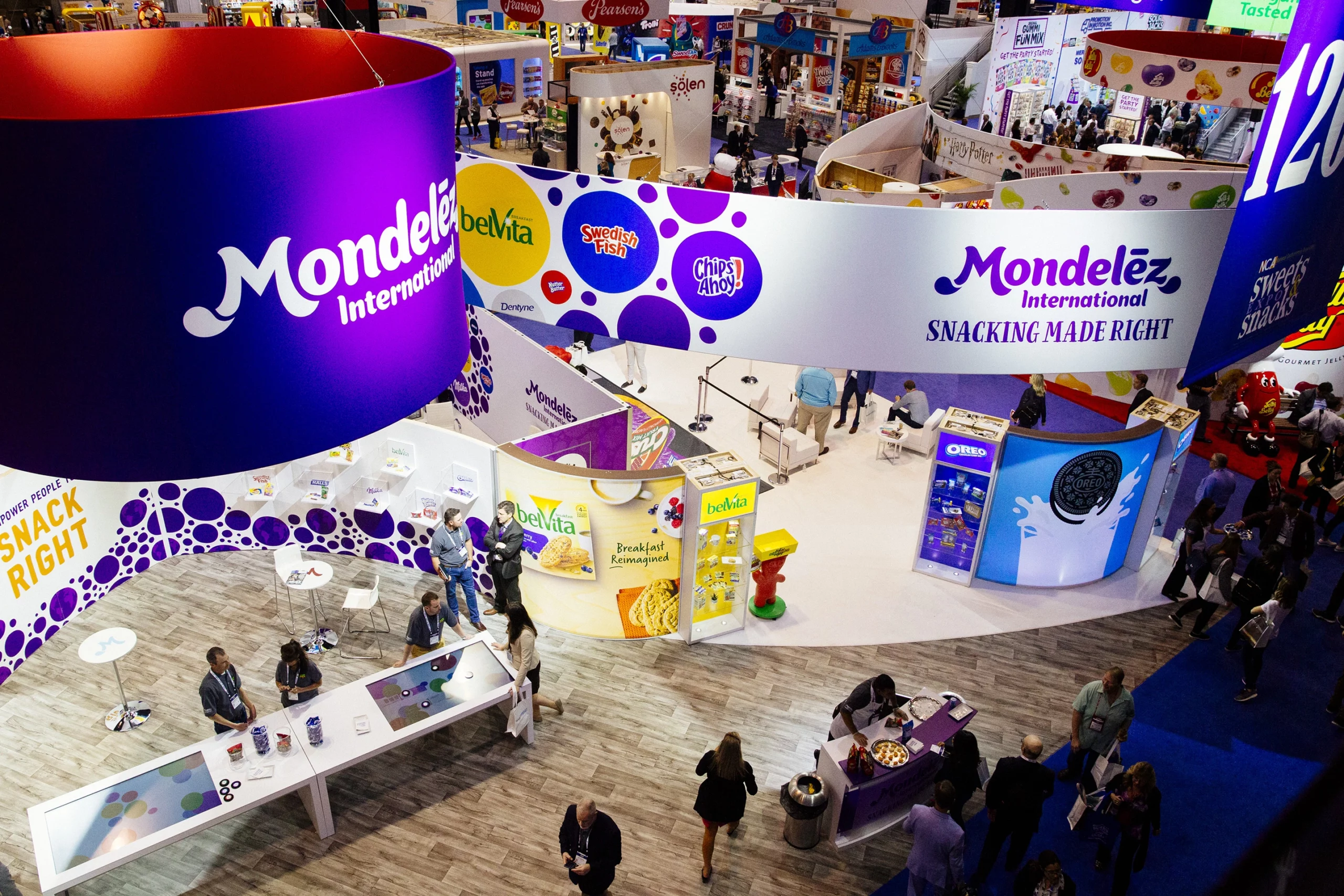
    Woolworths New Zealand recently honoured its partners and innovators in the food and grocery industry, handing out 20 awards at its annual Supplier Awards event at the Auckland War Memorial Museum. GrapeCo and Mondelēz were the illustrious recipients of the ‘Supplier of the Year’ titles.

    Supplier Excellence and Innovation

    The awards, which included 54 finalists, celebrated the ingenuity and collaborative efforts within the industry.

    GrapeCo, a grape supplier for Woolworths NZ, was awarded the ‘Fresh Supreme Supplier’ title for its novel grape varieties and its commitment to sustainability.

    Pieter De Wet, commercial director for Woolworths New Zealand, commended GrapeCo’s environmentally-friendly practice of testing reusable crates which could potentially eliminate more than 60 tonnes of packaging from the Woolworths supply chain.

    “GrapeCo’s dedication extends beyond the norm. Their impactful strategic partnership and their innovation makes them the worthy recipients of our ‘Fresh Supreme Supplier of the Year’ award,” De Wet stated.

    Mondelēz: Packaged Food Supreme Supplier of the Year

    Snack manufacturer Mondelēz was named the ‘Packaged Food Supreme Supplier of the Year’. This accolade represents Mondelēz’s resilience, innovation, and their significant contribution to growth in the industry.

    “Mondelēz has truly distinguished itself this year with exceptional performance and strategic ingenuity,” De Wet said. “Their consistent high performance over the past three years, along with their long-term leadership, makes them the rightful winners of the Supreme Award.”

    Other award recipients included Breadcraft Wairarapa, MaxFoods, Fonterra, Darren Lobb – Hellers, Vitaco, Hancocks, Simplot, Mondelez New Zealand, Amanda Collier (Suntory Oceania), Taryn Aspeling (Heinz Watties), Essity Australasia, Body Science (BSc), and Harriet Butler (Scalzo).

    Questions & Answers

    Who were the ‘Supplier of the Year’ winners at the Woolworths New Zealand Supplier Awards?
    The winners of the ‘Supplier of the Year’ titles were grape supplier GrapeCo and snack manufacturer Mondelēz.

    Why was GrapeCo awarded the ‘Fresh Supreme Supplier’ title?
    GrapeCo was awarded for its introduction of new grape varieties and its commitment to sustainability, specifically for testing reusable crates which could potentially reduce packaging by over 60 tonnes.

    What contributed to Mondelēz being named the ‘Packaged Food Supreme Supplier of the Year’?
    Mondelēz was recognized for its resilience, innovation, and significant contribution to growth within the food and grocery industry.

  • Li & Fung Acquires Uk’s Orrsum In Strategic Move Towards Platform-based Growth

    Li & Fung Acquires Uk’s Orrsum In Strategic Move Towards Platform-based Growth

    Renowned supply chain management firm, Li & Fung, headquartered in Hong Kong, has recently announced the acquisition of Orrsum, a prominent UK-based supplier specializing in hosiery and underwear. The financial details of the deal remain undisclosed at this point.

    Orrsum’s Stature and Future Plans

    Established in 1998, Orrsum has an impressive record of producing more than 50 million pairs of socks annually, distributing to over 5,000 retail outlets on a global scale. The company’s reputation is solidly backed by its product expertise, innovative development model, and robust customer relationships.

    As part of the acquisition agreement, Orrsum will continue to operate under the umbrella of Li & Fung Europe. The leadership will remain unchanged with William Orr at its helm. It aims to capitalize on Li & Fung’s advanced AI-driven digital infrastructure and expansive sourcing network spread across 40 economies. This strategic move is expected to enhance supply chain agility, facilitating entry into new markets and channels.

    Significance of the Acquisition

    Destan Bezmen, who serves as the president of Europe, emphasized that this acquisition is a critical move in the company’s expansion strategy. He expressed confidence that integrating Orrsum’s category leadership and product development capabilities with Li & Fung’s digital infrastructure and global reach will enable them to scale high-demand categories. Furthermore, it will expand their customer offerings and lead to faster, more flexible execution across different markets.

    This agreement signifies Li & Fung’s first acquisition in more than 10 years and the maiden one since it turned private in 2020. The company shared that this transaction is a part of its strategic shift towards platform-based growth. This new direction places a strong emphasis on scalable product categories, digital integration, and the development of resilient supply chain solutions.

    Li & Fung has previously partnered with US apparel brand, Sanctuary, in October of last year. This collaboration aimed at the creation and distribution of a new women’s denim line under a licensing agreement.

    Questions & Answers

    What is the significance of Li & Fung’s acquisition of Orrsum?
    This acquisition marks a critical step in Li & Fung’s expansion strategy, allowing the company to scale high-demand categories, broaden customer offerings, and facilitate faster, more flexible execution across markets.

    How will Orrsum operate following the acquisition?
    Orrsum will continue its operations under Li & Fung Europe and maintain its existing leadership led by William Orr. The company will leverage Li & Fung’s AI-enabled digital infrastructure and extensive sourcing network to boost its supply chain agility and facilitate expansion into new markets and channels.

    What is the strategic shift Li & Fung is aiming for with this acquisition?
    The acquisition is part of Li & Fung’s strategic pivot towards platform-based growth, focusing on scalable product categories, digital integration, and the development of resilient supply chain solutions.

  • Vietnam goes past Thailand, becomes Israel’s biggest tuna supplier

    Vietnam goes past Thailand, becomes Israel’s biggest tuna supplier

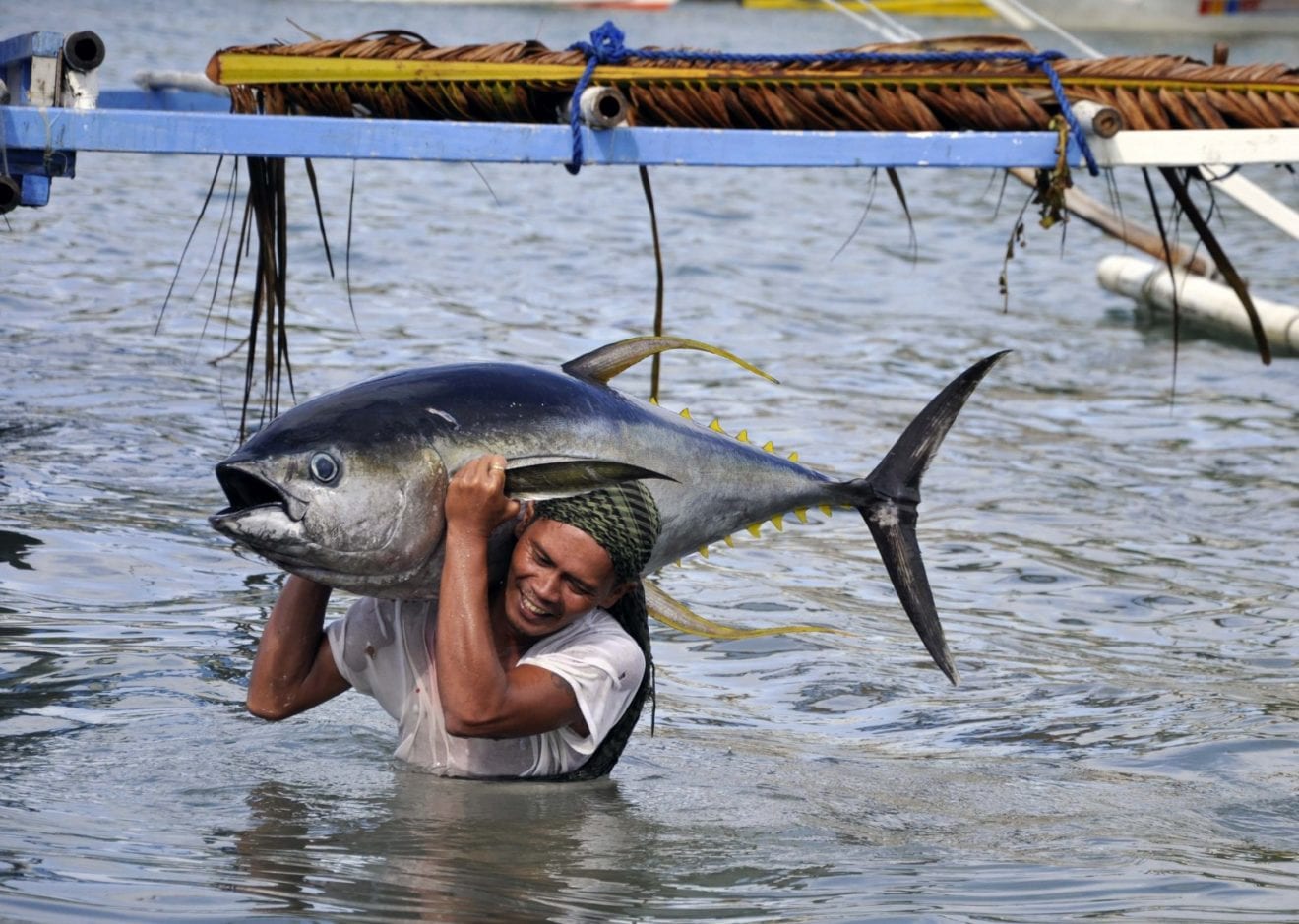
    Vietnam surpassed Thailand in the first half of this year to become the biggest exporter of tuna to Israel.

    It accounted for 31 percent of Israel’s imports while that country became Vietnam’s third largest market behind the U.S. and Italy.

    Israel bought less tuna from most countries amid the Covid-19 pandemic, but increased its imports from Vietnam, the Vietnam Association of Seafood Exporters and Producers (VASEP) said.

    Latest data from VASEP shows that Vietnam’s exports to Israel jumped by 34 percent during the year until Aug. 15 to nearly $25 million.

    Eight companies ship tuna fish to Israel, but have all complained about Covid-related restrictions hurting their production in recent months.

    VASEP has repeatedly been petitioning the government to quickly vaccinate workers in the fisheries sector to ensure the supply chain is not disrupted.

  • Avoiding Supplier Sustainability Scandals Through Better SRM

    Avoiding Supplier Sustainability Scandals Through Better SRM

    Corporate ethics are under greater scrutiny than ever before; any failing is rapidly exposed on social media and very soon hits the global headlines. Investigative media – be that online, on television, or on paper – will eagerly expose the latest scandal, whether it’s to do with child labour, slave workers or bribery in high places, while Governments, which must be seen to act, respond with public inquiries, new legislation, or prosecutions. But it’s not just about protecting brand reputation and adhering to regulations, it’s also about being able to reassure and cater for customers.

    Daniel Weston, Chief Operating Officer (Europe), Adjuno, discusses how best to implement effective Supplier Relationship Management (SRM) to help avoid nasty surprises.

    Conscious Consumers
    Many of today’s shoppers want to know exactly where the items they buy come from and that they are sourced sustainably and ethically. Is that garden furniture made from illegally logged rainforest teak rather than the FSC (Forest Stewardship Council) variety from sustainable plantations? Can you trust the supplier to have honestly labelled it as such? As various scandals in recent years have highlighted, what certain suppliers say about their products is not always strictly true, and when the deception hits the headlines then most members of the public will remember the retailer’s name – not the lesser known supplier.

    Our global world is also highly competitive: consumers are increasingly demanding with across to cross-border ecommerce commonplace, while product life cycles grow ever shorter. Add to that concerns over rapidly changing business-to-consumer (B2C) dynamics as well as the total “cost to serve” – as competition and consumer demand increase pressure on high-level services – and the need for good supplier relations becomes ever more significant.

    Implementing Supplier Relationship Management
    Supplier relationship management is all about strategic collaboration with suppliers to add value, minimise risk and ensure consistent and compliant governance. Any SRM implementation should start small with a pilot project involving a handful of key strategic suppliers before embarking on more significant developments.

    Implementing an SRM process is made a lot simpler when following a step structure, such as in the following checklist.

    1. Define objectives and priorities.
    2. Analyse the activities involved, process change needed and the necessary toolkit.
    3. Identify and define the necessary roles and responsibilities.
    4. Assess the maturity of your procurement department and their ability to cope with change.
    5. Establish the internal competences needed and give training where required.
    6. Identify suppliers and their core competencies.
    7. Segment suppliers: identify the strategic with whom to develop SRM.
    8. Examine existing and needed technology.
    9. Establish parameters for measuring and improving supplier performance.
    10. Establish systems to identify and mitigate risk.
    11. Select meaningful KPIs relevant to both you and your strategic supplier.
    12. Ensure both partners in the relationship are committed and all stakeholders throughout the
    13. Don’t expect a one- size-fits all solution: relations with each strategic supplier may take on a organisation aligned unique character.

    Overcoming Obstacles

    Putting a set of standardised, open and transparent SRM tools in place, plus a rigorous and consistent management approach can help improve the chances of SRM success. But there are still several pitfalls to consider and avoid when setting up SRM, three key ones are:

    1. Placing too much focus on costs rather than value
      Effective SRM demands attributes, such as change management, team leadership, and the long-term planning necessary to develop lean and agile supply chains. Too much preoccupation with short-term cost control and it’s back to those old adversarial combats with buyers pushing down the price while disgruntled suppliers watch their profits evaporate.
    2. Lack of specific SRM competencies and skills
      While the right software tools can ease SRM implementation, it is more than just an electronic filing cabinet. The success also depends on the people and processes across both supplier and buyer organisations. For example, this new way of operating may be challenge for those transitioning from traditional procurement departments that have previously been responsible for running sourcing projects and have specialised in taking an adversarial approach to negotiation. Extra training will help to combat any of these sorts of issues.
    1. Non compatible strategic objectives
      SRM also requires that both supplier and buyer adopt a complementary strategy: developing long-term collaborative partnerships will not work if either side is still in combative mood looking for weaknesses to exploit. The decision to introduce and develop SRM needs good executive leadership and agreement from selected strategic suppliers so that they, too, are comfortable with such an approach.

    Conclusion
    There are lots of benefits to supplier relationship management, as well as more sustainable processes and improved customer satisfaction, they generate better access to technological innovations, improved on-time delivery, reduction on inventories, higher responsiveness to customer demand and more product innovation opportunities.

    SRM is not a quick-fix solution, it is a long-term game and involves a strategic approach to business improvement. Success requires commitment and persistence. Especially, in the global economy with ever-increasing competition, where securing a reliable and supportive supplier base is essential: if businesses do not become the “customer of choice” then it is very likely that one of their competitors will. Equally, if procurement departments maintain a traditional adversarial stance, the performance management is poorly monitored or contracts are buried deep in a filing cabinet, then the likelihood of supply chain breakdown increases – and brands will have no excuse when the ethical failings of their suppliers become public knowledge and damage their hard earned reputation.

  • Tesco Gives More Detail on Supplier Deals After Scandal

    Tesco Gives More Detail on Supplier Deals After Scandal

    Tesco provided more information about how it accounts for relationships with suppliers on Wednesday after an accounting scandal that contributed to an annual loss of 6.4 billion pounds ($9.5 billion).

    Britain’s biggest retailer announced last year it had overstated profits by 263 million pounds due to booking deals with suppliers too early, prompting a criminal investigation by Britain’s Serious Fraud Office.

    As it announced the biggest loss in its 96-year-history on Wednesday, Tesco said it was increasing transparency and seeking to build “longer-term, mutually beneficial partnerships” with its suppliers as it tries to rebuild trust in the market.

    It is seeking to simplify the deals it negotiates with suppliers, noting it was currently using over 20 different kinds of payment terms, including multiple offers and rebates when agreed sales volume targets are met.

    It also gave more details on how it accounts for supplier deals and the impact on its balance sheet and said it had launched new guidelines for staff in this area.

    UK consumer watchdog Which? demanded an investigation on Tuesday into “misleading and confusing” pricing tactics over seven years in areas such as multi-buy offers at British grocers.

    Led since September by Dave Lewis, a former executive at major Tesco supplier Unilever, the retailer said it had met with over 100 suppliers to draw up new business plans to focus ranges and improve efficiency in its supply chain.

    Suppliers are feeling the squeeze due to a fierce price battle between Tesco and its main rivals, Sainsbury’s, Asda and Morrison’s, with 146 food producers entering insolvency in 2014, up from 114 in 2013, according to accountants Moore Stephens.