Retail News CRM

Tag: surging

  • Surging Ahead: Luckin Coffee Topples 35,000-Store Milestone with Rapid Global Expansion

    Surging Ahead: Luckin Coffee Topples 35,000-Store Milestone with Rapid Global Expansion

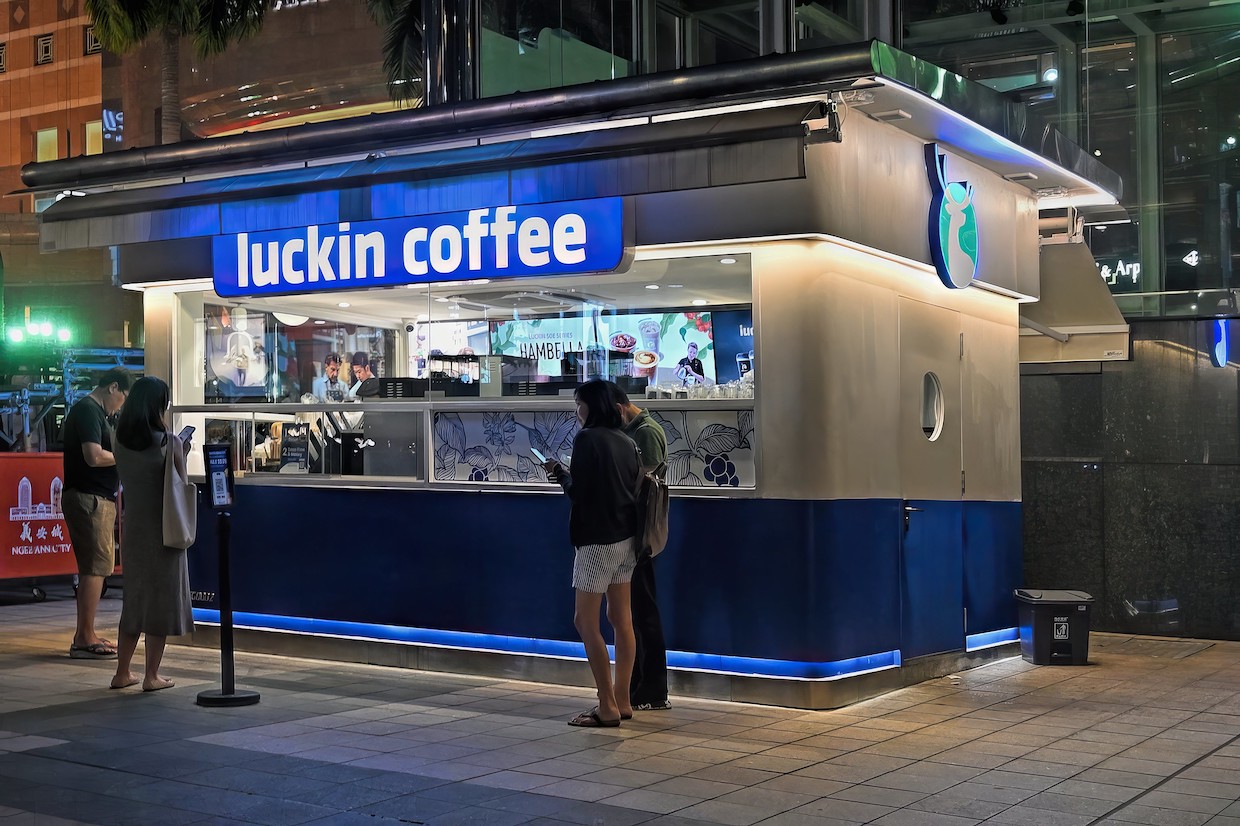
    Luckin Coffee, a leading coffee chain in China, recently celebrated a significant expansion mark. The brand’s international presence now spans over 35,000 locations across the globe. This development underscores Luckin’s rapid growth both in its home country and abroad, further solidifying its reputation as one of the most extensive coffee and beverage retail chains in terms of store count.

    Impressive Expansion Strategy

    Luckin’s monumental growth is primarily attributed to its aggressive expansion strategy. This strategy is rooted in establishing a dense urban presence, standardizing store layouts, and leveraging technology to facilitate rapid deployment and high-volume service.

    The chain’s growth trajectory has been consistent, with the opening of its 30,000th store earlier this year. This milestone was marked by the debut of a new ‘Origin Flagship’ store in Shenzhen, a significant departure from the brand’s usual small-scale, pickup-focused outlets. The two-story establishment covers an area of approximately 420 square meters.

    Sustained Revenue Growth and Product Demand

    Luckin Coffee has also enjoyed consistent double-digit revenue growth as the brand continues to expand its footprints. As of May 31, the company reported that its non-coffee beverages’ cumulative sales had exceeded RMB 20 billion (equivalent to US$ 2.9 million). The sales report also noted that 22 of its products had sold over 100 million cups each. This shows the strong consumer demand for its extensive beverage offerings beyond coffee.

    Over the years, the company has constructed an integrated supply chain and operational infrastructure designed for large-scale operations. This includes expanded global sourcing from key regions such as Brazil, Ethiopia, and Indonesia, and domestic agricultural areas like Yunnan and Guangxi.

    Questions & Answers

    How many locations does Luckin Coffee have worldwide?
    Luckin Coffee’s global presence now spans over 35,000 locations worldwide.

    What is the foundation of Luckin Coffee’s expansion strategy?
    Luckin Coffee’s expansion strategy is rooted in establishing a dense urban presence, standardizing store layouts, and leveraging technology to facilitate rapid deployment and high-volume service.

    How has Luckin Coffee’s non-coffee beverages performed in terms of sales?
    As of May 31, Luckin Coffee reported its non-coffee beverages’ cumulative sales had surpassed RMB 20 billion (equivalent to US$ 2.9 million). Furthermore, 22 of its products had each sold over 100 million cups.

  • Iran Conflict Stalls China’s E-commerce Wave: Surging Fuel Costs and Dwindling Demand Spell Trouble for Online Giants

    Iran Conflict Stalls China’s E-commerce Wave: Surging Fuel Costs and Dwindling Demand Spell Trouble for Online Giants

    China’s e-commerce export sector is facing difficulties due to increasing jet fuel costs and a decrease in demand from lower-income consumers in the West. These challenges have arisen as a result of the ongoing conflict in Iran, which is affecting profits for major online platforms such as Temu, Shein, and AliExpress.

    The Evolving Business Model

    These companies, many of whom have business models that rely on the transportation of inexpensive goods from Chinese factories to global consumers, have been under stress since the introduction of tariffs by former U.S. President Donald Trump. The additional tariffs and the removal of customs waivers on low-value packages have put further pressure on these companies.

    Added to this, escalating logistics costs as a result of the Middle East conflict are making things more complicated. Shippers like DHL Express are now imposing significant fuel surcharges. As a result, China’s low-cost e-commerce exports experienced a decrease of 10.9% in April, which marks the fifth consecutive month of declines year on year.

    For example, Diana Qiao, a seller of women’s clothing on Temu, found it necessary to raise her selling prices due to an increase in shipping costs per garment. Qiao shared that the added cost is ultimately passed on to the consumer, a measure that was taken to protect her profit margins.

    Changing Strategies

    The decrease in export values is not only indicative of the cost squeeze but also suggests that the era of rapid growth for these large, low-cost shopping platforms may be coming to an end. These companies are likely shifting towards storing more products in warehouses for local dispatch, instead of having everything shipped directly from China.

    Shein, for example, has been increasing its warehouse capacity in Europe. The company recently opened its third warehouse in Cannock, near Birmingham in the UK. AliExpress, owned by Alibaba, confirmed its commitment to maintaining competitive pricing for its consumers and providing a stable environment for sellers and consumers, despite the fluctuating global transportation costs.

    Although exports are still higher than they were two years ago, future growth may be more challenging for companies like Shein and Temu. Both companies have already established significant market shares, and the rise in petrol prices is impacting household budgets in the US and Europe.

    Questions & Answers

    What factors are impacting China’s e-commerce export sector?
    The sector is being affected by increasing jet fuel costs and decreased demand from lower-income consumers in the West, stemming from the ongoing conflict in Iran.

    How are e-commerce companies adjusting to these challenges?
    Companies are likely shifting towards storing more products in warehouses for local dispatch, instead of having everything shipped directly from China.

    What are the future prospects for growth in this sector?
    Although exports are still higher than they were two years ago, future growth may be more challenging due to factors such as rising petrol prices and established market shares by big companies.

  • Singapore’s Retail Boom: Surging Petrol Prices Fuel Accelerated Growth in April

    Singapore’s Retail Boom: Surging Petrol Prices Fuel Accelerated Growth in April

    In April, Singapore’s retail sales growth accelerated, with most sectors, especially petrol service stations, experiencing significant advancements.

    The Department of Statistics reported a 4.5% rise in retail sales, excluding motor vehicles, parts, and accessories. This increase builds upon the revised 3% growth seen in March. The estimated total value of retail sales touched SG$3.6 billion (US$2.8 billion), with online sales accounting for 18.2% of this figure. On a seasonally adjusted basis, retail sales in April increased by 0.4% compared to the previous month.

    Strong Sector Performances Drive Growth

    The surge in April’s retail sales was fueled by robust performances across most sectors. Petrol service stations observed a substantial year-on-year growth of 14.4%, primarily attributable to increased fuel prices resulting from the Middle East conflict. The recreational goods sector followed closely, registering a sales growth of 12.3%.

    Several other sectors, including apparel and footwear, cosmetics and toiletries, supermarkets and hypermarkets, and optical goods and books, also posted robust improvements, with growth figures ranging between 5% and 8%.

    Conversely, department stores and food and alcohol retailers experienced a slight dip in sales, recording declines of 1.1% and 0.1% respectively.

    Moderate Increase in Food and Beverage Services

    In the food and beverage services sector, sales marginally increased by 0.4% in April, showing a slowdown from the 2.3% growth observed in March. The total sales value of food and beverage services was estimated at SG$1.5 billion, with nearly one-fifth of this amount generated from online sales.

    Questions & Answers

    Which sector experienced the most significant growth in retail sales in Singapore in April?
    The petrol service stations sector saw the most substantial growth, with a year-on-year increase of 14.4%.

    What were the total estimated retail sales in Singapore in April?
    The total estimated retail sales value in Singapore in April was SG$3.6 billion (US$2.8 billion).

    How did the food and beverage services sector perform in Singapore in April?
    The food and beverage services sector saw a moderate increase in sales of 0.4% in April.

  • Miniso Group Reports Surging Q1 Sales: All Sectors Power Past Revenue Projections

    Miniso Group Reports Surging Q1 Sales: All Sectors Power Past Revenue Projections

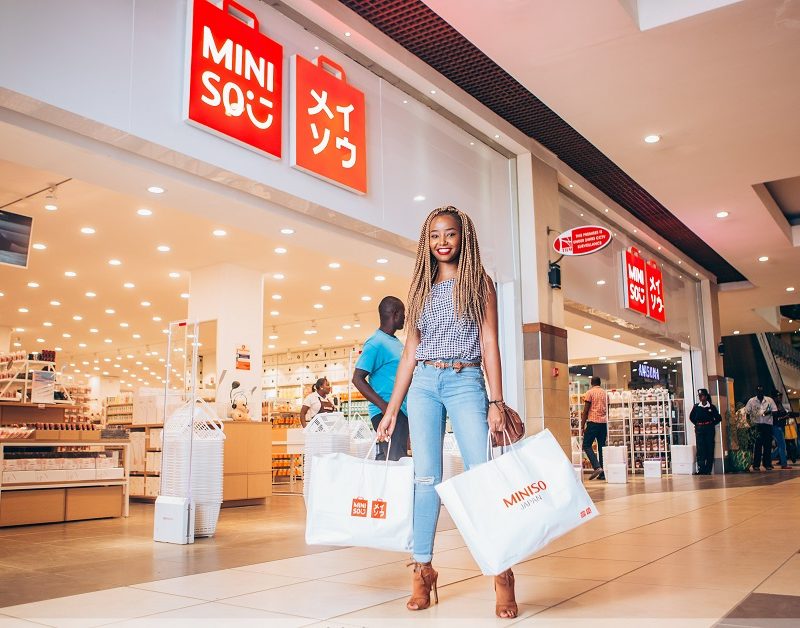
    Miniso Group, a prominent retailer based in China, reported a significant growth in sales in its first quarter, owing to strong performances across all business areas. The company’s revenue saw a year-on-year increase of 28.5%, totalling up to US$824.6 million for the quarter ending on March 31. The impressive results, primarily fueled by a noticeable boost in same-store sales, surpassed the management’s initial projections.

    Consistent Growth Across Segments

    Miniso’s business in Mainland China marked its fifth successive quarter of revenue growth, registering a 29.6% increase. Concurrently, the company’s overseas revenue saw a rise of 21.9%. The Top Toy segment also maintained its growth trajectory in the pop toy industry, posting a sales growth of 51.4%.

    The company’s profit for the period skyrocketed by 199.7% year-on-year to $180.9 million. This surge was primarily attributable to an unrealised market gain of $126.8 million arising from fair value alterations in an investment related to a limited partnership in the AI industry. Moreover, the adjusted net profit witnessed an 8.1% increase, amounting to $79.8 million.

    Guofu Ye, the founder, chairman, and CEO of Miniso Group, expressed his delight at the company’s remarkable performance in the quarter. He underscored the growing momentum of the company, stating his intent to increase his holdings as a testament to his faith in the company’s future prospects. He went on to add that the current valuation of Miniso Group does not fully encapsulate its intrinsic potential.

    Ye, who presently owns approximately 63.7% stake in the company (excluding treasury shares), had earlier disclosed his plans to increase his stake by at least $6.4 million over the course of the upcoming year.

    Looking Forward

    Heading into the second half of 2026, Ye expressed the company’s commitment to intensify its globalisation and IP strategies, aiming to drive high-quality growth. The company plans to achieve this through continuous product mix optimisation, expansion and upgrade of store networks, and leveraging a multi-dimensional IP matrix, all in line with its long-term objectives.

    As of March 31, Miniso’s store count stood at 8565, indicating a net increase of 797 stores year-on-year. The Miniso brand boasted 8210 stores, including 4593 in Mainland China and 3617 overseas.

    Questions & Answers

    What was the key driver behind Miniso’s impressive sales growth in the first quarter?
    The company’s outstanding sales growth was primarily driven by strong performances across all business segments, with significant contribution from mid-single-digit same-store sales growth.

    What are Miniso’s plans for the second half of 2026?
    Miniso intends to deepen its globalisation and IP strategies, continuously optimize its product mix, expand and upgrade its store network, and leverage a multi-dimensional IP matrix to drive high-quality growth.

    How many stores does Miniso currently operate?
    As of March 31, Miniso operated a total of 8565 stores, with the Miniso brand having 8210 stores, including 4593 in Mainland China and 3617 overseas.

  • Johor Eateries Resist Price Hikes Amid Surging Ingredient Costs, but Future Increase Likely

    Johor Eateries Resist Price Hikes Amid Surging Ingredient Costs, but Future Increase Likely

    Even as the cost of raw materials rises, food service operators in Johor, the southernmost state of Malaysia, have not yet increased their prices. However, if the Middle East conflict continues, these increases may become unavoidable.

    Adapting to Rising Costs

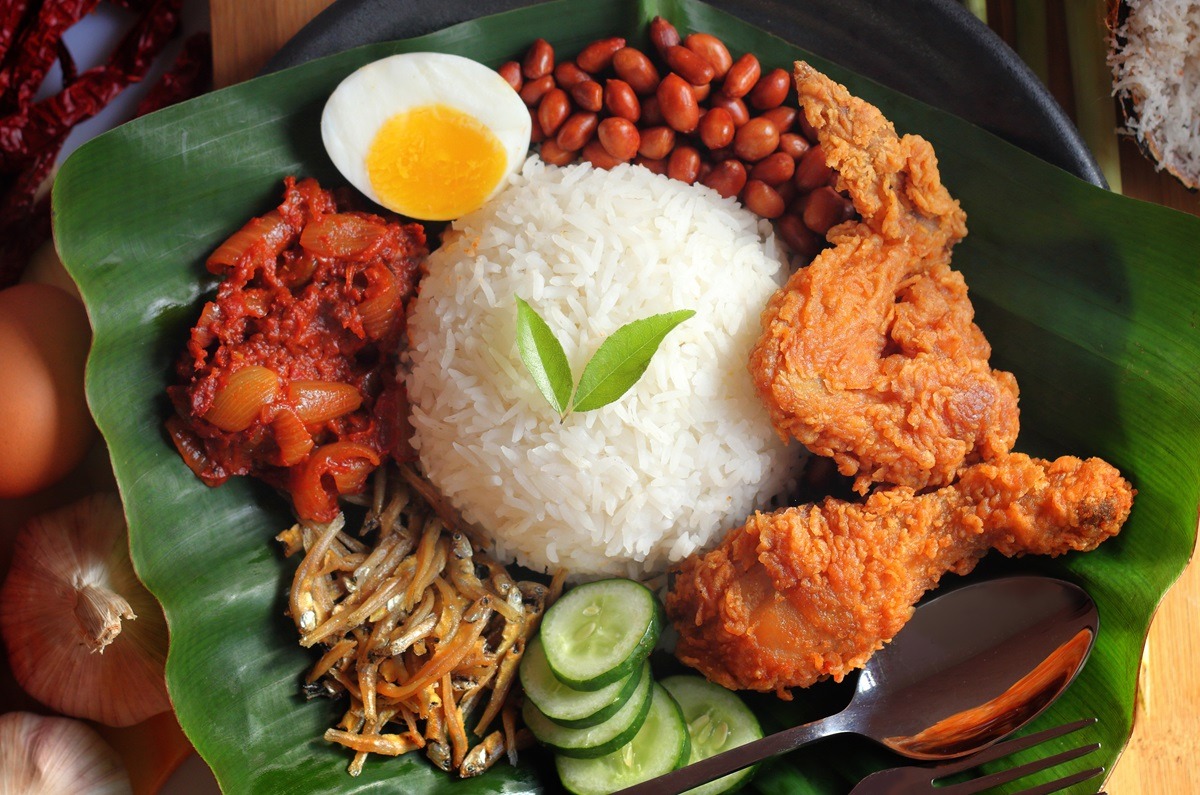
    Hussein Ibrahim, the Secretary of the Johor Indian Muslim Entrepreneurs Association, shared that member restaurants have maintained current prices despite a 20-30% increase in raw ingredient costs since March. “We can’t just raise our prices as Malaysians are cost-conscious, which could impact our business,” he stated.

    The association boasts 338 members, including around 200 Indian-Muslim food service operators throughout Johor, with the majority in Johor Bahru, a city on the Singapore border. To deal with increasing expenses, many operators are considering reducing portion sizes, according to Hussein. He also mentioned that unavoidable price increases might be on the horizon if the current crisis continues.

    Roland Lim, head of the Johor Bahru City Businessmen and Traders Association, reported a similar narrative, affirming that member restaurants have also kept their prices steady. He pointed out that downtown Johor Bahru restaurants have been hit hard by tighter security measures at the Johor-Singapore Causeway. These new procedures, established earlier this year, have caused Malaysians commuting to work in Singapore to skip their usual breakfast stops and go straight to immigration checkpoints. Reduced dining out by families, combined with ongoing infrastructure projects and subsequent traffic congestion, have further decreased restaurant patronage.

    The Impact of Rising Food Prices

    The ongoing conflict has resulted in increased food prices in Johor and other regions of Malaysia since February 28. By March’s end, vegetable prices in Johor Bahru had surged by 20-30%, attributed to higher transportation costs due to diesel price hikes and a prolonged heatwave.

    More recently, Economy Minister Akmal Nasrullah Mohd Nasir reported price increases for certain food items in the first week of May. For example, the price of Indian mackerel increased by 3.9% to RM17.42 (US$4.43) per kilogram; white prawns were up 1.2% to RM32.11 per kg; and fresh coconut milk rose 6.7% to RM16.88 per kg. Despite these increases, he reassured that food prices remain within a manageable range, with some items, such as beef, experiencing price reductions.

    Mohamad Sabu, the country’s Agriculture and Food Security Minister, warned that food prices could escalate in the upcoming three to six months due to increased production costs, such as fertilizer, animal feed, and fuel. “When these costs rise, market prices may also be affected,” he stated.

    Questions & Answers

    What are the potential consequences of the Middle East conflict on Malaysian food service operators?
    If the Middle East conflict continues, price hikes may become unavoidable due to rising costs of raw materials.

    How are food service operators in Johor dealing with the increasing costs?
    To cope with the rising costs, many operators are considering reducing portion sizes.

    How have recent price increases in various food items affected the overall food prices in Malaysia?
    Despite recent price increases in certain food items, the country’s Economy Minister reassured that food prices remain within a manageable range, with some items experiencing price reductions.

  • Surging Sales Propel Coupang’s Q3 Profits: Detailed Insights into the South Korean E-commerce Giant’s Stellar Performance

    Surging Sales Propel Coupang’s Q3 Profits: Detailed Insights into the South Korean E-commerce Giant’s Stellar Performance

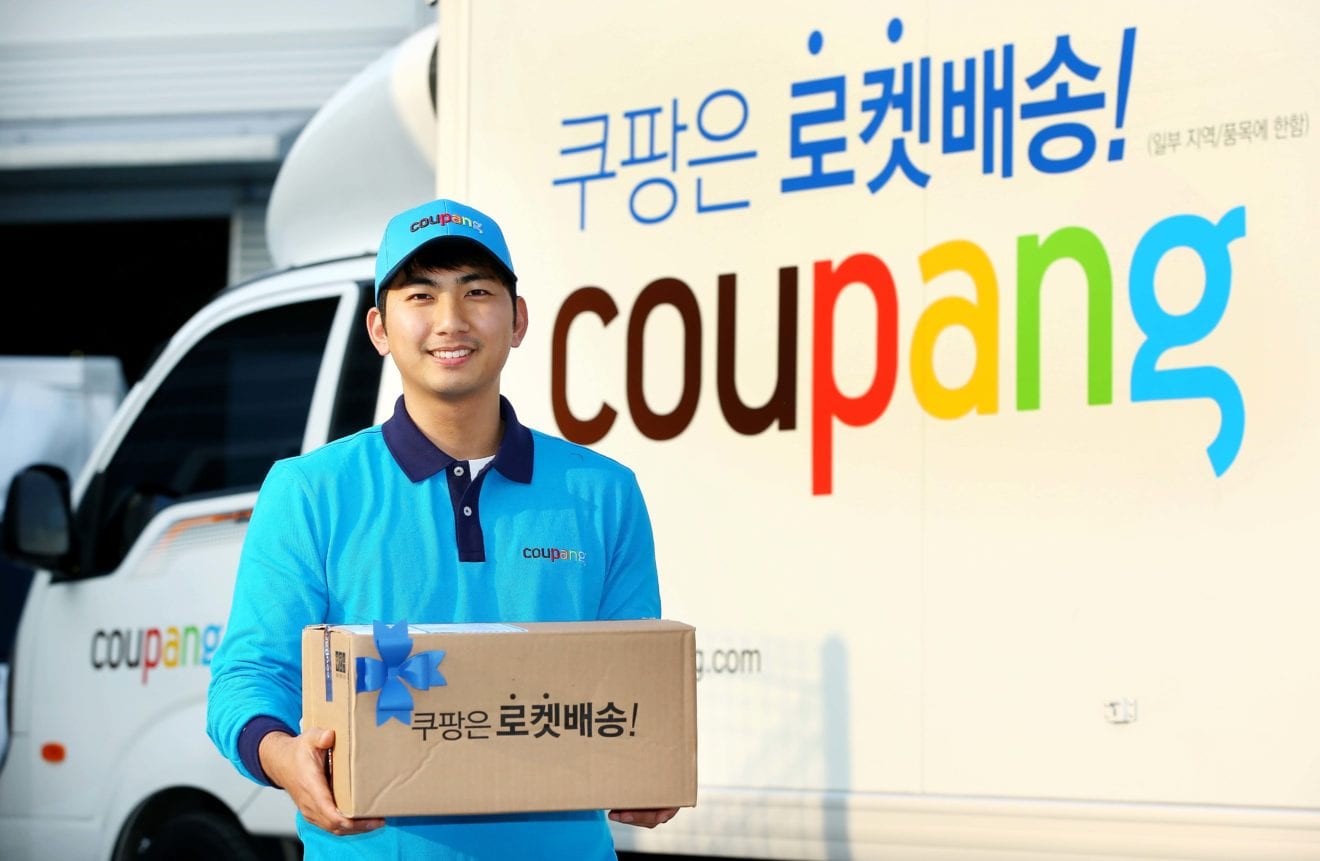
    South Korea’s premier online retailer, Coupang, has witnessed an increase in profits in the third quarter, reflecting a sustained momentum in sales growth.

    Revenue and Profit Analysis

    The firm’s net revenues have experienced an 18% upsurge to reach $9.3 billion for the quarter that ended on September 30, marking a 20% rise when assessed on a constant currency basis. The net income and net income attributable to Coupang shareholders have also witnessed notable growth, with a 48% and 36% increment respectively, to reach $95 million.

    Segment Details

    The product commerce segment of the company’s operations reported a 16% surge in net revenues, amounting to $8 billion. This was matched by a 10% increment in active customers, bringing the total to 24.7 million.

    The developing offerings segment, encompassing international operations and innovative initiatives like Eats, Play, Fintech, and Farfetch, recorded commendable growth with a 32% rise in revenues, equating to $1.3 billion.

    Profit Margins

    The gross profit margins of the company expanded over 50 basis points, touching 29.4%. This was primarily driven by the product commerce segment. Additionally, the adjusted EBITDA margins saw an increase of 10 basis points, reaching 4.5%.

    CEO’s Statement

    Bom Kim, the CEO of Coupang, has expressed optimism and conviction in the consistent performance and growth potential of the Korean market. “Korea remains a remarkably durable growth opportunity with a largely untapped runway ahead,” he stated. He further emphasized the company’s continued strength across all customer segments.

    Kim also noted the firm’s accelerating progress in Taiwan, highlighting impressive year-over-year and quarter-over-quarter revenue growth. The levels of customer adoption in Taiwan, he added, are reminiscent of the early stages of their retail business in Korea, reinforcing the company’s confidence in Taiwan’s long-term potential.

    Questions & Answers

    What was the net revenue reported by Coupang for the third quarter?
    The net revenue reported by Coupang for the third quarter was $9.3 billion.

    How much did the company’s active customer base grow in the product commerce segment?
    In the product commerce segment, Coupang’s active customer base grew by 10%.

    What are the key factors behind the expansion of Coupang’s gross profit margins?
    The expansion of Coupang’s gross profit margins was primarily driven by the product commerce segment.

  • Meituan’s Profit Plummets Amid Intense Competition In China’s ‘instant Retail’ Sector

    Meituan’s Profit Plummets Amid Intense Competition In China’s ‘instant Retail’ Sector

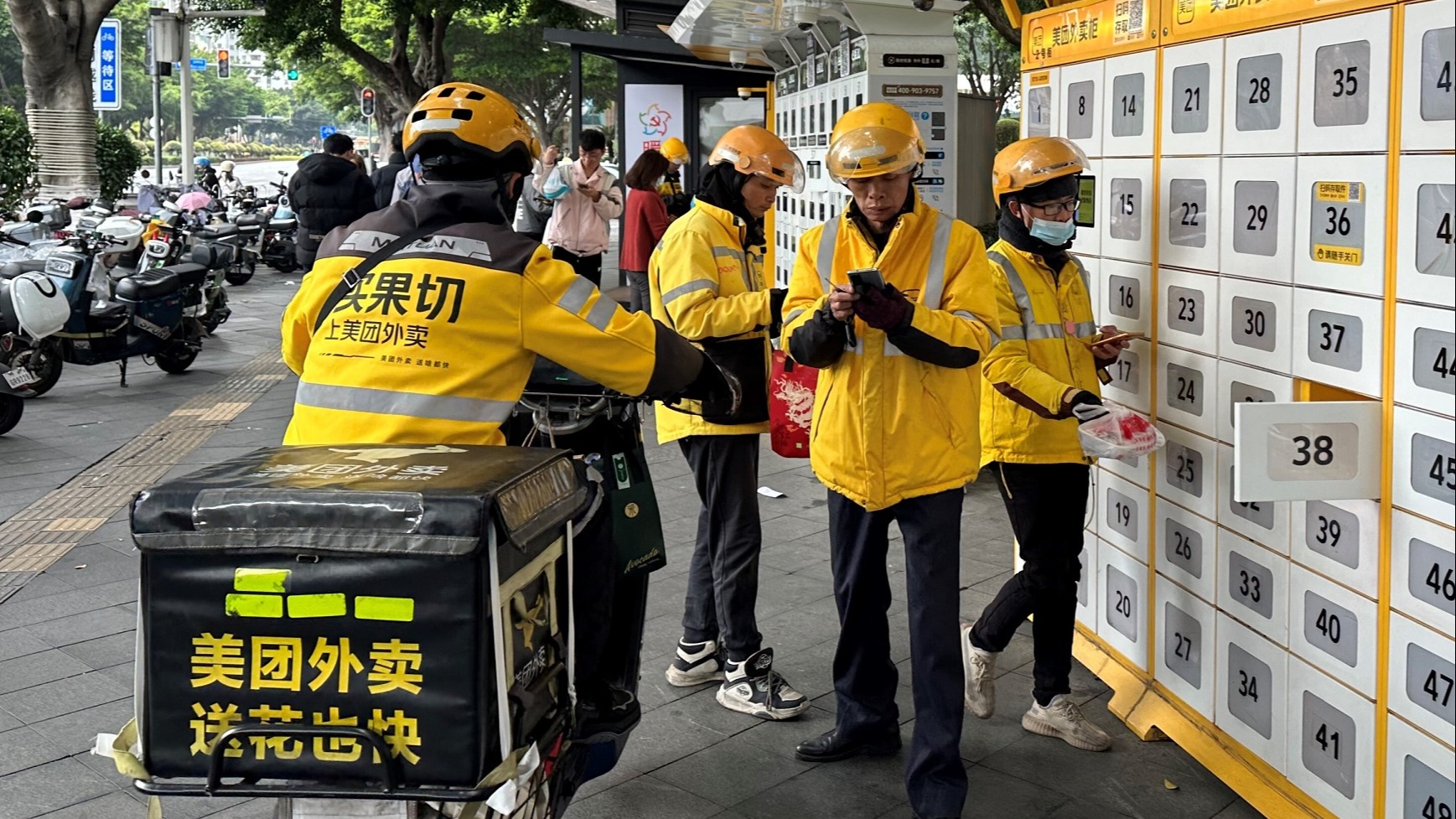
    Meituan, China’s top food delivery company, has reported an 89 per cent decrease in its net profit during the second quarter. The company attributes this major drop to escalating competition in the ‘instant retail’ sector, which specializes in delivering goods within an hour.

    Meituan boasts almost 70 per cent of China’s delivery market. However, the company has expressed concerns that maintaining this dominance will prove costly. The fierce competition is putting the company’s profit margins under significant pressure, at least in the short term. This has led to a fall in the company’s shares, which have declined by over 20 per cent this year.

    The Battle for Market Dominance

    According to analysts, the food delivery sector in China is now in the middle of a full-blown delivery war in which Meituan cannot afford to be defeated. They expect the intensity of the subsidy to gradually decrease after the third quarter. The focus will then shift towards unit economic discipline in the coming year.

    In addition to delivering food, Meituan offers services ranging from bike-sharing to ticket-booking and map services. The company’s CEO, Wang Xing, acknowledges the intense competition, emphasizing that the company will continue to prioritize doing the right things such as ensuring quality selection, competitive pricing, superior service, and prompt delivery.

    New Competitors and Regulatory Challenges

    This year, online retailer JD made its move against Meituan’s attempt to expand beyond meals by aggressively entering the food delivery business, which is Meituan’s core operation. Alibaba, which operates Ele.me, the second-largest food delivery app, also increased its investment in instant retail. Both JD and Alibaba have promised billions of yuan in subsidies to increase sales.

    Future challenges may arise from regulatory adjustments. Chinese authorities are planning to implement new rules for pricing following complaints from merchants and customers about misleading or unfair pricing on major internet platforms. Meituan, alongside Alibaba and JD, released statements last month committing to end price wars. However, Wang Xing has stated that they will stand their ground and defend their market position as the competition becomes even more intense.

    Despite the heightened competition in China, Meituan is broadening its horizons with overseas expansion. The company has boosted the global presence of its Keeta app in Hong Kong, Qatar, and Saudi Arabia. They have also made a significant investment of US$1 billion in Brazil.

    Questions & Answers

    What factors contributed to Meituan’s drop in net profit during the second quarter?
    The 89 per cent drop in Meituan’s net profit was primarily due to increased competition in China’s ‘instant retail’ sector.

    How is Meituan responding to the increasing competition in the market?
    Meituan’s strategy focuses on doing the right things such as ensuring quality selection, competitive pricing, superior service, and prompt delivery. They have also committed to ending price wars.

    What plans does Meituan have for international expansion?
    Meituan has expanded its Keeta app to markets in Hong Kong, Qatar, and Saudi Arabia. The company has also invested US$1 billion in Brazil.

  • Sea Ltd Surges Past Market Projections: Shopee Demand And Gaming Division Fuel Growth

    Sea Ltd Surges Past Market Projections: Shopee Demand And Gaming Division Fuel Growth

    Sea Ltd, a formidable player in the digital commerce and gaming industries, exceeded market projections for quarterly revenue. The considerable surge was fueled by high demand for its Shopee e-commerce platform and its gaming division, leading to a near 19 percent increase in the company’s US-listed shares during initial trading hours.

    Phenomenal Growth for Shopee

    Shopee, a favorite among online shoppers in Southeast Asia and Taiwan, has been experiencing a significant increase in consumer demand. This is largely attributed to the company’s commitment to providing competitive prices and enhancing the overall customer experience. The company has focused its efforts to boost user recruitment, traffic, and engagement on the Shopee app, employing innovative strategies such as incorporating social aspects like live-streaming features and mini-games that offer redeemable coins and prizes.

    The revenue from Sea’s e-commerce division, which became profitable last year, saw an impressive 33.7 percent increase, amounting to US$3.8 billion for the second quarter. The gross merchandise value, which reflects the total value of products sold on the platform, increased by 28 percent, reaching $29.8 billion. The company’s executives expressed optimism over Shopee’s annual GMV growth, stating it would surpass the company’s initial forecast of a 20 percent increase.

    Strong Performance across Divisions

    Sea’s CEO, Forrest Li, expressed satisfaction with the company’s performance, stating, “All three of our businesses have delivered robust, healthy growth, giving us greater confidence of delivering another great year.”

    The company’s digital entertainment segment, which includes the popular mobile shooter game “Free Fire” developed and published by Garena, saw a 28.4 percent increase in revenue, reaching $559.1 million. Garena reported a 17.8 percent increase in its paying user base and a 23 percent rise in bookings for the second quarter.

    The company’s third division, the digital financial products arm which includes the Monee app offering services like payment processing and credit products, reported a significant 70 percent rise in revenue, totaling $882.8 million.

    Exceeding Expectations

    Based in Singapore, Sea Ltd recorded a 38.2 percent increase in its overall second-quarter revenue, reaching $5.26 billion, surpassing estimates of $4.98 billion.

    Questions & Answers

    What contributed to the improved performance of Shopee?
    The company’s concerted efforts to offer competitive pricing and improve the customer experience played a significant role in this. Introducing social elements like live-streaming and mini-games also helped enhance user engagement.

    What is the significance of the gross merchandise value?
    The gross merchandise value is a measure of the total value of products sold on the platform. It is an essential metric for e-commerce platforms as it reflects the volume of transactions.

    Which of Sea Ltd’s business segments showed the most significant growth?
    While all segments witnessed considerable growth, the digital financial products arm recorded the most significant rise in revenue at 70 percent.