Tag: Suv

  • BAIC Launches Xingtan 5X SUV from 126,900 Yuan in China

    BAIC Launches Xingtan 5X SUV from 126,900 Yuan in China

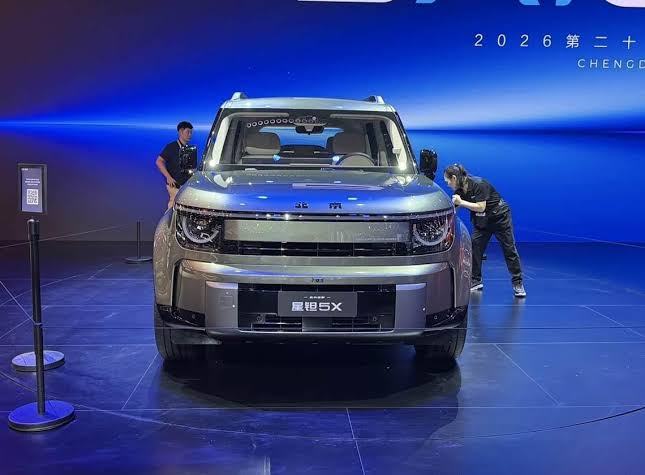
    BAIC Group launched the Xingtan 5X sport utility vehicle on Thursday with a limited-time base price of 126,900 yuan ($18,890) across battery electric and plug-in hybrid powertrains.

    The five-seat mid-to-large model generated 30,208 orders during its 23-day pre-sale run leading up to the official rollout.

    Pricing Structure and Trim Levels

    Beijing Off-road built the Xingtan 5X across seven distinct configurations. Standard guide prices run between 129,900 yuan and 174,900 yuan, reduced by a uniform introductory discount of 3,000 yuan to range from 126,900 yuan to 171,900 yuan.

    Buyers choose between three pure battery electric vehicle (BEV) trims and four plug-in hybrid electric vehicle (PHEV) models. BEV list prices span 129,900 yuan to 159,900 yuan before the discount. PHEV guide prices start at 134,900 yuan and top out at 174,900 yuan.

    Dimensions reflect the boxy utility silhouette popular in China’s recreational segment. The SUV measures 4,865 mm long, 2,000 mm wide and 1,910 mm tall, riding on a 2,875 mm wheelbase under a flat roofline.

    Huawei Hardware and Cabin Systems

    Driver-assistance technology forms the core competitive pitch for the mid- and upper-tier models. BAIC integrated Huawei’s Qiankun ADS 5 Pro package on select variants, which start at limited-time prices of 146,900 yuan for the BEV and 151,900 yuan for the PHEV.

    Vehicles fitted with the Huawei setup carry 27 sensors alongside an in-cabin solid-state LiDAR unit mounted behind the windshield. The suite bundles Highway Navigation Cruise Assist, route-retracing reverse assistance, remote parking and exit-first automated parking. Operating the urban navigation assistance functions requires a paid subscription service.

    Display configurations change across the pricing ladder. Base editions carry a 15.6-inch center touchscreen paired with an 8.8-inch driver instrument screen. Higher-specification models install dual 15.6-inch cabin displays driven by Qualcomm’s 8295P processor.

    Platform Performance and Range Specs

    Pure electric options use an 800-volt electrical architecture driving a single 227 kW rear motor producing 304 horsepower. An 81.9 kWh battery delivers 625 km of CLTC range, with DC fast charging moving the cell from 30 percent capacity to 80 percent in 14.5 minutes.

    Plug-in hybrid grades rely on a 1.5-liter turbocharged petrol engine paired with a 50.4 kWh battery pack. Two-wheel-drive PHEV versions rely on a 200 kW front-mounted motor for 310 km of pure-electric CLTC range. Four-wheel-drive variants bolt on a second 200 kW motor at the rear axle to generate 400 kW of combined motor output, achieving 285 km of battery-only range. These all-wheel editions also add a mechanical rear locking differential, crawl control and 14 all-terrain driving programs.

    Market Rivalry and Brand Headwinds

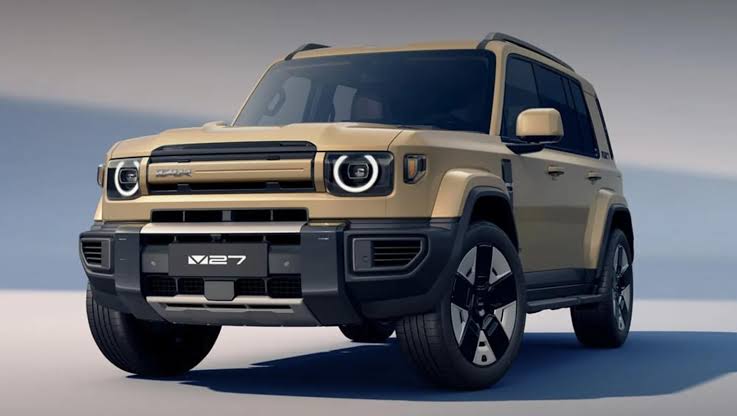
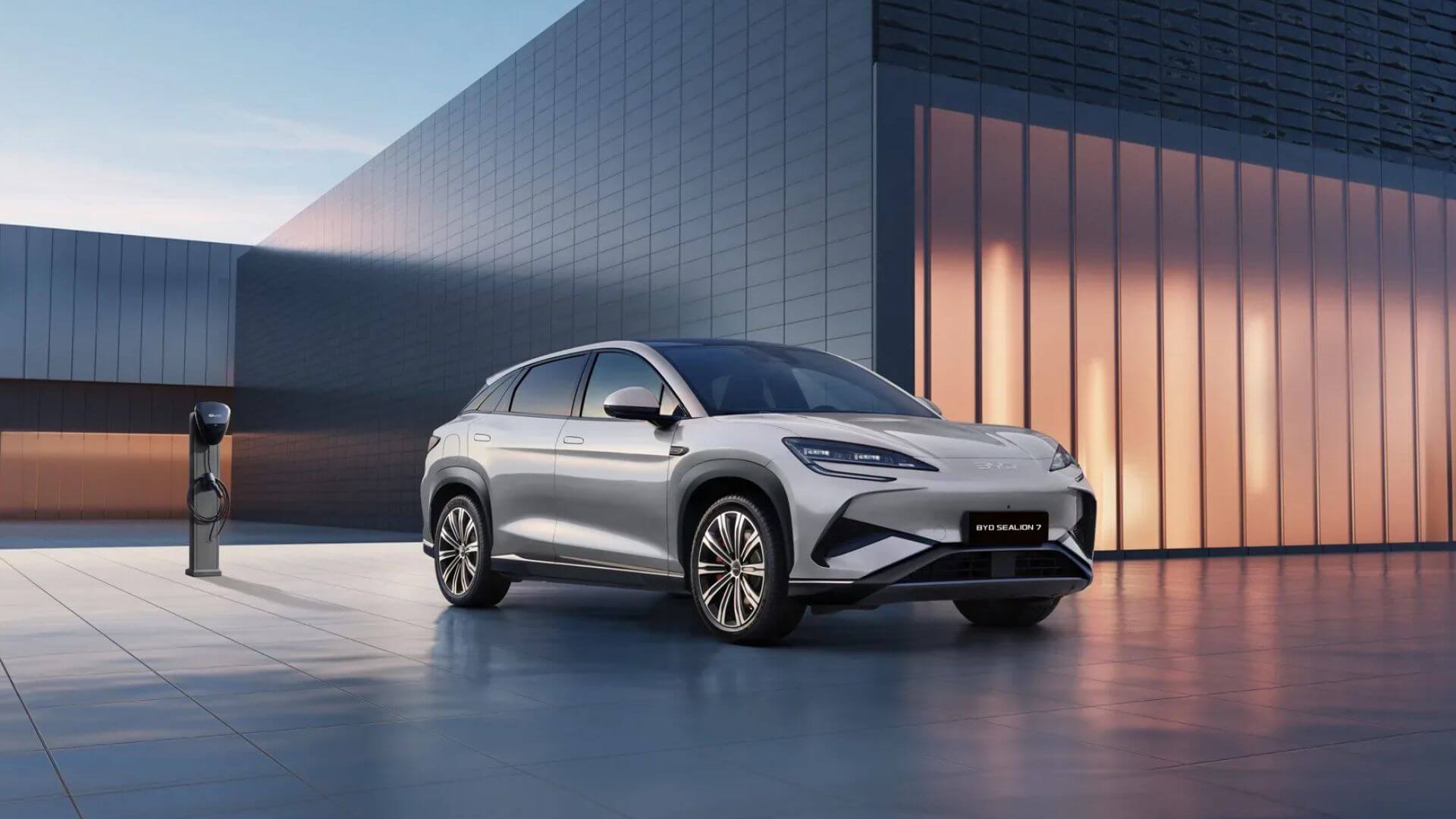
    Commercial headwinds remain substantial despite the sharp pricing. BYD commands substantial showroom loyalty with its Fang Cheng Bao Tai 7, while Chery aggressively markets its iCar V27 to urban drivers wanting off-road aesthetics. BAIC has struggled to build equivalent consumer cachet in China’s electric vehicle retail sector.

    Squeezing prices below 130,000 yuan pressures component margins throughout BAIC’s off-road division. Supplying costly 800-volt packs and optional LiDAR units inside this price band forces suppliers to absorb steep price cuts to keep the platform viable against higher-volume carmakers.

    The Xingtan launch follows an earlier brand initiative by Beijing Off-road, which unveiled its luxury off-road nameplate Taitan in July before delivering the Taitan 700 to dealerships on August 25. That top-end vehicle established BAIC’s premium rugged design language prior to the Xingtan volume rollout.

    Deliveries across domestic dealership networks will demonstrate whether the 30,208 pre-sale reservations translate into sustained monthly registrations against established domestic rivals.
  • Nio Adds ES8 Special Edition in Guangzhou as Overall Deliveries Slip

    Nio Adds ES8 Special Edition in Guangzhou as Overall Deliveries Slip

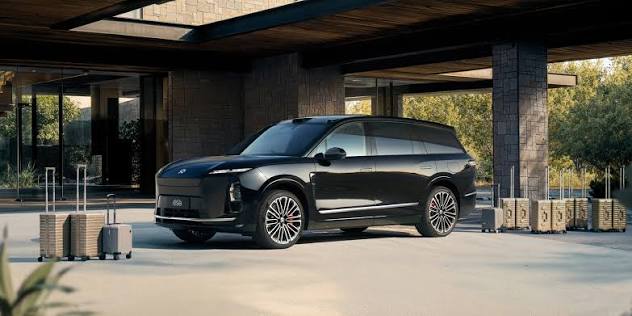
    Nio will introduce a special edition of its third-generation ES8 sport utility vehicle at the Guangzhou Auto Show on November 27, leaning on a model that drove half its brand sales in September.

    The current variant retails between 382,800 yuan ($57,010) and 446,800 yuan with a battery pack, or from 274,800 yuan under the company’s battery subscription service.

    Trade reports indicate the special edition will focus on visual tweaks and dedicated exterior colors rather than structural powertrain revisions. Technical specifications and final showroom pricing remain unannounced ahead of the exhibition opening at the Canton Fair Complex.

    Carrying the Core Brand

    The third-generation ES8 has delivered 160,000 units since customer handovers started on September 21, 2025. It took 33 days to log the final 10,000 units in that run, crossing the threshold on October 23.

    Volume peaked early in the year, hitting 17,658 units in January before settling into a steady pace through late summer. Deliveries reached 10,546 vehicles in September, accounting for 49.5 per cent of all cars sold under the main Nio badge.

    Showrooms currently stock five variants across five-, six-, and seven-seat cabin layouts. A five-seat configuration joined the lineup in July, followed by an optional package in September that bundled 22-inch forged wheels and gold-painted brake calipers.

    Delivery Run Breaks Under Pressure

    Product adjustments at the top of the catalogue arrive as group-level volume contracts across Chinese showrooms. Nio Inc delivered 34,246 vehicles across all its nameplates in October, falling 15.2 per cent from a year earlier and ending 31 straight months of annual expansion.

    Deliveries for the flagship Nio badge stood at 18,125 vehicles during the month, up 5.7 per cent year-on-year but down 15.0 per cent from September. Volume shortfalls at the mass-market Onvo division wiped out gains recorded by the primary marque and the smaller Firefly brand.

    That pressure leaves retail networks leaning heavily on top-tier metal to protect dealer cash flows and average selling prices. In September, the ES8 and the newer ES9 SUV combined to generate 85.6 per cent of all deliveries booked by the core brand.

    Defending High-Ticket Margins

    Automakers in China routinely deploy cosmetic packages late in a vehicle’s second year to defend pricing floors without rewriting list prices. Premium buyers respond to distinctive trim lines, allowing manufacturers to hold transaction values steady while rivals discount older stock.

    For Nio, the risk sits in product concentration. Squeezing incremental volume out of a single large chassis works only while wealthy urban households keep buying; it does nothing to fix showroom traffic across the broader, cheaper model lines.

    Showroom teams also face internal overlap. The ES9 delivered 7,706 units in September, carving out 36.2 per cent of brand volume and competing for the same multi-car family budgets that supported the ES8 throughout late 2025.

    A Crowded Trade in Guangzhou

    Nio claimed first place in retail sales for China’s large SUV category over the first ten months of the year, though it withheld specific October figures for the vehicle. The nameplate logged 10,705 units in November 2025 and 22,276 in December 2025, setting a high hurdle for year-end comparisons.

    Trade attention now turns to the Canton Fair Complex, where regional operators will gauge whether cosmetic trims can reverse the October slide. Guangzhou Auto Show runs through December 6, when order intake figures will show whether buyers still pay full price for the platform.

  • Leapmotor Launches A10 SUV in Thailand with 30 Outlets Planned

    Leapmotor Launches A10 SUV in Thailand with 30 Outlets Planned

    Leapmotor launched its A10 compact electric sport utility vehicle in Thailand on Friday, sending the model to 19 local showrooms as it chases export volume across Southeast Asia.

    The carmaker plans to expand that sales and service footprint to 30 locations nationwide before the end of the year.

    Showroom rollout and vehicle specs

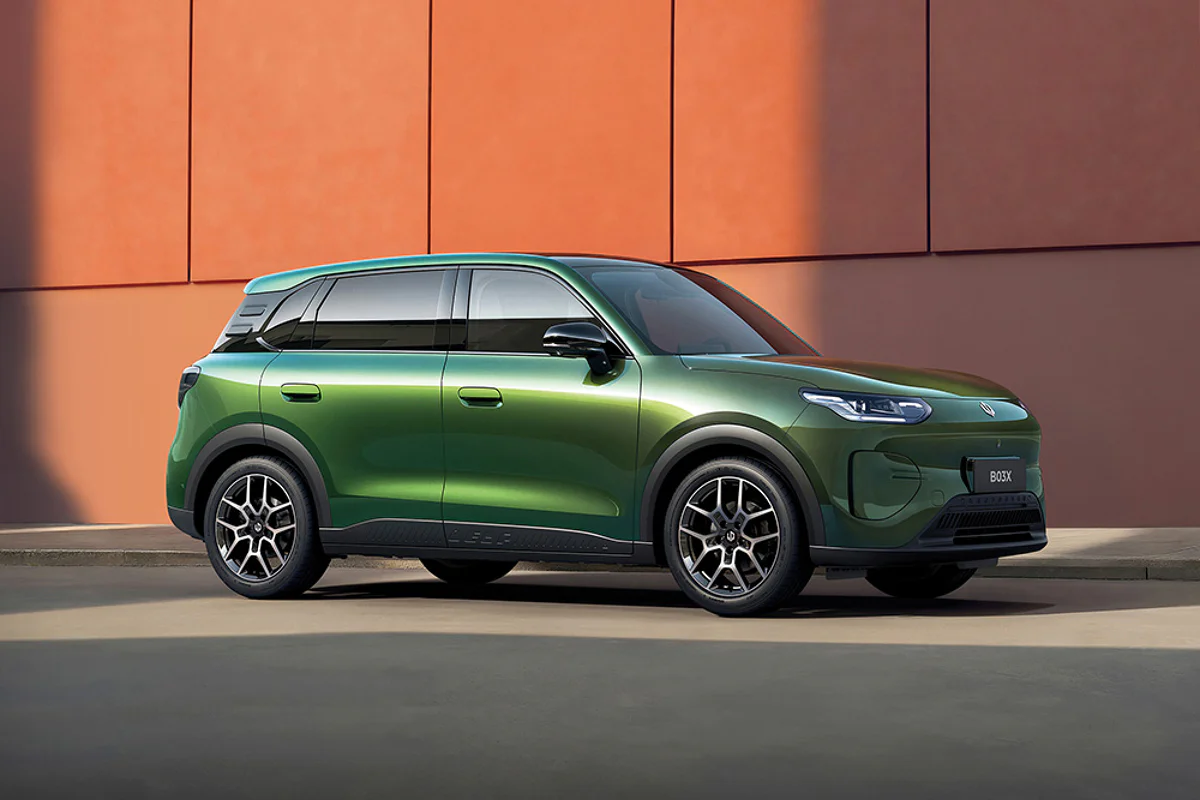
    Known internationally as the B03X, the small SUV features a long-range battery rated for 450 kilometers under NEDC testing standards. It accepts direct-current fast charging up to 133 kW, filling the battery from 30 percent to 80 percent in 16 minutes under test conditions.

    Cabin hardware includes a 14.6-inch 2.5K central display screen compatible with Apple CarPlay and Android Auto. Practical features focus on urban buyers, adding semi-autonomous driver aids alongside a 106-liter washable cargo bin fitted under the rear floorboards. Leapmotor did not release retail pricing or a delivery schedule during the Bangkok presentation.

    Dealership network and parts supply

    Expanding dealership coverage forms the core of the Thai strategy. Alongside the push to reach 30 retail points, the carmaker is building a dedicated regional parts distribution hub and a technical support depot to speed up repair turnaround.

    Chinese brands entering Southeast Asia regularly encounter resistance around replacement component delays and depreciating resale values. Setting up physical maintenance hubs alongside new showrooms addresses that dealer friction directly. It gives fleet operators and individual motorists a clearer operational backing than independent importers can provide.

    The export joint venture

    International distribution runs through Leapmotor International, an operating venture owned 51 percent by Stellantis NV. The European automotive group holds exclusive manufacturing and distribution rights for all Leapmotor vehicles sold outside Greater China.

    That corporate partnership provides instant scale, allowing the Chinese marque to bypass the slow, expensive process of constructing solo distribution networks across developing markets. It also gives the brand an established logistics apparatus to ship right-hand-drive vehicles across ASEAN ports without building regional factories first.

    Expanding product cadence

    Friday’s launch extends a product rollout that began when Leapmotor brought the larger C10 SUV to Thailand in 2024. The carmaker followed that introduction by rolling out the B10 electric SUV in October 2025.

    Deliveries outside China have become central to Leapmotor’s balance sheet. The automaker exported 27,454 vehicles in September, representing a 298.58 percent rise year-on-year and a 50.39 percent lift from August. Over the first nine months of the year, outbound shipments reached 159,572 units, climbing 322.46 percent year-on-year. Global deliveries across domestic and foreign operations reached 105,656 vehicles in September, pushing nine-month output to 666,539 cars.

    Thai retail pricing remains the immediate figure to watch, followed by the planned commercial debut of the refreshed C10 SUV in 2026.

  • Li Auto Builds 200,000 Li I6 SUVs as November Target Reaches 20,000

    Li Auto Builds 200,000 Li I6 SUVs as November Target Reaches 20,000

    Li Auto built its 200,000th Li i6 battery electric SUV on October 30, roughly 13 months after the five-seat model entered the Chinese market in September 2025.

    Assembly lines are scheduled to produce 20,000 units in November before lifting throughput further in December to clear an order backlog running at seven to eight weeks.

    The manufacturing run rate follows the release of the updated 2026 Li i6 on October 28. Deliveries across China started on October 29. Official retail pricing stays unchanged at 249,800 yuan ($37,210), though early buyers securing an order before November 30 receive promotional pricing of 239,800 yuan.

    Hardware upgrades and plant throughput

    Li Auto product line head Li Xinyang outlined the production ramp on Weibo, stating that vehicles for initial fulfillment were assembled in advance to cushion delivery wait times. Buyers placing orders at the end of October are scheduled to receive vehicles before the calendar year closes.

    The refreshed 2026 SUV features the company’s proprietary Mach M100 driver-assistance chip as standard equipment. Energy storage comes from a 96-kilowatt-hour Lianshan 5C lithium iron phosphate battery pack. That hardware gives the rear-wheel-drive configuration a CLTC driving range of 780 kilometers.

    Factory output targets demand that factory shifts run smoothly through the fourth quarter. Hitting 20,000 units monthly requires the assembly line to outpace earlier delivery volumes by a wide margin.

    Deliveries dip ahead of model refresh

    Delivery figures had slowed sharply prior to the refresh as showroom buyers held back for the updated specification. Li Auto handed over 7,379 i6 vehicles in September, representing a 56.54 percent drop from August numbers.

    That volume represented 23.19 percent of all Li Auto deliveries in September. Through the first nine months of the year, the company delivered 160,221 i6 units, which lifted cumulative deliveries since the vehicle’s market debut to 189,192 units by September 30.

    The gap between the 189,192 customer handovers logged through September and the 200,000-unit factory threshold reflects production buffers, test units, and vehicle consignments currently moving through domestic logistics channels.

    Extended range line maintains volume lead

    While Li Auto builds out its pure battery electric lineup, its hybrid powertrains continue to generate the bulk of operational volume. Cumulative output of the Li L6 extended-range SUV reached 420,000 units by late October.

    The L6 held the top sales position among extended-range passenger vehicles in China for two straight months. That steady hybrid volume provides retail cash flow while the company absorbs the capital expenses tied to producing in-house chips and dedicated battery packs for pure electric platforms.

    For automotive component suppliers, the ramp provides operational visibility through mid-winter. Component vendors supplying the battery cells and Mach M100 computing modules face strict delivery schedules to hit the December production target.

    Export timelines and European entry

    Domestic scale forms the base for Li Auto’s overseas ambitions. The automaker announced on October 12 that the vehicle, badged as the Li 6 for export markets, will launch in Europe during the first quarter of 2027.

    Initial sales outside China will focus on Norway and the Netherlands, two markets with established high-speed charging infrastructure. Those territories will test whether Li Auto can convince overseas retail buyers without relying on the extended-range powertrains that drove its domestic rise.

    Factory managers now face the immediate task of hitting the 20,000-unit build rate in November before pushing assembly rates higher in December.

  • Li Auto Deliveries Fall to 29,025 in October

    Li Auto Deliveries Fall to 29,025 in October

    Li Auto delivered 29,025 vehicles in October, down 8.63 per cent from a year earlier as monthly volumes hit their lowest point since February. The figure slipped 8.78 per cent from the 31,817 units handed over in September, marking a second consecutive month of year-on-year contractions.

    Over the first ten months of 2026, the Chinese automaker delivered 322,461 vehicles, a 1.96 per cent drop compared to the same period last year. Total cumulative deliveries reached 1,862,676 units by October 31.

    Production Squeeze on Updated i6

    Li Auto launched the refreshed 2026 Li i6 on October 28 and started customer handovers the following day. The five-seat pure electric SUV keeps an unchanged sticker price of 249,800 yuan ($37,210), though early buyers securing allocations before November 30 receive promotional incentives lowering the cost to 239,800 yuan.

    Hardware updates include the proprietary Mach M100 driver-assist chip and a 96-kilowatt-hour Lianshan lithium iron phosphate battery pack. That combination yields a CLTC driving range of 780 kilometres on rear-wheel-drive configurations. Li Xinyang, head of the Li Auto product line, confirmed on October 30 that cumulative production of the i6 reached 200,000 units, but consumer wait times currently span seven to eight weeks.

    Flagship MPV Repositioning and In-House Tech

    Demand for the larger Mega multipurpose vehicle showed moderate recovery, topping 3,000 deliveries during October. Li Auto introduced the revised flagship electric van on September 2 with hardware revisions and a lower retail price designed to revive commercial momentum after a sluggish initial rollout.

    October also brought commercial deployments of Li Auto’s self-developed powertrain hardware, including the Lianshan drive system and dedicated traction pack warranty schemes. An over-the-air software upgrade, version 9.2, rolls out to owners in November to introduce Mach VLA 2.5 driver-assist functions alongside refreshed cockpit voice systems.

    Rivalry Shifts to Showroom Productivity

    Premium Chinese electric vehicle makers face an aggressive pricing war that penalises pauses in model renewal cycles. Rivals have expanded their sub-brands to defend entry-level volumes, while Li Auto relies on concentrated showroom throughput to protect dealer margins. The recent delivery dip demonstrates that consumer interest falters quickly when factory retooling delays customer handovers.

    Suppliers also face cash constraints as automakers bring proprietary silicon and battery assembly under direct control. Li Auto’s switch to its internal Mach processors and Lianshan battery platforms shifts margin risk straight to its balance sheet, raising the capital threshold required to compete in Tier 1 cities.

    Retail Expansion Ahead of Year-End Target

    The October setback follows a peak run in late 2024, when monthly deliveries crossed 50,000 units before market competition tightened across China. Li Auto responded by building out physical touchpoints in lower-tier regions while pruning low-traffic mall sites.

    By the end of October, the company’s retail network spanned 481 stores across 159 cities, supported by 527 service facilities in 217 cities. Its proprietary charging infrastructure expanded by 18 stations and 86 stalls in October, bringing totals to 4,206 supercharging stations and 23,163 plugs across China.

    Factory planners target monthly i6 assembly output of 20,000 units in November before pushing line rates higher in December to clear backlogs before the annual tax cut window closes.

  • GWM Launches 2027 Tank 500 Starting at 335,000 Yuan

    GWM Launches 2027 Tank 500 Starting at 335,000 Yuan

    GWM launched the 2027 Tank 500 on Friday, October 23, setting prices between 335,000 yuan ($49,866) and 375,000 yuan as the off-road brand works through tightening sales pressure.

    Brand deliveries dropped 29.21 per cent year-on-year in September to 15,178 vehicles, according to data compiled by CnEVPost. Cumulative sales fell 13.53 per cent to 142,796 units across the first nine months of the year.

    The updated lineup spans three powertrain options and five trims. GWM maintained pricing identical to the preceding August 2025 facelift while integrating 296 hardware, software and safety redundancy upgrades across the vehicle.

    Hardware and Software Changes Across Trims

    The headline technical change sits inside the plug-in hybrid Zhixiang variants. Both the 355,000 yuan Hi4-T Zhixiang and the 375,000 yuan Hi4-Z Zhixiang adopt the Coffee Pilot 4 operating suite, running on Nvidia’s Thor-U processor with a Vision-Language-Action architecture model.

    The Thor-U unit produces 700 TOPS of processing power, supported by a sensor array comprising one LiDAR unit, three millimeter-wave radars, 12 ultrasonic sensors, and 11 optical cameras. That suite enables point-to-point Navigation on Autopilot across urban streets and motorways, automated parking bay transitions, and direct voice intervention. The base Hi4-T and the conventional petrol variants retain the simpler Coffee Pilot 2 package without LiDAR.

    Powertrains Retain Previous Specifications

    Great Wall Motor left the mechanical underpinnings intact. The base 335,000 yuan Hi4-T pairs a 2.0-litre turbocharged petrol engine with a single electric motor and a nine-speed hydraulic automatic transmission, generating 310 kW.

    Electrical energy for that version comes from a 37.1 kWh battery pack, delivering a pure-electric range of 110 kilometres under the WLTC testing cycle. The 375,000 yuan Hi4-Z trades the heavy-duty transfer system for dual electric motors and a three-speed dedicated hybrid gearbox, lifting total system output to 635 kW. A 59.05 kWh traction pack stretches WLTC electric range to 201 kilometres.

    Buyers seeking non-hybrid powertrains can choose a 3.0-litre turbocharged engine with a 48-volt mild-hybrid system. That variant costs 355,000 yuan for the five-seat configuration and 363,000 yuan for the seven-seat edition, retaining the only multi-row seating layout in the 2027 roster.

    Cabin Redesign and Passenger Comfort

    Interior revisions address passenger expectations in China’s premium SUV category. The cabin now houses twin 15.6-inch console screens, a 22-speaker sound setup, motorised front leg rests, aircraft-style fold-down tables in the second row, and fold-flat seating that creates a sleeping surface.

    These amenities push the Tank 500 further from utilitarian off-roading toward executive transport. Chinese buyers increasingly cross-shop rugged sport utility models against luxury electric minivans and full-size urban hauliers.

    Holding price levels unchanged while grafting high-cost silicon and premium acoustic equipment onto existing frames erodes manufacturing margins. Great Wall Motor had little alternative. Chinese consumers in the 350,000 yuan bracket now treat high-level driver assistance as basic equipment rather than an optional indulgence.

    The Mounting Pressure on Off-Road Margins

    The product revision follows the rollout of the budget-oriented H10 SUV on August 6, 2026, which GWM discounted to 201,800 yuan to stabilise mass-market dealership traffic. That vehicle sought volume at the lower boundary of the portfolio.

    The Tank division, conversely, delivers the higher profit margins that support GWM’s technical development. A 13.53 per cent drop in nine-month sales indicates that novelty has worn off the retro-styled off-road formula that once dominated domestic sales charts.

    Rival brands have crowded the niche with extended-range alternatives and aggressive price reductions. RetailNews Asia views the inclusion of 700 TOPS Nvidia computing as a defensive concession: GWM must prove its off-road flagships can match executive sedans in autonomous navigation or watch domestic buyers abandon the platform entirely.

    Deliveries of the revised 2027 editions will test whether software upgrades can stem monthly retail declines before GWM closes its final-quarter vehicle tally.

  • Xpeng to Unveil 5.12-Metre G9L Electric SUV at Paris Motor Show

    Xpeng to Unveil 5.12-Metre G9L Electric SUV at Paris Motor Show

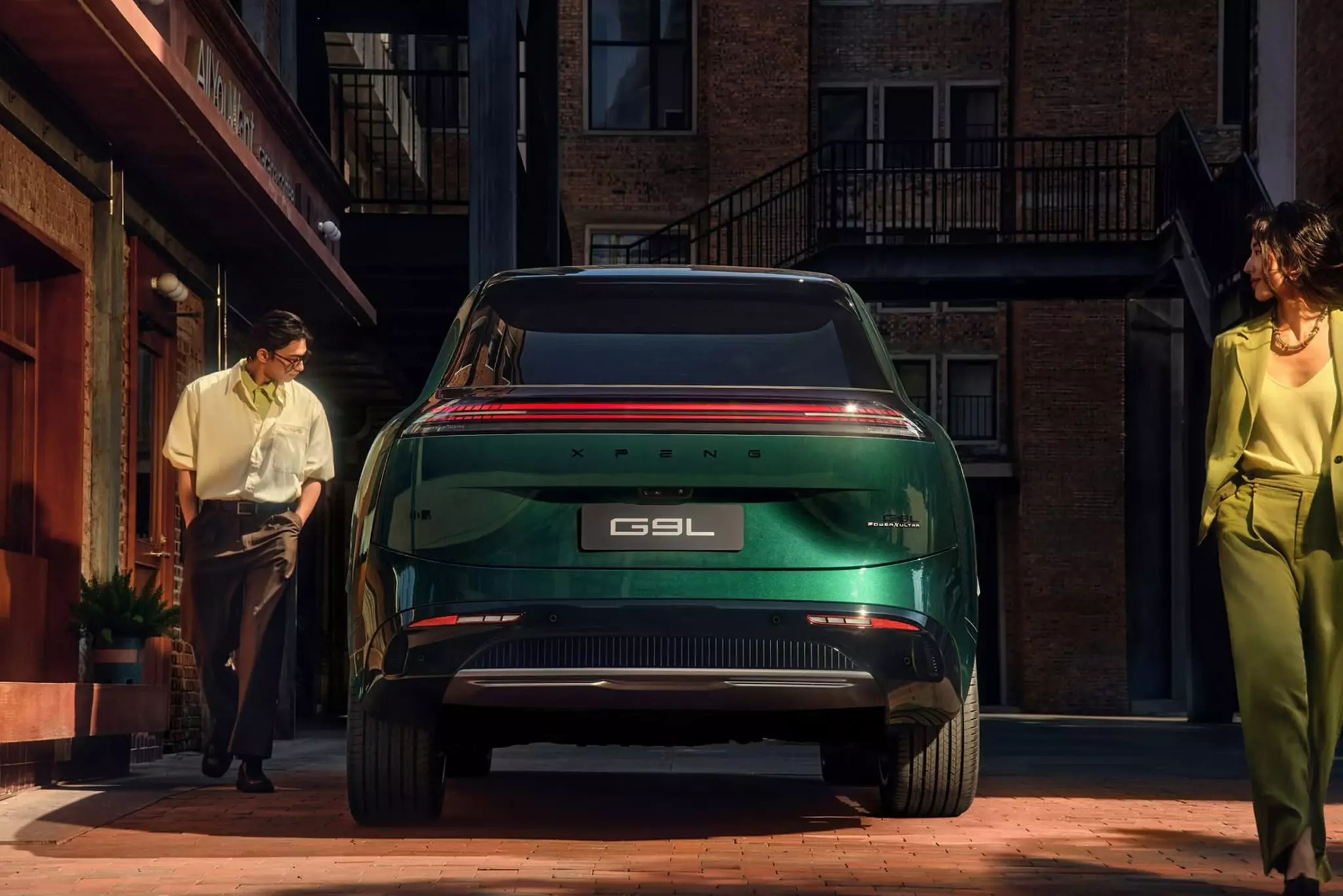
    Xpeng will unveil its new G9L electric SUV at the Paris Motor Show this year ahead of a European rollout. The flagship model is already on sale in China and features peak DC charging power of 540 kW.

    The 5.12-metre vehicle is 23 centimetres longer and 10 centimetres taller than the standard G9. It carries a 110 kWh battery that charges from 10 to 80 per cent in under 12 minutes.

    Dimensions and executive cabin layout

    Engineers stretched the wheelbase by 12 centimetres and added 10 centimetres of height compared to the standard G9. That yields a total vehicle height of 1.78 metres and a width of roughly two metres. Passengers enter via electrically deployed sliding side steps and automated remote doors. Outside, a revised closed front fascia and updated lighting clusters alter styling while keeping aerodynamic drag low.

    Inside, the cabin prioritises rear passenger amenities over raw cargo space. Second-row seating features two individual captain chairs with ventilation, heating, and massage functions. A thermoelectric storage unit sits between the rear seats, capable of freezing, cooling, or heating food and drinks. Overhead, a retractable ceiling display handles entertainment alongside powered side window blinds.

    Storage and configuration choices

    Luggage capacity stands at 367 litres with all three rows occupied, including a lower underfloor well. Folding down the third row expands cargo volume to 1,330 litres in the six-seater and 935 litres in the seven-seat configuration. A front trunk adds 65 litres. At the back, an electrically deployed tow bar provides up to two tonnes of towing capacity.

    European dealerships will stock both six-seat and seven-seat configurations. A five-seat version is designated strictly for the UK market. The six-seater comes exclusively with an all-wheel-drive powertrain, while seven-seat buyers can choose between single-motor and dual-motor specifications.

    Charging capability and drivetrain output

    The entry rear-wheel-drive variant generates 270 kilowatts and hits 100 kilometres per hour in seven seconds flat. It achieves a certified WLTP driving range of 591 kilometres. The twin-motor all-wheel-drive performance trim increases output to 430 kilowatts. That cuts the sprint to 100 kilometres per hour to roughly four seconds, while delivering 553 kilometres of WLTP range.

    A 22-kilowatt onboard AC charger comes standard across all versions for overnight wallbox replenishment. On fast-charging DC networks supporting 800-volt architectures, the vehicle draws up to 540 kilowatts at peak input.

    Market positioning against German rivals

    Chinese electric vehicle makers are targeting the upper tier of the European market. Higher transaction prices there help absorb logistics costs and regional trade duties. The G9L aims at executive fleet operators and wealthy private buyers who typically buy the BMW iX, Audi Q8 e-tron, or Mercedes-Benz EQS SUV.

    Official European pricing is not yet confirmed. However, the standard G9 starts at €59,600, while the dual-motor Performance model sells for €72,600. Offering rear-seat cinema screens, 12-minute charging, and three-row seating below legacy German price bands tests whether European corporate buyers will switch badges.

    Xpeng launched the original G9 platform nearly four years ago before rolling out a mid-cycle refresh last year. Full regional pricing schedules and delivery windows will follow the Paris debut.

  • BYD Unveils Dual-Screen Interior for Third-Gen Tang SUV Ahead of Q4 Launch

    BYD Unveils Dual-Screen Interior for Third-Gen Tang SUV Ahead of Q4 Launch

    BYD unveiled the interior of its third-generation Tang on Thursday. The carmaker fitted the five-seat electric SUV with a 35.4-inch screen ahead of a fourth-quarter launch.

    Delivery figures explain the overhaul. Tang family sales dropped 49.87 per cent year-on-year to 81,614 units between January and August.

    Cockpit Overhaul and Space Configuration

    Inside the cabin, an integrated 35.4-inch far-side display and a 30-inch panoramic screen replace the traditional instrument cluster and head-up display. Lu Tian, general manager of sales for BYD’s Dynasty series, said the layout took design cues from sci-fi spaceship consoles. Buyers can choose between two interior color schemes: Dune Beige and Amber Brown.

    Rear seating serves as a key selling point. The second row offers more than 1,000 mm of legroom, and the backrest reclines up to 130 degrees. BYD positions the five-seat model as the technology-oriented 8-series flagship within the Dynasty division.

    Chassis Dimensions and Platform Hardware

    The vehicle measures 5,045 mm long, 1,980 mm wide and 1,760 mm tall, with a 2,950 mm wheelbase. These proportions place it in China’s mid-to-large consumer SUV bracket. It joins the larger 9-series Da Tang, introduced in June, to form a dual-flagship structure.

    Under the floor, the SUV runs on BYD’s second-generation Blade Battery with high-voltage flash charging architecture. Maximum driving range reaches 850 kilometers on the China Light-Duty Vehicle Test Cycle (CLTC). Under standard ambient temperatures, the pack replenishes from 10 per cent to 70 per cent in five minutes. It reaches 97 per cent in nine minutes.

    Driver Assistance and Chassis Control

    Every variant includes the God’s Eye B intelligent driving system as standard factory equipment. The carmaker also installed its DiSus-A intelligent air body control system across the range to adjust ride height and cabin stability automatically.

    Standardising air suspension and advanced driver assistance puts immediate pressure on domestic rivals. Competitors in the 200,000 to 300,000 yuan bracket must match these hardware specifications without adding option packages, even as margin compression limits profitability. The financial risk is that the heavy hardware package could trim BYD’s gross vehicle margins if sales volumes fail to recover quickly.

    Rebuilding the Dynasty Series Lineup

    The Tang badge previously generated high sales volumes for BYD. However, an aging cabin architecture and prolonged gaps between mechanical updates eroded showroom traffic over the past 18 months. Splitting the Dynasty line into separate 8-series and 9-series variants mirrors product segmentation strategies used by competing premium EV brands across Asian markets.

    Following its initial public exterior reveal at the Chengdu Auto Show on August 21, showroom deliveries and official customer pricing across China will take effect before the close of the fourth quarter.

  • Nio Onvo Hits 200,000 Deliveries as Monthly Volume Slows

    Nio Onvo Hits 200,000 Deliveries as Monthly Volume Slows

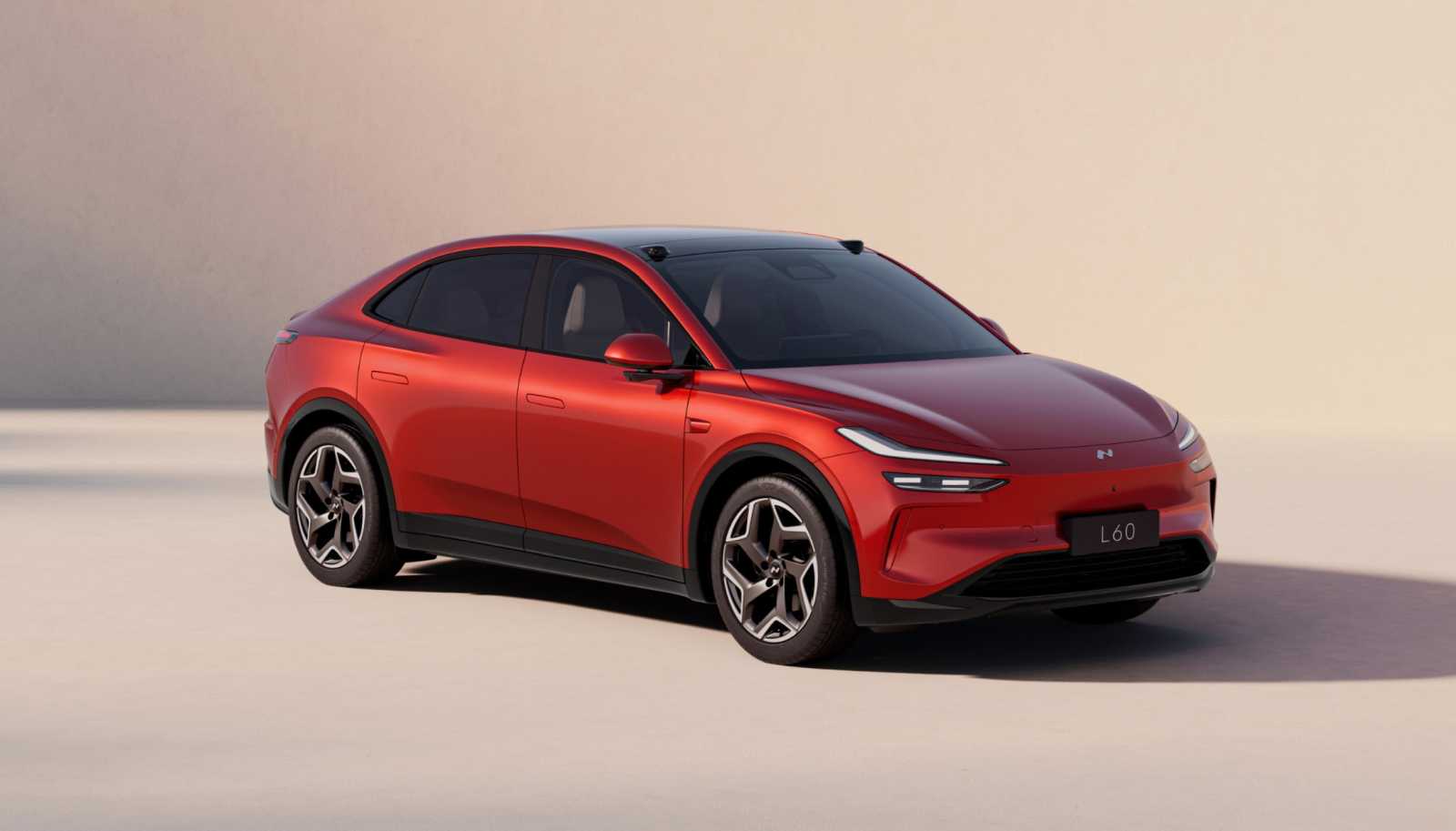
    Nio subsidiary Onvo delivered its 200,000th electric vehicle in Beijing on October 8, handing an L90 SUV to television host Geng Chenchen. The milestone arrived roughly two years after the mass-market brand began customer handovers of its debut model, the L60 SUV, in September 2024.

    Volume reached 198,760 cumulative units by the close of September, with roughly 1,240 handovers completed during the first week of October. That early October tally came during China’s Golden Week holiday, an annual break that routinely halts factory output and showroom traffic across the country.

    Slowing momentum across the third quarter

    The delivery threshold masks an ongoing slowdown across the brand’s retail network. Onvo delivered 8,763 vehicles in September, representing a 42.52 per cent slide from the same month last year and a 0.53 per cent drop from August. September was the brand’s fourth straight monthly decline and its second consecutive year-on-year contraction.

    Quarterly performance reflected the same cooling demand. Third-quarter deliveries fell 26.36 per cent year-on-year to 27,728 vehicles. Across the first nine months of the year, Onvo handed over 70,191 vehicles, a slight increase of 0.97 per cent compared with the same period in 2025.

    Product rollouts and design packages

    Management concentrated its product refreshes in the second quarter to defend showroom volumes. A revised L90 launched in April, followed by the new five-seat L80 SUV in May and an updated L60 in June. The L80 shares platform architecture and body dimensions with the three-row L90, giving the brand two distinct seating layouts on a single manufacturing footprint.

    Fresh styling options followed in September, including the Starlight design package for the L80 and the Starry Gold package for the L90. Upper-trim variants across the range carry Nio’s proprietary Shenji NX9031 driver-assistance chip, LiDAR sensors, and the Nio World Model driver-assistance software suite.

    Shared charging and battery swap infrastructure

    Shared charging and battery-swap operations remain central to Onvo’s pitch to family buyers. Every model in the lineup integrates directly into Nio’s nationwide power network, allowing owners to swap depleted battery packs at existing stations rather than relying solely on wired plugs.

    Physical retail support has expanded in parallel with the vehicle lineup. Onvo now operates 374 dedicated service centers across 213 Chinese cities to handle maintenance and customer repairs.

    The volume test heading into year end

    Meeting annual targets requires reversing the summer contraction during the fourth quarter, historically the strongest retail window for Chinese carmakers. Onvo delivered 107,808 vehicles during 2025, its first full year of operations, leaving the brand needing more than 37,000 deliveries in the final three months of 2026 to exceed last year’s total.

    Showroom conversion rates over October and November will determine whether the recent design packages and hardware upgrades can stabilize monthly orders above the 10,000-unit mark.

  • Xiaomi Enters China Range-Extended SUV Market with Sky Nomad from 209,900 Yuan

    Xiaomi Enters China Range-Extended SUV Market with Sky Nomad from 209,900 Yuan

    Xiaomi launched its Sky Nomad sport utility vehicle series in China with a starting price of 209,900 yuan. It is the company’s first commercial entry into extended-range electric vehicles. The lineup adds hybrid powertrains to a catalogue previously limited to pure battery models.

    Four new sport utility variants give the Beijing-based company a way to eliminate highway range anxiety while keeping entry prices below 210,000 yuan. Deliveries will feed directly into Xiaomi’s target of shipping 550,000 vehicles during 2026.

    Four variants and camping hardware

    Pricing starts with the five-seater N70 Pro at 209,900 yuan, followed by the all-wheel-drive N70 Max at 239,900 yuan. Larger family buyers get the seven-seater N90 Max at 269,900 yuan. An outdoor-focused Explorer version tops the range at 299,900 yuan with a factory-fitted pop-up roof and folding beds.

    Every model pairs an electric drivetrain with a 1.5-litre turbocharged petrol engine. The engine acts purely as an onboard generator. The entry N70 Pro runs a 52 kilowatt-hour lithium iron phosphate battery and a 210 kilowatt front motor. That provides 351 kilometres of pure electric driving and 1,351 kilometres of total range under China Light-Duty Test Cycle standards.

    Higher grades adopt a 76 kilowatt-hour ternary pack and dual motors producing 310 kilowatts. That setup gives the N70 Max up to 505 kilometres of electric range and 1,461 kilometres overall. The larger 5.29-metre N90 Max delivers 464 kilometres on battery power and 1,705 kilometres combined.

    Dragonscale battery and fire replacement pledge

    Power packs across the lineup use Xiaomi’s Dragonscale architecture, developed jointly with Chinese battery manufacturers CALB and Sunwoda. The systems link to cloud-based monitoring and high-voltage cutoff switches. They charge the battery from 20 to 80 per cent in 18 minutes.

    Non-commercial first owners receive lifetime coverage against spontaneous battery combustion. Xiaomi attached the warranty commitment directly to the hardware. It offers a full vehicle replacement if a fire occurs due to a manufacturing defect.

    Compute hardware matches the pricing. All variants install Nvidia Drive Thor processors delivering 700 trillion operations per second, supported by roof-mounted LiDAR sensors. Qualcomm Snapdragon 8 Gen 3 chips run Xiaomi’s HyperOS cockpit software.

    Challenging domestic hybrid heavyweights

    Entering the range-extended market pits Xiaomi straight against Li Auto, Seres Group’s Aito brand, and BYD in China’s family vehicle segment. Pure electric SUVs still face consumer hesitation in northern provinces and lower-tier cities where charging networks thin out during holiday travel.

    Adding combustion generators solves regional infrastructure bottlenecks without redesigning the digital cabin experience. The primary operational risk shifts to supply chain margins. Carrying both high-voltage batteries and internal combustion engines compresses unit profitability unless factory volumes scale rapidly.

    Scaling beyond pure battery platforms

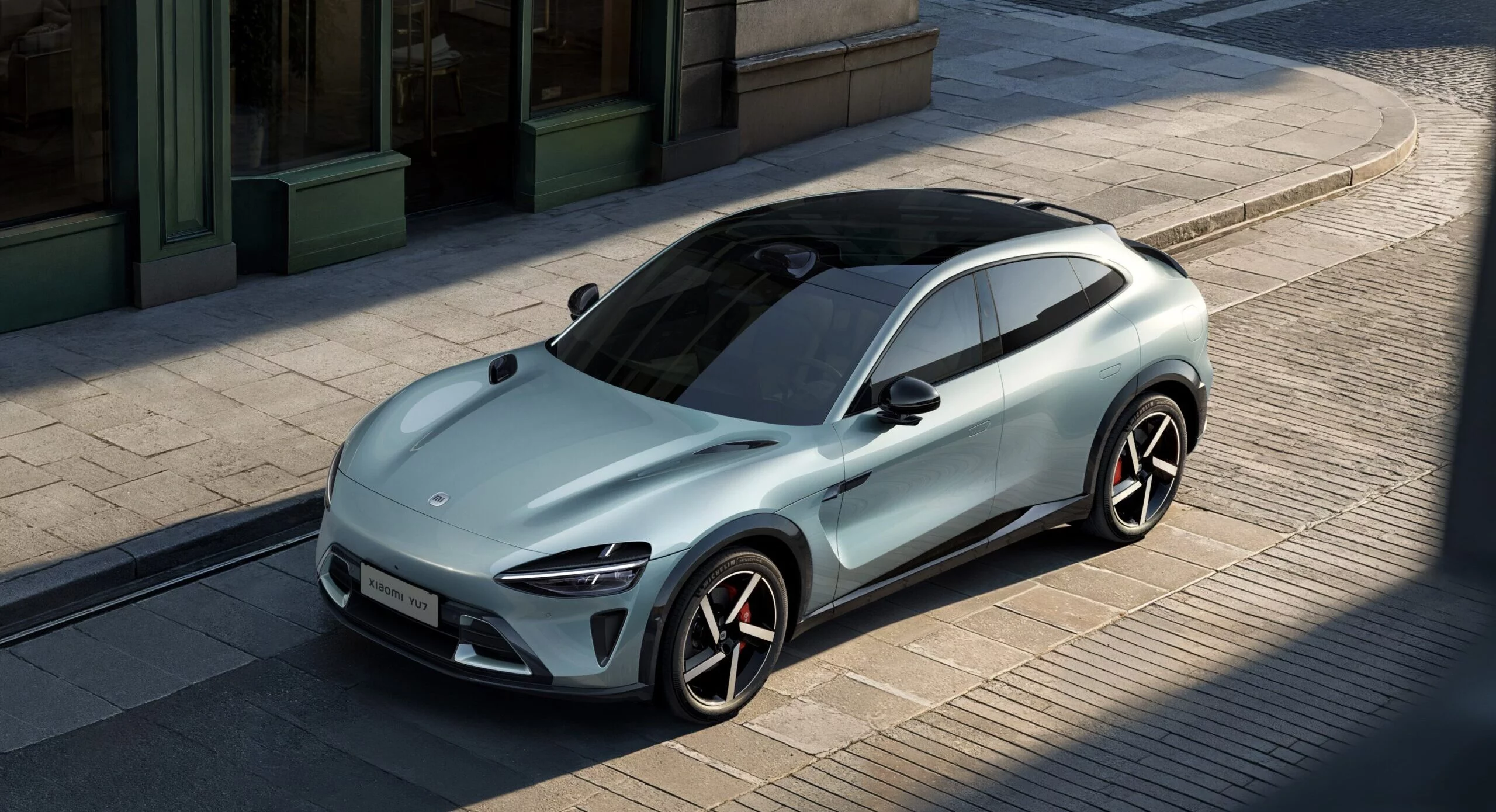
    The launch builds on Xiaomi’s initial automotive rollout, which started with the SU7 electric sedan and continued with the YU7 electric SUV. Those two models carried the brand past 800,000 cumulative deliveries since production began.

    Xiaomi delivered 216,322 vehicles during the first seven months of 2026, up 14.8 per cent from the same period a year earlier. Maintaining that pace requires the Sky Nomad series to capture family trade-ins throughout the fourth quarter, where the company must deliver roughly 333,000 additional units across all model lines to meet its 550,000 full-year target.

  • Toyota to Expand ¥27 Million Century Luxury Brand Globally

    Toyota to Expand ¥27 Million Century Luxury Brand Globally

    Toyota Motor is preparing to expand sales of its ultra-luxury Century badge beyond Japan. The nameplate was historically reserved for domestic heads of state. Now, Toyota is positioning it above Lexus in international showrooms.

    The rollout follows the introduction of a Century sport utility vehicle priced from ¥27 million ($171,651) in Japan. Annual Century deliveries there dropped to roughly 500 units last year from 1,700 cars in 1997.

    Shipments of the Century SUV have already started to mainland China, alongside small export volumes to select markets in Asia and the Middle East. Executive leadership is now assessing wider entries, including North America. Chairman Akio Toyoda recently appeared at the Automotive Hall of Fame in Detroit in a custom Century SUV fitted with gold badging and bespoke trim.

    Building a Tier Above Lexus

    Carving out Century as a standalone crown brand resolves an internal ceiling that capped Lexus for decades. Lexus competes against volume luxury producers such as BMW, Mercedes-Benz and Audi. Yet it has struggled to justify price tags above $150,000 on standard production lines. Placing Century at the top allows Toyota to enter the ultra-luxury bracket without disrupting Lexus fleet and retail sales.

    Work on the shift began in October 2025 when Toyota unveiled a Century coupe concept at the Japan Mobility Show. Toyota then launched an English-language portal and opened a dedicated brand exhibition space in downtown Tokyo in March. The structure mimics European automotive groups by separating mass luxury from low-volume coachbuilding.

    Dealership networks and regional importers across Asia face a distinct retail model. Century models remain partly handmade, using traditional Japanese craftsmanship like Nishijin-ori brocade weaving and urushi lacquer trim. Output is tight. Because artisanal lines limit production, dealers will handle Century through bespoke allocations rather than standard floor inventory.

    Pricing Against European and Chinese Competitors

    Entering this tier puts Toyota against established European marques and aggressive Chinese electric vehicle makers. At ¥27 million, the Century SUV undercuts traditional benchmarks. The Bentley Bentayga starts near $230,000. Rolls-Royce commands base pricing around $355,000 for the Ghost sedan.

    Chinese automakers are also pushing into the bracket with software-heavy alternatives. BYD is marketing its Yangwang U8 SUV around $150,000. Meanwhile, Huawei-backed Maextro is preparing the S800 executive sedan to challenge the Mercedes-Maybach S-Class at roughly $100,000. These challengers rely on rapid software integration and extreme vehicle dynamics.

    Distributors plan to counter that tech pitch with mechanical refinement and quiet cabins. The Century nameplate dates back to 1967, giving it a pedigree newer Asian brands lack. But export networks still face a basic test: convincing overseas buyers to pay six figures for a Japanese badge with no European heritage.

    Powertrains and Production Hurdles

    Homologation presents an immediate hurdle under the hood. Historical Century sedans gained cult status through a proprietary 5.0-litre V12 engine introduced in 1997 and retired in 2017. Today’s variants rely on electrified setups. The sedan uses a V8 hybrid system, while the new SUV runs on a 3.5-litre V6 plug-in hybrid drivetrain.

    Engineers are evaluating future powertrain architectures for production iterations of the coupe concept. Automotive trade publications reported development of a modern V12 hybrid setup, but Toyota has declined to confirm specifications. Stricter emissions rules across Europe and tier-one Chinese cities make high-displacement engines costly to certify.

    Gray-market importers have already proved that international demand exists at lower price points. Under US laws exempting 25-year-old cars from modern safety rules, collectors buy 1990s V12 Century sedans through specialty dealers for around $25,000. Translating that niche enthusiasm into sales for a new $170,000 vehicle requires building elite retail infrastructure from scratch.

    The Next Steps for Export Markets

    Initial work to build global visibility started with diplomatic fleets and private previews across East Asia. The company is now gauging response from dealer groups in North America and Southeast Asia. Factory tooling for left-hand-drive variants at higher volume will wait on those findings.

    Toyota will review market feasibility studies and dealer allocation standards before presenting the Century lineup at international auto shows scheduled for 2027.

  • Mazda Adds Hesai LiDAR to Updated EZ-60 in China Starting at 113,900 Yuan

    Mazda Adds Hesai LiDAR to Updated EZ-60 in China Starting at 113,900 Yuan

    Changan Mazda launched its updated 2027 EZ-60 electric SUV in China on Saturday. Pricing starts at 113,900 yuan ($16,880) across four new LiDAR-equipped variants.

    The roof-mounted sensor package sits on upper trims, lifting the top of the nine-model range to 172,900 yuan before a promotional 6,000 yuan discount across all configurations. The baseline official guide price holds steady at 119,900 yuan. That matches the entry level from the model’s debut.

    Buyers pay a 12,000 yuan premium for the LiDAR options. The extended-range electric vehicle (EREV) Pro LiDAR variant costs 151,900 yuan, while the battery electric (BEV) Max LiDAR edition tops the lineup at 172,900 yuan. Dimensions stay unchanged. The SUV measures 4,850 mm long, 1,935 mm wide, and 1,620 mm tall on a 2,902 mm wheelbase.

    Sensor Package and Driver Assistance Architecture

    A single Hesai ATX LiDAR mounted on the roof line drives the driver assistance suite. The optical unit delivers a detection range of 200 meters. It works alongside three millimeter-wave radars, 11 high-definition cameras, and 12 ultrasonic sensors to scan forward past 250 meters.

    Software runs on an end-to-end architecture that handles highway navigation assistance between 0 and 130 km/h. Urban navigation assist operates between 0 and 80 km/h. Automated parking supports more than 300 bay geometries. Features like memory parking will arrive via over-the-air updates alongside 25 active safety functions.

    Powertrain Options and Battery Capacities

    Powertrains carry over unchanged. EREV trims pair a 70 kW 1.5-liter range extender with a rear electric drive motor producing 190 kW (255 hp) and 290 Nm of torque. A 31.73-kWh battery pack provides 200 kilometers of pure electric driving range under the CLTC cycle.

    Pure electric trims use a 77.94-kWh lithium iron phosphate pack with the same 190 kW rear-wheel-drive motor. That setup delivers a CLTC driving range of 600 kilometers per charge.

    Joint-Venture Rivalry in China’s Electric Market

    Legacy joint ventures face intense pricing pressure in China as domestic automakers make semi-autonomous driving standard in mass-market brackets. International brands have largely avoided putting LiDAR on mid-tier models to protect profit margins. That left their products exposed against high-specification Chinese rivals.

    Putting Hesai LiDAR and end-to-end software below 180,000 yuan takes direct aim at rivals like the Buick Electra E7 and the Nissan NX8. Japanese and American joint ventures need this equipment bundling to protect showroom share in China’s tier-two and tier-three cities.

    Global Export Track and Deployment Plans

    The EZ-60 anchors Mazda’s electrification export program developed with Changan Automobile. It serves as the production base for the CX-6e, which debuted at the Brussels Motor Show in January. Retail shipments to European distributors are already underway.

    Changan Mazda launched the original EZ-60 on September 26, 2025, bringing this refresh 12 months into the lifecycle. Other Japanese carmakers are also expanding electrified lineups in China. Nissan recently updated its N7 sedan, and Toyota plans to introduce localized extended-range models in April 2027.

    Deliveries of the LiDAR-equipped EZ-60 trims begin at dealerships across China next month. The 6,000 yuan launch subsidy will run through the initial intake window.

  • Nio Delivers 150,000 Third-Generation ES8 SUVs in First Year

    Nio Delivers 150,000 Third-Generation ES8 SUVs in First Year

    Nio delivered its 150,000th third-generation ES8 in Beijing on Sunday. The handover reached that volume milestone exactly one year after the large electric SUV launched.

    Customer Tang Limei took delivery of the milestone vehicle. Nio built and delivered the final 10,000 units of that run in just 30 days.

    Qin Lihong, co-founder and president, attended the Beijing event. Sales began on September 20, 2025, and deliveries started the next day. The ES8 is the fastest vehicle in Nio’s lineup to hit this operating scale. China Passenger Car Association data shows the model logged 99,948 deliveries in the first eight months of 2026. That accounted for 62.21 per cent of the core Nio brand’s volume, and 38.02 per cent of deliveries across all Nio Inc operations.

    Volume Concentration at the Top End

    Showroom traffic for the premium brand now leans heavily on the ES8. Together with the larger ES9, the two SUVs delivered 17,480 units in August. That represented 82.55 per cent of all Nio-branded deliveries that month. The concentration reflects a deliberate pivot toward high-margin family and executive vehicles. Mass-market buyers are left to the company’s sub-brands.

    Component suppliers and battery exchange operators benefit from this heavy mix in the 400,000 yuan bracket, which generates steady cash flow and higher revenue per car. But it exposes the automaker to risk if luxury spending softens in top-tier Chinese cities. Nio leads the 400,000 yuan bracket across all powertrains, defending sales against plug-in hybrid and pure electric rivals. Keeping that volume requires constant retail incentives.

    Expanding Through Layout and Pricing Adjustments

    Broader configuration choices helped drive showroom momentum over the summer. On July 9, Nio launched a five-seat ES8 alongside its existing six- and seven-seat versions. Deliveries began the next day.

    Pricing for the five-seat version started at 382,800 yuan with the battery pack, a 5.9 per cent drop from three-row models. Buyers using the battery-as-a-service subscription saw the upfront vehicle price fall to 274,800 yuan. The lower entry price helped lift monthly ES8 deliveries to 10,288 units in July and 11,001 in August, a sequential gain of 6.93 per cent.

    The Trajectory from Launch to Scale

    Delivery numbers climbed quickly after initial factory ramps in late 2025. Nio delivered 2,812 units in September 2025 before volume surged past 22,000 in December. Monthly numbers dipped during the broader auto slowdown in early 2026, but the model held above 10,000 units for most of the year.

    At the Chengdu Auto Show on August 21, the carmaker handed over its 140,000th ES8. Reaching the next 10,000 cars in 30 days proved supply chains and assembly plants maintained steady output into the third quarter.

    Production Schedules Ahead of Model Cycle Shifts

    Management is now focusing capacity on this product core while conserving capital for future launches. Chief executive William Li told staff earlier this month to focus resources on the main premium lineup and core regional markets over the next three years.

    All eyes are on the final stretch of the year. Nio must now prove the ES8 can hold monthly deliveries above 11,000 units through the fourth-quarter rush, before major platform updates arrive in 2027.

  • BYD Denza Launches All-Electric N8L SUV Priced from 299,800 Yuan

    BYD Denza Launches All-Electric N8L SUV Priced from 299,800 Yuan

    BYD rolled out the battery-electric version of its Denza N8L sport utility vehicle in China on Monday, pricing the large six-seater from 299,800 yuan ($44,280).

    The launch introduces a pure electric drivetrain to a flagship family model that previously sold only as a plug-in hybrid, undercutting the hybrid edition’s starting price by 20,000 yuan.

    Battery Power and Fast Charging Hardware

    Denza sells the new all-electric SUV in two configurations. The entry Flash Charging Prestige costs 299,800 yuan, while the higher-spec Flash Charging Flagship retails for 329,800 yuan. Both variants use an 800-volt electrical architecture paired with a 130.15-kilowatt-hour second-generation Blade Battery, delivering a driving range of up to 960 kilometres under China Light-Duty Vehicle Test Cycle standards.

    Propulsion comes from a single rear-mounted electric motor rated at 370 kilowatts, or 496 horsepower. At BYD flash charging stations, the system pushes battery state from 10 per cent to 70 per cent in five minutes, and reaches 97 per cent in nine minutes.

    Body measurements match the hybrid predecessor exactly. The chassis measures 5,200 millimetres in length, 1,999 millimetres in width and 1,820 millimetres in height, riding on a 3,075-millimetre wheelbase with a three-row, six-seat interior. Storage includes a 208-litre powered front trunk equipped with a drainage plug for wet gear. Standard driving hardware incorporates rear-wheel steering that trims the turning radius to 4.58 metres, dual-chamber air suspension, continuous damping control and a roof-mounted LiDAR unit running the God’s Eye 5.0 driver assistance package.

    Shifting Family Buyers Toward Pure Electrics

    By pricing the pure electric model below the plug-in hybrid version, Denza is rewriting the traditional price ladder in China’s premium three-row segment. Automakers historically charged heavy premiums for massive 130-kWh battery packs. BYD is using its vertical cell manufacturing scale to absorb those costs and squeeze rivals such as Li Auto and Nio, forcing competitors to defend margins across the 300,000-yuan family SUV bracket.

    The commercial success of the vehicle relies directly on BYD’s ability to maintain high charging speeds away from urban showrooms. A 960-kilometre nominal range eases highway anxiety, but deploying ultra-fast power cabinets across key highway arteries is what will convince combustion-engine owners to ditch petrol backups for family transport.

    Building Out the N8L Lineage

    Denza introduced the original N8L nameplate in October 2025 as a dedicated plug-in hybrid. The brand updated that hybrid in June with a 75.26-kWh second-generation Blade pack offering 430 kilometres of electric range and flash charging capability, priced at 319,800 yuan.

    BYD operated 10,000 flash charging stations across China as of late August and expects to reach 20,000 operational stations before the end of December.

  • Li Auto Launches Li L9 in UAE Starting at $87,100

    Li Auto Launches Li L9 in UAE Starting at $87,100

    Li Auto introduced its flagship L9 sport utility vehicle in the United Arab Emirates on Thursday, pricing the extended-range model from AED 319,900 ($87,100).

    The rollout gives the Chinese electric vehicle maker its first commercial sales operation in the Gulf, where it sells the SUV at a 28 percent premium over domestic retail prices.

    Local buyers can choose between two trims: the base Ultra and the AED 359,900 Livis edition. Both variants use a third-generation extended-range powertrain pairing a battery pack with a petrol generator, delivering 420 kilometres of battery-only range and 1,650 kilometres combined under China Light-Duty Test Cycle standards. The vehicles feature Qualcomm Snapdragon 8797 cockpit processors, steer-by-wire systems, and rear-wheel steering. On the higher-spec Livis, Li Auto includes an 800-volt active suspension alongside electromechanical brake-by-wire hardware.

    Dealership network and regional adaptation

    Engineers modified cabin thermal management and dust sealing to handle Gulf summer temperatures and desert driving. Digital interfaces include Arabic text support and localized navigation, with Arabic voice control scheduled for release by December. English voice interaction functions from launch.

    Sales run exclusively through Abu Dhabi-based conglomerate Al Fahim Group under an agreement signed in April. The partnership plans more than two showrooms and service centers across the country, starting with a downtown Dubai retail location opening in September. Buyers receive factory warranty coverage, certified servicing, and over-the-air software updates.

    Middle East expansion and production targets

    Chinese electric carmakers are pushing into the Middle East to broaden export revenue outside domestic price wars. Li Auto previously entered Kazakhstan and Uzbekistan, securing a local assembly contract with Kazakh group Allur. The company also signed a distribution agreement with Mohamed Yousuf Naghi Motors in Saudi Arabia in April, though sales dates for that market remain unannounced.

    Deliveries in China recovered in August to 37,679 units, up 32.07 percent year-on-year, but total volume for the first eight months fell 0.6 percent to 261,619 vehicles. The Beijing-based carmaker posted a second-quarter net loss of 1.7 billion yuan ($250.8 million) as revenue declined 15.1 percent to 25.7 billion yuan.

    Next on the company’s overseas calendar is an appearance at the 2026 Paris Motor Show, where it plans to display vehicles to European buyers for the first time.