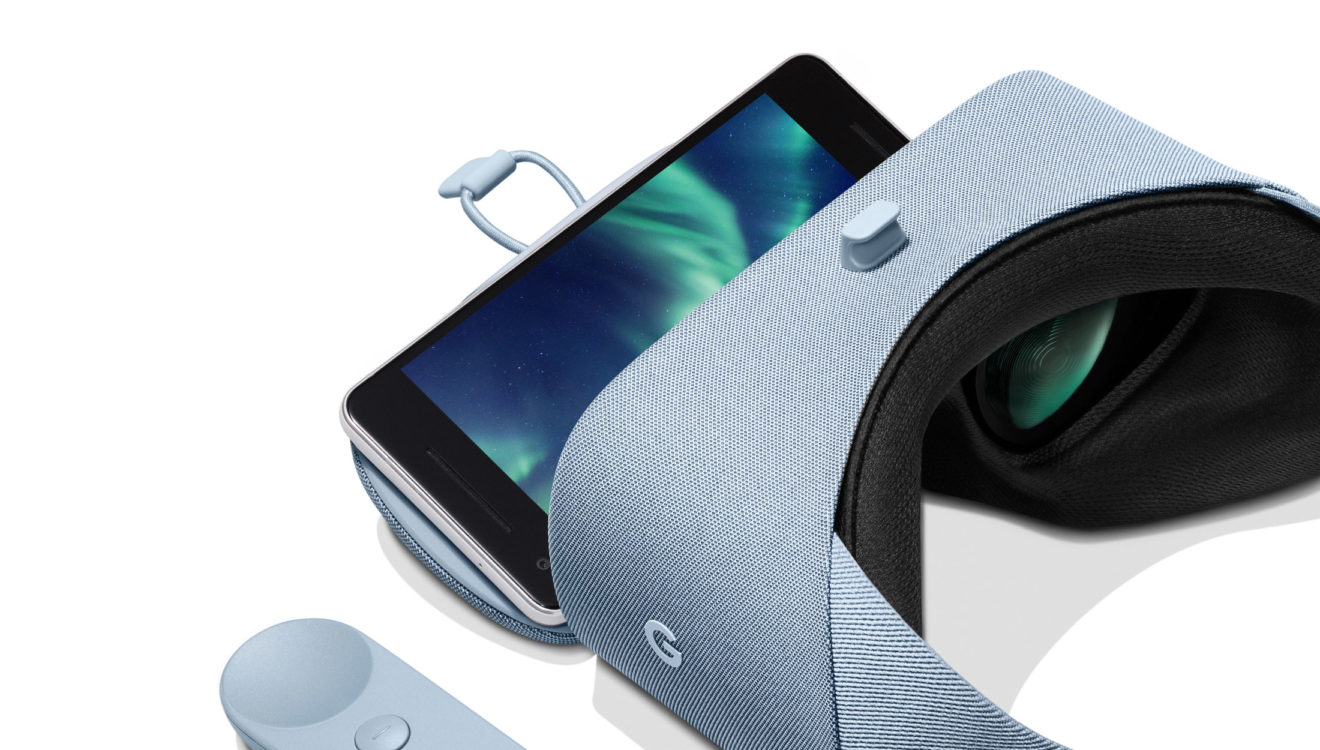
As the retail landscape in Asia continues to evolve, a new wave of technology is redefining how consumers engage with brands. A recent report from tech analysts reveals that immersive shopping experiences, powered by augmented reality (AR) and virtual reality (VR), are steadily gaining traction among retailers throughout the region. These tech innovations are not merely trendy; they are reshaping consumer expectations and offering a fresh perspective on the shopping journey.
The Rise of Immersive Retail Experiences
In the bustling marketplace of Asia, where traditional retail meets high-tech innovation, brands are tapping into immersive experiences to capture the attention of digital-savvy consumers. From virtual fitting rooms that allow shoppers to try on clothes without stepping into a store to interactive product displays that engage multiple senses, these technologies are providing a unique blend of convenience and excitement that online shopping has often lacked.
Take, for instance, a leading fashion retailer that recently launched a VR experience, allowing customers to step into a virtual boutique filled with their latest collections. Shoppers can see how clothing fits in a lifelike manner and even receive personalized style suggestions based on their preferences. “It’s like having a personal stylist,” one enthusiastic shopper remarked after trying it out, capturing the mixture of practicality and novelty that immersive shopping offers.
Consumer Adoption and Market Potential
Surveys indicate that a significant portion of consumers in urban areas across Asia are open to using AR and VR technologies in their shopping habits. Nearly 65% of respondents expressed interest in experiencing products in augmented environments before making a decision. This growing interest points to a remarkable shift in consumer behavior, as shoppers increasingly lean towards experiences that blend the physical and digital realms.
Retailers are paying attention. According to market experts, the global AR and VR market for retail is expected to reach a staggering USD 1.6 billion by 2025. Brands that leverage these technologies not only keep up with the competition but also position themselves as pioneers in customer experience transformation. Talk about a tech-savvy retail revolution ready to unfold!
Challenges in Implementation
Despite the promising outlook, integrating AR and VR into retail operations is not without its hurdles. High costs, technical constraints, and the need for consumer education pose significant challenges for brands. Retailers need skilled personnel to manage these technologies and ensure a seamless experience that resonates with users. The question remains: can these retailers effectively bridge the gap between innovative technology and practical execution?
Nevertheless, the potential rewards are enticing enough to spur investment. Brands that master the art of immersive shopping can foster deeper emotional connections with consumers, bridging the transactional gap that many shoppers now experience.
Transforming the Retail Landscape
As Asia embraces the future of retail, the line between innovation and traditional practices continues to blur. With immersive experiences poised to redefine how consumers interact with brands, the retail sector stands on the brink of an exciting transformation. It seems even shopping is evolving, proving that what was once a tedious chore is now becoming an adventure. Now that’s a plot twist worth discussing!
Questions & Answers
What drives the interest in AR and VR shopping experiences in Asia?
Consumer interest is largely driven by the desire for interactive and personalized shopping experiences that blend convenience with excitement, making the retail journey both enjoyable and efficient.
What challenges do retailers face when adopting AR and VR technologies?
Challenges include high implementation costs, technical constraints, and the need for consumer education to ensure a smooth and user-friendly experience.
How significant is the market potential for AR and VR in retail?
The AR and VR retail market is projected to reach USD 1.6 billion by 2025, indicating substantial growth potential as retailers continue to innovate and adapt to consumer expectations.