Tag: swatch

  • Swiss watchmaker Swatch sues Malaysia for seizure of Pride watches

    Swiss watchmaker Swatch sues Malaysia for seizure of Pride watches

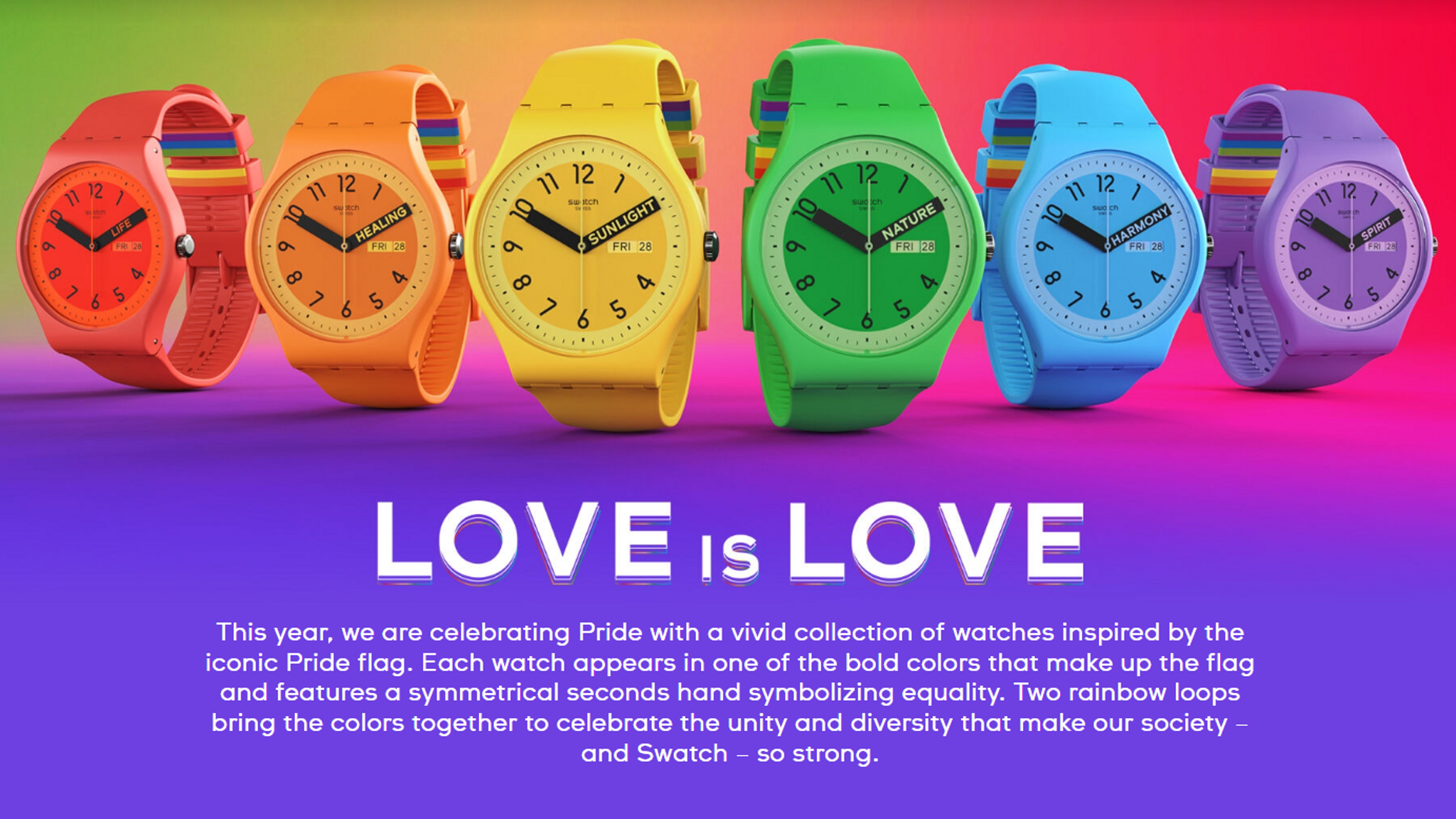
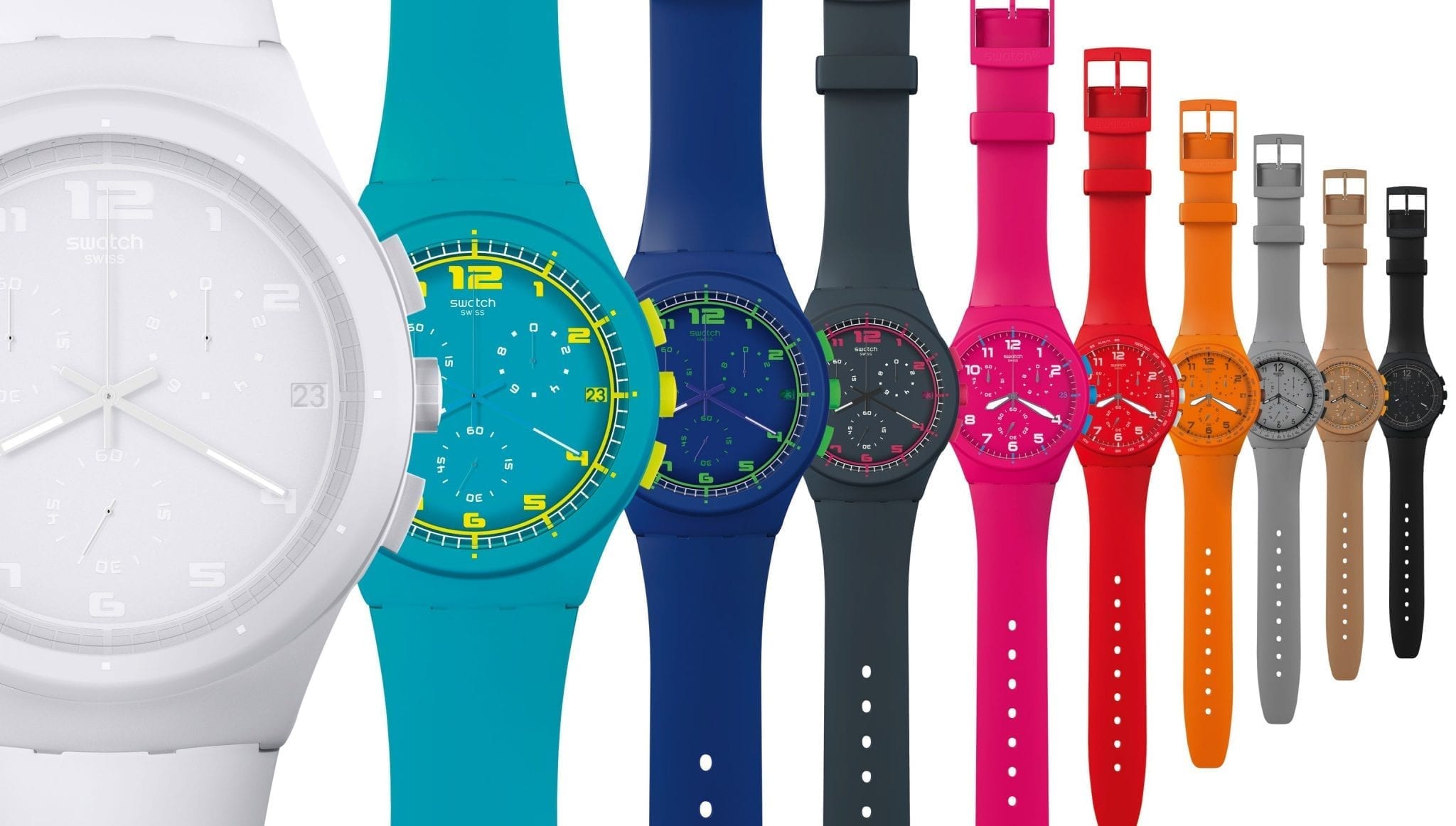
    Swiss watchmaker Swatch says it has begun legal proceedings against the Malaysian government for seizing LGBTQ-themed watches from its stores.

    The move comes after officials impounded 172 watches from its rainbow-colored Pride collection, on sale at shopping malls across Malaysia.

    Swatch wants damages and the return of the watches, worth $14,000 (£10,700).

    Homosexual activity is illegal in Malaysia under both secular and religious laws.

    It is punishable by a prison sentence or corporal punishment.

    Swatch filed its lawsuit last month at the High Court in Kuala Lumpur. The case is expected to be heard later this week.

    The Malaysian authorities said the watches were confiscated in May by the home affairs ministry’s law enforcement unit because they featured “LGBT elements”.

    But Swatch said in its lawsuit that the watches were “not in any way capable of causing any disruption to public order or morality or any violations of the law”.

    The firm said its trading reputation had been damaged by the seizures, adding that its “business and trading figures also suffered in the immediate aftermath of the seizure for some time”.

    In its promotional campaign for the Pride-themed watches, Swatch describes them as “loud, proud, uplifting and bursting with meaning”.

    The firm refers to the Pride flag as “a symbol of humanity that speaks for all genders and all races”.

    In its lawsuit, Swatch said the watches “did not promote any sexual activity, but merely a fun and joyous expression of peace and love”.

    The lawsuit names the home affairs ministry and the government of Malaysia as respondents.

    Home Affairs Minister Saifuddin Nasution Ismail has yet to comment publicly on the matter.

  • Swatch launches art-themed Macau pop up

    Swatch launches art-themed Macau pop up

    Swiss watch giant Swatch Group said Thursday it suffered a net loss of 53 million Swiss frances (49 million euros) last year as the coronavirus ravaged the global economy.

    Sales were down more than 32 percent at 5.5 billion Swiss francs, short of analyst forecasts compiled by the AWP agency for 5.8 billion Swiss francs.

    In 2019, the company, famous for its trendy multi-color plastic watches, had posted a profit of 748 million Swiss francs.

    Swatch said the pandemic slashed sales by more than 43 percent in the first quarter last year as the authorities imposed a sharp lockdown to try and curb the spread of the virus.

    As restrictions were subsequently eased, sales picked up again but remained well below normal levels, with business in tourist hotspots and airports hit badly.

    Swatch said it closed 384 outlets over the course of the year, with Hong Kong especially hard hit, falling from 92 in 2019 to 38 last year.

    For this year, the company said it hopes sales will recover to close to 2019 levels as the economy stabilises, citing China’s example.

  • Swatch cuts 2400 jobs, speeds up Hong Kong store cull

    Swatch cuts 2400 jobs, speeds up Hong Kong store cull

    Swatch Group has cut about 2400 jobs, its biggest cull in at least three decades, and will trim its store network as the Swiss watchmaker recorded its first-ever loss.

    The maker of Omega and Longines timepieces said Tuesday it accelerated plans to shut stores definitively in Hong Kong as well as shops that sell its colorful namesake brand and CK. The loss came as sales in the six months through June plummeted 43 percent due to tot the impact of Covid-19.

    In a break with its strategy during previous crises such as the 2009 financial downturn, Swatch is leaning more on slashing jobs, a signal that this year is different. CEO Nick Hayek has said that during hard times, the problem with cutting jobs is it’s difficult to find qualified staff when the market rebounds.

    “Winston Churchill said ‘never waste a good crisis’, and that’s exactly what we’re going to do, especially in the second half of the year,” Hayek said in prepared video remarks.

    The stock was little changed in early trading, having dropped 28 percent this year.

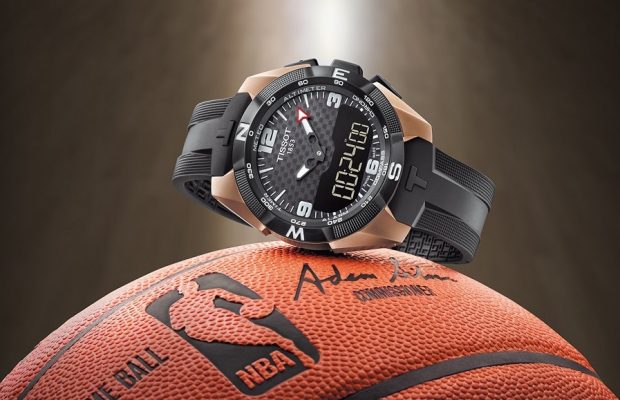
    The CEO said Swatch expects a profit this year as countries ease lockdown measures that had led to shuttered shops and travel bans amid the coronavirus pandemic. The company’s first-half operating loss of US$347 million was twice as big as analysts expected. In the second half, Swatch plans to introduce new products, including a Tissot smartwatch.

    Swatch announced the end of its 22-year-old contract to sell Calvin Klein watches in October, and many of the closures were related to that decision, Hayek said. The company’s plastic namesake brand is also reducing its reliance on brick-and-mortar stores and will rely more on e-commerce.

    Swatch forecast that the industry will recover quickly as consumers catch up on shopping after lockdowns, as seen in China and Korea. The month of June already was profitable, thanks to pent-up demand in mainland China, where sales rose at a double-digit rate in May and June.

    Still, only about half of its employees in Switzerland have returned to work full-time. Some 6000 employees were on short-time work on average last week, while about 2500 were taking an unused vacation or reducing overtime, according to chief controlling officer Peter Steiger.

    The company had to shut up to 80 percent of its sales outlets around the world during lockdowns. Swatch closed 260 stores definitively and now has about 1800.

  • Swatch wins trademark lawsuit against Apple

    Swatch wins trademark lawsuit against Apple

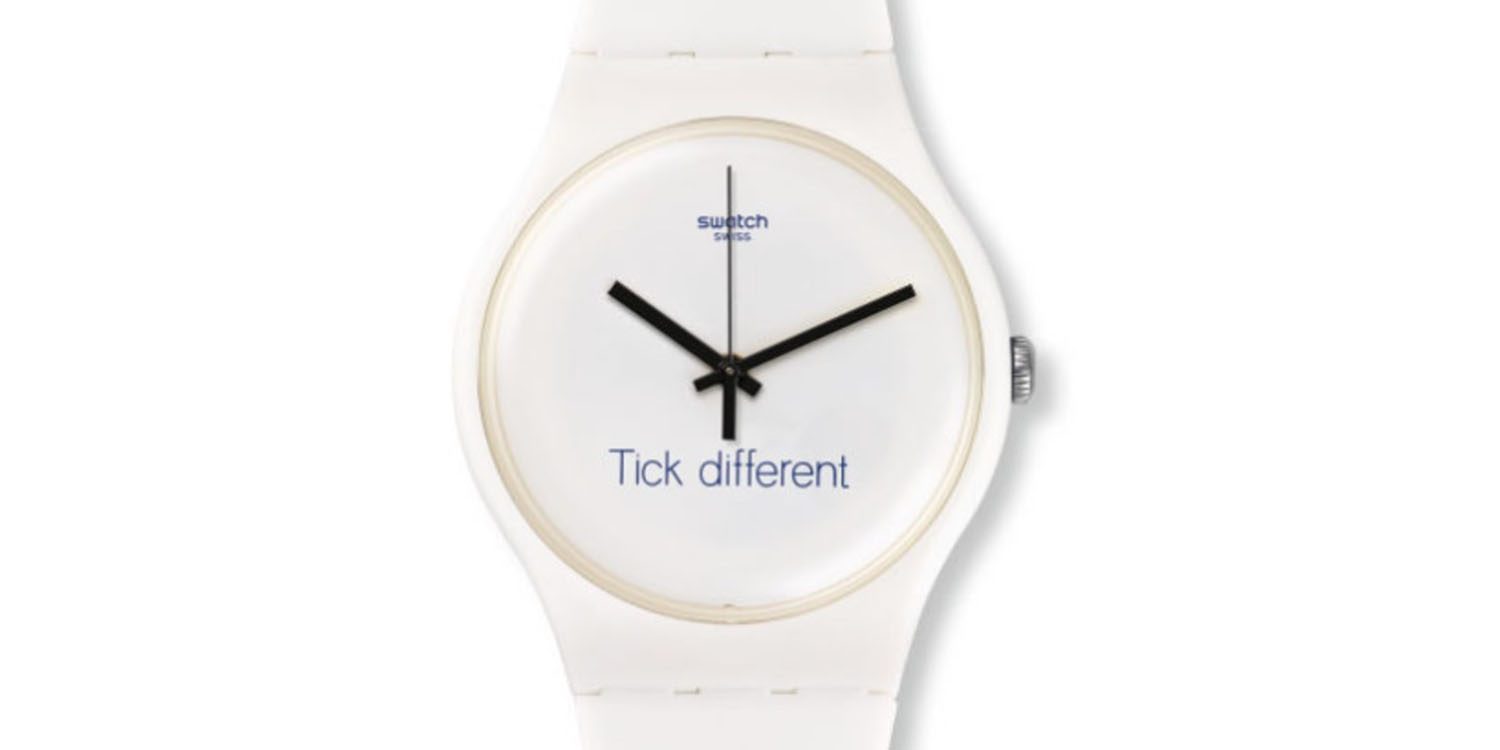
    Swatch is no stranger to legal battles with giants like Apple and Samsung, and to some success, we might add. The Swiss company filed a lawsuit against Samsung two months ago, because the South Korean company copied Swatch’s trademark on its smartwatch faces. However, Swatch was sued by Apple two years ago for a similar reason. The Cupertino-based company claimed in the lawsuit that Swatch’s logo – “Tick different,” which is etched on some of its smartwatches, strongly resemble its famous “Think different” slogan.

    Unfortunately for Apple, a Swiss court has just ruled in Swatch’s favor over the use of its “Tick different” logo. Apparently, the court doesn’t think that Swatch’s slogan infringes on Apple’s own logo, but even if they are very similar, the Swiss company claims the “Think Different” advertising campaign wasn’t too popular in Switzerland to warrant protection.

    The Federal Administrative Court has agreed with Swatch and said that Apple hasn’t given the court enough documents that would back up its case. Of course, Swatch wouldn’t stand a chance in the United States where the “Think Different” advertising campaign remains one the most famous in the company’s history.

  • Asia boosts Swatch Group sales record

    Asia boosts Swatch Group sales record

    An overview of watchmaker Swatch Group’s international business has revealed record half-year sales, largely led by Asia.

    The group’s net sales increased by 14.7 per cent during the first half of this year, with growth in all regions led by Asia and America. Its net income has increased by 66.5 per cent to CHF468 million (US$467 million), with a net margin of 11 per cent, compared to the previous year’s 7.6 per cent.

    Consumer demand, particularly from millennials, for authentic, innovative brand products is greatly increasing on a worldwide scale regardless of region or price segment. The company sees an increasing interest in pre-owned and vintage products as an immense opportunity for the 18 Swatch Group brands.

    Further growth is projected for the second half of this year.

  • Calvin Klein watch showcase will be in Suria KLCC

    Calvin Klein watch showcase will be in Suria KLCC

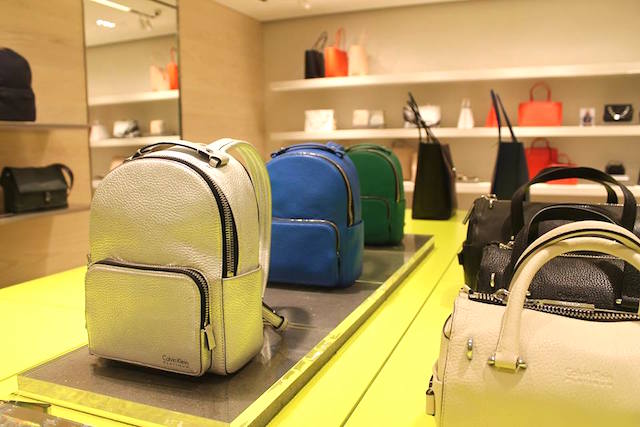
    Calvin Klein Watches + Jewelry has opened its largest kiosk for Malaysia in Suria KLCC, featuring timepieces and accessories.

    Attended the launch were Swatch Group Malaysia and Singapore president Jose de Cardoso, Calvin Klein Watches + Jewelry regional sales manager Pascal Scherer, brand manager Kenny Lim sales and marketing manager Florence Loke. Special guests included actress Siti Saleha and TV presenter Reem Shahwa.

    Since his debut, new Calvin Klein chief creative officer Raf Simon has been providing a singular global creative vision for the brand, as reported. The Belgian fashion designer has been taking the founder’s legacy of modern, simple and sharp aesthetic coupled with provocative imagery to greater heights. This encompasses Calvin Klein Watches + Jewelry, developed in the 1990s in partnership with Swatch Group.

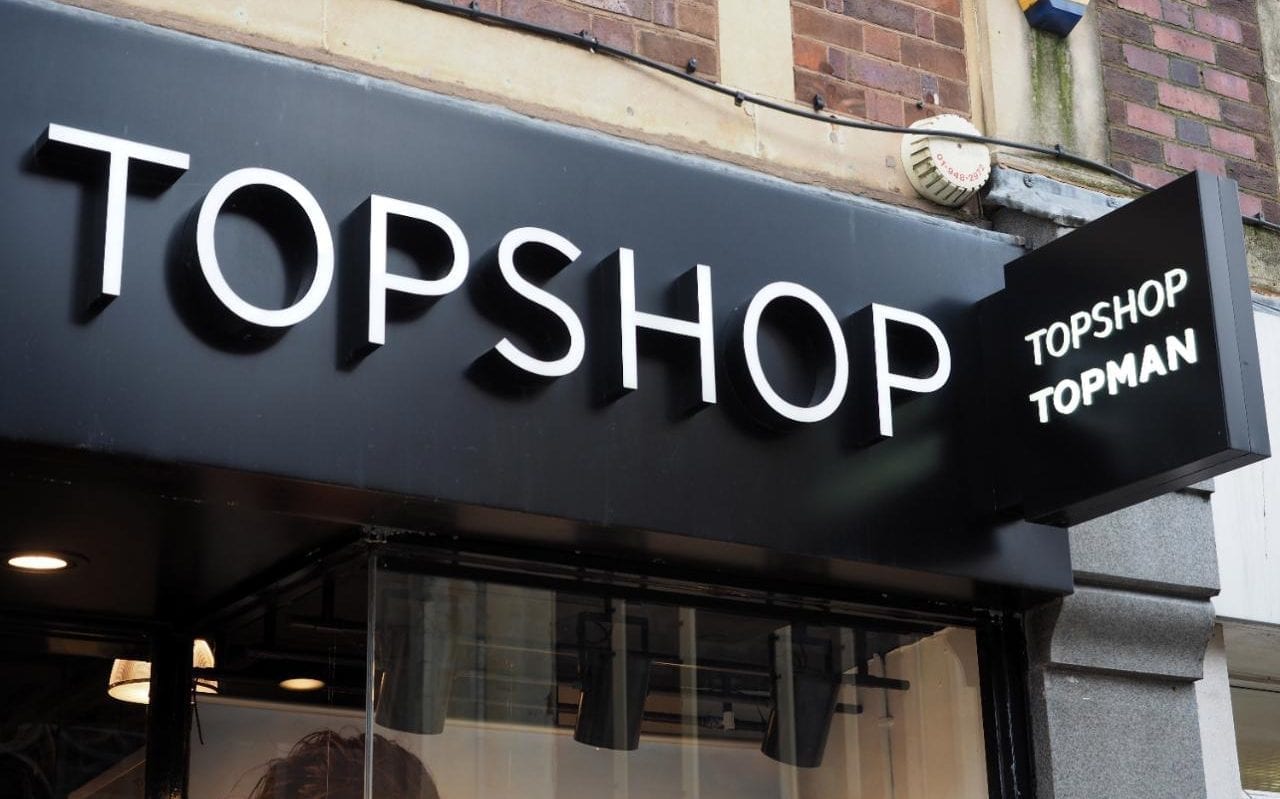
  • Topshop Hong Kong saves money in rent

    Topshop Hong Kong saves money in rent

    Renewing the lease for its Queen’s Road shop in Central, fashion brand Topshop Hong Kong has halved the rent.

    It now has a rate of HK$1.5 million (US$192,000) a month for its 12,000sqft (1100sqm) store on one of Hong Kong’s busiest shopping streets, reports Asia real-estate intelligence group Mingtiandi.

    The new deal gives the UK-based retailer of youth-oriented apparel and accessories another three years in the podium of the Asia Standard Tower for around $125 a square foot per month. Topshop had balked at the $3 million it had been paying for the space since signing its previous lease in 2013, the Hong Kong Economic Times reports.

    The cut-rate deal is the latest sign of an adjustment in Hong Kong’s retail real-estate scene as landlords scramble to deal with fashion brands and luxury retailers scaling back their footprints in the face of declining sales and recalibrated expectations, says Mingtiandi.

    It represents a return to leasing rates seen before a surge of demand from fashion brands prompted a rents rise several years ago. Topshop moved into its Queen’s Road space in 2013 after agreeing to double the amount former tenant Chinese Arts and Crafts had been paying for the street corner.

    Swatch last month took over two underground shops in the Central Building on Pedder Street for about $350 a square foot per month, after Hugo Boss moved out midway through its lease. Signing its lease in 2014, Hugo Boss had been paying more than double the rate that Swatch negotiated.

    At the end of its lease, jewellery retailer Chow Tai Fook walked away from the underground shop for which it had been paying $3 million a month in Nathan Road, Mongkok. The landlord has been looking for a tenant to take over the space at $1.5 million a month, says Mingtiandi.

    In Causeway Bay, Prince Jewellery and Watch is reported to have renewed its lease of a six-storey, 7300sqft shop on Russell Street for $1.8 million a month, about 38 per cent less than it had been paying since 2013.

  • Swatch Group rent coup underlines landlord challenge

    Swatch Group rent coup underlines landlord challenge

    Swatch Group has secured two prime Central stores at rental rates less than half the previous tenants were paying – evidence that retail rents in Hong Kong may not yet be levelling out as the market is being told.

    According to a report in the Hong Kong Economic Times (published in Chinese), Swatch is paying HK$1.4 million (US$179,300) per month to rent two shops covering some 4000sqft (372sqm) in the Central Building on Pedder Street.  That equates to HK$350 per square foot.

    The previous tenant was Hugo Boss, which the HKET says was paying about $3 million per month. That equates to a reduction of more than 53 per cent

    The rent stress has been brought about by the collapse of luxury watch and jewellery sales in Hong Kong over the last three years, as the Chinese government clamped down on gift-giving and cashed up mainlanders started travelling to Japan and Europe instead of Hong Kong, lured by favourable exchange rates.

    Pascal Martin, Partner, OC&C Strategy Consultants, describes the current rental environment as “a re-basing to a new reality”.

    “This year is an interesting year because it is three years after 2014, which marked the peak for Hong Kong retail rents. Rental contracts are often renewed after an initial period of three years, so we also see this year as the peak of “cut-down” in rent levels versus contracts signed in 2014.”

    While Hong Kong retail sales have started to regain ground this year, they are still well below the so-called Golden Era and many chains have trimmed back their store networks leaving retail landlords seeking new tenants from affordable luxury brands, fashion concepts and other categories. Those tenants have been attracted to high street locations by lower rents which make the locations more commercially viable.

    “Some would say that retail growth is back, but we think that it is at a level which is not comparable to what was experienced before 2014,” Martin told.

    While most major retail precincts have been affected by the trend, Central appears to be hardest hit. On Pedder Street, Abercrombie & Fitch’s former  25,600sqft flagship remains empty more than six months after the US fashion brand abandoned the HK$7 million (US$903,000) a month site, despite having to pay a reported US$16 million early termination fee.

    And in September 2015, Adidas took over a Coach store on Queen’s Road, paying 22 per cent less than Coach had.

    Mingtiandi reports that Hong Kong’s Puyi Optical is paying HK$600,000 per month to lease two basement units totalling 1285sqft in the same building as Swatch, a 60 per cent drop from the HK$1.5 million paid by the previous tenant, luxury phone brand Vertu.

    Martin says Forever 21 is another interesting example of the rental re-basing.

    “When Forever 21 set up its flagship store in 2011 in Causeway Bay, it was the golden period, where we saw approximately 30 million mainland tourists in 2011 with 20 to 30 per cent growth every year. Causeway Bay was – and is – one of the top locations for mainland tourists in terms of shopping. Therefore, the high rent Forever 21 was charged for that location was partially based on the significant growth potential in mainland tourists.

    “However, given the decrease over recent years, traffic – and therefore revenue – were not as expected and Forever 21 had to make the painful decision to close its Causeway Bay flagship store.”

    That space has been gutted in anticipation of lingerie brand Victoria’s Secret opening a flagship at the site. But work seems to have stopped, raising questions as to when the store will open. Given the current state of the site it would appear impossible the store will be trading by Christmas.

  • Swatch Group CEO reports ‘spectacular’ sales growth

    Swatch Group CEO reports ‘spectacular’ sales growth

    “Spectacular” sales acceleration helped return watch company Swatch Group return to profits growth in its first half, says CEO Nick Hayek.

    And China is at the core of the rapid turnaround, suggesting the end has arrived of the luxury watch sector’s dry spell.

    Swatch’s factories this month are running at maximum capacity, Hayek says, with the most aggressive growth in the group’s high-end luxury brands such as Blancpain and Omega.

    Swatch’s net sales rose by 1.2 per cent to CHF3.7 billion (US$3.9 billion) in constant currencies in the first six months compared with a year earlier. But Hayek says sales of Swatch’s own-brand products expanded by 3 per cent.

    “The acceleration between the first and second quarters was spectacular,” he says. Sales in China, for example, had grown from 8 per cent 10 per cent.

    Group net sales were up 1.2 per cent at constant exchange rates to CHF3.7 billion, or down 0.3 per cent at current exchange rates.

    Sales growth was up 2.9 per cent in the watches and jewellery segment. The operating margin in the segment increased by nearly 25 per cent, from 10.7 to 13.2 per cent, despite negative currency impact.

    Swatch’s operating result grew by 5.1 per cent to CHF371 million while the operating margin increased to 10 per cent from 9.5 per cent the previous year.

    Net income increased by 6.8 per cent to CHF281 million, with a net margin of 7.6 per cent (7.1 per cent the previous year).

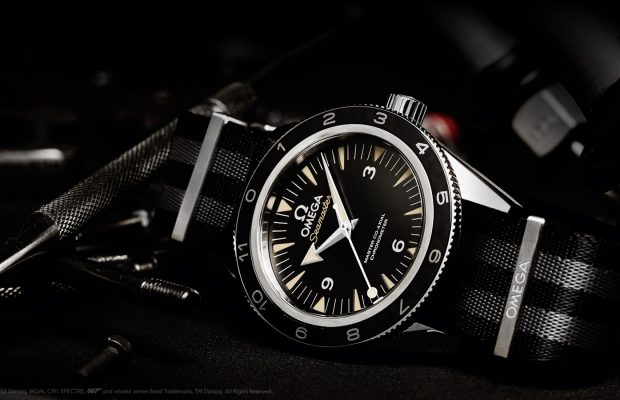
    Meanwhile, the company says Omega and the International Olympic Committee have extended their timekeeping contract for the Olympic Games by an extra 10 years up to and including the 2032 Games – taking Omega’s term as official timekeeper to a total 100 years.

    In the second half of this year new products will be launched by Blancpain, Breguet, Harry Winston, Longines, Omega and Tissot.

    Swatch has just launched Swatch Pay in Shanghai with its full credit-card payment ability, in partnership with UnionPay and 11 Chinese banks.

  • Tissot Japan plans to double outlets

    Tissot Japan plans to double outlets

    Tissot Japan plans to almost double its stores to 300 locations over the next few years.

    The Swiss watchmaker says its aim is to broaden its brand recognition in one of its most important markets.

    Part of the Swatch Group, Tissot has its products in about 170 stores in Japan, and intends to increase that to about 220 locations this year. As well as department stores and watch stores, it is considering sales at boutiques as well.

    In July, Tissot opened its first street-level store in Japan, in Osaka. In the medium term, it is considering opening one in Tokyo as well.

    Swatch also owns other brands, such as luxury watchmaker Omega.

  • Omega Malaysia opens fourth boutique

    Omega Malaysia opens fourth boutique

    Omega Malaysia has opened its fourth boutique, at Suria KLCC in Kuala Lumpur.

    As well as a ribbon-cutting ceremony, there was a traditional lion-dance performance. Guests included actors Jojo Goh, Nazim Othman, Siti Saleha and Tasha Shilla, singer Sheila Majid and beauty queen Serene Lim.

    Omega president/CEO Raynald Aeschlimann told guests that the brand had established a strong presence in Malaysia over the past 11 years.

    He said the level-one store would showcase the Swiss luxury watch maker’s full range of products.

    Omega’s first boutique in Malaysia opened its first boutique in Starhill Gallery, Kuala Lumpur, in 2006, followed by stores in Pavilion Kuala Lumpur and Gurney Plaza, Penang.

    Like Omega’s other boutiques, the new store has a design inspired by the natural elements of air, water and sunlight, depicted using cream and champagne colours in the interior design, along with reconstituted zebrawood furniture and chiselled glass surfaces.

    Apart from watch collections, the store also offers fine jewellery, leather goods and sunglasses.
    Founded in 1848, Omega is a brand within the Swatch Group.

  • Swatch Group confident despite profit dive

    Swatch Group confident despite profit dive

    While Swatch Group profits nearly halved last year in a weak global watch market, the Swiss company is predicting “healthy growth” ahead.

    Swatch Group owns such luxury brands as Breguet, Longines and Omega as well as marketing watches carrying its own name.

    Net profit fell 47 per cent to 593 million Swiss francs (US$598 million) last year while sales came in at 7.5 billion francs.

    Watch and jewellery sales dropped by nearly 11 per cent as 2015’s marked slowdown ran into last year. However, by the end of the year there was fresh movement in sales, especially in China, says Swatch.

    From November to January there was “very good growth” in the segment, particularly in Mainland China, says the group, noting “a substantial improvement in operating margin.”

    “Based on the positive development of the past three months, healthy growth is expected for this year.”

  • Hengdeli Achieves Sustainable Growth for 2015

    Hengdeli Achieves Sustainable Growth for 2015

    Hengdeli Holdings Limited, a world-leading retailer of internationally renowned brand watches, announced its annual results for the year ended 31 December 2015 (the “year under review”).

    In 2015, the overall operating environment was very challenging and negatively impacted on the business development of the Group, resulting in weak sales of internationally renowned brand watches. Despite this, the Group’s industrial sector achieved relatively good results due to a series of reforms and innovations. During the year under review, the Group recorded revenues of RMB13,302,724,000, representing a year-on-year decrease of 9.9%. Retail sales amounted to RMB9,373,354,000, a year-on-year decrease of 11.6%. Revenue from industrial sector and others amounted to RMB539,991,000, a year-on-year increase of 25.9%. The Group recorded net profit of RMB190,164,000, a year-on-year decrease of 67.4%. Profit attributable to equity shareholders amounted to RMB144,868,000, a year-on-year decrease of 71.3%. This decrease in profits was mainly due to one-off revenue from the disposal of properties, which was included in the profit for the year of 2014, as well as a drop in sales and gross profit and impairment of goodwill and available-for-sale securities.

    Mr. Zhang Yuping, Chairman and the Executive Director of Hengdeli, said, “In 2015, the overall business environment remained unstable. The increasingly diversified shopping locations and consumption patterns of Mainland Chinese consumers aggravated the harsh environment for product sales as a whole in the Greater China region, especially in Hong Kong. Businesses are faced with a loss of customers and a rise in labor costs. Despite these highly challenging business circumstances, the Group held fast to its operating principle of “healthy and sustainability” to ensure business stability and to better safeguard the interest of shareholders.”

    During the year under review, the Group continued to be guided by the principle of “healthy and sustainability” along with “aiming for optimizing inventory and guaranteeing profits.” The Group also insisted on keeping in place a policy of mutual complementary and interactive operations across the Greater China region, including Mainland and Hong Kong, with mid-end brands serving as the mainstay in its brand mix in order to meet the affordability demands of the general public, and second, third and fourth tier cities as the main sales regions. The Group also continued to adjust the layout of retail network, constantly improving store quality and optimizing the inventory mix. The Group carefully steered business forward through strengthened scientific management and prudent operations. Despite the Group’s various efforts, it was unable to stem the decline in sales as affected by adverse macro condition and subdued consumer demand. Retail sales from Mainland China decreased 7.4% as compared with that of the previous year. Under dismal overall conditions, sales of Elegant Hong Kong decreased 26.8% year-on-year along in line with the overall market trends. As at 31st December 2015, after adjustments and optimization, the Group operated a total of 482 retail outlets across Mainland China, Hong Kong, Macau and Taiwan.

    The industrial sector which is engaged in the manufacture of watch accessories made substantial progress during the year under review. Based on a previously launched marketing strategy and after more than one year of re-alignment and integration, the industrial sector has established a new business model comprising upstream and downstream operations of the watch industrial chain, spanning watchcase manufacturing, packaging products and commercial space design, to production and decoration as well as self-development of brands. A number of companies in the sector have earned goodwill in their respective markets, while a wide customer base covering China, Switzerland, the U.S. and other nations in the Asia-Pacific region was established. Co-operation with brand suppliers has been increasing and a close collaborative relationship with mutual trust and interest sharing was formed. Benefiting from quality management and bold innovations, overall performance of the industrial sector improved remarkably with sales increasing by approximately 35% year-on-year, reflecting a healthy uptrend and promising growth potential. The industrial sector is seen as becoming a strong driving force for the Group’s overall development and turning into an important business arm of the Group in the foreseeable future.

    Following highly focused preparations and various enhancements , “censh.com” (www.censh.com), a new consumption model that merges the “Internet + Hengdeli”, was officially launched online during the year under review. “censh.com” is a media-based e-commerce cross-platform within the Group that operates its major flagship – “censh.com” (www.censh.com), drawing together a number of popular mobile internet software platforms, including WeChat, Weibo and other mobile communication applications. It provides a one-stop solution for six major functions, namely: e-commerce, ERP, product data management, customer resources management, call center and messaging. It offers a comprehensive online to offline service experience to watch lovers. The Group believes that with the successful online operation of “censh.com”, the online and offline resources will become highly synergistic, and will contribute significantly to the overall development of the Group.

    The Group’s customer service network and maintenance business, renowned as a top-notch, retail group leader for internationally renowned watch brands, has been fully integrated and comprehensively covers the Greater China region. During the year under review, the Group added the CK brand into its comprehensive customer services arrangements with brand suppliers, including: Tissot, Mido, and Certina from the SWATCH Group, as well as others. The Group also entered into exclusive watch maintenance agent agreements with: Movado, Milus, Blita, LOCMAN, Million Horn and others. To date, the Group has become the maintenance agent for 74 international brands such as those from the SWATCH Group and LVMH Group and also serves as the exclusive maintenance agent for 45 of those brands.

    In the brand distribution business, the Group has always maintained a sound co-operative relationship with numerous brand suppliers and brand retailers, and has received active general support from them. The Group has about 400 wholesale customers in over one hundred cities across China, distributing and exclusively distributing world-famous watch brands. For the coming year, the Group will continue to maintain and deepen its relationships with suppliers and retailers, while exploring new measures under the “new normal” economic climate to achieve harmonious growth and win-win situation.

    In the coming year, the Group will hold on to a stable and healthy growth policy, while at the same time harboring a pragmatic view and fostering an innovative spirit in the search for a new development model to benefit the Group. We will also continue to make structural adjustments while ensuring healthy growth and seeking business sustainability. The Group will maintain a healthy and stable level of sale and inventory on the one hand while investing more resources in our industrial sector to help bolster faster development. The overall aim is to open up a road of continuous development for the Group amid today’s “new normal” economic climate and generate higher value for shareholders and the community at large.

    Mr. Zhang concluded, “In 2016, as the road to full global economic recovery is still long and winding, China’s economy will also be faced with significant downward pressures. For this reason, the Group believes that under the new normal economic climate, the growth in sales for watches in the Greater China region will continue to lose steam. However, the long-term economic trend in China remains fundamentally favorable, which will offer unprecedented opportunities and challenges. By leveraging our core competitiveness, the Group will identify and take advantage of any and all new opportunities to achieve business breakthroughs and expand business despite the current headwinds and challenges. Ultimately we remain cautiously optimistic about the future prospects of the Group.”