
Tag: swiggy instamart

  • Zepto Delivers 14,000 Gold and Silver Coins an Hour in Festive Shift

    Zepto Delivers 14,000 Gold and Silver Coins an Hour in Festive Shift

    Indian quick-commerce platform Zepto delivered more than 14,000 gold and silver coins per hour at peak demand during Dhanteras, signalling a rapid move away from traditional physical markets.

    Co-founder and chief executive Aadit Palicha revealed that purchases reached nearly 298 precious metal coins in a single minute, demonstrating how instant logistics networks are capturing high-ticket holiday retail alongside everyday staples.

    Competitor Swiggy Instamart witnessed a parallel surge in consumer spending throughout the festive week, logging a 23-fold increase in gold coin orders and a sevenfold increase in silver purchases ahead of Dhanteras.

    Surging Volumes Across Traditional festive Goods

    The rush extended far beyond precious metals into household items tied to Hindu festive rituals. Broom sales climbed 38.6 times compared to an ordinary day, while steel utensil orders rose 20 times and decorative light volumes multiplied by 18.2 times.

    Shoppers also turned to instant delivery for ritual accessories and apparel. Zepto moved roughly 6,000 units of rangoli colours and cotton wicks per hour during peak windows, while men’s kurta orders increased 5.4 times.

    Rival Platforms See High-Ticket Dhanteras Orders

    Rival operator Swiggy Instamart recorded a parallel spike in consumer spending during the festive week. Orders for gold coins surged 23 times in the seven days leading up to Dhanteras, while silver coin transactions expanded sevenfold.

    Basket values reflected immense consumer trust in delivery riders carrying high-ticket goods across Indian metros. One customer spent Rs 1.73 lakh on gold coins in a single checkout, while a shopper in Noida completed nine separate orders totalling nearly Rs 5 lakh.

    Instant Delivery Rewires Indian Festive Commerce

    For neighborhood jewellers and bazaar merchants, the Dhanteras numbers point to an immediate structural challenge. Indian families traditionally visited neighborhood jewellery stores to examine hallmarked coins and purchase brass or steel kitchenware in person, treating the outing as an essential holiday ritual.

    Dark store networks have broken that habit by delivering physical commodities to doorsteps in ten minutes flat. Quick commerce operators now hold high-value inventory in temperature-controlled suburban micro-warehouses, bypassing traditional showroom overheads while offering rapid doorstep fulfilment.

    Dark Store Economics Expand Beyond Groceries

    Grocery orders historically gave quick commerce operators low gross margins, forcing platforms to search for higher-margin merchandise to offset courier fuel and warehouse labour. Precious metals, fashion apparel, and kitchen appliances generate higher basket values that improve order economics instantly.

    The logistical risk shifts squarely to shrink control and rider security. Couriers transporting lakhs worth of bullion through crowded holiday traffic create distinct operational liabilities that ordinary milk and snack deliveries never presented.

    The Trajectory of Ultrafast Retail Diversification

    The pivot into seasonal bullion follows months of aggressive category expansion by quick commerce operators like Zepto and Swiggy Instamart. Platforms initially tested electronics, beauty, and small home appliances before attempting high-security precious metals.

    As platforms compile final order volumes from the broader Diwali shopping window, the key metric remains return rates and inventory turnover across non-grocery categories as dark store operators prepare their merchandise mix for the upcoming wedding season.
  • Flipkart Minutes Reaches 1,000 Dark Stores Across India

    Flipkart Minutes Reaches 1,000 Dark Stores Across India

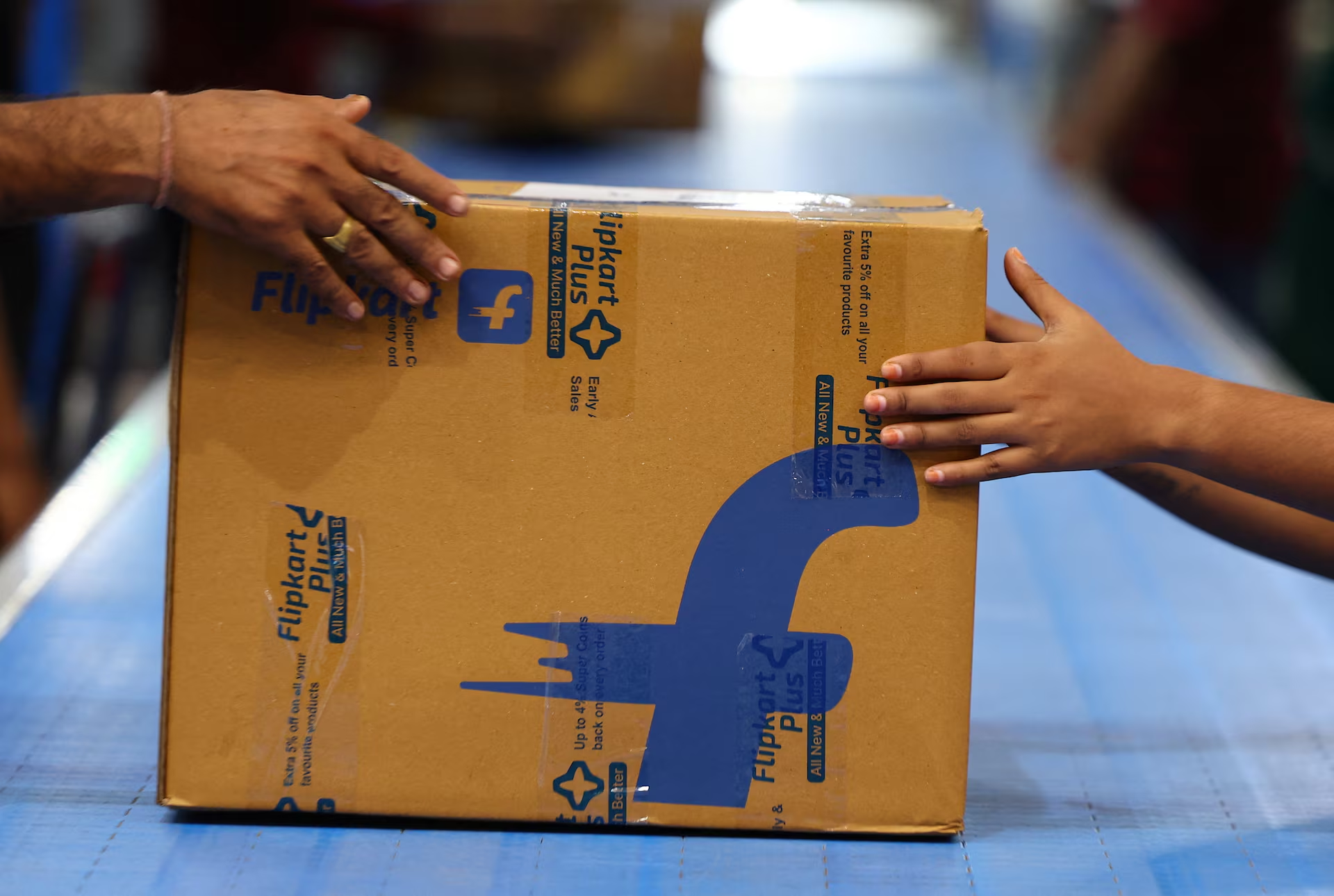
    Flipkart has expanded its quick commerce arm Minutes past 1,000 dark stores across 120 to 130 Indian cities. Dark stores operational for five to six months handle between 1,000 and 1,500 orders daily, according to research from investment bank UBS.

    Across the entire network, average daily volume sits at 800 to 1,000 orders per store. The rapid rollout has allowed the Walmart-backed e-commerce operator to challenge pure-play instant delivery platforms on order size and distribution density.

    Electronics Drive Higher Basket Values

    Excluding mobile phones, Minutes records a net order value of Rs 500 to Rs 530, matching Blinkit’s benchmark of Rs 518. When mobile devices are included, Minutes generates a higher average basket value than Blinkit, aided by Flipkart’s long-established vendor relationships and supply chains in consumer tech.

    The service has also helped Flipkart defend customer spending. In operational markets, between 40 and 45 per cent of existing Flipkart marketplace shoppers now use Minutes, recovering transaction volume previously lost to specialized instant delivery apps in fresh produce and personal care.

    Indian e-commerce platforms are increasingly using 10-minute delivery networks to shield high-margin categories from encroachment by grocery startups. While gross margins at Minutes trail Blinkit, per-order fulfillment costs have narrowed to match levels at Swiggy Instamart and Blinkit, though operational throughput is still catching up.

    Network Growth and Metro Demand

    Metropolitan areas generate 60 to 65 per cent of total orders on Minutes. North India accounts for just under one-third of overall volume, while southern cities are expanding quickly and eastern hubs such as Kolkata show strong adoption.

    Flipkart is planning to add roughly 1,000 more dark stores by the middle of next year. That expansion schedule aims to support peak demand ahead of the group’s annual Big Billion Days sale, provided backend warehouse construction keeps pace.

  • Swiggy Instamart Enlists 400 Partner Brands for Exclusive Assortment

    Swiggy Instamart Enlists 400 Partner Brands for Exclusive Assortment

    Swiggy Instamart partnered with more than 400 alternative brands to offer platform-exclusive pack sizes and cleaner product formulations across its Indian dark-store network.

    Datum Intelligence estimates Instamart held a 22 percent share of India’s quick-commerce sector in 2025, trailing market leader Blinkit at 47 percent and Zepto at 24 percent.

    Targeting Clean Formulations and Custom Packs

    Instamart launched the push under its ‘Switch to Better’ program, which started in June. The campaign guides online shoppers toward partner labels that manufacture preservative-free items or use cleaner ingredient lists.

    Suppliers are also developing custom pack sizes and distinct product variations built exclusively for Instamart. Those unique stock-keeping units make the platform’s catalog harder for competing rapid-delivery apps to replicate directly.

    Rivals Squeeze Delivery Differentiation

    India’s quick-commerce platforms previously competed almost entirely on delivery speed and basic grocery availability. With 10-minute drop-offs now standard across major metro areas, operators need product exclusivity to keep customers from toggling between rival apps for identical items.

    Established e-commerce operators are intensifying that pressure. Both Amazon India and Flipkart have expanded their own rapid-delivery setups, adding capital and warehouse density to an already crowded field.

    The next metric to monitor is whether dedicated SKU partnerships can help Instamart close the market-share gap with Zepto and Blinkit as new dark stores open across secondary cities.

  • Indian Quick Commerce Expands to 477 Cities as Dark Store Networks Multiply

    Indian Quick Commerce Expands to 477 Cities as Dark Store Networks Multiply

    India’s quick commerce platforms now operate dark stores across 477 cities, pushing 10-minute grocery and essentials delivery well past the country’s primary metropolitan hubs.

    A study by brokerage CLSA shows 3,536 dark stores active across India’s top 10 cities alone, excluding operations run by Amazon and JioMart. Blinkit holds the largest footprint with 969 locations, followed by Zepto with 828, Flipkart Minutes with 627, Swiggy Instamart with 615 and BigBasket with 497.

    Blinkit Extends National Lead

    Blinkit accounts for 30 per cent of all dark stores across the top 10 metropolitan markets and more than 34 per cent nationwide. The platform maintains the top store count in six of those 10 urban centres, while operating without direct rival competition in more than 180 smaller cities.

    Newer entrants are setting up smaller dark store footprints in secondary markets to evaluate unit economics and local basket sizes before committing capital. Established operators plan to enter those same territories later, capitalising on initial consumer habits built by early movers without absorbing early customer acquisition costs.

    Rivalry Shifts in Tier-1 Metros

    Competition among the largest platforms is recalibrating inside major cities. Flipkart Minutes has overtaken Swiggy Instamart in dark store numbers and postal code coverage across the top 10 urban markets.

    Swiggy countered by opening the highest number of dark stores among the top three operators over the past month to increase neighborhood density. Denser hubs reduce delivery times, widen product assortment and improve courier route efficiency.

    The race among Indian delivery platforms mirrors previous logistics turf wars in Southeast Asia and mainland China, where early land grabs in top-tier cities eventually gave way to a contest over suburban route efficiency and average order values. While platforms in China folded rapid delivery into broad e-commerce ecosystems, Indian operators are building standalone micro-warehouses to defend grocery margins.

    Network additions by the top three operators have trailed overall sector expansions in new pincodes, leaving smaller regional platforms to test untapped territories before the next wave of consolidation begins.