
Tag: Swisse

  • Bitcoin Suisse’s Profits Crash Amid Crypto Slump

    Bitcoin Suisse’s Profits Crash Amid Crypto Slump

    Bitcoin Suisse saw profits plunge in 2022, making it all the more urgent for the crypto start-up to restructure its business model. At the same time, it is bringing on prominent people to its board of directors as it sets the path to become an institution.

    Bitcoin Suisse’s operating income fell to 37 million Swiss francs from 84 million Swiss francs in 2022 from the previous year, its CEO Dirk Klee, said in an interview with finews.com, adding that trading collapsed in the face of various scandals in the crypto industry.

    The market correction also impacted Bitcoin Suisse own holdings, deposited across trading centers worldwide, which fell by around 23 million Swiss francs. «Proprietary trading» category is not proprietary trading in the conventional sense, but rather corresponds to current assets used for operational business, Klee said.

    Although the setback was also due to the large drops in the value of altcoins (alternative digital assets), Bitcoin Suisse will continue to maintain these holdings, Klee said. Admitting these were not «pretty numbers,» for Klee they show the volatility in crypto brokerage.

    Furthermore, the company can stomach the results which were expected due to the market situation. Bitcoin Suisse continues to be solidly financed and «very well prepared» for a possible upturn in the crypto industry, he added.

    Bitcoin Suisse has had to cut one in four jobs at the company since the end of 2021. Overall, the headcount has fallen from over 300 to around 220 full-time positions during this period. A major round of layoffs occurred last January, but Klee says that some measures were cushioned by natural employee turnover.

    The recent market turmoil that followed the lawsuits filed by the US Securities and Exchange Commission against leading crypto exchanges Binance and Coinbase has even led to many inquiries from customers, Klee said. «We expect that the turmoil could prove positive for solid and Swiss-based providers like us,» he added.

    Philipp Roesler, the former leader of the German Free Democratic Party (FDP), who also served as a finance minister and vice chancellor under Angela Merkel, is joining Bitcoin Suisse’s board of directors according to Klee.

    The crypto company is hoping to gain from Roesler’s international network. The 50-year-old former politician, who lives in Zurich, has a strong affinity for crypto and is active in Switzerland’s crypto scene, Klee said.

    Marco Menotti, worked for 15 years at UBS, before moving to the Swiss stock exchange SIX’s executive board in 2018. He left SIX in mid-2022 to pursue various mandates at smaller companies.

    Both Roesler and Menotti will stand for election at the annual general meeting on June 29. The Zug-based crypto broker has undoubtedly scored a coup with Roesler’s candidacy on Bitcoin Suisse’s board. However, Roesler’s candidacy is not about gathering celebrities on the board of directors – but about helping the crypto startup on its way to becoming an institution, Klee said.

    Furthermore, Roger Studer is leaving the board after a three-year term to concentrate on various other mandates. Studer headed investment banking at Zurich-based Vontobel and led a financing round for Bitcoin Suisse as an investor in 2020, before becoming an entrepreneur.

    Bitcoin Suisse is currently preparing to apply for a Swiss banking license after withdrawing its previous application in 2021. Part of these preparations include the commissioning of a crypto-compatible core banking system and strengthening of governance and compliance, Klee told finews.com

    Bitcoin Suisse, which has had a strong trading focus, is aiming to position itself as an asset manager going forward. A shift that could also result in more steady earnings.
    Staking, a service whereby the entity – in this case, Bitcoin Suisse – holds tokens and coins to validate blockchain transactions and gives customers token rewards in return, is also in focus.

    The Zug-based company says it is already among the five largest providers worldwide of staking services.
  • Alibaba Group promises to redefine retail as it sets the clock ticking for Singles Day shopping festival

    Alibaba Group promises to redefine retail as it sets the clock ticking for Singles Day shopping festival

    Alibaba Group has started the clock on the Global Shopping Festival it will hold on November 11, which is known as Singles Day in the Chinese market where it dominates online shopping.

    The retailer, which trades through marketplace sites including Alibaba.com and TMall, has unveiled its plans for a festival that’s set to include a countdown gala, an eight-hour live streamed fashion show, virtual reality shopping, interactive games and more.

    These are all innovations aimed at enabling almost 100,000 merchants to build their brands, as well as engage with and sell to the hundreds of millions of Chinese consumers it predicts will shop on its marketplaces during the festival.

    Last year’s event, saw goods worth £9.3bn sold via the group’s websites.

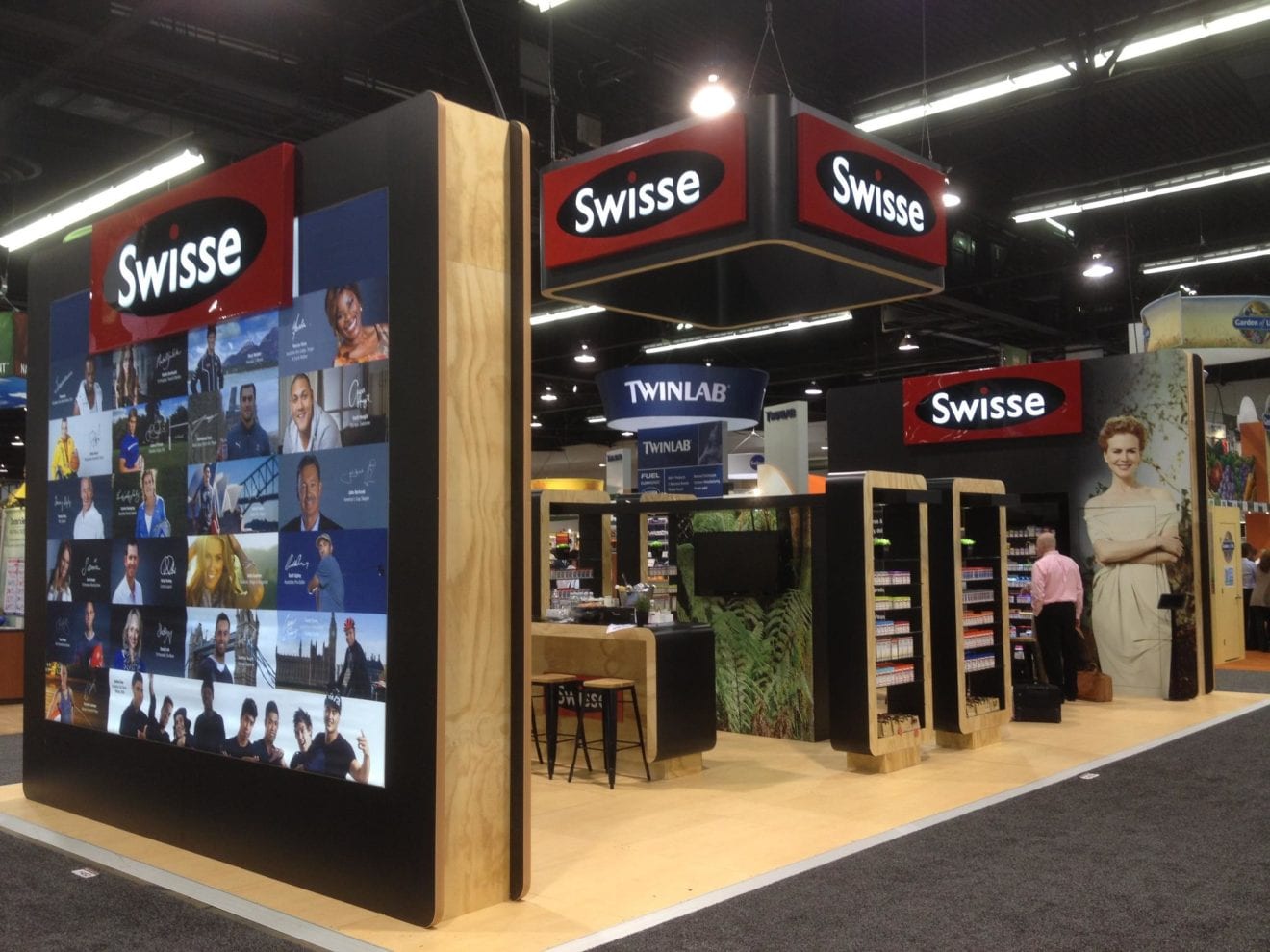
    The press launch alone was attended by brands from Macy’s and Costco through to Swisse and eMart. There, Daniel Zhang, chief executive officer of Alibaba Group, said, “11.11 Shopping Festival has become the global retail benchmark over the past seven years, and we have raised the bar again this year to redefine the retail experience for consumers together with our merchants from around the world.”

    Zhang continued, “11.11 has evolved far beyond a 24-hours sales event. From today through November 11, consumers will discover, explore, play, watch, comment, share, recommend and shop across our entire ecosystem with our merchants both online and offline. Leveraging our robust infrastructure, global merchants have been empowered with unprecedented capability to seamlessly engage and serve customers through new technology and new environments.”

    Highlights of the Global Shopping Festival will include a Tmall eight-hour fashion show in Shanghai in which 50 international brands and 160 models will take part. It will be streamed live via Tmall and Taobao mobile apps that viewers can use to pre-order items as they appear on the catwalk.

    Shoppers will be able to use virtual reality to buy, as Alibaba pilots Buy+, billed as the world’s first complete virtual reality (VR) shopping experience. Those who use it will be virtually transported to select retail stores internationally, where they can experience the entire shopping process from product selection to payment, all via VR.

    In the run-up to the event, more than 600 international brands are streaming live broadcasts on Tmall to tell consumers about their brand and the deals and products they’ll be offering on 11.11.

    Katy Perry will headline the 11.11 Global Shopping Festival Gala on November 10.

    The event will link online and offline: Alibaba believes the future of commerce is not online only but will integrate the online and offline experience. A location-based augmented reality mobile, to be released two weeks ahead of the festival, will enable consumers to follow the Tmall Cat across the online and offline retail ecosystem: offline partners include shopping malls in Beijing and Shenzen, Shanghai Disneyland, KFC and Starbucks. Alibaba is also working with more than a million offline shops to present consumers with a joined-up experience.

    The retailer also promises each consumer a personalised shopping experience, thanks to the use of big data that will drive tailored product recommendations, search results, and user-generated content.

    The retailer is also focusing on going global, and aims within 10 years to serve two billion consumers, while supporting 10m small businesses, brands and retailers. The 2016 11.11 Global Shopping Festival includes a ‘buy globally, sell globally’ initiative that focuses on making Alibaba a gateway for international brands and merchants to sell to consumers in China. Meanwhile, it is also piloting approaches to supporting global retailers and brands as they sell beyond China. It is taking its infrastructure, including logistics and payments to Hong Kong and Taiwan – the first steps in its expansion strategy.


  • Swisse bought by Hong Kong company Biostime

    Swisse bought by Hong Kong company Biostime

    The first 'Suisse' shop in Airport West in Melbourne in the 1970s.The first ‘Suisse’ shop in Airport West in Melbourne in the 1970s.

    It was the brainchild of organic baker Kevin Ring, who started selling pollen tablets from his St Kilda naturopathics shop back in 1972.

    Ring’s hand-made vitamin tablets, inspired by a trip to Switzerland in the late 1960s, were soon doing better than the bread, and a little shop under the Suisse brand was opened in Melbourne’s suburbs in the early 1970s.

    Later changed to Swisse for legal reasons, that little shop blossomed into the country’s biggest wellness company, and has just been sold to overseas buyers for an astonishing $1.67 billion.

    Hong Kong-listed company Biostime International Holdings on Thursday won the auction to buy Swisse, beating out two Chinese companies, Hony Capital and manufacturer Shanghai Pharma, on the way. Swisse will remain based in Melbourne, with a head office in Collingwood, but 83 per cent of the company is now in the hands of Biostime.

    The deal will lift the fortunes of Kevin Ring’s son, Stephen, and his business partners Radek Sali and Michael Saba. All become some of Melbourne’s richest men, with estimated net worths in excess of $250 million each.

    It’s a long way from the company’s first outlet back in the 1970s, a “naturopathics” shop in working-class Airport West.

    The Swisse deal highlights the demand for Australian brands and products in China, which are regarded as “clean and green” when compared with domestic produce. The share price of rival Australian vitamin maker Blackmores has more than quadrupled in the past year, from $31 a share on the ASX to in excess of $137.50 during trade on Thursday, on the back of massive sales growth in China.

    Australian infant formula brands, such as Bellamy’s Organic and A2 Platinum, have notched windfalls sales thanks to huge demand from China.

    Much of the success has come from internet and grey market sales, with gangs of Chinese students buying up stock from Australian chemists and supermarket shelves to send back home.

    One milk industry CEO recently suggested Australian domestic sales of infant formula were now more than double the actual consumption by Australian babies.

    A2’s Australian chief executive, Peter Nathan, admitted the success of his infant formula was partly based on shoppers sending his product to China.

    “We have had significant growth on online sites such as Alibaba, and also at retail level at grocery and pharmacy where Chinese tourists and nationals are often buying products on trips and taking it back with them,” he said. “We are clearly demonstrating that we are having enormous traction with Chinese nationals. There is no question about that.”

    The deal at Swisse justifies the big-spending strategy of CEO Radek Sali, a former executive at Village Roadshow. His father, Avni Sali, helped to develop the men’s and women’s Ultivite range of multi-vitamins for Swisse, which have been the mainstays of the company for the past decade.

    When Radek became CEO in 2005, he embarked on a massive marketing push. Nicole Kidman and Ellen De Generes were signed as ambassadors, along with a galaxy of sports stars including Cadel Evans, Ricky Ponting and Mark Webber.

    Lavish parties at the Birdcage at Flemington helped push the glamorous image.

    Such was the extent of the marketing push, at one point Swisse’s $50 million annual marketing spend was almost 40 times the cost of the ingredients used in vitamin production. It was all part of Radek’s plan to make vitamins “fashionable and fun”.

    That has paid off.

    “We have grown from small, family-owned business in the suburbs of Melbourne to become Australia’s number one wellness brand,” Sali said after the deal was inked. “We have done it on the back of an unwavering commitment to the highest standards of quality, safety and product efficacy.”

    Founding shareholder Stephen Ring was equally happy after the deal.

    “I am incredibly proud to have been part of Swisse’s journey so far,” he said. “The strength of the business is testament to the hard work, passion and energy of the entire Swisse team and I thank them for their ongoing commitment.”