Tag: synthetic

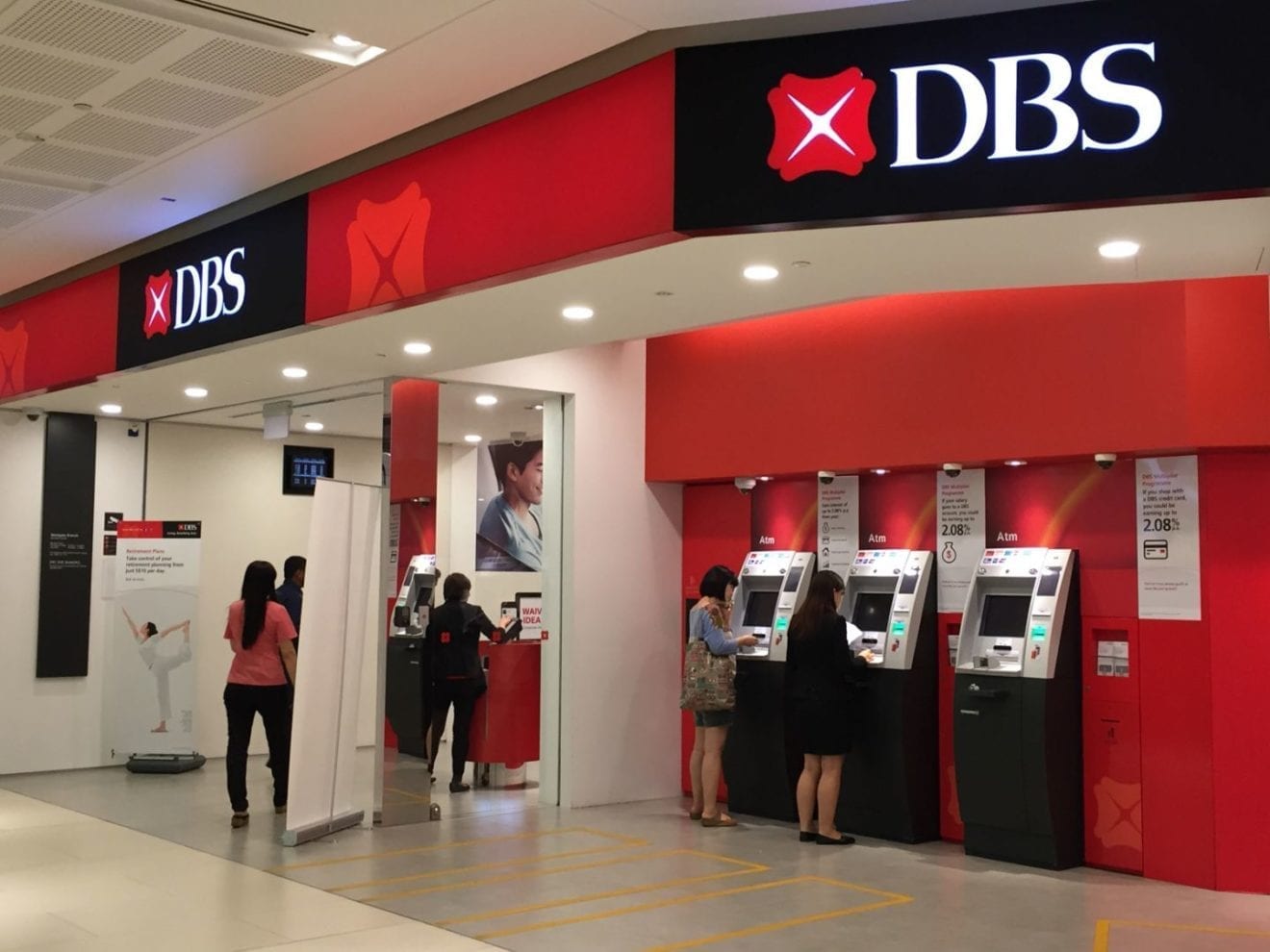
  • DBS Leads Singapore Banks in $1B Synthetic Securitization Deal: Unveiling a New Era of Corporate Lending

    DBS Leads Singapore Banks in $1B Synthetic Securitization Deal: Unveiling a New Era of Corporate Lending

    DBS Group, the largest bank in Southeast Asia in terms of assets, recently completed a pioneering synthetic securitization transaction. This transaction, which is tied to a corporate loan portfolio worth $1 billion, marks the first of its kind to be carried out by a Singaporean bank.

    A New Approach to Risk Management

    The transaction, known in the financial sector as a significant risk transfer transaction, provides an opportunity for investors to shoulder a portion of the loan portfolio’s credit risk. This was confirmed in a statement released by DBS on Tuesday. DBS retains and services the loans, but this new approach reduces the amount of regulatory capital that the bank is required to hold against them.

    This innovative transaction is expected to assist DBS in managing its capital more efficiently. It is also intended to bolster client financing as the bank continues to grow its presence across Southeast Asia.

    According to DBS, the deal also sets a precedent for future transactions of a similar nature. The bank plans to selectively undertake more such transactions in the future.

    Maintaining a Robust Balance Sheet

    Philip Fernandez, the Group Corporate Treasurer at DBS, expressed that this new approach would facilitate the bank in maintaining a strong balance sheet while simultaneously pursuing growth opportunities. DBS also confirmed that its capital ratios are comfortably exceeding regulatory requirements.

    Questions & Answers

    What is a synthetic securitization transaction?
    A synthetic securitization transaction, also known as a significant risk transfer transaction, allows investors to assume part of the credit risk of a loan portfolio.

    How does this transaction benefit DBS?
    The transaction assists the bank in managing capital more efficiently, supports more client financing, and reduces the regulatory capital DBS must hold against the loans.

    What does this transaction mean for the future of DBS?
    The successful completion of this transaction paves the way for DBS to selectively perform more of these transactions in the future. It also indicates the bank’s commitment to maintaining a strong balance sheet while seeking out growth opportunities.
  • Walmart To Eliminate Synthetic Dyes From Food Brands By 2027 Amid Health Initiative

    Walmart To Eliminate Synthetic Dyes From Food Brands By 2027 Amid Health Initiative

    In a move towards healthier food options, Walmart announced on Wednesday its plans to eliminate synthetic dyes from all its private-label food products in the United States. Products under its Great Value and bettergoods brands will be free of these dyes by January 2027, with this change aligning with efforts from other major corporations.

    Industry Trends Towards Healthier Options

    In response to the Trump administration’s “Make America Healthy Again” initiative, several renowned packaged food producers, including PepsiCo, Campbell’s, and Conagra Brands, have already declared similar intentions. According to Health Secretary Robert F Kennedy Jr., the move is aimed at curbing the adverse effects of ultra-processed food and chemical additives, which have been linked to various health issues such as childhood obesity, diabetes, cancer, mental health disorders, allergies, and neurodevelopmental conditions like autism.

    More Than Just Dyes

    Walmart, recognized as the world’s largest retailer in terms of sales, also intends to ban over 30 other ingredients. These include preservatives, artificial sweeteners, and fat substitutes from its private-label product range.

    “Our consumers have clearly expressed a preference for products made from simpler, more recognizable ingredients, and we are taking their feedback seriously,” said John Furner, President of Walmart US.

    The corporation manages six in-house food brands that enjoy considerable popularity among cost-conscious American consumers. Walmart reported that currently, 90% of its private-brand foods are already free from synthetic dyes.

    A Natural Substitution

    The company plans to replace artificial coloring with natural alternatives such as beetroot, turmeric, black carrots, spinach, and hibiscus. Despite the challenges in substituting blues and greens, Walmart remains committed to this health-conscious transition, a company representative explained.

    Specific changes include replacing yellow #6 and red #40 dyes in their “Great Value” brand gelatin products with Beta Carotene to achieve an orange color. For a cherry hue, the previously used red #40 and blue #1 dyes will be substituted with a blend of carrot, radish, hibiscus, blueberry, and spirulina.

    Impact on the Market

    Brian Ronholm, Director of Food Policy at the non-profit Consumer Reports, believes that as the leading grocer in the US, Walmart’s decision will significantly influence the market and enhance the safety of the food purchased by many Americans.

    The move extends beyond Walmart, as the Walmart-owned warehouse club chain Sam’s Club announced in June. They committed to remove artificial colors and aspartame from its Member’s Mark brand by the end of this year.

    Questions & Answers

    What is Walmart’s timeline for removing synthetic dyes from its private-label foods?
    Walmart plans to remove synthetic dyes from all its private-label foods in the US by January 2027.

    Why is Walmart removing synthetic dyes and other ingredients from its food products?
    The move is in response to consumer demand for products made with simpler, more familiar ingredients. It also aligns with a wider industry trend towards healthier food options, in line with the “Make America Healthy Again” initiative.

    What natural alternatives is Walmart using to replace synthetic dyes?
    Walmart plans to replace synthetic dyes with natural alternatives like beetroot, turmeric, black carrots, spinach, hibiscus, carrot, radish, blueberry, and spirulina. For example, Beta Carotene will replace yellow #6 and red #40 dyes in their gelatin products.