Retail News CRM

Tag: System

  • Revolutionizing In-Car Transactions: Alipay Debuts Voice-Controlled Mobile Payment System

    Revolutionizing In-Car Transactions: Alipay Debuts Voice-Controlled Mobile Payment System

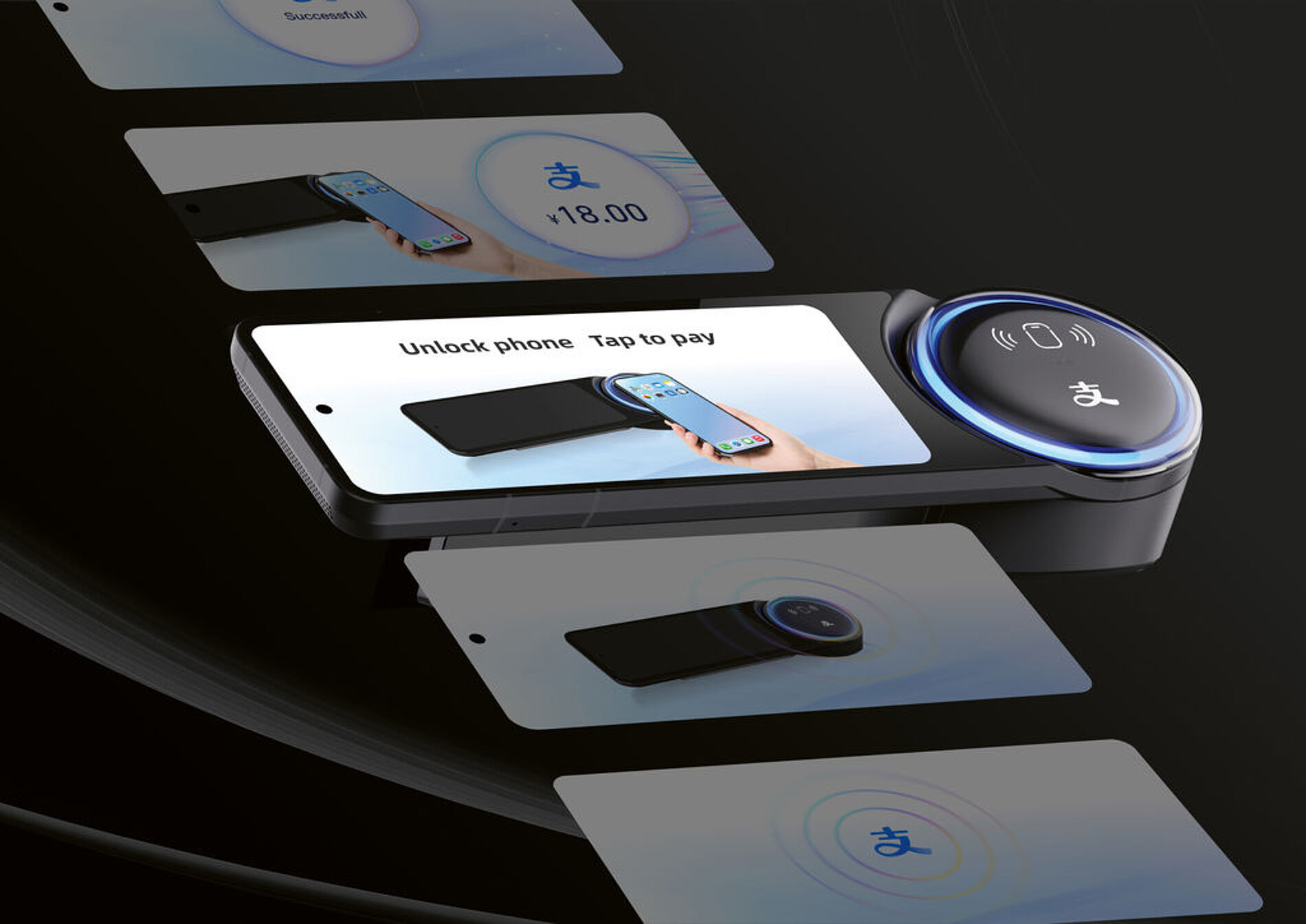
    At the 2026 Beijing International Automotive Exhibition, Banma Intelligence, a renowned Chinese tech corporation, partnered with fintech heavyweight Alipay to introduce a pioneering AI-enabled in-car system. This innovative technology allows drivers to initiate transactions using just their voice.

    Revolutionizing In-Car Transactions

    Known as the “AI cockpit”, the cutting-edge solution merges Banma’s in-vehicle intelligence with Alipay’s AI Pay. This allows drivers to perform hands-free transactions without the need for a smartphone. The developers of this technology aim to simplify in-car digital experiences as vehicles continue to become more software-focused.

    Ming Cai, the Chief Product Officer at Banma, noted that significant progress has been made in the realm of smart cockpits over the past two years, particularly in understanding user intent. He stated that by integrating voice-activated payments, one of the last barriers to smooth in-car digital experiences has been effectively eliminated. As a result, drivers can now simply express their intent verbally to complete a purchase.

    Emphasis on High-Demand Services

    Initially, the system primarily concentrates on services in high demand like entertainment and travel. For instance, drivers can book movie tickets, reserve hotel rooms, or order food through voice commands. A command like “buy two movie tickets” prompts the system to select showtimes and seats, following which the user can verbally confirm the choices to finalize the payment.

    Security Measures

    Security is a key feature of this new system, with Alipay integrating multi-layered risk controls and real-time fraud detection to safeguard the transactions carried out via the system.

    The development indicates a wider industry trend towards intelligent, connected vehicles, with digital services emerging as a key differentiator. Payment integration is viewed as a vital part of this ecosystem as it allows car manufacturers and software providers to deliver smooth, comprehensive user experiences.

    The companies revealed that the AI cockpit has already completed integration testing with several prominent automakers and is set to feature in new vehicle models in the latter half of 2026.

    Questions & Answers

    What is the “AI Cockpit”?
    The “AI Cockpit” is a state-of-the-art system developed by Banma Intelligence and Alipay that allows drivers to conduct transactions using voice commands.

    What services does the AI Cockpit initially focus on?
    The system is initially focused on high-demand services like entertainment and travel. It allows drivers to book movie tickets, reserve hotel rooms, and order food using voice commands.

    How does the system ensure the security of transactions?
    Security is a key feature of the system. Alipay has incorporated multi-layered risk controls and real-time fraud detection measures to protect transactions conducted through the system.


  • Gong Cha Launches ‘Super Wu’ Automated System in Revolutionary 2.0 Global Model Upgrade

    Gong Cha Launches ‘Super Wu’ Automated System in Revolutionary 2.0 Global Model Upgrade

    Gong Cha, a globally recognized tea brand, is introducing significant updates to its business model, labeled Gong Cha 2.0, that will enhance efficiency across its franchise locations.

    The New Operating Model

    The highlight of Gong Cha 2.0 is Super Wu, an innovative, automated beverage-making system designed for repetitive duties and real-time operation tracking. Following a successful trial period of over two years at 40 outlets in 13 different countries, the company is ready to roll out Super Wu on a larger scale.

    The upgrades are not just confined to the beverage-making system. Newly built and remodeled stores will also implement self-ordering kiosks and updated store layouts, aiming to quicken service, alleviate labor pressures, and boost digital ordering and customer loyalty programs.

    Redesigned Stores and Enhanced Efficiency

    The brand’s revamped store designs will embody open layouts, digital menu displays, and more streamlined configurations at the back of the house. Despite the changes, the brand assures that their focus will remain on offering customized tea beverages.

    Super Wu and the digital kiosks are expected to improve efficiency significantly, enabling staff to shift their attention from monotonous tasks to engaging with customers. Geoff Henry, president of Gong Cha Americas, explained how the new technology has made onboarding easier for franchisees, reduced pressure during peak times, and freed up more time for customer interaction.

    About Gong Cha

    Established in Taiwan in 2006, Gong Cha has rapidly expanded its footprint to almost 2200 outlets in 33 markets worldwide, including over 240 locations in the United States.

    Questions & Answers

    What is Gong Cha 2.0?
    Gong Cha 2.0 is a global update to the operating model of Gong Cha, aiming to improve efficiency across its franchise network with enhanced technology and revamped store designs.

    What is Super Wu?
    Super Wu is an automated drink-making system that performs repetitive tasks and provides real-time operational data. It is a part of the Gong Cha 2.0 update.

    What changes will Gong Cha 2.0 bring to the stores?
    Gong Cha 2.0 will introduce self-ordering kiosks, updated store layouts, digital menu displays, and a more efficient back-of-house configuration. These changes aim to speed up service, ease labor demands, and support digital ordering and customer loyalty programs.

  • Singapore’s Pension System Clinches Top Grade In Global Index, First In Asia-pacific Region

    Singapore’s Pension System Clinches Top Grade In Global Index, First In Asia-pacific Region

    The Central Provident Fund (CPF) of Singapore has been recognized as the leading pension system in the Asia-Pacific region, achieving an unprecedented A grade in a global index. This milestone marks Singapore as the first in the region to receive such a high grade.

    Singapore’s pension system has seen constant improvement since 2009 when it was rated a C, advancing to a B+ in 2023, and finally securing its first-ever A grade in the annual Mercer CFA Institute Global Pension Index. Owing to this breakthrough, Singapore now belongs in the upper echelons of the 2025 ranking alongside the Netherlands, Iceland, Denmark, and Israel.

    The Global Pension Index measures 52 retirement income systems worldwide across more than 50 indicators organized into three essential pillars: adequacy, sustainability, and integrity. Adequacy assesses whether a system can provide sufficient income to maintain a decent living standard; sustainability gauges the system’s long-term ability to fulfill future commitments, and integrity measures trust in the system.

    Singapore’s pension structure hinges on the CPF, a system that encompasses all employed citizens and permanent residents through compulsory contributions from both workers and employers.

    In the latest ranking, Singapore achieved a score of 80.8, the highest in Asia and the fourth highest globally, signifying a considerable upgrade. Notably, no systems experienced a downgrade this year.

    The enhancement in Singapore’s position was primarily due to improved outcomes in sustainability and integrity, which balanced a minor decrease in adequacy. Tim Jenkins, the report’s primary author, noted that Singapore authorities have made substantial efforts to boost transparency in recent years. This enables citizens to have a clearer understanding of their anticipated retirement disbursements.

    He also pointed out the contribution of Singapore’s economy towards achieving this feat. The long-term economic growth has positively impacted the sustainability metric.

    Within the Asia-Pacific region, Australia’s retirement system ranked second with a score of 77.6, followed by Hong Kong at 70.6. Other Southeast Asian countries listed in the ranking included Malaysia (60.6), Vietnam (53.7), Indonesia (51.0), Thailand (50.6) and the Philippines (47.1).

    Interestingly, Hong Kong and Malaysia saw improvements in their systems, moving up to B and C+ grades, respectively.

    Globally, the Netherlands, Iceland, and Denmark continued to spearhead the index with scores of 85.4, 84.0, and 82.3, respectively.

    Questions & Answers

    What grade did Singapore’s Central Provident Fund (CPF) achieve in the Global Pension Index?
    The CPF achieved an A grade, making it the highest-rated pension system in the Asia-Pacific region.

    How does the Global Pension Index assess retirement income systems?
    The Global Pension Index measures retirement income systems using more than 50 indicators organized into three pillars: adequacy, sustainability, and integrity.

    What other countries ranked high in the Global Pension Index?
    Other top-ranking countries include the Netherlands, Iceland, Denmark, and Israel.

  • Dubai’s Justice System Launches Crackdown on Retail Violations

    Dubai’s Justice System Launches Crackdown on Retail Violations

    Dubai’s Legal System Strengthens, Marking a New Era of Accountability

    In a notable shift towards stricter legal enforcement, Dubai has taken decisive action against money laundering, exemplified by the recent sentencing of Indian entrepreneur Balvinder Singh Sahni. This case underscores the emirate’s commitment to enhancing legal transparency and ensuring accountability in its burgeoning real estate sector.

    Court Sentencing and Financial Penalties

    On May 2, Balvinder Singh Sahni received a five-year prison sentence from a Dubai court, followed by deportation. The ruling also included a significant financial penalty: assets belonging to his company, Raj Sahni Group (RSG), were frozen to the tune of 150 million Emirati dirhams (approximately $41 million). Furthermore, Sahni was ordered to pay a fine of 500,000 dirhams ($136,000)

    This high-profile case has garnered significant attention, particularly in Sahni’s home country of India, highlighting the international ramifications of Dubai’s legal decisions.

    The Nature of the Allegations

    The court determined that Sahni and RSG engaged in money laundering through a network of shell companies and fraudulent invoices. Their operations included the development of glamorous properties in prime Dubai locations such as Business Bay and Sufouh Gardens. Known within Dubai’s affluent circles, Sahni displayed his luxury lifestyle on social media, further elevating his public profile as a prominent businessman.

    A Broader Initiative Against Cybercrime

    Dubai’s recent crackdown extends beyond financial crimes. During a recent GISEC cybersecurity conference, Mohammed Alkuwaiti, head of the UAE government’s cybersecurity department, disclosed alarming statistics: the UAE experiences approximately 200,000 cyber-attacks daily. In response, local authorities are intensifying international cooperation to combat cross-border cybercrime, reflecting a proactive approach to digital security threats.

    Looking Ahead: Implications for the Retail Sector

    As Dubai reinforces its legal frameworks, the implications for both businesses and consumers will be profound. Stricter enforcement may foster a more trustworthy investment environment, potentially leading to increased foreign investment in the region.

    Questions & Answers

    1. Who is Balvinder Singh Sahni and what was he charged with? Balvinder Singh Sahni is an Indian real estate entrepreneur sentenced to five years in prison for money laundering. His company, Raj Sahni Group, faced asset freezes and fines related to fraudulent financial operations.
    2. What actions is Dubai taking to bolster cybersecurity? Dubai is increasing international collaboration to combat cybercrime and reported daily cyber-attacks numbering around 200,000, highlighting a growing concern for digital security.
    3. What potential effects could these legal developments have on the retail sector in Dubai? Enhanced legal accountability can foster a more secure business environment, which may attract further investment and elevate consumer confidence in the retail market. As Dubai continues to refine its legal framework and enhance cybersecurity measures, the evolution of retail and business dynamics in the region could signal a transformative era for consumers and investors alike.
  • McDonald’s class action claims systemic failure to provide rest breaks

    McDonald’s class action claims systemic failure to provide rest breaks

    Hundreds of thousands of McDonald’s staff have brought a class action against the fast-food giant for failing to provide adequate paid rest breaks, in what is being described as a “systematic failure”.

    McDonald’s has been accused of not providing staff with enough paid rest breaks for the duration of their shifts – some of which are over nine hours long. The joint investigation has revealed that workers Australia-wide have not been receiving their 10-minute rest break entitlements under both the McDonald’s Australian Enterprise Agreement 2013 and the Fast Food Industry Award 2010.

    Under these, staff are entitled to a paid 10-minute break for shifts lasting between four and nine hours, as well as two paid 10-minute breaks for shifts nine hours or longer.

    The investigation, launched by Shine Lawyers and the Retail and Fast Food Workers Union (RAFFWU), follows a decision by the Federal Court in August 2020 that found that former McDonald’s employee Chiara Staines was not provided with paid 10-minute rest breaks when working shifts four hours or longer. Ms Staines was awarded the value of her lost rest breaks in addition to compensation for loss of amenity.

    In September, the RAFFWU estimated that at least 250,000 McDonald’s staff were denied the breaks they were legally entitled to since 2015.

    Shine Lawyers class actions practice leader Vicky Antzoulatos said that since the launch of the class action investigation, the firm had been inundated with inquiries from short-changed staff.

    “What we are alleging is a systemic failure across the McDonald’s network. This class action has hit a nerve for thousands of staff, both past and present, who have been victims of the workplace breaches we allege,” she said.

    “We are dealing with a class of vulnerable workers, mostly minors, who it appears were systematically not provided with their entitled rest breaks.

    “Remarkably, many worked in extreme heat and other onerous conditions for hours on end and couldn’t access the toilet or a drink. This conduct has in many instances affected the physical and mental well-being of the workers, and the class action seeks to hold McDonald’s to account.”

    Filed in the Federal Court, the class action is open to any current and former McDonald’s workers who worked at any corporate-owned McDonald’s from December 2015, and any franchised McDonald’s from September 2017.

    RAFFWU secretary, Josh Cullinan, added that these vulnerable, often school-aged workers are entitled to fair compensation.

    “The blatant disregard shown to workers by Maccas is breathtaking. We encourage every eligible worker to get involved. They deserve full and fair compensation for what Maccas did to them,” he said.

  • Picking the Right POS Software

    Picking the Right POS Software

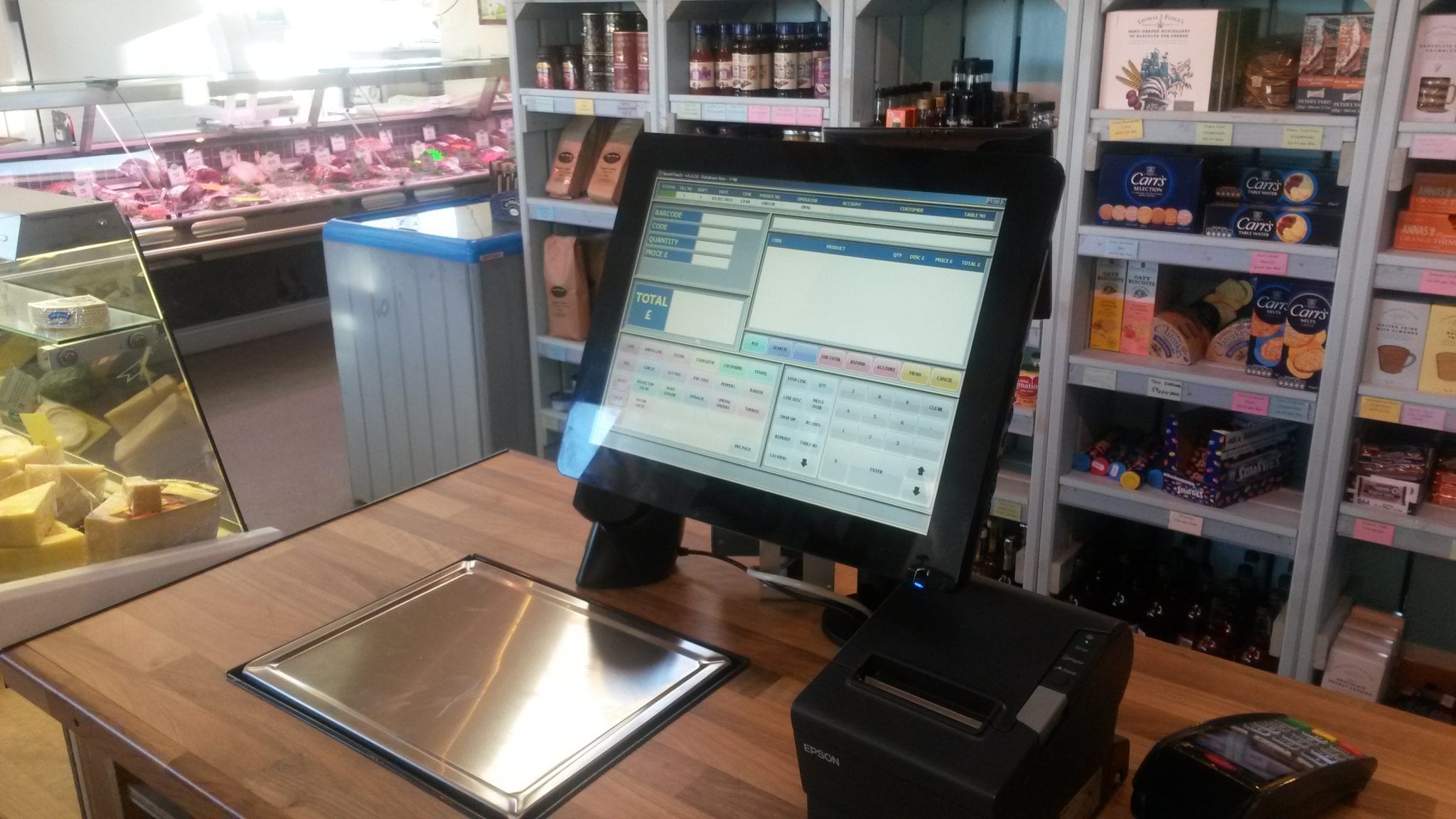
    Point of Sale software, or simply POS, is capable of so much more than simply accepting credit cards. It can also be a tool to manage your inventory or make reports. Retail business heavily relies on the efficiency of the process and the time needed to serve the customer – Point of Sale system can have a huge impact on that.

    Choosing the best POS software for your business can turn out to be a real headache because there are so many options out there. We will help you to get on track and select the system that suits your situation the best, just follow the steps described below.

    1) Define Your Goals

    Most of POS systems are very similar regarding the main features – they all can take credit and debit cards, manage the inventory or split bill/add tips if it’s a POS system for a restaurant. Besides that, Point Of Sale Software can have additional features, such as delivery tracking, ID check interface, online orders, or a calendar for appointments.

    So before you decide to buy or rent POS software, make sure to define your goals and look for a product that can offer you the functionality you desire. Obviously, more features will probably result in a higher price, so don’t go for a system that has all of it, even though you don’t really need it.

    2) Equipment First, Software Later

    Usually, the POS system consists of two separate parts – processing equipment and the software itself. Most of the businesses select the processor first because that’s a logical move. There are a lot of card processing providers willing to offer you their equipment, so request a quote from at least several of them before making a choice. It’s predicted that 1 in 3 POS terminals will be mobile-based by 2021, i.e. payments will be handled by a tablet or a smartphone. Don’t invest too much into the equipment that might be outdated soon.

    When you have the processing equipment in your hands, it’s time to decide what POS you will choose. In this case, the choice will be limited, but you will be offered the most popular software that is completely compatible with the equipment you have. In addition to that, it will be easier to make a decision because of the narrowed options. 

    3) Leasing Vs. Buying

    There are two options for how you can pay for your POS system – buy it or lease it. Buying requires bigger cash flow, so it might be painful for a small business. However, leasing costs more in the long term. Since every case is different, you need to sit down and do the math by yourself.

    It’s a great idea to plan ahead. Keep in mind that retail stores in the US and all over the world are closing faster than expected, so be realistic about the perspective of your business. If you are not sure about the future, it’s probably a better idea to just lease POS software and equipment instead of buying it. However, if you have enough spare money and the future looks good, consider paying upfront and saving money in the long term. 

    4) Setup The System Properly

    Once you have all the pieces in place, you need to take care of the installation. You can do that yourself by following guides provided by the POS company, or hire a professional IT technician to do that for you. The second choice is more reasonable unless you are tech viz yourself.

    It’s better to set up and test the system properly before real customers get their hands on it. The poor performance of POS software can cause a lot of disappointment and bad customer experience, so make some transactions on a test account and train your employees to use the new POS system properly. Most POS software providers have 24/7 customer support, so don’t hesitate to reach out to them if you have bumped into some problems. 

    5) Don’t Stop Improving

    Imagine your POS software provider as a partner and not just someone who is there to support the technical side of your POS and collect payments. The game is changing fast, especially in a retail business, so you have to adapt to it. The same goes for the POS software – talk to them constantly just to see if there are any new features, upgrades, or maybe they are organizing training and you could attend them?

    If you are not satisfied with your POS software quality or some failures occur too often – tell them about it, there is no shame in that. It’s a customer-centric business and they will do everything to keep you satisfied. If not, there is always an option to withdraw from the contract and seek for a better service. 


  • Nearly 70 Percent of Singaporeans Registered to National E-Payment System

    Nearly 70 Percent of Singaporeans Registered to National E-Payment System

    Singapore’s national e-payment system, «PayNow», currently boasts a nearly 70 percent penetration of the city-state’s population with monthly volumes exceeding S$1 billion, an MAS board member recently shared with parliament.

    Ong Ye Kung, minister of education and Monetary Authority of Singapore board member noted that take-up was «encouraging» with more than 65 percent of Singaporeans aged between 20 to 75 years old having already registered, representing 2.8 million accounts.

    Transaction volumes have also increased significantly. Two years ago, PayNow registered 150,000 transactions totaling S$24 million ($17 million) and in July this year, the figures rose to over 5 million and S$1 billion ($720 million), respectively.

    Despite PayNow’s success, Ong noted that Singapore made a conscious decision to keep the playing field open for all.

    «We made a deliberate decision not to have one player dominate the landscape and grow up very quickly,» he said, citing other channels like Apple or Google Pay.

    «Instead, we put in place the backbone infrastructure so that multiple providers can compete and innovate to increase consumer choice while encouraging interoperability. As a result, Singaporeans can now make e-payments in multiple ways which are simple, swift and secure.»

    Although corporate adoption has lagged its retail counterpart, Ong remains optimistic. Its corporate business currently serves entities representing half of the total unique entity number (UEN) issued in Singapore, an ID number required to interact with government agencies. It has 20 percent penetration rate of retail acceptance across hawker centers, supermarkets, healthcare and various F&B businesses.

    As a result, the ratio of cash and cheque’s relative usage to e-payments have decreased significantly. Cheques have fallen 8 percent per year over the past three years while the cash ratio dropped from 53 percent to 33 percent in the same period.

    When asked about pushing greater usage from banks, Ong agreed that the MAS should encourage the sector to promote PayNow corporates while also charging for cheques.

    «And I think having this carrot-and-stick, push-and-pull approach will continue to see higher take-up of pay now corporate,» he said.

  • Global public cloud spend to 17.5% in 2019

    Global public cloud spend to 17.5% in 2019

    Gartner forecasts worldwide public cloud services market will grow 17.5% in 2019 to reach a total of $214.3 billion, up from $182.4 billion in 2018.

    Cloud system infrastructure services, or infrastructure as a service (IaaS) is forecast to grow 27.5% in 2019 and reach $38.9 billion, up from $30.5 billion in 2018 (see Table 1). The second-highest growth rate of 21.8% will be achieved by cloud application infrastructure services, or platform as a service (PaaS).

    Gartner research vice president, Sig Nag, says “we know of no vendor or service provider today whose business model offerings and revenue growth are not influenced by the increasing adoption of cloud-first strategies in organizations. What we see now is only the beginning, though. Through 2022, Gartner projects the market size and growth of the cloud services industry at nearly three time the growth of overall IT services.”

    Gartner expects that by the end of 2019, more than 30% of technology providers’ new software investments will shift from cloud-first to cloud-only. This means that license-based software consumption will further plummet, while SaaS and subscription-based cloud consumption models continue their rise.

    “Organizations need cloud-related services to get onboarded onto public clouds and to transform their operations as they adopt public cloud services,” said Nag. Currently almost 19% of cloud budgets are spent on cloud-related services, such as cloud consulting, implementation, migration and managed services, and Gartner expects that this rate will increase to 28% by 2022.

    “As cloud continues to become mainstream within most organizations, technology product managers for cloud related service offerings will need to focus on delivering solutions that combine experience and execution with hyperscale providers’ offerings,” said Nag.

    He sees the complementary approach as driving both transformation and optimization of an organization’s infrastructure and operations.

  • Nestlé launches Workplace by Facebook

    Nestlé launches Workplace by Facebook

    Nestlé has adopted Workplace by Facebook as its global internal communication tool, to connect its workforce and better serve consumers.  The announcement comes as the latest and largest wave of staff join the platform, part of a process that began only nine months ago. Today, around 210,000 of its employees worldwide use the platform to connect and collaborate. Nestlé has pledged to move quicker to turn good ideas into great products to meet fast-changing consumer demand. With the majority of its employees active on the platform, Workplace is already making a difference. Internal engagement is higher and responses faster. People are experimenting and collaborating more, as well as sharing information and ideas.

    Workplace offers familiar Facebook features such as News Feed, Groups, Chat, events and live streams, as well as seamless mobile integration.  Because Workplace is easy to use, it can connect everyone and reach employees where they are.

    The first wave of market adoption including Mexico, Brazil, the Middle East and South Africa saw 25 times higher engagement per post and very high rate of use on mobile devices. Amongst other advantages, managers can use Live video to connect directly with employees at different locations. Sales teams can also use Workplace for daily check-ins and to share information and best practice.

    Commenting on the move to Workplace, Nestlé Executive Vice President Chris Johnson, said: “Nestlé is a people-first environment. We really rely on our talented teams to manage more than 2,000 Nestlé brands worldwide. We help our employees develop and we give them the right tools, so Workplace is a perfect fit.”

    The move to Workplace is part of Nestlé’s commitment to empower people and sustain a high-performance culture. The company is moving more and more to offer open office configurations and more flexible working environments.

    Workplace is also a great example of Nestlé constantly embracing the best technology and systems. Filippo Catalano, Chief Information Officer at Nestlé: “Today, using Workplace by Facebook we are able to give our employees across the globe a platform to build connections, enabling faster and more engaging sharing of information.”

    Julien Codorniou, vice president of Workplace by Facebook said, “As the global work landscape continues to change and the demand for better collaboration, best-of-breed IT and mobile-first work increases, we are honored to partner with a company like Nestlé to help employees work together to allow for limitless innovation.”

    While a large majority of users has now joined the Workplace platform, the rollout will continue throughout 2019.

  • Adidas Originals launches new Personalisation System

    Adidas Originals launches new Personalisation System

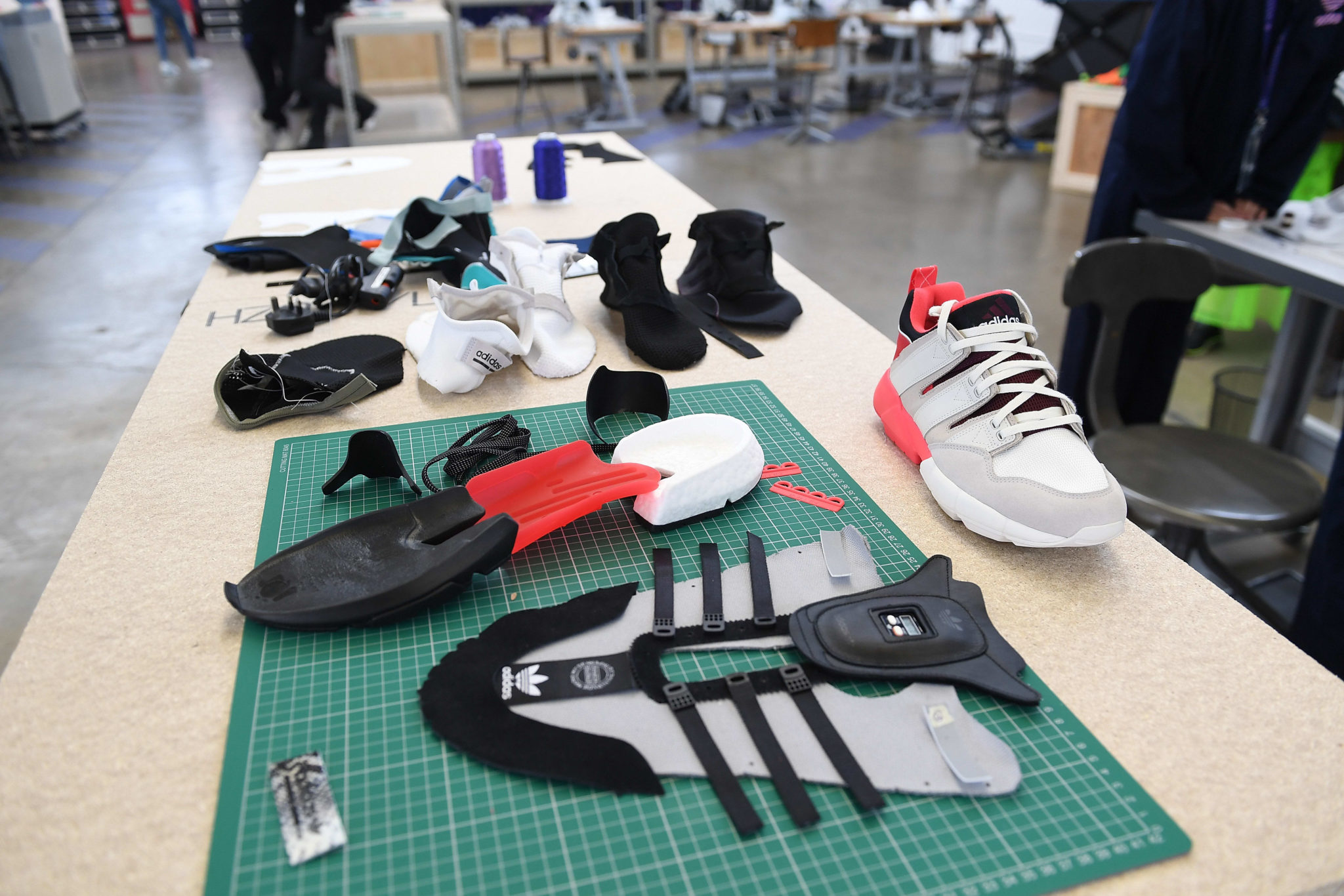
    Adidas Originals has launched its newest silhouette ‘Point of Deflection System’, which allows customers to create their own sneakers.

    Inspired by Adidas’ iconic 90s ‘POD System’ technology and engineered with a podular sole unit, the new silhouette is built to create natural motion, flexibility and comfort.

    To celebrate the launch, global creators including Cali Thornhill DeWitt, DJ Clark Kent and Victor Ma were invited to the PODS Maker Lab in London’s Shoreditch neighbourhood.

    With assistance from Adidas Originals creators including Pharrell Williams, guests created their one-of-a-kind pair of shoes in a full footwear experience by mixing and matching PODS components with classic Originals elements.

    At night, musicians such as Migos, Suspect OTB and DJ Benji B, brought live performances.

    The POD System is available globally both online and offline at Adidas Originals.

  • Volkswagen recalls 766,000 VW cars worldwide for brake system update

    Volkswagen recalls 766,000 VW cars worldwide for brake system update

    Volkswagen is recalling 766,000 vehicles of its core passenger car brand worldwide for a software update to their braking control systems, a spokesman said.

    The braking control system may not function properly in certain driving conditions, such as when the driver over-steers, under-steers or slams on the brakes, the spokesman said.

    The car maker is recalling 288,000 VW-brand cars in Germany over the issue. Including the Audi and Skoda brands, the German recall impacts about 385,000 cars, the spokesman said.

    The recall in Germany was first reported by news agency DPA on Saturday.

  • NEC updates postal automation system for Hongkong Post

    NEC updates postal automation system for Hongkong Post

    In recent years, Hong Kong has witnessed a rise in the number of postal items addressed in traditional Chinese characters. This has in turn boosted the need for automated sorting and processing of addresses written in traditional Chinese characters in addition to those handwritten or printed in English.

    This new function has been introduced to 15 systems delivered to Hongkong Post by NEC on several occasions since 2008 that are currently in operation at the Central Mail Centre in Kowloon Bay. The introduction of this function enables the automatic sorting and processing of up to 564,000 postal items with addresses written in traditional Chinese characters per hour, thereby contributing to the improvement of Hongkong Post’s operational efficiency.

    NEC has been doing business with Hongkong Post for approximately 30 years since the postal operator’s introduction of a postal automation system in the latter half of the 1980s. The introduction of this function was made possible by the high acclaim NEC has received over the years for its achievements and technological capabilities.

    NEC began developing its postal automation system business in 1961, and has since then delivered systems to postal operators in more than 50 countries around the world. In Japan, domestic postal operators have utilized a function for reading and sorting addresses written in Chinese characters as part of postal automation processing since the 1980s. The introduction of this function by Hongkong Post was made possible by applying the wealth of knowhow NEC has developed in Japan over the years in reading and sorting addresses written in Chinese characters. Moreover, it has resulted in increased efficiency and a reduction in the amount of time needed for processing.

  • Delphi, Mobileye to use Intel chip for self-driving car system

    Delphi, Mobileye to use Intel chip for self-driving car system

    Auto parts maker Delphi Automotive and Israeli technology firm Mobileye NV will put an Intel Corp chip at the heart of their joint effort to produce self-driving vehicles by 2019, the companies said on Tuesday.

    The move is a boost for the world’s largest semiconductor maker, which is also working with German luxury car maker BMW AG and Mobileye on self-driving technology, but has not been able to extend its broader chip dominance into the fast-emerging autonomous vehicle market.

    Companies from Alphabet Inc’s Google to Uber Technologies and Tesla Motors are vying to put autonomous vehicles on U.S. roads, which could radically reshape transportation across the country.

    Intel will provide a “system on chip” for autonomous vehicle systems that Delphi and Mobileye are developing together, Glen De Vos, Delphi’s vice president of engineering, told Reuters.

    UK-based Delphi is talking with established automakers and new or niche vehicle companies, such as manufacturers of commercial vehicles, interested in automating vehicles, De Vos said.

    The system Delphi and Mobileye are developing would likely come to market first in a commercial vehicle operating in a limited area, such as an airport shuttle or a ride-hailing service, DeVos said.

    Delphi is testing autonomous driving technology in vehicles in Singapore. By the end of this year, Delphi hopes to choose a city in the United States to launch a test fleet of self-driving cars during 2017, De Vos said. The company is also looking for test site in a European city.

    “We are looking at Pittsburgh and Boston and a couple of others,” De Vos said. Pittsburgh is where ride services company Uber is testing its own self-driving vehicles.

    Delphi and Mobileye will stage a demonstration of their self-driving vehicle system at the Consumer Electronics Show in Las Vegas in January, De Vos said. That system will use current, electromechanical laser imaging technology, or LIDAR, that is too expensive for use in consumer vehicles, he said.

    Delphi is also working with Quanergy Systems, a maker of solid-state LIDAR systems, De Vos said.

  • Ooredoo to deploy Ericsson cloud-ready revenue system

    Ooredoo to deploy Ericsson cloud-ready revenue system

    Ooredoo Group has signed a five-year contract with Ericsson to implement the Swedish vendor’s revenue management system across the group’s operations in the Middle East, North Africa and Southeast Asia.

    Ericsson Revenue Manager, a cloud-ready convergent charging and billing system, provides Ooredoo with a number of advantages as the telco group updates its product portfolio and drives the development of digital innovation across its markets.

    Simple configuration reduces dependency on technical departments, makes it easier and faster to launch new services with tailored pricing and packages. This enables Ooredoo companies to offer customers new services and the products they need in minutes, rather than months, the companies said.

    The solution will also help Ooredoo more easily create digital services that spans beyond telecoms and integrates with partners from different industries.

    “Across our footprint, Ooredoo is aiming for data experience leadership, and placing renewed emphasis on empowering our customers and giving them the services they need when they need them,” said Waleed Al Sayed, deputy CEO at Ooredoo Group.

    Through this agreement with Ericsson, we will enable every Ooredoo operation to deliver fast, customer-oriented offers and launch new data products and services that support our growing portfolio of digital services and enables the growth of the Internet of Things.”

    Ooredoo will begin rolling-out the solution for Indosat Ooredoo, its largest operation in Indonesia, over the next month, before deploying across its other operations later this year and 2017.

    Upon the completion of the project, Ooredoo is expected to realize significant cost savings from replacing its existing systems and local agreements with a pioneering new group-wide license model.

  • Rise in the market for video surveillance

    Rise in the market for video surveillance

    The growing use of video surveillance systems in sectors such as hospitality, banking and financial, government, transportation, education and retail has created huge growth opportunities for the manufacturers, distributors and system integrators in this industry.