Tag: t-mall

  • The Ordinary Debuts Flagship Store On Alibaba’s Tmall, Leveraging Ai For Personalized Skincare Experience

    The Ordinary Debuts Flagship Store On Alibaba’s Tmall, Leveraging Ai For Personalized Skincare Experience

    Canadian skincare label, The Ordinary, has recently announced the launch of its inaugural flagship store on Tmall, Alibaba’s e-commerce platform. This comes not long after it first ventured into the Chinese market in February of this year.

    Embracing Science-Led, Ingredient-Driven Formulations

    The Ordinary has built its reputation on its commitment to science-based, ingredient-focused products at affordable prices. With this new online store, the company hopes to extend its reach to a wider customer base in China.

    The digital shop also incorporates AI-driven technology, with the aim of helping shoppers identify the skincare products that will suit their specific needs.

    Co-founder of The Ordinary, Nicola Kilner, expressed her excitement about this new venture, highlighting its significance in the brand’s mission to make quality skincare more available to Chinese consumers. Kilner further iterated the brand’s intent to strengthen its ties with the Chinese market by embracing innovative practices and imparting vital skincare knowledge.

    Event Celebrating the Launch

    In celebration of the store’s launch, The Ordinary organized a gathering in Shanghai last month. The event saw the attendance of Kilner, Lulu Chang from Estée Lauder China, and high-level personnel from Tmall. The primary focus of this event was to discuss the pivotal role of technology and transparency in shaping the future of skincare.

    The Ordinary’s Growth and Expansion

    The skincare brand’s expansion comes on the heels of Estée Lauder Companies’ successful acquisition of Deciem, the parent company of The Ordinary, in the previous year. The transaction, worth US$1.7 billion, has given Estée Lauder full ownership of Deciem Beauty Group, a Canadian firm.

    Questions & Answers

    What is The Ordinary’s approach to skincare?
    The Ordinary is known for its science-led, ingredient-driven formulations. Their products are designed to address specific skincare needs at accessible price points.

    What is the purpose of the AI-powered tools on The Ordinary’s online store?
    The AI-powered tools are designed to help consumers identify the right skincare products for their specific needs.

    What was the primary focus of the event held by The Ordinary in Shanghai?
    The event centered around discussions on the role of technology and transparency in shaping the future of the skincare industry.
  • SMCP Opens 100th Store in Mainland China

    SMCP Opens 100th Store in Mainland China

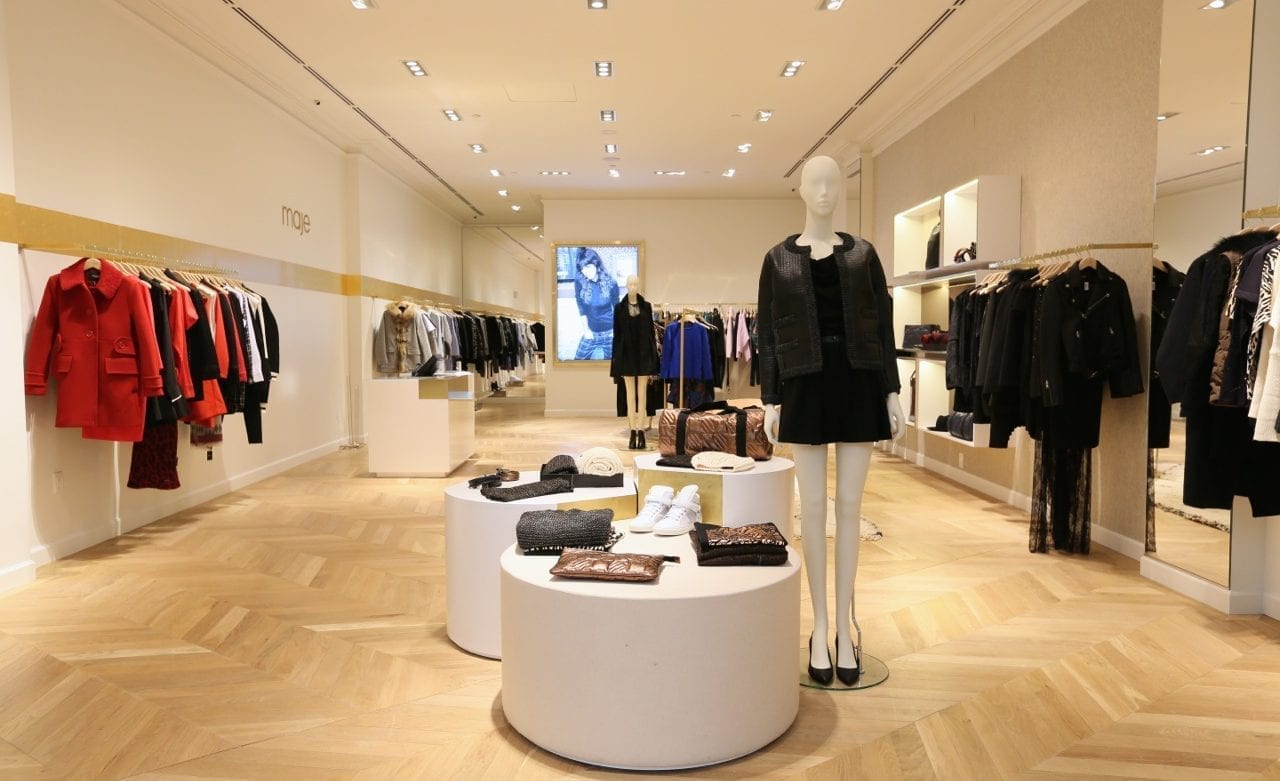
    Apparel group SMCP China has opened its 100th physical store on the mainland, the Maje, in Beijing’s Chaoyang Joy City mall.

    Since its debut in Hong Kong in 2012, the French group has built up a presence in Greater China with stores in 22 cities, including Hong Kong, Macau and Taipei. Its stores can be found in such malls as Shin Kong Place (SKP) in Beijing, IFC in Shanghai and Taikoo Li in Chengdu.

    In April 2016, SMCP initiated a partnership with T-mall, closely followed by the launch of its own online stores in September last year.

    Over the coming years, the group plans to continue draw on the popularity of its three brands in Greater China, Sandro, Maje and Claudie Pierlot, to expand.

    Overall, the Asia Pacific region today accounts for more than 20 per cent of group sales, with 276 points of sale. At the end of last year, SMCP brands were available at more than 1300 points of sales in 38 countries.

  • Stradivarius China goes online

    Stradivarius China goes online

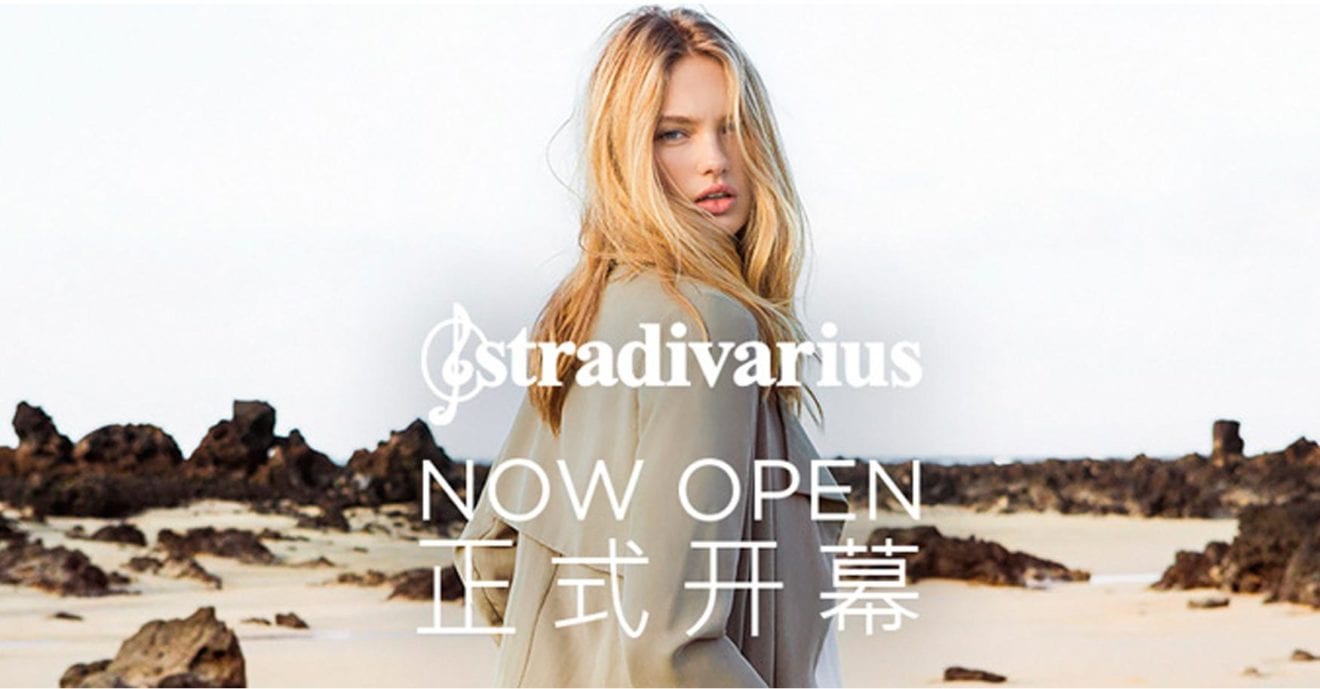
    Inditex brand Stradivarius has opened its own online store in China to complement its existing online store on T-Mall.

    Stradivarius, a sister brand to Zara, has 65 bricks & mortar stores in China. The direct site went live last month, less than six months after the brand made its T-mall eCommerce debut in the world’s most populous country.

    A formal launch event took place at Shanghai’s Union Building, dubbed “The Event Paper: Asia edition”. From its rooftop terrace, the guests were able to enjoy stunning views of the Bund, the Chinese financial capital’s most cosmopolitan district.

    The party was attended by international top model Liu Wen and Cate Underwood, the star of the brand’s FW15 collection campaign.

  • Alibaba eyes Latin American enterprise

    Alibaba eyes Latin American enterprise

    Alibaba is enthusiastic about doing enterprise in Latin America, notably in Mexico, Brazil and Argentina, the e-commerce firm stated in Mexico Metropolis over the weekend.

    Chinese language shoppers are keen to acquire Latin American merchandise, particularly recent produce corresponding to Mexico’s avocado, stated Sherri Wu, head of Alibaba’s Worldwide E-commerce Enterprise Improvement for the Americas.

    “Proper now individuals love this meals. Final month, we bought over 10,000 orders (of avocado) via our channels, and we might like to have extra to supply to our clients,” stated Wu.

    Because the finish of 2014, Alibaba has been promoting avocados by way of its Tmall platform.

    “We noticed that avocado was an enormous success in 2014,” stated Wu.

    Chilean cherries and Argentine prawns have additionally loved an analogous success by way of the platform, added Wu.

    The necessity for “unique” foodstuff in China comes from a rising center class, that are extra serious about high quality items from overseas.

  • Korea’s E-mart tackles China – again

    Korea’s E-mart tackles China – again

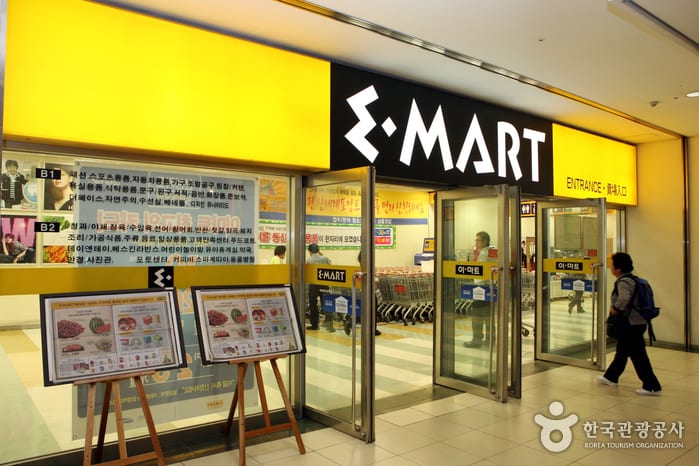
    South Korea’s largest discount chain, E-mart, is to start selling on Alibaba’s T-mall in a fresh attempt to break into China’s seemingly impenetrable online market.

    The Korean company believes the Alibaba-powered online shopping mall is the key to success after previous attempts to crack the China market flopped.

    From mid-March, E-mart will sell about 100 food and electronic products, including rice cookers and soybean paste on Tmall Global.

    E-mart would be joining other South Korean retailers including Interpark and G-market.

    E-mart said in a release that it plans to broaden its product offer to about 500 lines by June 30, focusing on products which have proven popular among Chinese tourists visiting Korea.

    It will use sales figures from its Jeju and Incheon stores – both popular destinations for Chinese tourists – to build its Tmall product offer.

    “We believe the move will enhance access to a new segment of customers, besides tourists, that are interested in Korean products,” said Kim Nam-gon, a PR executive with E-mart’s parent Shinsegae.

    E-mart will sell goods in China at a slightly higher price than in Korean stores, reflecting the distribution cost of getting the products to Chinese consumers.

    The retailer has struggled to gain any momentum in the China market to date through physical stores. Last December it closed five stores in Tianjin province, reducing its bricks and mortar network to just 10 from a peak of 27 at one time.