Retail News CRM

Tag: Tag Heuer

  • Tight market hits Watches & Wonders

    Tight market hits Watches & Wonders

    With sales slipping in the industry’s largest market, the annual Watches & Wonders exhibition in Hong Kong may be cut back to every two years.

    High-end watchmakers are looking at a shift in strategy in Hong Kong in the face of the most severe downturn the industry has faced since the 2008-09 financial crisis, reports Reuters.

    Branching out from the two biggest trade shows in Switzerland, the Salon International de la Haute Horlogerie (SIHH) in Geneva and Baselworld, Watches & Wonders was launched in 2013 by theFondation de la Haute Horlogerie, which is now talking with exhibitors about the show’s future format, according to Richard Mille, CEO of independent watchmaker Richard Mille.

    Watches & Wonders mainly showcases Richemont-owned brands like Cartier, Montblanc and Vacheron Constantin, as well as some independents, reports Bloomberg.

    “Some brands have been fighting to get out, completely out, to stop Watches & Wonders,” Mille said at this week’s SIHH in Geneva, the industry’s first event of the year.

    “Some of the brands want to do it every two years, some say every year. It’s a negotiation.”

    A decision will be made after this week’s show, according to foundation chairwoman Fabienne Lupo.

    The event also competes with the annual Hong Kong Watch & Clock Fair, which had nearly 800 exhibitors last year.

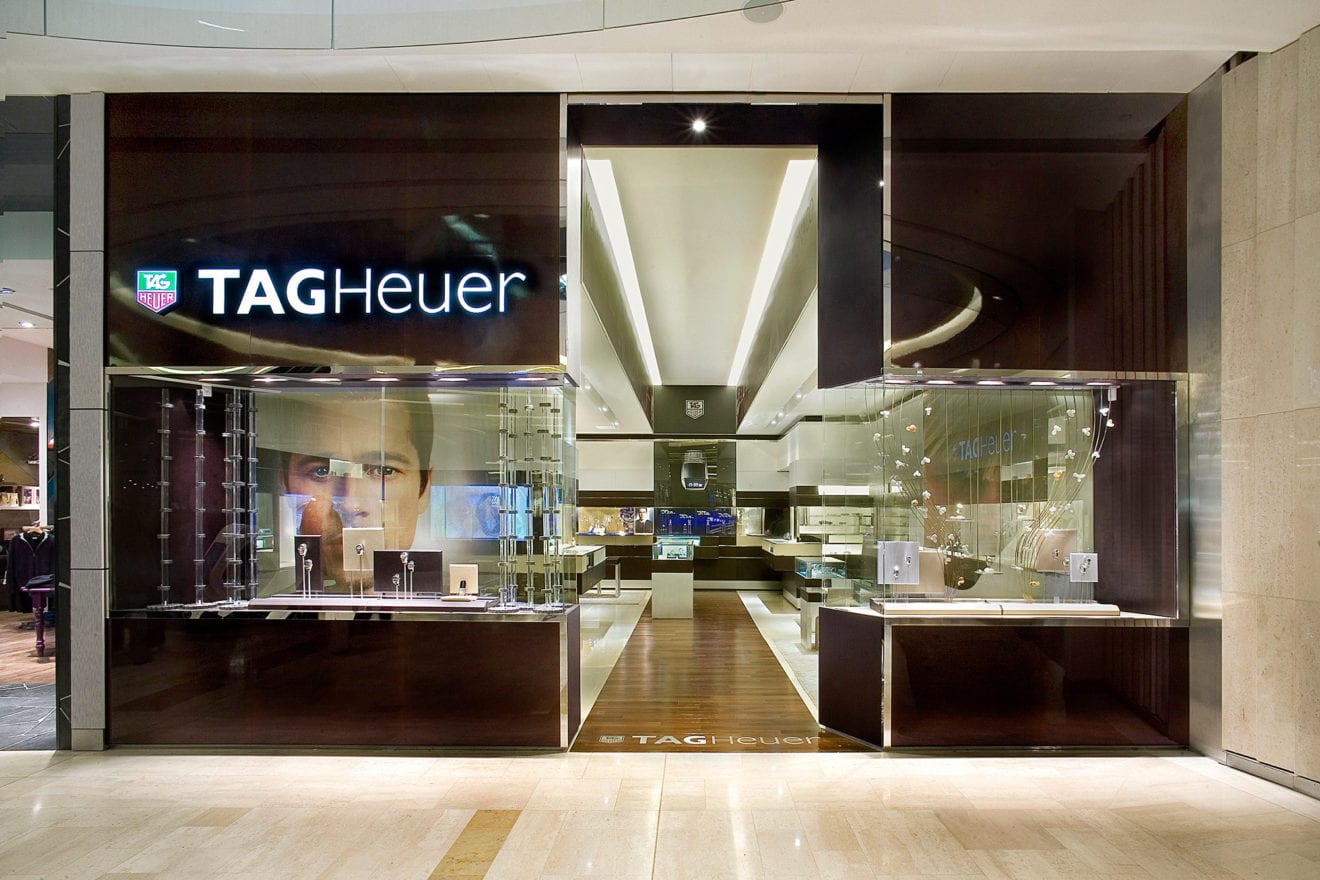
    China’s crackdown on extravagant spending plus currency fluctuations have hit the demand for expensive timepieces in Hong Kong, with Swiss watch exports to the island city plunging 23 per cent in the first 11 months of 2015, and facing the first annual decline since 2009. TAG Heuer closed one of its Hong Kong stores in August.

    Mille, whose watches sell from about 70,000 Swiss francs ($70,000) upward, says the objective of exhibiting in Watches & Wonders is to make contact with clients who are unable to attend the boutique shows. “It’s not cheap, but it’s worthwhile.”

    Meanwhile, high-end watchmakers are considering expanding their range of more affordable products. Executives at the Geneva event say the industry is having to adapt to a market with fewer Chinese, Middle Eastern and Russian buyers than a year ago, an outcome of record low oil prices and signs of economic weakness in China.

    Cartier, Richemont’s leading brand and main source of profit, is presenting more models than ever at more accessible prices at this week’s SIHH. Among them is Cartier’s new Drive model, a steel-cased men’s watch priced at a little more than 5000 euros ($5430). Previously, Cartier would offer only new models in gold and leather, with prices starting at more than 10,000 euros.

    Sister brand Piaget, generally starting no lower than 10,000 euros, has re-launched a women’s line starting at about 7000 euros, while Richemont stablemate Montblanc has introduced a wide range of lower-priced models.

    Montblanc CEO Jerome Lambert says that whatever happens, his company will stay active in Hong Kong with major exhibitions.

    “There is a different price awareness among customers now… and less price elasticity,” Piaget chief executive Philippe Leopold-Metzger told Reuters at the fair. “Times are difficult.”

    Several watchmakers have cut staff numbers in recent months, including Kering‘s newly acquired Ulysse Nardin and privately owned Parimigiani and Christophe Claret. Piaget closed a boutique in Shanghai last month, and Parmigiani plants to cut back its global outlets to about 250 from around 300 by the end of the year.

    Van Cleef & Arpels, one of the fastest-growing brands within the Richemont group, has also seen a slowdown in Hong Kong, Macao and the US. It is looking at new growth opportunities in such markets as Australia, Canada and Thailand, where it has just opened a store.
  • Hong Kong Retail Rents Remain Sky-High Despite Slowdown

    Hong Kong Retail Rents Remain Sky-High Despite Slowdown

    Even as slumping sales force luxury brands renegotiate retail rent prices and close stores in Hong Kong, a new report finds that it’s still the second-priciest place in the world to open up shop.

    According to Cushman & Wakefield’s newly published “Main Streets Across the World” report, Hong Kong’s Causeway Bay area retained its second-place rank after New York’s 5th Avenue as the most expensive retail location globally this year. Causeway Bay retail rent cost an average of US$2,399 per square foot a year, an amount far above the next-highest cost on Paris’ Avenue des Champs Élysées, which came in at US$1,372 per square foot. However, a continued retail sales slump driven by fewer mainland tourists could drop its ranking next year as top luxury brands rethink their Hong Kong strategies.

    The listing comes in spite of several Hong Kong store closings by luxury retailers over the past year that include Coach’s Queens Road Central flagship and TAG Heuer’s Causeway Bay store. Many companies such as Burberry—which is reducing the size of its largest store in Hong Kong—have said they are attempting to renegotiate their rent prices. These include Kering, Prada, and Chow Tai Fook, and more store closings may follow depending on negotiations.

    The report notes that “downward pressure on rents is becoming increasingly evident on the back of weaker retail sales and the slowing in tourist arrivals.” As a result, rents in Causeway Bay fell by 12 percent year-on-year for the period ending in June 2015, while Central, Tsim Sha Tsui, and Mongkok fell by between 11.9 and 13.9 percent.

    Shanghai was the only other location in Greater China to make the list of 65 locations, with West Nanjing Road moving up to 11th place from 12th place last year. Tokyo’s Ginza district and Seoul’s Myeongdong area—both top destinations for Chinese tourists—also ranked high on the list at 7th and 8th, respectively.

    Mainland China is on course to become the world’s largest retail market by 2018, although brick-and-mortar growth is slowing as e-commerce becomes more popular. The report notes that retailers in both Shanghai and Beijing are testing out ways to become “lifestyle destinations” through strategies such as the introduction of food and beverage options. They’re also embracing O2O marketing with special mobile shopping apps and free in-store WiFi. Retail growth is expected to be especially strong for retailers geared toward the middle class as the luxury market remains in slowdown mode, according to the report.

    Because of Tokyo’s success from the influx of Chinese tourists, the report predicts that rents are likely to go up for luxury retailers in the coming year as brands like Burberry, Moncler, and Brunello Cucinelli have pursued store expansion in key shopping districts. In addition to the posh Ginza district, retail rent went up by 20 percent in the Omotesando area over the past year.

    There is a silver lining to the Hong Kong slump, according to the report. It states that Hong Kong’s retail scene is now becoming a “more tenant-friendly environment,” and lower rent levels “will create opportunities for luxury brands and high street retailers to enter the market such as Monica Vinader, Sotheby’s Wine, Claudie Pierlot, Rebecca Minkoff, Perrin Paris, and Filson.”

  • Louis Vuitton looks for shops to close in China

    Louis Vuitton looks for shops to close in China

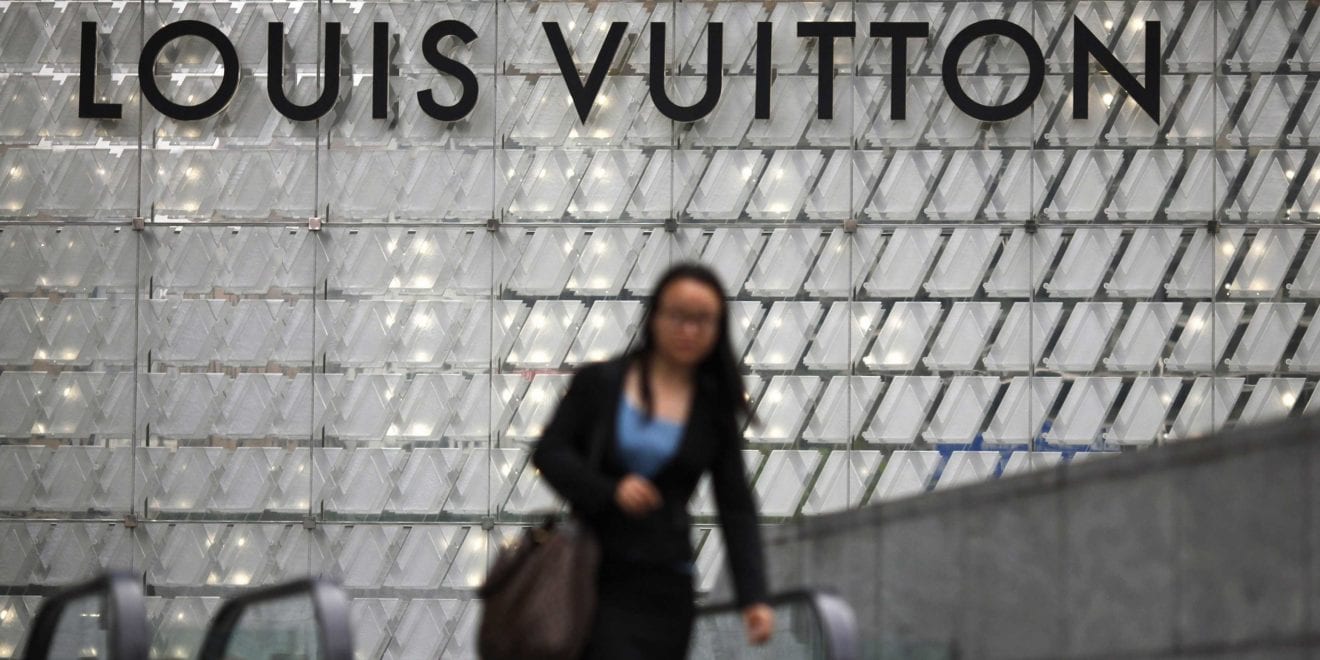
    Louis Vuitton is about to get smaller in China, and other luxury goods makers might follow as the heady days of expansion in that market are over.

    The French maker of monogrammed luggage is reviewing eight stores in second-tier cities, or about a fifth of the total in China, according to a source familiar with the situation.

    While some might be moved or refurbished rather than closed outright, the Chinese store count will drop, said the source, who asked not to be identified as the plans are private and no final decision has been made.

    Vuitton is closing stores “to avoid being overexposed” as market dynamics change and more Chinese shop abroad, said Mario Ortelli, an analyst at Sanford C. Bernstein in London. “This is something that is quite normal when you have a fast expansion of a store network.”

    Vuitton is evaluating its exposure to China as consumers shift more of their spending to Japan and Europe, where the weak yen and euro make it even cheaper to shop. A government campaign against extravagance has also weighed on demand in China and neighboring markets. Watchmaker TAG Heuer shuttered a store in Hong Kong in August and Burberry Group PLC said earlier this month it would reduce the size of its largest store in the territory.

    Vuitton has 41 stores in China out of 453 worldwide, according to Exane BNP Paribas. A spokesman for parent company LVMH said Vuitton would continue to invest in its retail network in China, adding that the company would open two stores and refurbish two there next year. He declined to comment on closures.

    Closures by other luxury goods makers might follow, Exane analyst Luca Solca said.

    Kering SA-owned Gucci and Burberry, both of which have also struggled in China, have more stores there than Vuitton, Exane said.

    Chinese consumers account for about a third of global luxury sales. Gucci has 57 stores in China, while Burberry has 55.

    “As more sales move abroad on the back of large price gaps, mainland China stores risk poor space productivity, hence the adjustment,” Solca said.

    A Burberry spokesman said: “There is no change in our plans as we continue to evolve our Chinese store network.”

    A spokesman for Kering declined to comment on store plans in China.

    LVMH chief financial officer Jean-Jacques Guiony last month said that Vuitton might shut a couple of boutiques in China where it has two in second-tier cities. Its Chinese store count should remain “reasonably flat for the years to come,” he said.

    Globally, the market for personal luxury goods is set to grow as little as 1 percent this year, the weakest rate since 2009, Bain & Co estimates.

    LVMH, whose full name is LVMH Moet Hennessy Louis Vuitton SE, reported third-quarter fashion and leather goods sales that rose 3 percent on an organic basis, trailing estimates.

  • Tag Heuer teams with JD.com

    Tag Heuer teams with JD.com

    Tag Heuer, the Swiss luxury watchmaker, has chosen to partner with JD.com to open its first online store in China.

    The exclusive partnership will see Tag Heuer open an online flagship on JD.com’s Marketplace platform.

    The store will offer product lines specially selected for China’s increasingly sophisticated online consumers, featuring cutting-edge designs across multiple price points. The store will also feature a 360-degree “virtual” product display where consumers can experience products prior to purchasing.

    JD.com says its support in brand marketing, logistics, payment and after-sales service will help ensure customers enjoy a first-rate online shopping experience.

    “JD.com’s reputation for product authenticity and unparalleled customer experience make it the ideal eCommerce partner in China for Tag Heuer, one of Switzerland’s most iconic and trusted brands,” said Tag Heuer’s GM of Greater China, Leo Poon.

    “The coming of age of China’s young consumers, combined with the explosive development of e-commerce, present an enormously exciting opportunity for innovation and growth. By deepening our access to our key target customer market in China through JD.com’s huge upwardly mobile user base, I am confident that this partnership will ignite unprecedented consumer interest in Tag Heuer’s premier luxury timepieces.”

    To mark the opening, Tag Heuer will launch sales of its “Tag Heuer Formula One Women GEM special edition” wristwatch in the Chinese market for a limited time exclusively on the JD.com platform.

  • Luxury Brands Leave Hong Kong as Rental Prices Skyrocket

    Luxury Brands Leave Hong Kong as Rental Prices Skyrocket

    Following TAG Heuer’s exit, luxury fashion brand Coach pulled out its flagship store in the Central District of Hong Kong on Aug. 31, two years before its lease expires.

    Women’s shoe retailer Belle International in Tseung Kwan O also closed on the same day, while Hong Kong jeweler Emperor Watch & Jewellery Limited also announced plans to terminate its store’s lease early.

    The Guangzhou-based paper said that the exodus of luxury brands from Hong Kong has raised concerns about whether the trend may spread into mainland China.

    High rental fees were one of the reasons for the closures, the report said. Store rentals in Causeway Bay in the first quarter of 2014 stood at HK$43,310 ($5,580) per square meter, making it the most expensive in the world next to New York’s Fifth Avenue shopping district.

    With its store’s closure in Central, Coach will save HK$180 million ($23 million). It had been paying rental fees of $7.2 million ($930,000) per month.

    TAG Heuer ultimately decided to close shop after negotiations for a rent reduction with its landlord fell apart.

    Hong Kong is gradually losing its appeal to mainland Chinese shoppers, who are becoming more inclined to go to Europe, the U.S., Japan and South Korea to shop.

    Total retail sales in the city in 2014 have decreased 0.2 percent from the previous year to HK$493.3 billion ($63.65 billion), its first negative growth in the retail sector since the Hong Kong government launched the individual visa scheme for mainland visitors 11 years ago.

    Between March and July, the region’s retail sales fell even further, posting a 0.4-percent decline year-on-year in June and 2.8 percent in July.

    But despite increasingly poor sales of luxury goods such as jewelry and watches in Hong Kong, medium- and low-priced goods, including food stuffs, liquor, and tobacco, have been growing steadily. According to Southern Metropolis Daily, foodstuff sales rose 7 percent year-on-year in July, an indication that shoppers visiting Hong Kong are shifting from luxury items to daily necessities.

  • Studio City retail tenants revealed

    Studio City retail tenants revealed

    Studio City and Taubman Asia, have revealed the lineup of fashion brands that will open inside The Boulevard at Studio City.

    A mix of fashion-forward labels and internationally-renowned luxury brands include Macau’s first Balmain, Macau’s first Belstaff, and Tom Ford’s largest store in Asia, amongst many others. The selection was assembled by Taubman Asia and Melco Crown Entertainment’s combined team of retail specialists to meet Chinese consumers’ increasing desire to express their individuality through high quality, expertly crafted clothing and accessories. Bespoke and personal services will be offered to ensure our shoppers take center stage.

    Taubman says The Boulevard at Studio City will bring “an unparalleled shopping experience” to Studio City.

    “Unlike any retail offering to be found in Asia, the unique 35,000 sqm ‘immersive’ retail entertainment environment brings shopping to life by ‘transporting’ visitors to high-energy street-scapes and entertaining them at every turn with featured streets and squares inspired by iconic shopping and entertainment locations, including New York’s Times Square and Hollywood’s Beverly Hills,” Taubman said in a statement.

    “At the futuristic Times Square Macau, inside The Boulevard at Studio City, a variety of entertainment from ‘virtual’ musicians to film stars will be shown through holographic projections.

    “Leveraging our global expertise increating extraordinary retail environments, and our exceptional relationships with the world’s leading brands, our talented team in Asia has brought together an exciting mix of brands for The Boulevard at Studio City,” said René Tremblay, president of Taubman Asia.

    “Our merchandising and management services are the industry standard for performance and excellence. We are thrilled to welcome these brands to our latest project and are committed to supporting them for the long term.”

    List of brands:

    Aeronautica Militare
    Balmain
    Bank of China
    Belstaff
    Boss
    Bottega Veneta
    Bulgari
    Cigar Emporium
    Coach
    Cosmos Food Station
    Din Tai Fung
    Dunhill
    Emporio Armani
    Fendi
    Girard-Perregaux
    Givenchy
    Glashutte Original
    Graff
    Gucci
    Hide Yamamoto
    Hublot
    ICBC
    Trattoria Il Mulino
    Image Digital
    IWC Schaffhausen
    Jaeger-LeCoultre
    Jaquet Droz
    kate spade new york
    Kenzo
    Longines
    McCafe
    McDonald’s
    MCM
    Michael Kors
    Montblanc
    Philipp Plein
    Piaget
    Prada
    Rainbow
    Rimowa
    Roberto Cavalli
    Saint Laurent Paris
    Shiki Hot Pot Restaurant
    Starbucks
    Tag Heuer
    T Galleria Beauty by DFS
    Tiffany & Co.
    Tom Ford
    UM
    Vacheron Constantin
    Valentino
    Van Cleef & Arpels
    Versace Collection
    Ermenegildo Zegna
    Zenith

  • Tag Heuer Hong Kong to close store

    Tag Heuer Hong Kong to close store

    Tag Heuer is to close one of its Hong Kong stores as it battles high rents and falling sales.

    Tag Heuer Hong Kong’s Causeway Bay store on Russell St will close soon, according to Jean-Claude Biver, the head of Tag Heuer’s parent LVMH’s watch unit.

    While local watch and jewellery retail chains have been adjusting their store networks in the wake of plummeting sales to Chinese tourists over the last 12 months, this is the first significant closure announced by a global luxury player. Rival luxury retail group Kering has hinted it may close some stores, but has not announced firm plans as yet.

    However, the Tag Heuer plan itself is vague.

    “I am not sure if the shop will be closed this year or next but for sure I want to close it because of high rental costs and a drop in traffic,” Jean-Claude Biver told Reuters.

    Local jewellery retailers like Luk Fook and Chow Tai Fook have been renegotiating rents as they come up for renewal, and reporting reductions  of between 10 per cent and 20 per cent.

  • Tag Heuer latest luxury brand to tweak prices on forex

    Tag Heuer latest luxury brand to tweak prices on forex

    Tag Heuer, French luxury group LVMH’s biggest watch brand, said on Wednesday it planned to freeze prices in some markets while it cuts them elsewhere in a move to balance out the impacts of the recent jump in the Swiss franc.

    Prices will drop an average 8 per cent in Switzerland, China, the United States, the Caribbean, and Central and South America, 7 per cent in the UK and 13 per cent in Hong Kong, but Tag Heuer said it would not raise prices in the eurozone, Japan or Singapore.

    “Tag Heuer is seizing the opportunity of the recent appreciation of the Swiss franc to rebalance its international price policy,” it said in a statement.

    The news follows a decision by French fashion house Chanel this week to hike prices in Europe and cut them in Asia to counter the euro’s decline and discourage customers from buying fakes, while Swiss family-owned watch brand Patek Philippe was reported to have already made similar moves.

    The Swiss National Bank’s surprise decision two months ago to abandon its longstanding 1.20 Swiss franc per euro cap caused the currency to surge to 0.86 per euro. The franc is currently trading at 1.064 per euro.

    The euro has lost almost a quarter of its value against the dollar in the last 12 months, meanwhile, including 12 per cent since the start of this year.

    “While price harmonisation is easier said than done and forex volatility tends to make things quite complicated, we believe the era of global, unique pricing in the industry is not that far-fetched nor that far away,” HSBC luxury analysts wrote. “Chanel and Patek are showing the way.”

    The analysts said they did not expect many other brands to increase prices significantly short-term in Europe “as there is a risk of alienating what little is left of local European consumer interest”.

    However, they expected most moves to come in Asia, “with likely further brands trimming in Hong Kong and in mainland China, but also likely increasing prices in Tokyo”.

    Patek Philippe did not immediately respond to an email seeking comment.