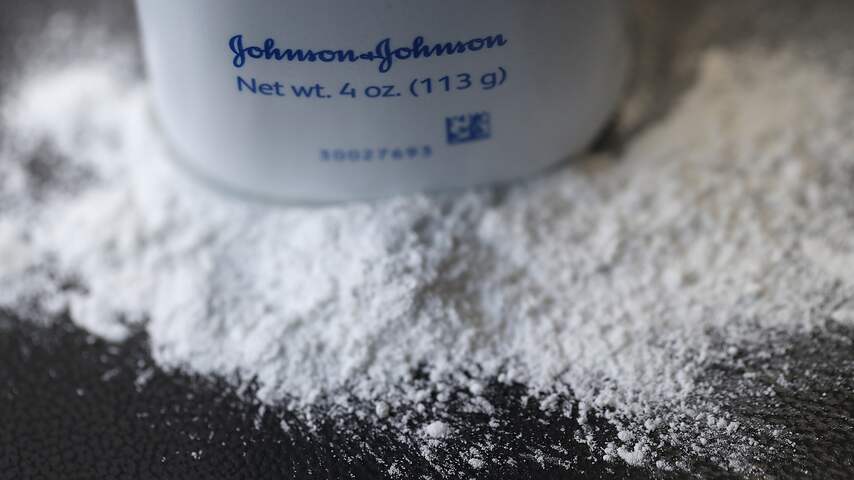
A U.S. federal judge on Wednesday expressed skepticism regarding the accusations of roughly 69,000 individuals who assert that Johnson & Johnson’s baby powder and other talc-related products led to ovarian cancer. The judge stated that the plaintiffs must offer more definitive evidence or face the possibility of their lawsuits being dismissed.
Doubts Over Evidence
US Magistrate Judge Rukhsanah Singh, based in Trenton, New Jersey, noted that recent testimonies from two expert witnesses representing the plaintiffs raised questions about the validity of their claims. The experts had testified that talcum powder usage specifically caused the plaintiffs’ ovarian cancer. These expert testimonies were part of a preparation for a set of six pivotal, or ‘bellwether’, trials aimed at assessing the potential worth of the remaining claims and guiding settlement discussions.
The experts in question, Judith Wolf and Daniel Clarke-Pearson, delivered their testimonies in May. Despite their involvement, they were unable to conclusively rule out other potential causes for the plaintiffs’ ovarian cancer, leading to further doubts about the lawsuits.
Johnson & Johnson’s Stance
Johnson & Johnson has consistently refuted the allegations that its talc products cause cancer. The company maintains its stand that talc is safe and asbestos-free. Erik Haas, Johnson & Johnson’s VP of litigation, stated that the recent decision edges these cases closer to a fair and suitable outcome – the complete dismissal of the talc lawsuits. At the time of writing, both a spokesperson for Johnson & Johnson and a lead attorney for the plaintiffs had not responded to requests for comments.
Despite the concerns raised, Judge Singh stated that the ongoing debate over causation would not lead to an immediate dismissal of the consolidated federal lawsuits. Instead, the plaintiffs have been given until November 19 to provide a response and a reason why their case should not be dismissed due to the failure to provide an admissible expert opinion that Johnson & Johnson’s talc caused their specific cancer.
In addition to these federal cases, Johnson & Johnson also faces lawsuits in state courts across the US. The company has seen victories in some recent trials, but large verdicts have also been awarded to plaintiffs in other cases. The litigation process resumed in March 2025 after being paused for over three years due to unsuccessful attempts by Johnson & Johnson to resolve the lawsuits through a shell company’s bankruptcy.
As a response to the ongoing controversy, Johnson & Johnson ceased sales of talc-based baby powder in the US in 2020, opting instead for a cornstarch product.
Questions & Answers
What was the recent decision made by the US Magistrate Judge Rukhsanah Singh about?
The decision expressed skepticism about the accusations made by individuals who assert that Johnson & Johnson’s talc products caused their ovarian cancer. The judge noted that the plaintiffs must provide more definitive evidence or risk their lawsuits being dismissed.
What impact did the expert testimonies have on the case?
The expert witnesses, Judith Wolf and Daniel Clarke-Pearson, were unable to rule out other potential causes for the plaintiffs’ ovarian cancer. This uncertainty has raised further questions about the validity of the lawsuits against Johnson & Johnson.
What is Johnson & Johnson’s stance on the allegations about their talc products?
Johnson & Johnson has consistently refuted the allegations, maintaining that their talc products are safe and asbestos-free. The company believes that a fair and suitable outcome would be the complete dismissal of the talc lawsuits.