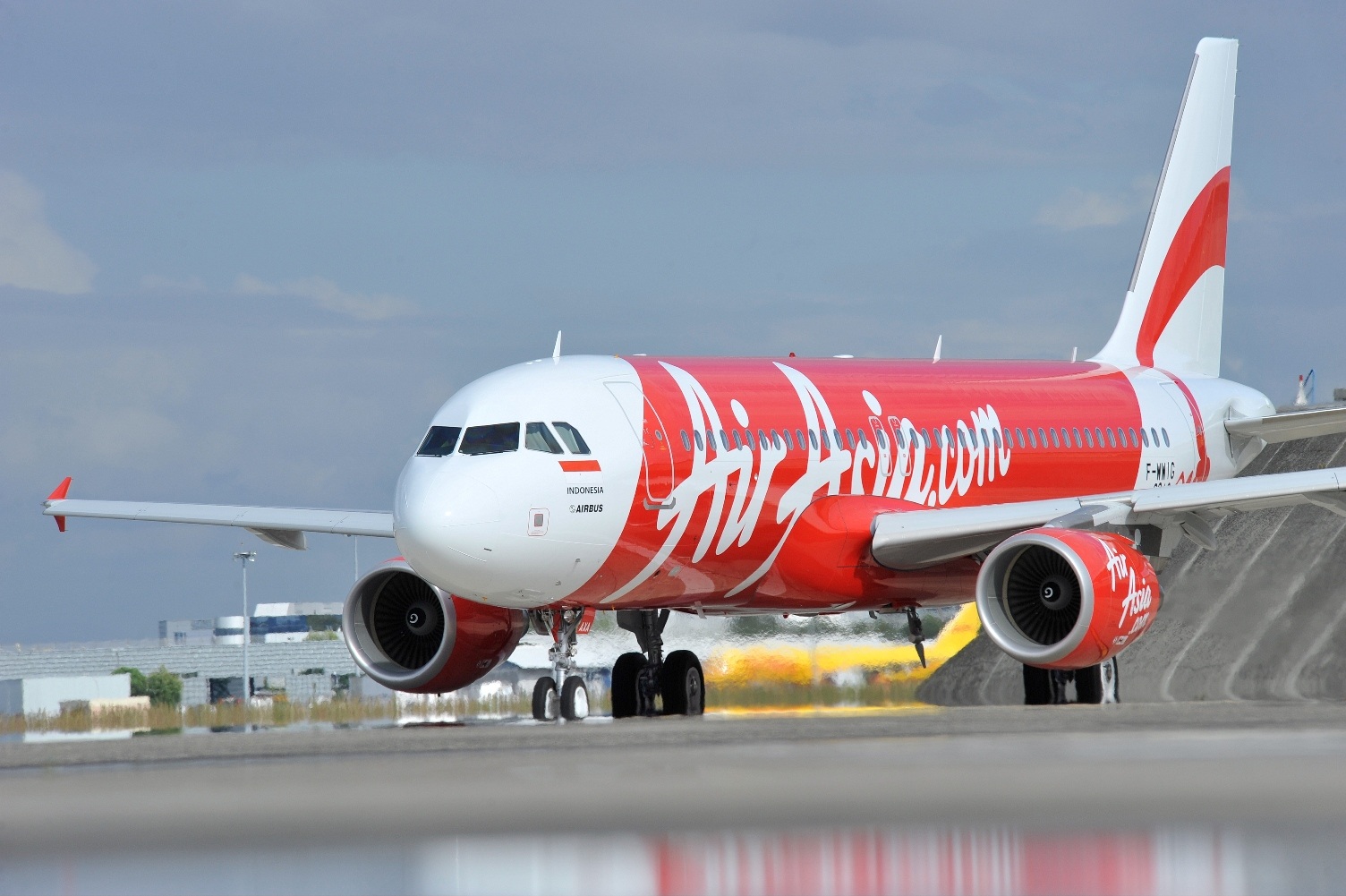
Tata Group, which was reportedly in talks with AirAsia’s parent company AirAsia Group Berhad last week for a $50 million emergency funding to keep the carrier flying in India, is now planning to raise its stake in AirAsia India to more than 76 percent.
Tag: Tata Group
-

Tata Group Launching first fast-fashion chain
Zara’s Indian partner Tata Group is launching its own fashionable apparel chain in the territory with prices well below Zara levels.
Tata’s retail offshoot Trent Ltd has launched an “extreme-fast-fashion” model that brings new styles from the runway to the store within two weeks, similar to Zara’s own timeline.
Trent is seeking to launch 40 locations the flagship Westside chain per year as well as hundreds of mass-market Zudio stores for budget items. The chain is targeting fashion-conscious Indian consumers without the means to afford Zara items, with a view to becoming as ubiquitous in Asia as Zara is in Western markets.
The firm has a strong focus on fashion-savvy staff, and spends 65 per cent more on personnel per square foot than its local competitors.
“The middle class is growing, incomes have grown, Indians are traveling more and they have more money to spend,” said chairman Noel Tata. “Now that we’ve built this capability and this model that’s working so well, it’s time to grow faster … The value proposition we offer is much stronger than the international brands.”
Less than a quarter of Indian households earnt US$8500 or more last year.
-
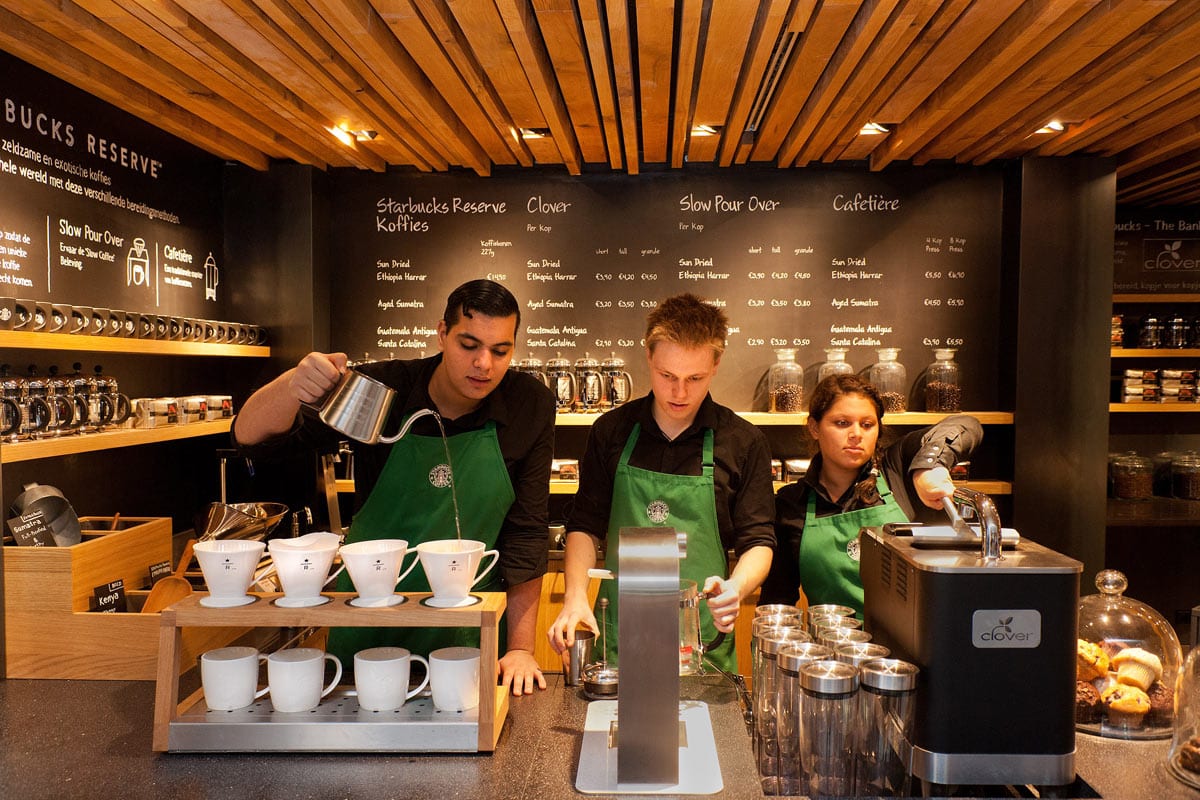
Starbucks India helping Tata Group internationally
Strengthening their partnership, Coffee retailer Starbucks India is helping lift international exposure for India’s Tata Group brands.
Starbucks is introducing Tata’s single-origin coffee in the US and its mineral water in Singapore, and helping develop a signature Indian tea blend. In return, Tata group is introducing Starbucks coffee on Vistara flights and launching its specialty tea brand Teavana in India.
Starbucks will sell single-origin, premium coffee from India at its Starbucks Reserve Roastery and Tasting Room in Seattle, says chairman/CEO Howard Schultz said after meeting Tata chairman Cyrus Mistry at the iconic store. Starbucks will be opening a similar outlet in Shanghai next year.
Tata-Starbucks will also introduce Kenyan and Sumatran coffees at Starbucks stores across India, says the company, and Starbucks coffee will be available on Vistara, a full-service airline, later this year. Vistara is a joint venture between Tata Sons and Singapore Airlines, and has more than 457 flights weekly to 17 destinations.
Following the success of the tea category in its US stores, Starbucks will extend its Teavana specialty tea brand to India in December. The joint venture is also collaborating on the development of a signature Indian tea blend for Starbucks stores in India.
India has become Starbucks’ fastest-growing market since the first cafe opened in 2012 in a partnership with Tata Global Beverages. The chain has expanded to 84 locations across six cities.
The company’s China and Asia-Pacific unit generates about 13 per cent of its total revenue, and Starbucks plans to open about 900 outlets in the region this fiscal year, compared with 700 store additions in the Americas and 200 in Europe, the Middle East and Africa. It has more than 2000 cafes in China alone and plans about 500 new stores a year in the country.
Starbucks also plans to expand the availability of Himalayan Mineral Water, bottled by Tata Global Beverages, beyond Starbucks stores in India to Singapore this year. It is also exploring opportunities to introduce the brand to stores across Starbucks China and Asia-Pacific region.
-
Tata Group sees Vietnam, Myanmar as potential markets to power growth
At least seven companies of India’s oldest conglomerate, Tata Sons, have zeroed in on Vietnam and Myanmar as markets that need to be penetrated into. Growing economies and an expanding middle class, as well as pacts with global powers and tax incentives have made these countries important for firms that seek to reach out further into the Asean and global markets.
“The demographics and the economic development stage of these countries represent a market for several products and services from the Tata group,” a Tata Sons spokesperson said. “Tata companies like Tata Power, Tata Projects, Tata Chemicals, Titan, Tata Motors, Rallis (and) Tata International among others are either active or are exploring opportunities in the Vietnam and Myanmar markets,” the spokesperson said in an e-mail, responding to ET’s queries.
For the business house, Singapore is the nodal country for its Asean markets that include more than 660 million people with a $2 trillion economy. Asean members include Indonesia, Malaysia, the Philippines, Singapore, Thailand, Brunei, Myanmar, Cambodia, Laos and Vietnam.
“The region has recorded more than 5% GDP growth on average since the year 2000 and, when combined, Asean nations would represent the world’s seventh largest economy. The region is therefore regarded by many as the third pillar of economic growth within Asia, after China and India,” said Shashank Tripathi, leader at PwC’s strategy&.
In an interview to its quarterly in-house magazine, Tata Group Resident Director for the Asean region KV Rao said: “From a group perspective, we have identified two focus markets: Vietnam and Myanmar.” The group has a memorandum of understanding each in the two countries for power projects. “We are now working on deepening the engagement with these markets from a strategic and operational point of view,” he added.
The Vietnam-EU Free Trade Agreement (VEFTA), signed in Brussels on December 2 after nearly three years with 14 rounds of negotiation, will remove nearly all tariffs between the Southeast Asian country and the EU once implemented by 2018. The country becoming a global trade partner for the US, EU and China in exports makes it important for Indian firms.
While recent years have been a bit sluggish for many Asean countries affected by global economic conditions, Vietnam was among the few to record robust GDP growth – 6.0% in 2014. Recently released government figures further estimate 6.7% growth in 2015, its highest since 2007, due to a significant increase in industrial production and a strong push by the government to improve the business environment and reform its state-owned enterprises.
Indian companies have been investing in sectors such as oil and gas exploration, mineral exploration and processing, sugar manufacturing, agrochemicals, IT and agricultural processing in Vietnam. Some of the companies that have a foothold there include ONGC Videsh, Tata Power, KCP Industries and Tech Mahindra.
Coming out of junta rule with promises of economic reforms has made Myanmar an important geography for businesses. Major Indian companies there include ONGC Videsh, Jubilant Oil and Gas, CenturyPly, Tata Motors, Essar Energy, RITES, Escorts, Sonalika Tractors, Zydus Pharmaceuticals, Sun Pharmaceutical Industries, Cadila Healthcare, Shree Balaji Enterprises, Shree Cements, Dr Reddy’s Laboratories, Cipla, Gati Shipping, TCI Seaways, Apollo and AMRI Hospital.
-
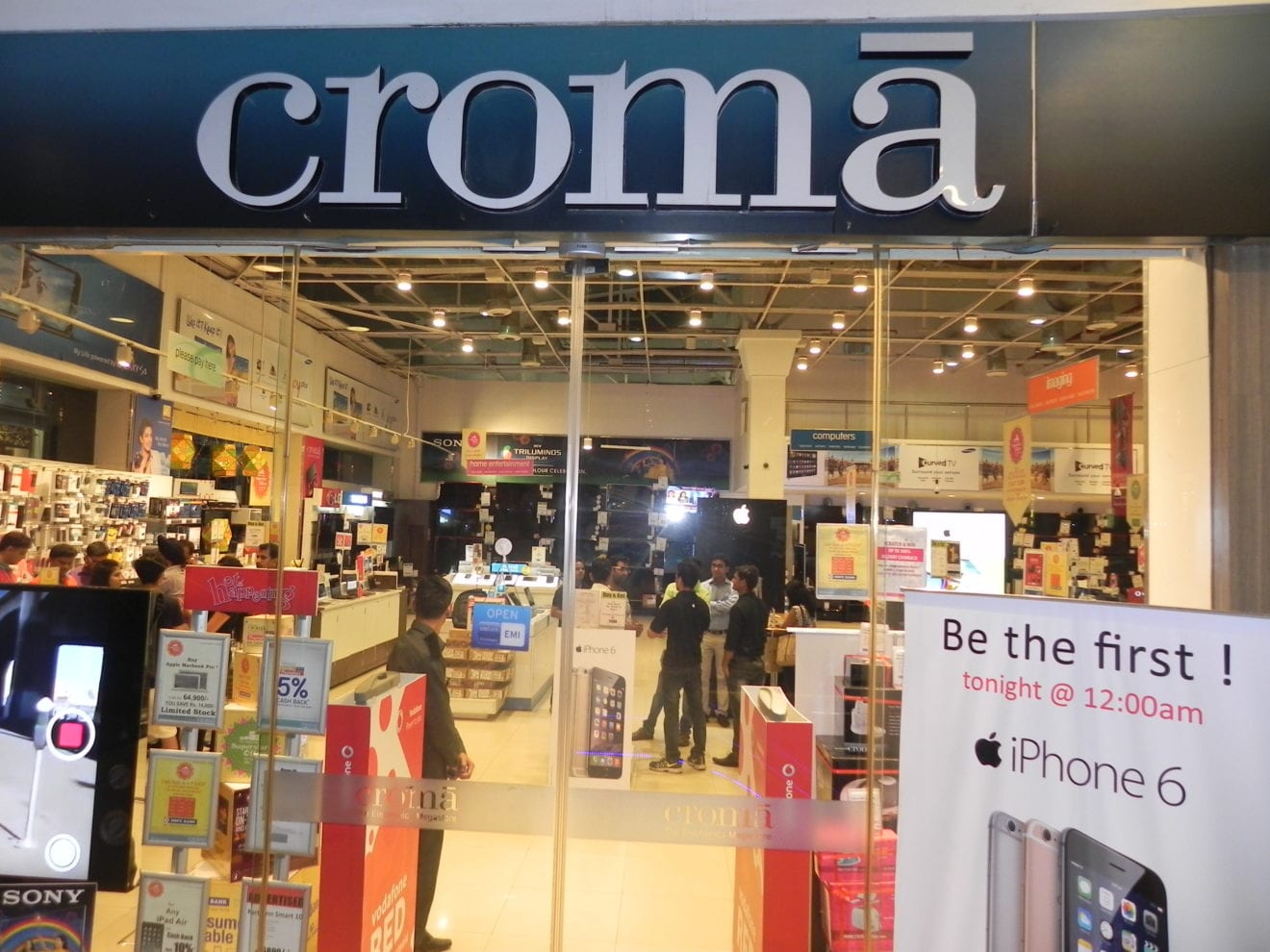
Croma to open more shops in India
Croma, consumer durables and electronics chain of the Tata Group, is looking to open a dozen more stores in India this financial year.
In April, the first month of 2015-16, it launched three stores. Two more are being readied for launch in a month or so. “We have budgeted for around 10 new stores in FY16 but might exceed that, depending on the quality of location and store layout, if we get the right rental. We continue to focus sharply on calibrated growth in our chosen markets,” said a spokesperson.
Croma’s first chief executive and managing director, Ajit Joshi, quit the chain recently after eight years at the helm. Its chief financial officer, Avijit Mitra, is interim CE. Croma runs about 100 stores. It is also looking to launch new products in home appliances, the spokesperson said.