Tag: Tata Sons

  • Air India Sets up Cost-Cutting Team After Posting US$2.3 Billion Loss

    Air India Sets up Cost-Cutting Team After Posting US$2.3 Billion Loss

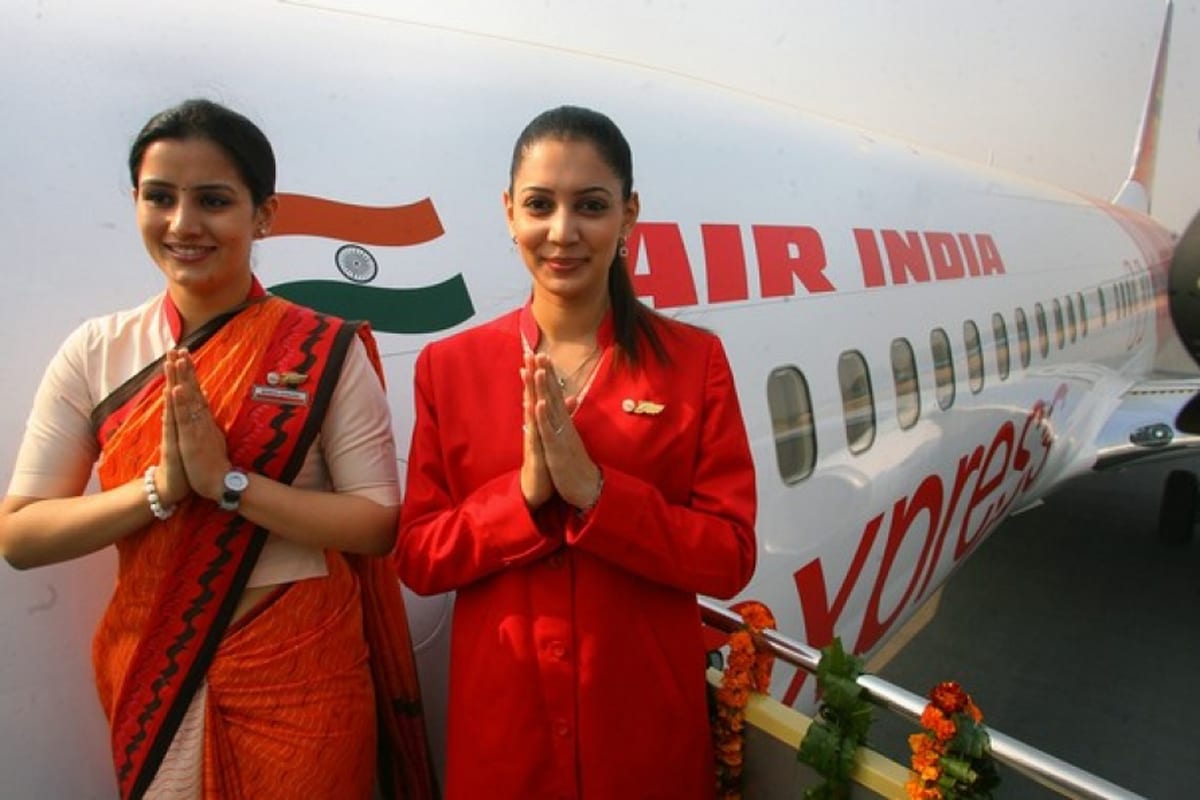
    Air India has set up a cross-functional team to find operational savings after posting a US$2.3 billion loss for the fiscal year ended March. It is tightening spending approval limits immediately to stem cash burn.

    Chief executive Tewolde Gebremariam told staff in an internal memo that the airline must embed frugality and accountability into daily decisions. Management is introducing an incentive programme for employees. It will reward staff who submit workable ideas to cut expenses or lift revenue.

    Spending Controls and Capital Demands

    The belt-tightening follows an August request by Air India to raise approximately US$1.5 billion in fresh equity from owners Tata Sons and Singapore Airlines. Singapore Airlines holds a 25.1 per cent stake following their joint venture consolidation.

    Air India has failed to record an annual profit since returning to private ownership under Tata Group in 2022. Rising jet fuel prices and prolonged route diversions have burned cash faster than projected during the initial privatization plan.

    Route Headwinds and Supply Bottlenecks

    Geopolitical turbulence has added direct costs to international flight schedules. Airspace closures over Pakistan and conflict disruptions across the Middle East have forced longer routings, cancellations, and capacity cuts on key long-haul services.

    Fleet renewal plans also face delays. Shortages of aircraft seats and cabin components have stalled retrofits on older jets. Management has opened talks to defer deliveries of hundreds of newly ordered aircraft to conserve capital.

    Operational Scrutiny and Safety Lapses

    Regulatory pressure has mounted alongside the cost drive following serious operational failures. The airline faced intense scrutiny after a June 2025 crash in Ahmedabad killed 260 people, severely damaging consumer confidence.

    Aviation authorities have cited the carrier for multiple compliance lapses, including flying aircraft without valid maintenance certifications. Regulators also launched investigations after a pilot involved in a severe mid-air plunge in August tested positive for marijuana.

    Turnaround Strategy Under New Leadership

    Gebremariam took charge of the airline on August 5, replacing former Singapore Airlines executive Campbell Wilson, who had led the restructuring effort since 2022. Gebremariam previously ran Ethiopian Airlines, where he built a reputation for lean cost management and rapid commercial expansion.

    Talks are now underway with aircraft manufacturers to negotiate revised delivery schedules. Meanwhile, Tata Sons and Singapore Airlines are working to finalize terms on the requested US$1.5 billion capital injection.
  • Tata Sons Reappoints Chairman N Chandrasekaran for Another 5 Years

    Tata Sons Reappoints Chairman N Chandrasekaran for Another 5 Years

    N Chandrasekaran will continue as chairman of the Tata Group for another five years after the Tata Sons board approved his reappointment at a meeting in Mumbai on Thursday.

    His current five-year term is due to end in February 2027. The decision was among the key leadership changes across the retail and consumer ecosystem this week.

    Executive shifts spanned luxury lifestyle, FMCG, consumer electronics and e-tailing, including leadership appointments and departures at Da Milano, Epigamia, Samsung India and Practo.

    Boardroom Friction at Tata Sons

    The vote reveals an open split between the holding company board and Tata Trusts, which holds 66 per cent of Tata Sons. Noel Tata challenged the decision under the company’s Articles of Association. He argued chairman appointments require affirmative support from Trusts-nominated directors, submitting a legal opinion from former Chief Justice of India D Y Chandrachud.

    Chandrasekaran told the board on August 12 that he planned to step down when his term ends on February 20, 2027. On September 3, the Nomination and Remuneration Committee asked him to reconsider. That request led to the September 17 vote reversing his planned departure.

    Shareholders will take up the dispute next at the annual general meeting to vote on board seats. Investors in listed operating units, including Trent, Tata Consumer Products and Titan, face governance friction while the parent firm resolves its ownership alignment and mandatory listing path.

    New Leadership Across Retail and FMCG

    Executive suites across Indian retail also saw turnover this week. Luxury leather goods maker Da Milano Group appointed Piyush Singh as group chief executive officer. Singh will run brand expansion, store operations and direct-to-consumer digital channels.

    Packaged dairy brand Epigamia brought in two senior hires to support its national distribution drive. Mansi Modi joined as head of marketing, and Rahul Bhagat took over manufacturing operations.

    Both roles address supply chain and customer acquisition pressures in modern trade. Premium dairy and snack brands are battling consumer goods majors for shelf space across metro grocery chains.

    Shifts in Tech and Platform Management

    Samsung India lost its head of public affairs and ESG, Rajiv Aggarwal, who stepped down after nearly four years. He managed government relations and public policy across the South Korean firm’s Indian manufacturing and sales divisions.

    Digital health platform Practo split its top leadership roles. Founder Shashank ND moved to managing director and executive chairman. He handed daily operations to Jagnoor Singh, who rose from chief operating officer to chief executive officer on September 1.

    Under the new structure, Shashank focuses on capital strategy and corporate development. Singh oversees international markets and platform growth.

    What Operators and Investors Face Next

    Across the consumer sector, brands are tightening operations. Mid-tier lifestyle and food companies are recruiting functional specialists to fix unit economics. Tech platforms are separating governance from daily execution as they prepare for initial public offerings.

    For Tata Sons, the immediate test is whether directors can settle terms with Tata Trusts ahead of the shareholder meeting. That vote will fix the holding company’s management structure and determine the schedule for its stock exchange listing.

  • Starbucks India helping Tata Group internationally

    Starbucks India helping Tata Group internationally

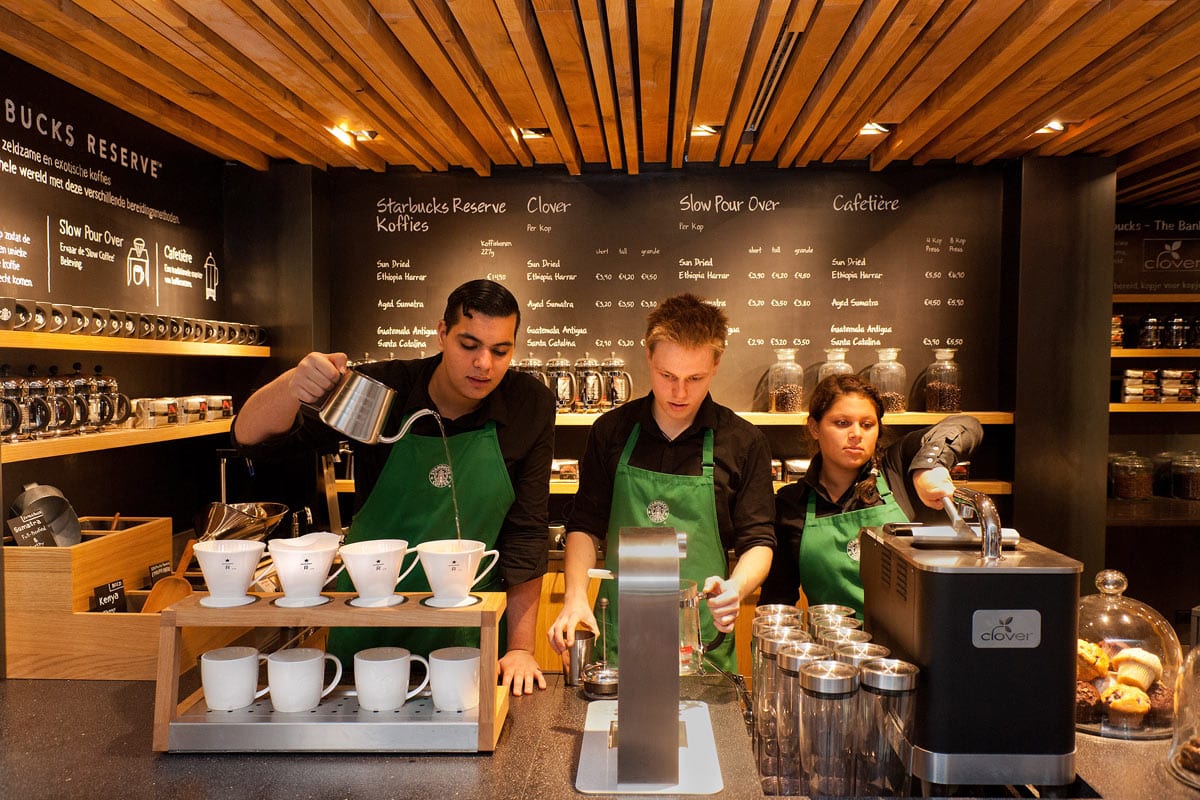
    Strengthening their partnership, Coffee retailer Starbucks India is helping lift international exposure for India’s Tata Group brands.

    Starbucks is introducing Tata’s single-origin coffee in the US and its mineral water in Singapore, and helping develop a signature Indian tea blend. In return, Tata group is introducing Starbucks coffee on Vistara flights and launching its specialty tea brand Teavana in India.

    Starbucks will sell single-origin, premium coffee from India at its Starbucks Reserve Roastery and Tasting Room in Seattle, says chairman/CEO Howard Schultz said after meeting Tata chairman Cyrus Mistry at the iconic store. Starbucks will be opening a similar outlet in Shanghai next year.

    Tata-Starbucks will also introduce Kenyan and Sumatran coffees at Starbucks stores across India, says the company, and Starbucks coffee will be available on Vistara, a full-service airline, later this year. Vistara is a joint venture between Tata Sons and Singapore Airlines, and has more than 457 flights weekly to 17 destinations.

    Following the success of the tea category in its US stores, Starbucks will extend its Teavana specialty tea brand to India in December. The joint venture is also collaborating on the development of a signature Indian tea blend for Starbucks stores in India.

    India has become Starbucks’ fastest-growing market since the first cafe opened in 2012 in a partnership with Tata Global Beverages. The chain has expanded to 84 locations across six cities.

    The company’s China and Asia-Pacific unit generates about 13 per cent of its total revenue, and Starbucks plans to open about 900 outlets in the region this fiscal year, compared with 700 store additions in the Americas and 200 in Europe, the Middle East and Africa. It has more than 2000 cafes in China alone and plans about 500 new stores a year in the country.

    Starbucks also plans to expand the availability of Himalayan Mineral Water, bottled by Tata Global Beverages, beyond Starbucks stores in India to Singapore this year. It is also exploring opportunities to introduce the brand to stores across Starbucks China and Asia-Pacific region.