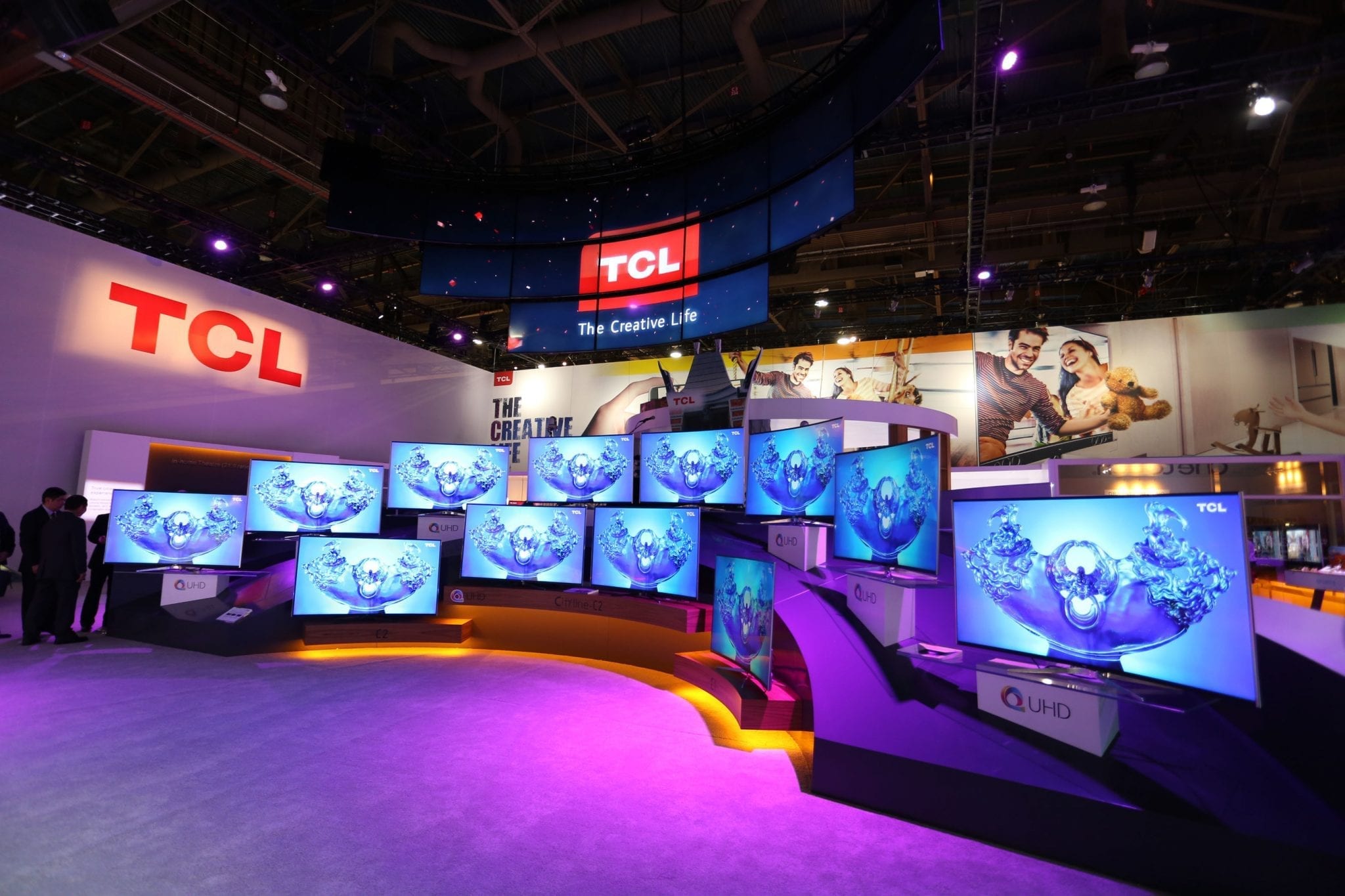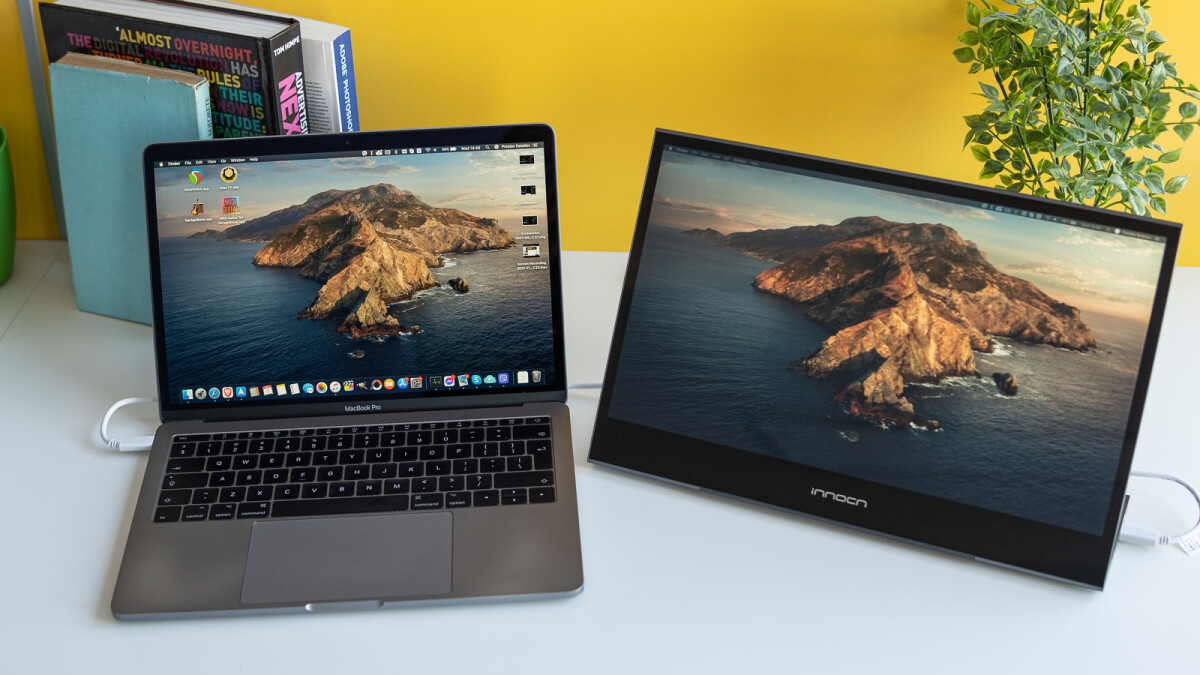
Global Technologies gathered display and hardware manufacturers in Shenzhen to pitch component-cutting driver designs, securing an initial purchase order process for standard desktop monitors with one regional hardware maker.
The gathering, announced on Nov. 9, drew representatives from TCL CSOT, Innolux, ZTE, WG Tech and NationStar as panel makers and consumer electronics brands search for cheaper bills of materials for television backlights and computer screens.
Cutting Silicon Count with Time-Sharing Drivers
The core proposition presented at the gathering relies on time-sharing operation, known as TSO, which operates multiple light-emitting diodes from a single driver channel by staggering power cycles. Splitting the operating time across diodes eliminates discrete integrated circuits from the printed circuit board. That drops the raw component count, simplifies the copper routing on the substrate, and lowers manufacturing costs on high-density LED arrays.
Rather than selling bare silicon, the supplier is pitching combined packages that bundle the driver integrated circuits with optical layers and module assemblies. One standard desktop monitor from an unnamed client has already adopted the platform, with formal purchase orders now in progress. Commercial discussions with that customer have expanded to apply the same architecture to automotive instrument clusters and high-refresh gaming displays.
Pushing Architecture into Glass Backlights and Glass Displays
For large televisions, the company is attempting to apply TSO controllers to glass backlight units. Glass backlights offer better rigidity and thermal management than traditional plastic substrates in slim television chassis, but driving hundreds of separate local dimming zones typically requires dense arrays of driver chips. Reducing the silicon footprint directly addresses the assembly yields that have kept glass-substrate backlights expensive for consumer brands.
Talks in Shenzhen also covered packaging red-green-blue LED driver circuits directly into components produced by Chinese packagers. Joint production work discussed during the sessions includes transparent commercial screens and panoramic automotive dashboard units, where thermal dissipation and physical board space dictate hardware limits.
Pressure on Component Margins Across the Supply Chain
Display brands face intense margin compression in retail channels, where liquid crystal display panel prices oscillate and consumer appetite for premium sets remains uneven. For panel builders like TCL CSOT and Innolux, taking cost out of the backlight assembly provides breathing room without cutting panel resolution or local dimming zone counts. Retailers stocking big-screen televisions benefit when lower bill-of-materials costs translate to durable promotional pricing on shelves.
Suppliers attempting to penetrate this tier face steep integration hurdles. Chinese device makers routinely test alternative driver architectures to squeeze existing suppliers, but converting laboratory demonstrations into factory-floor volume production requires high component reliability over extended operating hours. If time-sharing driver chips exhibit flicker, uneven diode degradation, or heat buildup under sustained loads, consumer brands will avoid them regardless of unit savings.
Consolidation and Factory Networks in Southern China
The push into Shenzhen follows aggressive consolidation across the Chinese display supply base. TCL Technology recently tightened its operational alignment with key customers when Samsung Display transferred its 10.16 per cent stake in panel manufacturing unit TCL CSOT directly to parent company Samsung Electronics. That transaction left TCL Technology holding 82.82 per cent of the panel venture while locking in supply commitments with the Korean consumer electronics manufacturer, which relies heavily on external panel fabrication.
Global Technologies is now examining a local manufacturing and sales footprint inside China to service these supply networks directly. The company is negotiating supply terms for transparent display hardware with local buyers while screening domestic foundry partners and evaluating master distribution agreements to handle regional order fulfillment.
“We discussed customer-specific development projects and cooperation in manufacturing and sales,” said Global Technologies CEO Kim Min-seon. “We will turn these into concrete business opportunities through technology validation and manufacturing and sales partnerships.”
Execution now rests on whether the monitor purchase order transitions into sustained mass shipment schedules and yields formal foundry contracts in mainland China.