Retail News CRM

Tag: Technology

  • Dreame Technology Unveils First Flagship Store in Hong Kong: A New Era for Smart Home Appliances

    Dreame Technology Unveils First Flagship Store in Hong Kong: A New Era for Smart Home Appliances

    Dreame Technology, a leading name in smart home appliances, has further solidified its foray into the brick-and-mortar retail sector by opening its inaugural flagship store in Hong Kong.

    Premier Location

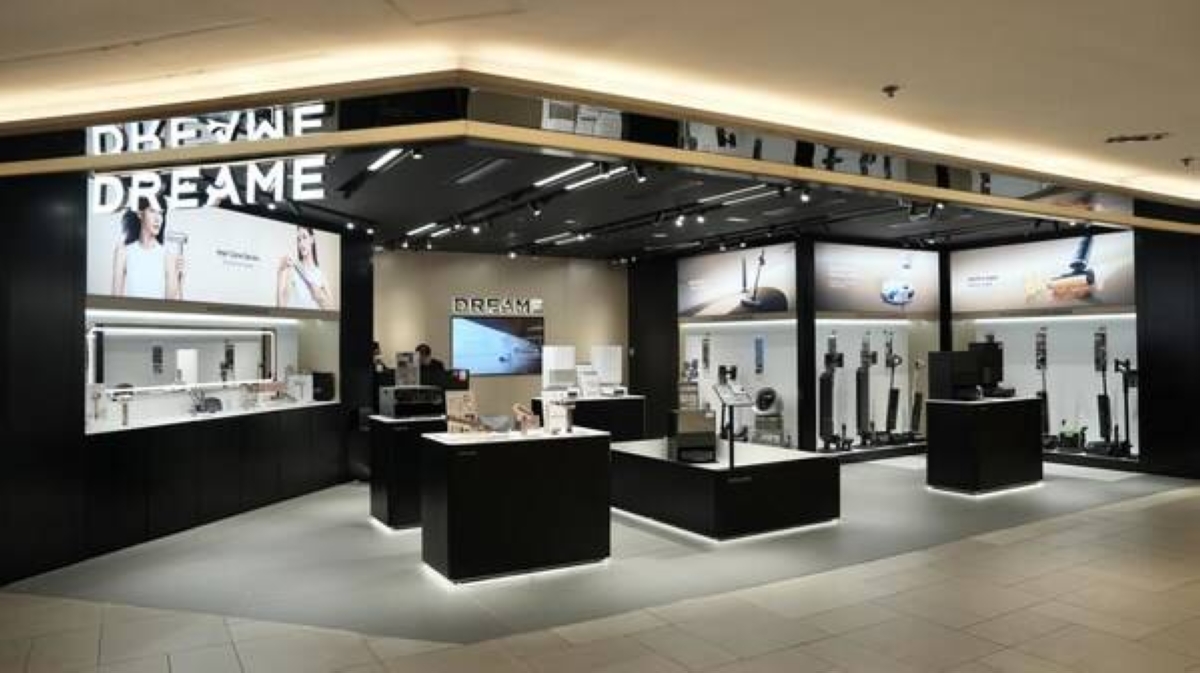
    Nestled within Mira Place in the bustling district of Tsim Sha Tsui, the store proudly displays the full array of Dreame’s product portfolio. This includes a wide range of smart home appliances, such as robotic vacuum cleaners, wet-and-dry floor cleaners, cordless vacuum sticks, hair care equipment, and air purifiers.

    Experience-Centric Space

    The flagship store has been thoughtfully curated as an experiential hub, where consumers have the opportunity to physically interact with the products and test them out before making a purchase. While the store prominently features floor-care solutions, it also introduces a variety of personal care and air treatment products to the Hong Kong market for the first time. These include high-speed hair dryers and an innovative all-in-one air purifier.

    Commitment to Premium Retail Experiences

    Before establishing its physical presence, Dreame initially made its way into the Hong Kong market via online platforms and collaborations with third-party retailers. The launch of this flagship store is a clear indication of Dreame’s ongoing commitment to providing premium retail experiences to consumers. It also underscores the company’s dedication to direct consumer engagement and its strategic plans for long-term growth in major urban markets.

    Questions & Answers

    What is the location of Dreame Technology’s new flagship store?
    The new flagship store is located in Mira Place in the Tsim Sha Tsui district of Hong Kong.

    What types of products does the store feature?
    The store showcases a wide range of Dreame’s smart home appliances, including robotic vacuum cleaners, wet-and-dry floor cleaners, cordless vacuum sticks, hair care equipment, and air purifiers. It also introduces several personal care and air treatment products to the Hong Kong market.

    What does the launch of the flagship store signify for Dreame Technology?
    The opening of the flagship store shows Dreame’s commitment to providing premium retail experiences, engaging directly with consumers, and planning for long-term growth in urban markets.

  • Dreame Technology Marks Hong Kong Debut with Groundbreaking Flagship Store: A New Era for Smart Home Appliances

    Dreame Technology Marks Hong Kong Debut with Groundbreaking Flagship Store: A New Era for Smart Home Appliances

    Dreame Technology, the renowned smart home appliance brand, has recently unveiled its premiere flagship store in Hong Kong, thereby amplifying its foothold in the physical retail sector.

    The flagship store is strategically situated at Mira Place in Tsim Sha Tsui, where it proudly displays the full range of Dreame’s offerings. This includes a diverse mix of products such as robot vacuum cleaners, wet-and-dry floor cleaners, cord-free stick vacuums, hair care gadgets, and air purification equipment.

    An Experience-Centric Retail Space

    Designed with a focus on customer experience, Dreame’s flagship store encourages customers to physically try out their products. This hands-on approach not only offers customers an interactive product experience but also provides them with a comprehensive understanding of the product’s functionality.

    Apart from its extensive range of floor-care solutions, the store also introduces a plethora of personal care and air treatment products to the Hong Kong market. These new introductions include high-speed hair dryers and an all-in-one air purifier.

    The Inception of Dreame’s Physical Retail Journey

    Dreame initially made its foray into the Hong Kong market through various online platforms and third-party retailers. However, the launch of the flagship store signifies a firm commitment from Dreame towards delivering premium retail experiences. It also highlights their quest for direct consumer engagement and their pursuit of long-term growth in significant urban markets.

    Questions & Answers

    What is the significance of Dreame’s flagship store in Hong Kong?
    The flagship store signifies Dreame’s commitment towards delivering premium retail experiences and direct consumer engagement. It also highlights their focus on long-term growth in urban markets.

    What products does the Dreame flagship store offer?
    The flagship store offers a diverse range of products including robot vacuum cleaners, wet-and-dry floor cleaners, cord-free stick vacuums, hair care gadgets, and air purification equipment.

    How does Dreame’s flagship store enhance the customer’s shopping experience?
    The flagship store is designed as an experiential space, allowing customers to physically try out products. This hands-on approach provides customers with an interactive product experience and a comprehensive understanding of the product’s functionality.

  • Singapore FinTech Festival 2025: Blueprint for Next Decade’s Financial Technology Revolution Begins This Week

    Singapore FinTech Festival 2025: Blueprint for Next Decade’s Financial Technology Revolution Begins This Week

    The Singapore FinTech Festival (SFF) 2025, the country’s premier annual financial technology event, is set to begin this week. The highly anticipated conference will feature over 800 speakers covering a myriad of topics within the industry.

    Looking Ahead to a Decade of Innovative Finance

    This year’s theme, “Technology Blueprint for the Next Decade of Finance,” aptly underscores the forward-looking spirit of the event. Scheduled for November 12 to 14, the festival marks its 10th year of being a central hub for fintech thought leadership and innovation. The event is a collaborative effort between the Monetary Authority of Singapore (MAS), the Global Finance & Technology Network (GFTN), Constellar, and the Association of Banks in Singapore (ABS).

    Across more than 400 sessions, over 800 speakers will discuss topics such as artificial intelligence, tokenization, settlement assets, quantum technology, and financial inclusion. In addition to these speakers, the event will host over 500 sponsors and exhibitors, creating a truly global platform with over 40 international pavilions spread across six exhibition halls.

    Insights Forum and Beyond

    Before the main conference, the Insight Forum will take place from November 10 to 11. This pre-event will include Public-Private Roundtables, the second annual Layer 1 Summit, and Thematic Spotlights.

    Kenneth Gay, Chief FinTech Officer at MAS, reflected on the significance of this milestone. He noted that SFF 2025 presents a pivotal moment in the financial technology industry, setting the stage for the next decade of fintech growth and transformation.

    Similarly, Sopnendu Mohanty, Group CEO of GFTN, highlighted the importance of responsible AI utilization, safe scaling in tokenization, and the readiness for a quantum future. According to Mohanty, these areas will be critical in shaping resilient and innovative financial infrastructures.

    Chua Wee Phong, Group CEO of Constellar, shared that apart from the exhibition, the festival will also offer immersive experiences, such as a new interactive digital engagement initiative powered by Ant International’s Antom. This, along with elements like the SFF Gallery, live-streamed sessions, and after-party celebrations, will contribute to a unique festival atmosphere centered on discovery, networking, and innovation.

    Questions & Answers

    What is the theme of the Singapore FinTech Festival (SFF) 2025?
    The theme for SFF 2025 is “Technology Blueprint for the Next Decade of Finance.”

    What topics will the speakers at SFF 2025 cover?
    The speakers will cover a range of topics, including artificial intelligence, tokenization, settlement assets, quantum technology, and financial inclusion.

    What are some highlights beyond the exhibition at SFF 2025?
    Beyond the exhibition, the festival will feature immersive experiences like a new interactive digital engagement initiative, the SFF Gallery, live-streamed sessions, and after-party celebrations.

  • Grab, Vinasun to negotiate $1.8 million compensation dispute

    Grab, Vinasun to negotiate $1.8 million compensation dispute

    Top taxi firm Vinasun and ride hailing firm Grab have told the court that they’ll negotiate a compensation dispute. The People’s Court of Ho Chi Minh City on Friday approved the litigants’ wish to ‘sit together,’ and temporarily suspended the trial. The suspension of trial is for no longer than a month, and the reopening date will be announced later, the court said.

    “The lawsuit has dragged on for over a year, but the claimant was not able to prove the damage, as well as the causal relationship with Grab’s influence. The defendant is also very worn out wasting time defending a wrong it did not commit,” said Luu Tien Dung, Grab’s lawyer.

    “This is one of the reasons why both sides have decided to negotiate,” he added.

    Vinasun filed the suit against Grab in June last year, accusing the Malaysia-based firm of abusing the Ministry of Transport’s pilot scheme and committing violations.

    It said Grab’s illegal activities were responsible for nearly VND42 billion (nearly $1.8 million) of the VND76 billion ($3.25 million) in losses that it suffered in 2016 and the first half of 2017.

    The trial began last February, but was adjourned a month later to allow for more evidence to be gathered. Grab protested the valuation of Vinasun’s losses.

    Last October, prosecutors asked the court to accept Vinasun’s petition for compensation of nearly VND42 billion (nearly $1.8 million) in one payment, dismissing Grab’s claim that it was a tech firm and not a taxi company.

    Grab responded by sending a letter to Prime Minister Nguyen Xuan Phuc, saying that identifying Grab as a taxi firm would be “a step backwards from Industry 4.0.”

    Under the latest draft of a decree prepared by the Transport Ministry, transport firms offering services with under 9-seater cars should be registered as taxi firms before they can apply ride-hailing technologies.

    This means that Grab and other ride-hailing firms would have to register their services again as taxi businesses and comply with corresponding legal responsibilities regarding their operating licenses, drivers’ profiles and tax duties.

  • Vietnam Police Uncover $39 Million Money Laundering Scheme Utilizing AI Facial Recognition Technology

    Vietnam Police Uncover $39 Million Money Laundering Scheme Utilizing AI Facial Recognition Technology

    The recent police operation has shed light on a sophisticated money laundering scheme involving advanced technology, with authorities apprehending a 14-member gang in Hanoi and neighboring Ninh Binh Province. Allegedly, this group laundered a staggering VND1 trillion (approximately US$39 million), ingeniously using artificial intelligence to circumvent biometric security systems at banks.

    Illegal Gambling Under Investigation

    In a statement released on Thursday, Ninh Binh police announced that 13 individuals, spearheaded by 46-year-old Pham Hong Chuyen from Hanoi, are currently under investigation for orchestrating illegal gambling activities. Among them, seven are facing formal inquiries for their involvement in money laundering—a twist that introduces a layer of high-tech intrigue to traditional criminal practices.

    What sets this case apart is its novelty; it marks the first documented instance in Vietnam where AI-generated face scans were employed for illicit money laundering purposes.

    A Game of Deception

    Chuyen revealed to investigators that he had been recruited by an individual from Taiwan to help launder the funds amassed through a gambling website that has been operational for years. This platform, targeting Vietnamese players, astonishingly registered over one million accounts within just the first four months of this year, amassing VND1 trillion in gambling stakes.

    To clean this substantial cash flow, Chuyen had local individuals open bank accounts in their names. These unwitting participants were required to submit a 30-second video of their faces—a digital snippet that Chuyen then manipulated to create fraudulent AI-generated face scans. In Vietnam, to transfer VND10 million or more, individuals must scan their faces, a requirement that Chuyen cleverly leveraged to operate multiple accounts without the account holders’ awareness.

    In a swift response, police have frozen around 1,000 bank accounts believed to be linked to this web of deception. Chuyen’s syndicate is estimated to have laundered over VND1 trillion from September of last year to April this year.

    Now, one can’t help but wonder: as technology continues to evolve, so too will the creative tactics of those looking to exploit it. Will banks need to up their security game to stay ahead?

    Questions & Answers

    **Why did the gang use AI for money laundering?**
    They utilized AI to generate fake face scans to bypass biometric security measures, allowing them to operate multiple bank accounts without the knowledge of account holders.

    How much money was allegedly laundered by the gang?
    The group is believed to have laundered over VND1 trillion, which equates to approximately US$39 million.

    What are the consequences for those involved?
    Thirteen individuals are under investigation, with several facing serious charges related to illegal gambling and money laundering, potentially resulting in severe legal repercussions.

  • Sygnum Capitalizes on Blockchain Growth in Lugano’s Retail Landscape

    Sygnum Capitalizes on Blockchain Growth in Lugano’s Retail Landscape

    Swiss digital asset banking group Sygnum has launched its latest office in Lugano, aiming to strengthen collaborations within the burgeoning Bitcoin and digital asset ecosystem of Ticino. This move coincides with the city’s ambitious Plan ₿ initiative, which promotes broad blockchain adoption.

    Driving Digital Innovation in Ticino

    With the opening of its Lugano office, Sygnum takes another significant step in its growth journey. “Lugano is emerging as a crucial innovation hub, bolstered by robust support for digital assets, institutional adoption, and increasingly clear regulatory frameworks,” explained Mathias Imbach, Sygnum’s co-founder and Group CEO, during the launch event.

    A Progressive Stance on Digital Assets

    In recent years, Lugano has established itself as a leader in digital asset acceptance. Residents now have the convenience of settling municipal taxes in Bitcoin and can use various digital currencies for purchases at numerous local businesses, reflecting a growing consumer trend towards cryptocurrency.

    The Ambitions of Plan ₿

    Plan ₿ is not just about fostering a crypto-friendly environment; it seeks to revolutionize the city’s financial infrastructure using Bitcoin technology. The initiative encompasses groundbreaking projects, including Bitcoin investment pools, sustainable mining efforts, specialized education programs, and notable events like the Plan ₿ Forum.

    “It’s inspiring to witness institutions like Sygnum leverage the opportunities Lugano presents in the fields of digital and financial transformation. Innovation is relentless, and the financial sector is no exception,” added Michele Foletti, Mayor of Lugano and President of the Plan ₿ Foundation.

    Implications for the Retail Sector

    Sygnum’s expansion in Lugano highlights the intersection of finance and retail as consumer demand for digital asset options continues to rise. This move could reshape how companies engage with customers and accept payments, paving the way for more widespread adoption of cryptocurrency in everyday transactions. As brands expand their presence in the digital finance space, the retail landscape is poised for significant transformation.

  • OpenAI Enhances ChatGPT for Smarter Retail Searches and Product Picks

    OpenAI Enhances ChatGPT for Smarter Retail Searches and Product Picks

    OpenAI Launches Personalized Product Recommendations with GPT-4o Model

    In an exciting development for both consumers and retailers, OpenAI has unveiled its latest update to ChatGPT, introducing personalized product recommendations. This new feature, available in the GPT-4o model, will enhance the online shopping experience with tailored recommendations, complete with images, reviews, and direct purchase links.

    Global Rollout of Enhanced Features

    OpenAI confirmed that this update will be accessible to all users worldwide, including Free, Plus, and Pro accounts, as well as those not logged in. The rollout signifies a significant step in making AI assistant tools more user-friendly and commercially viable, aligning closely with evolving consumer trends in retail.

    Tailored Shopping Experience

    Users can now expect personalized shopping suggestions across a variety of categories such as fashion, beauty, electronics, and home goods. The recommendations are generated based on users’ queries, ensuring that the suggestions are relevant and appealing. This feature is designed to enhance consumer engagement and streamline the decision-making process when shopping online.

    Commitment to Transparency and User Experience

    Notably, OpenAI has emphasized that the recommendations will be free from advertisements, and the company will not earn commissions from any purchases. This commitment to transparency ensures that users can make informed decisions based on unbiased data, including structured information about prices, descriptions, and reviews sourced from trusted third parties.

    Significant Growth in User Adoption

    Since the introduction of its web browsing feature last year, OpenAI has witnessed remarkable growth in user engagement, reporting over 1 billion web searches conducted in the past week alone. This surge underscores the increasing reliance on AI tools in navigating retail options and informs a dynamic landscape for online shopping.

    Implications for Retail and Consumer Behavior

    OpenAI’s move to integrate personalized recommendations could redefine the retail sector by enhancing the customer journey and fostering brand loyalty. As consumers increasingly seek personalized experiences, this capability positions OpenAI—and its partners—to meet rising expectations while potentially reshaping the future of e-commerce.

  • Dufour Aerospace achieves drone milestone

    Dufour Aerospace achieves drone milestone

    Dufour Aerospace, the pioneering Swiss drone manufacturer, announced a major milestone: the completion of its first flight test campaign with a hybrid-electric system designed in-house for its Aero2 drone. The Aero2 flew several test flights in Zurich, with the hybrid system self-charging its batteries in flight.

    The news is significant as it completes Dufour’s vision of a hybrid-electric powertrain, with an innovative tilt-wing design, and autonomous flight. This is believed to be the first-ever successful flight of a large-scale serial hybrid-electric aircraft, transitioning from vertical takeoff to forward flight.

    “Dufour Aerospace achieved a major milestone with these flights,” said Sascha Hardegger, CEO of Dufour Aerospace. “All of Dufour’s in-house developments — the Flight Control System and Control Software, Power Management System, and the integrated Powertrain — must work together seamlessly to achieve this.”

    “The beauty of the Aero2 is mission-efficiency and a simpler system for charging aircraft. Our customers do not need to plug in the Aero2 for hours to run their next mission. Recharging is accomplished in the air, not on the ground, enabling back-to-back missions. It can land, exchange the payload, and restart the next mission immediately.”

    In takeoff, the Aero2 is fully powered by high-performance batteries. Upon transition to forward flight, the Aero2 hybrid-electric system is engaged to produce electricity on board, which powers the electric motors and recharges the batteries. At present, the hybrid system uses conventional gasoline but is being readied for heavier fuels such as sustainable aviation fuel and kerosene. In all cases, its carbon footprint and operating costs are dramatically lower than helicopters or the conventionally fuelled helicopter style drones of today.

    “Dufour has proven the critical systems on the aircraft. It demonstrates that our aircraft will be mission-ready for all of the use cases we envision,” Hardegger said. “Initially, we are focusing on the delivery of critical cargo such as medical goods or urgently needed spare parts, where we are seeing a lot of operators and end-users waiting for efficient transport solutions. Additionally, we are closely looking into supporting various remote-sensing applications.”

  • Motorola launches new “moto tag” tracking tag for Android

    Motorola launches new “moto tag” tracking tag for Android

    Motorola has officially announced the launch of its new Bluetooth tracking tag called “moto tag” that will help users keep track of their valuable items. The tag leverages the power of the Google Find My Device network and UWB technology to pinpoint the exact location of tagged items from almost anywhere in the world.

    The moto tag is designed to work seamlessly with most Android smartphones and integrates with Motorola’s device ecosystem. It can be attached to keys, wallets, luggage, or any other valuable item, giving users peace of mind knowing they can easily locate their belongings if they are lost or misplaced.

    One of the key features of the moto tag is its enhanced privacy and security. It works with Google’s Find My Device network, which is secure by default and private by design. User location data is end-to-end encrypted, ensuring that only the tag owner or someone they have shared the tag with can view its location. The moto tag is also compatible with automatic unknown tracker alerts across Android and iOS, helping protect users from unwanted tracking.

    The moto tag also features a dedicated multifunctional button that can ring a misplaced smartphone, capture photos on a Motorola phone, or perform other customizable actions. Below are some of its most notable features and specs:

    • Leverages Google Find My Device network and UWB technology
    • Compatible with most Android smartphones
    • Enhanced privacy and security with end-to-end encryption
    • Dedicated multifunctional button for various actions
    • Sleek design compatible with third-party accessories
    • IP67 water and dust resistance
    • CR2032 battery with one-year lifespan
    Motorola has partnered with Google to ensure a seamless user experience. Due to this, setting up the moto tag is easy with Google Fast Pair, and users can customize various options within the moto tag app. Erik Kay, Vice President of Engineering at Google, expressed pride in working with partners like Motorola to make finding belongings simple and seamless on Android.
    Erin Kay, Vice President of Engineering at Google
    Motorola has not yet announced specific pricing or release dates for the moto tag. However, it’s been reported that the Bluetooth tag will go on sale on August 2nd for $29 or for $99 if you desire a four-pack. It’s looking like Chipolo and Pebblebee will be getting some competition.
  • EU set to approve Apple’s plan to open its NFC technology for rivals

    EU set to approve Apple’s plan to open its NFC technology for rivals

    Apple is gradually opening its ecosystem to competitors in the European Union. Just last week, the first third-party app store became officially available. Now, it appears that it’s time for Apple to open up its mobile wallet.

    The EU Commission is poised to greenlight Apple’s previously announced policy changes regarding access to the NFC chip on the iPhone. This move aims to foster competition in the contactless payments market. The commission’s decision is expected to be officially announced in the coming weeks.
    These changes mean that third-party apps can be the default wallet app that pops up when users double-click the side button and hold their phone near a payment terminal. Apple’s tap-and-go technology, called near-field communication (NFC), lets you make contactless payments with mobile wallets.

    Until now, Apple has tightly controlled access to the NFC contactless chip on the iPhone, citing concerns about user experience, privacy, and security. This has made Apple Pay the dominant contactless payment option on the iPhone, with virtually no competition.

    Two years ago, the European Commission accused Apple of stifling competition for its Apple Pay mobile wallet by blocking rival mobile wallet app developers from accessing its tap-and-go technology.

    Apple’s attempt to settle the investigation by altering its policies would enable it to avoid a finding of wrongdoing and fend off a potential significant fine, which could amount to as much as 10% of its global annual turnover.

    And the Cupertino tech giant likely wants to avoid further fines, especially considering that just last month, the company received a hefty €1.84 billion (around $2 billion directly converted) fine, its first EU antitrust penalty. This fine was imposed for hindering competition from Spotify and other music streaming rivals through restrictions on its App Store.

    That being said, the inclusion of alternative contactless payment apps won’t be a completely unrestricted free-for-all. App developers will need to request entitlement from Apple to gain these privileges. They’ll also need to adhere to various industry standards and possess the necessary licenses to handle consumer payments to qualify.

  • Cutting-Edge Marketing Innovations for Modern Retailers

    Cutting-Edge Marketing Innovations for Modern Retailers

    Are traditional retail marketing tactics no longer delivering you results? In an ecommerce shopping environment where consumers dictate how, when and where they buy, outdated promotional activities simply won’t cut it. Brands need to go deeper, connecting personally with buyers and leveraging modern tools and best-of-breed solution partners who can help turn shoppers into buyers.

    The Art of Holding On

    What mantra should brands champion as they step into 2024? Hold onto your customers! But it’s more than just keeping them; it’s about turning them into brand champions. Did you know boosting customer retention by just 5% can spike profits by 25%. The reason? Happy customers buy more.

    Customer retention marketing platforms like Yotpo dive deep into shopper data, providing hyper-personalised experiences. As Rad Mitic from Yotpo explains, loyalty is now about genuine connections, not just points or discounts: “Loyalty isn’t a points game anymore. It has evolved from transactional to emotional. Customers are seeking more than discounts—they crave community, exclusive experiences, and a sense of belonging with the brand. It’s about value beyond price tags,” said Mitic.

    Platforms like Yotpo not only help brands recover otherwise lost sales but also engage new audiences, enriching the brand-customer relationship through personalised, data-driven interactions, all powered by automation. This approach is key in ecommerce, where customers are inundated with choice. Products and services are not just competing on price or quality, but on the depth of their relationships with customers.

    Turning Wishful Thinking into Active Sales

    Spotting what customers want is one thing; influencing them to buy is another. Wishlist marketing is the secret weapon. Shane Lenton of The Wishlist says wishlist marketing gives brands a peek into consumers’ minds. They’re not just sales tactics but tools that make shopping smoother and more insightful for the customer. They redefine online shopping, prioritising trust, and convenience.

    “Wishlist marketing isn’t just another sales incentive program,” Lenton explains, “It’s a convenience for the consumer, a tool to remove friction, ensuring they never miss out on a desired product. Driving loyalty doesn’t always mean pulling traditional levers; it’s about understanding and serving genuine needs.”

    By analysing customers’ wishlists, brands can optimise strategies, engage customers with timely and tailored offers, and make informed decisions about product trends, bundling, and stock notifications. This not only enhances customer engagement but also leads to increased traffic, sales, and organic growth. Turning wishful thinking into active sales and forging lasting loyalty through personalised, relevant interactions – should be a priority for brands today, as should adopting a wishlist marketing approach.

    Harnessing Authentic Voices

    Building a customer base in the digital age relies on trust and authenticity. Enter influencer marketing: genuine stories that make brands feel more human. They weave products into life experiences, making a promotional message feel less like a pitch and more like advice from a friend. The trick? Brands often struggle to find the right influencer fit. With tight budgets, influencer platforms become the bridge, linking brands with authentic voices, ensuring solid ROI.

    As Bianca Robinson from Pattern puts it, modern platforms like Current, which has over 100,000 unique creators endorsing brands across social media platforms, track influencer impact clearly and efficiently, cutting down the traditional hassle: “Influencer marketing platforms like Current alleviate the operational headaches of influencer programs—like contract intricacies, content approvals, and product seeding—by automating these processes and allowing brands to focus on what they do best, producing and delivering exceptional goods and customer experiences that shoppers crave,” said Robinson.

    By combining technological solutions with agency services, influencer platforms help brands dramatically amplify the effectiveness of their marketing campaigns, ensuring their promotional dollars are getting a return at a time where the value of each marketing investment is magnified.

    Evolve to Personalised, Data-driven Strategies

    To succeed in ecommerce brands need to ditch outdated promotional activities and embrace the new—personalised, data-driven strategies. It’s not just about ads or discounts. Brands must harness influencers, dive deep into shopper data, and get smart with the platforms they use, and solutions partners they work with, to form genuine, profitable bonds with customers.For information on how your brand can leverage new technologies and approaches to connect with shoppers, visit: https://au.pattern.com/

    Written by Merline McGregor, General Manager, Pattern Australia


  • Can technology make us more productive in the workplace?

    Can technology make us more productive in the workplace?

    Increasing workplace productivity is a typical objective shared by many business owners. We want everyone on our team to get as much done as possible while maintaining a pleasant work atmosphere since this helps us to grow our businesses.

    Despite having the same aim, company owners approach productivity improvement uniquely. Some may strive to conduct team-building activities, while others may simplify specific procedures. If you want to increase workplace productivity, you may do it by using modern technologies. Here are a few ways technology might assist in boosting efficiency in your office.

    How does technology help make us more productive?

    Many businesses integrate new technology into the workplace to boost staff productivity by decreasing mistakes, shortening timeframes, and lowering worker stress. Cloud computing has already influenced enterprises’ capacity to operate from anywhere, including mobile devices.

    Artificial intelligence (AI) will significantly affect sectors and enterprises during the next decade.

    Of course, introducing new technology into the workplace can be overwhelming at first. It’s also important to remember there is little point in introducing new software without a rigorous onboarding process. For example, employees might already be familiar with a free VPN for PCs in the office, and it’s easy to implement.

    Let’s look at different types of technology and how they help improve productivity in the workplace.

    Communication software

    An excellent place to begin is using communication software. Even if your staff members work in the same office, having technologies to assist them interact can help them operate more efficiently. This is especially true if you still converse by email. Providing your staff with chat software is an excellent choice.

    They can swiftly send messages, share files, and do other things using software like Microsoft Teams. This facilitates talks through email and provides a central location for your staff to address significant issues.

    Cybersecurity technology

    VPNs assist in improving online privacy and security by protecting your IP address, location, passwords, and data from possible hackers. A VPN can even enhance your business’s next digital marketing campaign.

    Your company may be transmitting data between web programs like Dropbox or within Office 365, and a VPN establishes an extra layer of protection and security between the source and destination of the data.

    Another valuable piece of cybersecurity technology is the firewall. It’s a virtual framework comprising hardware, software, or a combination that can prevent hackers, fraudsters, and other criminals from accessing your data.

    A firewall also stops hackers from entering your system in the first place, as opposed to a virus protection tool, which prevents them from installing a virus once they’ve entered. When activated, a firewall inspects the millions of data that move in and out of your company’s network. It prevents it from entering if it detects something unlawful, malicious, or harmful.

    Project management software

    If your company works on massive projects, having software that can coordinate all relevant duties is important. You may use project management software to define goals, allocate tasks to specific individuals, measure progress, and exchange files.

    Attempting to do this without specialist software may result in errors, miscommunications, and delays. Even if you already use project management software, looking into alternative possibilities is good since you could find something better suited to your needs.

    Automation tools

    Automation tools can help your staff save time. You can automate them if they have basic and repetitive duties that they must complete daily. You may automate email answers, meeting scheduling, communications to prospective clients, data input, and other tasks.

    A simple automation software solution may sometimes save your staff a significant amount of time throughout their day. They can then use this time to concentrate on more vital duties. They can now do more in less time, resulting in increased production.

    Enhanced internet hardware

    A dependable internet connection is an essential component of a productive office. If your staff needs to wait for items to load or transfer files, it will only slow down their workday. Moreover, frequent internet disconnects cause dissatisfaction and might slow down your staff. This is why having the proper gear for your internet connection is critical.

    Some smaller offices, for example, may require a single router to which everyone may connect. Larger workplaces may need hubs or wifi extenders to reach everyone successfully. Similarly, other businesses may need to rely on technology such as SD-WAN networks to provide the entire office with safe and reliable internet access. If your employees need help with their internet connections, one of the most important things you can do is look into ways to enhance them.

    Recreational and atmosphere

    Finally, technology may assist you in creating a more joyful workplace. It makes no difference what productivity techniques you apply if your staff are unhappy at work. Installing wireless speakers across the office and playing background music is a simple option that can significantly boost productivity.

    You could even arrange a virtual quiz event or start a fantasy sports league for your team. These are accessible technological applications that will make your employees’ days more enjoyable, increasing their productivity.

    Conclusion

    Technology is a wonderful thing that can help improve our experience in the workplace, just like it does when we are off the clock. Implementing new technology in the office will boost productivity through automation and project management while providing security for your business.



  • NEC Buys Aspire Technology

    NEC Buys Aspire Technology

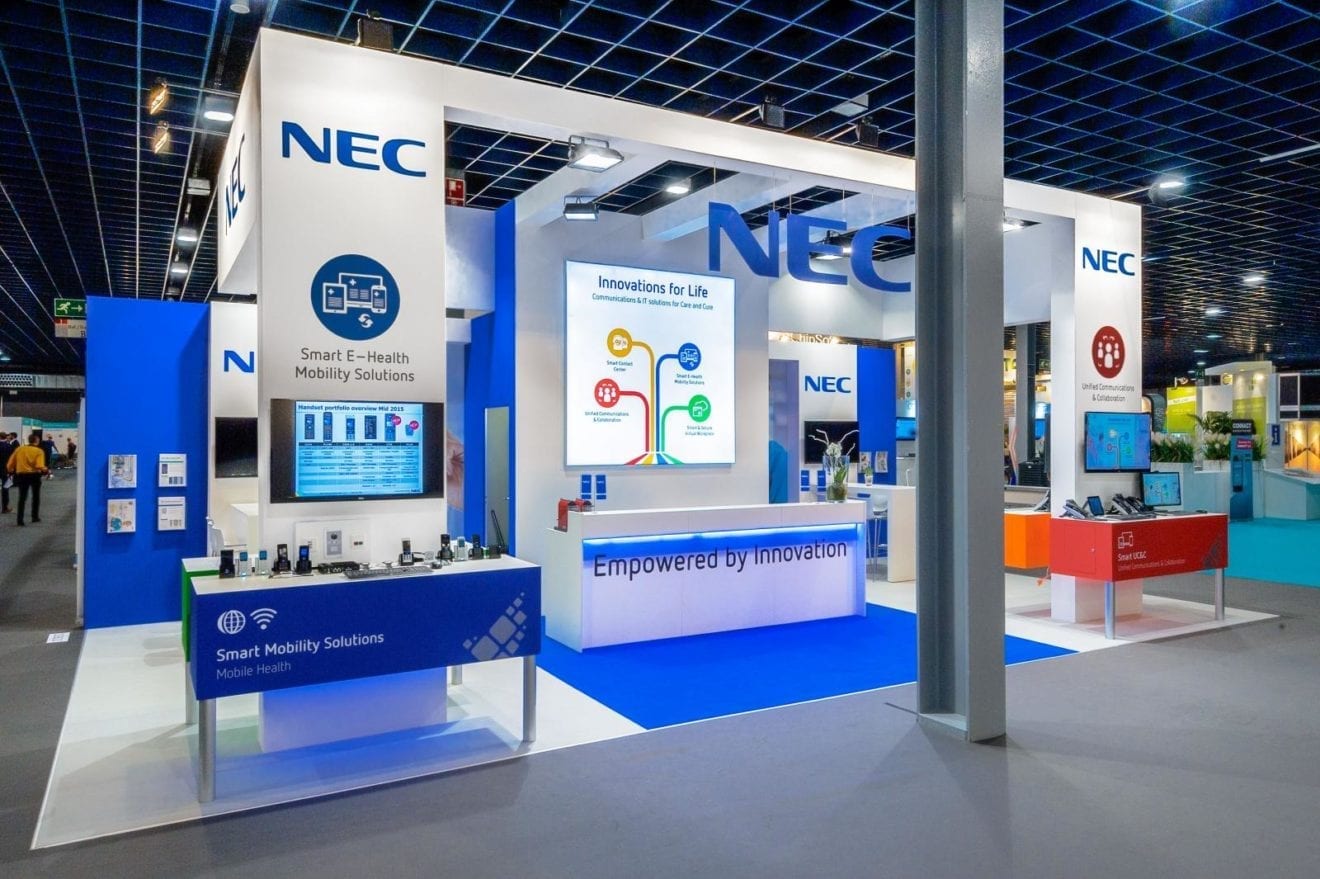
    The acquisition now enables NEC to expand its capacity to bring end-to-end Open RAN ecosystems, as well as system design and integration for legacy networks, to international operators.
    In a statement, NEC’s 5G Strategy and Business General Manager, Naohisa Matsuda said, “NEC has made a strong, public commitment to providing leadership in the rollout of Open RAN. Part of that commitment is building out our ability to serve as the prime system integrator for global operators as they adopt Open Networks at their own pace. The SI business is all about people and expertise. The strong capabilities and the deep pool of talented engineers at Aspire Technology, combined with their portfolio of technology solutions and applications, is a big step forward for our NEC Open Networks strategy. NEC is now better prepared than any supplier to integrate disaggregated network components into a well-tuned ecosystem.”

    NEC has already established a footprint in the OpenRAN ecosystem, offering hardware, software and systems integration services to major telecom companies across the globe.

    Meanwhile, Aspire Technology’s Founder and CEO  Bill Walsh said that this acquisition will be an advantage to their customers: “We believe the combination of NEC and Aspire Technology will provide tremendous benefits to our customers, both legacy network-based and those evolving to the more Open environment, and also to the broader 5G and Open RAN marketplace, which is growing rapidly. We share a common vision of the 5G and Open RAN market, and a history of delivering complex integration projects with some of the largest carriers in the world. Together, we create a compelling and comprehensive 5G solutions portfolio.”

    This new development also improves NEC’s capabilities by extending its portfolio of technology solutions  as well as its experienced resources and expertise.


  • New Apple patents hint at a better pressure sensor technology

    New Apple patents hint at a better pressure sensor technology

    Force Touch, also called 3D Touch, was a technology that Apple used for some years but then suddenly replaced with Haptic Touch. With 3D Touch, iPhone users had the ability to access more menus by simply applying different pressures to their iPhone display.

    Although it’s a tiny possibility, it appears that Apple might again introduce a newer and improved version of its previous 3D Touch technology. The US Patent & Trademark Office published a few new patents from Apple for various future Apple devices, and all of them are for new force-pressure sensors.

    One of these patents is for force-pressure sensors built into the Apple Watch and small form factor devices such as the AirPods. According to the patent,  Apple’s new pressure-sensitive surface would utilize microelectromechanical fluid pressure sensors. These sensors would be smaller, have better force sensitivity, and be more durable than conventional pressure sensors.

    To get a better idea of how the new pressure sensor technology could be implemented into the Apple Watch, Apple has shown in its patent a picture of an Apple Watch with a pressure-sensitive side instead of a physical button.

    Another Apple patent shows how Apple’s new pressure sensor technology could be utilized in Apple Watch bands, creating so-called smart bands. Thanks to the new technology, these smart bands would be able to detect blood pressure, heart rate, and pulse wave velocity.

    Apple’s patents show that Apple’s new sensor tech could be utilized in the iPhone. The image below, for example, shows how Apple could put multiple small pressure sensor modules in the iPhone instead of a single component.

    Now, it should be noted that companies often patent technologies that they never implement into real consumer products. But if Apple decides to use this new pressure sensor technology, it could mean that we may just receive 3D Touch 2.0 in some future iPhone generation.

  • Google should have won a “Best use of technology” Oscar for this moving ad

    Google should have won a “Best use of technology” Oscar for this moving ad

    Besides Will Smith slapping comedian Chris Rock across the face for making a joke about Jada Pinkett Smith’s shaved head (she suffers from alopecia, an autoimmune disease that can lead to hair loss), another takeaway from last night’s Academy Awards telecast was Apple’s “CODA” becoming the first movie from a streaming service to win Best Picture.

    But Google had its moment too. During the show, it advertised an app called “Look to Speak.” The app, which was released in 2020, helps those with debilitating conditions, such as Lou Gehrig’s Disease, communicate. The app uses a phone’s front-facing selfie camera to track a user’s eyes as they move from left to right selecting words and phrases that the phone reads aloud.

    Google’s 60-second ad, titled “A Look Can Say A Lot,” starts by focusing on the eyes of various people including an infant. “A look can be honest and true,” Google says, adding that “A look can speak for you.”

    The ad then shows the app and how it works. There are two sentences on the display, one on the left and the other on the right. Looking to the left, the phone will say “It’s great to see you.” Looking to the right, the phone will say, “How are you?” Again, the user determines which of the two sentences are read by the phone by moving his eyes to the left or the right.

    The app is shown to a woman named Antoinette Fernandes who has speech and motor impairments due to ALS. The look on her face when she realizes that she can use the app and her eyes to communicate what she wants to say is priceless.

    You can download the app from the Google Play Store on any Android handset running Android 9 or later. For those who feel the need to put down technology or think that smartphones are a waste of time and money, just take another glimpse at the look on Antoinette’s face as she realizes that despite her physical condition, she can communicate with other people.

    Another video that had been released last November titled “Look To Speak” takes us through Antoinette’s story. In 2019 she was diagnosed with ALS. Unable to communicate, she was feeling suicidal according to her daughter who is her caregiver. The daughter used to say letters and when she hit upon the right one, Antoinette would confirm by making noise and this method allowed her to get her thoughts across albeit in a slow, time-consuming way.

    Apple might have won Best Picture, but Google takes the Oscar for best use of technology. If you know someone with ALS or has trouble communicating, tell them about the free “Look to Speak” app.