Tag: temasek holding

  • Temasek set to book record S$300m portfolio

    Temasek set to book record S$300m portfolio

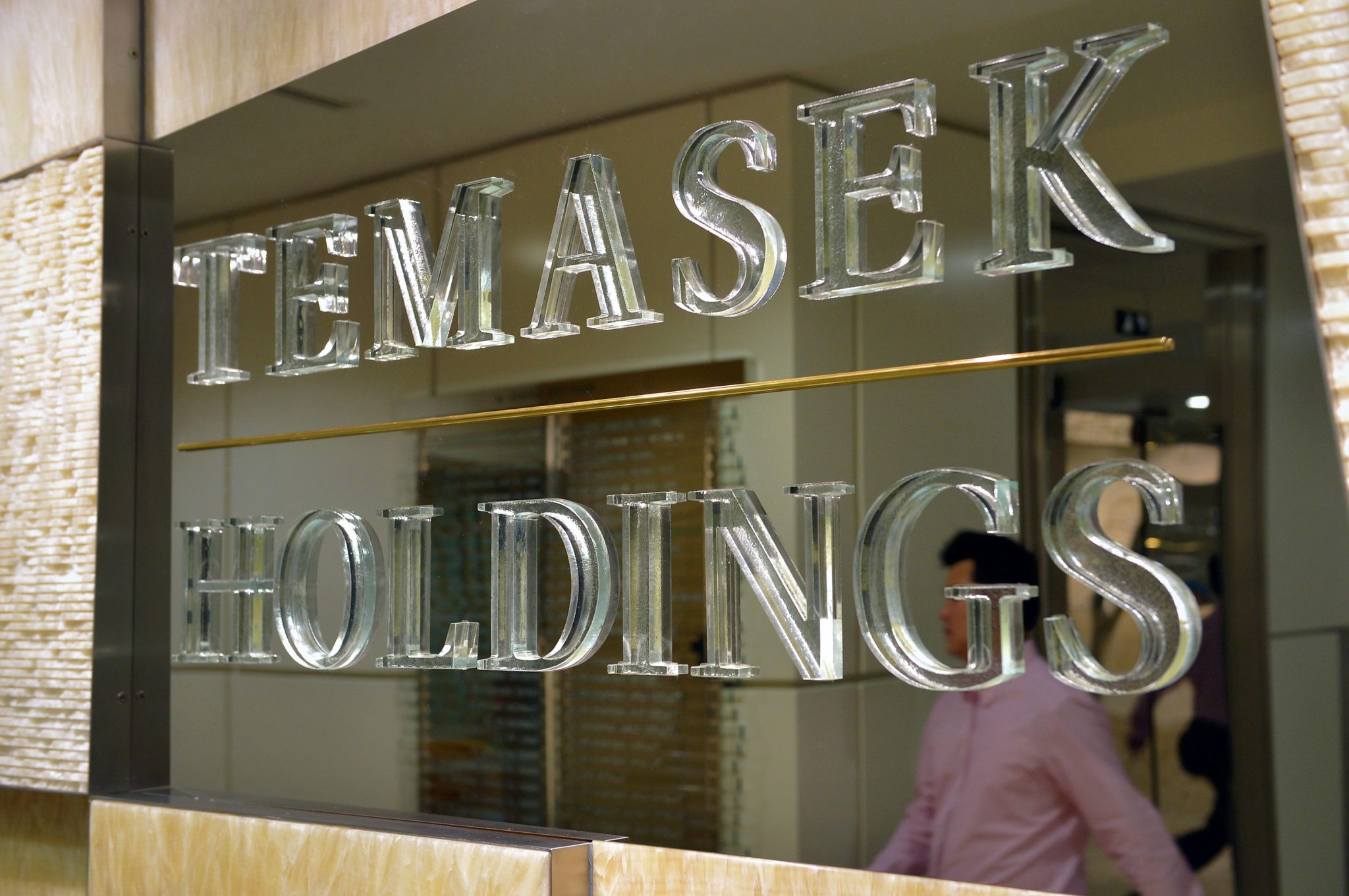
    Singapore state investor Temasek Holdings Pte Ltd is likely to book a record S$300 billion (RM892.3 billion) for the value of its portfolio, powered by gains in DBS Group Ltd and Chinese banks, while it steps up investment in tech startups.

    At the same time, Temasek is swooping in on opportunistic purchases with its stake buy in Swiss-based airline caterer Gategroup Holding AG, weeks after an announced move to buy into Hainan Airlines Holding Co Ltd. Both firms are part of China’s debt-saddled HNA Group Co Ltd, which has been selling part of its holdings.

    Analysts estimate Temasek, the top investor in about a third of companies in Singapore’s Straits Times Index, to report a net portfolio value of about S$300 billion for the year ended March 31, up roughly 9% versus a nearly 14% increase to S$275 billion a year earlier.

    Temasek said it will give details of its performance this week.

    “Last year was a good year across all asset classes and across the world. A rise in its portfolio value to above S$300 billion is quite doable,” said Song Seng Wun, economist at CIMB Private Banking.

    Last month, Temasek and GIC Pte Ltd, Singapore’s bigger state fund, featured among main investors in a record-setting US$14 billion (RM56.5 billion) fundraising by China’s Ant Financial Services Group. Temasek also put more money into online Chinese services firm Meituan Dianping last year.

  • SE Asian consumers switch to ecommerce

    SE Asian consumers switch to ecommerce

    International information technology players have been piling in.

    Japanese telecoms group Softbank has made a string of acquisitions across Asia. It invested $250m in the region’s ride-hailing app GrabTaxi at the end of last year. In Indonesia, it invested $100m in online marketplace Tokopedia and mobile device retailer Trikomsel.

    Singaporean blue-chip companies such as Singapore Press Holdings and MediaCorp, the latter controlled by Temasek Holdings, Singapore’s government-controlled investment company, have also been involved in a raft of deals.

    This month, Temasek said it would partner with United Overseas Bank to set up a venture and debt financing fund of nearly $500m to help finance the growth of ecommerce and other technology and healthcare initiatives around the region.

    Online sales account for only 1 to 2 per cent of total retail sales in many southeast Asian countries, providing ample scope for the kind of breakneck growth that online trade has enjoyed in China — where ecommerce now accounts for 11 per cent of total retail sales, up from 2.5 per cent just five years ago, according to estimates by FT Confidential Research, a Financial Times research service.

    But ecommerce operations in Southeast Asia are often hindered by factors such as high logistics costs and the limitations of online payment systems. In Indonesia, more than 95 per cent of ecommerce transactions are settled in cash on delivery, and more than 90 per cent of visits to ecommerce sites do not result in sales.

    Nevertheless, online retailers Lazada and Zalora, both owned by German tech investor Rocket Internet, have built up robust online sales across the region. They have tackled logistical constraints by investing heavily in their own in-house logistics and supply chain providers.

    Chinese ecommerce giant Alibaba, meanwhile, is expanding its international ecommerce site AliExpress across the Asean region. It recently acquired a 14.5 per cent stake in Singapore Post, which last year announced plans to spend $145m on a regional ecommerce logistics hub. Its rivals in the logistics sector include Singapore-based aCommerce, which is backed by Japan’s NTT Docomo.

    A number of pan-Asean online payment systems are in the process of being established, meanwhile, such as 2C2p and Coda Payments.

    As ecommerce expands, consolidation is set to follow. Many domestic start-ups have focused excessively on building initial sales volume at the expense of profitability. At some point soon, a shake-out appears inevitable.