Tag: Temu

  • EU Slaps Chinese Retailer Temu with $232M Fine for Failing to Halt Sale of Illegal Products

    EU Slaps Chinese Retailer Temu with $232M Fine for Failing to Halt Sale of Illegal Products

    Temu, a prominent Chinese online retailer, has been penalized with a €200 million (US$232 million) fine by European Union (EU) tech regulators for their apparent laxity in addressing the sale of prohibited products on its platform. The judgement came as part of an extensive investigation’s initial phase, conducted under the guidelines of the Digital Services Act. This legal standard necessitates major online companies to exert more effort to suppress unlawful and harmful content on their platforms.

    The ongoing probe began almost two years ago and could result in additional sanctions in the coming months. Temu came under the regulators’ lens after BEUC, a pan-European consumers’ organization, and 17 of its national members lodged complaints against them.

    EU Commission’s Allegations Against Temu

    The EU executive, the European Commission, criticized Temu for its perceived failure to systematically identify, scrutinize, and gauge the ramifications of illegal products marketed on its site, which consequently posed a threat to consumers within the EU. The commission also reproached Temu for its apparent lack of assessment in how its recommendation systems and product marketing strategies, led by affiliated influencers, could escalate the risk of illegal product sales.

    Despite the regulatory judgement, Temu maintained its disagreement with the European Commission’s decision, deeming the imposed fine to be excessive. In their official statement, Temu acknowledged the objectives of the Digital Services Act and the necessity for solid, uniform regulations throughout the digital industry. However, the company argued that the decision was based on their initial DSA evaluation in 2024 and does not exhibit the current state of their systems.

    Temu confirmed that they have been actively engaged with the Commission throughout the process and have since amplified their efforts to bolster risk assessment, platform governance, and user protection initiatives. They also expressed their intent to maintain engagement with regulators and are contemplating all potential responses to the matter.

    Commission Awaits Temu’s Action Plan

    The Commission has given Temu until August 28 to submit a comprehensive action plan for regulator appraisal, and a decision regarding the company’s compliance with the DSA is anticipated in two months. EU tech chief Henna Virkkunen emphasized the importance of risk management under the DSA and noted that the decision sends a powerful message to Temu.

    She also confirmed that regulators will persist in investigating whether Temu’s service design is excessively addictive and if it continues to sell prohibited products. The access of Temu’s recommenders and researchers to data is also under scrutiny. Non-compliance with DSA rules may result in penalties amounting to as high as 6% of the company’s global annual turnover.

    Temu’s penalty is the second instance of DSA violation, following a €120 million fine imposed on Elon Musk’s social media network, X, last December.

    Questions & Answers

    What is the reason behind Temu’s €200 million fine?
    The European Union tech regulators have fined Temu for their perceived failure in preventing the sale of illegal products on their platform, as per the guidelines of the Digital Services Act.

    What are the potential implications for Temu if they do not comply with the DSA?
    If Temu fails to comply with the DSA, they could face further penalties, including fines amounting to as much as 6% of their global annual turnover.

    What further steps has the Commission required of Temu?
    The Commission has given Temu until August 28 to deliver an action plan for regulator assessment, which will determine whether the company has adequately complied with the Digital Services Act.

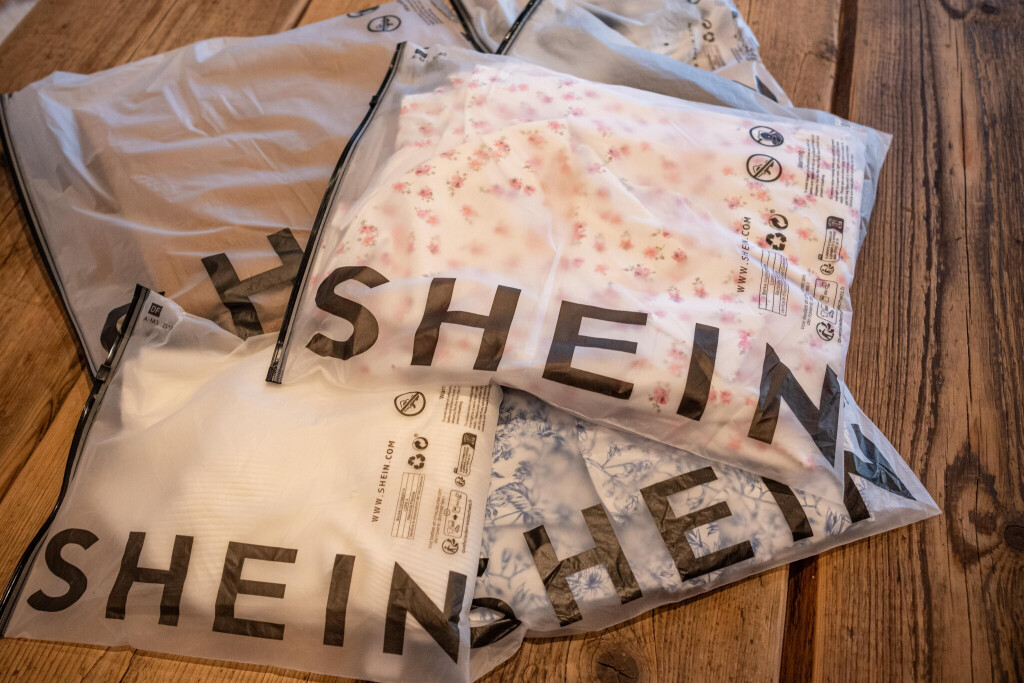
  • Fast-Fashion Rivals Shein and Temu Ignite Global Legal Showdown Over Massive Copyright Infringement Allegations

    Fast-Fashion Rivals Shein and Temu Ignite Global Legal Showdown Over Massive Copyright Infringement Allegations

    The fast-fashion online market is currently in the spotlight as a significant legal tussle unfolds between two rapidly growing competitors, Shein and Temu. The case, presently in motion at London’s High Court, erupted after Shein accused Temu of large-scale copyright infringement. In response, Temu alleges that Shein is employing litigation tactics to cripple the competition.

    This legal conflict has global implications, potentially affecting e-commerce platform practices, supplier relationships, and the enforcement of intellectual property rights within the industry.

    Allegations and Counterclaims

    Shein asserts that Temu has exploited thousands of their original photographs to promote replicas of Shein’s proprietary clothing line on its platform. Shein’s legal representative, Benet Brandreth, characterized this move as an attempt to illicitly gain an upper hand by taking advantage of an established competitor. Temu, however, refuses to accept the allegations.

    Brandreth informed the court that Temu has retracted its defense against Shein’s copyright claims involving roughly 2300 photographs taken by Shein employees. He likened this to a defendant waiting to see if the witnesses appear in court, only to later confess to the allegations.

    Meanwhile, Temu, a subsidiary of PDD Holdings, has lodged a counterclaim seeking damages. This move came after Shein obtained an injunction, which resulted in Temu having to delist thousands of products. Temu has also accused Shein of violating competition laws by compelling fast-fashion suppliers into exclusive contracts. This portion of the lawsuit is scheduled for trial in the coming year.

    According to Temu’s legal team, Shein’s lawsuit is not a genuine effort to prevent copyright infringement. Instead, they contend that it is a strategic move aimed at securing a competitive edge.

    Impact and Implications

    The London trial is only the latest episode in the ongoing legal feud between Shein and Temu, which has seen lawsuits filed in the United States as well. Amidst escalating regulatory scrutiny, this feud throws light on the intensified competition in the fast-fashion industry.

    Both Shein and Temu have seen rapid expansion in international markets due to their affordable clothing, accessories, and gadgets. However, the growth of both companies could be hindered by policy changes, such as the revocation of a US customs exemption on low-value e-commerce parcels last year, and the European Union’s plan to implement a similar measure in July.

    Questions & Answers

    What are the allegations made by Shein against Temu?
    Shein accused Temu of copyright infringement, alleging that Temu used thousands of Shein’s own-brand clothing photographs to advertise copies on its platform.

    What is Temu’s response to Shein’s allegations?
    Temu denies the allegations and counters by claiming that Shein is using litigation to stifle competition. Temu also accuses Shein of breaking competition law by tying fast-fashion suppliers to exclusive agreements.

    What could be the implications of this legal battle for the fast-fashion industry?
    The legal dispute has potential global implications and could impact platform practices, supplier relationships, and the enforcement of intellectual property rights across the e-commerce industry.

  • Temu Bolsters Global IP Protection: Joins IACC in Fight Against Counterfeiting and Piracy

    Temu Bolsters Global IP Protection: Joins IACC in Fight Against Counterfeiting and Piracy

    Temu, a global e-commerce platform based in Boston, has recently become a member of the International AntiCounterfeiting Coalition (IACC) in a bid to bolster its intellectual property protection efforts while simultaneously widening its global presence.

    Joining Forces with the IACC

    By partnering with IACC, Temu is joining a robust network of over 250 companies and organizations spanning across more than 40 countries, all diligently working to combat counterfeiting and piracy. This membership is a step forward for Temu in its broader intellectual property enforcement program, a program that has seen significant growth since its inception in 2022.

    According to a representative from Temu, “Safeguarding intellectual property is a critical aspect of creating a marketplace that is trustworthy for both consumers and brands. By becoming a part of the IACC, we are reaffirming our dedication to IP protection. We are eager to engage in productive collaborations with our counterparts in the industry as well as other stakeholders.”

    Collaborative Approach to Counterfeiting

    As part of its role in the IACC, Temu will be actively working in cross-industry groups and forging collaborations with brands, associations, and enforcement agencies. This initiative comes on the back of an earlier partnership between Temu and the IACC, which was formalized last year.

    Bob Barchiesi, the President of the IACC, expressed his views on the issue of counterfeiting by saying, “To tackle counterfeiting effectively, a coordinated effort across industries is essential. The IACC serves to bring all stakeholders to the same table to align their efforts and share best practices. We are excited for Temu’s active involvement in our network as we strive to create a safer and more trusted online ecosystem globally.”

    Comprehensive Enforcement System

    Temu’s enforcement system covers the entire platform lifecycle, including the vetting of sellers, pre-listing screening, and persistent monitoring. The company asserts that over 99.9% of takedown requests are addressed within a span of three business days. In 2024, Temu launched its Brand Guardian Initiative, which now offers support to more than 1500 brands.

    Presently, Temu operates in over 90 markets, bridging the gap between consumers and manufacturers, brands, and sellers worldwide as it continues to expand both its platform and compliance capabilities.

    Questions & Answers

    What is the main reason behind Temu’s membership in the IACC?
    Temu has joined the IACC to strengthen its intellectual property protection efforts and further expand its global presence.

    How will Temu’s membership with the IACC benefit its fight against counterfeiting?
    Joining the IACC allows Temu to collaborate with over 250 companies and organizations across more than 40 countries, sharing best practices and aligning efforts to combat counterfeiting and piracy on a global scale.

    What is Temu’s approach to enforcing intellectual property rights on its platform?
    Temu’s enforcement system spans the entirety of its platform’s lifecycle, including thorough vetting of sellers, pre-listing screening, and continuous monitoring. Additionally, it asserts a quick response time to takedown requests and has introduced the Brand Guardian Initiative to further support brands.

  • PDD Holdings Misses Revenue Target Amid China’s Competitive Market and Global Uncertainty

    PDD Holdings Misses Revenue Target Amid China’s Competitive Market and Global Uncertainty

    PDD Holdings, the parent company of Temu, failed to meet its quarterly revenue and profit forecasts this Wednesday. The company highlighted the increasing domestic competition coupled with worldwide uncertainty as factors that will continue to impact operations.

    Despite Temu’s robust international growth, its business model, which centers around delivering inexpensive goods such as clothing, electronics, and homewares directly from China, is grappling with rising regulatory pressures in major markets.

    Regulatory Changes and Challenges

    PDD’s co-CEO, Chen Lei, during a post-earnings call with analysts, acknowledged the ongoing changes in the regulatory landscape. “Trade policies, taxation, data regulations, product compliance requirements, and other regulatory frameworks are undergoing significant shifts across different countries and regions, inevitably leading to more challenges and uncertainty,” stated Lei.

    Commenting on the situation, Liu Jun, PDD Holdings’ VP of Finance, stressed the need for continuous exploration and investment to meet evolving consumer needs.

    The company’s shares listed in the U.S. witnessed a rise of more than 7% after Chinese regulators and state media indicated an end to the price war. Bo Pei, an analyst at Tiger Securities, said this scenario strengthens PDD’s perception as a company undergoing a structural shift rather than merely steering through a cyclical slowdown.

    Pei added that successful execution could bolster long-term monetization and worldwide scalability. However, it would reduce short-term earnings visibility due to uncertainties and the extended timeline associated with reaping returns from these investments.

    Financial Performance and Future Prospects

    PDD’s quarterly net income decreased by approximately 11% to 24.5 billion yuan compared to the previous year. Its adjusted profit of 17.69 yuan per American Depositary Share fell short of the projected 20.76 yuan, influenced by rising operating expenses.

    The company posted a revenue of 123.9 billion yuan (US$17.96 billion) for the fourth quarter, slightly below analysts’ average estimate of 124.4 billion yuan.

    Impacts of Economic Uncertainty

    Growth on the Chinese Pinduoduo platform, which Temu is a part of, has cooled as consumers curbed discretionary spending due to broader economic instability. China’s wavering recovery and fragile household confidence have caused a decline in spending, even on discount-focused platforms.

    Temu’s business model, based on duty waivers on low-value parcels in numerous jurisdictions, has provoked criticism from retailers in countries like Germany and Argentina. They argue that companies like Temu, Shein, and Alibaba’s AliExpress maintain an unfair price benefit.

    Raids and Investigations

    Temu has been subjected to raids and investigations in several countries, encompassing Ireland, Turkey, and Nigeria, in recent months. Despite this, the company has consistently maintained its adherence to the laws and regulations in the markets it operates.

    Significant regulatory changes were introduced last year when the U.S. abolished the duty-free exemption on parcels valued under $800. Similarly, the EU has agreed to end its duty-free allowance on parcels under 150 euros ($176) from July this year.

    Questions & Answers

    What challenges are impacting PDD Holdings’ performance?
    Increasing domestic competition, global uncertainty, and changing regulatory environments pose significant challenges for PDD Holdings.

    What strategic steps is PDD Holdings taking to meet evolving consumer needs?
    PDD Holdings is focusing on continuous exploration and investment to cater to changing consumer demands, aiming to bolster its future monetization and worldwide scalability.

    What changes in international trade policies are affecting PDD Holdings’ business model?
    The abolishment of the duty-free exemption on low-value parcels by the U.S. and the EU’s upcoming termination of its duty-free allowance significantly impact PDD Holdings’ business model, which relies heavily on such waivers.

  • Amazon, Temu and Shein to Dominate Australia’s Marketplace Sector at the Expense of Local Competition

    Amazon, Temu and Shein to Dominate Australia’s Marketplace Sector at the Expense of Local Competition

    Australia’s marketplace sector is being redefined as global ecommerce giants use their international scale and advanced infrastructure to grow their share of consumer spending at the expense of local marketplaces, according to new research from Pattern.

    The ‘2026 Marketplace Consumer Report highlights a sector that looks markedly different to just a few years ago. With fewer local Australian marketplaces following the closures of Catch and MyDeal, and pressure on Kogan to maintain its competitiveness as consumers increase their spend with global platforms, data suggests a long-term shift in how marketplace competition will play out in Australia.

    Amazon now reaches 60% of Australian shoppers, growing its customer base by 3.45% year on year. Temu continues to expand rapidly with A$2.6 billion in sales last financial year and 47% of Australians purchasing from the platform, while Shein has lifted its reach to 30%, recording the fastest growth (15%) among major marketplaces. Australia’s last remaining dedicated local marketplace, Kogan, however, is losing ground. Just 15% of consumers now shop on the platform, reflecting a 6% year-on-year decline.

    “The pressure on Australian born and bred marketplaces from global giants like Amazon and Temu is no longer theoretical. What we’re seeing is a sector shaped by international scale, logistics sophistication and global ecosystems. This isn’t a temporary cycle, it’s a structural shift and could signal the end of the local Australian marketplace era as we once knew it,” said Merline McGregor, Managing Director for Pattern Australia.

    Amazon Leads as eBay loses ground

    Amazon continues to lead the Australian marketplace sector with 8.8 million active shoppers and 66% of consumers planning to shop on the platform. eBay, however, is sliding in the opposite direction, declining 7% to 51% of shoppers planning to use the platform in 2026.

    The research shows Amazon purchase decisions are broadening and no longer price-led, with price as a motivator falling by 42%. Shoppers now point to speed (35%), Prime benefits (31%) and overall preference for Amazon (28%) as key reasons for purchasing on the platform. The growing role of product reviews, now cited by 24% of shoppers, highlights Amazon’s advantage in trust and community validation, an edge eBay has struggled to match.

    “Amazon has moved beyond competing purely on cost. While price still matters, its advantage today is also about removing friction at every stage of the shopping journey. Faster delivery, trusted reviews and habitual usage are what has made it the dominant marketplace in Australia and what keeps customers coming back,” said McGregor.

    Temu and Shein rebuild trust and expand beyond price

    Shopper perceptions of product quality and trust have improved sharply for Temu and Shein, marking a significant shift in how these platforms are viewed in Australia. Over the past year, Temu recorded a 50% increase in product quality and trust perception, while Shein saw a 36% increase.

    Historically criticised for inconsistent quality, in 2025 Temu was trusted by just 12% of shoppers and Shein, 11%. However, sustained investment in supplier standards, range expansion beyond fast fashion and brand partnerships with established global brands is beginning to change sentiment.

    “Temu and Shein have worked hard to shed their reputations as low-cost disruptors and are now emerging as serious players in the marketplace landscape,” said McGregor. “Temu now serves 4.7 million Australians, with its customer base growing at 24% annually. With trust levels rising, these platforms are no longer competing on price alone, firmly positioning them for sustained, long-term relevance in the Australian market.”

    Product discovery fragments across platforms

    Product discovery behaviour is fragmenting rapidly. While Google has regained ground, with 54% of shoppers beginning their product searches on the platform since the rollout of AI-generated answers that ease discovery, social media is disrupting search.

    Social media is now one of the fastest-growing starting points for product research, with 67% more consumers beginning their search on social platforms compared to 2025. Today 78% of Australians are active on social media and with near-universal mobile use, discovery is increasingly shaped by feeds, creators and short-form video.

    “Social platforms are collapsing the long bridge between inspiration and transaction,” said McGregor. “With the imminent launch of TikTok Shop in Australia, this shift will accelerate. Brands that invest in creator-led content and seamless in-platform shopping will be best positioned as social becomes a central pillar of modern product discovery.”

    Convenience and delivery speed emerge as key differentiators

    With 93% of Australians purchasing from marketplaces in the past 12 months, convenience has become a defining factor in how consumers choose where to shop. One in three Australians now cite ease of use and delivery speed as the primary reason they turn to marketplaces. Amazon exemplifies this shift, with 36% of shoppers naming convenience as the main driver of their purchasing behaviour.

    “Delivery performance has become a core brand asset for marketplaces today. Many Australians are choosing to order products through a marketplace, even if the same product is more expensive than elsewhere, simply because it could be delivered faster,” said McGregor.

    What products will consumers buy from which marketplace in 2026

    Pattern’s research reveals clear category distinctions across marketplaces, with each platform establishing dominance in specific shopping categories:

    • Amazon leads in Books & eBooks (30%), Electronics & Computer (25%), and Clothing, Shoes & Accessories (22%).
    • eBay shows strength in Clothing, Shoes & Accessories (17%), Automotive Parts (15%), and Electronics & Computer (14%).
    • Temu captures consumer interest in Clothing, Shoes & Accessories (22%), with notable investment in Home & Kitchen Products (13%).
    • Shein’s primary appeal lies with Clothing, Shoes & Accessories (21%), but is beginning to spark interest beyond this in Home & Kitchen (7%) and Toys, Kids & Baby Products (7%).
    • Kogan holds some ground in Electronics & Computer (8%), Home & Kitchen Products (7%), and DIY/Home Improvement (5%).

    “While the future of local marketplaces is uncertain, the opportunity for brands has never been greater. With 93% of Australians shopping on marketplaces, these platforms are where purchase decisions happen. Brands that understand category dynamics, build tailored strategies for each marketplace, and work with ecommerce specialists like Pattern will be positioned to capture a share in this consolidated but growing market,” concluded McGregor.

    For more information and to download the full report please click here: ‘2026 Marketplace Consumer Report’

    About Pattern Inc

    Pattern accelerates brands on global ecommerce marketplaces leveraging proprietary technology and AI. Utilising more than 46 trillion data points, sophisticated machine learning and AI models, Pattern optimizes and automates all levers of ecommerce growth for global brands, including advertising, content management, logistics and fulfillment, pricing, forecasting and customer service. Hundreds of global brands depend on Pattern’s ecommerce acceleration platform every day to drive profitable revenue growth across 60+ global marketplaces—including Amazon, TikTok Shop, Walmart.com, Target.com, eBay, Tmall, JD, and Mercado Libre.  For more information, visit https://au.pattern.com/

    Media Contact

    Paul Manser

    Mulberry Marketing Communications

    [email protected]

  • EU Regulators Stoke Action Against Temu: Chinese Subsidy Probe Targets Dublin HQ

    EU Regulators Stoke Action Against Temu: Chinese Subsidy Probe Targets Dublin HQ

    Last week, EU regulators conducted an unannounced raid on the Dublin-based European headquarters of Temu, an online retailer and subsidiary of China’s e-commerce titan, PDD Holdings. The action arose from concerns regarding potential Chinese state subsidies extended to the company.

    As of yet, Temu has not issued a response to the matter.

    This event coincides with escalating concerns within the EU about an influx of inexpensive Chinese imports. The surge has come via low-value e-commerce shipments, largely due to a customs exemption on packages valued under 150 euros. European retailers argue that this waiver gives e-commerce platforms such as Temu and Shein an undue competitive edge. To address this, the EU executive intends to eliminate this duty exemption by year-end.

    The Foreign Subsidies Regulation (FSR)

    The European Commission’s Foreign Subsidies Regulation (FSR) has been enacted to address this issue. Its purpose is to curb competition from non-EU companies that receive subsidies from their respective governments. The FSR empowers the Commission to levy penalties equating to 10% of a company’s aggregated yearly turnover for any infractions.

    The Commission confirmed it executed an unannounced inspection on an EU-based e-commerce business under the FSR. However, they have not disclosed the identity of the company or the location of the raid.

    Temu’s Global Success and Troubles with EU Authorities

    Temu has amassed a global customer base in the tens of millions via its online store. The e-commerce platform sells a wide range of items from smartphones to duvet covers and leggings at incredibly low prices. This has even prompted Amazon to introduce its rival service, ‘Amazon Haul’.

    Under the tagline “shop like a billionaire”, Temu has attracted approximately 116 million average monthly users in the EU, according to its most recent transparency report. This is an impressive feat considering it only expanded into the European market in April 2023.

    EU regulators typically conduct raids when they have evidence of regulatory violations, which can originate from whistleblowers or their own investigations. These actions often result in companies offering concessions or cooperation in exchange for reduced penalties.

    However, this is not Temu’s first encounter with EU authorities. The Commission initiated an investigation into Temu under the Digital Services Act, a regulation overseeing online platforms, last year. In July, the Commission released preliminary findings claiming that Temu has not done enough to prevent the sale of illegal products on its platform.

    Foreign subsidies may come in various forms such as zero-interest loans, below-cost financing, tax breaks, or preferential tax treatment, among others.

    In November, China’s trade surplus exceeded US$1 trillion for the first time, with manufacturers rerouting more goods to non-US markets due to tariffs, resulting in an export boom to Europe, Australia, and Southeast Asia.

    Questions & Answers

    What spurred the raid on Temu’s headquarters by EU regulators?
    The raid was prompted by concerns regarding potential Chinese state subsidies to the online retailer.

    How does the EU’s Foreign Subsidies Regulation (FSR) aim to address competition from non-EU companies?
    The FSR aims to curb competition from non-EU firms that receive government subsidies. The regulation allows the Commission to impose fines of up to 10% of a company’s annual aggregated turnover for breaches.

    What were the findings of the European Commission’s previous investigation into Temu?
    The Commission’s preliminary findings suggested that Temu was not taking sufficient actions to prevent the sale of illegal products on its platform.

  • Amazon, Temu, and Shein Surge in Australia, Leaving Local Retailers Struggling to Compete

    Amazon, Temu, and Shein Surge in Australia, Leaving Local Retailers Struggling to Compete

    Online retail giants Amazon, Temu, and Shein have made remarkable strides in capturing the hearts—and wallets—of Australian consumers, according to fresh insights from Roy Morgan. As traditional retail players struggle to maintain their foothold, these digital marketplaces are flourishing, shaking up the industry in ways we never expected.

    Amazon Tops the Charts

    Leading the charge is Amazon, boasting a staggering 8.8 million Australian shoppers making purchases at least once a year. This figure marks an impressive rise of 900,000 customers compared to the previous year, translating into an 11% growth rate. It’s clear that the online retail behemoth has solidified its presence in the Australian market.

    Temu and Shein: Rising Stars

    Meanwhile, Temu has emerged as a formidable contender, attracting 4.7 million shoppers—an increase of 900,000 or 24% growth in just one year. Shein isn’t far behind, pulling in 2.6 million buyers, up by 600,000, which equates to a 27% rise in its customer base. Combine this with Temu and Shein’s growth, and you’ve got a retail revolution that’s generating billions in additional sales.

    The Financial Impact

    The impact of this growth is nothing short of staggering. Together, Temu and Shein have added an impressive $1.3 billion to their collective sales over the past year. Temu’s sales are soaring, now hitting approximately $2.6 billion annually in Australia, a substantial increase from $1.6 billion just a year prior. Shein, with its trend-driven appeal, has also seen its sales swell to $1.3 billion, climbing from $1 billion.

    A Shrinking Landscape for Traditional Retailers

    In stark contrast, several well-established retailers have faced steep declines in customer numbers. Companies like eBay, Kogan, The Reject Shop, and Best & Less are struggling to maintain their market presence. It’s been a tough year for fashion retailers as well, with names such as Millers, Rivers, Noni B, Katies, Autograph, Crossroads, Rockmans, and Wittner exiting the market entirely.

    The Shift in Consumer Expectations

    Catherine Jolley, Roy Morgan’s head of retail and consumer products, notes that this swift transformation is reshaping the industry. “As discount platforms reset consumer expectations, established retailers, especially those that have relied on a low-cost position, must grapple with their standing in this new retail order,” she explains. It’s a tough lesson for traditional players, who might have once thought they were invincible.

    As this saga unfolds, it’s evident that the retail landscape in Australia is not just changing; it’s being revolutionized. So, watch out – the only constant in this digital age seems to be relentless growth and unexpected outcomes in the online space.

    Questions & Answers

    What recent figures highlight Amazon’s growth in Australia?
    Amazon now boasts 8.8 million Australians shopping on its platform at least once a year, reflecting an 11% increase from the previous year.

    How have Temu and Shein performed over the past year?
    Temu’s customer base grew by 900,000 to reach 4.7 million, while Shein increased by 600,000 to 2.6 million, showcasing growth rates of 24% and 27%, respectively.

    What challenges are traditional retailers facing?
    Many established retailers, including eBay and Kogan, are seeing significant declines in their customer bases, with several fashion brands exiting the market entirely.

  • Pinduoduo Surpasses Revenue Expectations But Faces Profit Decline Amid Aggressive Market Competition

    Pinduoduo Surpasses Revenue Expectations But Faces Profit Decline Amid Aggressive Market Competition

    Pinduoduo (PDD Holdings), a prominent e-commerce firm operating economical platforms in China and internationally, surpassed quarterly revenue expectations. However, its net income plummeted as a result of investments made to compete in an increasingly aggressive market.

    Share Performance and Economic Climate

    Shares of PDD Holdings, listed in the US, rose by 1%, with an 11% surge in premarket trading. This was spurred by the company executives’ remarks about escalated investments leading to fluctuations in its short-term financial performance. Concurrently, the Chinese government is implementing strategies to stimulate domestic consumer spending, aiming to rejuvenate a sluggish economy grappling with multiple challenges. These include a languid property sector and ongoing international trade issues resulting from US policies.

    In an effort to invigorate demand, e-commerce giants such as Pinduoduo, JD.com, and Alibaba have turned to deep discounts and promotional offers, inadvertently triggering a price war. Alongside the obligation to maintain low prices in China, PDD’s profit margins have recently suffered due to a multibillion-dollar investment in merchant support programs and elevated costs related to international shipping driven by US tariffs.

    Increased Spending and Intensified Competition

    PDD’s second-quarter earnings revealed an upsurge in spending on various fronts, from server costs to sales and marketing expenditures. This is part of the firm’s strategy to enhance its ecosystem for both merchants and consumers. Jiazhen Zhao, co-CEO of PDD, noted that the recent spike in industry competition has decelerated their revenue growth and substantially reduced operating profit.

    The company expects profit levels from this quarter to be unsustainable, anticipating irregularities in future quarters’ profits. To ameliorate these pressures, PDD’s international platform, Temu, has been promoting products situated in US warehouses and is striving to engage more local sellers. However, it continues to face stiff competition from Amazon, which leverages its extensive scale to secure advantageous pricing from suppliers.

    Changing Business Model and Consumer Perception

    In response to these challenges, Temu is transitioning to a “fully-managed” model, allowing it to exercise greater control over product selection, pricing, and logistics. The platform aims to utilize its substantial supply-chain network to maintain competitive prices. However, a recent survey by an online marketing firm revealed that 30% of American shoppers have noticed price increases on Temu.

    Despite these obstacles, PDD’s revenue experienced a 7% increase, reaching 103.98 billion yuan ($14.53 billion) for the quarter ending in June, surpassing analysts’ predictions. Meanwhile, its operating profit dropped by 21%. Adjusted earnings per American depository share stood at 22.07 yuan, exceeding the projected 15.74 yuan.

    Questions & Answers

    How did PDD’s shares perform recently?
    PDD’s US-listed shares witnessed a 1% increase, driven by an 11% surge in premarket trading triggered by company executives’ comments on future investments.

    What impacts did increased spending have on PDD’s second-quarter earnings?
    PDD’s second-quarter earnings showcased a rise in expenditures across various areas, leading to a slowdown in revenue growth and a significant reduction in operating profit.

    How is PDD’s international platform, Temu, responding to market pressures?
    Temu is transitioning to a “fully-managed” model to exert more control over product selection, pricing, and logistics. The platform aims to use its large supply-chain network to keep prices low, despite facing competition from global e-commerce giant Amazon.

  • Temu Partners with Austrian Post to Strengthen Local Delivery Strategy in Europe

    Temu Partners with Austrian Post to Strengthen Local Delivery Strategy in Europe

    Temu Aims for Seamless Deliveries in Europe Amid Regulatory Challenges

    In a notable response to mounting scrutiny from European regulators, Temu has entered into a strategic partnership with Austrian Post, enhancing its delivery operations across the continent. This initiative is designed to cultivate a “local-to-local” customer experience, which industry analysts suggest is a crucial step for the Chinese e-commerce platform as it seeks to bolster its reputation amid EU sanctions targeting the sale of illicit goods.

    This collaboration signifies more than just an operational upgrade; it reflects Temu’s commitment to adapt to the rigorous standards imposed by European markets. By streamlining logistics and ensuring timely deliveries, Temu aims to reassure customers that while it may have emerged from the bustling e-commerce scene of China, it can seamlessly integrate into local European shopping habits.

    Experts see this as a pivotal moment for Temu. The platform is navigating a complex landscape where transparency and compliance are increasingly becoming the price of entry into markets plagued by concerns over product safety and authenticity. As it faces EU sanctions, Temu’s alliance with Austrian Post could serve as a powerful antidote to its current image troubles, demonstrating a dedication to responsible business practices.

    In a twist that might surprise many, it’s not just about getting products from factory floors to front doors; it’s also about transforming perceptions. Temu’s proactive approach could turn regulatory challenges into a competitive edge, showcasing how innovation in logistics can serve as a bridge between East and West.

    As Temu implements these changes, the retail landscape in Europe is evolving, with major implications for consumer trust and brand loyalty. It will be fascinating to observe how this initiative impacts Temu’s standing in a fiercely competitive market, especially as it strives to move beyond the shadow of its controversies.

    Questions & Answers

    How does Temu plan to improve its image in Europe?
    Temu is enhancing its delivery services by partnering with Austrian Post to create a “local-to-local” customer experience, aiming to build trust and comply with EU regulations.

    What regulatory challenges is Temu currently facing?
    The platform is under EU scrutiny for selling illegal goods, which has prompted a reevaluation of its business practices in the region.

    What broader implications does Temu’s partnership with Austrian Post have for the retail sector?
    This partnership highlights the importance of logistics and compliance in enhancing brand reputation, potentially reshaping consumer expectations in the e-commerce space.

  • Chinese E-commerce Giants Disrupt South Africa’s Retail Sector, Claiming 3.6% Market Share

    Chinese E-commerce Giants Disrupt South Africa’s Retail Sector, Claiming 3.6% Market Share

    The South African retail market has witnessed significant disruption with the entry of Chinese e-commerce firms, Shein and Temu. Together, they constitute 3.6% of the nation’s retail sector, specifically the clothing, textile, footwear, and leather (CTFL) market. This translated to 7.3 billion rand (US$405 million) in sales in 2024.

    Disrupting the Retail Landscape

    Shein made its debut in the South African market in 2020, with Temu following in 2024. Both companies have effectively shaken up the local retail scene with competitive pricing, strategic marketing, and tax loopholes that initially provided them with an advantage over domestic retailers.

    The allure of these platforms for cost-conscious shoppers has had significant effects on local retailers. In response, these retailers appealed to regulatory bodies last year to address the tax loophole, which was subsequently closed.

    Impact on Market Shares

    The Localisation Support Fund (LSF) report indicates that the market share of domestic CTFL retailers has gradually dwindled from 75.3% in 2011 to 74% in 2024. In comparison, international physical store brands such as H&M, Zara, and Cotton On hold a combined market share of 3.4%.

    Shein and Temu together now hold a 3.6% share of the CTFL market, and a commanding 37.1% of South Africa’s e-commerce CTFL market. In particular, Shein has cornered 28% of the online women’s CTFL sales.

    Sean Mercer, a principal consultant at consulting firm BMA, observed that international retailers had spent 13 years building their market share. In contrast, Shein and Temu have managed to equal and even surpass this in a mere five years.

    Questions & Answers

    What market share do Shein and Temu hold in South Africa’s retail sector?
    Shein and Temu together hold a 3.6% share in South Africa’s retail sector, specifically in the clothing, textile, footwear, and leather market.

    What strategy did Shein and Temu use to disrupt the South African retail market?
    Shein and Temu disrupted the South African retail market with competitive pricing, strategic marketing, and by leveraging tax loopholes that initially provided them with an advantage over domestic retailers.

    How has the entry of Shein and Temu affected local retailers?
    The entry of Shein and Temu has significantly impacted local retailers, leading to a decline in their market share. The cost-effective offerings of these e-commerce platforms have drawn cost-conscious shoppers, affecting the sales of local retailers.

  • New Tax Measures Trigger 300% Price Surge On Chinese E-commerce Platform In Pakistan

    New Tax Measures Trigger 300% Price Surge On Chinese E-commerce Platform In Pakistan

    Prices on the Chinese e-commerce platform, Temu, have dramatically surged in Pakistan, with increases reaching up to 300% in some cases. This substantial escalation has been reported by customers over the past week, marking a significant shift in the online shopping landscape.

    New Taxes Imposed

    These price spikes appear to be occurring in the wake of new tax measures instituted by the government. The administration last month implemented new taxes specifically targeting online sellers. These levies extend to platforms such as Temu and AliExpress, among others.

    While the companies haven’t issued an official statement providing the reasons behind the price alterations, a spokesperson for Temu pointed to external policy shifts and escalating operational costs across numerous sectors as the primary catalysts for the increases. The spokesperson stated, “We remain committed to providing access to quality products at affordable prices, while fully complying with local requirements.”

    Digital Presence Proceeds Tax Act

    The government disclosed last month that a 5% tax would be put on all goods sold in Pakistan by foreign digital platforms that lack a physical presence in the country. This initiative is part of the Digital Presence Proceeds Tax Act. The goal of this tax is ostensibly to create a more equitable commercial environment. It is said to target online platforms such as Facebook, Google, Spotify and Netflix, in addition to select local online sellers.

    Further, online retail platforms are now also responsible for paying the standard 18% sales tax applicable to local businesses in Pakistan. The government’s rationale for these tax hikes is to equalize conditions for Pakistani businesses that are already subject to both the 18% sales tax and an income tax of up to 35%.

    Concerns Over Impact

    While the government’s intent might be to create a fairer marketplace, experts have voiced concerns over the potential harm the digital tax could inflict on Pakistan’s burgeoning e-commerce market.

    Questions & Answers

    What are the new tax measures impacting e-commerce in Pakistan?
    Last month, the government introduced a 5% tax on all goods sold in Pakistan by foreign digital platforms. These platforms are also expected to pay the 18% sales tax applicable to local businesses.

    What is the rationale for these new taxes?
    The government’s intent with these tax hikes is to create a level playing field for local Pakistani businesses already paying an 18% sales tax and an income tax of up to 35%.

    What are the potential consequences of the new digital tax?
    While the intention is to foster a more equitable commercial environment, experts have raised concerns that the digital tax could harm Pakistan’s rapidly growing e-commerce market.

  • Temu’s Price Surge: 300% Increase Fuels Controversy Over New Tax in Pakistan

    Temu’s Price Surge: 300% Increase Fuels Controversy Over New Tax in Pakistan

    In a significant shift, Temu, a rising star in the Chinese e-commerce sector, has jacked up prices for Pakistani consumers by as much as 300%. This steep increase comes on the heels of the Pakistani government’s recent decision to impose new taxes on online sellers, a move that has sent ripples across the country’s digital marketplace.

    Industry analysts are concerned that these tax measures could dampen consumer spending and stifle the burgeoning digital economy in Pakistan. With prices soaring, one has to wonder if shoppers still have the appetite for online bargains, or if they’ll be forced back to traditional markets — a twist that would surely turn the tables on the e-commerce revolution.

    As online platforms like Temu adapt to this fiscal landscape, consumers find themselves at a crossroads. The new tax burdens could hinder the growth of digital commerce just when it was beginning to flourish, raising questions about the long-term implications for businesses and buyers alike.

    Questions & Answers

    How has Temu’s pricing policy changed in Pakistan?
    Temu has increased prices for its products in Pakistan by up to 300%, attributed to the government’s new taxes on online sellers.

    What impact might these tax measures have on consumers?
    Experts believe that the new tax measures could negatively affect consumer spending and slow the growth of Pakistan’s digital economy.

    Are there concerns about the future of e-commerce in Pakistan?
    Yes, there are significant concerns that the tax increases could stifle the rapid growth of digital commerce, limiting options for consumers and affecting overall market dynamics.

  • Retailer Temu’s daily US users halve following end of ‘de minimis’ loophole

    Retailer Temu’s daily US users halve following end of ‘de minimis’ loophole

    PDD Holdings’ international discount e-commerce platform, Temu, reported a 58 per cent decrease in daily US users in May. This downturn is just one of the challenges the online retailer is grappling with in the face of the US-China trade war.

    Temu made the strategic decision to cut advertising expenses in the US and alter its order fulfillment approach after the cessation of the “de minimis” practice by the White House on May 2. This regulation had previously granted Chinese companies the ability to ship low-value packages to the United States without incurring tariffs.

    For years, Temu and the large fast-fashion company, Shein, had availed themselves of this provision. This allowed them to deliver items directly from suppliers in China to consumers in the US, thereby maintaining low prices.

    Since the announcement of sweeping trade tariffs by US President Donald Trump, both Temu and Shein have noted a marked decline in sales growth and customer acquisition rates. However, according to data gathered by consultancy firm, Bain & Company, Temu’s downward trends surpass those of its competitor.

    Both platforms were forced to increase prices due to tariffs, yet Shein has managed to raise the amount of money spent per customer in comparison to the previous year, data indicated. Conversely, Temu has grappled with this challenge.

    Temu declined to comment on the drop in daily US users or the challenges it is encountering in the US market.

    According to a May note from Morgan Stanley equity analyst Simeon Gutman, engagement on Temu has significantly decreased following the termination of the de minimis exemption.

    Gutman expressed his belief that, if the current tariff conditions remain unchanged for an extended period, Temu’s competitive position is likely to continue to weaken.

    PDD’s first quarter earnings were recently reported and failed to meet growth expectations. In a post-earnings call, executives stated that tariffs had imposed significant pressure on its merchants.

    They reaffirmed Temu’s prior commitment to maintain stable prices and collaborate with merchants across regions, highlighting a move towards a local fulfilment model announced at the start of May.

    Previously, Temu’s business model held merchants accountable for ordering and supplying their products, while the China-based company managed the majority of logistics, pricing, and marketing.

    Under the new model, Temu’s merchants “can ship individual orders from China to Temu-partnered US warehouses, but they would need to address tariffs and customs charges and paperwork”. Temu continues to handle order fulfillment close to consumers, pricing, and online operations.

    Despite these difficulties, HSBC analysts reported last week that Temu’s growth in non-US markets has increased, with non-US users constituting 90 per cent of its 405 million global monthly active users in the second quarter.

    Questions & Answers

    What factors contributed to the decrease in daily US users of PDD Holdings’ platform, Temu?
    The US-China trade war and the cessation of the “de minimis” practice, which allowed tariff-free shipping of low-value packages to the US, contributed to this decline.

    How have changes in global trade conditions affected Temu?
    The company has been forced to alter its order fulfillment strategy and increase prices. Additionally, it has experienced a decrease in sales growth and customer acquisition rates.

    What adaptations has Temu made in light of these challenges?
    Temu has shifted to a local fulfillment model in the US and is working collaboratively with its merchants. It continues to manage logistics, pricing, and online operations, despite the changes in market conditions.

  • DHL Group and Temu sign Memorandum of Understanding to support local businesses

    DHL Group and Temu sign Memorandum of Understanding to support local businesses

    DHL Group, the world’s leading logistics company, has signed a Memorandum of Understanding (MoU) with the e-commerce marketplace Temu to deepen their cooperation and to further expand their successful partnership. The agreement aims to enhance collaboration to better support local small and medium-sized enterprises (SMEs) in established markets as well as in growth markets, such as Eastern Europe and the Middle East. Both parties are committed to fostering compliant trade and sustainable practices.

    DHL Group will support Temu through its logistics expertise, including multimodal transportation solutions, to provide more efficient and sustainable supply chain services. With its dense network and global presence, DHL Group is the ideal partner to support Temu’s growth in both established and new markets.

    “Through our various DHL divisions, we are already providing a wide range of logistics services and solutions, including air freight and last-mile delivery. We are excited to elevate our partnership with Temu to the next level. By combining our logistics capabilities with Temu’s innovative platform, we can create more efficient, compliant and convenient solutions that benefit both consumers and local businesses in the markets we serve,” states Katja Busch, CCO and Head of DHL Customer Solutions & Innovation.

    As part of the Memorandum of Understanding, DHL Group will utilize its logistics expertise to support Temu’s operations in Europe, including its local-to-local model, which enables local merchandise partners to sell on its platform and supports local fulfillment. Temu expects up to 80% of its total sales in Europe to come from this local-to-local model. Additionally, the e-commerce platform will enable European-based sellers to reach global markets in the future. This allows, in particular, SMEs to scale and expand their businesses. DHL will also assist Temu in growing its presence in e-commerce markets, including the Europe, Middle East, and Africa (EMEA) regions.

    “This letter of intent marks a significant step in our partnership with DHL Group. Its extensive network and logistics capabilities will help support our mission to increase consumer access to affordable products and help increase growth opportunities for sellers,” states Qin Sun, co-founder of Temu.

  • Amazon seeks to contest Temu, Shein with budget store selling items like $3 iPhone cases

    Amazon seeks to contest Temu, Shein with budget store selling items like $3 iPhone cases

    American e-commerce giant Amazon has launched Amazon Haul, an affordable e-commerce storefront which offers products priced US$20 or less.

    Items such as a $3 iPhone case or a pack of four socks for $7 are sold with a variety of options on the new store, which is advertised as offering “crazy low prices,” according to a company release.

    Over 300 million products in the main categories of clothing, home goods, jewelry and electronics are available on the store, which can be found on Amazon’s mobile app.

    Most items are $10 or less, and the company offers free shipping on orders of $25 or higher.

    The Wall Street Journal reported that Amazon Haul items will take longer to deliver because they ship directly from warehouses in China, similar to Chinese competitors Temu and Shein which have been rapidly expanding to many markets in recent months.

    Although products priced under $3 are not eligible for return, Amazon guarantees that all items have been screened for safety and authenticity.