Retail News CRM

Tag: tet

  • Mobile phone ads gain greater purchase during Tet in Vietnam

    Mobile phone ads gain greater purchase during Tet in Vietnam

    Vietnam recorded the fourth highest mobile in-app ad revenues (eCPM) in the Asia-Pacific region during Tet 2018. It ranked behind China, Singapore and the Philippines, according to a report recently released by Vietnamese digital advertising service company Adsota.

    The report also showed that app downloads were the highest 10 days prior to Tet in 2017, while downloads peaked on the first day of the 2018 Tet, showing that the Lunar New Year holiday was a highly effective period to execute user acquisition campaigns for app developers.

    The number of mobile app ad requests (the number of ads displayed in apps) rose by 32 percent in Vietnam during this holiday compared to other days in January and February, said the report.

    Many Vietnamese mobile app developers have gone global and succeeded in the U.S. or Australia by targeting foreign holidays like Black Friday and Christmas. Overall, the highest downloads of Vietnamese-developed apps came from India and the U.S. at 13 and 11 percent respectively, followed by Brazil and Indonesia at 8 percent and 6 percent respectively.

    In terms of revenue, profits from the U.S. market contribute around 20 percent of overseas revenue generated by Vietnamese applications, followed by other developed markets like Australia at five percent; and Germany, Japan and Korea at three percent each.

    Of some 95 million people in Vietnam, 73 percent use mobile phones, 42 percent use smartphones and 50 million people use mobile social media, according to the report.

  • Vietnam’s interest rate rises in the lead-up to biggest national holiday

    Vietnam’s interest rate rises in the lead-up to biggest national holiday

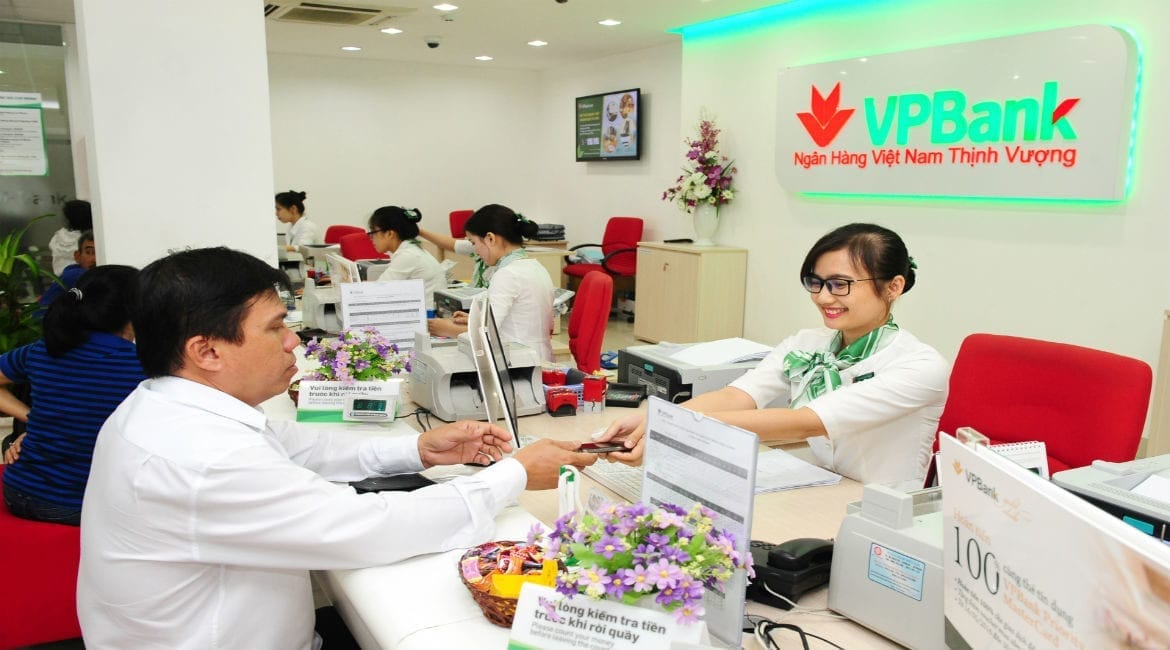
    Banks have hiked deposit interest rates by 0.1-0.5 percentage points as the country’s spending demand surges prior to Tet. Private lender Asia Commercial Bank last Friday introduced a new interest schedule with an increase of 0.2-0.3 percentage points in rates on most deposit terms. It also offers rates proportional to the amount of deposit. Techcombank, another of the larger private banks, since January 21, has hiked rates by 0.2-0.3 percentage points for terms of up to 12 months.

    Earlier, in mid-December most private banks had upped rates by 0.1-0.7 percentage points, while state-run banks increased them by up to 0.5 percentage points.

    However, there are also a few banks that choose to ‘go against the current’ by lowering deposit rates on same products. For instance, BIDV, Vietnam’s biggest lender by assets, has just lowered interest rates on its deposit rate schedule effective from January 22.

    BIDV’s 5-month savings is now 5.2 percent interest, down from its previously 5.5 percent which was its approved ceiling rate.

    Previously, at the end of December 2018, BIDV increased the 5-month term interest rate by 0.5 percentage points per year.

    On the same day, VPBank also reduced the interest rate on their 6-36 months terms by 0.1-0.5 percentage points.

    Specifically, the bank’s regular savings interest rate with 6-11-month terms is lowered by 0.2 percentage points, and is now 7 percent. The 12-month term interest rate is 7.05 percent; both 13 and 15 month terms are down 0.2 percentage points, and are now 7.2 and 7.4 percent respectively.

    However, VPBank still currently holds the highest single interest rate in the market of 8.6 percent for its 18-36 month fixed term savings.

    Experts believe that the negative adjustment of interest rates at some banks such as BIDV and VPBank may be for the purpose of restructuring to meet the banks’ individual capital needs, and does not yet accurately reflect the interest rate trend in the following months.

    In fact, the period before the Tet Lunar New Year holiday is when cash is still in high demand in the economy, as businesses need to withdraw money to pay bonuses and salaries, and people will withdraw cash to spend for Tet which will start from February 5.

    At the conference on tasks for the banking industry in 2019 on January 9, Deputy Governor of the State Bank of Vietnam (SBV) Dao Minh Tu said that banks have recorded a decline in deposits.

    According to him, this is a phenomenon that banks need to keep their eyes on, to determine where the flow of capital has gone, to real estate or production, or another channel in order to make reasonable adjustments to their plans.

    Tu said the SBV had adamantly stuck to its policy to stabilize interest rates despite very high pressure to drive rates upwards in 2018. Many small banks had raised short-term deposit rates to attract capital and improve liquidity, resulting in the central bank having to pump more money into the market or use other measures to limit and keep interest rates stable for businesses.

    The deputy governor said the SBV had to balance between the conflicting interests of banks, savers and businesses to come up with an appropriate interest rate for the whole market.

    The SBV targets credit growth of 14 percent this year, the same as last year. As a result, he noted, commercial banks will have to make better quality loans this year to avoid bad debt.

  • Excess car demand for Tet holiday drives prices up in Vietnam

    Excess car demand for Tet holiday drives prices up in Vietnam

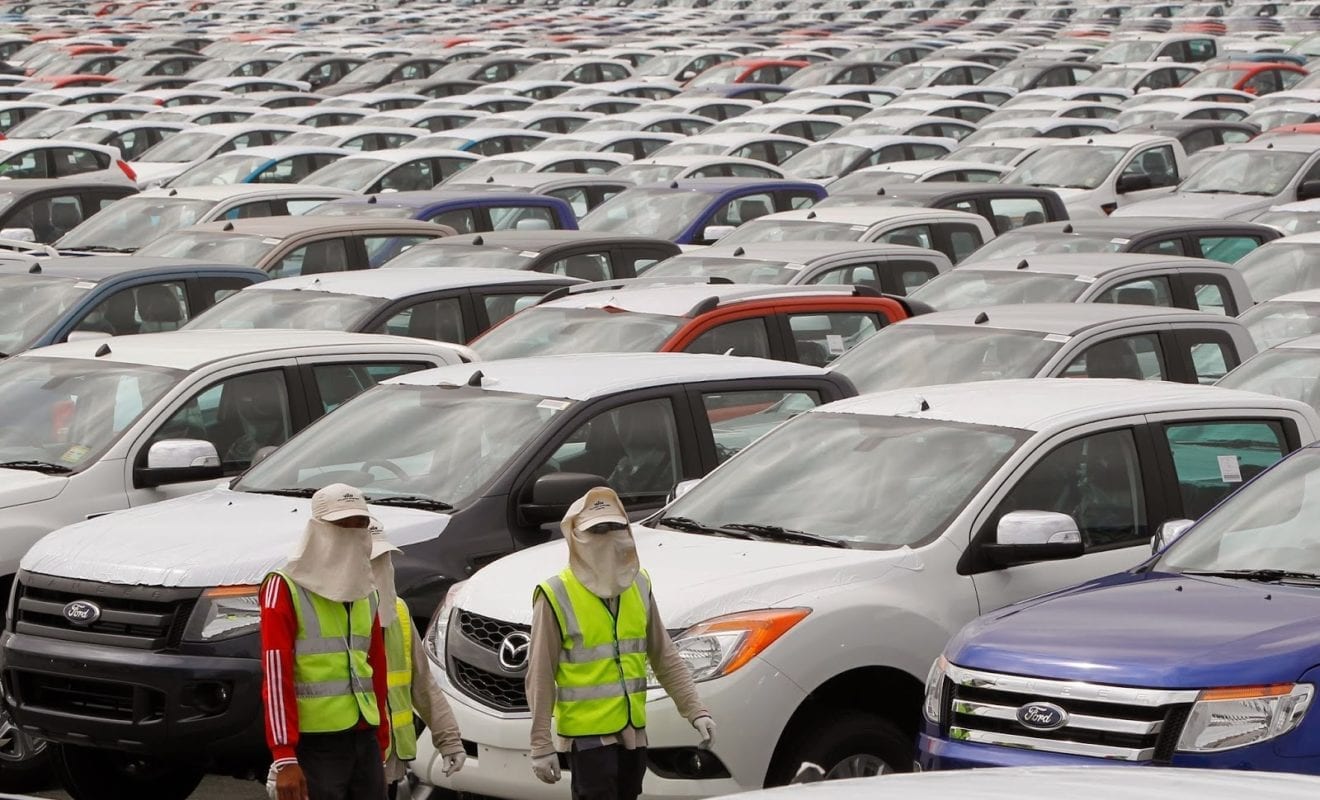
    The surge in demand for cars before the Lunar New Year means customers have to wait or pay extra to get immediate delivery. With only weeks to go for the Lunar New Year Festival (Tet), which falls on February 5 this year, consumers are rushing to order automobiles leading to a shortage in the market. They either have to wait for a long time for delivery or, for quick delivery, opt for accessories which can cost an extra VND70-150 million ($3,013-6,458).

    For instance, Hyundai SUV Santa Fe requires an extra VND70-160 million ($3,013-6,887), which is 7-16.1 percent above the minimum listed price, while for the Toyota Fortuner it is VND100-150 million ($4,305-6,457). But most customers will have to wait until March for delivery if they signed the purchase agreement last November or later.

    The only way to get guaranteed delivery before Tet is to buy from someone who signed earlier, car dealers said, explaining that a dealership only gets around 20 units in each model per month but demand is two to three times that number.

    The shortage is because of difficulties in importing at the beginning of 2018 as a result of a new regulation tightening imports, Tran Thanh Binh, director of Thanh Binh Automobile Import Export Trading Service Co Ltd, said.

    The regulation stipulates that traders are only permitted to import if they can provide valid vehicle registration certificates issued by authorities from the countries of origin.

    Original quality control certificates for each vehicle and letters of authorization regarding recalls of defective vehicles from the manufacturers are also required, along with copies of quality assurance certificates provided by the countries of origin.

    “This made companies stop ordering from factories in Indonesia and Thailand. The second half of 2018, however, with these difficulties resolved, businesses have started to order again. But, since the factories also produce for many other markets, Vietnam was not able to order enough,” he explained.

    Vietnam imported 6,362 cars, including 4,264 personal cars, 1,820 trucks in the first 15 days of 2019, according to Vietnam Customs.

  • Vietnamese banks report solid profits, employees hopeful of high bonuses

    Vietnamese banks report solid profits, employees hopeful of high bonuses

    With Vietnamese banks reporting substantial profits last year many of their employees are expecting higher Lunar New Year bonuses. The banking sector’s overall profit before tax increased by 40 percent year-on-year, according to the National Financial Supervisory Commission. Vietcombank, the largest bank by market capitalization, said in a recent report that its consolidated pre-tax profit was up 62 percent to VND18.3 trillion ($789.55 million).

    TPBank said pre-tax profit doubled to VND2.26 trillion ($97.5 million), exceeding its target of VND2.2 trillion ($94.93 million). The lender’s profit has almost quadrupled against 2015.

    Sacombank’s profit before tax of VND2.2 trillion ($94.93 million) was 20 percent higher than its target.

    Bank employees are thrilled by the performance ahead of Tet, Vietnam’s Lunar New Year, which falls on February 5 this year.

    Mai, a Sacombank worker who asked to be identified only by her given name, said: “Our bank’s profit is a few times that of 2017, so we hope to have a higher bonus.”

    Minh Nhat of Orient Commercial Bank, said his bank determines Tet bonuses based on the performance of each branch and individual. Last year his most productive colleagues had received a five-month bonus, while everyone got at least a month’s salary as bonus. He hopes this year it would be even higher.

    Le Minh Tan, director of the Ho Chi Minh City Department of Labor, Invalids and Social Affairs, told VnExpress that the highest Tet bonus this year is by a HCMC-based bank — VND1.17 billion ($50,493) for an employee.

    Companies plan to pay VND3.4 million ($147) on average, 30 percent higher than last year, he added.

    Three bank leaders said they are still calculating the rewards.

    “We calculate rewards using personal KPI (key performance indicator) and branch productivity, so the bonus will vary between individuals,” one CEO said, adding that some employees would receive a three- or four-month bonus or even higher, while some would get nothing.

  • Average New Year bonuses in HCMC up 30 pct

    Average New Year bonuses in HCMC up 30 pct

    Average New Year bonus given by HCMC firms to an employee is VND3.4 million ($146), 30 percent higher than in 2018. For the 2019 Roman Calendar New Year, bonuses have been significantly higher than in 2018, Le Minh Tan, director of the HCMC Department of Labor, Invalids and Social Affairs said, citing a survey. The survey covered nearly 2,000 enterprises and 415,000 workers.

    On average, bonuses given by foreign invested enterprises for the New Year was VND9.4 million ($403.65), 70 percent higher than the last, the survey found.

    For this Roman Calendar New Year, the highest bonus was VND500 million ($21,470), given by a foreign-invested enterprise.

    For Lunar New Year (Tet), which falls in February, the highest reported bonus was VND1.17 billion ($50,343), coming from a bank headquartered in HCMC.

    The average reward for Tet offered by enterprises surveyed is over VND10 million ($430.78) per person. Only four respondent businesses reported facing difficulties and not giving Tet bonuses for employees.

    There are still some enterprises that have not announced Tet bonuses for workers, waiting for business results. These firms plan to announce their bonuses by mid-January.

    Last Tet, the highest Tet bonus in HCMC was VND855 million ($36,718), given by an unidentified private enterprise.

  • Lunar New Year surge pricing enrages GrabBike users

    Lunar New Year surge pricing enrages GrabBike users

    Treble fares and heavy traffic add up to the Tet holiday stress in Vietnam. The week before Vietnamese people ring in the Year of the Rooster has been the busiest time of the year for ride-sharing services.

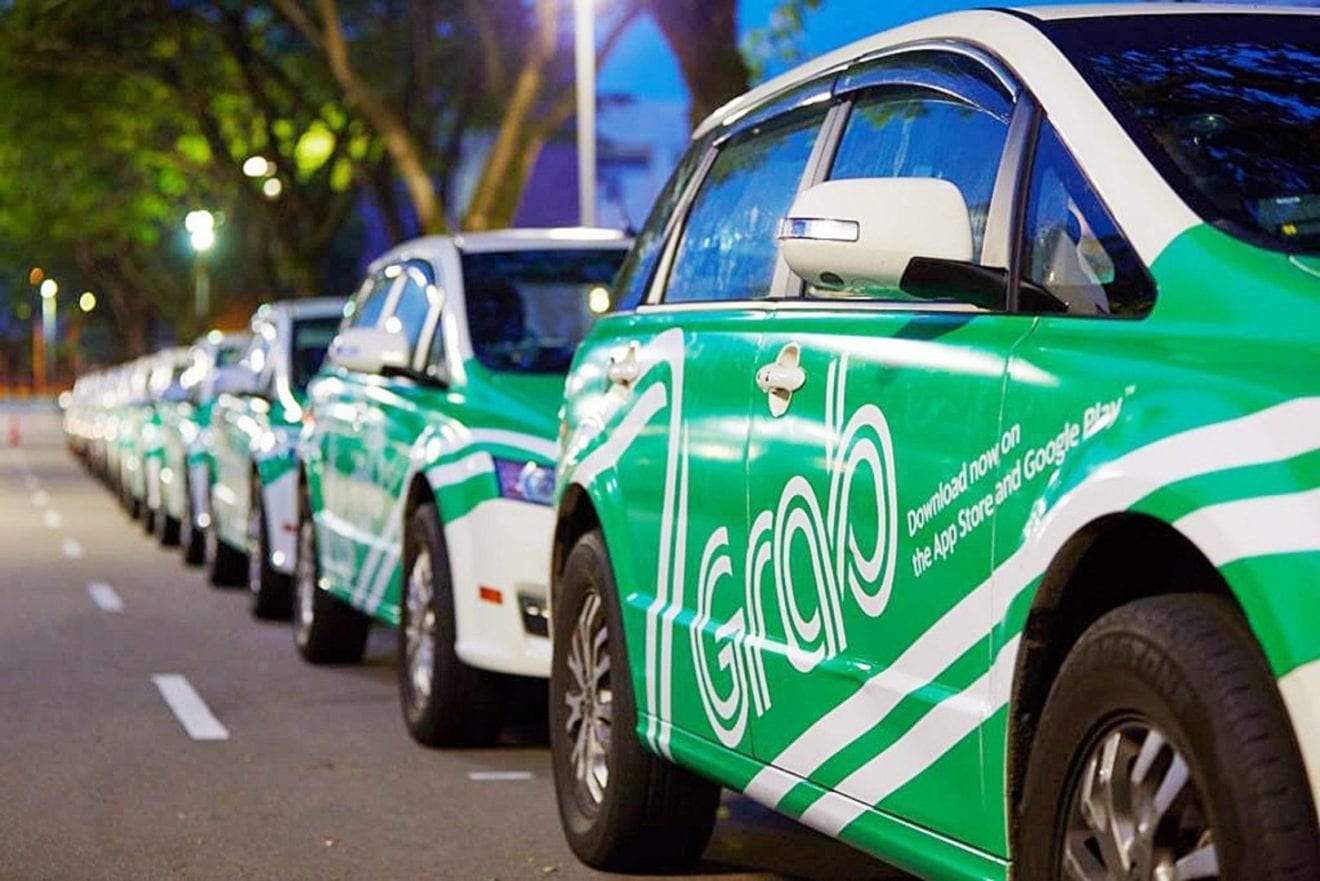
    Due to the rising demand, GrabBike, a mobile hailing app for motorcycle taxi services, has applied what is known as “surge pricing”, meaning that fares have more than tripled over the past week. The company says the move is aimed at ensuring there are enough drivers on the road, but customers are not impressed.

    Long, an office worker in Ho Chi Minh City’s financial district, headed home for the Lunar New Year holidays on a late night coach trip, leaving the city at 9 p.m. It usually costs him only $2.6 to travel the 7 kilometers by motorbike taxi from his apartment to the coach station. However, this time he was shocked to find that GrabBike had nearly tripled the fare to $7.1.

    The inflated cost annoyed Long who felt like he was getting fleeced by the service when he needed it the most.

    He decided to return to traditional motorcycle taxi drivers who pick up passengers on every corner in the city.

    “After negotiating, the driver agreed to take me for $3.5,” said Long, who had ditched old-fashioned motorcycle taxis for GrabBike thanks to its convenient booking service and lower fares offered by the app.

    The arrival of hailing mobile apps like Uber and Grab to Vietnam in recent years has put traditional motorcycle taxi drivers under great pressure with a rapidly shrinking market share.

    Many traditional motorcycle taxi drivers who are usually unable to compete with Grab have suddenly made a strong comeback over the past week as Grab’s surge pricing scares away customers.

    It usually costs Phuong, a resident in District 7, only $3 to get to Tan Son Nhat Airport. The price surged to $8 last Saturday despite her effort to avoid the rush hour by booking the trip at noon. Phuong agreed to the inflated fare, but after more than 30 minutes, there were still no GrabBike drivers in sight. She had no choice but take a cab to the airport.

    Higher prices are supposed to keep more drivers on the road during the busiest times. However, Long, a GrabBike driver, said the higher fares had made little difference to his income due mainly to heavy traffic that slows journey times.

    “A pick-up point was just 1.5 kilometers away but it took me more than 25 minutes to get there the other day,” said Long, adding that when he arrived at the pick-up point the passenger had already cancelled the trip.

    Ngo Nguyen Hoang, chief executive of Grab, said despite the higher fares leading up to Tet, the company has been unable to meet the demand.

    “We simply can’t reach our customers,” he said. “Before passengers book their trips, they will see the total cost of the rides in advance with upfront fares.”

    He confirmed that there will be no more unwelcome surprises heading into the holidays.

    “We are still offering discount coupons. There is no way we are fleecing our customers in the week leading up to Tet,” Hoang continued.

  • Telecom giants must develop equitisation plans

    Telecom giants must develop equitisation plans

    The three telecommunication groups under direct management of the Information and Communications Ministry (MIC) will have to develop their equitisation plans in 2017, according to the Minister of Information and Communications, Trương Minh Tuấn.

    The three groups are the Việt Nam Post and Telecommunications Group (VNPT), Việt Nam Multimedia Corporation (VTC) and MobiFone Telecommunications Corporation (MobiFone).

    The equitisation of the three telecom giants has to be speeded up in accordance with a December 2016 decision by the Prime Minister on criteria to differentiate State-owned enterprises (SOEs) and State-invested companies, he added, speaking at a meeting on January 23.

    Along with the decision, the PM also published the list of 240 SOEs that have to be equitised by 2020. On the list of 240 SOEs to be equitised, VNPT and MobiFone are the two among 27 firms in which the Government will hold 50-65 per cent ownership. VTC is among 106 SOEs in which the State’s stake will be reduced to below 50 per cent.

    Among the rest of the 240 SOEs, the State’s ownership will remain 100 per cent in 103 SOEs while its stake will stay over 65 per cent in four others.

    VNPT in 2016 recorded revenues of VNĐ135 trillion (US$6.09 billion), up 7 per cent from 2015, whereas income rose by 20 per cent to VNĐ4.16 trillion.

    MobiFone reported revenues of VNĐ38.4 trillion, up 14.5 per cent from 2015 with 19 million subscriptions. VTC surpassed their goal for 2016, with total revenues reaching VNĐ5.2 trillion, up 39 per cent compared to 2015.

    The Government has enhanced divestment from SOEs, ranging from breweries to dairy producers. Those deals have attracted intense attention from foreign investors given that Việt Nam is one of the fastest growing economies due to its young population and rapidly increasing export turnover, the Wall Street Journal reported last week.

    In the past 15 years the number of SOEs has fallen from around 6,000 to over 700. Between 2011 and 2015 almost 600 SOEs were equitised, 96 per cent of the targeted number.
    Read more at https://vietnamnews.vn/economy/350276/telecom-giants-must-develop-equitisation-plans-mic.html#0TOutqLCIzMYb4Ew.99

  • Online Tết shopping a boon for busy pros

    Online Tết shopping a boon for busy pros

    Lan Anh, an accountant living in District 3, HCM City, is over-worked as the Lunar Year draws to a close.

    She has plenty of reports to finish and very little time to spare for shopping, even for the most traditional, must-have food items for Tết (Lunar New Year), the most important festival celebrated in the country.

    For professionals like her, online shopping is a boon. Ordering and paying have become easy and convenient, although problems of quality and authenticity have also surfaced.

    Many consumers have said that the hectic year-end schedule keeps them so busy that they can’t go shopping, but the development of e-commerce and e-payment is helping them avoid going to stores or supermarkets by themselves. Now, without leaving their office or home, they can place orders online and wait for goods to be delivered at home.

    “To prepare for the New Year, I have ordered some traditional dishes from the central region, like pickled scallion, salted figs and papaya shrimp sauce,” Lan Anh said.

    With Việt Nam boasting a large Internet community and a young, digital-savvy population, the domestic e-commerce market is buzzing with activity ahead of the upcoming festival.

    Xuân Hòa, a resident in HCM City’s Bình Thạnh District, said he had purchased some products via Facebook after seeing many sellers advertise their goods on the social network.

    “I bought green grapefruit and bánh chưng cake for the upcoming holiday. Thanks to Facebook, I can shop and complete my work at the same time as all the transactions are conducted online. I just wait for the bills and goods brought to my house,” Hòa said.

    As the nation pushes its way to modernisation and deeper international integration, online shopping is set to become a habit for many. This is facilitated by several factors including diversified services and products, fast transaction speeds, quick payment and attractive promotions.

    Many large e-supermarkets and social networking sites have announced that they have carefully prepared to ship a large quantity of goods to serve a huge, growing demand, apart from launching various promotions to attract more buyers.

    Hotdeal.vn, one of Việt Nam’s largest e-commerce sites, has launched special shopping programmes for the holiday, providing customers with a wide range of selection of tasty and delicious Tết dishes from common foods to specialities like natural dried dates, pasteurised pennywort powder and hand-made meat pies.

    At e-commerce site adayroi.vn, customers can choose diverse food products, from confectionery, snacks, dried food, beverage and soft drinks to vegetables, fruits as well as provisions like rice, sugar and groceries.

    A representative of an e-commerce business said that with much lower overheads than traditional shopping channels, online shopping centres are able to offer multiple promotions and discounts.

    Some popular sites like sendo.vn, lazada.vn, chodientu.vn, hotdeal.vn, tiki.vn and zalora.vn are offering discounts up to 50 per cent on all types of products, especially those related to fashion and beauty, like shoes, handbags, watches and eyeglasses.

    With foodstuff is most in demand for this holiday, these items are advertised widely on the Internet with many discount programmes. Although the percentage discounts are not high compared to other consumer goods, people can still buy some items like confectionary, soft drinks and noodles for discounts of up to 39 per cent.

    Meanwhile, big supermarket chains in the country, are only accepting delivery orders by phone, while a prominent wholesaler allows only registered business owners to make online purchases.

    Quality question

    While online buying has grown significantly, consumers aren’t completely convinced of the benefits because the platform presents a number of risks and problems for users. Many e-commerce businesses have exploited legal loopholes in e-commerce transactions to swindle customers.

    Thanh Hà, a resident of HCM City’s Tân Phú District, said a very attractive spicy dried chicken has appeared on the e-market this year. After researching social networks, she chose a seller who seemed trustworthy and ordered a small amount to taste the product first.

    After checking and liking the dish, she ordered a larger amount to present to her relatives as Tết gifts. However, the second order turned out to be of bad quality. Hà still had to pay for the goods as it was the very last days of the year and the return process required many complicated steps, she said.

    Several websites are selling what they claim Nike and Adidas brand sports shoes for around VNĐ350,000, much lower than the official prices listed on the brands’ original websites. A pair of Converse brand shoes are being advertised online for just VNĐ100,000- 200,000, while the price of a pair on the official website is between VNĐ1 and 2 million.

    Lawyer Nguyễn Văn Viễn, Chairman of the Intellectual Property Association of HCM City, said punishing violations relating to counterfeit goods would be easier if the affected brand belongs to Vietnamese firms as they can confirm whether the goods are authentic or not.

    It is difficult to get confirmation of pirated products from overseas brand owners, Viễn said, adding that the Government and relevant agencies have to tighten management of online goods. The unprofessional and disreputable behaviour of some e-commerce businesses have badly affected the reputation of authentic companies, he said.

    Nguyễn Thanh Hưng, chairman of Việt Nam E-commerce Association (VECOM), also said that as the country’s e-commerce sector developed rapidly, legal issues were posing a big challenge.

    He said Việt Nam still did not have specific guidelines on the operation of the e-commerce market, thus there is no basis to determine the operational model and management direction for this potential growing market.

  • Internet in Việt Nam expected to be slow until Tết

    Internet in Việt Nam expected to be slow until Tết

    Internet connectivity in Việt Nam will remain slow for the next two weeks. The Asia-America Gateway (AAG) submarine cable broke once again on Sunday, causing bandwidth loss from Việt Nam to Hong Kong, Singapore and the US.

    The line that snapped on Sunday was 98 kilometres off the coast of southern Bà Rịa-Vũng Tàu Province.

    The repair ship will not be able to access the waters where the damaged cable is located till January 23, VietnamPlus reports.

    Welding is expected to start on January 25 and last until January 28.

    The cable will be buried and the connection will recover by January 29. However, the repairs may last longer if the weather is bad.

    In 2016, the 20,000km-long AAG cable was disrupted four times and maintenance work had to be undertaken in March, June, August and September.

    The AAG, one of the four intercontinental internet cable systems of Việt Nam and the largest, is used by major local providers, namely, FPT Telecom, VNPT, Viettel and SPT.

    The AAG cable came into use in November 2009, directly connecting Southeast Asia and the United States. It also links Southeast Asia with Europe, Australia and Africa.

    Previously, the Intra Asia cable system snapped and the damage was spotted near Hong Kong on Tuesday. However, the issue was resolved the same day.

    However, the system faced trouble again on Wednesday causing discontinuation in connection from Việt Nam to Hong Kong, Singapore and the US, affecting Internet speed in Việt Nam.

    Network providers will expand transmission channels to ensure connectivity this year. The Asia-Pacific Gateway undersea cable system is expected to help double the country’s internet traffic to other countries.

    The Asia Africa Euro 1, connecting Asian countries to Europe and Africa, is also under construction and is expected to become operational this year.


  • Vietnamese airlines approved for 1,270 additional domestic flights during Tet

    Vietnamese airlines approved for 1,270 additional domestic flights during Tet

    Vietnam’s aviation watchdog has approved several proposals from local airlines to increase flight frequency to meet spiking demands during the upcoming Tet holiday, though only half the requested additions were approved.

    Tet, the Vietnamese Lunar New Year holiday, falls in late January, though city residents typically begin flying back to their hometowns weeks before holiday to begin festivities with friends and family.

    Local airlines, national flag carrier Vietnam Airlines and budget airlines Vietjet and Jetstar, sought permission to collectively add 2,486 flights, with only 1,270 of the proposed flights actually gaining approval from the Civil Aviation Authority of Vietnam (CAAV).

    In a report submitted to the Ministry of Transport on Thursday, the CAAV said the three would be allowed to run the additional domestic flights between January 16 and February 12, an 8.5 percent increase in flights typically running during the period.

    Vietnam Airlines is permitted to add 380 flights, totaling 76,758 seats, during the Tet season, while Vietjet and Jetstar will add 560 flights (100,800 seats) and 330 flights (59,400 seats), respectively.

    Approximately 1,067 of the approved extra flights will depart or land in Tan Son Nhat International Airport, the country’s busiest airdrome, already operating beyond its design capacity.

    Despite potential overload issues, during the Tet holidays the Ho Chi Minh City-based airport will serve 807 flights per day during peak time, a 7.7 percent increase from the usual schedule.

    Vietnam Airlines is the only of the three carriers happy with the CAAV decision, with nearly 100 percent of their extra flight plan approved, meanwhile Vietjet will only be able to offer half of its proposed additional services while Jetstar was approved for 30 percent of its requests.

    Under the CAAV decision, the three carriers will collectively be forced to cut 230,000 seats from their previously planned Tet services.

    With some airlines allegedly selling tickets for the extra flights before having obtained approval from the CAAV, passengers with booked tickets are sitting on hot bricks, fearing they will not be able to return home for Tet celebrations.

    Ho Quoc Cuong, head of aviation transportation under the CAAV, said the air carriers may not sell tickets for all of the planned extra services, so there is little chance passengers with purchased tickets will miss flights.

    “If it is really the case, carriers must compensate and take full responsibility for the passengers,” he said.

  • Vietnamese expected to drink up this Tet

    Vietnamese expected to drink up this Tet

    Top brewer Habeco expects sales of nearly 147 million liters of beer during the biggest holiday, up 6.1 percent year on year. Vietnam’s brewers are gearing up for a massive drink-up this Lunar New Year holidays, or Tet.

    Hanoi-based top brewer Habeco plans to churn out 146.8 million liters of beer during the Lunar New Year, up 6.1 percent from the same period last year, according to the Ministry of Transport’s official mouthpiece Bao Giao Thong.

    Meanwhile, beer consumption in Ho Chi Minh City is projected to jump 30 percent (from last year) to around 40 million liters during Tet, according to estimates released by the municipal Department of Industry and Trade.

    The cities will provide the country’s key booze markets this Lunar New Year, which falls on January 28.

    The Vietnam Beer Alcohol Beverage Association expects beer production to grow by 25 percent, annually, before hitting 4 billion liters in 2020.

    Over the past five years, Vietnam has doubled its consumption of beer to more than 3 billion liters per year. Each Vietnamese person drinks an average of 27.4 liters, placing them squarely in the world’s top 25 beer drinkers.

    In 2015, Vietnam produced an estimated 3.4 billion liters of beer and 300 million liters of liquor.

  • 1,300 more domestic flights to operate for Tet

    1,300 more domestic flights to operate for Tet

    Special flights will be introduced from January 16 to February 12, the Civil Aviation Authority of Viet Nam (CAAV) said.

    Vietjet has been allowed to increase its number of flights by 8.9 per cent, so it will operate 560 flights, or 100,800 seats. National carrier Vietnam Airlines will offer 330 more flights, or 76,785 seats. Jetstar Pacific will have an additional 330 flights, or 59,400 seats.

    HCM City’s Tan Son Nhat International Airport, which is the busiest airport among the 21 airports nationwide, is estimated to receive 1,065 extra flights during the holiday season, 7.7 per cent more than its normal schedule.

    The flights will be operated in the slots or the duration during which the aircraft usually remain grounded at airports. It is estimated to have 38 flights per day.