Binance said on Thursday that $2.54 billion in cryptocurrency assets had been frozen as it investigated a potential security breach.
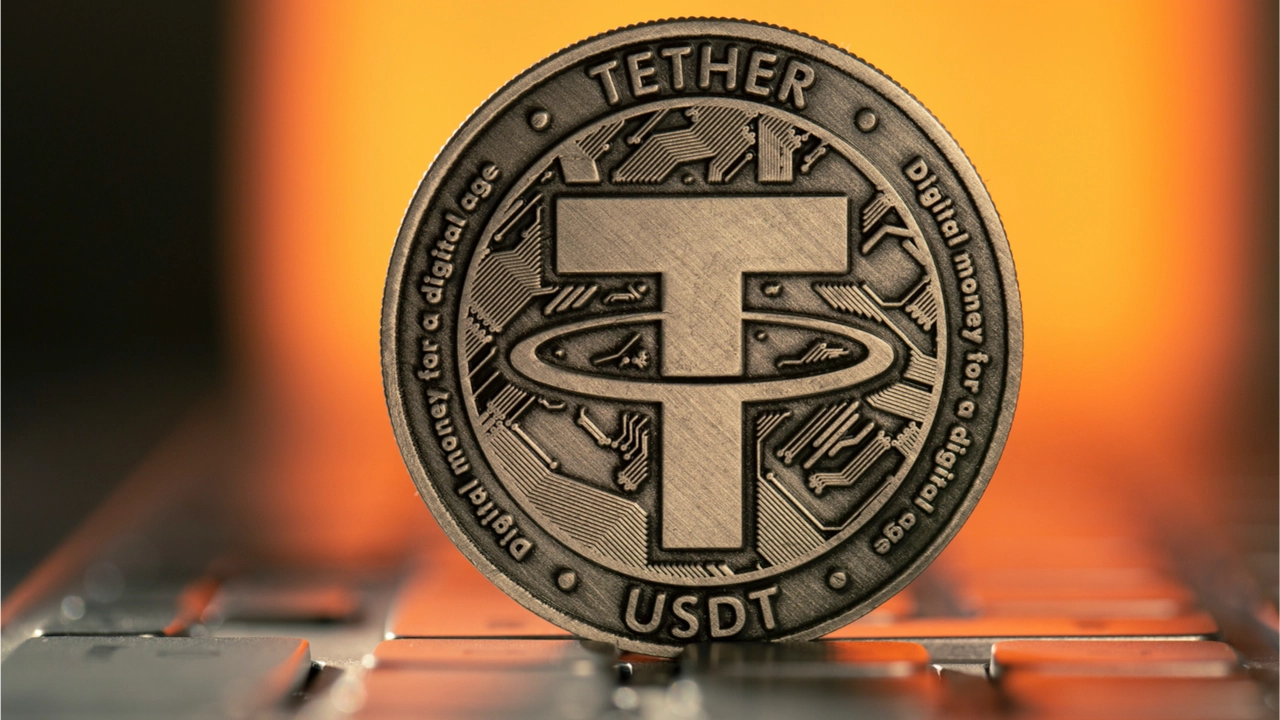
Stablecoin issuers Tether and Circle froze related assets to halt illicit transfers, locking nearly $1.57 billion and more than $800 million respectively. Trading on the Binance Alpha platform was temporarily suspended as a precaution, while customer withdrawals were paused pending the outcome of security checks.
Co-founder Yi He confirmed user funds remained safe and pledged that “Binance will cover all hacking losses.” Former chief executive Changpeng Zhao stated on X that the incident “looked like a hack,” while blockchain intelligence firm Arkham reported that outflows began around 4:30 p.m. EST on Thursday. Binance said the frozen total could rise as it works with law enforcement agencies, token issuers and blockchain investigators.
Stablecoin Issuers Intercept Unauthorized Capital
Third-party custodians and token networks stepped in quickly to limit the damage across decentralized pools. Ripple froze approximately $200 million in digital assets linked to illicit transfers, according to Yi. In addition, Donald Trump-backed crypto enterprise World Liberty Financial worked alongside digital asset custodian BitGo to immobilize $27 million in stablecoins and roughly $2 million worth of its proprietary tokens.
The scale of immediate market intervention highlights how centralized stablecoin mechanisms operate as liquidity kill switches during large-scale security exploits. While Tether froze 1.567 billion USDT directly, secondary market tracking firm Arkham indicated that initial automated alerts flagged upwards of $5 billion in anomalous balance movements before the actual scope was confirmed. Digital asset markets reacted swiftly to the containment efforts, sending Bitcoin down 2.8 percent to $79,026, Ether down 3.6 percent to $2,275, and Binance’s native BNB token falling 6.9 percent to $704.
Retail and Institutional Liquidity Impact Across Asia
For institutional market makers, regional liquidity desks and high-volume crypto traders across Asia-Pacific, the emergency freeze creates immediate operational friction. Pausing client withdrawals on a platform holding roughly $160 billion in assets under custody forces liquidity providers to pull back buy quotes, draining order book depth across regional partner venues.
The operational freeze leaves non-affected regional platforms such as Coinbase and Binance.US running on high alert while secondary clearing networks assess collateral risk. Unlike traditional payment clearing houses, cross-border digital asset conduits rely heavily on private token issuers to step in when exchange perimeters fail. The incident directly challenges institutional risk parameters for hedge funds and consumer trading apps that rely on Binance custody pipelines for client trade execution.
Escalating Cyber Risks Across Centralized Trading Floors
The scale of this security breach overshadows prior centralized platform losses across the sector. North Korean-linked cyber group Lazarus previously extracted $1.5 billion from rival exchange Bybit in 2025, which held the prior record for the largest centralized exchange theft. Across last year, cyber attackers stole an aggregate $2.9 billion in digital tokens across nearly 150 separate attacks, based on industry metrics compiled by TRM Labs.
Security vulnerabilities at centralized exchange layers have steadily expanded alongside custody balances. In September, Bitget suffered an exploit that drained $350 million from its reserves, illustrating the persistent risk centralized exchanges face as their custody totals swell. With Binance serving more than 300 million registered users globally, platform defense failures immediately ripple into retail market confidence, putting regulatory focus firmly onto reserve segregation and exchange recovery capabilities.
Binance engineers continue to review platform infrastructure logs before restoring outbound token transfers, while tracking partners work to verify whether the final illicit flow exceeds the initial $2.54 billion tally.