Tag: textiles

  • EU Warns Pakistan That GSP Plus Benefits Cannot Be Taken for Granted

    EU Warns Pakistan That GSP Plus Benefits Cannot Be Taken for Granted

    The European Union has warned Pakistan that trade preferences under the Generalised Scheme of Preferences Plus cannot be taken for granted as the current framework expires at the end of this year.

    EU Ambassador Raimundas Karoblis told Dawn that Islamabad must address compliance issues under 27 international conventions before reapplying for the successor regime ahead of the Dec 31, 2028 transition deadline.

    Tariff Exposure for Apparel Suppliers

    European buyers take roughly 28 per cent of Pakistan’s total exports. Nearly 90 per cent of those shipments qualify for duty relief under the Generalised Scheme of Preferences Plus framework, known as GSP Plus.

    Textile and apparel factories generate between 70 per cent and 76 per cent of sales to the European market. Leather goods, processed foods, and beverages also rely on zero-tariff access. Without it, local producers struggle against rivals in South and Southeast Asia.

    Pakistan has held GSP Plus status since 2014. The current regulation expires at the end of this year, but existing beneficiaries receive a transition window running until December 31, 2028. European officials stress that the transition does not guarantee automatic inclusion in the next cycle.

    The situation is not certain. And, of course, GSP+ preferences cannot be taken for granted.

    New Benchmarks and Regional Competition

    For European fashion brands and sourcing heads, losing preferential tariffs on Pakistani cotton and knitwear would shift costs overnight. Standard tariffs would add immediate import duties on garments. That would wipe out margins against competitors in Bangladesh, India, and Vietnam.

    Brussels has stripped trade perks before. Sri Lanka lost its GSP Plus standing in 2010 over human rights issues, forcing clothing exporters there to renegotiate pricing across European retail accounts. Pakistan faces partial or full suspension during the transition window if regulators find compliance failures.

    Stricter Conditions for Islamabad

    A European Commission review covering the 2023 to 2025 period cited compliance problems in Pakistan, noting regression on forced labour, judicial independence, and civil rights. Outgoing Foreign Office spokesperson Tahir Andrabi stated that the report understates the country’s reform progress across international treaties.

    The successor framework expands qualifying criteria from 27 international conventions to 32. Islamabad has ratified the five additional treaties. Still, European monitors require a detailed action plan with verified metrics before granting approval under the new system.

    Formal European Commission monitoring reviews will run ahead of the December 31, 2028 transition deadline. Those findings will determine whether Pakistani garment manufacturers retain zero-tariff access to European ports.
  • LC Waikiki Starts Production at New Apparel Plant in Aleppo

    LC Waikiki Starts Production at New Apparel Plant in Aleppo

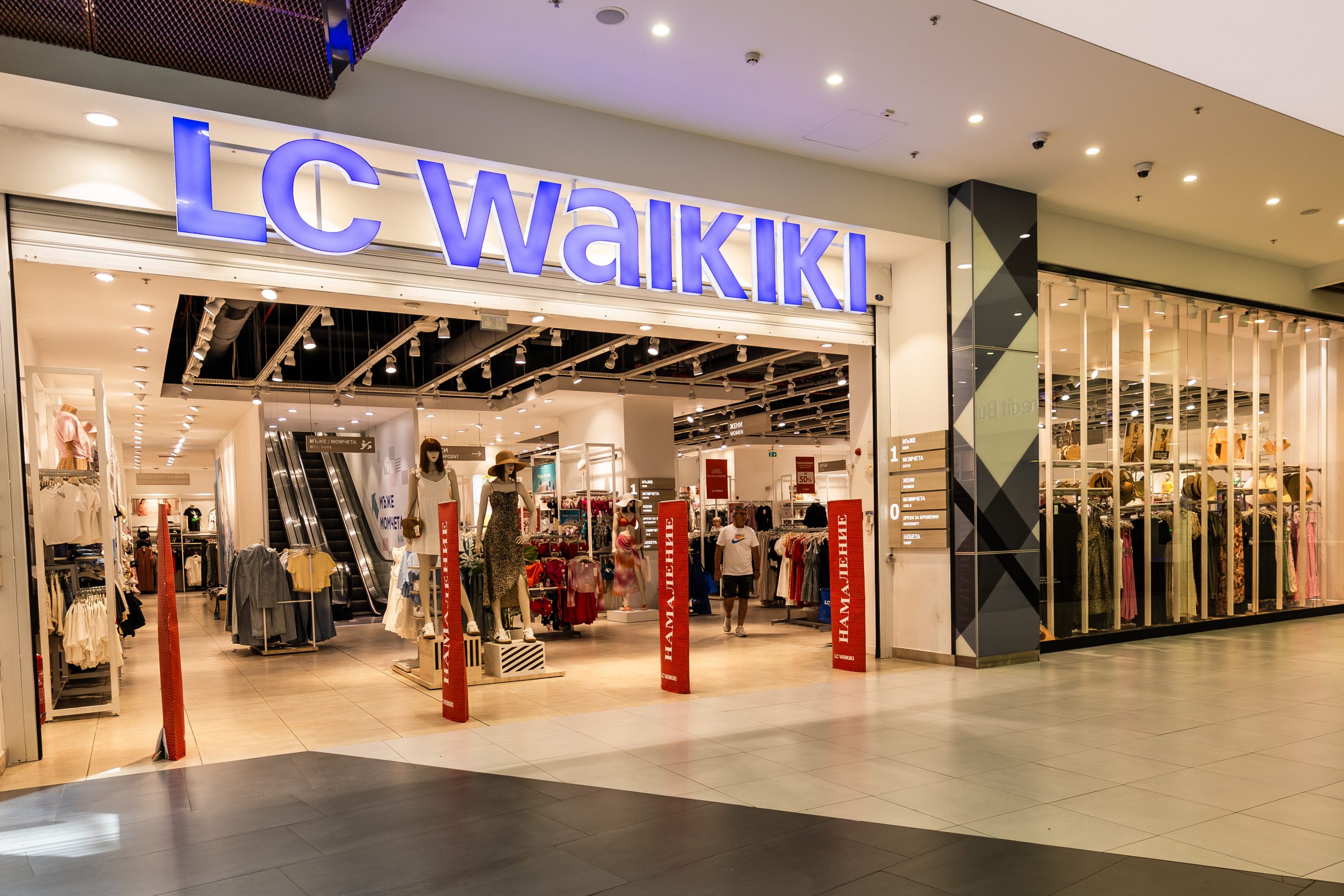
    Turkish apparel retailer LC Waikiki has started production at a new manufacturing facility in Aleppo, Syria, initially hiring 150 workers.

    The company plans to expand the plant’s workforce to 1,000 staff over the next three years.

    Scaling up in Al-Rai

    Operations at the facility in Al-Rai Industrial City began in June. The site establishes direct garment assembly capacity just south of the Turkish border.

    Other Turkish manufacturers are now preparing similar cross-border production arrangements in the industrial zone. Lower wage bases and proximity to established Turkish textile supply chains make northern Syrian border zones an emerging manufacturing corridor.

    Cross-border textile shifts

    Apparel groups based in Turkey have faced rising domestic labor and energy expenses, prompting brands to explore assembly hubs across nearby borders. The move mirrors how Asian garment manufacturers established cross-border supply networks between higher-cost domestic hubs and lower-wage neighboring markets.

    The Aleppo facility provides an operational test for cross-border logistics and labor stability in the region. The primary milestone to watch is whether LC Waikiki reaches its 1,000-worker employment target within the three-year window.

  • Bangladesh Imports from India Hit $10.96 Billion Despite Port Limits

    Bangladesh Imports from India Hit $10.96 Billion Despite Port Limits

    Bangladesh increased its imports from India to $10.96 billion in fiscal 2025-26, defying land border curbs designed to restrict cross-border shipments between the two neighbours.

    The annual import bill rose 13.9 percent from $9.62 billion recorded in the previous fiscal year, according to National Board of Revenue data. Bangladeshi exports to India dipped slightly over the same period, slipping to $1.75 billion from $1.76 billion. The figures leave Dhaka with a bilateral trade deficit exceeding $9.2 billion, with India supplying more than six times what it buys in return.

    Shifting cargo from land to sea

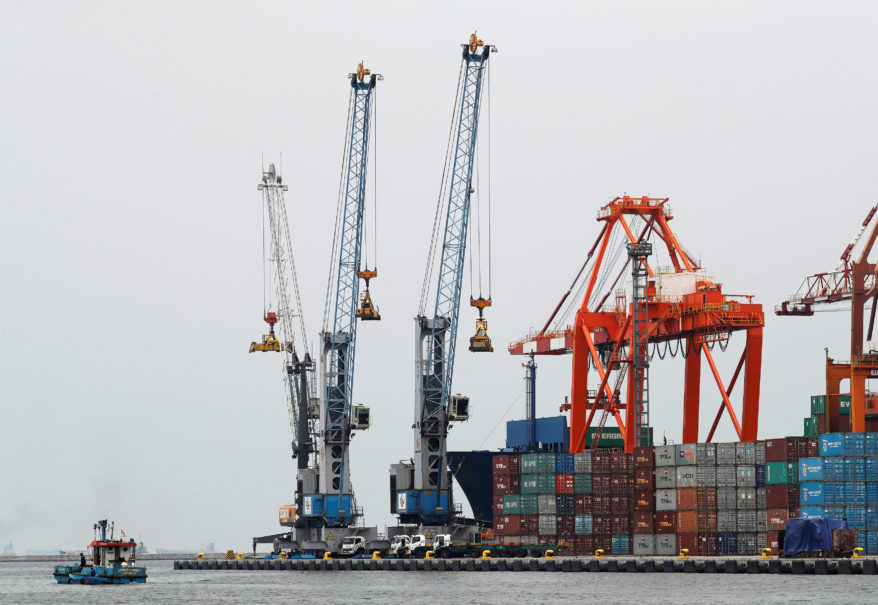
    Bilateral trade friction escalated following political changes in Bangladesh in 2024. Dhaka restricted yarn imports across land borders in March 2025 to shield domestic spinning mills, redirecting all Indian yarn shipments exclusively through Chattogram seaport. New Delhi responded in April 2025 by halting airport transhipment facilities for Bangladeshi garments bound for third countries, later adding land port curbs on Bangladeshi processed food, jute, furniture, and apparel.

    The administrative barriers failed to dent demand for Indian textile inputs. Bangladesh Textile Mills Association president Showkat Aziz Russell said recorded yarn imports from India doubled to approximately 300 billion taka in fiscal 2026, up from 140 billion taka a year earlier. Channeling shipments entirely through seaports brought previously informal or unrecorded overland cargo onto customs registries, inflating formal totals while keeping factory order books supplied.

    Structural imbalance in regional apparel

    Textile mills and garment factories across Dhaka and Chattogram rely heavily on Indian cotton, yarn, and fabric because of shorter freight times and buyer-nominated fabric specifications. While India is Bangladesh’s second-largest overall trading partner after China, Dhaka’s outbound shipments remain heavily concentrated in ready-made garments, which face domestic competition and strict standard compliance inside India.

    Policy analysts and industry bodies note that despite duty-free access granted under the South Asian Free Trade Area framework in 2010, the two countries have yet to build integrated supply chain agreements. Bangladesh Garment Manufacturers and Exporters Association president Mahmud Hasan Khan and Knitwear Manufacturers president Mohammad Hatem have urged both governments to resolve transport frictions through high-level talks.

    Trade associations from both nations continue to push for formal negotiations on a Comprehensive Economic Partnership Agreement to clear land port bottlenecks and establish mutual certification standards.

  • Gas Shortage Shuts 80 Percent of Narsingdi Textile Mills in Bangladesh

    Gas Shortage Shuts 80 Percent of Narsingdi Textile Mills in Bangladesh

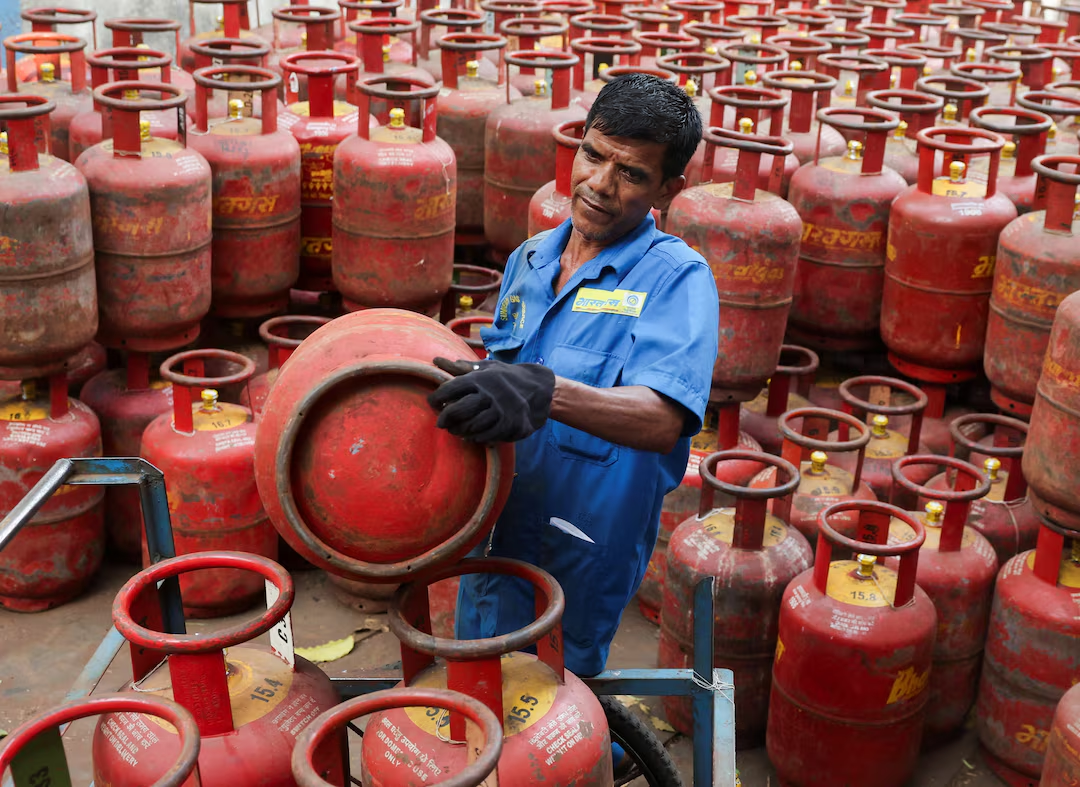
    A severe natural gas shortage has shut roughly 80 percent of textile and dyeing mills in Narsingdi, wiping out an estimated Tk 500 crore in daily output.

    The industrial hub supplies about 75 percent of domestic fabric demand in Bangladesh, leaving garment makers without essential materials as international buyers cancel orders.

    Rotting Fabric and Idled Boilers

    Narsingdi houses more than 3,000 production units, including 2,500 sizing, spinning, dyeing and weaving mills. About 400 of these operations rely on uninterrupted natural gas at 10 to 15 pounds per square inch to run steam boilers and drying machines. Gas pressure in key industrial pockets like Madhabdi and Chowala fell to zero for four straight days, leaving chemically treated fabric stranded mid-cycle. Fabric left wet beyond 16 hours rots and turns unusable.

    Local industry groups estimate between 10 million and 15 million yards of fabric have been ruined. At Tithi Textile in Madhabdi, 250,000 yards were damaged after generators and machinery stopped. Facing steep losses and wage deadlines, more than 100 mills closed indefinitely, sending workers home on unpaid leave. Others turned to burning wood in steam boilers at a cost of Tk 12,000 a day, skirting local environmental permits after the price of scrap fabric waste spiked.

    Supply Chain Bottlenecks Spread

    The disruption traces back to July 21, when a technical fault crippled an offshore floating liquefied natural gas terminal at Moheshkhali. National gas output plunged from 2,650 million cubic feet per day to 2,175 mmcfd against total demand of 3,800 mmcfd. State distributor Petrobangla lifted supply to 2,300 mmcfd on August 22, but state utility Titas Gas diverted high-pressure flows of 200 PSI to the Ghorashal-Palash fertiliser plant, starving private textile processors.

    Bangladesh remains the world’s second-largest apparel exporter, yet its supply chain faces recurring energy vulnerabilities that threaten delivery timelines for global fashion brands. While competing manufacturing hubs in Vietnam and India rely on more diversified power grids, Bangladeshi mills remain exposed to single-point infrastructure failures in offshore gas infrastructure, compounding margin pressure from rising domestic debt.

    Titas Gas engineers expect regional gas pressure to show initial signs of recovery next week as repair teams complete work on the Moheshkhali LNG terminal.

  • Hard Rock Bedding and Bath range planned

    Hard Rock Bedding and Bath range planned

    Restaurant and accommodation chain Hard Rock International is to partner with textiles firm Sobel Westex to produce a manchester range.

    The Hard Rock at Home collaboration is intended to give music fans around the globe the opportunity to fine-tune their living spaces with home goods inspired by music – including bedding, bath textiles, window treatments and beach towels.

    The Hard Rock at Home collection features luxurious bedding, including comforters, sheet sets, throws and decorative accent pillows with a variety of designs. Through the collection, fans can add country, rock and alternative music touches, as well as hip hop trends and pop accents.

    “We are excited to collaborate with Sobel Westex to bring these trendy bedding, bath and beach products to consumers worldwide,” said director of licensing for Hard Rock International Mark Linduski. “This fresh, unique collection of musically-inspired, designer textiles will appeal to customers of virtually every age range, music genre and lifestyle while aiding in our strategic initiative to expand retail distribution of the Hard Rock brand outside of our own retail properties.”

    The designer textile collection will debut at the New York City Spring Textile Market from March 18 through March 21, before launching to consumers this autumn.