Retail News CRM

Tag: The Face Shop

  • LG Household sells 1 trillion won of cosmetics in quarter

    LG Household sells 1 trillion won of cosmetics in quarter

    LG Household & Health Care sold 1 trillion won ($885.2 million) of cosmetics for the first time ever in a quarter, the company said Thursday. In its 2018 fourth quarter, cosmetics sales totaled 1.05 trillion won, an increase of 18.2 percent year on year. It credits strong sales of luxury line “The History of Whoo” for the good performance, adding that Whoo became the first single brand in the domestic cosmetics industry to reach 2 trillion won in annual global sales.

    LG’s health care arm achieved another first. It recorded annual operating profits over 1 trillion won for the first time last year, while posting 6.7 trillion won in total sales.

  • LG H&H buys Avon factory in China

    LG H&H buys Avon factory in China

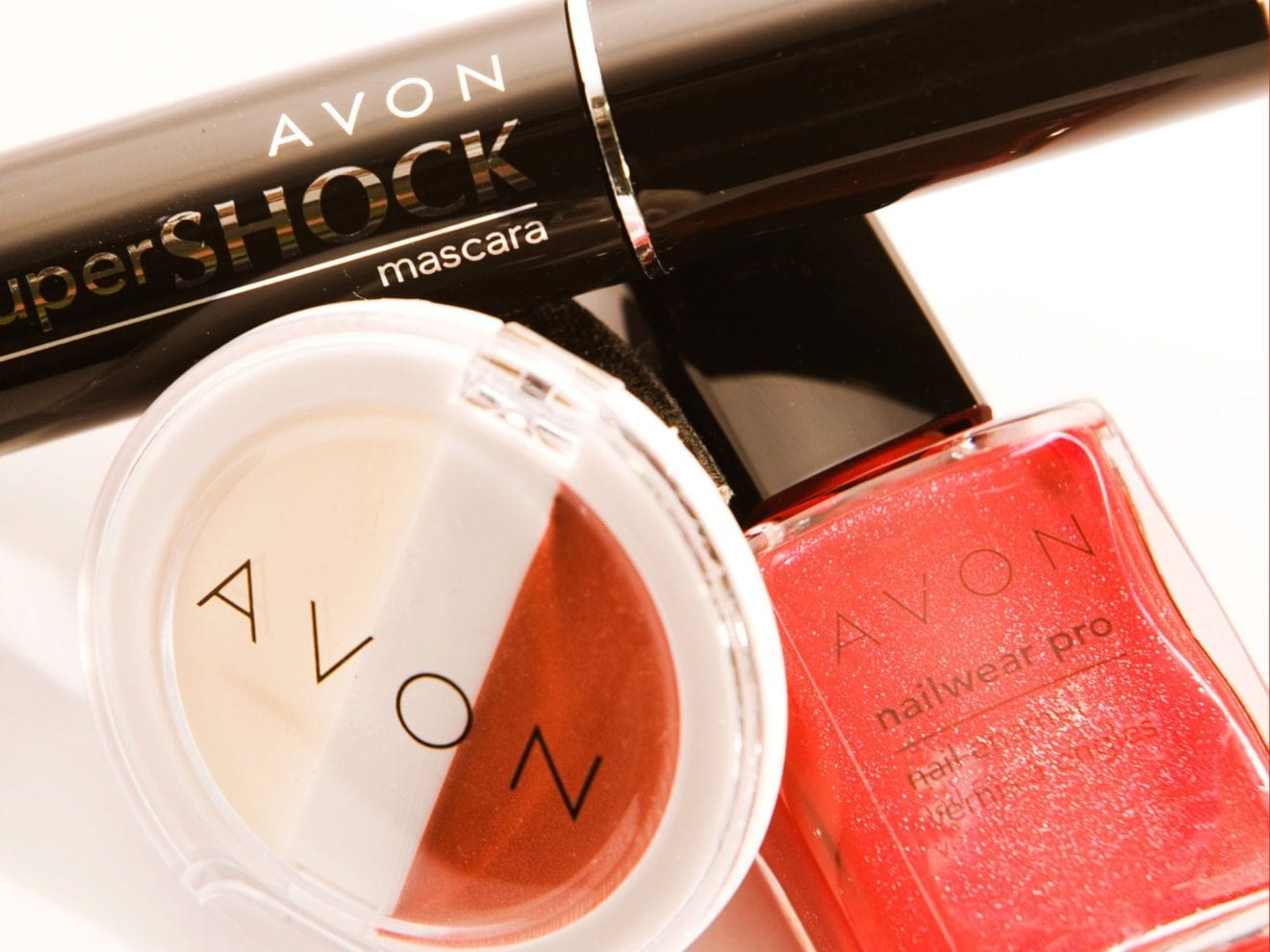
    LG Household & Health Care announced Wednesday it is buying Avon’s Chinese factory in an effort to expand production facilities. According to LG Household, subsidiary The Face Shop will purchase the London-based cosmetics firm’s factory in Guangzhou, China, for around 79.3 billion won ($70.8 million). Avon’s 49,500-square-meter (12.25-acre) factory in Guangzhou, China is capable of producing 13,000 tons of cosmetics and hair care and body products every year. Its facilities meet cGMP (current Good Manufacturing Practice) regulations, which are enforced by the U.S. Food and Drug Administration.

    LG Household will use the Guangzhou factory to manufacture LG products like The Face Shop branded goods for its Chinese and other Asian businesses while continuing to produce Avon products as well. Avon employees will remain at the factory.

    The buyout deal is expected to be finalized in February after Chinese authorities approve the transaction.

    The move comes less than a year after LG Household purchased Avon’s Japanese operation for around $96 million last April. Avon said it hopes the Guangzhou factory sale will help increase its operational flexibility.

    “This transaction is a significant step forward in our effort to ‘Open Up Avon’ by operating more efficiently, with a leaner, more agile global infrastructure,” said Jan Zijderveld, CEO of Avon. “We know [LG Household] well and believe that they will continue to be a strong partner for Avon.”

    “We are pleased to … add a state-of-the-art facility with powerful capabilities to deliver quality products for the fast-growing local market,” added Suk Cha, CEO of LG Household.

  • The Face Shop loses trademark battle with Louis Vuitton

    The Face Shop loses trademark battle with Louis Vuitton

    Korean cosmetics firm The Face Shop has lost a trademark infringement case filed against it by French luxury brand Louis Vuitton. The infringement case relates to Face Shop’s collaboration with American brand My Other Bag, known for its parodies of luxury products. LV has unsuccessfully pursued My Other Bag for damages in American courts.

    Seoul’s Central District Court has ruled The Face Shop to cease trading in products featuring Louis Vuitton designs and pay KRW50 million (US$44,080) in fines.

    The Face Shop failed in its defense that their products were a parody due to the low market profile of My Other Bag in Korea and the difference in how The Face Shop used LV designs compared with My Other Bag’s parody products.

  • Lotte Duty Free’s expanded flagship Seoul store with focus on K brand

    Lotte Duty Free’s expanded flagship Seoul store with focus on K brand

    Lotte Duty Free has opened a new 519 square meters area at its flagship store in Myeong-dong, Seoul, with a strong emphasis on promoting small and medium-sized Korean brands. A highlight of the zone, located in the store’s Star Avenue, is ‘Blooming Beauty’, a shop-in-shop that houses around 130 brands, 60 of them small, emerging brands and 30 of them independently owned. These include the Marvel collection from The Face Shop, Medicube, Miba, Cosmetea, Wakemake and others.

    The company said it was “upgrading its incubation programme” for smaller brands, and would support them by distribution through its online sales channel and at its downtown Seoul outlets.

    It said that these brands would “demonstrate their sales potential” in the new environment.

    The store, it added, “will enhance customer convenience through brand diversification and space expansion”.

    To celebrate the opening of the new Star Avenue area, Lotte Duty Free presented gifts from 20 brand partners in the Blooming Beauty zone to shoppers who spent more than US$1.

    There are also special discounts for local residents until the end of October, and discounted sales of KT&G’s new ‘heat not burn’ product Lil will be available until 22 November.

  • The Face Shop X Coca Cola has been launched

    The Face Shop X Coca Cola has been launched

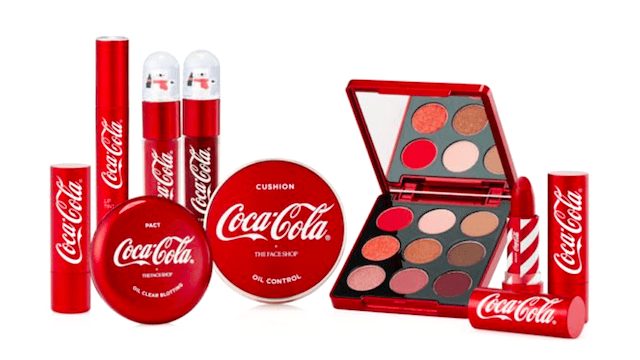
    Korean makeup brand The Face Shop has launched a range of Coca Cola cosmetics in an unusual collaboration with the US soft drink brand.

    The makeup range includes cushion compact, powder pact, five cream lip tints, five lipsticks, three gel lip tints, and an eyeshadow palette – all in Coca Cola pattern packages.

    Not only are they sold to look a little like Coke products… they even smell like Coca Cola.

    The Face Shop says the lip tints and lipsticks really do have a scent similar to “the real thing”…

    The lip tint packaging also features a cute polar bear image on the cap.

    The Coca Cola cosmetics collection by The Face Shop is sold online and at retail chains in Korea.

  • Hong Kong retailers may benefit from missile row

    Hong Kong retailers may benefit from missile row

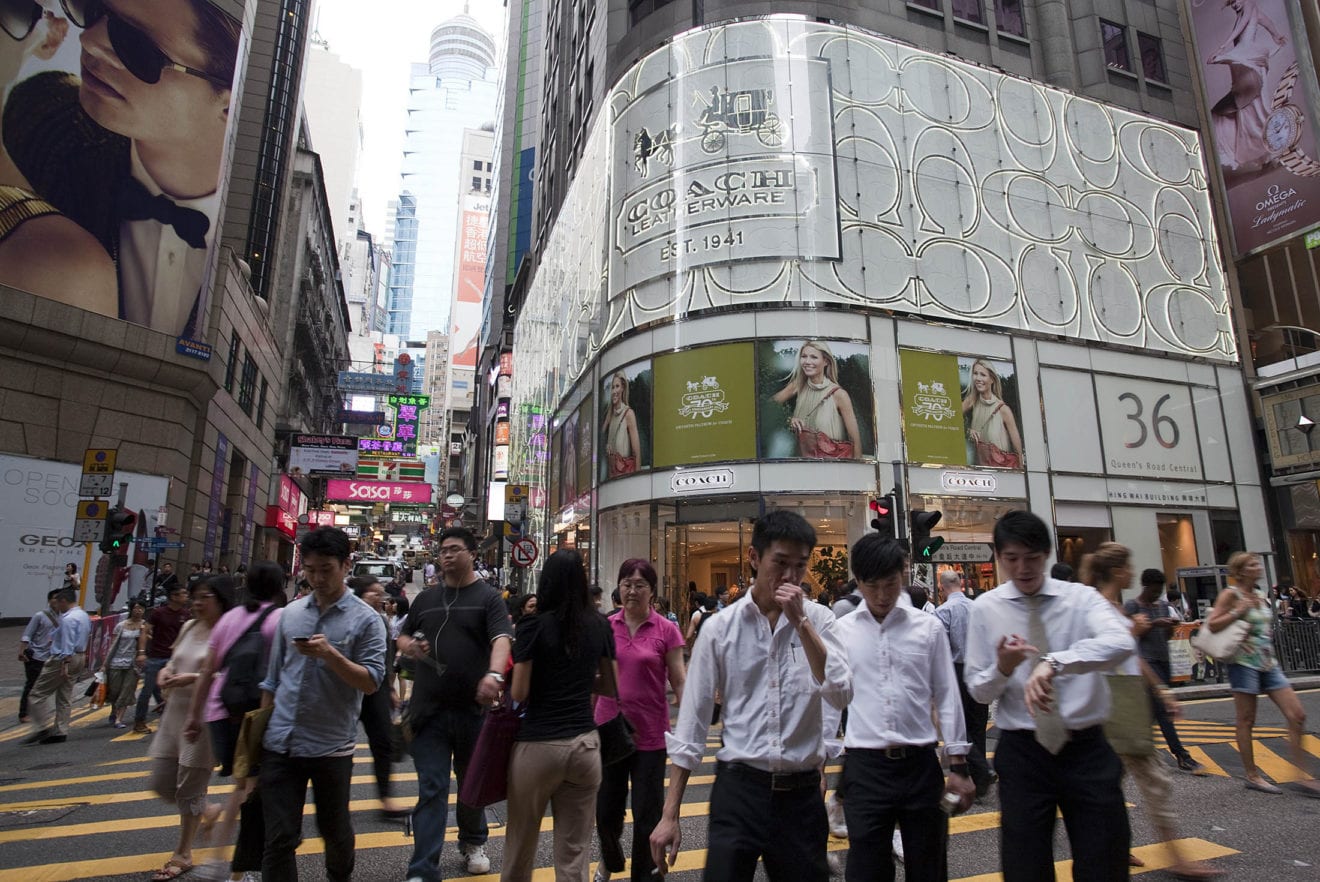
    China’s ban on group tours to South Korea in retaliation against a planned deployment of a missile defence system there could see a revival of tourism to Hong Kong, where retailers have been struggling.

    “South Korea, Southeast Asia and Hong Kong are all short-haul attractions favoured by mainlanders, and if one market faces headwinds there can often be a knock-on effect on the others,” says investment firm CLSA head of Hong Kong consumer research Mariana Kou.

    Beijing last week ordered domestic travel agents to stop offering group tours to South Korea, as well as hotel and flight booking services for individual travellers.

    Although designed to protect against attacks from North Korea, South Korea’s installation of THAAD radar is considered by Beijing as a threat.

    Mainland Chinese visitors to South Korea rose to 8 million last year, almost quadruple the level of 2012. The Korea Tourism Organisation estimates that a 50 per cent drop in mainland tourism would hit the tourism sector to the tune of US$9.6 billion.

    People speaking Chinese were noticeably absent from the shopping district of Myeong-dong in Seoul yesterday, just as the Chinese government’s ban went into effect, reports The Korea Times.

    “I think the number of Chinese tourists has declined almost 70 to 80 per cent,” says an information officer helping foreigners. “There are obviously fewer Chinese tourists here than Japanese visitors these days.”
    Previously, Chinese tourists were crowding shops to buy cosmetics and luxury goods. Now the owners of so-called “road shop brands”, such as Innisfree, Nature Republic and The Face Shop, are struggling to attract custom. Now their workers are speaking Japanese and distributing leaflets and maps in the language.

    Meanwhile, some tourist buses have been taking Chinese groups to the main Lotte Department Store, but tourism officials expect this mark to dry up by the weekend. “Those who came to Korea before the measure have yet to leave,” says one official.

    Experts say the situation could see middle-class shoppers from China’s less affluent cities flock to Hong Kong as an affordable alternative, reports The South China Morning Post.

    Hong Kong Tourism Board data shows that spending by individual travellers has been trending downward. The average overnight visitor to the city spent HK$6602 (US$850) last year, down from HK$7234 in 2015. The board predicts a further 5.2 per cent drop to HK$6256 this year.

  • Innisfree Vietnam marks maiden store

    Innisfree Vietnam marks maiden store

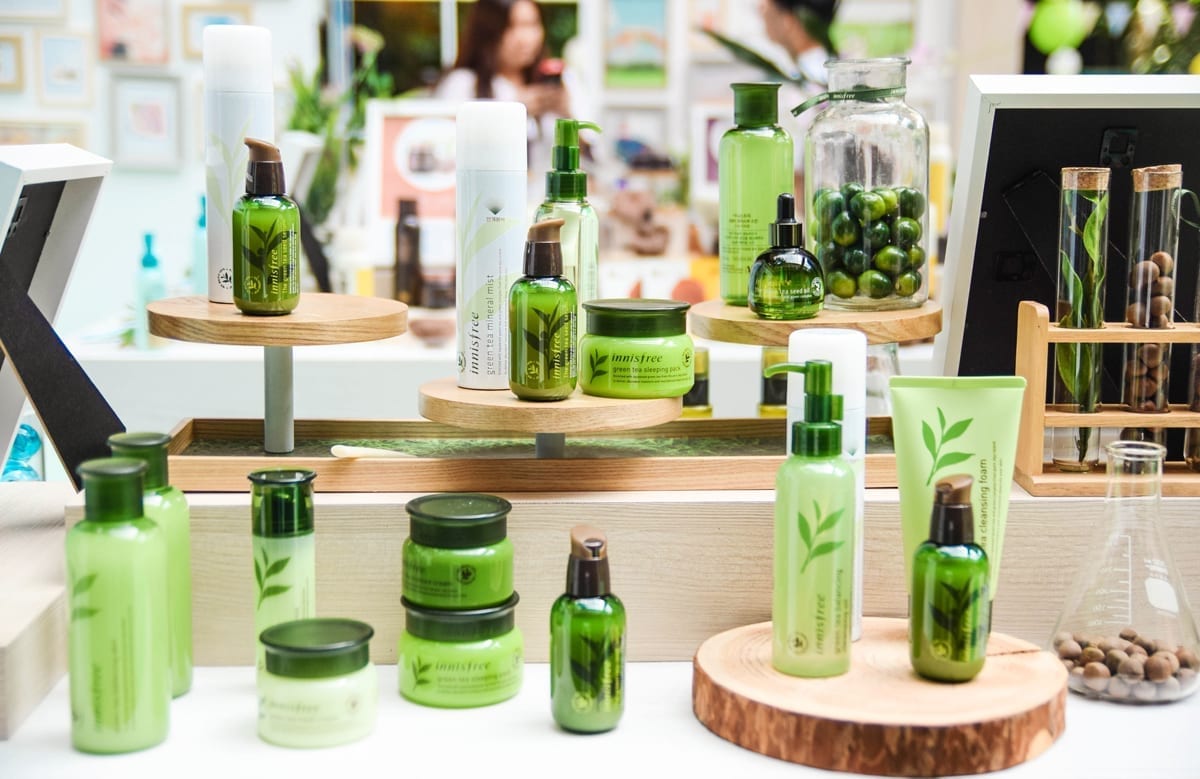
    The Korean eco-cosmetics brand Innisfree has officially launched in the Vietnam market.

    The first Innisfree Vietnam store will open at 257 Hai Ba Trung St in District 3, on the edge of Ho Chi Minh City’s CBD on October 29.

    Vietnam is the ninth overseas market that Innisfree has chosen for international expansion.

    Innisfree Vietnam store

    The brand will join a booming Korean cosmetics market in Vietnam along with TheFaceShop, Etude House and Skinfood. For a long while, Vietnamese eco-cosmetics lovers have been buying Innisfree items online and having them brought in by travellers, hand-carried from Korean cosmetics shops.

    Innisfree is founded in 2000, under management of Amore Pacific, the parent company of other brands such as Laneige, Sulwhasoo and Etude House.

    With its mission to bring the most authentic beauty ingredients extracted from Jeju island green tea and volcanic rocks, Innisfree appeals to women who prefer natural beauty methods.

  • Chinese celebs promote ‘K-beauty’

    Chinese celebs promote ‘K-beauty’

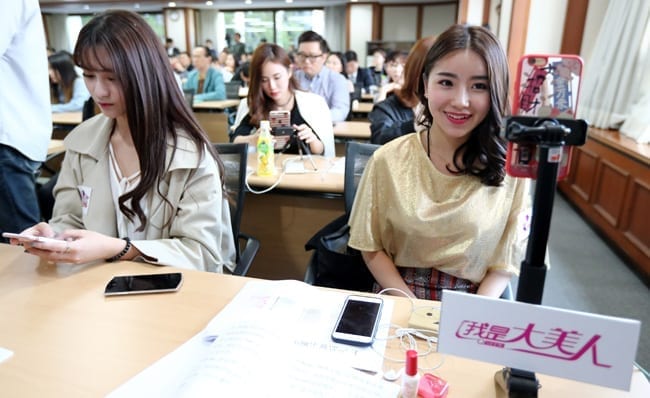
    Internet celebrities in China, known as “Wang Hong” there, have been in the limelight among Korea’s cosmetics and retail industry officials, amid a chilly relationship between the two countries. Bilateral relations have soured since Korea decided to deploy the Terminal High Altitude Area Defense (THAAD) missile system.

    The online stars, who have millions of followers on the internet, exert a strong influence over young Chinese people. According to CBN Data, a commercial data company affiliated with Alibaba, the “Wang Hong economy” is set to be worth 58 billion yuan ($8.7 billion) in 2016, more than China’s box office in 2015.

    Korea’s cosmetics industry officials have recently paid attention to them, as more have promoted K-beauty fever in China, evaluating or recommending Korean cosmetics online.

    Some cosmetics companies have even invited them to Korea to promote their products.

    AmorePacific invited some to Korea in March and September this year to promote its oriental herbal shampoo “Ryoe.” After the invitation, AmorePacific’s shampoo sales in China grew seven times year-on-year. LG Household and Health Care invited nine celebrities to Korea on Sept. 22 to promote its cosmetics brand SU:M37. The Face Shop invited five others and introduced their products to them earlier this year.

    Retail industry officials are looking for opportunities from the celebrities as well.

    Aekyung invited 10 in May to promote its cosmetics brand “Luna,” and HDC Shilla I’PARK Duty Free hosted an overnight trip for five to sightsee spots in Yongsan, central Seoul. Shinsegae broadcasted its “K-beauty fashion week” event to China through the channels of a few of the internet celebrities and Galleria Duty Free Shop employed two to promote the store in China through their social media.

    On Oct. 3, Minister of Culture, Sports and Tourism, Cho Yoon-sun said, “We would like you Wang Hongs, who lead the trend in China, to be a bridge between Korea and China,” meeting six celebrities at Jongno Hanok Village in central Seoul.

  • K-beauty spreads worldwide

    K-beauty spreads worldwide

    The ‘K-beauty’ market is expanding its sphere of influence beyond Asia, and reaching out to other global markets.

    According to Aju News, a Korean newspaper, Korean cosmetics brands are exploring new markets worldwide. As the global interest in K-pop and K-dramas is rising, women all over the world are now looking at K-cosmetics.

    Amore Pacific has been eyeing the international market since the 1990s. After establishing factories in France and China, the company continued to expand its influence worldwide, with products now being sold in the U.S., Malaysia, Indonesia, Vietnam, Canada, Thailand, the Philippines, Singapore, Myanmar, and Japan, generating global sales of 1.26 trillion won.

    Able C&C’s cosmetics brand Missha is following the lead, spreading K-beauty all over the world. Missha stores can now be found in Brazil, Germany, Mexico, Venezuela, Turkey and Spain. The Brazilian market in particular is expected to generate strong sales growth, as reports show that the local cosmetics market is the fourth largest in the world.

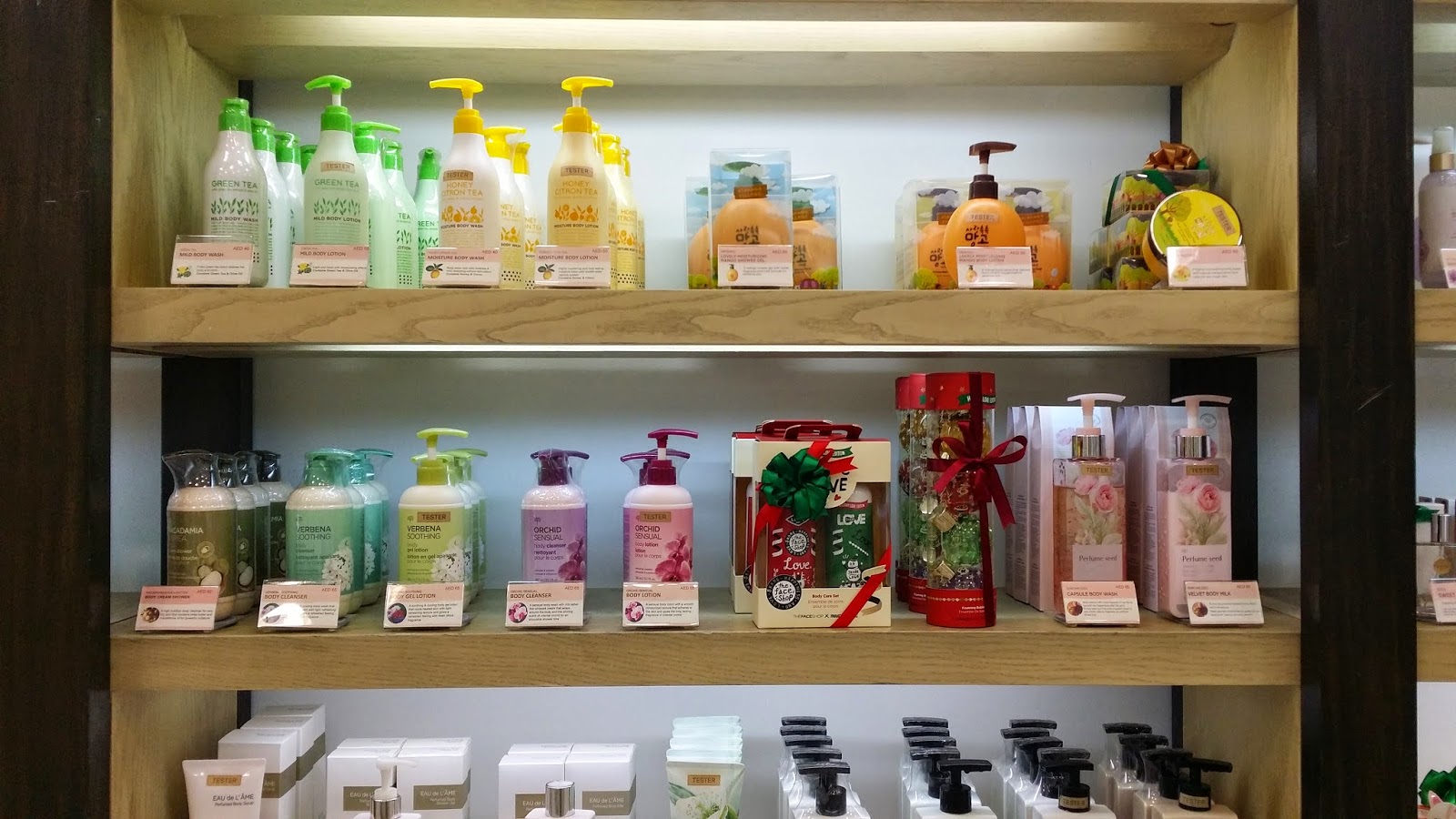
    LG Household & Health Care’s The Face Shop is focusing on the Middle Eastern market, opening 55 stores in five countries – Jordan, Saudi Arabia, UAE, Oman and Armenia.

    Cosmetics brands are using a number of different marketing strategies to aggressively target overseas markets.

    In areas where natural ingredients and safety are important, such as Europe and the US, businesses are attracting customers with their ‘natural’ brands. Some brands promote elements of Korean tradition to attract western consumers. Many are ‘blending in’ with the locals through collaboration with local businesses.

    To boost overseas expansion, the Korea Trade Promotion Corporation (Kotra) is taking steps to boost sales of Korean cosmetics through American and Chinese online shopping sites.

    Kotra will host a ‘K-beauty summit’ to help Korean cosmetics brands export their products. The agency’s ‘online export incubating program’ will be introduced, and is expected to help businesses sell their products through Amazon.

    Kotra is also seeking to secure new trading opportunities in China in collaboration with the online shopping site TaoBao, operated by Chinese eCommerce behemoth Alibaba. The two parties plan to host a K-beauty expo in China during the first half of the year.

    Innisfree store in Shanghi

    The cooperation with TaoBao is only the start, as Kotra is also planning to work with other online shopping portals such as JD.com.

    Officials at Kotra emphasise the importance of making inroads in the American and Chinese markets to prolong the popularity of the K-beauty trend. They expect to draw the attention of young consumers who are sensitive to fashion and style trends and familiar with online shopping.