Tag: The Gioi di Dong

  • Vietnam’s Mobile World sales rises

    Vietnam’s Mobile World sales rises

    Vietnam’s Mobile World saw a 43 per cent jump in revenue in the first five months of this year.

    The mobile device and consumer electronics retailer posted net sales of VND37 trillion (US$1.61 billion) and an after-tax profit of $55.8 million, 44 per cent up year-on-year.

    Of its divisions, electronic retail arm Dien May Xanh accounted for 56 per cent, mobile phone retail chain The Gioi Di Dong 41 per cent, and its fledgling grocery chain Bach Hoa Xanh 3 per cent.

    According to Mobile World’s CEO Tran Kinh Doanh, the company plans to expand Bach Hoa Xanh to 1000 stores in Ho Chi Minh City, and more in other provinces.

    The Gioi Di Dong chain has scaled down its network to 500 stores this year after closing six stores.

  • Vietnam’s The Gioi Di Dong closed stores

    Vietnam’s The Gioi Di Dong closed stores

    Despite revenue growth, Vietnam retailer Mobile World has shuttered six The Gioi Di Dong stores.

    It closed the outlets last month following one earlier closure with a plan to maintain 1065 stores nationwide. The company says it has decided not to expand its store network to focus on revenue growth, but with the closing spree revenue for The Gioi Di Dong last month dropped 5 per cent from a year earlier to US$126.85 million.

    Now The Gioi Di Dong looks set to open only 500 locations by the end of this year instead of the previous goal of 1000 stores, according to chairman Nguyen Duc Tai.

    Mobile World is also struggling with its grocery business, Bach Hoa Xanh, which has added only 3 per cent to the company’s profit.

    In the first quarter of this year, revenue reached $1.31 billion, up 43 per cent year on year, to produce profit of $45.94 million, up 44 per cent.

  • Vietnamese retailers look to foreign retail markets

    Vietnamese retailers look to foreign retail markets


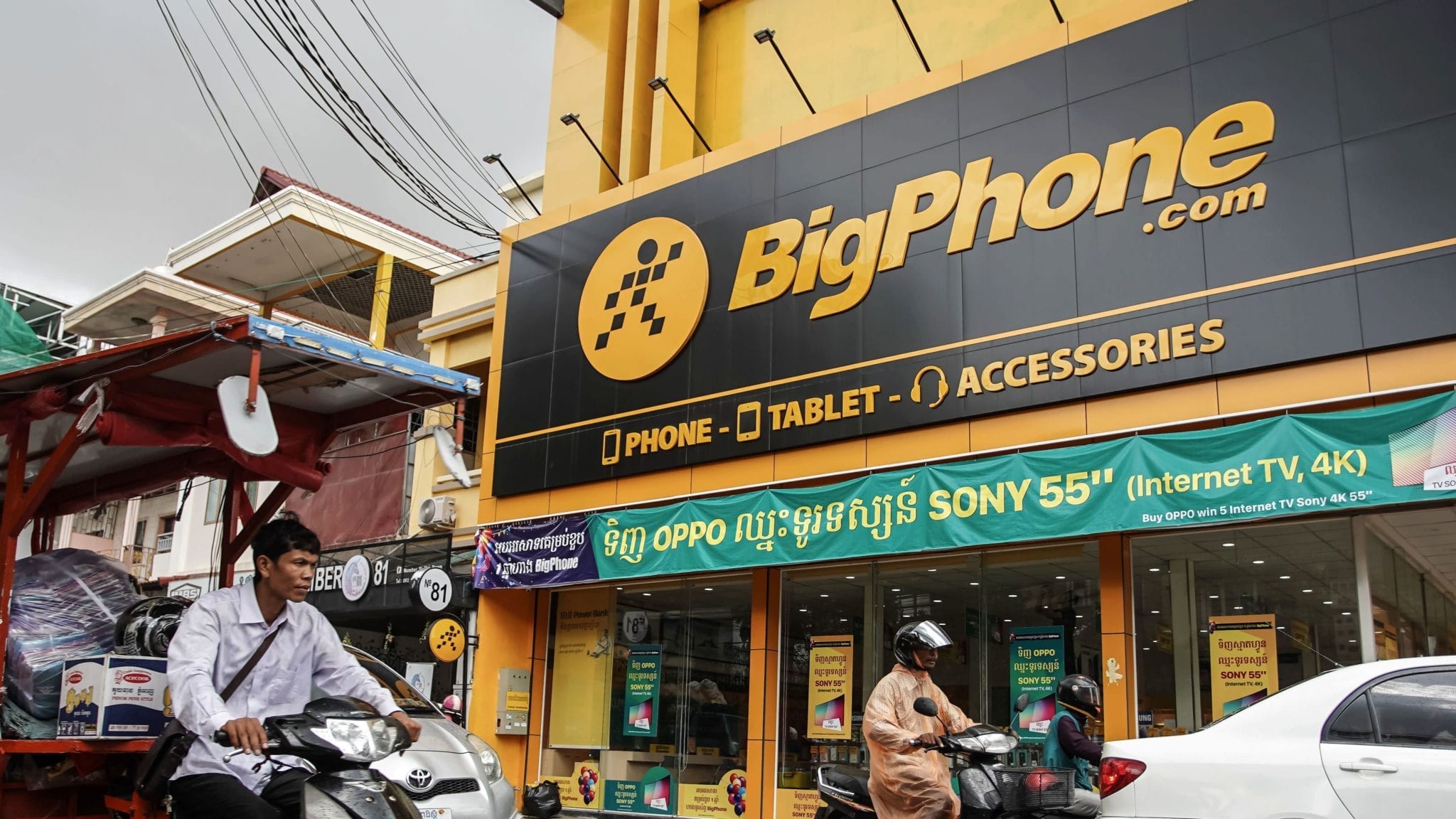
    In late June, The Gioi Di Dong JSC, which owns the largest mobile phone distribution chain in Vietnam, opened its first shop in Phnom Penh, Cambodia. The shop in Cambodia is named BigPhone, but it has a brand identity like The Gioi Di Dong shops in Vietnam.

    The Gioi Di Dong hopes it can earn $100,000 a month from the first shop, and plans to open 10-15 shops in Cambodia this year.

    A senior executive of Pico, a home appliance distribution chain, in early 2016 told the press that the chain was considering penetrating markets like Myanmar, Laos and Cambodia. Of the neighboring markets, Myanmar is the first choice because of favorable conditions of the market: it is easy to find retail premises, and there is less competition.

    Nguyen Ngoc Hoa, when he was chair of Saigon Co-op, affirmed the importance of foreign markets for Saigon Co-op, saying that the retail chain targets Laos and Cambodia for its plan to expand the network.

    “The most important thing in implementing the expansion plan is that Saigon Co-op find reliable partners in doing business overseas,” he said.

    A senior executive of Pico said he can see that there would be both economic and non-economic barriers in the Cambodia and Myanmar markets. He said it would take time to learn about the consumption habits, local culture, the laws and economic factors of the target markets.

    Ho Viet Dong, CEO of The Gioi Di Dong in Cambodia, said though the retail chain has good relations with mobile phone manufacturers, it still faces difficulties in doing business in Cambodia.

    “The mobile phone market here is very complicated,” he said. “Besides, the training of the labor force for long-term business plan also needs consideration.”

    Meanwhile, according to Saigon Co-op’s CEO Nguyen Thanh Nhan, the plan to open a supermarket in Cambodia has been delayed because of the change of the Cambodian partner.


  • Vietnam a rising Asian retail market

    Vietnam a rising Asian retail market

    VN a rising Asian retail market

    Viet Nam is on the way to becoming one of the most developed retail markets in Asia, a seminar heard yesterday in Ha Noi.

    The Viet Nam Retailers Association (VRA) organised the Viet Nam Retail Forum 2015 with the theme of “Shopping centres and their development roadmap in Viet Nam”. The event brought together officials, retail experts, domestic retailers as well as foreign retail firms.

    According to Duong Duy Hung, Deputy Director General of the Ministry of Industry and Trade (MOIT)’s Domestic Market Department, total final consumption expenditure accounted for 70 per cent of Viet Nam’s gross domestic product (GDP), of which 90 per cent is household consumption expenditure.

    Hung added that the modern retail market is increasing its role as an engine of Viet Nam’s retail sector’s growth.

    Before Viet Nam joined the World Trade Organisation (WTO), there had been concerns that the models of traditional and modern retail channels could collapse due to the open-door policies facilitating multinational retail corporations, Hung said.

    But Viet Nam retail businesses have adapted step by step, enhancing competitiveness to survive, Hung said.

    However, domestic retailers are also facing difficulties. Foreign retail giants have poured money into trade centres and supermarkets, worrying domestic retailers, Hung added.

    VRA chairwoman Dinh Thi My Loan said Vietnamese supermarket and retail shop chains had been upgraded, but they still lacked professional factors, competitiveness in pricing, diversification in products and product quality control.

    According to the Nielsen market research firm, the middle and affluent class (MAC) in Viet Nam, whose income is from VND15 million (US$714) and above a month, will triple in size between now and 2020 and will be a key group of potential customers for retailers.

    According to a report by property services firm CB Richard Ellis (CBRE), Co.opmart supermarket chain owned by Saigon Co.op was named one of top 200 Asia-Pacific retailers in 2015.

    However, in the Viet Nam’s top 10 retailer 2015 list, the leading position belongs to Saigon Jewellery SJC, followed by Nguyen Kim electronic store chains and the national mobile phone retail giant The Gioi Di Dong (Mobile World).

    This report also showed that the overall vacancy of Ha Noi’s retail space saw the highest rate in the past five years (up to 20 per cent) while this rate for HCM City has been relatively low, just under 10 per cent. This directly affects average rent in the two cities.

    As a result, average rent in Ha Noi has reduced while the figure for HCM City has increased. The rent in the central areas of Ha Noi and HCM City are very high, reportedly amounting to over $120 per sq.m per month in the third quarter of 2015, three times higher than other areas in the cities.

    The report also said that 22 per cent of Vietnamese prefer to go shopping in convenience stores rather than in big shopping malls. — VNS
  • Vietnam retailer plans 8000 c-stores

    Vietnam retailer plans 8000 c-stores

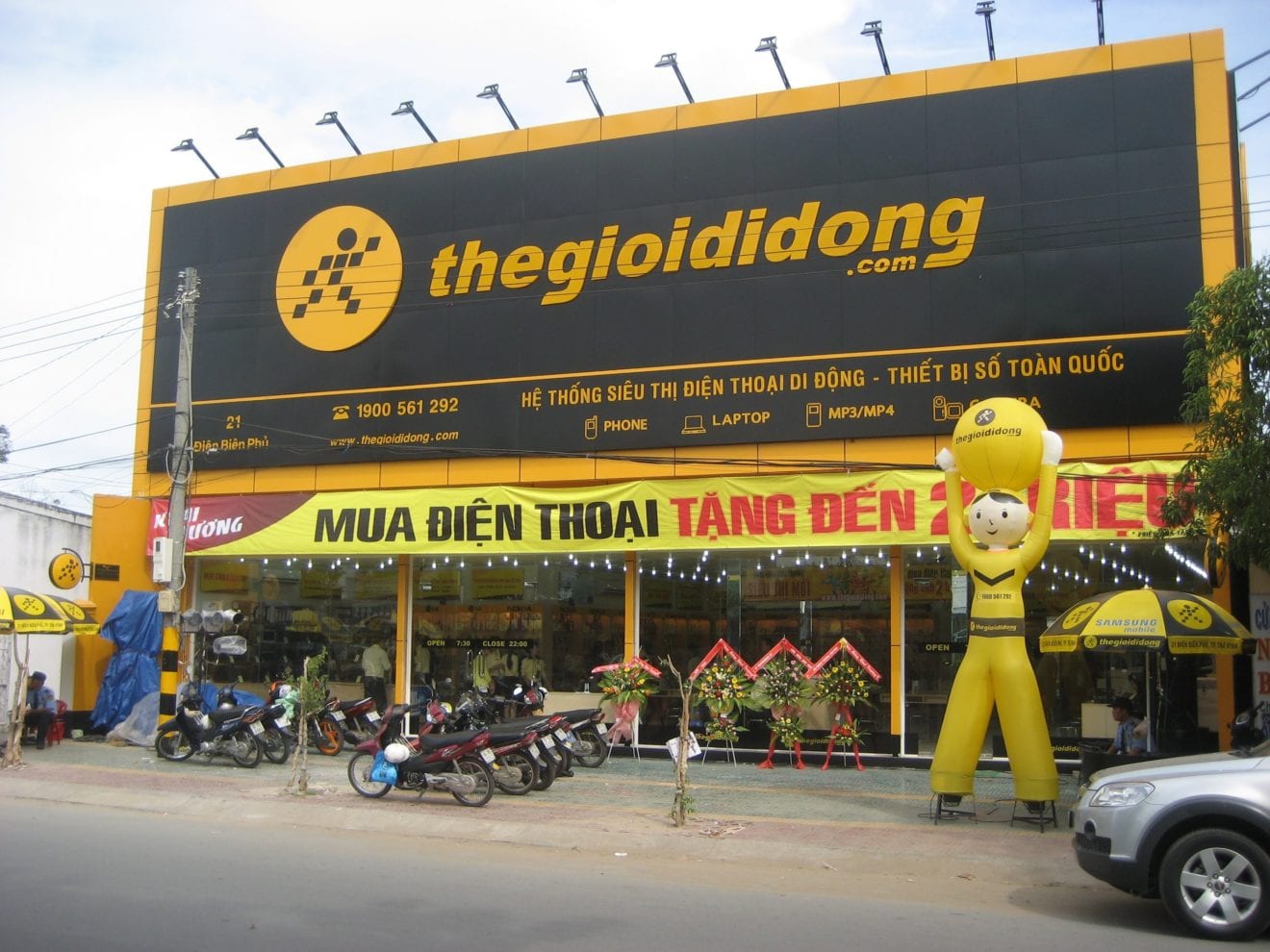
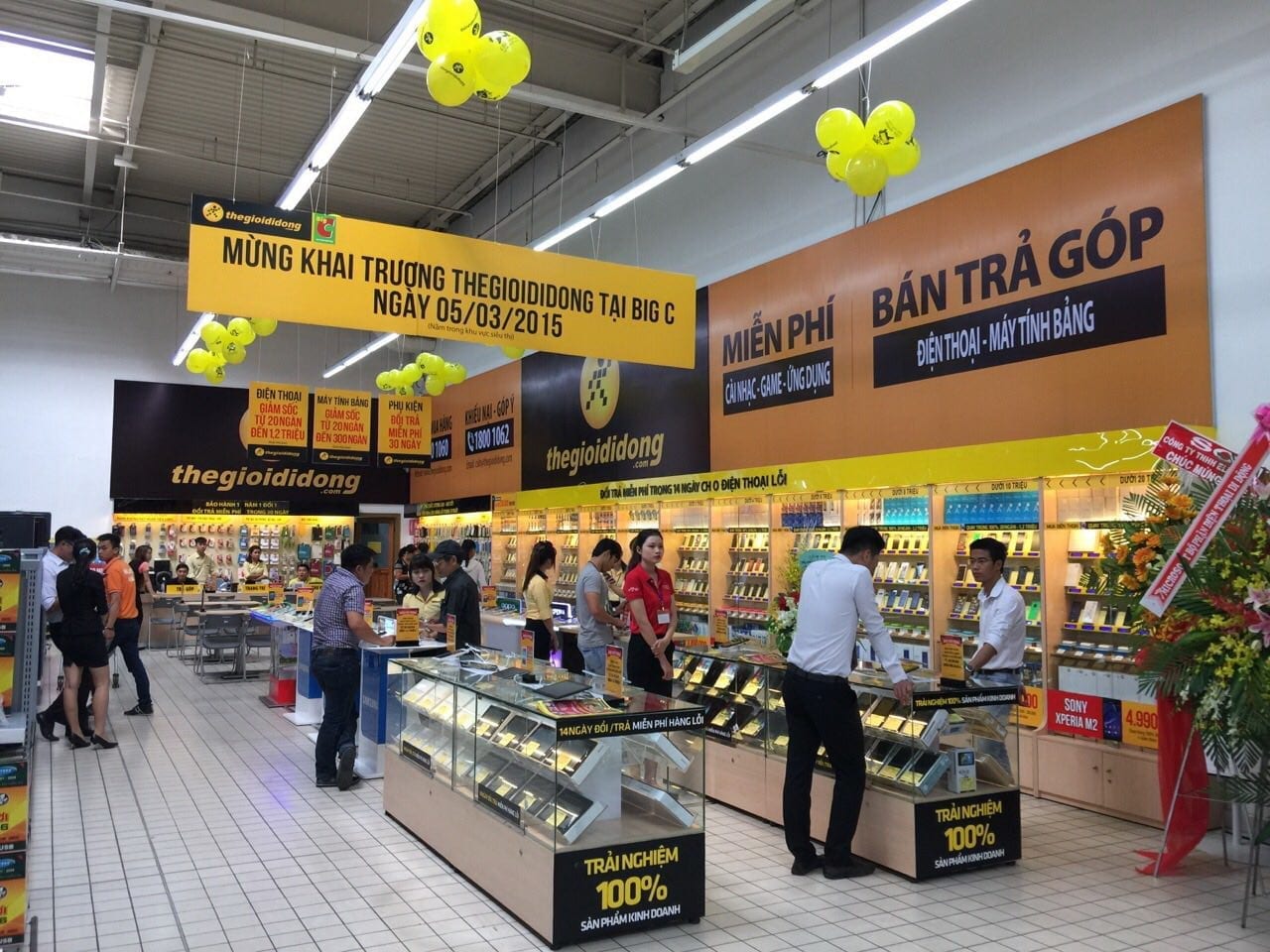
    The Gioi Di Dong, a Vietnam retailer known for its 450-strong chain of bright yellow phone retail stores says it will launch a new convenience store format in October.

    Dang Thanh Phong, a spokesman for the company which is also known as Mobile World Investment Corporation, said the company plans to open between 6000 and 8000 convenience stores by 2020, and take up to15 per cent of convenience food and grocery market.

    Mobile World also currently operates 37 electronic stores known as Dien May Xanh.

    Vietnam’s convenience store sector remains in its infancy despite relatively recent forays by Circle K and FamilyMart. 7-Eleven, the world’s largest c-store operator, recently signed a Vietnam partner in IFB Vietnam, which owns the local Pizza Hut franchise. But 7-Eleven is planning just 1000 stores over the next decade, a fact that tests the credibility of Mobile World’s ambitions.

    The first five new The Gioi Di Dong convenience stores will open in October, with as many as 50 trading by the end of this year according to information obtained by the Saigon Times Online.

    In an initial year-long trial phase, the company will invest up to VND50 billion (US$2.24 million) refining the concept.

    The Gioi Di Dong says its stores will have a footprint of between 150 and 400 sqm depending on their location and will trade from 6am to 9pm – shorter hours than the c-stores of established international brands, some of which trade around the clock.

    A month out from the first opening the chain’s brand name has yet to be chosen.

    CEO Tran Kinh Doanh was quoted on news website Zing.vn says the new store network will target customers of traditional markets and grocery stores.

    While it may lack experience in convenience or food retailing, The Gioi Di Dong has a strong pedigree in retailing: In the first seven months of this year it reported sales of VND12.92 trillion, or US$566.26 million – a year on year increase of 158 per cent.

  • Apple Vietnam retailers appointed

    Apple Vietnam retailers appointed

    Official Apple Vietnam retail stores have been appointed to receive stock directly from the California-based tech giant.

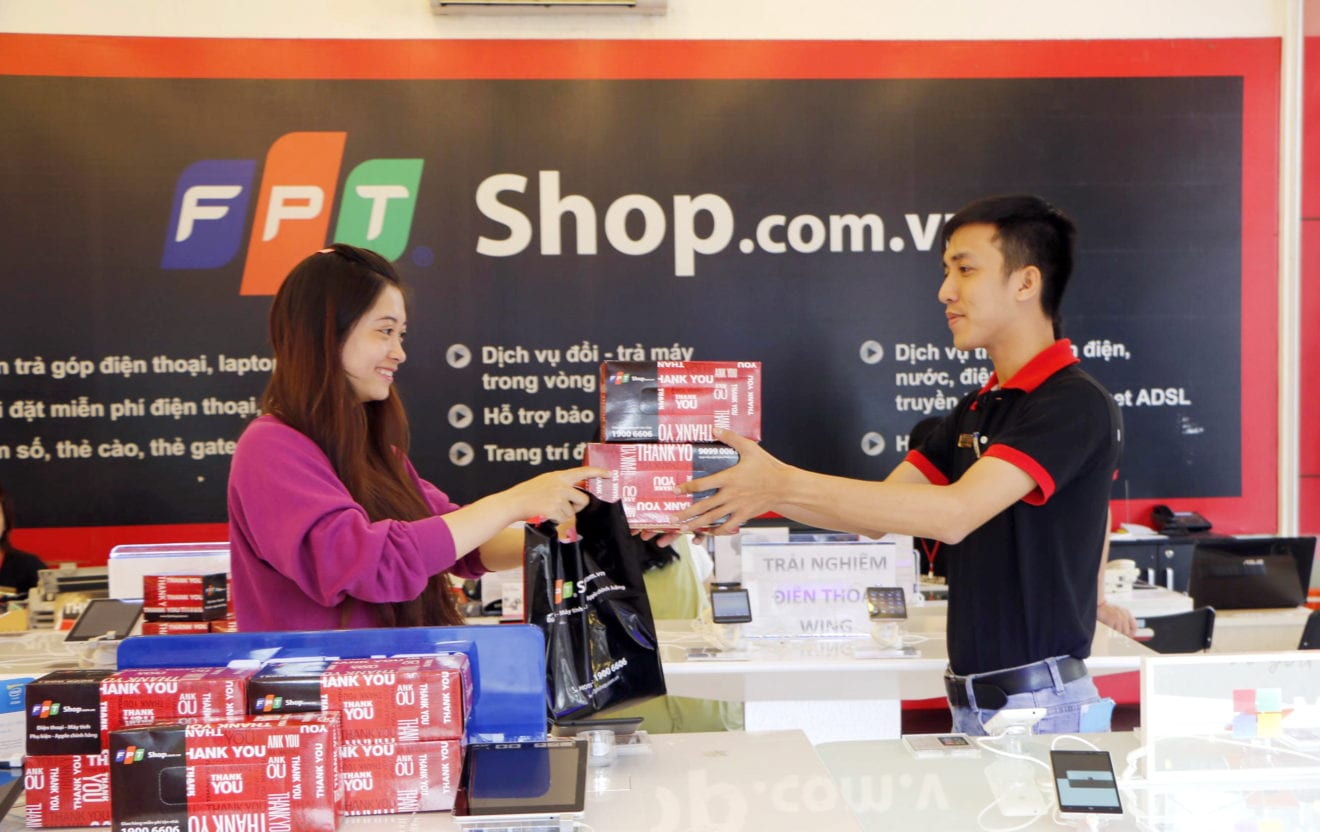
    One official retailer is FPT Shop, which currently operates retail stores in Vietnam selling Apple products imported from other Asian countries and reselling them for as much as 50 per cent more than they can be bought in Thailand, Malaysia or Singapore. FPT has 220 stores in Vietnam.

    The director general of FPT Shop, Le Bach Diep, announced at a press conference in Hanoi last week that her company would important iPhones and iPads directly from Apple. Apple Vietnam would receive new models at the same time as other ‘third ranked’ markets – assigned a lower priority than the US, Japan and China in the first group and Hong Kong, Australia and Singapore in the second.

    She says that means new model Apple products will go on sale in Vietnam sooner after overseas release than before. In return, Apple gets a specialised after sales service network.

    Meanwhile, rival chain The Gioi di Dong announced it would be sourcing Apple products direct from Apple from September – instead of having to import them through FPT Trading.

    Neither company will be allowed to supply other dealers on a wholesale basis.