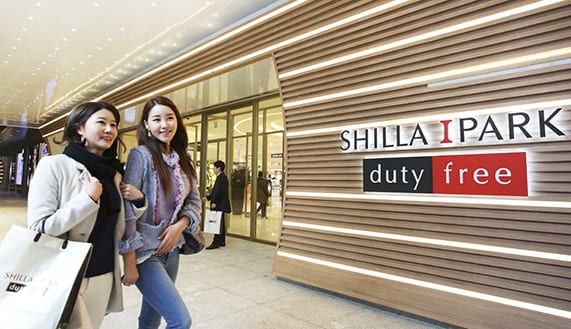
Tag: the shilla duty free

  • FairPrice Deploys 3,000 Smart Trolleys as Retailers Turn to In-Store Media

    FairPrice Deploys 3,000 Smart Trolleys as Retailers Turn to In-Store Media

    Retailers are expanding into advertising, fintech services, and data monetisation as intensifying competition puts pressure on product margins.

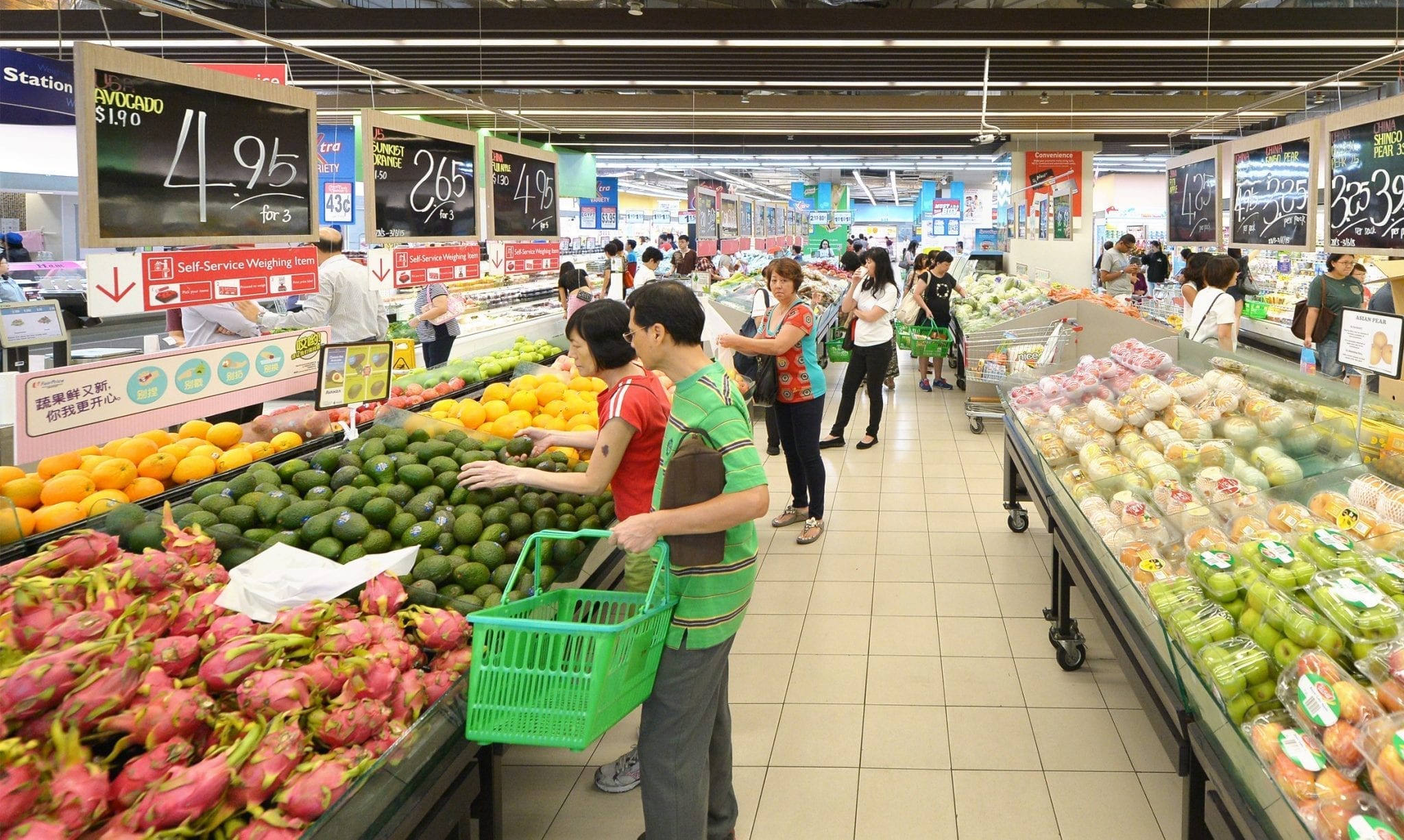
    FairPrice Group has deployed about 3,000 smart trolleys across selected stores ahead of a wider rollout planned for 2027, linking carts to shopper app accounts to personalise ads and offers.

    Speaking at the Retail Asia Summit 2026 in Singapore, Sanjay Singh, senior vice president for the Investor Transformation group at Frost & Sullivan Asia Pacific, said retail media can become a profit engine for physical stores by connecting demand, inventory, payments, and fulfilment.

    Smart Carts and Targeted Health Campaigns

    Grocery operators are using point-of-sale data to sell brand campaigns inside physical aisles. Rajiv Singh, head of the retail media network at FairPrice Group, said an in-store initiative run with Singapore’s Health Promotion Board shifted 12 percent of approximately 500,000 targeted shoppers toward lower-sodium product alternatives. The state health agency is now doubling the budget and scale of the campaign.

    Ad deals are benchmarked on incremental return. The grocer measures exact sales generated per marketing dollar spent. Linking smart shopping trolleys directly to the FairPrice mobile app allows the chain to trigger personalized promotions as shoppers navigate aisles.

    Packaged goods manufacturers gain direct access to verified purchase histories through these retailer-owned networks. Brands pay premiums for verified basket conversions rather than broad digital impressions across open web platforms.

    Extending Sales Windows Beyond the Store

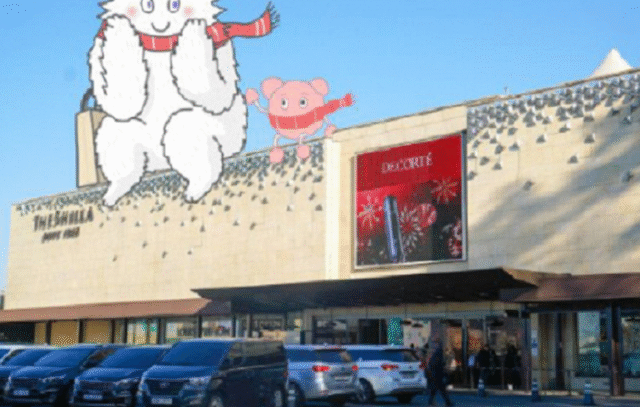
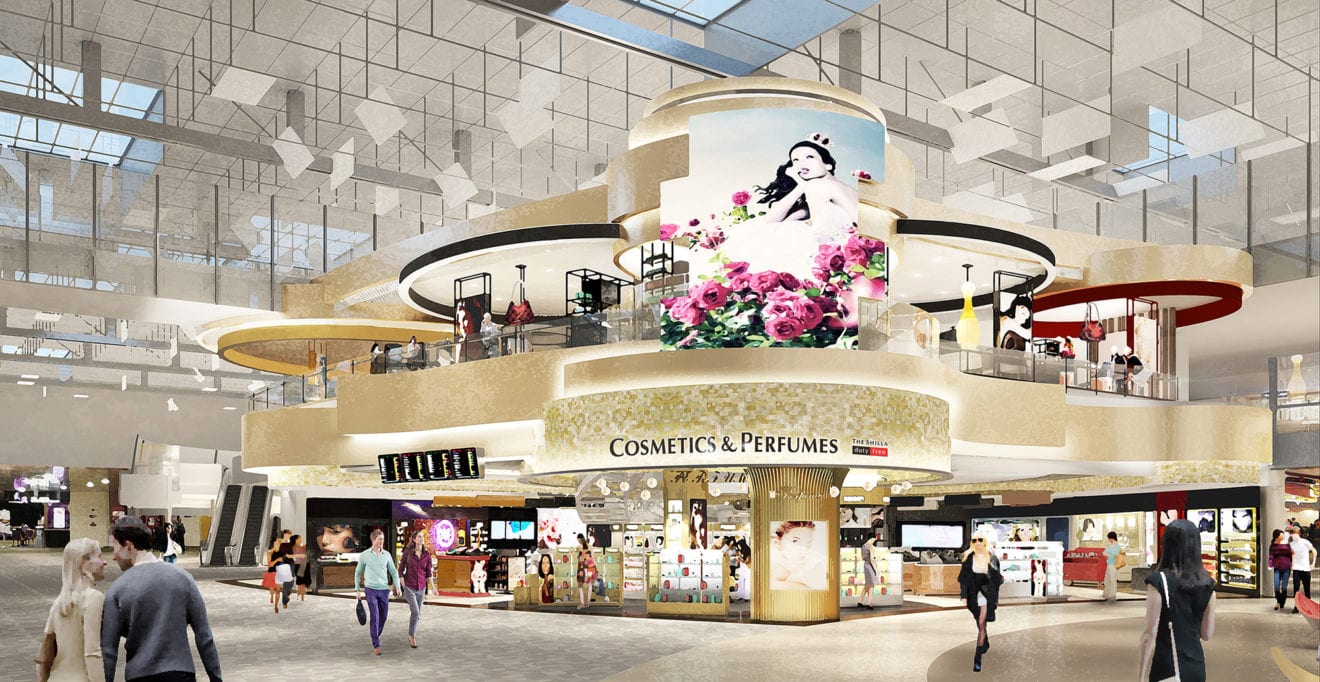
    Duty-free and department store operators are adjusting checkout rules to capture spending outside physical premises. The Shilla Duty Free now allows travelers to purchase merchandise via the iShopChangi platform up to 30 days after their trip, according to Joanne Soh, head of consumer marketing and e-commerce at the travel retailer.

    A wider post-travel purchasing window lets airport retailers recover sales lost to tight flight schedules and carry-on luggage limits. Physical airport storefronts become discovery showrooms backed by centralized domestic delivery.

    Department store operator Metro Singapore is reallocating floor space toward targeted customer problems. Henry Christian, head of loyalty, marketing and partnerships at Metro Singapore, pointed to the retailer’s Sleep Lab concept, launched on World Sleep Day on 15 March. The format evaluates brand participation and customer discussions alongside standard sales volumes.

    Micro Occasions and Quick Commerce Channels

    Food makers are mining retailer transaction data to generate sales outside traditional peak holidays. Kenneth Lau, global digital commerce excellence lead at Mondelēz International, said digital commerce accounts for roughly 41 percent of the company’s sales this year. That channel delivers 61 percent of its total growth.

    In China, Mondelēz partnered with on-demand delivery giant Meituan to target office afternoon tea breaks, tailoring Oreo product selections specifically for immediate local fulfillment. The confectionery group also created an exclusive digital-commerce gift box for its BTS brand collaboration priced at about $15, selling out 20,000 packs on Shopee across Southeast Asia within seven days.

    Furniture retailer Castlery is focusing investments strictly on measurable omni-channel systems. Leah Howatson, general manager for international markets at Castlery, said the company synchronizes online shopping carts with physical store systems so staff can complete purchases started online, while scaling back curated experiential events that failed to deliver adequate return on investment.

    Balancing Capital Outlays Against Ad Revenue

    Retail media networks are creating a split between high-volume grocers and discretionary specialty chains. Supermarket operators control the recurring transaction volume required to justify in-store screens, trolley hardware, and data infrastructure. Discretionary chains lack that visit frequency. They struggle to build ad scale, forcing them to focus on cart synchronization and extended checkout windows instead.

    Physical rollouts still face operational hurdles from hardware maintenance, screen vandalism and basement mobile network dead zones. Retailers that over-invest in in-store hardware without securing long-term brand ad commitments risk adding capital costs without lifting net margins.

    Attention now turns to FairPrice’s planned 2027 fleet expansion for smart carts across its full Singapore footprint, which will test whether ad-supported trolley systems generate sustainable yields across suburban store formats.
  • L’Oréal Unveils 510-Square-Meter Airport Beauty Show at TFWA 2025

    L’Oréal Unveils 510-Square-Meter Airport Beauty Show at TFWA 2025

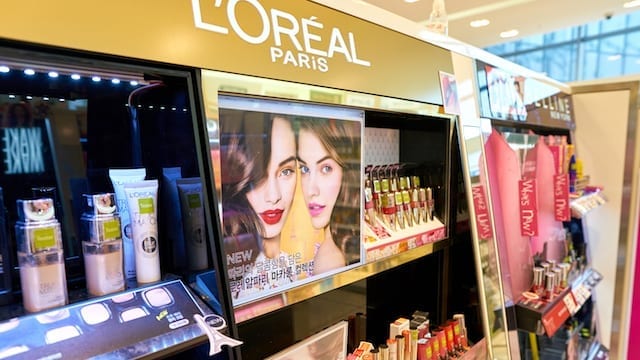
    L’Oréal Travel Retail Asia Pacific has rolled out retail activations across all four terminals at Singapore Changi Airport in May 2025. The push targets passenger dwell time across its portfolio of 22 luxury beauty brands.

    The campaign includes a 510-square-meter show at the TFWA 2025 exhibition. It tests interactive retail formats for international transit hubs.

    Lounges Target Transit Passengers by Trip Stage

    Organizers divided the exhibition space into three operational zones built around flight schedules and destinations. The first zone features climate-customized misting pods. Beauty advisors use them to pair skincare products with the weather at a traveler’s destination, from tropical humidity to high-altitude cold.

    A second zone delivers 10-minute Lancôme longevity skin repair treatments using cryo-sculpting tools, set beside displays marking the brand’s 90th anniversary. A third area houses destination-themed fragrance bars, silent disco soundscapes, Kérastase scalp analysis, and L’Oréal Men Expert grooming stations.

    More than 90 percent of the structure’s build materials were recycled, upcycled, or 3D-printed.

    Changi Activations Extend to All Terminals and Jewel

    Inside the airport, L’Oréal partnered with The Shilla Duty Free Singapore and Changi Airport Group to place pop-ups directly along passenger pathways. The YSL Beauty Light Club ran across all four terminals and Jewel Changi Airport from April 18 to May 25, 2025.

    That installation used artificial intelligence to match makeup looks to individual travelers. Orders routed directly to iShopChangi, the airport’s digital pre-order platform. The space also featured fragrance discovery booths and cocktail bars.

    Over in Terminal 3 transit, active medical skincare brand SkinCeuticals operated its first worldwide travel retail outpost from April 27 to June 4, 2025. Beauticians from Calvin Chan Aesthetics delivered non-invasive HydraFacial treatments in under 30 minutes, alongside sales of an exclusive Collagen-III Amplifier serum through The Shilla Duty Free.

    Pre-Flight Data Partnerships Link Ride-Hailing to Terminal Sales

    L’Oréal organized the campaign under a five-party model coordinating brand owners, airport authorities, duty-free retailers, airlines, and digital platforms. The network links Changi Airport Group and The Shilla Duty Free with Singapore Airlines KrisFlyer, Grab, Meta, and United Overseas Bank.

    Targeting begins before passengers reach the terminal. Grab users receive promotional offers en route to Changi. Meanwhile, KrisFlyer and Meta channels distribute pre-departure product notices matched to flight itineraries.

    At L’Oréal Travel Retail, we believe in creating beauty experiences that resonate emotionally, culturally, and memorably. The L’Oréal Airport Beauty “Shopper-tainment of the Future” is our vision for what travel beauty can become: immersive, intelligent and unforgettable. As global travel accelerates and the appetite for beauty keeps getting stronger, we are proud to lead the reinvention of the category with world-class partners and future-facing innovations.

    Shifting Focus from Traditional Shelves to Experiential Service

    Asian duty-free operations face shifting economics as domestic e-commerce undercuts standard shelf pricing. Operators now focus on converting airport dwell times, which average up to two hours per passenger, into high-margin service sales rather than relying on volume discounts.

    Allocating floor space to clinical devices, grooming chairs, and cocktail bars represents a calculated trade-off for concessionaires like The Shilla Duty Free. These installations reduce retail stock density per square meter. Still, they capture higher transaction values from experience-seeking travelers who research beauty purchases online before flying.

    Global passenger traffic reached 3.7 billion travelers in 2024, returning volume to pre-pandemic levels across major Asian aviation hubs. That recovery prompted beauty groups to direct capital into experiential flagships across Singapore, Hong Kong, and Incheon.

    Regional attention now turns to how concessionaires adapt these high-service formats to secondary airports across Southeast Asia, where terminal space is tighter and passenger spending profiles differ from Changi.

  • The Shilla Duty Free partners with comics strip artists

    The Shilla Duty Free partners with comics strip artists

    The Shilla Duty Free is partnering with popular Chinese webtoon artists to boost its appeal to travelling Chinese shoppers. The travel retailer said that this is the first marketing partnership of its kind in the Korean duty free industry. Webtoons have become an increasingly influential media tool to connect closely with consumers, Shilla noted. “Unlike traditional advertisements, webtoons use storytelling that is easily relatable while utilising artists’ existing fandom.”

    The partnership with two webtoon artists, Niu Hong Hong (牛轰轰) and Ruo Guan (弱冠), specifically targets Chinese women in their 20s to 30s – The Shilla Duty Free’s main customer base (as the charts below show, visitors between 21 and 40 made up 57.3 percent of Chinese arrivals in South Korea last year and those between 21 and 30 almost 31 percent).

    Shilla’s stores are being featured in webtoons and the contents promoted through each artist’s social media platforms.

    Real-time comments such as “I would like to shop there”; “I should visit there during my next visit to Korea”; and “I like the store interior” appear on the webtoons.

    Besides introducing The Shilla Duty Free shops, the webtoons also highlight nine local eateries near the retailer’s flagship Seoul Store, showcasing the surrounding area as a local attraction. Since 2016, The Shilla Duty Free has promoted its local communities by introducing nearby restaurants through various channels such as The Shilla Online Duty Free in Chinese and its official Weibo account.

    A spokesperson said, “The partnership with Chinese webtoon artists is a first in the industry. We expect to be able to connect better with Chinese customers. Creative marketing like this will be continued during the peak seasons such as Chinese Lunar New Year, the Mid-Autumn Festival and the National Day of China, to broaden the communication with our customers.”

  • Tmall global celebrates new partnership again

    Tmall global celebrates new partnership again

    Tmall Global, part of the Alibaba Group B2C Tmall.com business in China is celebrating its relatively new partnership with The Shilla Duty Free and The King Power International Group of Thailand.

    As reported last May, the trio are aiming to enhance the duty free shopping experience for Chinese travellers to these two countries with their newly-launched innovative ‘World Duty Free service’ which is described as the first of its kind in China created to offer consumers and travellers ‘a seamless solution for purchase and pickup of duty free goods’

    The partnership allows Chinese consumers to enjoy more savings and increased convenience by pre-purchasing products and discount vouchers on Tmall Global before they travel, and then collect their purchases or use their discount vouchers at the duty free stores in South Korea and Thailand through their Alipay receipt or barcode from their mobile phones.

    The ‘World Duty Free’ service also allows merchants to target specific consumer groups from China and thereby discover trends and demands of hundreds of millions of Chinese shoppers across Alibaba Group’s China retail marketplaces.

    Alvin Liu, general manager of Tmall Global said: “The World Duty Free service is an important strategic initiative of Alibaba Group’s globalization strategy. This project connects Tmall Global, Alipay and various major duty free retail groups from around the world to create an integrated e-commerce model offering a seamless cross-border shopping experience for Chinese travellers.

    “We want to make the duty free shopping experience as simple and easy as possible for our customers. The new service will save them time in exchanging foreign currency, queuing, product wrapping and tax refunds. In the future, Tmall Global aims to bring more duty free shops onboard to broaden coverage to other popular destinations around the world.”

    Tmall Global claims to be the first and only e-commerce platform in China to partner with a Korean duty-free store chain. To commemorate the launch of this new service, The Shilla Duty Free is offering a promotion of up to 50% off the price of selected items, while King Power is also offering a free RMB500 ($80) coupon for purchases above a certain level.

    Tmall Global now claims to be in discussion with dozens of duty-free companies in other countries to offer this service for Chinese travellers travelling to other destinations. Tmall Global also plans to work with other Alibaba Group businesses such as Alipay and Alitrip to provide an integrated and comprehensive travel and shopping experience to Chinese consumers.

    Around 5,400 overseas brands from 25 countries and regions have opened stores on Tmall Global, which is used by a growing number of brands from the U.S., Germany, Australia, South Korea, Japan, Taiwan and Hong Kong as a stepping-stone into China.