Tag: theme parks

  • Shinsegae Backs Paramount Takeover of Warner Bros with $1 Billion

    Shinsegae Backs Paramount Takeover of Warner Bros with $1 Billion

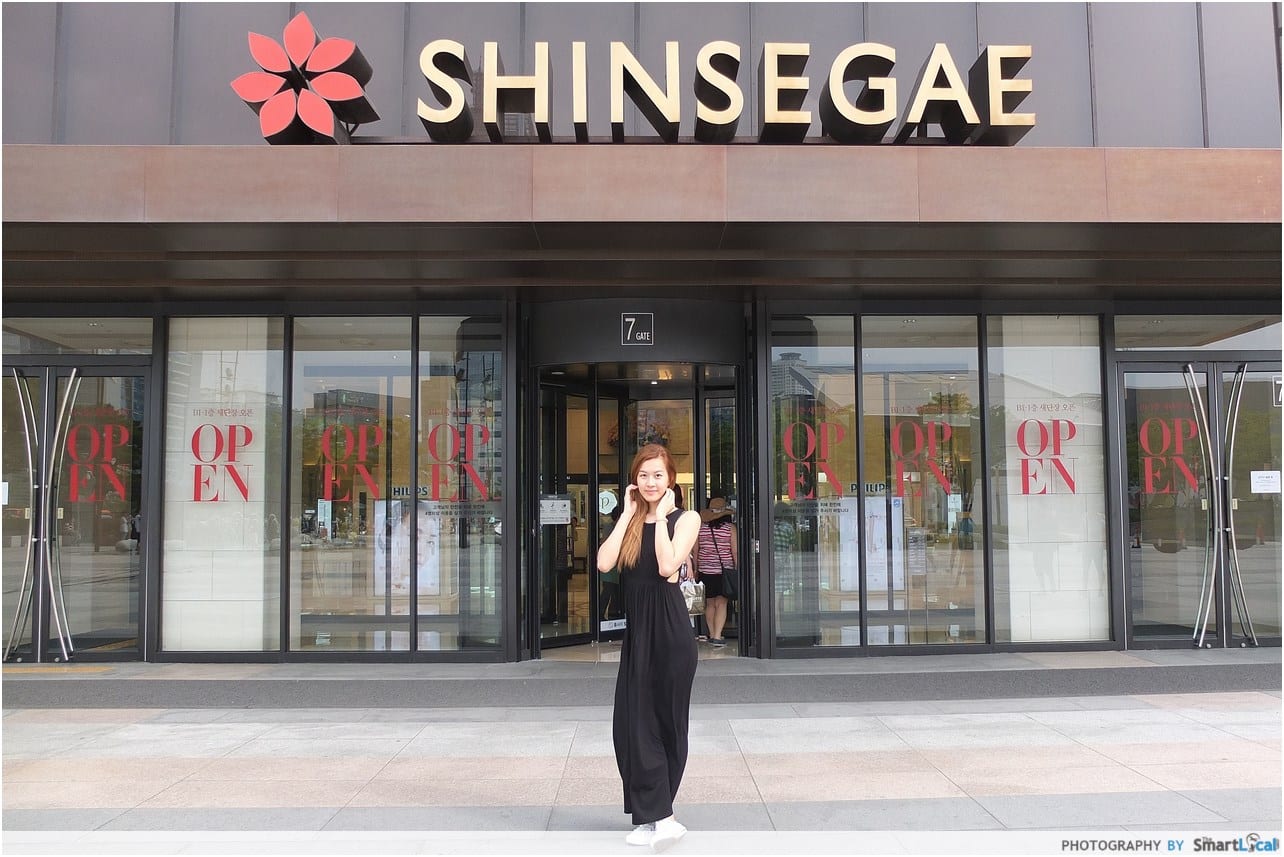
    South Korea’s Shinsegae Group said Tuesday it is investing $1 billion into Paramount Skydance’s acquisition of Warner Bros. Discovery to bring Hollywood entertainment franchises into its retail destinations.

    The capital injection gives the retail operator direct access to global entertainment properties, including Harry Potter, Game of Thrones, Mission: Impossible and Star Trek.

    Joining Ellison and RedBird Capital

    Shinsegae Property, the conglomerate’s real estate arm, committed the funds alongside Paramount Skydance Chairman and CEO David Ellison and US investment firm RedBird Capital Partners in the takeover of Warner Bros. Discovery.

    Plans call for deploying these studio assets across physical developments and digital ecosystems. The group intends to introduce themed entertainment zones and branded experiences directly inside its retail network. This includes Starfield, Starfield Market and Starfield Village complexes across South Korea.

    Bringing Studio IP to Korean Malls

    Traditional department store sales and standard retail leasing models continue to face pressure from e-commerce platforms. Large mall operators in Asia now rely heavily on experiential entertainment, food concepts and exclusive attractions to maintain foot traffic.

    Instead of negotiating one-off licensing agreements for individual mall events, the retailer is taking a direct equity stake at the studio ownership level. That direct involvement reduces third-party licensing friction. Still, it concentrates substantial capital in a volatile global media sector facing heavy streaming transition costs and box office swings.

    Starbay City and Streaming Tie-Ups

    The studio franchises will anchor attractions within the planned Starbay City mega-development in Hwaseong, Gyeonggi Province. Securing Warner Bros. And Paramount titles provides the project with established global film properties capable of drawing international tourists across East Asia.

    Digital integration forms the second leg of the strategy. Shinsegae plans to explore bundling streaming services HBO Max and Paramount+ with loyalty and membership tiers run by its hypermarket chain E-mart and other retail subsidiaries.

    Group leadership also outlined plans to co-produce and license Korean original content for worldwide streaming distribution through the studio partnership. It seeks to capitalise on export demand for domestic drama and film productions.

    “This investment will serve as a stepping-stone for Shinsegae Group to diversify into new business areas that combine entertainment, going beyond a simple equity investment,” the group said.

    The Road Ahead

    The consortium structured the transaction to complete on Tuesday, clearing the path for integration planning between the media conglomerates and the retail property developer. Shinsegae will next begin drafting master plans to integrate studio-themed zones into upcoming Starfield locations and the Starbay City development schedule.
  • Singapore Unveils 20-Year Plan to Double Sentosa Visitors

    Singapore Unveils 20-Year Plan to Double Sentosa Visitors

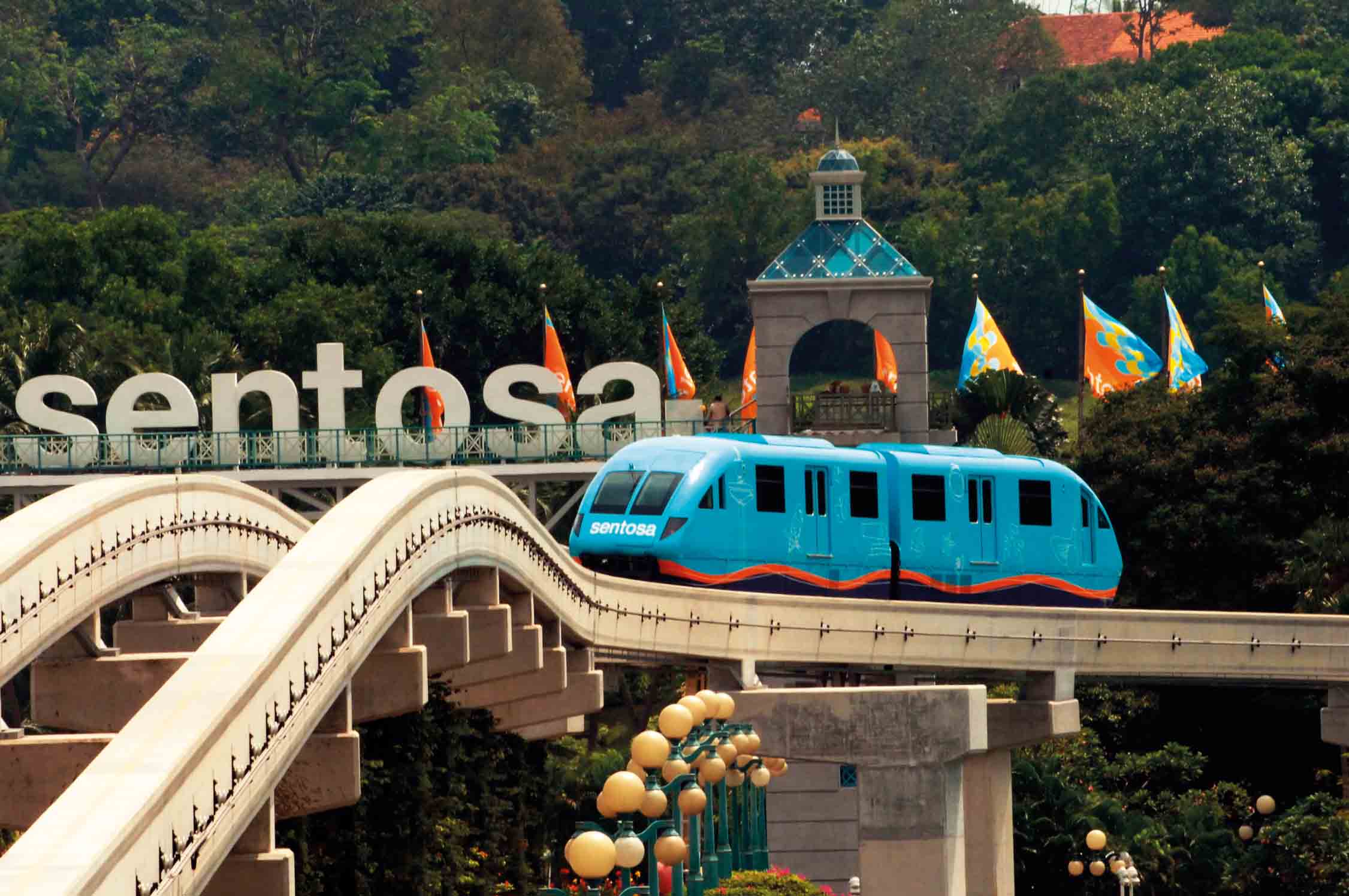
    Singapore unveiled plans in September 2026 to double visitor numbers to Sentosa under a 20-year expansion plan aimed at broadening the resort island’s leisure offerings. The project will add new entertainment attractions across the southern leisure hub over the next two decades.

    Sentosa Development Corp., the government agency overseeing the island, will execute the overhaul in stages rather than a single building cycle. Sentosa Development Corp. Chief Executive Thien Kwee Eng said the expansion project will be “implemented progressively over the next two decades.”

    Phased expansion across Sentosa

    The island currently houses Universal Studios Singapore, a casino, and public beach fronts. Government planners want larger regional draws to capture higher outbound spending from travelers across Southeast Asia and East Asia.

    Phasing the work across 20 years protects existing tenant revenues. Spreading construction over two decades prevents long operational shutdowns for existing hotel operators, retailers, and food vendors currently trading on the island.

    Shifting regional tourism demand

    Competition for leisure spending across Southeast Asia is intensifying as regional hubs upgrade integrated resorts and theme parks. Operators in Singapore face higher operating costs, pushing attractions to draw longer-stay visitors who spend more per trip on retail, dining, and hospitality.

    Retailers and food operators on Sentosa rely on steady weekday tourist traffic to balance weekend domestic volume. Expanding the attraction footprint provides landlords with fresh square footage for experiential concepts and food precincts that appeal to repeat visitors.

    Execution and development timeline

    Sentosa has undergone several rounds of redevelopment since opening its integrated resort precinct more than a decade ago. Each phase added commercial floor area while redirecting foot traffic between transport nodes and beach attractions.

    The next milestone involves rolling out individual attraction tenders and site packages as Sentosa Development Corp. Schedules ground works across the designated development zones.

  • Universal Studios Japan to Expand Osaka Park for First Time with 30,000-Square-Metre Site

    Universal Studios Japan to Expand Osaka Park for First Time with 30,000-Square-Metre Site

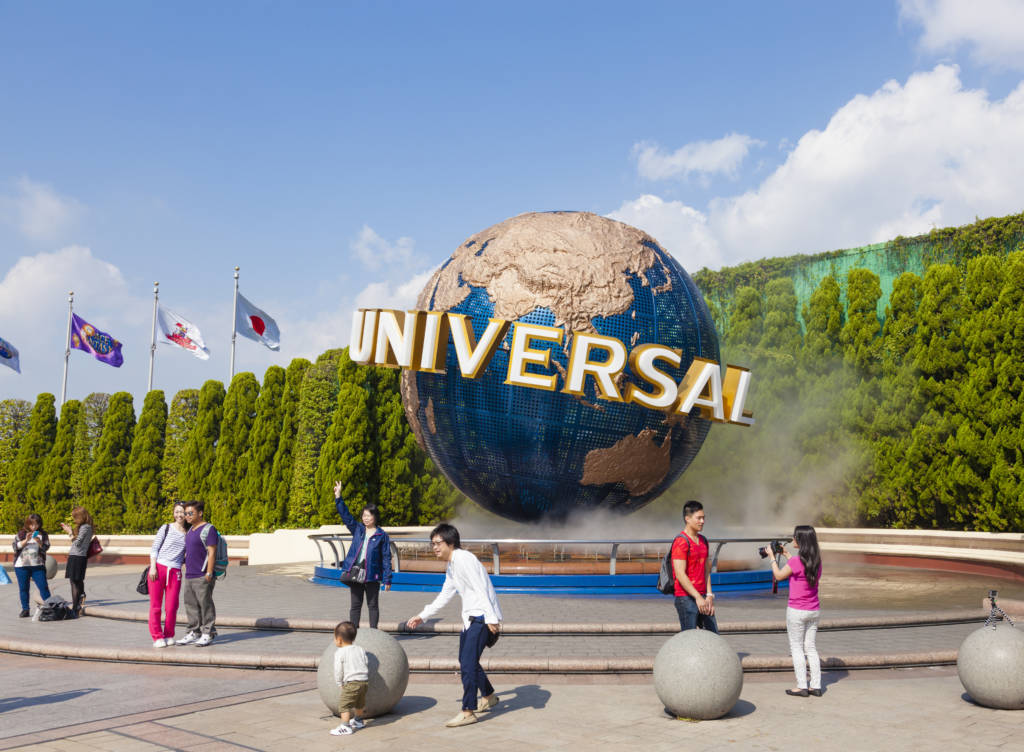
    USJ will expand Universal Studios Japan in Osaka for the first time since 2001 after securing a 30,000-square-metre plot from the city government. The transaction adds roughly 5.5 per cent to the existing 540,000-square-metre footprint, which drew 16 million visitors in fiscal 2024.

    City officials confirmed the municipal government will lease the plot on the northern edge of the park to the operator. USJ approached the city in April 2026 to negotiate long-term access, aiming to build new attractions that increase visitor capacity.

    Expanding the Waterfront Footprint

    Nippon Steel currently leases the 30,000-square-metre parcel and will return it to the city in June 2027. Osaka Mayor Hideyuki Yokoyama backed the transaction as part of a broader municipal effort to revitalize the Osaka Bay waterfront district.

    Theme park operators across Asia are adding real estate to capture rising international tourism flows, competing directly with major resort expansions in Tokyo, Hong Kong and mainland China. In Osaka, physical boundary constraints have long limited USJ to redeveloping internal zones rather than adding raw land.

    Next Steps Toward the 2028 Lease

    Before construction can begin, USJ is running environmental surveys to test for soil contamination across the industrial site. The final lease contract between the municipal government and the park operator is scheduled for completion in 2028.

  • France Prepares Saudi-Backed Deal for Japanese Dragon Ball Theme Park

    France Prepares Saudi-Backed Deal for Japanese Dragon Ball Theme Park

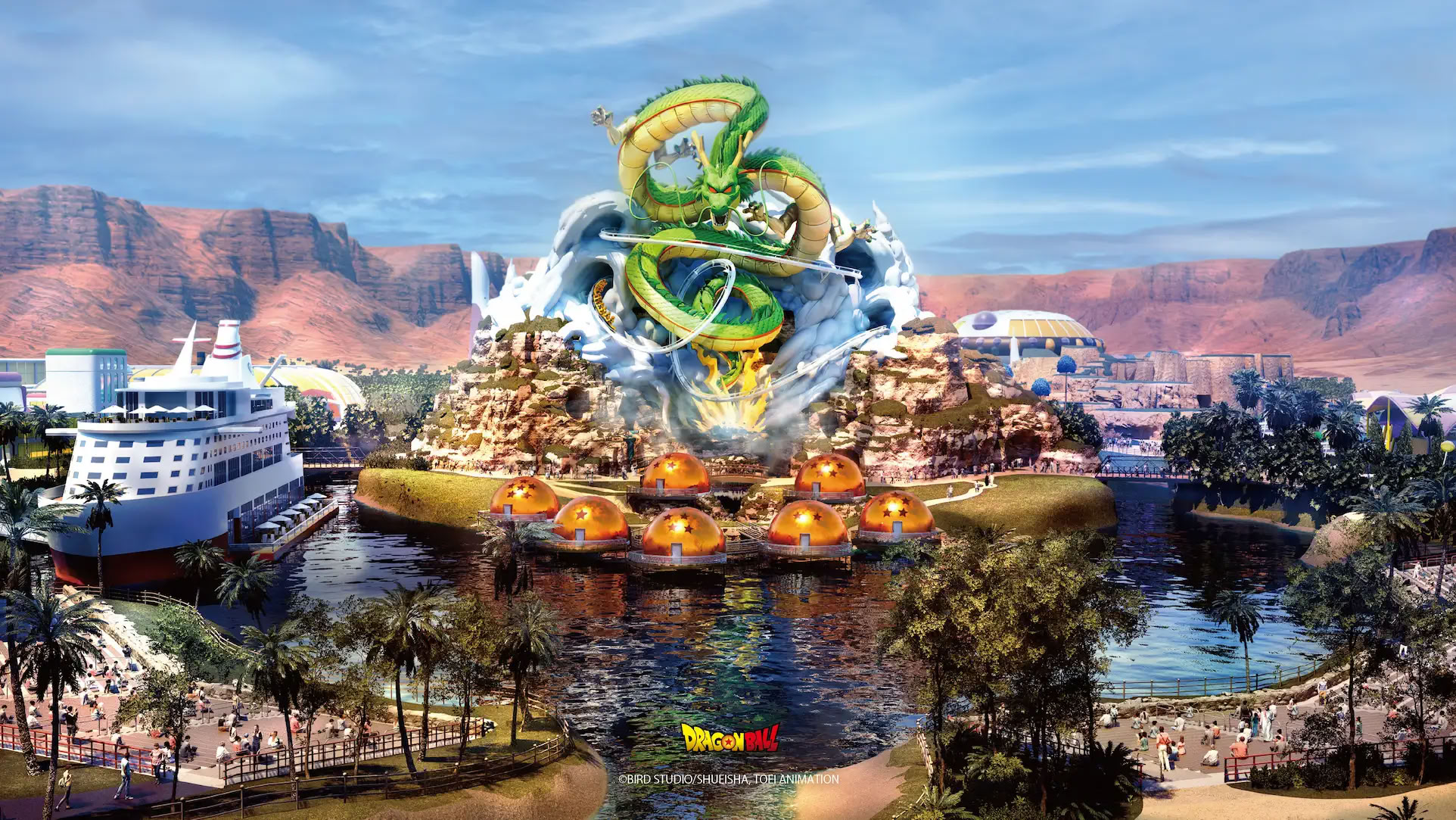
    French regional authorities are preparing to sign an agreement with Saudi investors to construct a massive amusement park based on Japan’s iconic Dragon Ball franchise.

    The project targets a development footprint comparable to Disneyland Paris, backed by capital from a Saudi investment company.

    Valerie Pecresse, head of the Ile-de-France regional government, confirmed that French officials spent 18 months structuring the proposal ahead of bilateral talks in Paris. Talks between French President Emmanuel Macron and Saudi Crown Prince Mohammed bin Salman at the Elysee Palace anchored the negotiations, with the entertainment park forming part of a broader package of commercial accords.

    Site selection northwest of Paris

    Plans for the venue point to Courdimanche, a municipality northwest of the French capital. While officials have not disclosed total capital expenditure, the scale required to match major European destination parks typically demands billions of euros in infrastructure, ride engineering, and hospitality real estate.

    Licensing Japanese intellectual property for overseas locations has accelerated across the entertainment industry. Bandai Namco and affiliated Japanese rights holders have increasingly monetised manga and anime catalogues through physical retail, location-based entertainment, and global tourist hubs.

    Sovereign capital and Japanese entertainment assets

    Gulf investment entities continue to funnel capital into global media and interactive entertainment properties, diversifying state portfolios away from hydrocarbons. Saudi Arabia previously announced its own dedicated Dragon Ball park at the Qiddiya development project outside Riyadh, illustrating a focused campaign to secure long-term rights around Japanese pop culture brands.

    European operators face shifting consumer demand as audiences seek immersive, single-franchise destinations over traditional mixed-attraction venues. Commercial agreements spanning the site purchase, planning permits, and formal construction timelines remain subject to final sign-off following the bilateral summit.