Retail News CRM

Tag: third

  • US Fed Makes Historic Third Consecutive Rate Cut, Slashes Interest Rates by 0.25%

    US Fed Makes Historic Third Consecutive Rate Cut, Slashes Interest Rates by 0.25%

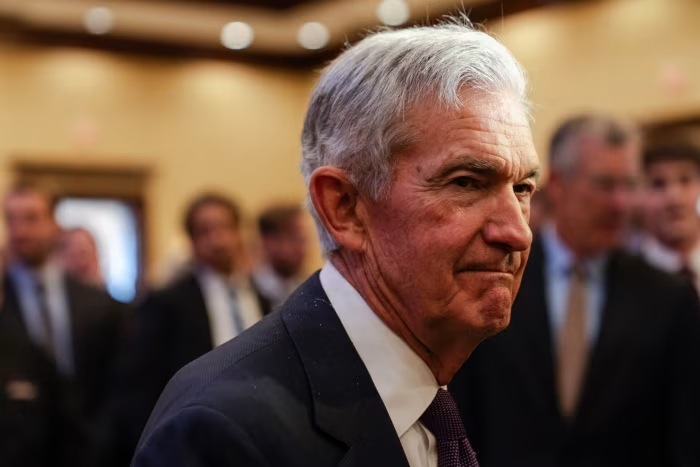
    The US Federal Reserve has announced a reduction in interest rates by 0.25 percentage points, marking the third consecutive cut this year. However, further reductions in the near future seem unlikely.

    Federal Reserve’s Position

    According to Jerome Powell, the Chair of the Federal Reserve, the central bank is poised to observe the economic evolution before taking any further action. The statement also reiterated language previously used in late 2024, indicating a pause in any additional rate cuts. Powell emphasized that the bank is well-equipped to determine the “extent and timing of additional adjustments” based on incoming data, the evolving outlook, and balance of risks.

    Impact of Reduction

    The latest reduction of a quarter percentage point sets the rates to a range between 3.50-3.75%, the lowest in around three years, aligning with market expectations. The Federal Reserve has also projected one more rate cut for the next year, while acknowledging increased employment risks.

    Internal Rifts

    The recent decision has led to deeper divisions within the central bank, with three officials voting against the reduction. Austan Goolsbee, president of the Chicago Federal Reserve, and Jeffrey Schmid, president of the Kansas City Federal Reserve, both advocated for maintaining unchanged rates. Fed Governor Stephen Miran continued to support a larger half-percentage-point cut.

    Balancing Act

    Acknowledging some level of disagreement, Powell highlighted the challenge of balancing concerns of inflation risks and a potentially weakening jobs market. He stated that the Federal Reserve currently operates at the higher end of the “neutral” rates range, a level that neither stimulates nor restricts economic activity. This “neutral” designation could imply less urgency to lower rates quickly.

    Future Outlook

    Powell emphasized the need for several years of wages surpassing inflation for economic stability and improved affordability for the public. The Federal Reserve also raised its 2026 growth forecast, while moderating inflation expectations and maintaining unemployment rate projections. However, these forecasts could be altered as the bank navigates the delay in federal economic data releases due to the prolonged government shutdown.

    Challenges Ahead

    As the Federal Reserve heads into 2026, it faces a period of significant change. A new chief is set to take over after Powell’s term ends in May, amidst mounting political pressures. In particular, President Trump has expressed his desire for more aggressive rate cuts. Trump’s chief economic adviser, Kevin Hassett, is considered a strong contender for the role. Furthermore, the impending expiry of Miran’s term in January will create a vacancy within the Federal Reserve’s top leadership.

    Questions & Answers

    What was the extent of the recent rate cut by the US Federal Reserve?
    The US Federal Reserve cut interest rates by 0.25 percentage points.

    What challenges did the Federal Reserve face in making this decision?
    The decision led to a rift within the central bank, with three officials voting against the reduction, reflecting differing views on the balance between inflation risks and the softening job market.

    What changes are expected within the Federal Reserve in 2026?
    Significant changes are expected in 2026, including the appointment of a new chief following the end of Powell’s term in May. Additionally, the expiry of Fed Governor Stephen Miran’s term in January will result in a vacancy within the top leadership.
  • Viva Energy reports convenience sales decline in third quarter

    Viva Energy reports convenience sales decline in third quarter

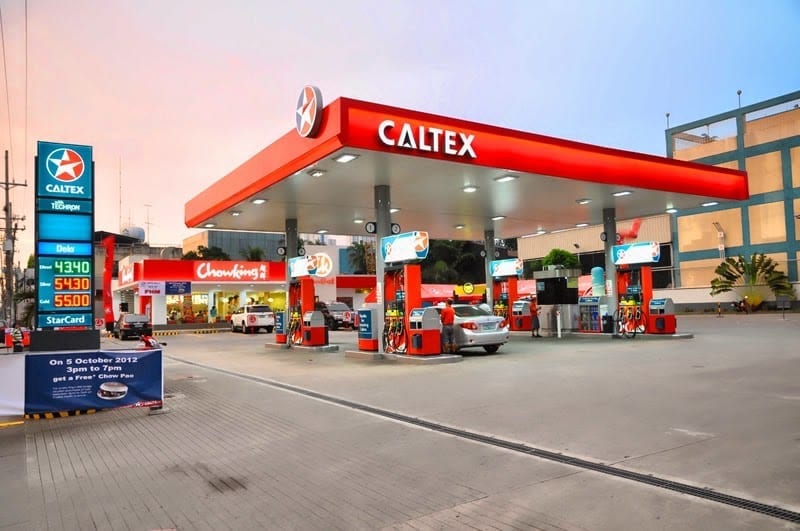
    Viva Energy’s Convenience and Mobility (C&M) division has experienced a decrease in both convenience sales and fuel volumes in the third quarter. This shrinkage is attributed to the ongoing challenges within the retail fuel industry, as well as a reduction in the number of operational stores.

    Fall in Convenience Sales

    The company has reported a 12.5% drop in convenience sales, slipping down to $392 million from $448 million compared to the same period last year. However, excluding tobacco sales, the figures remained stable. Tobacco sales, on another note, witnessed a 15% dip year on year, consistent with the overall declining trend for the product category. However, the tobacco sales remained consistent on a month-to-month basis for this quarter.

    Margin Increase and Cost Reductions

    Despite the drop in sales, the convenience gross margin saw an increase to 41%, a rise of 3.5 percentage points. This increase was primarily driven by alterations in the product mix, range, and pricing. Consequently, the company assured that it remains on target to achieve $35 million in cost reductions and synergies during the second half of the fiscal year, achieved through system and organization consolidation.

    Store Openings and Future Plans

    The company has opened 21 new On The Run (OTR) stores this year, with an additional 15 currently under construction, expected to be completed by the end of the year. Six conversions of Liberty Convenience are also planned for the fourth quarter, with a few openings rescheduled to January to better match seasonal demand.

    C&M also plans to expand its Scan Pump Save app across its express network during the fourth quarter, aiming to provide customers with a unified digital experience and the ability to pay at the pump at company-controlled sites.

    Leadership Changes

    In related news, Jennifer Gray has been appointed as the interim CEO of the C&M division. As the company begins the search for a permanent CEO, Gray will be supported by independent non-executive director John Joyce. Her primary focus will be to drive top-line growth, capture synergies and cost reductions, and leverage common systems to improve operational performance.

    Questions & Answers

    What caused the decline in Viva Energy’s convenience sales and fuel volumes?
    The decrease in both convenience sales and fuel volumes is attributed to the ongoing challenges within the retail fuel industry and a reduction in the number of operational stores.

    What is the key cause of the increase in the convenience gross margin?
    The increase in convenience gross margin was primarily driven by alterations in the product mix, range, and pricing.

    What is the future plan of the C&M division regarding the Scan Pump Save app?
    C&M plans to expand its Scan Pump Save app across its express network during the fourth quarter to provide customers with a unified digital experience and the ability to pay at the pump at company-controlled sites.

  • Liege Airport records a strong growth of +23% in the third quarter of 2025

    Liege Airport records a strong growth of +23% in the third quarter of 2025

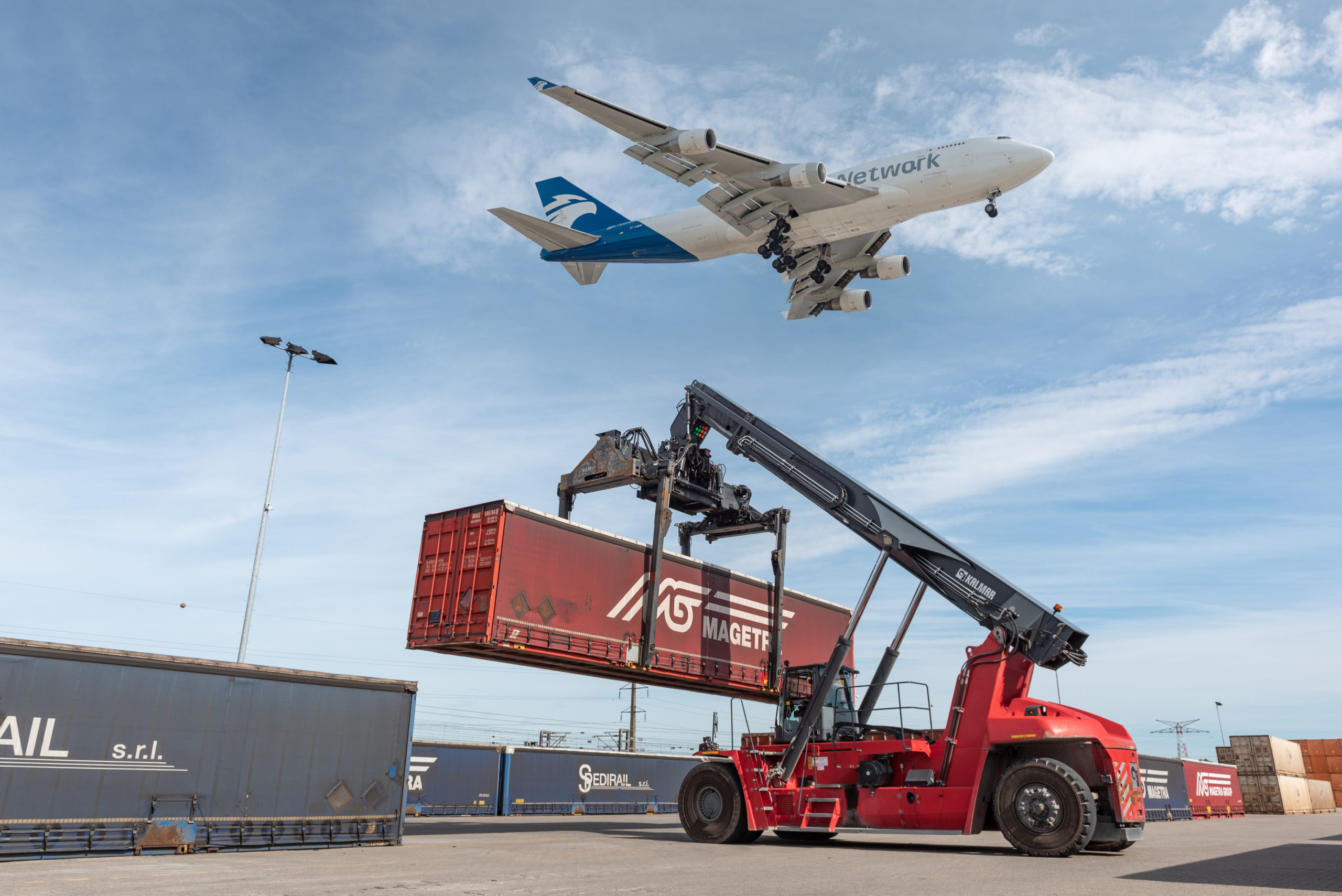
    Liege Airport (LGG) has been experiencing an upward trajectory in terms of both aircraft movements and cargo volumes during the third quarter. A robust 23% growth in tonnage was recorded for the months of July, August, and September in 2025 as compared to the same quarter in 2024, while aircraft movements increased by 9%.

    Unwavering Performance

    Liege Airport’s performance remains commendable not only in the short term but also over the past two years. The airport’s CEO, Laurent Jossart, shed light on the recent success, stating that the air cargo community processed a significant 334,956 tons of freight in Q3 2025. This figure represents an impressive 23% growth from the previous year’s Q3 tonnage of 272,210. In addition, a year-to-date growth of 14.4% was reported.

    The notable growth of the last quarter was primarily driven by a healthy uptick in e-commerce imports, as well as the robust European exports flown via Liege Airport, which saw a quarterly growth of 26% compared to the previous year. This substantial growth underscores the increasing significance of Liege Airport to the European export industry.

    Concerning aircraft movements, a total of 7,262 cargo flights were operated – a 9% rise from Q3 2024, which recorded 6,691 cargo flights.

    Europe’s Prominent Full Freighter Airport

    Further highlighting LGG’s success is its consolidation as the leading full freighter airport in Europe, a milestone reached in 2025. In the first nine months of the year, Liege Airport became the leading hub for three verticals – flowers, e-commerce, and horses. Jossart added that a total of 961,640 tons of air cargo passed through their facilities.

    Looking at a longer timeframe, from 2019 to 2024, a recent global air traffic survey positioned Liege Airport among the top 5 cargo airports worldwide in terms of freight growth, having experienced a 29% increase.

    Laurent Jossart concluded by stating that this performance solidifies Liege Airport’s strategy of being a sustainable, efficient, and multimodal European logistics hub.

    Questions & Answers

    What has been the growth rate of Liege Airport in Q3 2025 as compared to Q3 2024?
    The airport recorded a 23% increase in tonnage and a 9% rise in aircraft movements in Q3 2025 compared to the same period in 2024.

    What factors contributed to the significant growth of Liege Airport in the last quarter?
    The growth was primarily driven by the healthy flow of e-commerce imports and the robustness of the European exports flown via the airport.

    What leadership position did LGG consolidate in 2025?
    LGG consolidated its position as Europe’s leading “full freighter” airport in 2025, handling a total of 961,640 tons of air cargo in the first nine months of that year.

  • Hong Kong’s Retail Sales Rise For Third Consecutive Month Amid Increased Tourism

    Hong Kong’s Retail Sales Rise For Third Consecutive Month Amid Increased Tourism

    July’s retail sales in Hong Kong experienced an upward trend, marking the third consecutive month of positive growth. Sales figures showed a 1.8% year-on-year increase, achieving a total value of HK$29.7 billion ($3.8 billion). This increase followed a more modest growth of 0.7% in June.

    Sales Volume Increases

    In addition to this financial upturn, retail sales volume also saw a rise of 1% in July compared to the previous year. This is a significant improvement from the 0.3% decrease experienced in June. However, a broader look at the year reveals that retail sales decreased in value by 2.6% and in volume by 4% over the first seven months of 2025 compared to the same period in 2024.

    A government representative expressed optimism about these figures, suggesting that consumer sentiment is expected to remain consistent. Furthermore, this spokesperson highlighted the positive impact of government initiatives that encourage tourism and large-scale events, all of which are predicted to provide benefits to retail businesses.

    Tourist Arrivals Boost Retail

    Data from the Hong Kong Tourism Board showed an increase in visitor arrivals during July. A total of 4.39 million visitors marked a 12% increase from the same month the previous year. This is a noticeable acceleration compared to the 3.48 million in June, 4.08 million in May, and 3.85 million in April.

    Of these visitors, 3.51 million originated from mainland China, an 11.8% increase in comparison to the previous year. Despite the increasing number of visitors, spending habits indicate a more conservative approach with many choosing to limit their overall expenditure.

    Specific Sector Performance

    Particular sectors within the retail industry showcased robust growth. Jewellery, watches, clocks, and valuable gifts saw sales surge by 9.4% year-on-year in July, up from a rise of 6.9% in June. The clothing, footwear, and allied products segment, however, saw a marginal growth of 0.1%, a slight recovery from a 4.6% drop in June.

    Questions & Answers

    How much did Hong Kong’s retail sales increase in July?
    Sales rose by 1.8% year-on-year, achieving a total value of HK$29.7 billion ($3.8 billion).

    What was the growth in the number of visitors from mainland China?
    The number of visitors from mainland China increased by 11.8% compared to the previous year, reaching a total of 3.51 million in July.

    Which retail sector saw the most significant growth?
    The sector of jewellery, watches, clocks, and valuable gifts saw the most substantial growth with a 9.4% year-on-year rise in sales in July.

  • Taiwan’s Retail Sales Slump For Third Consecutive Month Amid Tariff Negotiations

    Taiwan’s Retail Sales Slump For Third Consecutive Month Amid Tariff Negotiations

    Retail sales in Taiwan experienced a decline of 2.9 percent in June, falling to a total of NT$390 billion (US$13.3 billion). This downward trend marks the third consecutive month of sales decreasing.

    Decline in Retail Sales

    The drop in sales fell within the anticipated range of 0.4 to 3.4 percent. The sectors most affected were those of cars, motorcycles, auto parts, and accessories, which faced a significant decrease of 17.3 percent in year-on-year sales. The slump in demand for these industries was largely due to customers waiting for the results of tariff negotiations between Taiwan and the United States.

    The fabric and clothing sector also felt the impact, with sales falling 6.3 percent. This was attributed to fewer holidays in the period. Additionally, department stores recorded a 3.6 percent decrease in sales.

    Food and Beverage Industry

    The food and beverage sector, after experiencing growth for three consecutive months, also reported a decline of 2 percent. The primary factor contributing to this downturn was a reduction in restaurant sales.

    Overall Retail Sales

    For the second quarter, overall retail sales in Taiwan slid by 1.6 percent, and by 0.4 percent for the first half of the year. Looking ahead, the Ministry of Economic Affairs predicts retail sales growth for July to vary between a 2 percent drop and a 1 percent rise.

    Questions & Answers

    What was the overall decline in retail sales for Taiwan in June?
    The overall decline in retail sales for Taiwan in June was 2.9 percent.

    Which sector experienced the most significant decrease in sales?
    The sector of cars, motorcycles, auto parts, and accessories experienced the most significant decrease in sales, with a drop of 17.3 percent year-on-year.

    What projections have been made for retail sales growth in July?
    The Ministry of Economic Affairs predicts that retail sales growth for July will range between a 2 percent drop and a 1 percent rise.

  • Taiwan’s Retail Sales Suffer Third Consecutive Month Of Decline Amidst Auto Sector Slump

    Taiwan’s Retail Sales Suffer Third Consecutive Month Of Decline Amidst Auto Sector Slump

    Retail activity in Taiwan took a hit in June, as sales dropped by 2.9% to approximately NT$390 billion or US$13.3 billion, marking the third consecutive month of decline.

    Industry Specific Declines

    The slump was consistent with the projected range of a 0.4% to 3.4% decrease in sales. The most significant dip was observed in the automotive sector, with car, motorcycle, and auto parts and accessories sales plummeting by 17.3% year on year. This industry-wide slowdown was exacerbated by customers holding off on purchases while awaiting the outcome of Taiwan’s tariff discussions with the United States.

    Meanwhile, the fabric and clothing industry also suffered, recording a 6.3% drop in sales. This decline was partly due to a reduction in the number of holidays in June. Similarly, department stores experienced a 3.6% drop in sales.

    Food and Beverage Sector

    The food and beverage industry, which had previously enjoyed three months of consecutive growth, reported a 2% decrease in sales. According to the Ministry of Economic Affairs, this decline was largely driven by a slump in restaurant sales.

    Overall Retail Landscape in Taiwan

    Cumulatively, the country’s retail sales slid by 1.6% for the second quarter and 0.4% for the first half of the year. Looking ahead, the Ministry of Economic Affairs predicts that retail sales growth in July could range from a 2% decline to a 1% increase.

    Questions & Answers

    What was the overall decline in Taiwan’s retail sales in June?
    Sales fell by 2.9% to approximately NT$390 billion or US$13.3 billion.

    Which sector experienced the most significant sales decline?
    The automotive sector, which includes cars, motorcycles and auto parts and accessories, experienced the most steep decline with a drop of 17.3%.

    What are the projected retail sales for July as per the Ministry of Economic Affairs?
    The Ministry expects the retail sales growth for July to range between a decrease of 2% and an increase of 1%.