Retail News CRM

Tag: This

  • Air New Zealands Thrilling Reconnection: Direct Singapore-Christchurch Flights Launching this October

    Air New Zealands Thrilling Reconnection: Direct Singapore-Christchurch Flights Launching this October

    Air New Zealand is set to inaugurate a regular direct service connecting Singapore to Christchurch in New Zealand’s South Island from October 28. The airline has already started selling tickets for this service, which will operate thrice weekly. During the northern winter season, the airline anticipates that it will provide over 34,000 seats on this route, according to a statement released by the airline on Wednesday.

    The approximate flight time for this route is 10 hours, and it will be serviced by the airline’s refurbished Boeing 787 Dreamliner aircraft.

    Expansion of Services

    Air New Zealand indicated that the addition of this new route is a complementary extension to its existing Auckland-Singapore service. It also forms part of the airline’s overarching plan to increase capacity during the peak season, details of which will be revealed in late May.

    Additionally, the airline will introduce new services connecting Christchurch with Narita (Tokyo) and Perth (Australia) by the end of November.

    According to Air New Zealand CEO, Nikhil Ravishankar, the addition of these three new routes is a strategic move designed to directly re-link Christchurch with major global hubs in Asia, bolster connections with Australia, and revolutionize how the South Island connects with the rest of the world. This will effectively alter the arrival points for visitors and consequently, how they traverse the country.

    In the past, Air New Zealand has operated flights from Christchurch to Singapore in 2020, to Perth in 2019 and to Narita in 2015. Besides Air New Zealand, Singapore Airlines also offers direct flights between Singapore and Auckland.

    Questions & Answers

    When will Air New Zealand’s direct service from Singapore to Christchurch commence?
    The service will begin on October 28.

    What type of aircraft will be used for this service?
    The flights will be operated using the airline’s retrofitted Boeing 787 Dreamliner aircraft.

    What other new routes does Air New Zealand plan to introduce?
    New services connecting Christchurch with Narita (Tokyo) and Perth (Australia) will be introduced by the end of November.

  • Lenskart to launch IPO this week, seeking US$7.9b in valuation

    Lenskart to launch IPO this week, seeking US$7.9b in valuation

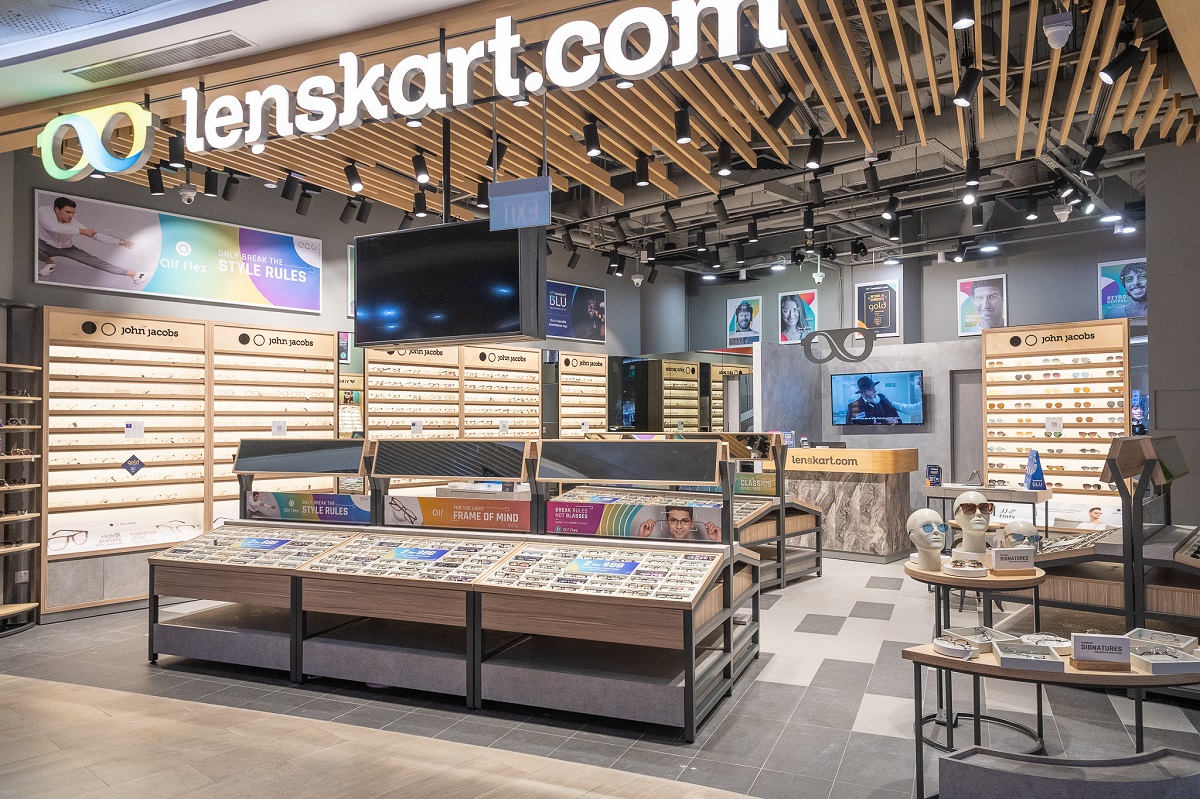
    Lenskart Solutions, a leading Indian eyewear retailer, is preparing to unveil its Initial Public Offering (IPO) this week. The company is targeting a valuation of approximately 695 billion rupees, which equates to around $7.91 billion.

    Details of the IPO

    Lenskart Solutions has established a price range of 382-402 rupees per share, which translates to around $4.35 to $4.57. As part of the IPO, Lenskart will issue fresh shares amounting to 21.5 billion rupees. Current investors, inclusive of the company’s founders, are also set to sell approximately 128 million shares, as indicated in an updated prospectus.

    The IPO will commence on October 31 and continue until November 4, with anchor investors beginning to submit their bids on October 30.

    Lenskart’s Success Story

    Lenskart Solutions was established in 2010 and has its headquarters in Gurgaon. As of September 10, the company was valued at $6.1 billion. It operates more than 2060 stores throughout India and has more than 650 outlets internationally.

    The main shareholders, often referred to as ‘promoters’, encompass a Mumbai-based private equity firm named Kedaara Capital, Temasek, a state-owned investment company from Singapore, and SoftBank from Japan.

    Future Plans

    In a statement released in July to the Securities and Exchange Board of India (SEBI), Lenskart Solutions announced that the funds procured from the IPO will be utilized to invest in the establishment of new company-owned, company-operated stores nationwide.

    Questions & Answers

    What is the targeted valuation for Lenskart Solutions’ IPO?
    The company is aiming for a valuation of approximately 695 billion rupees or around $7.91 billion.

    Who are the main shareholders of Lenskart Solutions?
    The primary shareholders include a Mumbai-based private equity firm named Kedaara Capital, Singapore’s state investment company, Temasek, and Japan’s SoftBank.

    What will the funds procured from the IPO be used for?
    Lenskart Solutions has stated that the funds will be utilized to invest in the establishment of new company-owned, company-operated stores across India.

  • Google Wallet Enhances Travel Experience With Real-time Updates And Card Integration

    Google Wallet Enhances Travel Experience With Real-time Updates And Card Integration

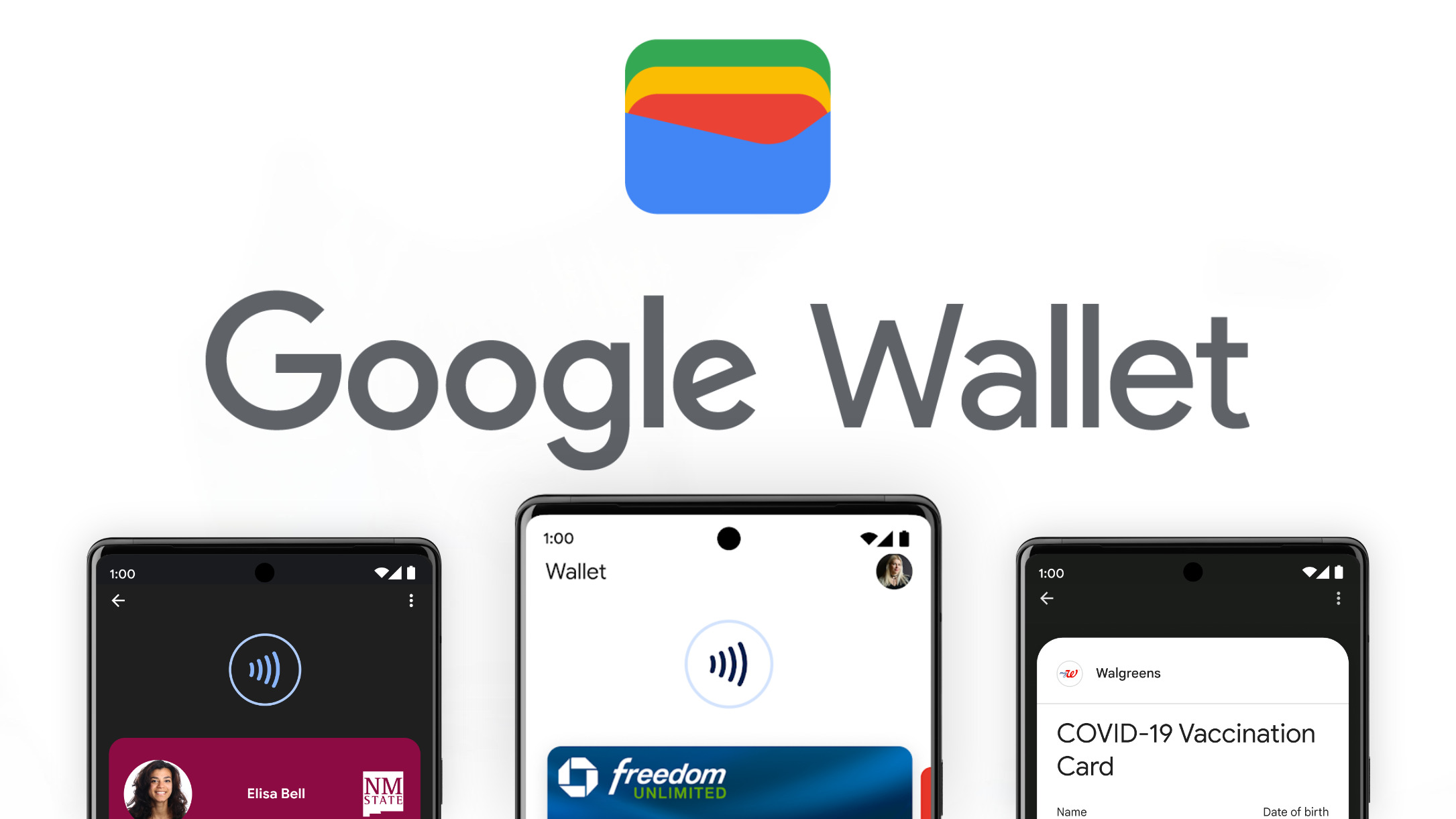
    Google Wallet is set to become more convenient for globetrotters as it integrates Android 16’s latest feature, “Live Updates”. This innovative function will make flight and train status readily accessible, delivering this crucial information precisely when it’s needed.

    Travel Upgrade for Google Wallet

    Google Wallet is undergoing not just a visual transformation with its Material 3 redesign, but also a functional enhancement. The new “Live Updates” feature, initially showcased at the I/O 2025 keynote for Maps and Uber Eats, is now branching out to Google Wallet. This will cover real-time updates for flights, train journeys, and events.

    Imagine a dynamic update system where static notifications are replaced with live progress bars tracking your flight duration or immediate alerts about gate changes. These updates will be constantly available on your display, your lockscreen, or discreetly tucked into your status bar.

    These developments were revealed in the release notes for Google Play services version 25.41. The rollout process is expected to be gradual, and it may take several weeks or even months for this feature to appear on your device.

    Additional Updates on Google Wallet

    Google Wallet is also introducing two minor but useful updates. Firstly, older phone models that operate on Android 12 or earlier will now receive notifications when a loyalty pass is imported from Gmail. Secondly, users will find it convenient to directly add credit or debit cards from their bank’s app, without needing the actual plastic card.

    While these updates may appear to be Google’s attempt at keeping up with its competitors, they are undeniably important. Apple Wallet, for instance, has been lauded for its real-time integration of live updates such as flight delays or gate changes directly on the lock screen. Google Wallet is now gearing up to match Apple Wallet’s “Live Activities”, shifting from a digital wallet that merely holds cards and passes to a proactive travel assistant.

    Improving User Experience

    These updates, although overdue, are a welcome change. The ability to have real-time updates directly on the lock screen eliminates the stress associated with travel, such as keeping track of gate changes or flight schedules.

    Moreover, the integration of bank cards is a significant improvement. The added convenience of not having to scramble for a physical card when adding it to the phone enhances the user experience. This smart, integrated feature enhances the overall cohesion of the Android ecosystem.

    Questions & Answers

    What is the new feature in Google Wallet?
    The new feature in Google Wallet is the integration of Android 16’s “Live Updates”, which provides real-time updates for flights, train journeys, and events.

    What are the other updates in Google Wallet?
    Google Wallet’s other updates include notifications for loyalty pass imports from Gmail for older Android versions, and the ability to add credit or debit cards directly from the bank’s app.

    How does the new update enhance the user experience?
    The new update enhances the user experience by providing live updates directly on the lock screen, eliminating the stress of travel. Additionally, the integration of bank cards removes the need for a physical card when adding it to Google Wallet.

  • Apple And Microsoft Challenge Chrome’s Dominance: Unveiling The Privacy Controversy

    Apple And Microsoft Challenge Chrome’s Dominance: Unveiling The Privacy Controversy

    Apple has recently cautioned iPhone users against employing the Chrome browser, citing security risks. This situation may remind one of a previous advertising scenario in 2024 where the tech giant, through creative visuals, illustrated Android users exploring the Chrome Browser in public and being surveilled by transforming cameras. These cameras symbolized internet user trackers, which failed when attempting to spy on users of Apple’s own Safari browser. The underlying message being that Safari provides superior protection of users’ personal information than its counterparts, specifically pointing out the Chrome browser.

    Google’s Privacy Sandbox: A Failed Attempt at Privacy

    In a parallel move, Microsoft attempted to dissuade Windows users from using Chrome. They promoted their own browser, Microsoft Edge, as a trustworthy alternative that operates on the same technology as Chrome. Despite these concerted efforts by Microsoft and Apple to dethrone Chrome, the browser boasts a massive user base of over 3 billion worldwide. However, Google recently dropped a bombshell by announcing the end of its Privacy Sandbox project, its proposed alternative to third-party cookies for the web and Android applications.

    Back in January 2024, Google initiated the process of phasing out third-party cookies from Chrome. The agenda was to replace them with the Privacy Sandbox, aiming to gauge a consumer’s interests without resorting to widespread internet tracking to push personalized advertisements. Such targeted ads typically command higher prices from the advertisers due to their increased effectiveness, thereby contributing to Google’s revenue.

    The Privacy Sandbox was intended to shift ad selection and data processing tasks directly to the user’s browser and device, eliminating the need for third-party trackers to transmit individual user data across the web. Despite initial plans, Google resolved not to discontinue the use of third-party cookies last year, culminating in the current halt to the six-year-old Privacy Sandbox initiative.

    The Future of Chrome Amidst Privacy Concerns

    Although Chrome users may once again be subjected to tracking and personalized advertising, Chrome’s substantial market share is anticipated to remain unaffected. Currently, the browser dominates over 70% of the market, both in mobile and desktop segments. However, emerging competition from AI browsers like Perplexity’s Comet and an upcoming AI browser from Open AI’s parent ChatGPT could potentially pose a threat to Chrome.

    The Privacy Sandbox tools that Google has decided to withdraw include a host of features such as Attribution Reporting API for both Chrome and Android, IP Protection, On-Device Personalization, Private Aggregation, and more.

    An API, or Application Programming Interface, serves as an intermediary enabling two distinct software interfaces to communicate and exchange data. This process can be likened to the functioning of a restaurant, where an app seeking data is the customer, the API is the waiter relaying the order to the kitchen (the server), and then serving the prepared food (data) back to the customer.

    Google’s cancellation of the Privacy Sandbox was attributed to its “low levels of adoption”, indicating that it failed to provide sufficient value to its users.

    Questions & Answers

    Why did Apple caution its users against using Chrome?
    Apple cited security risks as the primary reason for advising its users against using the Chrome browser. The company highlighted through a past advertisement that its own Safari browser offers better protection of personal data.

    What was the purpose of Google’s Privacy Sandbox?
    Google’s Privacy Sandbox was intended to replace third-party cookies in Chrome. It sought to understand consumer interests without having to track user behavior across the internet, facilitating the delivery of personalized ads.

    Why did Google decide to cancel the Privacy Sandbox?
    Google stated that the Privacy Sandbox had not been adopted widely and that it wasn’t providing enough value to its users, which led to its decision to discontinue the project.

  • Marimekko Unveils Flagship Store In Causeway Bay: A Revitalized Shopping Experience

    Marimekko Unveils Flagship Store In Causeway Bay: A Revitalized Shopping Experience

    Marimekko, the iconic Finnish design company, is globally renowned for its fashion and home decor products featuring vivid, abstract prints designed to spread an ethos of joy and positivity. This lifestyle brand is an embodiment of timeless elegance and a summery sense of joy. If you are drawn to the brand’s vibrant ‘flower power’ aesthetic, make a note of October 16 in your diary. That’s when Marimekko is set to unveil a new flagship store in Causeway Bay. This eagerly awaited launch is significant, as it symbolizes not only a new beginning for Marimekko in Hong Kong but also the company’s dedication to crafting an immersive in-store retail experience that strikes a chord with customers.

    Marimekko’s Return to Causeway Bay

    Marimekko first broke into the Hong Kong market in 2012, opening a store on Leighton Road in Causeway Bay. The forthcoming flagship store, remaining on the same street, represents a sort of homecoming for the brand. However, this is not just a return, but a stunning transformation; a fresh design and expanded offerings promise a completely reimagined Marimekko experience for its Hong Kong-based fans. Moreover, the store’s façade, centered around Marimekko’s well-known ‘Unikko’ print, will be unmissable, serving to highlight the brand’s printmaking legacy. Upon entering the shop, customers will feel as though they’ve been transported to Marimekko’s textile printing factory in Helsinki, with the striking interior design inspired by the Finnish workshop.

    What to Expect from the New Flagship

    Marimekko fans can anticipate a carefully curated collection of products, including clothing, accessories, home furnishings, and even printed fabrics — all emblazoned with the brand’s signature prints. Items featuring the ‘Unikko’ design are sure to be a hit, but the bold ‘Kivet’ and sleek ‘Tiiliskivi’ prints are expected to be crowd pleasers as well.

    At present, Marimekko has six retail sites in Hong Kong, including an outlet shop at Citygate Outlets in Tung Chung, so the new Leighton Road flagship will find itself in good company. Furthermore, according to a Marimekko Instagram post, eligible purchases will be accompanied by a complimentary Marimekko tote bag — an incentive that is sure to entice shoppers!

    Questions & Answers

    When did Marimekko first enter the Hong Kong market?
    Marimekko first entered the Hong Kong market in 2012, with a store on Leighton Road in Causeway Bay.

    What’s special about the new flagship store in Causeway Bay?
    The new flagship store represents a homecoming for Marimekko. It features a completely new design and an expanded range of offerings, promising a unique Marimekko experience for fans in Hong Kong.

    What can customers expect from the new Marimekko store?
    Customers can look forward to a carefully curated selection of products, including clothing, accessories, home goods, and printed fabrics, all featuring the brand’s signature prints.

  • Ios 26 Update Revolutionizes Apple Wallet With Enhanced Card Information Storage

    Ios 26 Update Revolutionizes Apple Wallet With Enhanced Card Information Storage

    The recent iOS 26 update has unveiled a host of minor enhancements, including a significant upgrade to the Apple Wallet. The digital wallet can now store detailed information about all your credit and debit cards, enhancing the user experience and accessibility.

    Storing Card Details in the Wallet App

    The iOS 26 iteration of Apple Wallet now allows detailed storage of physical card information alongside their digital counterparts within the app. This empowers users to access essential information such as the card number, expiry date, and other specifics, even in the absence of the physical card.

    Previously, the Wallet was somewhat limiting, offering no option to store comprehensive physical card information for debit and credit cards—a feature exclusive to the Apple Card. This update simplifies and enhances the user experience, positioning the Wallet app as a comprehensive replacement for a physical wallet—a functionality competitor apps like 1Password have been offering for a while.

    Manual Data Entry

    However, while this feature enhances convenience, Apple Wallet does not automatically store all card details. Users must manually input the information into the app. This can be done through a straightforward process:

    1. Open Wallet and select a card.
    2. Click on the ‘123’ button in the upper right corner and authenticate with FaceID or a passcode.
    3. Select “Add Physical Card information.”
    4. Scan the card or manually input the details to be saved.
    5. Confirm by tapping ‘Done.’

    Users can store the card number, expiration date, security code, cardholder’s name, and even add a specific description. Aside from the card number, all other details are optional, allowing users to customize what gets stored. This feature is particularly useful for cards with dynamic security codes.

    Apple has assured users that the saved data is both encrypted and stored in the user’s iCloud Keychain, accessible only by the particular user. Importantly, this information does not get used for Apple Pay transactions.

    A Competitive Edge

    The addition of detailed card information storage to Apple Wallet effectively eliminates the need for many users to stick with 1Password instead of transitioning to Apple’s own Passwords app. This development underlines Apple’s strategy of integrating features of utility apps into its operating systems, rendering separate apps superfluous.

    Questions & Answers

    What new features does the iOS 26 update bring to the Apple Wallet?
    The iOS 26 update allows users to store detailed information about their physical credit and debit cards within the Wallet app.

    How does one add physical card details to the Apple Wallet?
    Physical card details can be added manually by selecting a card within the Wallet app, clicking on the ‘123’ button, selecting “Add Physical Card information,” scanning the card or manually entering the details, and confirming the action.

    Is the card information stored in Apple Wallet secure?
    Yes, Apple assures users that all stored data is encrypted and kept in the user’s iCloud Keychain, accessible only to the user. The stored card information is not used for Apple Pay transactions.

  • Google Maps’ New Landmark Integration: A Step Forward, Yet ‘open Now’ Filter Lacks On Active Routes

    Google Maps’ New Landmark Integration: A Step Forward, Yet ‘open Now’ Filter Lacks On Active Routes

    Google Maps, the popular navigational app, continues to evolve, recently following the lead of Apple Maps by integrating landmarks such as traffic lights and stop signals into its directional commands. Previously only providing distance-based directions like “turn left in a quarter of a mile,” the app now incorporates more specific and intuitive landmarks. For example, it may instruct users to “make a left turn at the next stop sign or the second traffic light.”

    Serving Beyond Navigation

    Google Maps proves useful beyond mere navigation. Once users reach their destination, the app can assist in locating amenities like restaurants, accommodations, entertainment venues, gas stations and more. However, not all of its features have been well received. Recently, some Reddit users voiced their annoyance with a particular search filter in Google Maps.

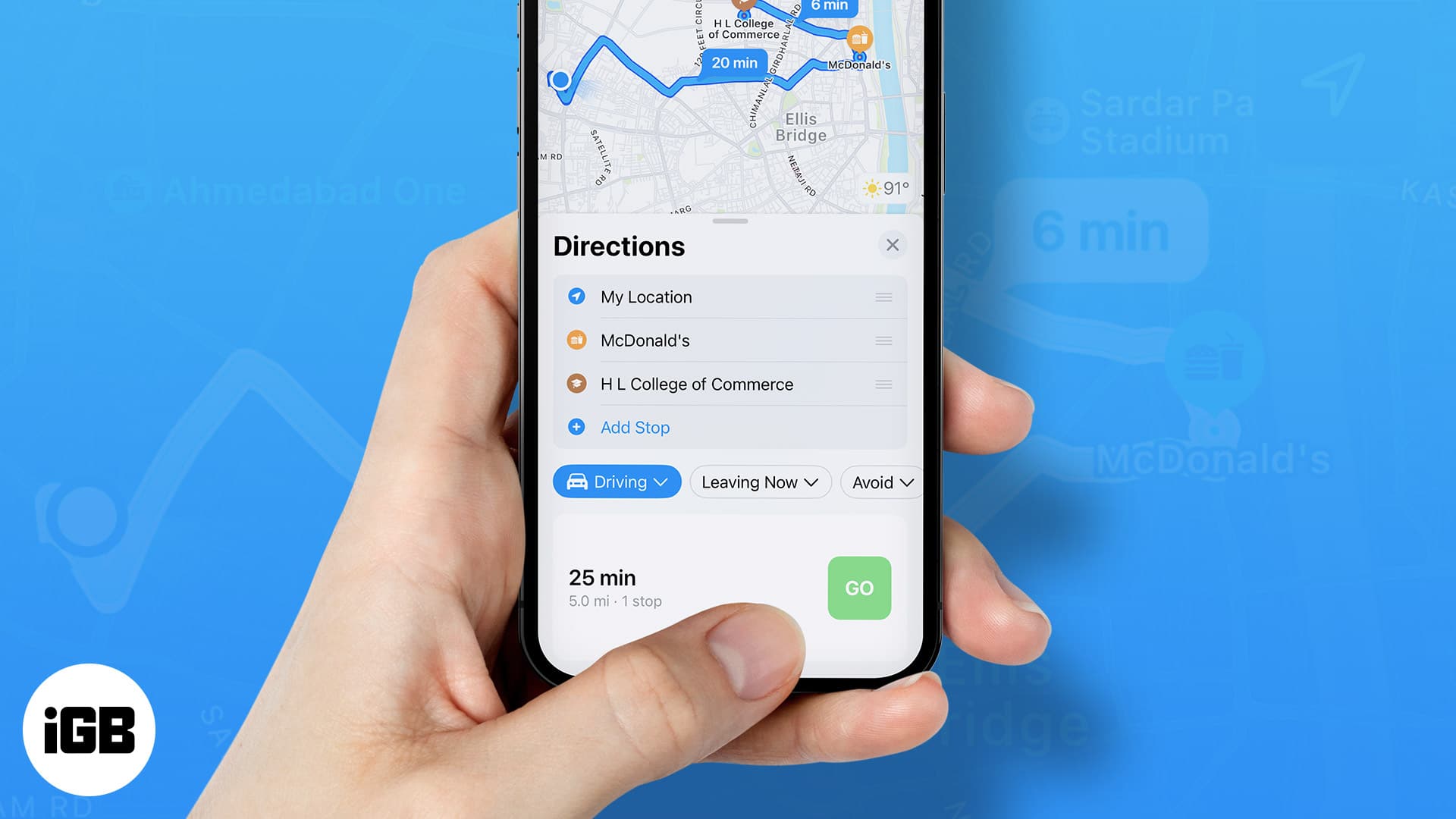
    Currently, the app offers a “Open now” filter when users search for specific places like “UPS near me.” This convenient feature allows users to see only results for locations that are currently open. But, the problem arises when users are already on an active route and want to add a stop. In these instances, there is no way to access and apply the “Open now” filter.

    Driving to Closed Locations

    Imagine this scenario: You’re driving and suddenly realize you could use a coffee pick-me-up. You recall a coffee shop en route to your destination and decide to add it as a stop, even though it may extend your travel time slightly. Upon arrival, you find the shop dark and the doors locked. The sign in the window tells you it closed an hour ago, well before you added the address to your app.

    The challenge lies in the fact that while a search result in Google Maps typically displays the hours of operation, this crucial information can be easily overlooked or blurred by the pressure of real-time navigation. As a result, users may find themselves unknowingly navigating to closed locations.

    Questions & Answers

    Why is the “Open now” filter feature not available while on an active route in Google Maps?
    As it stands, Google Maps does not currently offer the feature to filter for locations that are “Open now” while the user is on an active route. This limitation could be due to technical challenges or simply an oversight in user experience design.

    What happens when you add a stop to your active route in Google Maps?
    When you add a stop to your active route in Google Maps, the app updates your route to include the new destination. However, it does not currently provide you with the option to filter for locations that are “Open now.”

    What is the potential solution to this issue?
    A possible solution to this problem could be for Google Maps to make the “Open now” filter available and activated by default when users are on an active route. This would prevent users from inadvertently driving to closed locations and improve overall user experience.

  • Uma Nota and Bedu to shut down in Hong Kong this summer

    Uma Nota and Bedu to shut down in Hong Kong this summer

    Navigating Hong Kong’s culinary industry presents a challenging venture, as escalating rental rates, consumers seeking cheaper alternatives in Mainland China, and stiff rivalry between establishments create a tough business environment. These factors are placing a strain on the operations of numerous local eateries, compelling them to make difficult calls. Regrettably, after eight years of service in Central, Uma Nota and Bedu, entities of Meraki Hospitality, are set to close their operations on June 21. Brother and sister duo Alex and Laura Offe, who established Meraki Hospitality in 2018, have left a significant imprint on the local gastronomic scene with their unique restaurant offerings.

    The Closure Decision

    The hospitality group attributed the decision to shut both restaurants to the escalating costs and evolving Hong Kong market conditions. The founders also consider this pause an opportunity for reflection, rejuvenation, and the conception of novel ideas.

    The closure of the restaurants represents a poignant moment for the founders, who cherish the relationships and memories built over time. Alex expressed his gratitude to their community and looked forward to welcoming everyone back with fresh concepts in the future.

    Legacy of the Restaurants

    Uma Nota, the first Brazilian-Japanese restaurant in Hong Kong, commenced operations in 2017, providing a unique twist on Brazilian botecos, a popular social spot serving drinks and appetizers. Taking advantage of its success, Meraki Hospitality expanded the Uma Nota brand into cities like Paris in 2018 and Manila in 2024. The second restaurant, Bedu, opened its doors in 2018 on Gough Street. It served modern interpretations of traditional Middle Eastern dishes, quickly becoming a key establishment in the community.

    Meraki Hospitality’s Future Plans

    Even with the closure of their current establishments, the Offe siblings have plans for the future. They are set to introduce Sabai, a luxurious Thai restaurant, in Manila. While details about their future ventures in Hong Kong are yet to be disclosed, they are optimistic about making a comeback in the city’s dining scene.

    Questions & Answers

    Why are Uma Nota and Bedu closing?
    The closure of Uma Nota and Bedu is primarily due to the rising operational costs and changing market dynamics in Hong Kong.

    What are the future plans of Meraki Hospitality?
    Meraki Hospitality is gearing up to launch a high-end Thai restaurant, Sabai, in Manila. Although details about their future plans in Hong Kong are not yet available, they are hopeful about making a return.

    What was unique about the restaurants Uma Nota and Bedu?
    Uma Nota was the first Brazilian-Japanese restaurant in Hong Kong, providing a unique twist on Brazilian botecos. Bedu, on the other hand, was known for its modern take on classic Middle Eastern dishes.

  • Korean retailers struggle amid sluggish demand

    Korean retailers struggle amid sluggish demand

    The first quarter of 2025 presented significant challenges for the South Korean department store industry due to a notable decrease in domestic consumption. This tough economic climate had a substantial impact on sales and profits. Lotte Department Store was the only major player to announce a significant increase in profits, primarily attributed to its strong overseas operations and internal streamlining.

    Lotte Department Store reported a 44.3% year-on-year increase in its operating profit to 130 billion won in Q1 2025. This growth occurred despite a minor 1.1% drop in revenue, falling to 806.3 billion won. The company attributed this positive development to their aggressive cost-efficiency strategies, including shutting down underperforming stores and reinvesting in flagship locations. Additionally, their international business arm recorded a 6.2% revenue increase, marking its return to profitability.

    In contrast, Lotte’s rivals, Shinsegae and Hyundai Department Store, failed to meet their profit expectations. Shinsegae’s revenue fell by 0.8% to 659 billion won, while its operating profit decreased by 5.1% to 107.9 billion won. Hyundai also experienced a 0.8% decline in sales, falling to 589 billion won, and a 5.7% reduction in operating income to 97.2 billion won.

    This downward trend was linked to a poor performance across almost all product categories due to growing consumer pessimism and colder-than-average winter weather, which adversely affected fashion sales. This is a significant blow considering that fashion typically represents up to 50% of annual department store revenue.

    Challenging Market Conditions

    An industry official said, “Political instability due to emergency rule, increased trade uncertainty stemming from US tariff actions and unpredictable weather have all negatively affected our performance.” This statement reflects the combined impact of domestic and global challenges on the sector.

    On a brighter note, E-Mart, the market leader in the big-box retail sector, reported impressive first-quarter results. The company’s standalone revenue rose 10.1% year-on-year to 4.63 trillion won, while operating profit surged 43.1%, reaching 133.3 billion won. This was its best quarterly performance since 2018.

    Company executives credited this achievement to an increase in foot traffic at both its standard discount stores and warehouse-style Traders locations. This indicates a resurgence in consumer interest in brick-and-mortar shopping, despite the ongoing economic uncertainty.

    In contrast, Lotte Mart reported a modest 0.3% rise in revenue to 1.49 trillion won, while its operating profit fell sharply by 34.8% to 28.1 billion won. Its domestic operating profit, excluding overseas earnings, dropped by a staggering 73.6% from the previous year.

    The Power of Pricing Strategy

    Both E-Mart and Lotte Mart have focused on low-price strategies through centralized purchasing. However, E-Mart’s larger scale has given it a stronger position to pass savings onto consumers. Its aggressive promotions, including the “Price Shock Declaration” and “Great Eat Festa”, were widely credited as contributing to its superior performance.

    An industry official commented, “As integrated purchasing intensifies, the retailer with greater volume naturally holds an advantage in reducing procurement costs.” They predicted a potential promotional war in the second half of the year if Lotte Mart decides to roll out large-scale discounts to regain market share.

    Questions & Answers

    Why did Lotte Department Store outperform its competitors in Q1 2025?
    Answer: Lotte’s strong performance is attributed to its successful international business and aggressive cost-efficiency measures, which included closing underperforming stores and reinvesting in flagship locations.

    How did the weather impact the performance of department stores?
    Answer: An unusually cold winter affected the sales of fashion items, which typically make up to 50% of annual department store revenue.

    What factors contributed to E-Mart’s strong first-quarter performance?
    Answer: E-Mart’s success is credited to both an increase in foot traffic at its stores and aggressive promotions that passed on savings to consumers.