
Tag: tighten

  • Thai Shoppers Tighten Budgets: A Dive into Declining Spending-per-Bill Index

    Thai Shoppers Tighten Budgets: A Dive into Declining Spending-per-Bill Index

    In July, a decrease in consumer spending was observed among Thai shoppers, with the spending-per-bill index falling by 8.1 points to 47.0 from the previous month. The spending-per-bill component saw the greatest decrease among the main measures of the government’s Retail Sentiment Index.

    While the frequency of shopping only declined marginally (0.4 points), indicating that consumers continued to visit stores almost as regularly, the marked decrease in the spending-per-bill index illustrates a reduction in the quantity of items purchased. Households are limiting their spending to essential goods, removing less necessary items from their lists.

    Shift in Purchasing Habits

    There is also a noticeable shift towards less expensive brands or store-brand products, with discretionary and lifestyle purchases being avoided. This behavior indicates a strain on finances rather than a mere change in shopping locations. Despite the ongoing need for everyday goods, tighter budgets are resulting in both reduced quantities and lower value purchases.

    In July 2026, Thailand’s Consumer Price Index was reported to be 102.10, marking a 1.95% increase in headline inflation year-on-year from 100.15 the previous year.

    Impact of Government Stimulus Program

    In the same month, the government continued its Thais Help Thais Plus 60/40 stimulus program, with the total expenditure remaining similar to June’s figure, at roughly 43 billion baht, or about US$1.29 billion. Approximately 25.78-26 million people availed of the program, with average spending of around 1,600-1,700 baht per person.

    However, this cash injection was insufficient to counter the underlying weakness in household income. In June, the program’s inaugural month, consumers increased their spending to utilize unused entitlements. By July, users were more familiar with the program and began to distribute their spending more evenly.

    Following the use of the support for basic necessities, households had limited personal spending power for other product categories, thereby restricting the program’s wider economic impact.

    Adding to the pressure in July were heavy rains and floods in several regions, which resulted in decreased visitor numbers to medium-sized and large shopping centers.

    Questions & Answers

    What was the key reason for the decrease in the Thai spending-per-bill index in July?
    The primary reason was that households were limiting their purchases to essential goods and removing less necessary items from their shopping lists.

    How did the government’s stimulus program impact consumer spending in Thailand?
    The Thais Help Thais Plus 60/40 stimulus program helped sustain spending levels to some extent, but it was not enough to fully counter the underlying weakness in household income.

    What additional factors affected consumer spending and retail visits in July?
    Heavy rains and floods in several regions decreased the number of visitors to medium-sized and large shopping centers, thereby impacting consumer spending.
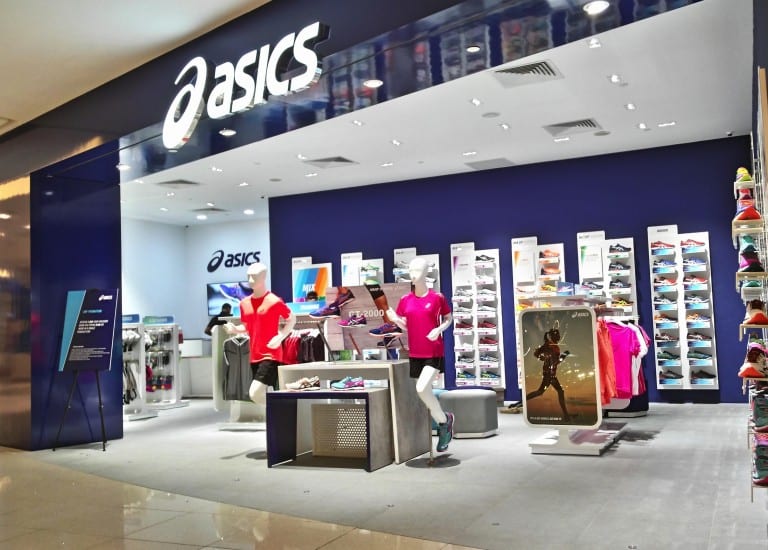
  • Asics Boosts Indian Manufacturing Amid Regulatory Changes, Plans For Brand-owned Stores

    Asics Boosts Indian Manufacturing Amid Regulatory Changes, Plans For Brand-owned Stores

    Asics, the Japanese sportswear giant, has announced plans to increase its manufacturing operations in India from 30% to 40% over the coming years. This move is aimed at maintaining a stable supply chain, following changes in the country’s regulations that have led to a halt in footwear imports.

    The Indian government has recently introduced a set of standards for different footwear types. These regulations demand that both local and international manufacturers secure quality certifications. In response to these rules, Asics has paused its footwear imports, citing the impracticality of importing without the required government certification.

    Local Production Strategy

    In order to navigate this challenging situation, Asics is working towards enhancing its local production capabilities. “We are strategically developing local production capabilities,” stated Rajat Khurana, Managing Director of Asics India.

    During the 2024-25 fiscal year, Asics achieved 30% local production. This achievement meets the government’s required threshold, which permits foreign brands to run their own single-brand stores in India.

    Expansion Plans

    With approximately 125 stores currently being operated via franchise partners, Asics is now planning to open its first brand-owned store within the year. The company is actively exploring potential locations in and around major cities such as Delhi and Mumbai, with plans to establish a few more outlets in the years to come.

    In addition to directly owned stores, Asics also intends to open three new franchise stores every month until the end of the year. The brand, which competes with internationally recognized names such as Nike, Adidas, and Skechers USA in the Indian market, is set to capitalize on the country’s growing fitness culture.

    Financial Outlook

    Asics is optimistic about its financial prospects in India, predicting a revenue growth of between 35% and 37% for the fiscal year 2024-25. This projection follows a 26% increase in revenue during the previous fiscal year, which saw its earnings rise to 4.28 billion rupees (US$49.7 million).

    The company, which is particularly known for its running shoes, is benefitting from the rising interest in fitness, tennis, and pickleball among India’s affluent urban dwellers. The local market for sporting goods and apparel is anticipated to double by 2030, reaching US$58 billion, up from the 2023 levels, as per a 2024 report by Deloitte.

    Questions & Answers

    What is the reason behind Asics’ decision to increase manufacturing in India?
    Asics is boosting its manufacturing in India in response to new regulations that have halted footwear imports.

    What are Asics’ expansion plans in India?
    Asics plans to open its first brand-owned store in India this year and aims to establish more in the coming years. The company is also looking to open three new franchise stores every month until the end of the year.

    What is Asics’ projected revenue growth in India for 2024-25?
    Asics is expecting to see a revenue growth of between 35% and 37% in India for the fiscal year 2024-25.