
Tag: tiktok shop

  • Apple Leads Asian Smartphone Market as Xiaomi Expands Low-Cost Reach

    Apple Leads Asian Smartphone Market as Xiaomi Expands Low-Cost Reach

    Apple captured 21.16 per cent of Asia’s smartphone market through early 2026, leading an increasingly divided consumer hardware market across the region. Samsung held second place with 15.57 per cent, retaining its broader footprint after regaining leadership in Southeast Asia despite a 1 per cent dip in total regional shipments during 2025.

    Xiaomi secured third position across Asia with a 12.02 per cent market share, lifting its Southeast Asian shipments 4 per cent to 17 million units. Vivo and Oppo followed with 10.5 per cent and 9.8 per cent shares across Asia, while Huawei retained roughly 18 per cent of domestic shipments in mainland China.

    Social Commerce Alters Budget Device Distribution

    Digital storefronts and direct livestreams on platforms like TikTok have transformed low-cost distribution across developing markets. Xiaomi’s sub-brand POCO recorded its highest monthly volume in November 2025, moving units ranging from the $93 entry-level C71 to the $427 mid-range F7 model.

    Transsion captured 16 per cent of Southeast Asian shipments, supported by basic itel models priced below $30 that drove substantial volume in Vietnam and the Philippines. In Japan, domestic manufacturers Sony and Sharp maintained defensible positions in their home market alongside established flagship brands.

    Component Inflation Squeezes Entry-Level Margins

    Consumer demand in Asia now sits at two distinct poles: premium buyers paying top dollar for ecosystem flagships, and price-sensitive shoppers seeking maximum specifications under $100. While Apple and Samsung control the profitable high end, budget-focused manufacturers face immediate margin erosion from rising memory and storage component expenses.

    Hardware makers entering the second half of 2026 face higher bills of materials that directly threaten sub-$200 device margins. Brands operating in emerging Southeast Asian markets must decide whether to absorb these memory cost increases or risk raising retail price tags above critical affordability thresholds.

  • TikTok Shop Tracks Toward US$100 Billion in Global GMV by 2026

    TikTok Shop Tracks Toward US$100 Billion in Global GMV by 2026

    TikTok Shop is on track to surpass US$100 billion in global gross merchandise volume in 2026 as its social commerce format expands across Asia and Western markets.

    The projected milestone reflects steep annual transaction volume growth, driven by aggressive merchant acquisition in Southeast Asia and rapid adoption in the United States.

    Challenging Incumbents Across Southeast Asia

    ByteDance built TikTok Shop around short-form video feeds and live shopping broadcasts, funneling consumer traffic directly into merchant checkout flows. In Southeast Asia, the platform has eaten into market share held by Sea Group’s Shopee and Alibaba’s Lazada, particularly in Indonesia, Thailand, and Vietnam.

    Cross-border competition has intensified as PDD Holdings’ Temu and fast-fashion platform Shein push discount goods into the same consumer segments. TikTok Shop countered by integrating local logistics partnerships and offering subsidized shipping to lock in high-frequency buyers.

    Global Footprint and Platform Competition

    Western market expansion provides the second engine behind the US$100 billion trajectory. After scaling up operations in the United Kingdom and the United States, ByteDance began preparing localized rollouts in continental Europe and Latin America to diversify revenue away from single-market regulatory risks.

    RetailNews Asia notes that conventional marketplace apps rely primarily on search intent, while TikTok generates spontaneous purchases by inserting checkout prompts into entertainment feeds. That structural difference forced Shopee and Lazada to invest heavily in their own live streaming hubs to defend market share.

    The key metric to track heading into 2026 will be TikTok Shop’s take rate, as ByteDance lifts seller commission fees to convert platform volume into operating profit.

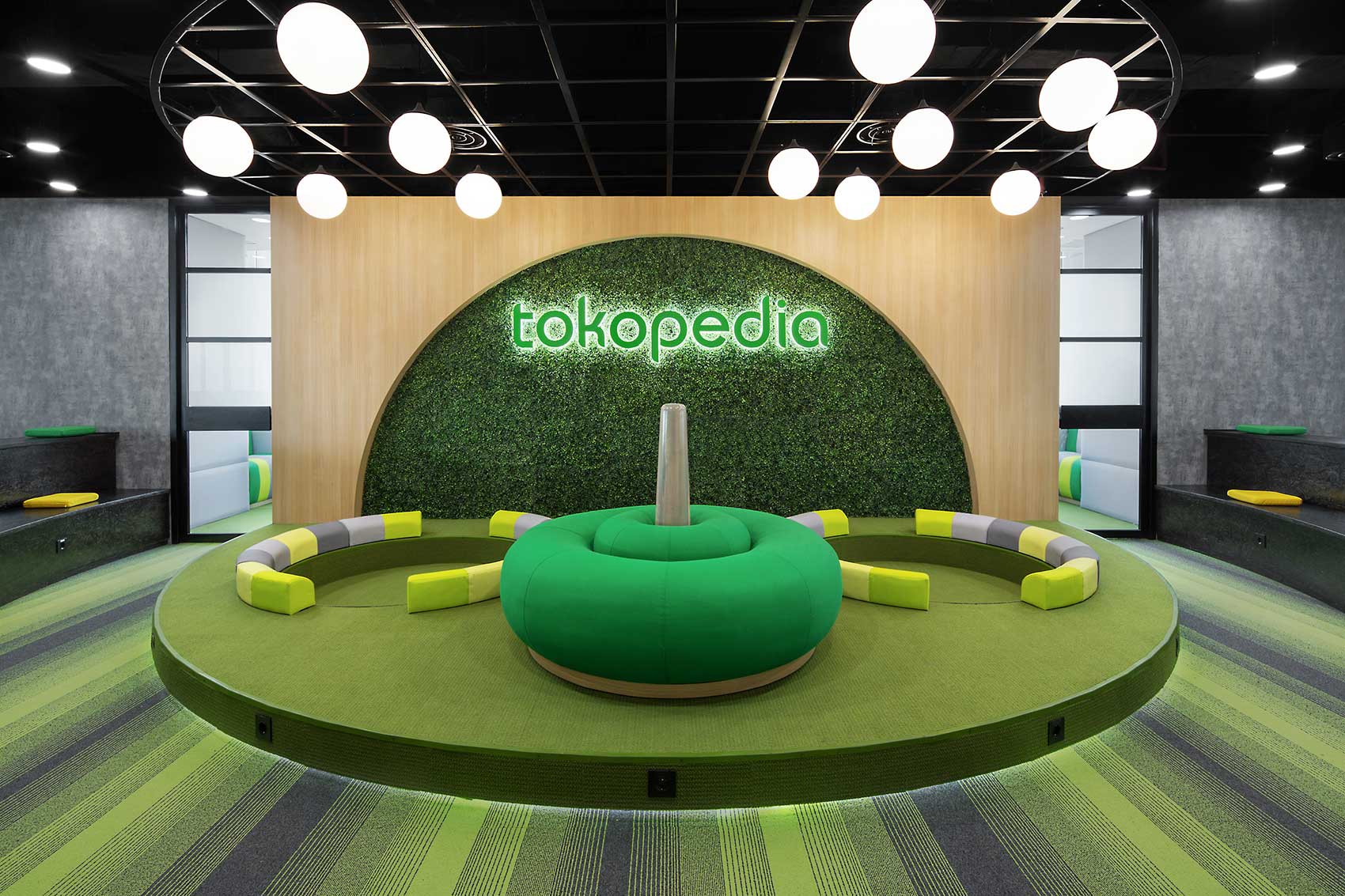
  • Tokopedia and TikTok Shop Lift Indonesian Merchant Sales 51 per Cent

    Tokopedia and TikTok Shop Lift Indonesian Merchant Sales 51 per Cent

    Tokopedia and TikTok Shop drove a 51 per cent increase in sales of Indonesian local products during the first half of 2026. The combined marketplace moved nearly 700 million items over the period.

    Gross merchandise value for the joint #BeliLokal initiative climbed 14 per cent during the six months. Merchant participation rose 50 per cent compared with the first half of 2025.

    Expanding beyond Java

    Agency Bukacerita created an Independence Day campaign named Pahlawan Beli Lokal for the platform. It promotes domestic makers of fashion, packaged food, automotive goods, and electronics. The campaign runs on social feeds and a dedicated web hub, featuring regional brands like Malang snack producer Apelicious and cosmetics brand Facetology.

    According to internal survey data from TikTok Shop, 72 per cent of participating sellers gained new customers through discovery commerce tools. Another 67 per cent used the channel to launch new product lines. Live shopping sessions, affiliate tie-ups, and short videos generated most of those initial sales.

    ByteDance and GoTo are working to satisfy Indonesian regulators following the state-mandated merger of TikTok Shop and Tokopedia. Both operators face stiff competition from Shopee and direct-from-factory platforms in Southeast Asia’s largest consumer market. Alignment with local merchants remains critical for their political and commercial standing.

    Training and registration push

    The platforms have turned the promotional campaign into a permanent merchant onboarding track. More than 4,800 micro, small, and medium enterprises, creators, and affiliates have completed training modules. These sessions cover intellectual property rules, live selling, and official business registration numbers.

    Most participating merchants operate outside Greater Jakarta. Half of the training workshops took place outside Java to tap production hubs across the outer islands.

    “In the spirit of Independence Day, we want to continue strengthening collaboration with the government, creators, partners, and the community through #BeliLokal so that more local businesses can move up a class, build more competitive businesses, and grow sustainably,” said Stephanie Susilo, executive director of Tokopedia and TikTok Shop Indonesia.

    Plans are underway to expand regional onboarding workshops into secondary cities across Sumatra and Sulawesi through the fourth quarter.