Retail News CRM

Tag: Tod’s

  • Tod’s unveils revamped Marina Bay Sands boutique

    Tod’s unveils revamped Marina Bay Sands boutique

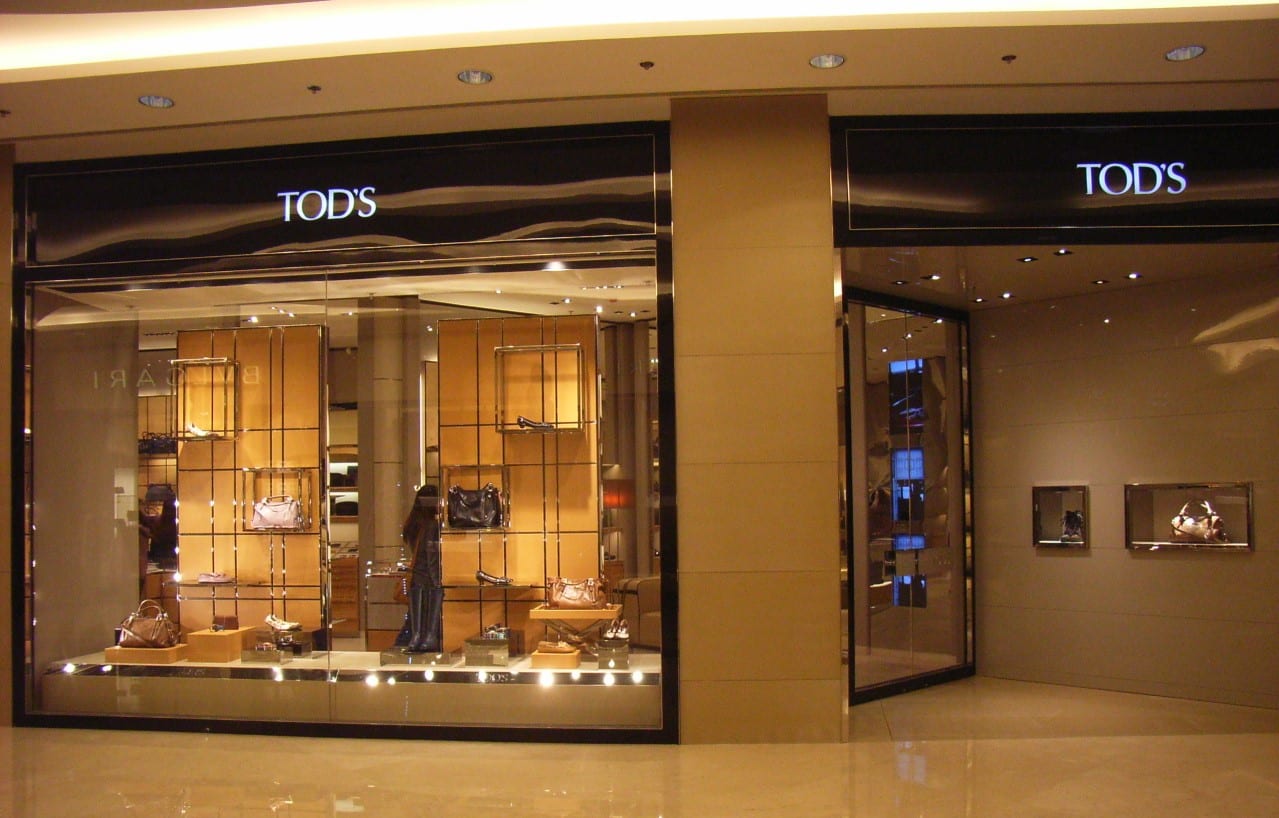
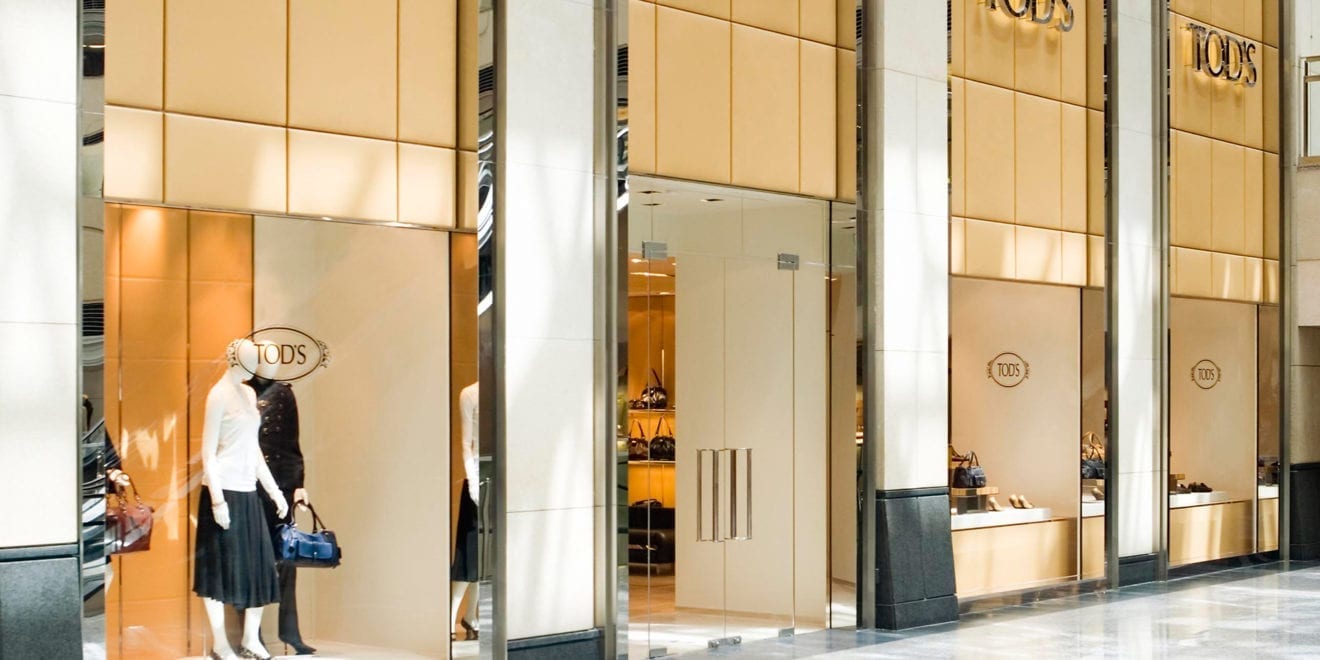
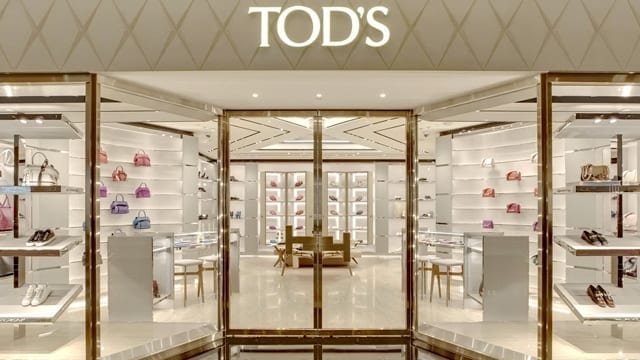
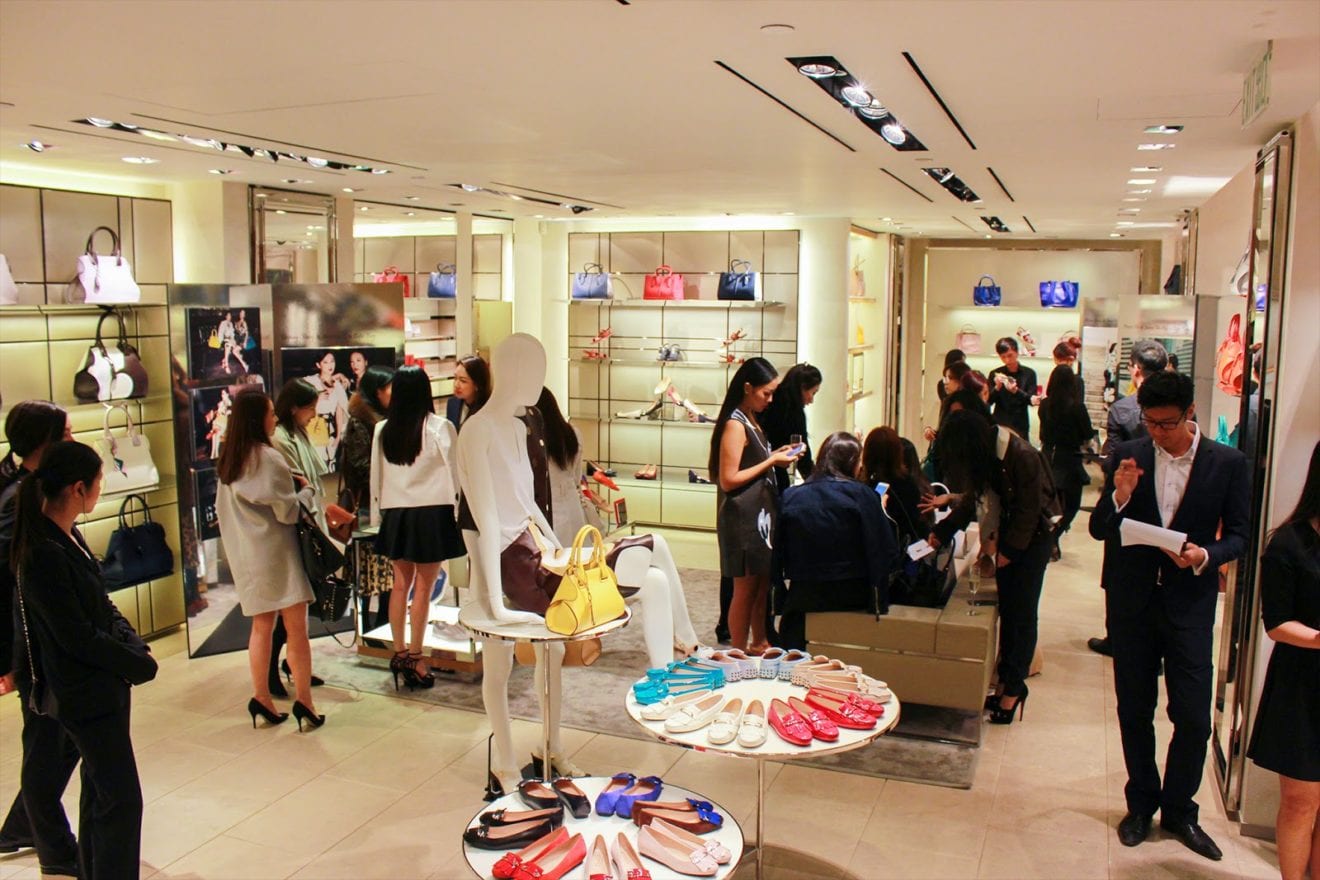
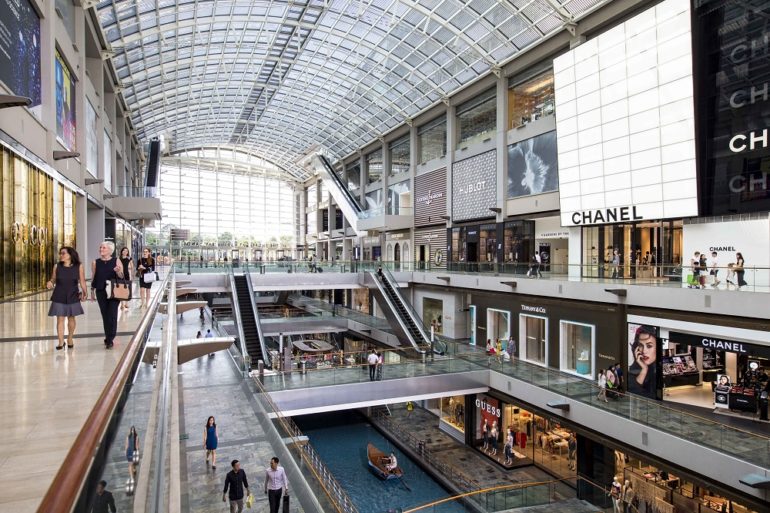
    Italian fashion brand Tod’s has unveiled the new look of its boutique at The Shoppes at Marina Bay Sands, Singapore.

    Spanning about 135sqm, the Tod’s Marina Bay Sands follows the brand’s store concept with signature elements that can be found in other stores, such as silver and taupe saddle-stitched leather paneled steel vitrines and marble.

    “The boutique is linear, modern, and in line with the brand’s image worldwide,” the company said in a statement.

    Floor-to-ceiling glass doors at the entrance allow Tod’s to display its latest products with different setups. The storehouses a full selection of Tod’s bags, shoes, and accessories, including its Full Summer Collection which will be sold exclusively at the Marina Bay Sands outlet.

    Founded in 1920, Tod’s operates more than 200 stores, including large flagship stores in Europe, the US, China, Japan, Malaysia, Singapore, Hong Kong, Indonesia, and Australia.

  • Greater China helps ease Tod’s Group European challenge

    Greater China helps ease Tod’s Group European challenge

    Luxury fashion retailer Tod’s says Greater China sales rose 3.2 per cent last year, to reach €218.7 million. Releasing annual sales results, the Italian-based company said Greater China sales growth accelerated during the fourth quarter, especially on the mainland which now accounts for 60 per cent of its Asian turnover. Hong Kong and Macau also performed well, although the company did not disclose detailed figures for the two territories.

    Tod’s consolidated global sales reach €958.2 million at constant exchange rates, which was essentially the same as for 2017. Tod’s and Roger Vivier were affected by currency fluctuations.

    Retail sales reached €622.3 million, with wholesale revenue comprising the rest. However same-store sales fell by 3 per cent, due to declines across Europe which erased the China growth. In Italy, consumers were spooked by political and economic uncertainties and greater Europe by lower sales to tourists.

    “Last year’s sales results were substantially in line with our expectations, despite the growing international economic and political uncertainties,” said chairman and CEO Diego Della Valle.

    By label, Hogan sales rose 1.8 per cent, Tod’s and Roger Vivier held steady and Fay slipped 3.4 per cent.

  • Tod’s is not for sale

    Tod’s is not for sale

    Speaking at the 2018 Milano Fashion Global Summit, Tod’s Chairman and CEO Diego Della Valle denied rumours surrounding a possible sale of the Tod’s group, reports WWD. The report quoted Della Valle saying: “This rumor is a “recurring” one, but “if we really had to do an operation, it would be to buy, not to sell. “We are preparing the company for the next 10 years, when we will surely be attentive to new consumers, but carefully avoiding going overboard in chasing trends. We must not lose sight of who we are,” he added.

    Speculations followed after an Italian newspaper reported on Monday that Della Valle’s reorganization of the family’s holding companies may be an indication to a future sale of the group.

    The Della Valle family currently owns majority 60 percent of the Tod’s group through two separate holding companies – the Di.Vi. Finanziaria vehicle and the Diego Della Valle & C.

    For the first six months, Tod’s reported a 2.8 percent decline in its net profit to 33.7 million euros, while sales decreased 1.3 percent to 477 million euros compared to 483 million euros in the first half of the previous year but increased 1.8 percent at constant exchange.

  • Tod’s chairman denies rumours about a possible sale

    Tod’s chairman denies rumours about a possible sale

    Speaking at the 2018 Milano Fashion Global Summit, Tod’s Chairman and CEO Diego Della Valle denied rumours surrounding a possible sale of the Tod’s group, reports WWD. The report quoted Della Valle saying: “This rumor is a “recurring” one, but “if we really had to do an operation, it would be to buy, not to sell. “We are preparing the company for the next 10 years, when we will surely be attentive to new consumers, but carefully avoiding going overboard in chasing trends. We must not lose sight of who we are,” he added.

    Speculations followed after an Italian newspaper reported on Monday that Della Valle’s reorganization of the family’s holding companies may be an indication to a future sale of the group.

    The Della Valle family currently owns majority 60 percent of the Tod’s group through two separate holding companies – the Di.Vi. Finanziaria vehicle and the Diego Della Valle & C.

    For the first six months, Tod’s reported a 2.8 percent decline in its net profit to 33.7 million euros, while sales decreased 1.3 percent to 477 million euros compared to 483 million euros in the first half of the previous year but increased 1.8 percent at constant exchange.

  • Mr Bags x Tod’s big success in China event

    Mr Bags x Tod’s big success in China event

    The influential fashion blogger is also collaborating with Montblanc on a limited-edition collection of women’s handbags, a new category for the brand.

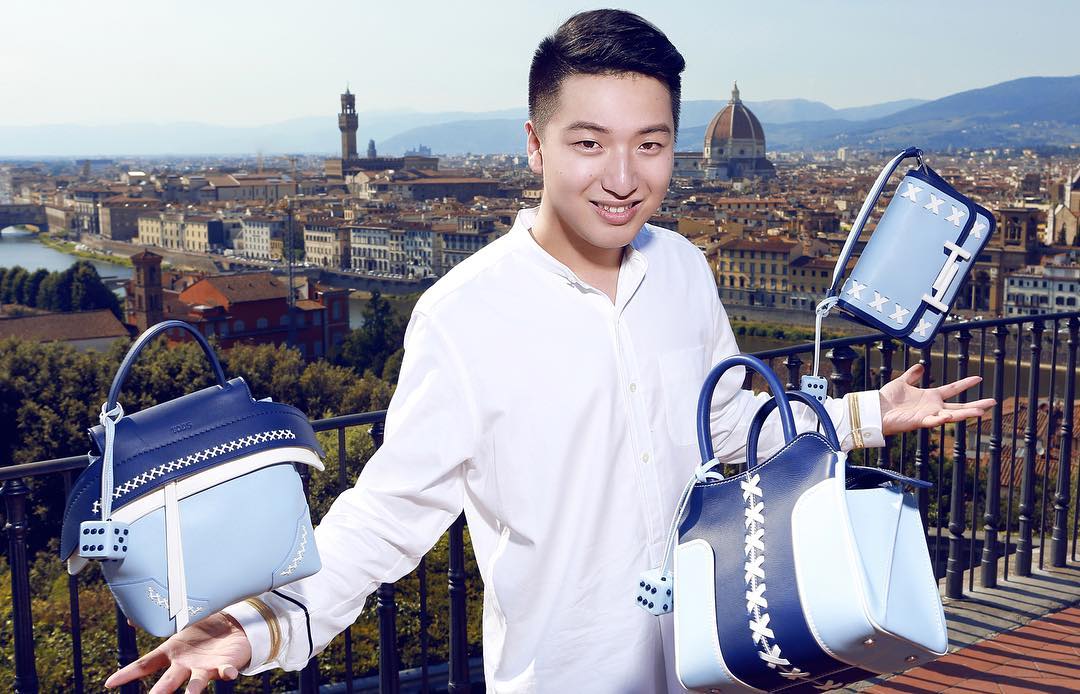
    Tao Liang has an unapologetic love for handbags. And he also knows how to sell them to his over 3.5 million readers on China’s biggest social media platform Weibo and more than 850,000 followers on WeChat, a microblogging messaging app.

    In just six minutes, Mr. Bags, as Liang is better known, helped Tod’s sell 3.24 million RMB worth of handbags on his new Mini Program shop within WeChat, called “Baoshop.” The second collaboration between the Beijing-based fashion blogger and Tod’s, 500 pieces of the limited-edition “Wave” backpacks were created — double the amount from last year’s capsule collection.

    Three-hundred of the canine-like handbags, a nod to the year of the dog being celebrated in China this year, pre-launched on Mr. Bags’ Baoshop in June. The handbags, each priced at 10,800 RMB (about $1,620), sold out within six minutes, generating 3.24 million RMB (almost $500,000) — a new record for the 26-year-old influencer. (His previous record was selling 1.2 million RMB worth of Givenchy handbags in 12 minutes in 2017.)

    “China is a key strategic market for Tod’s and Mr. Bags, with his extensive and insider knowledge of this market and its customer, is the perfect collaborator for us,” a spokesperson from Tod’s said. High-profile individuals from Zhang Zetian, China’s youngest female billionaire, to models like Liu Wen and Xiao Wen Ju and actresses Ouyang Nana, Guli Nazha, Sun Yi and Song Zuer, also wore the “Wave” backpack and posted images on social media, helping to popularise the style.

    Now, Mr. Bags is readying for his next launch: a collection of limited-edition Montblanc handbags for both men and women.

    The partnership came about, said Liang, after “many bag fans commented on social media, asking [for recommendations] for mini-backpacks that are classic, good-looking, affordable and practical.”

    It will be the first time the stationery brand, which has recently been expanding its offering of leather accessories, has introduced handbags for women. It also marks the first time the company has collaborated with a fashion blogger. The capsule is designed for the Qixi festival — commonly referred to as Chinese Valentine’s Day — which falls on August 17 this year. “We wanted to give it a modern interpretation,” said Montblanc’s creative director Zaim Kamal. A total of 497 pieces will be pre-launched on Baoshop, with prices starting at 4,800 RMB (about $717.1).

    Liang launched Mr. Bags in 2012 and quickly became an arbiter of handbag taste among Chinese readers locally and internationally. Ranked #3 on Exane BNP Paribas’ 2017 list of China’s most influential fashion bloggers, Liang uses his encyclopaedic fashion knowledge not only to keep his following informed about luxury brands and the latest handbag trends, but also to help mega brands understand what Chinese consumers are looking for in the latest “it” accessory.

    Baoshop, which Mr. Bags launched last month, only sells exclusive or customisable products, and claims to be the first WeChat Mini Program in China to work directly with luxury brands and sell handbags costing over 10,000 RMB. “For me, the success of a project is not measured by how many bags we sold in a short period of time or how much revenue we generated. It’s really about how much impact it creates,” he said.

    And there’s significant opportunity. Luxury goods purchased in China make up 8 percent of global sales, while Chinese shoppers — who make three-quarters of their luxury purchases overseas — drive 32 percent of the worldwide total, more than any other nationality, according to Bain.

    While collaborations between fashion bloggers and companies are not uncommon in China, e-commerce partnerships through WeChat are growing as luxury brands become more comfortable with hosting sales on the social media platform.

    Recently, top Weibo fashion blogger Gogoboi launched a WeChat store, called Bu Da Jing Xuan (不大精选), where he curates and sells luxury goods from online retailers like Yoox and Farfetch.
  • Tod’s debuts a product on ‘Baoshop’

    Tod’s debuts a product on ‘Baoshop’

    Tod’s debuts a product on WeChat’s mini programme, called ‘Baoshop’. It is a limited-edition handbag co-designed by Chinese fashion blogger Tao Liang, better known as Mr. Bags.

    The dog-like handbag was available first from the ‘Baoshop’ within the WeChat ecosystem, before it is rolled out to selected Tod’s boutiques globally and the Tod’s own WeChat mini programme.

    The exclusive ‘Baoshop’ pop-up store, allows for a more personal touch and a seamless “reading-to-shopping” experience said Liang in a press release, while also allowing shoppers to learn more about the product as well as purchase directly via WeChat Pay.

    Liang is one of the most powerful influencers in China, boasting more than four million followers, and he states that the “convenience and asset-light weight of the mini programme perfectly fits with user expectations,” as it provides users with a more reliable, convenient and high-quality shopping channel.

    These mini programmes are becoming an important part of the Chinese e-commerce market in connecting luxury brands with shoppers, and they are seen as good conversion platform for the new economic model that is emerging in China, referred to as the fans economy.

    The limited-edition handbag features dog-like details in a reference to the year of the dog being celebrated in China this year. The collaboration has 500 handbags, 300 of which will be offered first on Liang’s ‘Baoshop’.

  • Tod’s And Mr. Bags Take Luxury Retail Omnichannel

    Tod’s And Mr. Bags Take Luxury Retail Omnichannel

    Luxury retail has run into a conundrum as digital channels and eCommerce continue to edge out brick-and-mortar shopping venues. Although eCommerce may not be replacing traditional retail just yet, it’s a channel that merchants can’t afford to ignore. Despite this widely accepted reality, many luxury brands have been doing just that: ignoring it.

    For many luxury brands, the in-store experience and presentation are part of the package. This has kept them from embracing omnichannel retail in the same way as some of their more affordable counterparts – which has been to their detriment, as shoppers are gravitating toward brands that meet them where they’re at, not the ones that require them to go find the brand in a retail setting.

    But all that may be starting to change as marketplace and eCommerce functions become more common across social channels such as WeChat, Instagram and Snapchat. Luxury is now beginning to find its way into the spheres where consumers are spending their time.

    Tod’s and Tao Liang Join Forces in Baoshop

    Exhibit A? Luxury brand Tod’s has jointly designed a limited-edition bag with Tao Liang, a.k.a. Mr. Bags: one of China’s most popular fashion bloggers and a powerful style influencer with 4 million social media followers. The product made its world premiere through a WeChat mini program called “Baoshop” on Tuesday, June 26.

    Baoshop is a limited-time exclusive pop-up shop customized by Liang just for shoppers. It’s designed to give them information about the product and a funnel to completing the purchase via WeChat Pay. In a press release about the bag’s world premiere, Liang said the mini program offers convenience and efficiency for shoppers while preserving the high-quality luxury experience.

    That could provide a major assist for luxury as a category as it looks to move sales from the physical to the digital world. There are definitely takeaways from Liang and Tod’s Baoshop that could be applied to any other market – though of course, each market has its own unique advantages and challenges that will factor into the success of such an approach.

    What it Means for the Worldwide Luxury Market

    The omnichannel evolution is underway in China’s luxury sector. Mini programs like the Baoshop by Liang and Tod’s have already become key elements as brands step up their digital game to connect with shoppers – but they are by no means the only ingredient in Chinese luxury’s recipe for success.

    The market has given birth to a unique economic model called the fans economy. Essentially, what happens in the fans economy is that influencers like Tao Liang act as middlemen between consumers and luxury brands. This gives luxury brands a lens into what potential shoppers are looking for and what their buying habits are like, enabling them to refine their interactions with consumers.

    Whether that can translate outside of China remains to be seen, but it’s definitely not out of the question. Every country has its fashion influencers, and every influencer has fans who will follow their style idols not only with their likes and re-posts, but with their dollars. So in that sense, a fans economy could be possible anywhere.

    However, it’s also important to consider the role WeChat has played in creating this economy. The company says it’s continually working to provide more and better digital toolboxes for brands, merchants and influencers, empowering them to serve their buyers and fans ever more directly.

    The soil may be fertile for a fans economy in the U.S., Europe, or elsewhere, but it may take efforts by a company like WeChat to truly make it grow.

  • It is sneaker time for luxury fashion

    It is sneaker time for luxury fashion

    What do you get when luxury fashion meets sport? $10,000 sneakers.

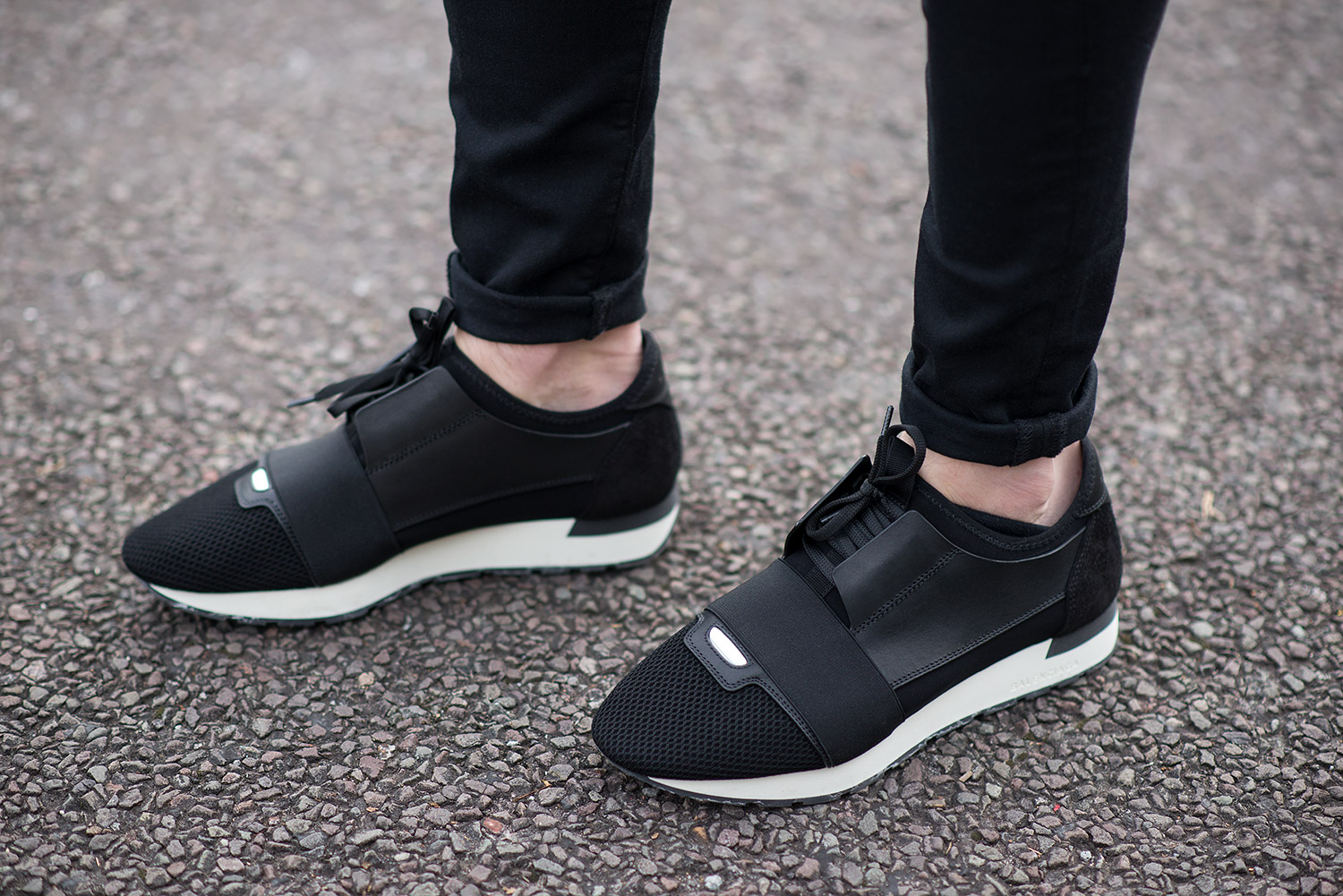
    High-end brands such as Kering’s Gucci, Prada and Balenciaga are increasingly looking to sneakers for growth, putting them in direct competition with sportswear giants like Nike, Puma PMUG.DE and Adidas, and giving rise to ever-more striking and expensive designs.

    Luxury groups say they are now increasing investments and marketing budgets to face down their new opponents.

    “When I saw sneakers were going to be a thing, I fought it for a bit,” Salvatore Ferragamo’s (SFER.MI) designer Paul Andrew said at a conference. “We’re definitely now investing heavily in that category, getting in very specialized people”.

    Global sales of sneakers – or trainers – rose 10 percent to 3.5 billion euros last year, outperforming a 7 percent rise in handbags, according to consultancy Bain & Co.

    “It’s not really even a trend anymore – it’s become a category,” said Bruce Pas, Men’s Fashion Director at U.S. department store Neiman Marcus.

    Both luxury groups and sports companies are looking to cash in on a booming market. Premium sneakers can start at around $400 but can easily rise as high as $3,000, for a pair of Christian Louboutin’s leather, crystal-embellished sneakers.

    Limited editions can sell for well over $10,000, including the Chanel X Pharrell Hu Race Trail or Nike’s Air Jordan 3 Retro DJ Khaled Grateful.

    Sneakers are a big driver of the luxury shoe business, which accountancy firm EY says is the fashion industry’s fastest-growing area.

    The rise of luxury sneakers is part of the growing influence of casual and streetwear in high-end fashion, where it is now acceptable to team sneakers with a tailored suit.

    Upmarket brands are tapping into street style to refresh their looks and young buyers are driving the shift. “Millennials” – born between the early 1980s and mid-90s – already represent a third of the luxury market, according to Bain.

    Several luxury group executives recently noted the importance of sneakers for their business and the need to step up their game to face the rising competition.

    Emilio Macellari, finance chief of Italian luxury goods company Tod’s – a pioneer in the sector, having launched its first Hogan luxury sneaker in 1986 – said “there is no brand that is not currently considering its (sneaker) offer”.

    Pointing out how times are changing, he said luxury brands were now “under attack” from sportswear companies, on top of the usual competition from their luxury peers.

    But so-called “sneakerisation” could steal market share from more traditional and formal-looking footwear, industry operators say.

    “What has changed is competition, with a clear overlap,” said Claudia D’Arpizio, partner at Bain & Co. “Luxury consumers are buying Nike and Adidas and vice-versa”.

    “If (luxury groups) go the sports way… it is only positive,” said Puma Chief Executive Bjorn Gulden said. “If that is a trend that pulls the sneaker market up, we can only be happy.”

    Analysts also say the intensifying competition is unlikely to erode profit margins because the market is expanding.

    “There is large space for prices moving up,” said Erwan Rambourg from HSBC. “The ‘luxurisation’ of sneakers could possibly impact margins positively”.

  • Paragon flagship for Tod’s Singapore

    Paragon flagship for Tod’s Singapore

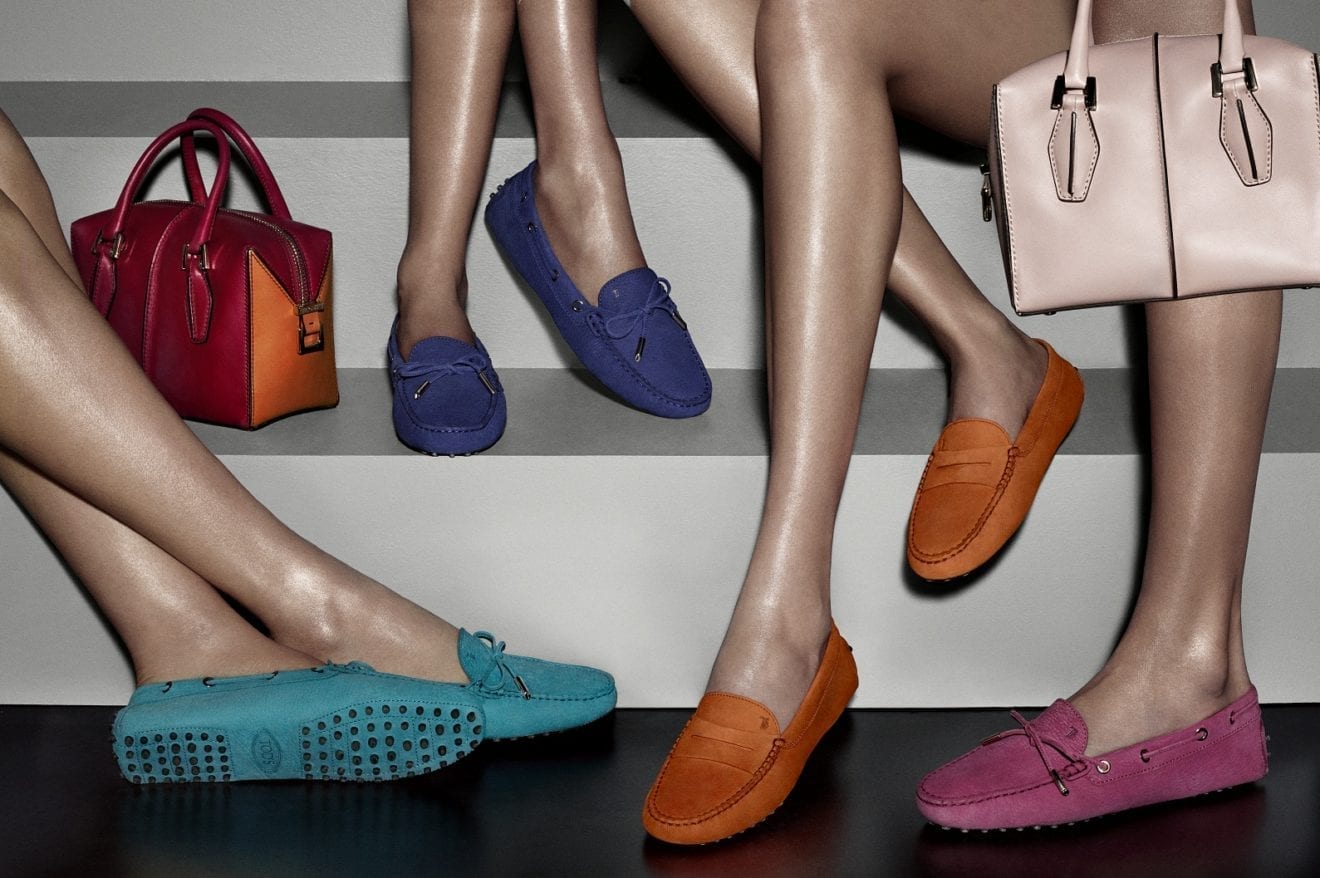
    While known for its classic Gommino driving shoes, Tod’s introduces more accessories at its new flagship, featuring a limited-edition Wave backpack.

    Covering 190sqm, the boutique has high-gloss ceilings, freestanding handbag rails, marbled flooring and features a concept exhibition space.

    Centre stage this season is the Surf collection, a range of shoes and accessories inspired by the sun, sea, sand and laidback style of Malibu, California. Exclusive to the store, the Wave backpack is available in metallic gold or silver, with contrasting multicoloured or rich-gold studs.

  • More Dickson Concepts stores in Taiwan

    More Dickson Concepts stores in Taiwan

    Hong Kong fashion and watch retailer Dickson Concepts has opened three new stores in Taiwan this year as it continues its regional expansion.

    Dickson Concepts operates retail stores under brands including Tommy Hilfiger, JT Dupont, Bertolucci, Roger Vivier, Tod’s and Harvey Nichols.

    At the end of September, the retailer had 111 stores: 25 in Hong Kong, 58 in Taiwan, 15 in Mainland China, five in each of Singapore and Malaysia and three in Macau. However, Hong Kong accounted for 75.6 per cent of its sales in the first half of this financial year, with Taiwan’s share just 18.4 per cent, despite the higher store count. Mainland China and the rest of Asia accounted for just 6 per cent of sales.

    Dickson Concepts reported total sales of HK$1.576 billion for the first half, an increase of 11.7 per cent. Same-store sales increased by 12.4 per cent. It posted a net profit attributable to shareholders of HK$8.1 million.

    The company said it expects the retail climate in Hong Kong, China and Southeast Asia to “remain volatile” in the foreseeable future.

    “The performance of the group in the Hong Kong retail market has improved slightly, but remains inconsistent,” said the company in its half-year profit announcement.

    “The Taiwan retail market has remained weak due to continued reduction in tourist arrivals from China, primarily caused by poor political relationship between Mainland China and Taiwan. In China, consumer demand continues to be affected by reduced spending on gift-giving.

    “Given these difficult conditions, the group will continue to rigorously control costs and expenses at all levels of operation and adopt a very cautious approach to its further expansion and development strategies.”

  • Tod’s Landmark introduces new store concept

    Tod’s Landmark introduces new store concept

    Just opened, Tod’s Landmark flagship introduces the brand’s new store concept to Hong Kong.

    Covering 255sqm, the luxury leather brand’s two-storey boutique features steel vitrines with silver and taupe saddle-stitched leather panels, suspended showcases, high-gloss ceilings and travertine marble floors.

    A cocktail party to mark its opening was attended by its brand ambassador, Chinese actress Liu Shi Shi, wearing the latest Tod’s styles. Other guests included socialites and celebrities such as Gaile Lok,  Jason Chan, Jennifer Tse, Kathy Chow, Pakho Chau and Sarah Song.

    A highlight of the evening was a demonstration by an Italian artisan flown in to showcase the craftsmanship of Made in Italy with the label’s latest icon bag, Tod’s Sella.

    Every Tod’s product is handmade in Italy. The group has six shoe factories and two for leather goods, and also uses a handful of specialised laboratories.

  • Marina Bay Sands’s Tod’s opens

    Marina Bay Sands’s Tod’s opens

    Italian luxury leather brand Tod’s Singapore has opened its second outlet, at The Shoppes at Marina Bay Sands.

    Its new location features cool tones with silver and taupe leather-lined displays. It is the first store with the new concept in Asia, preceded only by a boutique in London.

    To mark the opening, the store features exclusive maroon editions of the Double T bag, Double T Gomminos and a men’s messenger bag, all marked discreetly with the location tag “Marina Bay Sands Singapore”.

    There is also a range of accessories including alphabet charms allowing for personalisation.

    The boutique is on the Galleria level.

  • Tod’s Hong Kong may close stores

    Tod’s Hong Kong may close stores

    Tod’s Hong Kong is continuing to suffer from the luxury spending downturn – and may close some stores.

    Milan-based luxury goods brand Tod’s says while the Mainland China market “has stabilised” there has been “no improvement in Hong Kong”.

    The company was commenting with the release of its 2015 trading figures, reassuring shareholders that despite the Hong Kong woes it remained on track to deliver a 5 per cent rise in revenue this year, despite falling same-store sales since January 1.

    Tod’s Hong Kong has 14 stores.

    CFO Emilio Macellari said during an analysts call the company had been unable to renegotiate any of its rents in the territory – but had avoided rent increases at two malls. As a result it may close one or two stores.

    Globally, it plans to reduce the number of new store openings from 31 last year to between 15 and 20 this year, recognising slowing growth worldwide.

    More than 20 per cent of Tod’s global sales are in Greater China – but they shrank 12 per cent last year on a constant currency basis, with Hong Kong and Macau accounting for a majority of the decline.

    Sales in Japan and the US are also declining but the brand was holding its own in Europe, especially its home market Italy.

    Despite declining sales, the company reported a 5 per cent increase in earnings for 2015. Macellari said the company’s strategy of widening its product range to include handbags and apparel would help restore growth and meet forecasts.

  • Tod’s rues anti-graft program

    Tod’s rues anti-graft program

    China mainland’s anti-corruption campaign has taken its toll on Italian luxurious footwear model Tod’s’ Hong Kong gross sales.

    So, too, the altering demographic of mainland vacationers, which rival trend manufacturers have additionally blamed for softening gross sales.

    Tod’s says mixed China gross sales fell 15 per cent noting buyer visitors in its shops, and spending, skilled a “giant lower” within the quarter.

    Larger China gross sales accounted for 20.1 per cent of the corporate’s complete international turnover of euro 257.7 million, up one per cent on the identical quarter in 2014. China gross sales have been thus euro 53.9 million.

    Gross sales in Italy accounted for 34.eight per cent of its complete gross sales.

    Tod’s additionally famous in its report that rents are “too excessive” in Hong Kong.

    The group has 79 of its personal outlets in higher China, together with 67 within the mainland, 11 in Hong Kong and one in Macau. It has one other 25 franchised shops throughout the area.

    This yr the corporate expects to open new shops in Chongqing and Zhengzhou underneath its personal possession and one other, franchised, outlet in Sanya.