
Tag: TOMS

  • End of an Era: Iconic Singapore Gelato Shop, Tom’s Palette, to Shut Down after 21 Sweet Years

    End of an Era: Iconic Singapore Gelato Shop, Tom’s Palette, to Shut Down after 21 Sweet Years

    After 21 years of satisfying sweet cravings with its unique range of gelato flavors, Singapore’s beloved gelato institution, Tom’s Palette, is set to cease operations by mid to late October. The heartening announcement was made by the shop’s spokesperson in a recent video shared on social media, leaving ardent fans of the dessert establishment disheartened.

    “We are regretful to announce that we can no longer sustain our dream venture,” she remarked. However, the shop is not closing its doors without leaving behind a possible lifeline. The spokesperson also announced that the business, along with its treasure trove of more than 250 recipes, is on the market for potential buyers who wish to continue the legacy.

    A Legacy of Unique, Unconventional Flavors

    Tom’s Palette, established in 2005, has been cherished for its eclectic range of flavors that often straddled the line between tradition and innovation. Notably, the gelato shop offered a slew of unusual flavors that took inspiration from local favorites like Hainanese kaya and nasi lemak.

    The well-loved dessert shop first opened its doors at Shaw Tower, subsequently relocating to Middle Road in Bugis. The second outlet made its debut on Hougang Street in Kovan in 2024, adding accessibility for their loyal patrons.

    The Unforgiving Impact of the Pandemic on Food & Beverage Businesses

    Unfortunately, Tom’s Palette is the latest addition to a growing list of food and beverage establishments forced to shut down in Singapore this year. A staggering 1,777 enterprises ceased operations in the first six months of this year alone, with a record 603 businesses recorded in March, signaling the profound impact of the pandemic on the industry.

    In a grim nod to the harsh reality, an artisanal chocolatier, Laurent Cafe & Chocolate Bar at Robertson Quay, had to close up shop earlier this week after a 20-year run.

    Reflecting on the impending closure, the spokesperson from Tom’s Palette shared, “In April, I pondered if we were next, and sadly, despite our utmost efforts, we are next.” She added, “Though we may seem like a thriving business to many, the harsh reality is that the dessert industry only truly thrives for three hours of the day, which is an insufficient duration to cover the costs for the remaining 21 hours when business is slow.”

    Questions & Answers

    What is the main reason for Tom’s Palette’s shutdown?

    The main reason for the shutdown is the financial strain caused by the limited hours of business profitability in the dessert industry.

    When is Tom’s Palette expected to cease its operations?

    Tom’s Palette is expected to cease operations by mid to late October.

    What will happen to Tom’s Palette’s treasure trove of recipes?

    The business and its vast collection of over 250 recipes are up for sale to potential buyers who wish to continue the legacy.

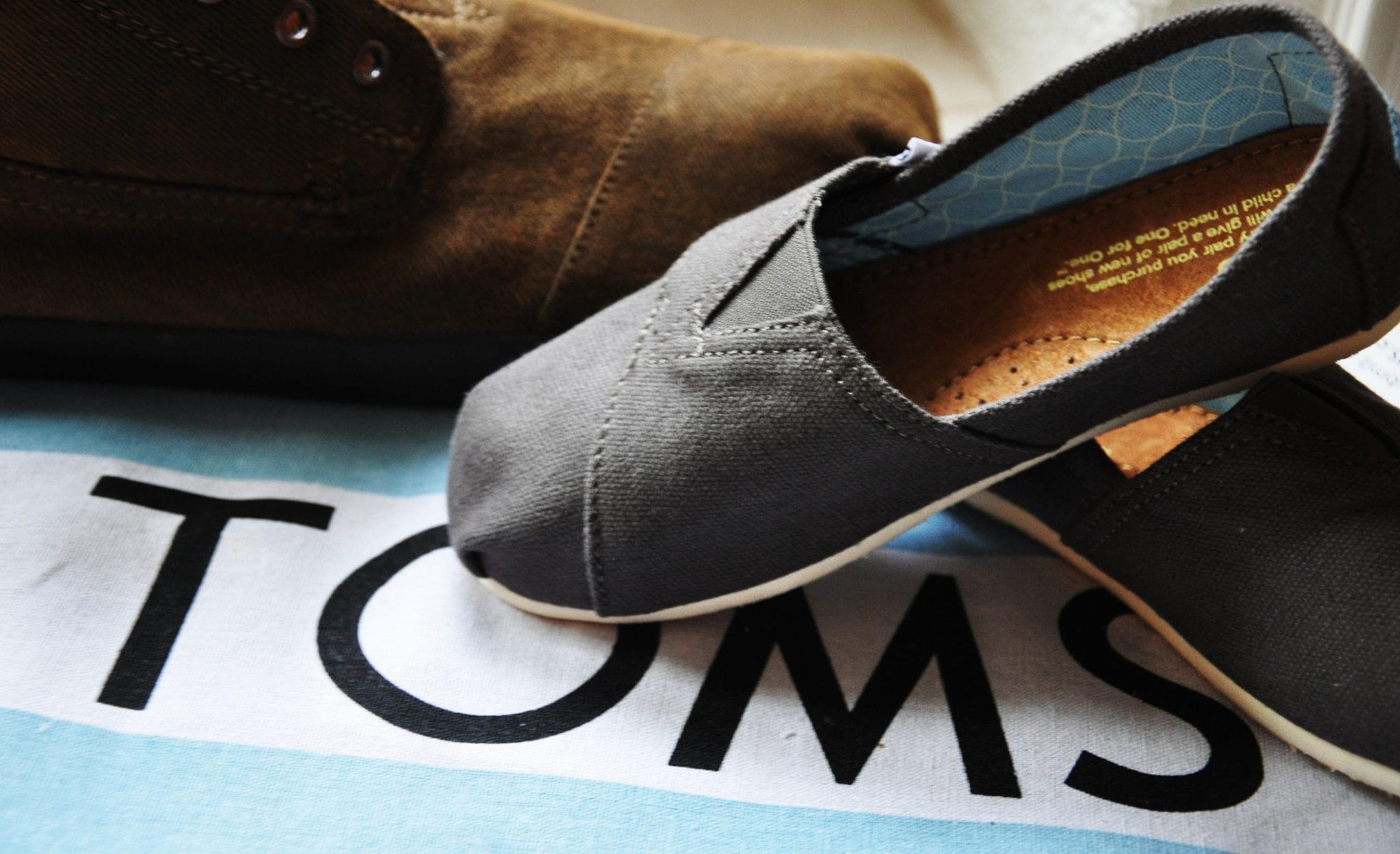
  • Ethical shoe retailer Toms collapses

    Ethical shoe retailer Toms collapses

    Ownership of ethical American shoe retailer Toms will be transferred to its creditors.

    CEO Jim Alling addressed a letter to employees informing them of the transfer from current owners Bain Capital and founder Blake Mycoskie to Jefferies Financial Group, Nexus Capital Management and Brookfield Asset Management.

    The move is intended to “identify the best path forward for our company,” read the letter. It entails a new investment of US$35 million and an enhanced capital structure including debt relief. The shoe retailer Toms distributes products through more than 500 stores worldwide, including department stores and single-brand outlets.

    The firm would have collapsed entirely this year facing a crippling debt of $300 million if the restructure and rescue plan had not proceeded.

    Toms was founded in 2006 by Mycoskie, a Texas entrepreneur, to design and retail shoes, later adding eyewear, coffee, apparel and handbags. Its business model was based on business with a purpose concept, with the company donating a pair of shoes to the underprivileged for every pair sold. By 2012 more than 2 million pairs of new shoes had been given to children in need around the world, including in Argentina, Ethiopia, Guatemala, Haiti, Mexico, Rwanda, South Africa and the US.

    In Asia the company-operated stores with partners in Japan and the Philippines. In 2014 it opened a store in Bangkok’s CentralWorld and Central Embassy shopping centers in partnership with Star Fashion Co. The CentralWorld store has since closed, but it still shows on Central Embassy’s store directory.

    At the time, Hajime Birnbaum, international sales and marketing director for shoe retailer Toms, said taking the brand into Thailand, which he described as a very pro

  • Toms and another global brands for Myntra

    Toms and another global brands for Myntra

    Flipkart-owned Indian online fashion company Myntra has added two international brands to its platform, Toms and Meters/Bonwe.

    This makes Myntra home to more than 30 global brands, says its head of international brands business, Gunjan Soni.

    US-based Toms is known for its footwear range while Chinese brand Meters/Bonwe focuses on fashion-forward styles for young men and women.

    “Our partnership with Myntra will allow us to cater to the dynamic fashion choices of millennials in India who want to dress well with an individual style without the hassles of store shopping,” says Meters/Bonwe spokesperson Jay Zhou.

    Toms MD Helen Thompson says Myntra will help the brand start its commercial relationship in India. “We have already been working to produce locally as well as give shoes and restore sight through Toms’ partnerships.”

    Online retail, which is being increasingly adopted by Indian shoppers, is expected to account for 3 per cent of total retail sales by 2020, according to a PWC report.

  • Origami launches payment service

    Origami launches payment service

    Origami, a social eCommerce startup for fashion and lifestyle products, is entering the offline payments fold.

    The startup, one of Japan’s most-funded, has announced the beta release of ‘Pay with Origami’ and ‘Shop Reward Program’. The new services allow existing users to pay for items at bricks-and-mortar retailers with credentials stored in the Origami app. They will also help retailers connect the dots between their customer’s online and offline purchases, data that can be used to provide special perks and incentives for repeat shoppers.

    Founded in February 2012, Origami unveiled its online-to-offline (O2O) mobile shopping app in April 2013. Users can follow their favorite brands within the app and receive updates when new items are introduced. It also recommends lesser-known brands and boutiques based on existing likes and purchase history. Users can share their likes and follows on social media, creating free advertising for the startup’s partner merchants.

    Approximately 100 influential brands – including Hankyu Men’s Tokyo, Urban Research, Head Porter, Toms, and MoMA Design Store – are scheduled to join Origami’s payments beta.

    “I created Origami to become a fintech company, but we decided to start with fashion- and lifestyle-focused mobile commerce” Origami founder and CEO Yoshiki Yasui told Tech in Asia.

    “They already have the followers on Facebook and Twitter, they have the best retail locations, and they set the benchmarks for other brands to look up to.”

    With its focus on O2O from the outset, it makes sense for Origami to offer an offline payments solution that keeps users and merchants within a single ecosystem. But becoming a force in Japan’s crowded offline payments space will be easier said than done.

    When you step up to a cash register in Japan, you’re often met by one or more contactless payment terminals for a seemingly endless variety of RFID-compatible cards and mobile phones (though NFC options remain slim to none). You can use your subway pass to buy a bottled water or your flip phone to buy a Big Mac, for example, but these options are largely limited to convenience stores and fast-food chains.

    Fashion retail is almost entirely cash or credit, and nearly 40 per cent of all consumer transactions in Japan are done with cash.

    ‘Origami for Business’ will use an iPad-based payment terminal without replacing the merchant’s existing POS systems. When an Origami user wants to make an in-store purchase, they simply scan a QR code with their smartphone or enter a six-digit pin code. Since Origami was born as an eCommerce platform, Yoshiki says that many users’ credit card details are already registered with the app.

    Pay with Origami and the startup’s new reward program are currently available in beta for iOS, with an Android version in the works. Origami accepts Visa and MasterCard for in-store payments, with more credit card options coming soon. They charge partner shops 3.25 per cent per transaction.

    The startup’s two biggest advantages over existing offline payment options will be that captive app audience and its founder’s connections in the financial world – Yoshiki was an investment banker and venture capitalist before becoming an entrepreneur.

    “Payments and eCommerce are the same, the only difference is online versus offline,” Yoshiki said.

    “If you buy three items from a retailer’s online store, then the fourth purchase is made in-store, you get treated like a first-time customer. That’s just wrong.”

    According to Techlist data, Origami is among Japan’s top-10 most highly-funded startups.