Retail News CRM

Tag: toys

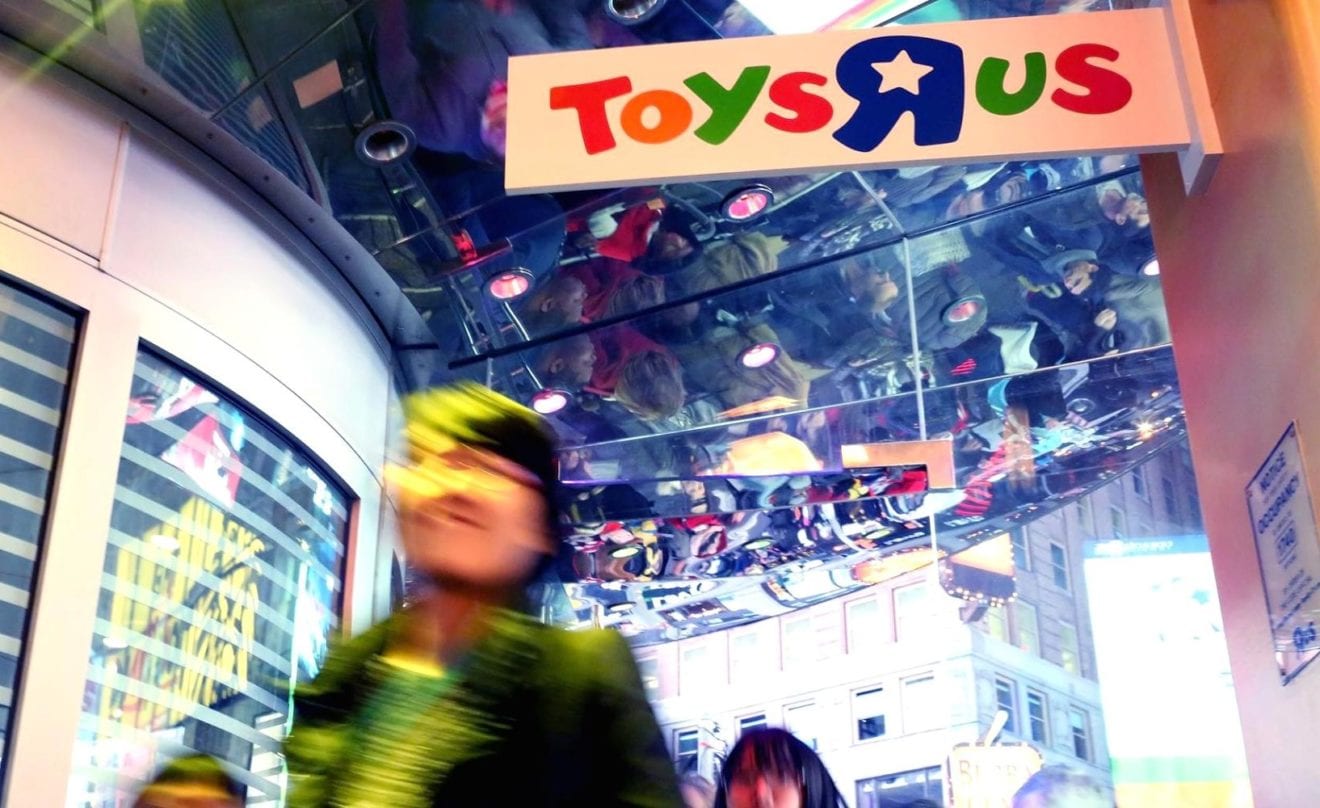
  • Revitalized Toys R Us Hong Kong Celebrates 40 Years with Fresh Experiential Zones and Exclusive Brands

    Revitalized Toys R Us Hong Kong Celebrates 40 Years with Fresh Experiential Zones and Exclusive Brands

    To commemorate its 40th anniversary in Hong Kong, Toys R Us Asia has unveiled a transformed version of its flagship store in the Ocean Terminal, Tsim Sha Tsui. The store originally opened in 1986 and has been revamped to feature nine new in-store themed concepts and interactive zones.

    Store-in-Store Concepts and Themed Zones

    The remodelled flagship store now showcases dedicated branded areas for popular franchises such as Pokémon, Tomica, Bandai, Lego, Nintendo, Sanrio, Sylvanian Families, Transformers, and VTech. This development includes the introduction of several concepts to the Hong Kong market for the first time. These new features include an integrated Pokémon Play Lab and a Tomica Brand Store, which boasts a collection of over 2,000 die-cast models.

    The CEO of Toys R Us Asia, Leo Tsoi, shared his insights on the upgrade. He said, “Toys R Us is in tune with the increased demand for pop culture and emotionally resonant items from children, Gen Z, and ‘Kidults’. We are committed to introducing animation IPs, collaborative merchandise, and proprietary products. Our aim is to craft more meaningful play and collectible experiences tailored for consumers in Hong Kong and across Asia.”

    Additional Features

    As well as the branded areas, the flagship store also features a Nintendo gaming trial zone, a Sanrio-themed retail space, and a play area for VTech and LeapFrog designed for parent-child interaction. The store creatively incorporates themed zones that reflect local culture and current trends.

    With more than 450 stores across 10 markets, Toys R Us Asia’s focus is on integrating retail with interactive and experiential elements. The revamped Hong Kong flagship store exemplifies this approach. It also exemplifies Toys R Us Asia’s strategic move to expand its appeal beyond children, reaching out to adult collectors and a broader segment of consumers.

    Questions & Answers

    What significant changes have been made to the flagship Toys R Us store in Hong Kong?
    The store has been upgraded to include nine new in-store themed concepts and interactive zones. It also features an integrated Pokémon Play Lab and a Tomica Brand Store, which are first-time additions to the Hong Kong market.

    What is the strategic focus of Toys R Us Asia?
    Toys R Us Asia is focused on integrating retail with interactive and experiential elements. They also aim to broaden their appeal beyond children to include adult collectors and a wider consumer market.

    Who are the target consumers for the revamped Toys R Us store?
    The revamped store targets not only children but also Gen Z and ‘Kidults’ – adults who have an affinity for items traditionally aimed at children. The store also seeks to provide experiences tailored to the specific needs of consumers in Hong Kong and across Asia.

  • Miniso Announces Exciting Spin-Off of Top Toy to Launch on Hong Kong Stock Exchange!

    Miniso Announces Exciting Spin-Off of Top Toy to Launch on Hong Kong Stock Exchange!

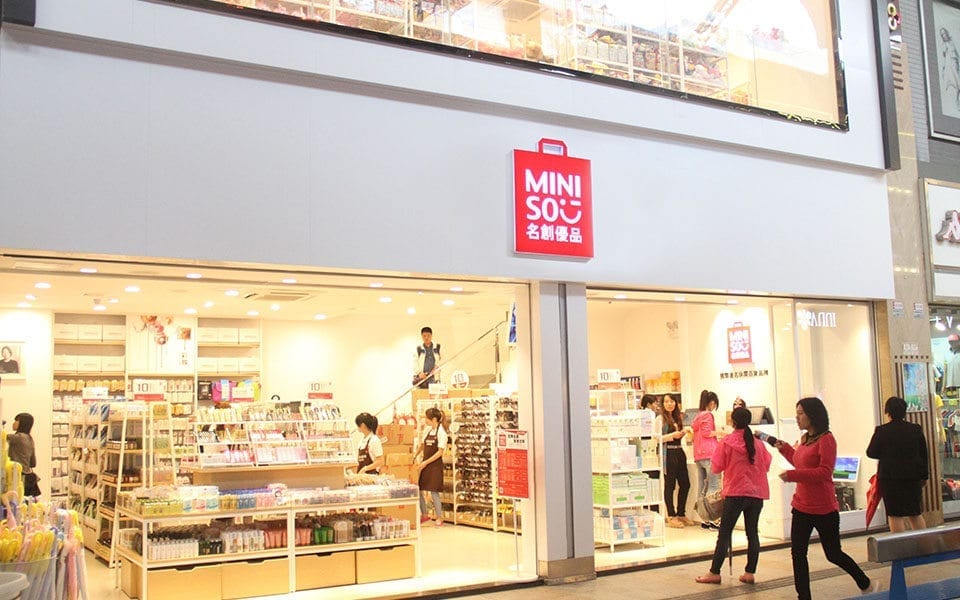
    People walk past a store of Chinese retailer MINISO Group in Beijing, China Sept. 13, 2021. Photo by Reuters

    Miniso announced on Friday its plans to spin off its brand Top Toy and launch its initial public offering (IPO) in Hong Kong, riding a wave of enthusiasm for Chinese toymakers while underscoring the city’s resurgence as a global fundraising destination.

    UBS, JP Morgan, and CLSA are set to serve as overall coordinators for the IPO, as Miniso, based in Guangzhou, takes this significant step. The Top Toy brand, which will remain under Miniso’s umbrella after the spin-off, specializes in collectible toys inspired by pop culture. The decision to pursue a spin-off was initially hinted at by Miniso in June, reflecting growing confidence in Top Toy’s potential as an independent entity.

    Since its humble beginnings in late 2020 with just nine stores across five Chinese cities, Top Toy has dramatically increased its footprint, boasting 293 locations by June, including recent ventures into international markets as of late December 2024. Indeed, if the numbers are anything to go by, Top Toy is on a trajectory that may well surprise even the most seasoned retailers.

    This IPO follows the impressive rise of Chinese toymaker Pop Mart International Group, whose adorable Labubu dolls have captured hearts around the globe. It also underlines Hong Kong’s position as a premier fundraising hub for Chinese firms, particularly as U.S. lawmakers contemplate delisting Chinese companies from their stock exchanges.

    So far this year, Hong Kong has solidified its standing as the leading global stock exchange by the volume of IPOs and second listings combined, surpassing its main competitor, the New York Stock Exchange, according to data from LSEG. Moreover, reports suggest that other Chinese firms, such as autonomous driving developer Momenta, are also considering shifting their IPOs to Hong Kong from New York, as they navigate these turbulent waters.

    Miniso has highlighted that by spinning off Top Toy, it aims to enhance operational and financial transparency. A standalone structure is poised to make the brand more attractive to investors seeking clarity and potential growth.

    Questions & Answers

    What is Miniso’s recent strategic move regarding Top Toy?
    Miniso plans to spin off its Top Toy brand and list it through an IPO in Hong Kong, reflecting a growing confidence in the brand’s potential as an independent operation.

    How has Top Toy’s expansion evolved since its launch?
    Since its inception in late 2020 with only nine stores, Top Toy has expanded rapidly to 293 locations as of June, including an international market push that began in late 2024.

    Why is Hong Kong considered a favorable location for IPOs at this time?
    Hong Kong has emerged as a top global fundraising hub for Chinese companies due to a wave of IPO activity and the increasing uncertainty surrounding U.S. market listings for Chinese firms.

  • Global Toy Market Set to Soar to $446 Billion by 2032: What’s Driving the Boom?

    Global Toy Market Set to Soar to $446 Billion by 2032: What’s Driving the Boom?

    STEM Demand and Technological Integration Drive Global Toy Market Growth

    The global toy market is on a remarkable trajectory, with projections showing growth from $316.14 billion in 2024 to a whopping $445.97 billion by 2032. This surge represents a compound annual growth rate (CAGR) of 4.33%, according to a recent report from Credence Research Inc. What’s the secret sauce behind this momentum? It’s a delightful mix of rising demand for educational toys, the allure of digital features, and the increasing accessibility of online retail.

    Modern parents are gravitating towards STEM-compliant toys that enhance learning and foster development, providing children not just with playthings, but pathways to knowledge. As if toys weren’t delightful enough, the integration of cutting-edge technology—think artificial intelligence, augmented reality, and app-connected devices—is redefining playtime. Children are no longer just engaging with their toys; they’re embarking on interactive journeys that blend education with entertainment.

    E-commerce is proving to be a powerful engine for growth, broadening the market’s reach and offering a seamless shopping experience. Meanwhile, licensing agreements with beloved entertainment franchises continue to create a boom in demand for character-based products, because let’s face it, who could say no to toys that come with a sprinkle of nostalgia?

    With the world becoming increasingly eco-conscious, sustainability is also taking a front seat. Parents and consumers are opting for recyclable and eco-friendly choices, leading manufacturers to rethink their approaches. However, it’s not all smooth sailing; the industry faces headwinds. The lure of screen-based entertainment is diverting children’s attention from traditional toys, while more stringent safety regulations are driving up production costs.

    Furthermore, economic uncertainty, rising tariffs, and evolving age preferences are exerting additional pressure on manufacturers. As the toy industry anticipates the future, navigating these challenges will be crucial to sustaining growth in a rapidly shifting landscape.

    Questions & Answers

    What are the primary drivers of growth in the global toy market?
    The growth is largely fueled by the increasing demand for educational toys, tech integration, online retail access, and sustainability trends among consumers.

    How is technology influencing children’s interaction with toys?
    Technology, through AI, augmented reality, and app-connected devices, is transforming the way children play, enhancing their engagement with toys by adding layers of interactivity.

    What challenges does the toy industry currently face?
    The industry is grappling with competition from screen-based entertainment, rising production costs due to stricter safety regulations, economic uncertainty, and changing consumer preferences.

  • Toys ‘R’ Us Asia names Leo Tsoi as new CEO

    Toys ‘R’ Us Asia names Leo Tsoi as new CEO

    The Board of Directors of Toys”R”Us Asia (Holding) Limited, (“Toys”R”Us Asia”), the leading retailer of toy and baby products in ten markets across Asia, today announced the appointment of Leo Tsoi to the role of Chief Executive Officer and member of the Board, effective April 1, 2023.

    Mr. Tsoi brings to the role more than 27 years of consumer retail experience and business leadership in large multi-national brands across Asia. Most recently, Leo served as Chief Executive Officer of Starbucks China where he also served as a member of the Starbucks Global Executive Leadership Team.  Prior to that, Leo held a series of senior roles at Starbucks China including President of Retail, COO, CMO and VP of Store Development & Design, where he played a crucial role in the company’s growth and transformation. Prior to joining Starbucks, Mr. Tsoi held senior positions in iconic international companies, Pepsico and Procter & Gamble, in Greater China.

    “Following an extensive global search, we’re thrilled to welcome Leo Tsoi to Toys”R”Us Asia as our new CEO,” said Drew M. Nuland, Chairman, Toys”R”Us Asia. “Over the course of his career, Leo has distinguished himself as a bold innovator and inspiring leader who has led rapid growth over a diverse range of product portfolios. He has a proven track record not only in operational efficiency, digital transformation and brand management, but also in engaging customers throughout the region.”

    “I’m honoured to take on this leadership role with Toys”R”Us Asia, a dynamic and respected retail brand with a strong vision to fuel the imagination of children and inspire their development through play,” said Leo Tsoi, incoming Chief Executive Officer of Toys”R”Us Asia. “I look forward to working with the dedicated teams in our markets to serve our communities across Asia through an elevated customer experience and with meaningful innovations to capture the tremendous growth opportunities ahead.”

    Mr. Tsoi assumes the helm of Toys”R”Us Asia from Interim CEO Pieter Schats, who will remain a member of the Board.

    “As Toys”R”Us Asia continues to elevate the customer experience in-store and online and build more personalized relationships with kids and families, we’re confident that Leo’s proven leadership skills, extensive consumer knowledge and unwavering focus on people will enable our teams to accelerate growth throughout the region,” added Mr. Nuland.

  • Lego to build $1-bln toy plant in Vietnam

    Lego to build $1-bln toy plant in Vietnam

    Danish toy company Lego Group will build a $1-billion plant in the southern province of Binh Duong in the second half of next year.

    It signed a memorandum of understanding Wednesday with the Vietnam-Singapore Industrial Park Joint Venture Company to build the plant, its sixth globally and first carbon-neutral one.

    The project will be its second Asian factory after it opened one in China in 2016. Lego has achieved double-digit growth in the region since 2019.

    Demand is now on track to outstrip supply from its Chinese plant in the mid to long term, Lego’s Chief Operations Officer Carsten Rasmussen said.

    “Growth in China and Asia is fantastic and we can see that over time that we will need more capacity,” he said, pointing to a growing middle class and high number of births in the region compared to more mature European and North American markets.

    The move is the latest in Lego’s decade-old strategy of placing production close to key markets, which has helped rein in costs and shield it from external factors.

    “It gives us shorter delivery time to our customers and make us able to react quickly on demand but it of course also makes us more resilient,” Rasmussen said.

    Lego’s products are sold in over 130 markets.

  • Colosseum kits and plastic flowers help Lego’s earnings double

    Colosseum kits and plastic flowers help Lego’s earnings double

    Toymaker Lego doubled its earnings in the first six months of the year as customers flocked to its reopened stores to buy Star Wars building sets, model Colosseums and flower bouquets made from its colourful plastic bricks.

    While parts of the global retail industry are still reeling from the pandemic and related supply chain issues, Lego says it has benefited from its decade-old strategy of placing production close to its key markets, cutting logistical issues and costs.

    “It has made us somewhat more resilient, since we have nt had to send everything around the world urgently,” Chief Executive Niels B. Christiansen told Reuters, adding that Lego has five large factories covering Asia, Europe and the Americas.

    The family-owned company saw a surge in its online sales during the pandemic but reiterated on Tuesday it would continue to bet on physical stores to attract new customers.

    “If anyone doubted whether stores would still have relevance on the other side of Covid-19, we have simply seen both traffic and revenue come back into stores,” Christiansen said.

    Lego said it had outpaced the toy industry in all major markets during the first six months of 2021 as production was uninterrupted by Covid-19 restrictions and most of its physical stores reopened.

    Based in Billund, Denmark, Lego expects to open 174 new stores around the world this year, reaching 851 stores in total. Last year, Lego opened 134 new stores. In the first half of this year it opened 60 new outlets.

    Popular building sets in the first half of the year were Lego Star Wars and the advanced Lego Creator Expert sets, which include flower bouquets and a model of Rome’s Colosseum. They have become popular among adults stuck at home during lockdown periods.

    Lego also opened a new flagship store in Manhattan, New York City in June where customers are able to interact with Lego products, both physically and digitally, such as designing new Lego figures or creating a Lego model of one’s face.

    The new store format will be introduced to around 60 stores this year.

    “It’s less about selling products, more about showing the entire Lego universe to consumers,” Christiansen said.

    Despite facing rising costs for freight and raw materials, Lego more than doubled its operating profit in the first six months of this year to 8 billion Danish crowns ($1.26 billion) compared to the same period last year.

    Revenue grew 46 per cent to 23 billion crowns and online sales across all platforms grew 50 per cent compared to the same period last year, Lego said. It did not give a figure for online sales or their proportion of total sales.

  • Toys ‘R’ Us to open immersive Australian experience centre

    Toys ‘R’ Us to open immersive Australian experience centre

    Tru Kids Brands and Candytopia have worked together to create a new, innovative play experience – the Toys R Us Adventure.

    The immersive experience will celebrate the fun surrounding toys and play, and is scheduled to open mid-October at Brookfield Properties in Chicago and Edens Lenox Marketplace in Atlanta.

    The Toys R Us Adventure will feature full sensory brand and play experiences with interactive playrooms and installations featuring the Toys R Us mascot Geoffrey the Giraffe and toy suppliers including Melissa and Doug, Spin Master with the Paw Patrol brand and Schleich. Consumers will have the chance to interact and take pictures with both classic and new toys.

    “The Toys R Us brand was built upon celebrating the joys of childhood and we are thrilled to partner with the creatives behind Candytopia to introduce an exciting new way to play for guests of all ages,” said Richard Barry, CEO of Tru Kids.

    “As we focus on bringing a re-imagined Toys R Us to the US we believe this live experience, coupled with our new experiential retail stores, will attract families from around the world and create a unique opportunity to rediscover the magic of this beloved family brand.”

    The limited-run engagements will remain in Chicago and Atlanta throughout the holiday season, before moving to other major US cities in 2020.

    Tru Kids Brands also recently named toy industry veteran Jamie Uitdenhowen as president of Toy Retail Showrooms, the new joint venture that operates and manages Toys R Us stores in the US.

    In addition to the Candytopia partnerships, two new Toys R Us stores will open in Houston, Texas and Paramus, New Jersey.

  • Mattel turning old Barbies, Matchbox cars and Mega Bloks into new toys

    Mattel turning old Barbies, Matchbox cars and Mega Bloks into new toys

    Toymaker Mattel is encouraging kids to return Barbies, Matchbox cars and MEGA Bloks they no longer play with to the company for recycling into new toys.

    The goal of the company’s new ‘Playback’ program is to recover and reuse materials across all products and packaging by 2030, Mattel said as it announced the program this week.

    “Mattel’s Playback program is a great step,” said Jim Silver, CEO of TTPM, a toy industry research firm. “The consumer is becoming more and more concerned about the future and becoming more eco-friendly; manufacturers are starting to step up and start to try and make the environment better.”

    The company is encouraging consumers to ship their old toys back to Mattel, where they are sorted and separated by material type, processed, and recycled. Materials that cannot be recycled will be either “downcycled” or “converted to energy.”

    Last month, Mattel unveiled the Matchbox Tesla Roadster, its first vehicle made from 99% recycled materials and carbon.

    Mattel is aiming to make all Matchbox die-cast cars, playsets and packaging with 100% recycled, recyclable or bio-based plastic materials by 2030.

    “More and more manufacturers are going to be going down this road,” Silver said. “I think Mattel, being one of the large companies in the industry, to start this recycling program, I think you can see others follow suit.”

    To participate in the program, consumers can visit Mattel.com/PlayBack, print a free shipping label, and pack and mail their outgrown Mattel toys back to Mattel.

  • Reliance to boost Hamleys India network to 500 stores

    Reliance to boost Hamleys India network to 500 stores

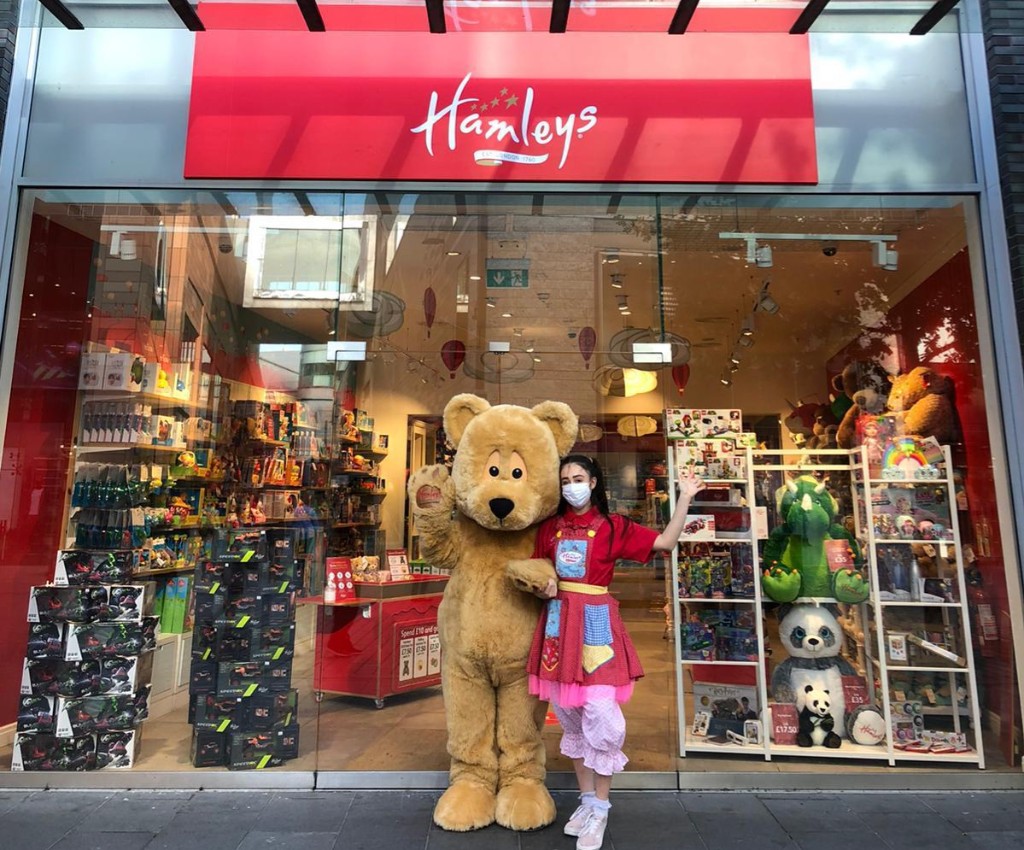
    A struggling 261-year-old U.K. toy-store chain is seeking a new lease of life in the hands of billionaire Mukesh Ambani, who’s looking to India where about a fifth of the world’s babies are born to fuel its revival.

    Hamleys, a British retail icon that hasn’t made a profit for a number of years, plans to quadruple its outlets in the former British colony to more than 500 in three years despite the pandemic, according to Darshan Mehta, chief executive officer of Ambani’s Reliance Brands Ltd. Besides the main growth market, the company is also adding stores from Europe to South Africa and China, he said in an interview.

    Ambani, 63, bought Hamleys in 2019 to strengthen his retail footprint as part of the ongoing transformation of his oil-and-chemicals conglomerate Reliance Industries Ltd. into a consumer and technology behemoth. The deep pockets of Asia’s richest man and India’s demographics could help breathe new life into Hamleys, whose share of global toy sales was estimated at 0.6% last year by Euromonitor International, and see it avert the pitfalls faced by rivals such as Toys “R” Us Inc.

    With a backer whose net worth is $72 billion, Hamleys is seeking to tap into what it sees as an inadequately serviced section of India’s almost 1.4 billion people, of which about 27% are children under 14. The country accounts for just 1% of the $90 billion global toy industry, meaning the potential for growth is high, Mehta said.

    “There is a lot of headroom and India is no way near saturation,” Mehta said. “We are now mulling how we can roll out stores in newer geographies and new formats.”

    Hamleys stores are famed for the carnival-like experience, allowing children to race toy cars, enjoy model train sets and play various games. In a country like India, with its densely packed cities and limited entertainment options, such an environment could be a hook to get customers to visit again. Product prices appealing to buyers of modest means as well as the super-rich make Hamleys an “elastic brand,” said Mehta.

    In Asia, Hamleys is seen as “high class and it’s on par with Harrods in some ways,” said Marc Alonso, a London-based senior research analyst at Euromonitor. “So it’s attracting that customer base, which is why in some places like India and China, it has been seeing some good sales growth in the past few years.”

    While the pandemic has been hitting parts of India’s economy, Mehta sees the toy industry as ”recession-proof’’ because many families choose the happiness of kids over anything else.

    But other chains have struggled before the virus. Toys “R” Us was the biggest victim of the U.S. retail apocalypse when it filed for bankruptcy in 2017, crushed by debt and felled by competition from online sellers such as Amazon.com Inc. Though the American chain is on a recovery path now under a new owner, a protracted pandemic points to an uncertain future for retailers.

    Nailing online sales is key to avoiding the fate of other high-end toy chains, according to Reliance. As part of Ambani’s e-commerce and technology pivot, his group is building Jiomart, a shopping portal, to take on giants such as Amazon.com and Walmart Inc.’s Flipkart in the local market. Reliance Industries has roped in Facebook Inc. and Google as investors to fuel those ambitions.

    With Covid-19 accelerating the group’s digital strategy, Mehta expects 30% of Hamleys’ sales coming from orders online in five years, versus 20% now. Direct selling over the phone or via WhatsApp would account for 20% in the same period, he said.

    Euromonitor’s Alonso said that target may be too ambitious because some customers could go to another portal that offers cheaper prices. “You can get the same product much cheaper by going straight to Lego, for example, on their e-commerce site,” said Alonso.

    Founded by William Hamley in 1760, Hamleys has seen its share of troubles. Ownership of the London-based chain has changed at least three times in the past decade alone — from an Icelandic bank to a French group and then to a Chinese fashion retailer. Two years ago, Ambani snapped it up for about $89 million in cash. Hamleys’ most recent books for 2019 show a loss of almost 9 million pounds ($12.4 million) on revenue of about 48 million pounds.

    Environmental services clean outside of the Regent Street store ahead of a reopening last year, on June 11. The flagship store has been closed for much of the past year. Photographer: Chris J. Ratcliffe/Bloomberg

    The onset of the pandemic just months after Reliance took control compounded Hamleys’ financial distress in the U.K., where it runs 21 outlets. Like most shops in the deserted streets of London, its grand seven-story Regent Street flagship store that opened in 1881 remained closed for much of the past year until earlier this week, while it cut a quarter of its staff to weather the crisis.

    Mehta believes the U.K. operations will “come out very strongly” with non-essential stores reopening this week following the easing of curbs. Another coronavirus wave could temporarily disrupt the business globally — like delayed plans for the U.S., a market it wants to crack.

    Prior to the acquisition of the chain, Reliance had the master franchise for Hamleys in India. The retail unit of Reliance is also the local partner for over 45 international brands including Burberry, Hugo Boss, Jimmy Choo and Tiffany & Co., according to the company’s website.

    The pandemic has limited Hamleys’ India target to just about 50 new stores this year before the roll out picks up pace. The toy retailer is looking at outlets in the U.S. this year or next, depending on travel restrictions, as well as in tourist hot spots in European countries, including France and Italy, the Reliance executive said.

    Hamleys Toy Store Chain Expanding Across Asia under Ownership of Asia’s Richest Man

    Ambani bought Hamleys in 2019 to strengthen his presence in retail. Photographer: Prashanth Vishwanathan/Bloomberg

    Still, India is likely to be a key market, said Arvind Singhal, chairman of Indian retail consultancy Technopak Advisors. With about 26 million children born in the country each year, Hamleys is unlikely to be short of customers there even if only the top 5% of the population can afford to shop at its store, he said.

    “Toys is one category where emotions sometimes overtake your financial abilities,” said Singhal. “Hamleys is probably one of the best investments from Mr. Ambani’s point of view in retail — the visibility the Hamleys brand has in India is unparalleled.”
  • 8 types of learning toys that every child should have

    8 types of learning toys that every child should have

    Throughout time toys have played a significant role in children’s learning and development, especially educational ones. It’s not exaggerating to say that toys are the best companions to our kids. In general, parents do not always have time to be their companions, even though they strive to spend time with them as much as possible. Somehow, toys play this magical role to make your child’s time more playful and meaningful.

    To cultivate your child’s interest, they need to have a few different types of learning toys.

    Plush toys or stuffed animals

    Usually, a plush toy is the first type of toy that every child will have, like a teddy bear or stuffed animal. It seems that it’s a never-die industry everywhere in the world. If this type of toy exists forever, there must be something that we shouldn’t ignore.

    Kids love hugging soft animals to sleep. Studies showed that teddy bears help improve psychological well-being. “It’s human nature to crave these feelings from childhood to adult life” said psychologist Corrine Sweet. Nevertheless, parents should be aware of the materials and components when choosing stuffed toys for kids to avoid unnecessary dangers.

    Puzzles

    Unlike dolls and stuffed animals, puzzles are important toys to help kids learn and enhance their necessary critical skills through play. They could grow with your kids in parallel as they will become more interested in solving puzzles with greater difficulty. Once they are interested, they will spend the whole day solving puzzles.

    Apart from brain development, puzzles, like jigsaws and wooden puzzle board, are excellent educational learning kits for children, to keep their mind away from mobile devices.

    Essential skills kids will benefit from puzzles:

    • Fine motor skills.
    • Memory and cognitive abilities and skills.
    • Problem-solving skills.
    • Independent thinking skills.
    • Object sorting skills.
    • Ability to solve particular needs.
    • Ability to combine objects.

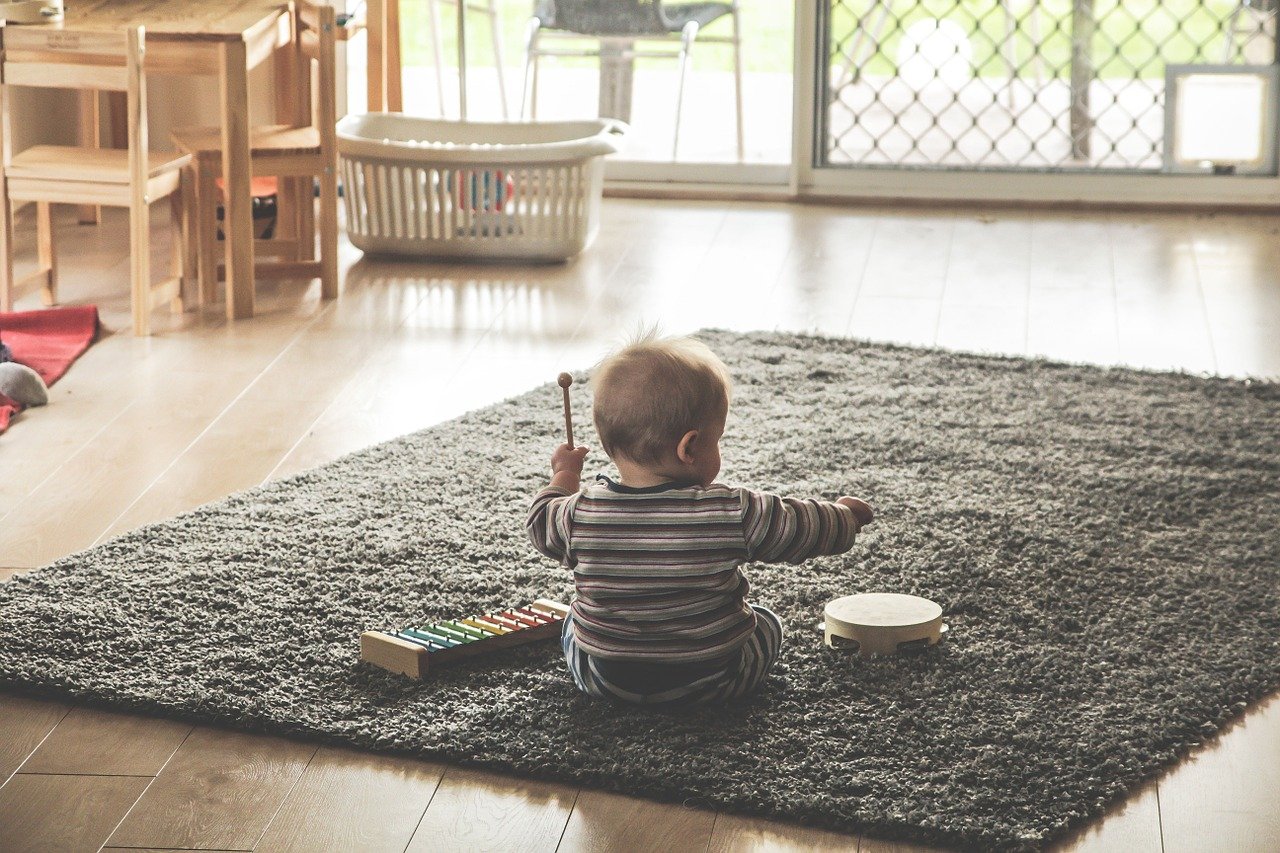
    Musical toys

    Music is a beautiful international language that can cross beyond nations, cultures, and races.

    Music plays a significant role to enrich our lives. It’s essential for kids to grow and boost brain development, which is a critical part of developing cognitive abilities, language, listening, and speaking skills.

    Kids are naturally curious about the sounds from different instruments. Being curious about something means they have an interest in it. That means it can be a powerful tool to develop necessary skills through musical toys.

    Other vital skills kids can acquire through musical toys:

    • Cognitive skills enhancement and sensory development.
    • Gross and fine motor skills development.
    • Self-expression and self-confidence.

    Role-playing toys

    Kids love role-playing! It helps engage kids with learning through imaginative plays. In general, kids learn from real-life environments much faster than from any books. Role-playing is an essential scenario-based learning tool for kids to understand the importance of their behaviours, activities, relationships, and roles in this society.

    Furthermore, kids have the opportunities to “outgrow” and develop these core skills:

    • Critical thinking skills.
    • Communication and collaboration skills.
    • Decision-making skills.
    • Risk analysis skills.
    • Interpersonal skills.

    Role-playing toys provide simulating scenario-based learning environments for kids to learn and explore in immersive environments.

    Dress-up play toys

    Similar to role-playing toys, dress-up play toys provide imaginative simulating environments for kids to experience and explore possible real-life scenarios through fun plays. Kids have room to design their clothes for toys with their creativity and imagination. In the whole process, kids can enjoy pretending to be the role or character they are dreaming of being, which helps develop their interpersonal skills and self-exploration.

    Furthermore, it’s also important to develop gross and fine motor skills in early childhood. Parents can also play with your kids if possible as that’s the best way to understand more of your kids, like who they want to be and what they want to do in the future.

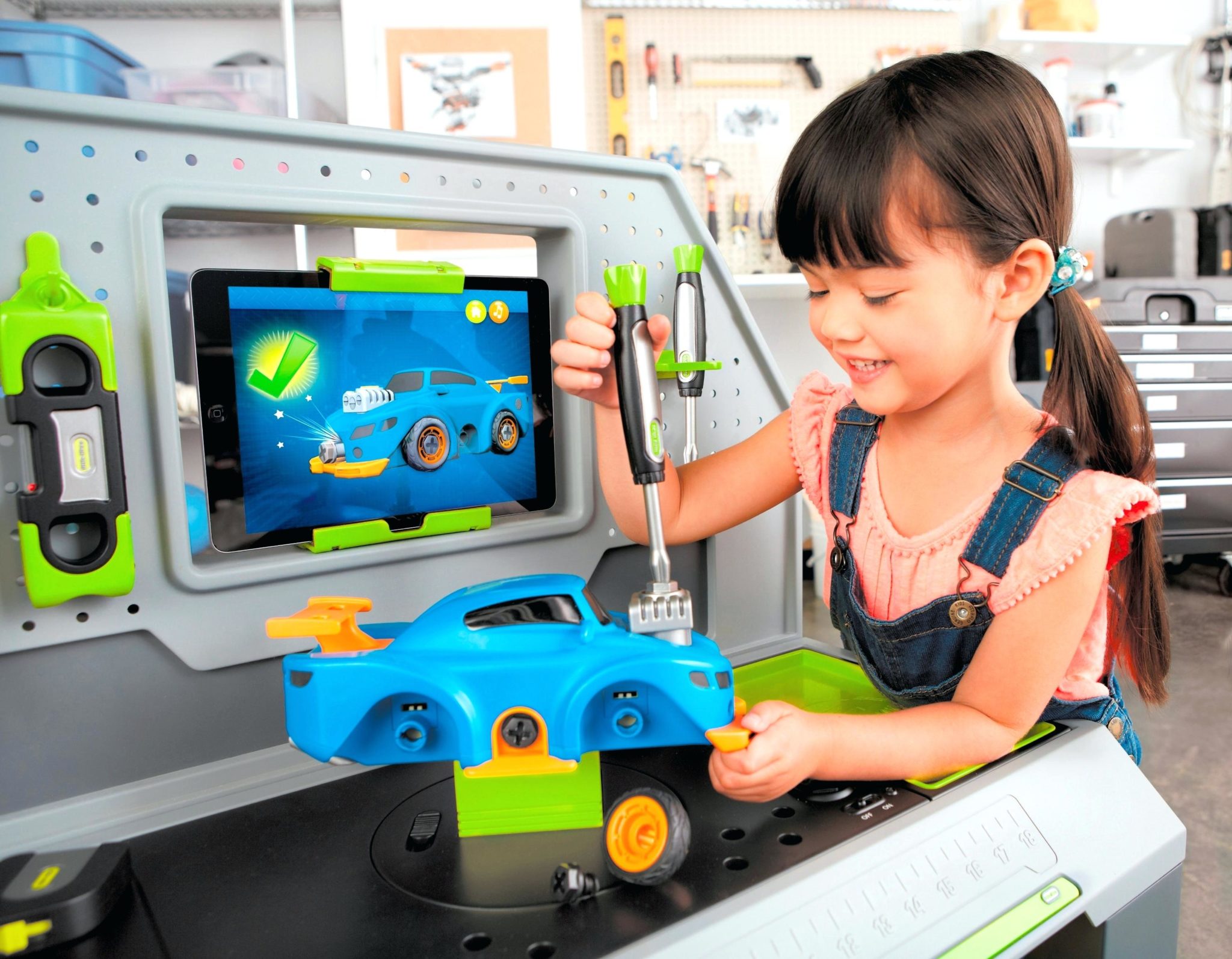
    Builder and construction toys

    STEM or STEM-related toys, such as builder and construction toys, have successfully grabbed massive attention from parents and educators worldwide. The reasons behind this are quite simple – the STEM workforce is in high demand all over the world, especially in an ever-connected world, as it is essential to cultivate your child’s interest and ignite their passion in STEM areas with STEM toys at an early age.

    More are more STEM-based programs or campuses will be built up worldwide to meet the increasing enrolments. The United States and China have been putting many efforts into supporting and encouraging kids and teenagers to pursue STEM curricula.

    Vehicles toys

    Vehicle toys, such as cars, trucks, trains, or aeroplanes, have the potential to stimulate children’s development in a prolonged way. Research showed that car toys might aid kids’ emotional, social, and physical development as well as language and communication skills.

    They allow your children to simulate sitting on the vehicles with creativity and imagination on the road, which provides a dynamic learning environment for them to experience many possible opportunities and scenarios for the future through imaginative play. Kids can be the creators of their future and life. Parents can participate in their games or encourage them to play with their companions. It’s a great way to develop their teamwork and communication skills for the long term.

    Board games

    Although we cannot say all kids love games, they usually wouldn’t hate them. Actually, interactive-based learning games, such as board games, are prevalent among kids.

    Here are the essential skills kids can expect to gain through interactive-based learning games:

    • Focus and concentration.
    • Communication skills.
    • Independent thinking.
    • Problem-solving skills.
    • Improving self-esteem: they learn how to accept reality when they lose games.

    Although we cannot only rely on toys to develop children’s abilities and skills, it’s also undeniable that toys play essential roles in enhancing their development in multiple areas from different perspectives.


  • Japan retailer turns to cuddly toys to boost Lunar New Year sales

    Japan retailer turns to cuddly toys to boost Lunar New Year sales

    Japan’s cuddly bear character Rilakkumma, who has captured the hearts of children and adults alike with his laidback demeanor, sits on the shelves of a swanky department store in the capital, flanked by Hello Kitty and other plush toys.

    As the Lunar New Year begins on Friday, they are taking the place of home appliances, from rice cookers to electric toilet seats, normally favored by Chinese tourists who are absent this year because of coronavirus restrictions.

    “Due to the current travel bans, it’s impossible for them to come to Japan,” said Jin Xuezhu, head of the inbound sales division at the Laox duty-free retail chain, which runs the store in Tokyo’s district of Akihabara.

    Chinese have accounted for 90% of the chain’s customers since 2014, Jin said, adding, “So the absence of that 90% has a huge impact on our business.”

    The sharp contraction in global tourism brought by the pandemic forced the chain to shutter half of its 24 stores last year to cut costs and restore cash flow. It has refurbished its image, adding friendly touches to lure domestic customers.

    “We have put out many hobby and toy goods that are unique to Akihabara,” Jin said. “Before we were branded as a duty-free shop, but last year we renovated our stores so that Japanese customers can also feel welcome.”

    But Laox has not forgotten its clientele in China, hosting live broadcasts from Tokyo since last autumn on Chinese e-commerce platforms, such as those of electronic giant Suning and messaging app WeChat.

    “We have great expectations for online shopping through live streams,” said Cui Wenzhe, the manager of the chain’s live commerce section.

    The chain hosted 350 such broadcasts last year and expects even better numbers during the Lunar New Year holiday, he added.

    “We’re also looking forward to more sales events for Valentine’s Day.”

    Laox declined to provide details of the hit to current Lunar New Year sales, but acknowledged the pandemic’s “huge impact” on its business.

    Although Japan has not suffered virus outbreaks on the scale of other major economies, such as Britain and the United States, it has just extended by another month its state of emergency in Tokyo and other regions.

    The continued travel ban, particularly the absence of holidaying Chinese for a second successive year, is expected to hurt Tokyo retailers further.

  • Sim Leisur to open theme park at Paradigm Mall

    Sim Leisur to open theme park at Paradigm Mall

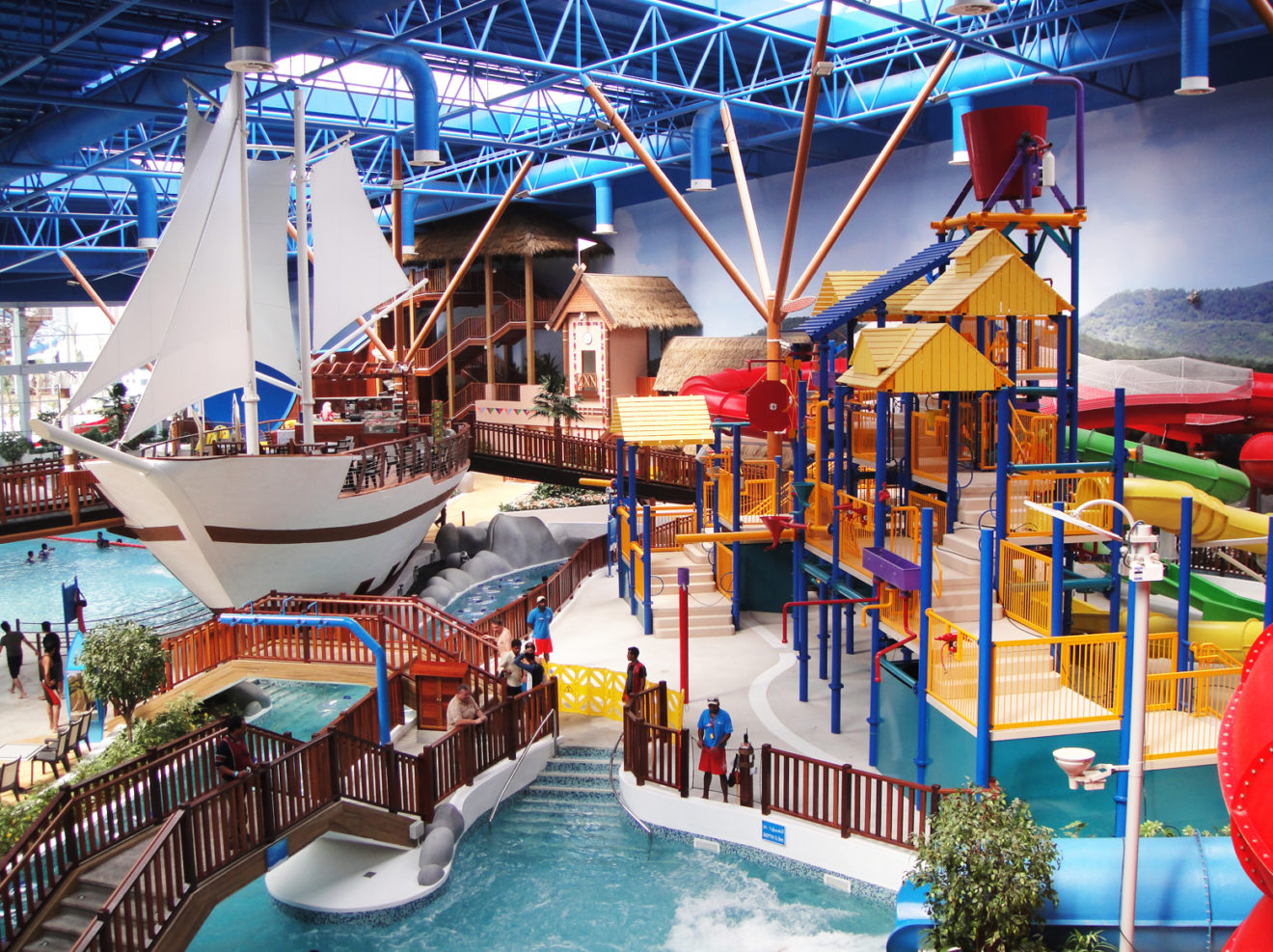
    Penang-based theme park developer Sim Leisure Group is to open an indoor recreational center at Paradigm Mall in Petaling Jaya, Malaysia.

    Sim Leisure has already started the construction of the 35,000sqft indoor recreational center which it will operate as a tenant for up to 12 years.

    It is scheduled to open by the end of November, before the peak year-end school-holiday season.

    Paradigm Mall is located in the heart of Petaling Jaya, next to the Lebuhraya Damansara-Puchong highway in Klang Valley. The six-floor mall has 700,000sqft of retail space and more than 300 retail spaces.

    Sim will build Escape Challenge, an indoor version of Escape, targeting youth and young families. Both Sim and the mall believe the new feature will help draw families to the mall, increasing foot traffic for the retail stores.

    “For years, we have been approached by developers and mall operators to develop an indoor version of Escape,” said Sim Leisure CEO Sim Choo Kheng. “Paradigm Mall Petaling Jaya is a strong community partner and perfectly highlights the unique traits of a family mall. We are very proud of this partnership given the affinity for play parks by parents and children. Installing the play area in the mall is a natural fit given that no other malls in Klang Valley have recreation centers of this genre,” he said.

    Sim will use the Escape Challenge at Paradigm Mall as a showcase of its capabilities as it tries to develop the indoor recreational concept in other markets, especially Mainland China.

    “We foresee this indoor version of Escape growing exponentially in the years to come as the retail shopping business continues to undergo a transformation.”

    “Following our initial public offering and a record year of profitability last year, our global aspirations remain on track. We will continue to scale our proven and successful business model into new markets across the region that are awaiting a new genre of affordable and healthy family entertainment.”

    Sim Leisure Group has been developing and operating theme parks in Penang. Sim Choo Kheng has more than 29 years of experience in the theming industry.

  • Miniso signs six new partnerships to fuel expansion

    Miniso signs six new partnerships to fuel expansion

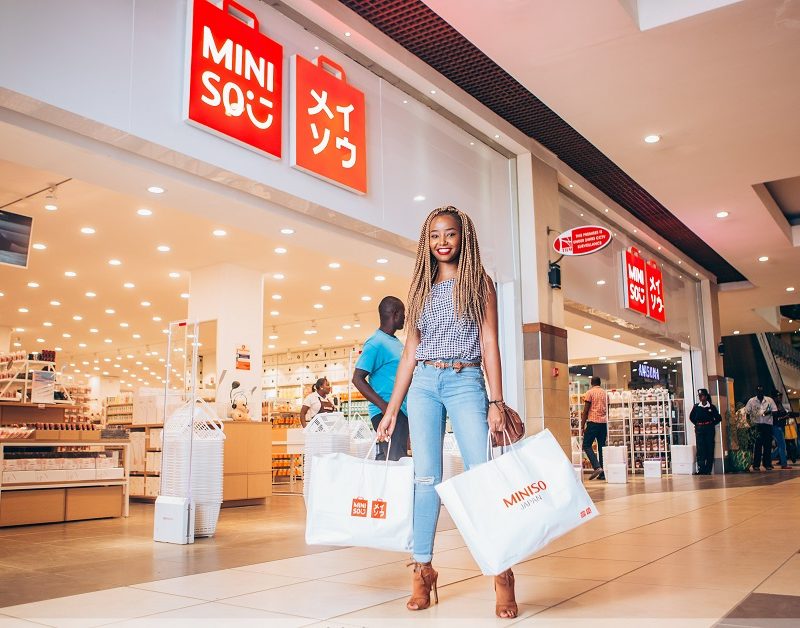
    Chinese discount merchandise chain Miniso has signed cooperation agreements with partners from six new countries and regions – the UK, France, Maldives, Reunion Island, Aruba and Curacao.

    Miniso now operates in more than 90 countries and regions, taking it closer to its target of opening “10,000 stores in 100 countries with 100 billion sales volume” by 2022.

    Miniso has been moving into the European market since last year, opening physical stores in Spain, Germany and Ireland.

    In overseas markets, Miniso has adopted a differentiation strategy with its products, setting up an international commodity department to develop diversified international products ranging from food to kitchen supplies, travel supplies, perfume, dolls, toys and makeup lines.

    The firm also set up a “Europe pavilion” in the exhibition area at its recently held Miniso 2020 Global Spring and Summer New Product Ordering Fair. Nearly 1000 SKUs more in line with European consumption habits and design aesthetics have been developed by the commodity centre team for the European market over the past six months.

    Miniso says it aims to simultaneously promote the upgrading of branding, products and stores across all its markets.

  • Lego announces very first Victorian store

    Lego announces very first Victorian store

    The first Lego store in Victoria will be in Westfield Doncaster, according to local rights-holder Alceon Group.

    The announcement follows the opening of Lego stores in New South Wales, as well as the news that more stores will be opened across Queensland and New Zealand in 2019 – with South Australia and Western Australia in 2020.

    “Victoria is home to one of the country’s largest Lego fan communities and, as a result, a strategic priority of our growth,” Alceon Group executive director Richard Facioni said.

    “We look forward to unveiling a truly world-class retail experience at Westfield Doncaster, as the first of a number of Lego certified stores planned for Melbourne.”

    Facioni said recently that the introduction of further stores in key locations would accelerate the reach of the retail concept, and build on the iconic Lego brand.

    Alceon Group is an investment firm that is one of the biggest retail companies in Australia, following its acquisition of Specialty Fashion Group’s Katies, Millers, Autograph, Crossroads and Millers brands, James Packer’s Pretty Girl Fashion group and Pumpkin Patch.

    The company also has a controlling stake in Noni B and recently acquired a stake in ethical fashion brand Ginger & Smart.

  • Toys ‘R’ Us Start Selling on eBay

    Toys ‘R’ Us Start Selling on eBay

    Less than a month after returning to Australian shores with a more focused, digital offering, Toys ‘R’ Us has launched on eBay, adding more than 4,000 items to the marketplace.

    According to Toys ‘R’ Us, the move represents an important facet of its omnichannel approach moving forward. It believes it will benefit from exposure to eBay’s more than 11 million unique monthly visitors.

    “Toys ‘R’ Us is an icon known and loved by Aussies of all ages, so we’re thrilled to welcome the retailer to eBay as it builds its online offering,” eBay’s senior director B2C of advertising and commercial partnerships Kristian Haigh said.

    “This partnership is a natural evolution and we’re proud to help Australian retailers by making it easier for shoppers to access their favorite brands, wherever and however they choose to shop.”

    The launch follows an eight-year partnership between eBay and Hobby Warehouse, which is partnering with TRU Kids, the US-based owner of Toys ‘R’ Us, on the toy store’s relaunch in Australia and New Zealand.

    Toys ‘R’ Us chairman Kevin Moore noted that some retailers see up to 40 percent of their total sales volume driven by the combination of marketplaces they partner with.

    “Online marketplaces are an important part of all online retailers’ service to shoppers,” Moore said.

    “Toys ‘R’ Us will continue to partner closely with eBay on toy sales and promotions, and other relevant marketplaces in the future.”

    Moore said the brand will explore and embrace new partnership opportunities as they arise.

    “We have been amazed at the positive reactions of the Toys ‘R’ Us digital re-launch… Hobby Warehouse has benefited from toy buyers looking for adult hobby items too.

    “We have had over 70 new suppliers contact us to list their range of toy and hobby brands on both sites.”

    Last month, the two companies announced a new format of Toys ‘R’ Us ‘experience centers’ will open across Australia and New Zealand in 2020.

    “Our mission is to encourage children to engage with as many forms of play as we possibly can,” Hobby Warehouse chief executive and Toys ‘R’ Us Australia director Louis Mittoni said.

    “Hobby Warehouse is a digital native with a keen understanding of how to accelerate and match the requirements of the modern shopper.”

    According to IBISWorld data, the toy and game retailing industry is expected to see a revenue drop of almost 16 percent over 2019, with the market expecting to generate around $740 million – down from the $880.2 million seen in the prior year.

    IBISWorld senior industry analyst Kim Do said the business’ shift away from physical retail and toward a more online-centric offer would make its re-entry to the Australian market smoother.

    At this point in time, it is unclear if Babies ‘R’ Us products will feature on eBay.