Tag: TPG Capital

  • Poundworld on the brink of collapse with 5,300 jobs at risk

    Poundworld on the brink of collapse with 5,300 jobs at risk

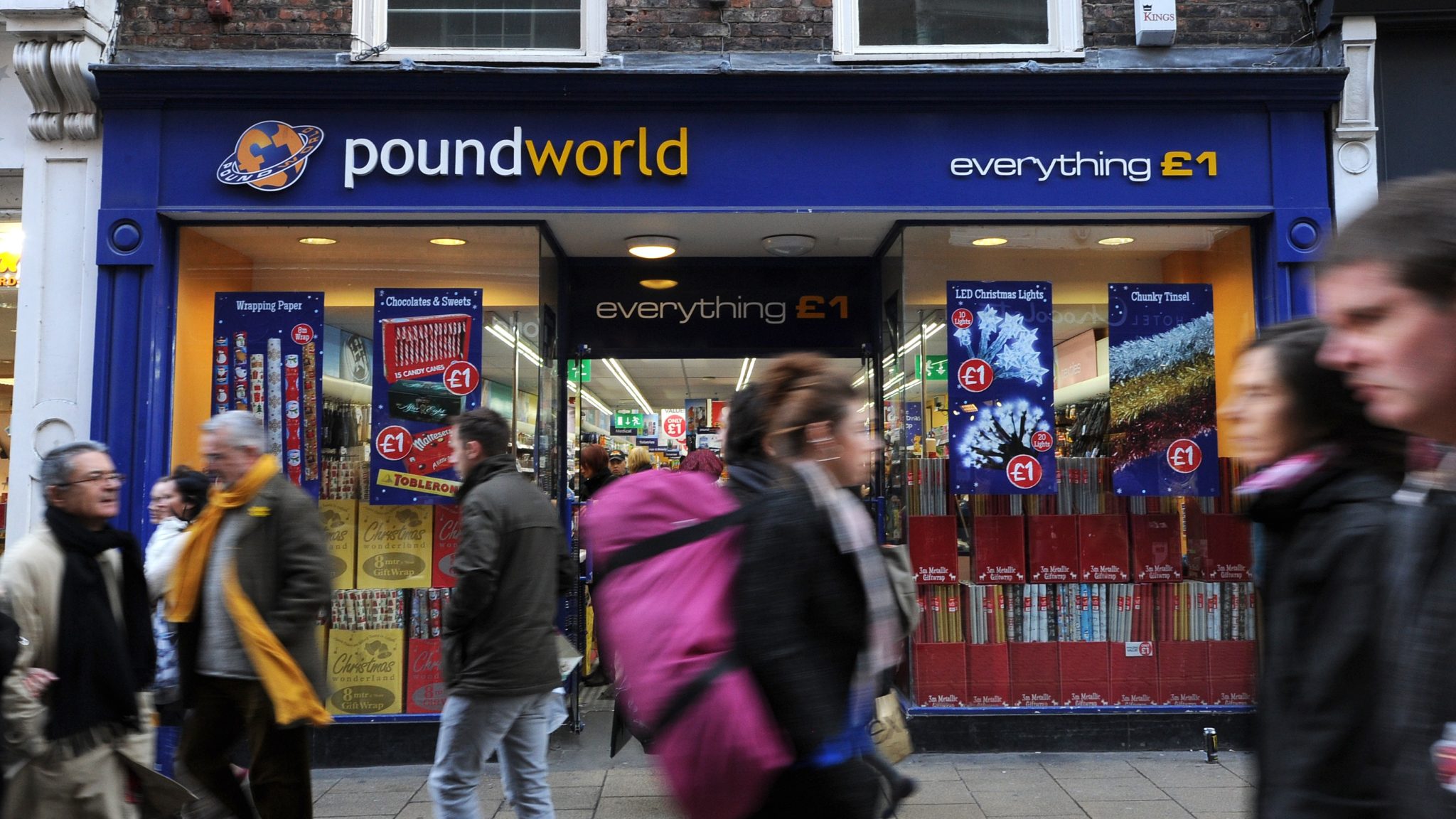
    UK discount retailer Poundworld is on the brink of collapse with an administrator about to be appointed following the collapse of talks with a potential angel investor.

    As reported, the company has filed a notice of intention to appoint an administrator, giving the company 10 business days protection from its creditors, and management time to finalise a restructuring plan to keep the 355-store chain trading.

    The UK financial press reports that Deloitte has been appointed to oversee the administration process and was already working on a plan as a contingency should a new owner not be found.

    Retail turnaround specialist Alteri Investors this week walked away from talks over taking over the ailing company leaving the owners with no other option than to commence administration procedures, given the business is running low on cash.

    Poundworld is owned by US private-equity company TPG Capital. Last financial year it lost £17.1 million, more than three times the loss of the prior year.
  • New contenders for McDonald’s China and Hong Kong

    New contenders for McDonald’s China and Hong Kong

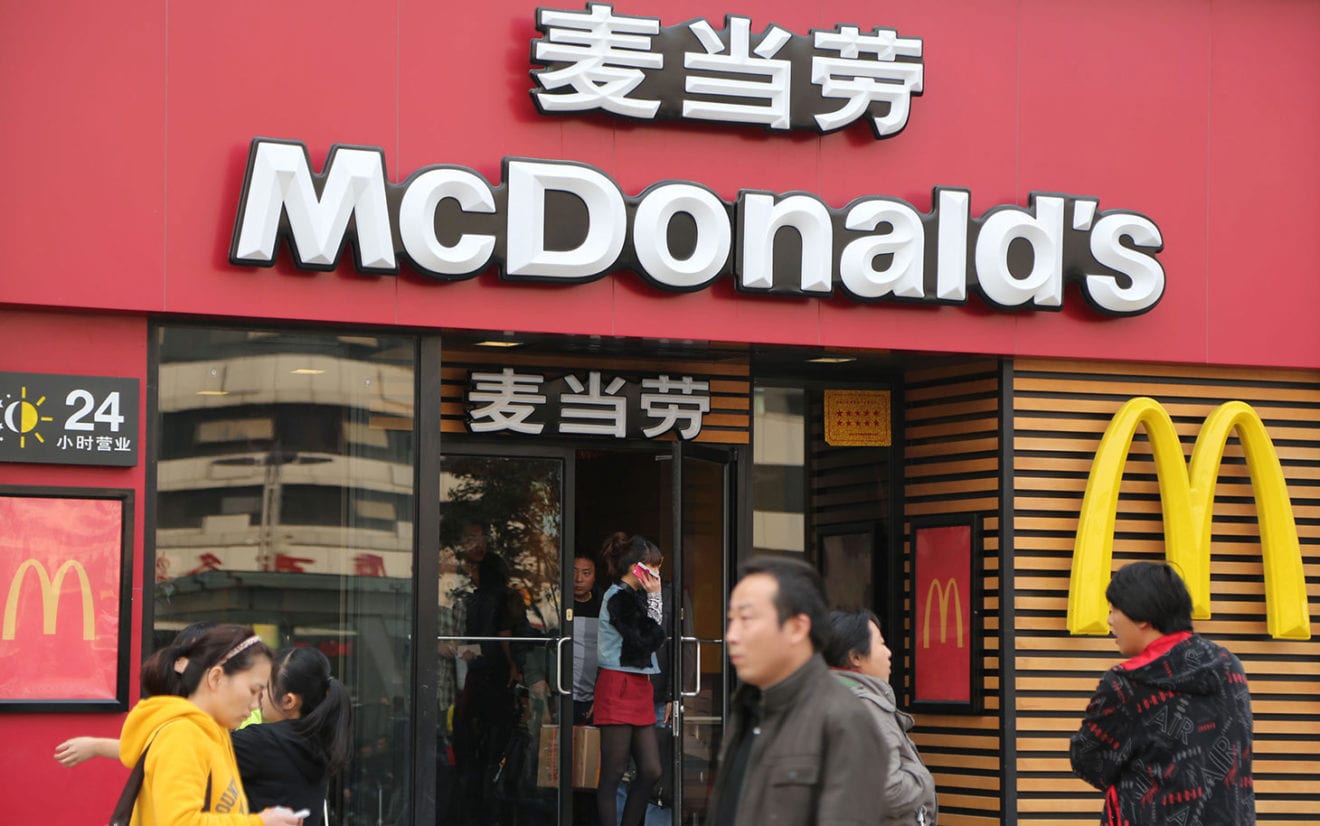
    Private equity firms Carlyle Group and TPG Capital have teamed up with two different Chinese state companies to bid for the McDonald’s China and Hong Kong franchise licences.

    The deal is said to be worth between US$2 billion and US$3 billion, reports the Straits Times.
    McDonald’s has previously said it is looking for long-term partners rather than private equity firms, which typically cash out after a few years.

    Carlyle is working with Chinese state conglomerate Citic Group and TPG has joined with Beijing Capital Agribusiness Group to place binding bids ahead of this month’s deadline. Beijing Capital Agribusiness is McDonald’s current China partner.

    Reuters says the US fast-food giant, hit by food-supply scandals in China, has hired Morgan Stanley to run the sale of about 2800 restaurants in China, Hong Kong and South Korea.

    The two private equity-backed groups are bidding only for China and Hong Kong outlets, going up against Beijing Tourism Group, China Cinda Asset Management and private Chinese technology and real-estate firm Sanpower Group.

    China and Hong Kong account for more than 85 per cent of the 2800 outlets on the block.
    Meanwhile, South Korea’s Maeil Dairy Industry Co says it is considering bidding for McDonald’s Korean outlets, which are expected to fetch about $268 million. Interest has already been shown by CJ Corp and NHN Entertainment Corp.

    Changing to a less capital-intensive franchise model, McDonald’s is offering a 20-year franchise to buyers, with a 10-year extension option.

  • Bidding disappoints McDonald’s Corporation

    Bidding disappoints McDonald’s Corporation

    McDonald’s Corporation says it is struggling to attract the calibre of bidders it envisioned when it put its China and Hong Kong franchise up for tender.

    The restaurant group is offering a 20-year master franchisees for its markets in China, Hong Kong and South Korea. Bidding has gone into its second round and predictions are the deal could be worth US$2 billion to $3 billion.

    Conditions include McDonald’s keeping management intact for two years, with a limitation on taking the franchise public. Other restrictions have reportedly discouraged many private-equity firms from participating in the bidding.

    Global buyout firms such as Bain Capital, Carlyle Group and TPG Capital have put up their hands with the aim of teaming up with some of the Chinese strategic bidders.

    Bidders asked to submit for the second round of the tender include dairy company Beijing Sanyuan Foods, Beijing Tourism Group, ChemChina, state-owned China Cinda Asset Management and Sanpower.

    McDonald’s share price has surged more than 23 per cent since CEO Steve Easterbrook launched a turnaround effort. The plan for Asia comprises one or more local partners taking over the China and Hong Kong franchise of 2800 stores for 20 years while paying royalties to the corporation.

    However, many investors are anxious following the food scandal that hit McDonald’s sales in 2014, reports BFN.

    Meanwhile, McDonald’s last year announced plans to sell its business in Taiwan plus a substantial ownership stake in Japan, but as yet investors have yet to be secured. “We are making solid progress as we look for long-term strategic partners with local relevance who have complementary skills and expertise,” says a company spokesperson.

  • Li Ning skips out of the red

    Li Ning skips out of the red

    Thanks to a health boom on the mainland, Chinese sportswear brand Li Ning has skipped out of the red to turn a modest profit after three years of losses.

    For its latest financial year, it had a net profit of Rmb14 million (US$2.2 million), reversing from a Rmb781 million loss in 2014. Revenue grew 17 per cent to nearly Rmb7.1 billion.

    Over the past three years, the brand has restructured, shedding 20 per cent of its inventory, closing thousands of underperforming stores and adding more than 300 directly run outlets. It also increased its eCommerce inventory.

    In a filing with the Hong Kong stock exchange, Li Ning says retail, wholesale and eCommerce outlets all achieved double-digit revenue growth last year.

    “Supportive national policies stood the sportswear industry in good stead,” says the company. “The initiative to lead an eco-friendly life has deeply implanted the idea of pursuing a healthy lifestyle in the hearts of people.”

    Li Ning is backed by private equity group TPG Capital and Singapore sovereign wealth fund GIC. The company was founded by Chinese gymnast Li Ning, who won three gold, two silver and one bronze medal at the Olympic Games in Los Angeles in 1984. Following his retirement, he set up the company in 1990, selling footwear, apparel, accessories and equipment for sport and leisure.