Tag: tracker

  • Images of the Fitbit Luxe fitness tracker leak

    Images of the Fitbit Luxe fitness tracker leak

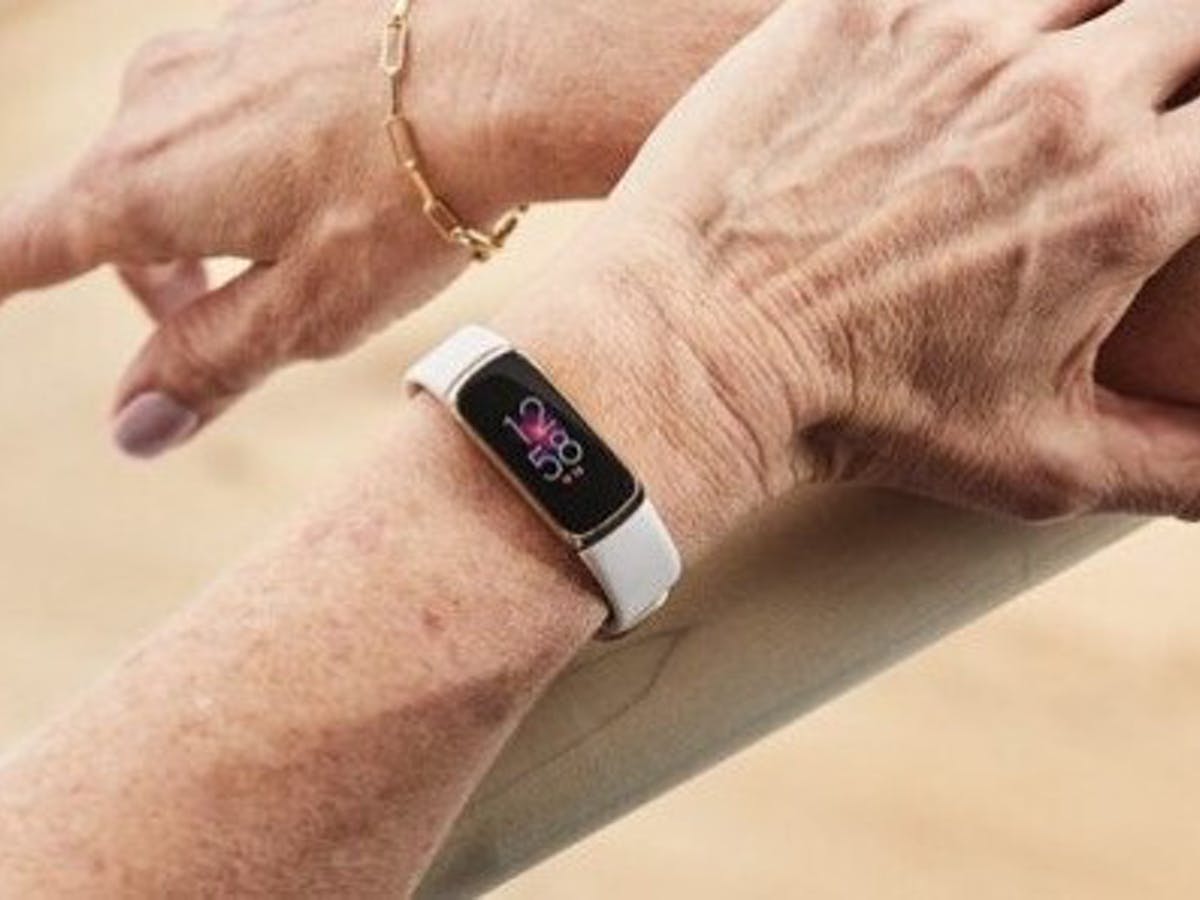
    This past January, Google closed on its $2.1 billion acquisition of Fitbit. Today, Germany’s WinFuture published some photos of the next Fitbit fitness tracker, the Fitbit Luxe. The wearable is supposed to deliver “balanced health in an elegant design,” and with the use of a polished stainless steel casing, the device does look to be as advertised.

    The Fitbit Luxe is equipped with an OLED display and features interchangeable straps that use a classic watch buckle to close. Thanks to Google’s acquisition of Fitbit, the Luxe will work with Assistant and will monitor your sleep and your heart rate. Speaking about your heart rate, if there is a certain range that you’re trying to hit and activity gets you there, the device will vibrate.

    The color options will be black, soft gold/white, and platinum/orchid. Pricing is unknown at the moment although the use of expensive and pricey materials could make the Fitbit Luxe pricier than you might have expected. And the device is water-resistant allowing you to take it swimming.

    Pricing is unknown, and so are the potential unveiling and release dates. We also are not clear about certain specs including the size of the device’s battery capacity, and the amount of storage and memory that comes with the fitness tracker.

  • Fitbit debuts fitness and health Premium subscription service

    Fitbit debuts fitness and health Premium subscription service

    Alongside the Versa 2 smartwatch, Fitbit announced a subscription-based fitness and health service that it calls Fitbit Premium. The service uses unique data from each subscriber to deliver a personalized experience “with actionable guidance and coaching.”

    The premium service is meant to help users achieve their health and fitness goals and costs $9.99 per month. At launch, Fitbit Premium includes nine guided health and fitness programs, which will help subscribers get more sleep, wake up energized, increase their activity, manage nutrition and create lasting healthy habits.

    Among the programs that subscribers will be able to use, Fitbit mentions actionable coaching, daily tips and tricks, structured workout plans, relaxation tools, recipe suggestions, and educational content.

    But that’s not all, as Fitbit promises to launch additional activity, sleep, and nutrition programs by the end of the year. Also, to help those with a condition such as diabetes or weight loss, Fitbit says it will launch a personal, one-to-one coaching service in 2020, with a limited pilot targeted to roll out later this year.

    Fitbit Premium will start rolling out in September at $9.99 per month or $79.99 per year. However, promotional pricing and product bundle offers might be available before and after the premium services releases.

  • Samsung Brings inexpensive Galaxy Fit-e fitness trackers

    Samsung Brings inexpensive Galaxy Fit-e fitness trackers

    Unveiled back in February, the Galaxy Fit is likely get a cheaper brother, which hasn’t been officially introduced yet. Samsung was quite vague regarding the Galaxy Fit’s availability saying that Galaxy Fit-e will be launched in Q2 2019, and didn’t offer any details about pricing.

    However, we’ve just learned that the Galaxy Fit-e will be launched in the United States on May 21. Android Pit reports the fitness tracker has already been listed on Samsung Albania website with a price equivalent of just $35.

    The inexpensive Galaxy Fit-e sports a monochrome PMOLED display and a small 70mAh battery that should offer about one week of battery life. The fitness tracker is waterproof (5 ATM) and very light (15g).

    It comes with all the fitness and health specific features, including sleep and pulse tracking, notifications and exercises. Samsung Galaxy Fit-e will be available in three colors: black, white, and yellow.

    Apparently, Samsung Albania jumped the gun on the Galaxy Fit-e since no other Samsung website lists the fitness tracker yet. Also, take the information with a grain of salt until the South Korean company make the Galaxy Fit-e official.

  • Honeywell’s New Satellite-Based Connected Worker Solution Keeps Remote Workers Safe

    Honeywell’s New Satellite-Based Connected Worker Solution Keeps Remote Workers Safe

    Honeywell today announced a new satellite-based connected solution to help governments, companies and other organisations monitor the location and safety of workers in remote locations.

    Honeywell’s Personal Tracker utilises Iridium’s low-earth orbit satellite network, the only satellite constellation that provides pole-to-pole coverage, which is necessary for effective remote asset and personnel tracking. The mobile device allows companies to communicate with their workers or track assets anywhere in the world – across oceans, airways and even polar regions.

    “Those responsible for employees in remote locations, especially lone workers who may be performing risky work, increasingly need a reliable method to stay connected to those workers to keep them safe and secure,” said Taylor Smith, president of Honeywell’s Workflow Solutions business. “Honeywell’s connected worker technology and Iridium’s proven platform enable satellite communications from anywhere on Earth. This offers remote workers, such as workers on offshore oil platforms or forestry service workers, peace-of-mind and provides their employers with a valuable communication and search-and-rescue tool for emergency situations.”

    Emergency services, maritime, military and oil and gas workers can share their location with GPS coordinates and send text messages using the enterprise-grade, ultra-rugged device, which is certified to function in hazardous environments where explosions or a fire may occur due to flammable liquids or vapours. It can be used as a stand-alone, two-way communications device or can be clipped to a backpack to serve as a tracking beacon. It can also be paired with an iPhone so that users can access a Honeywell mobile app that offers features such as interactive SOS, messaging, push notifications, trip information and situational awareness.

    For example, in the event of an emergency, an organisation can send push notifications to alert its workers – regardless of their location – and then track their locations and provide updates as they seek shelter.

    The Personal Tracker is exclusive to the Iridium® network. With Iridium’s two-way communication capabilities, even when used as a stand-alone alerting and tracking beacon, the Personal Tracker can receive current location requests and configuration updates over the air.

    “We are proud to work with Honeywell in enabling their connected worker technology, and support their commitment to lone worker safety,” said Bryan Hartin, executive vice president of sales and marketing at Iridium. “This partnership comes at an exciting time for us as we are launching our next-generation global constellation, Iridium NEXT, and continue to expand our growing portfolio of satellite-based solutions for the Internet of Things. The unique architecture of our constellation makes it a natural fit over other providers for mobile applications, especially where safety is concerned. Providing reliable coverage is critical for companies tracking employees and assets located in remote areas, and Honeywell’s new Personal Tracker will make that possible.”

    The mobile device supports Honeywell’s ViewPoint software, a web-based platform that provides organisations with real-time visibility for tracking and monitoring high-value assets such as vehicle fleets and cargo containers. The ViewPoint platform offers organisations and government users advanced features, such as 90-day tracking history, geofencing, scheduling reports, alert management and messaging.