Tag: trackers

  • Samsung Brings inexpensive Galaxy Fit-e fitness trackers

    Samsung Brings inexpensive Galaxy Fit-e fitness trackers

    Unveiled back in February, the Galaxy Fit is likely get a cheaper brother, which hasn’t been officially introduced yet. Samsung was quite vague regarding the Galaxy Fit’s availability saying that Galaxy Fit-e will be launched in Q2 2019, and didn’t offer any details about pricing.

    However, we’ve just learned that the Galaxy Fit-e will be launched in the United States on May 21. Android Pit reports the fitness tracker has already been listed on Samsung Albania website with a price equivalent of just $35.

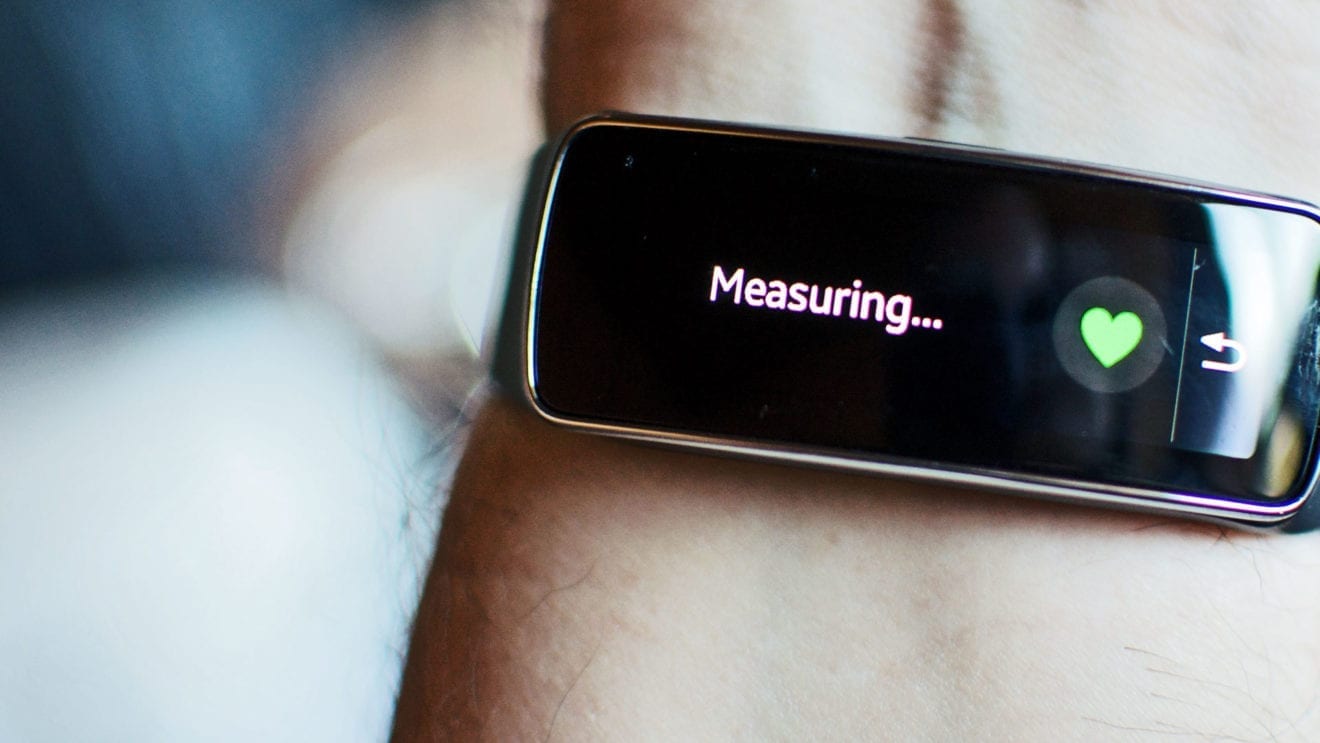
    The inexpensive Galaxy Fit-e sports a monochrome PMOLED display and a small 70mAh battery that should offer about one week of battery life. The fitness tracker is waterproof (5 ATM) and very light (15g).

    It comes with all the fitness and health specific features, including sleep and pulse tracking, notifications and exercises. Samsung Galaxy Fit-e will be available in three colors: black, white, and yellow.

    Apparently, Samsung Albania jumped the gun on the Galaxy Fit-e since no other Samsung website lists the fitness tracker yet. Also, take the information with a grain of salt until the South Korean company make the Galaxy Fit-e official.

  • Fitbit Hong Kong to roll out vending machines

    Fitbit Hong Kong to roll out vending machines

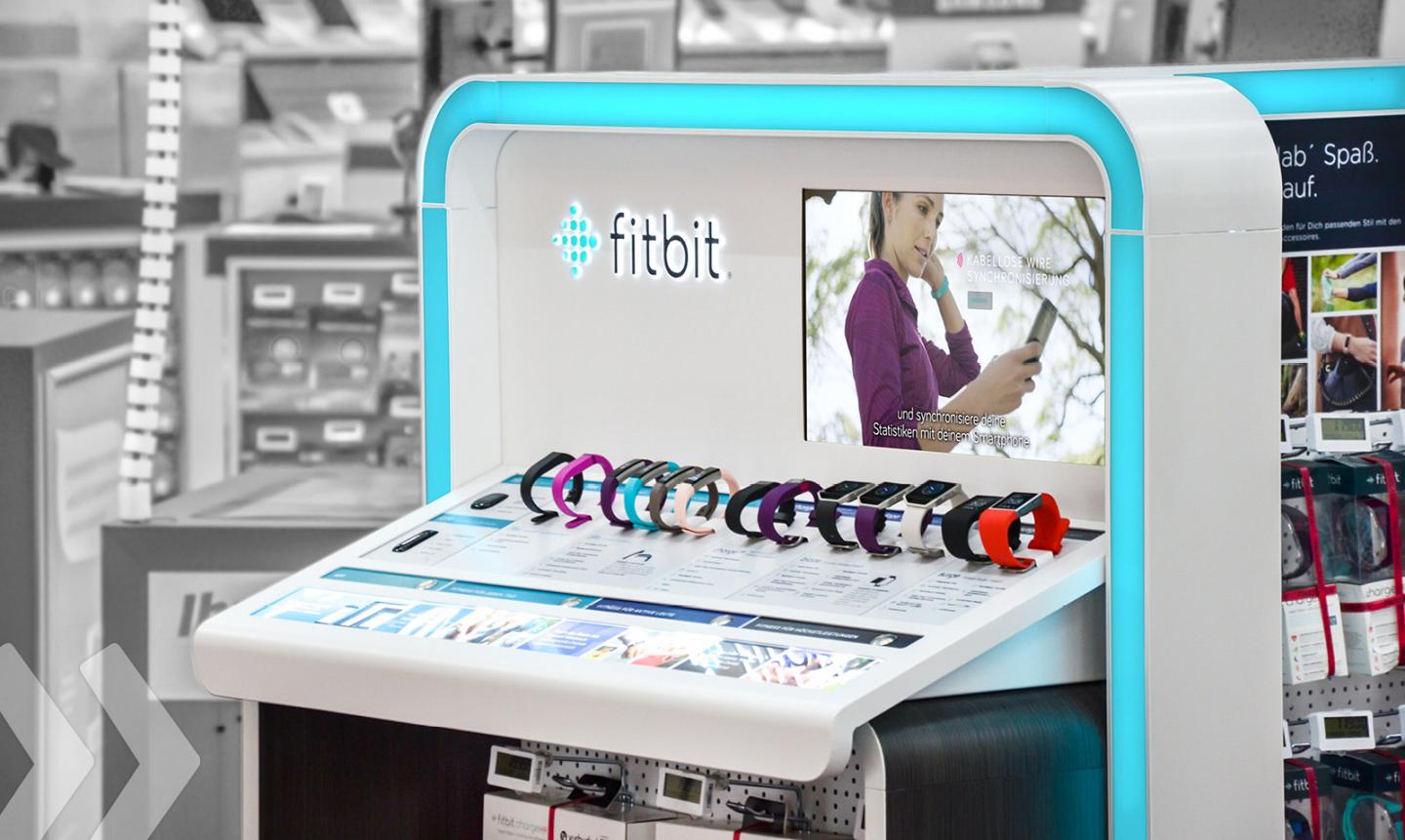
    Fitness product company Fitbit Hong Kong is aiming to grow its B2B sales via smart vending machines.

    Offered by SmartRetail, the machines accept cashless payments, and not only track sales and inventory in real time, but can also scan consumers to provide personalised recommendations.

    “For example, the machine may recommend a light-coloured wrist band to a young woman, while recommending a darker one to an older man,” says SmartRetail founder/director Adam So.

    The visual data will enable Fitbit to respond more rapidly to consumer tastes through accessing transaction data, says So. Marketing messages can also be delivered on a screen.

    IBM Hong Kong, which provides the technology for the units, says the visual and transaction data can also be used to enhance Fitbit’s sales analysis.

    “They can analyse the traffic at different time periods, the weather of a specific location, and how these environmental factors can affect sales,” says IBM Hong Kong CTO Samson Tai. “It is also possible to integrate transactions with loyalty programs. The potential with this real-time data is huge.”

    Showcased at the Hong Kong Computer Festival, the unit is still being tested, says local agent Leader Radio Technologies head of operations Ida Lee.

    She says there has been positive feedback, leading to Fitbit planning to introduce the machine in gyms or corporate offices.

    Lee says Leader sees potential for the units as the company has more B2C customers than B2B clients. “We have a stable retail and distributor ecosystem, and we wish not to disrupt it. Rather, we want to tap into the fitness, banking and corporate industries by placing our machines in their places.”

  • Fitness trackers still dominate wearables market

    Fitness trackers still dominate wearables market

    Basic wearables, primarily comprised of fitness bands, accounted for 85% of the wearables market in the third quarter of 2016, IDC estimates.

    The total market grew 3.1% year-over-year during the quarter, with wearables shipments reaching 23 million.

    IDC said much of the increase in shipments for fitness trackers was attributed to the launch of newer models, an expanding user base, and an enticing summer season that allowed people to step out of their homes.

    The research firm expects the momentum for basic wearables to continue for the remainder of 2016 as the holiday season is now in full swing. However, it said smart wearables capable of running third party apps will likely continue to struggle in the near term.

    “It’s still early days, but we’re already seeing a notable shift in the market,” commented Jitesh Ubrani, senior research analyst for IDC Mobile Device Trackers.

    “Where smart watches were once expected to take the lead, basic wearables now reign supreme. Simplicity is a driving factor and this is well reflected in the top vendor list as four out of five offer a simple, dedicated fitness device. Meanwhile, from a design perspective, many devices are focusing on fashion first while allowing the technology to blend in with the background.”

    Ramon Llamas, research manager for IDC’s Wearables team, also noted that user tastes change, so will their needs.

    “That’s the opportunity for smart wearables with multi-functionality and third-party applications, both for consumers and business users. To get there, we need to see more intuitive user interfaces, seamless user experiences, standalone connectivity, and applications that go beyond health and fitness and into personal and professional productivity,” he said.

    During the quarter, Fitbit once again led the market. IDC expects Fitbit to continue leading the pack in the near term and said that the acquisition of Coin and the potential to expand into the smartwatch category present an opportunity for the company to be more than just a fitness brand.

    Xiaomi’s new Mi Band, on the other hand, includes heart rate tracking and is priced well below any competition, making it more suitable for impulse buying than any other fitness band. Garmin captured the third position as the company with one of the widest portfolios among all the vendors in this market.

    While Apple’s decision to launch its second-generation watches in mid-September did contribute to its year-over-year decline in 3Q16, IDC said the primary reasons for the downturn were an aging lineup and an unintuitive user interface.

    During the quarter, Samsung released two new models, Gear Fit 2 and the Icon X. Around the globe, the company was able to move large volumes of its latest wearables thanks to bundles offered with the Note 7 and other Samsung smartphones.