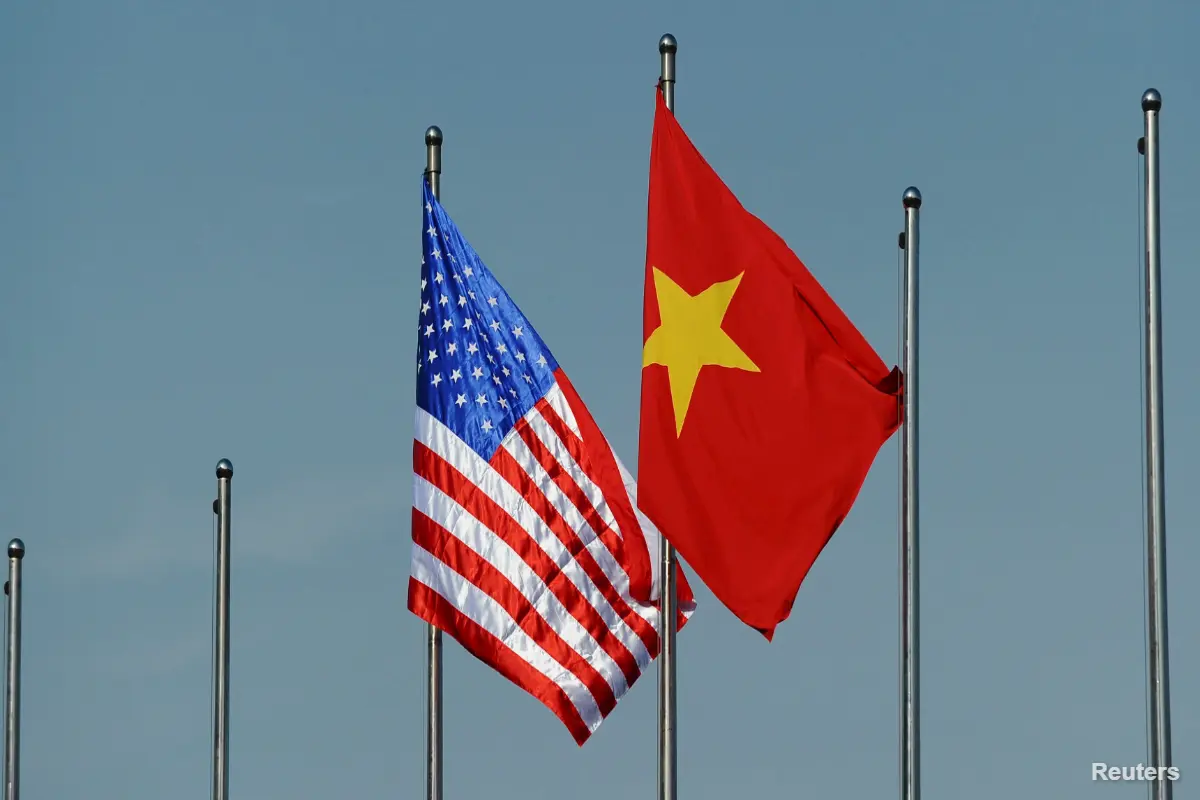
Vietnam and the United States have reached the final stage of negotiations on a reciprocal trade agreement following high-level talks in New York on Monday morning.
US Trade Representative Ambassador Jamieson Greer confirmed that bilateral negotiating teams have made significant progress and are very close to reaching a final outcome.
High-Level Talks in New York
Vietnam’s Party General Secretary and President To Lam met Greer during his visit to attend the 81st Session of the UN General Assembly, affirming Vietnam’s commitment to advance bilateral ties with President Donald Trump’s administration.
Lam stated that trade and investment remain a central pillar of bilateral relations. Vietnam has increased its purchases of American goods in recent years to address trade imbalances, generate employment, and support industrial supply chains in both nations.
Addressing Section 301 and Market Access
Greer credited Vietnamese officials for actively working toward trade parity. Once concluded and ratified, the reciprocal trade deal will establish enforceable terms covering market access, tariff structures, and bilateral purchasing commitments.
A critical point on the table remains the status of United States trade inquiries. Lam urged American negotiators to adopt a comprehensive stance on unresolved disputes, particularly trade investigations launched under Section 301 of the United States Trade Act of 1974.
Supply Chain Realignment Across Southeast Asia
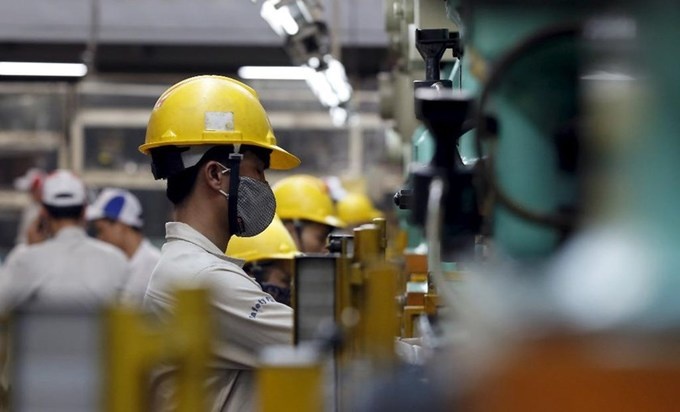
For consumer brands and contract manufacturers across Southeast Asia, a finalized trade pact provides long-sought policy certainty. Sourcing managers shifted substantial electronics, apparel, and footwear production to Vietnamese industrial hubs over the past decade, creating large bilateral trade surpluses that drew regulatory scrutiny in Washington.
Securing a reciprocal pact reduces tariff risks for export manufacturers in northern and southern Vietnam. It also creates clearer pathways for United States agricultural, energy, and machinery exporters looking to expand distribution into fast-growing consumer markets in Ho Chi Minh City and Hanoi.
Next Steps on Agreement Timelines
The bilateral economic dialogue builds on several years of diplomatic upgrades between Hanoi and Washington. Previous rounds focused on currency practices, timber sourcing reviews, and customs compliance.
Negotiating teams from both countries are working through the remaining text of the agreement ahead of formal legal scrubbing. The final outcome hinges on settling the scope of the Section 301 trade provisions before leaders present the deal for executive signing.