Tag: trade finance

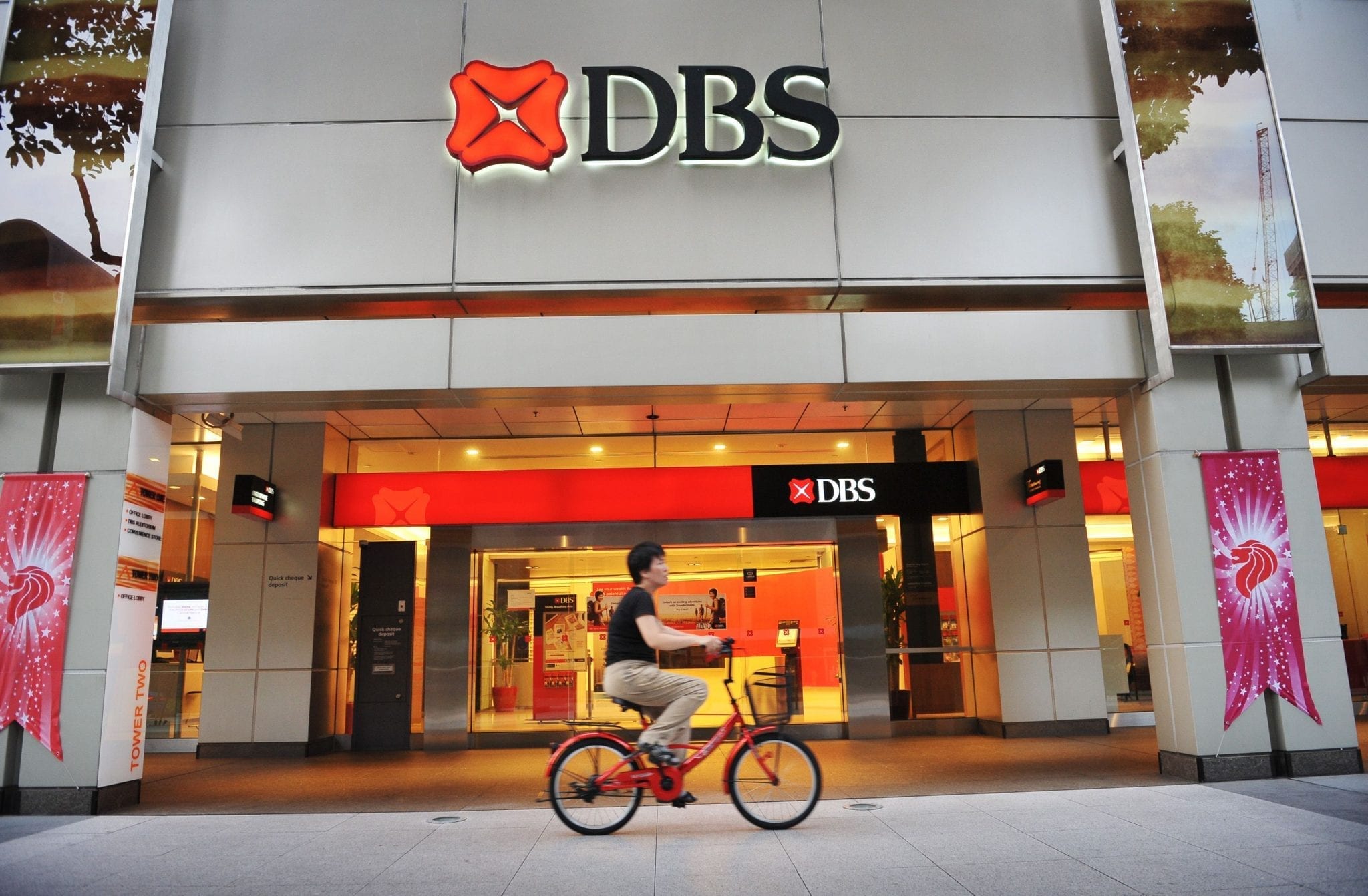
  • DBS Survey Finds 88% of Businesses Use or Pilot Tokenised Money

    DBS Survey Finds 88% of Businesses Use or Pilot Tokenised Money

    Corporate adoption of tokenised money reached 88 per cent among large enterprises deploying or piloting digital asset tools across 11 key markets, according to findings released on October 28 by Singapore lender DBS Bank.

    The study surveyed 422 senior business and treasury leaders from companies generating more than US$500 million in annual revenue across Australia, China, Germany, the UK, and the US.

    Roughly two-thirds of surveyed companies have already put tokenised money to work at scale or introduced it across selected regional operations. Businesses are relying on digital assets to manage cross-border corporate liquidity and open settlement corridors into new geographic markets without relying on traditional correspondent banking rails.

    Stablecoins take the lead in corporate liquidity

    Stablecoins emerged as the single most adopted tokenised instrument in the survey, with 63 per cent of corporate leaders reporting active use. Tokenised commercial bank deposits followed at 53 per cent, while tokenised money market funds accounted for 52 per cent.

    Treasury teams prefer stablecoins because they settle instantly across fragmented networks without waiting for clearing house cut-offs. Lim Soon Chong, group head of global transaction services at DBS Bank, pointed to friction in legacy payment processing as a prime driver.

    “Stablecoins, as you know, offer better fungibility across payment intermediaries, not just across banks. They are less cumbersome from a permissioning standpoint,” he said.

    The speed of liquidity rebalancing gives commercial operators direct control over working capital. Cross-border wholesalers and supply chain aggregators save days of trapped cash during supplier invoicing and customs clearance runs.

    Southeast Asia leads target markets for business expansion

    Corporate expansion strategies remain centred on Asia-Pacific corridors, with Southeast Asia ranking as the top destination for cross-border capital deployment. Australia and New Zealand took the second position for corporate entry, followed closely by India in third place.

    Consumer goods distributors, e-commerce platforms, and logistics operators moving capital across these growth corridors face sharp exchange costs and clearing delays under bilateral banking rails. Tokenised rails allow international firms to bypass batch clearing, running continuous payouts directly to supplier balance sheets across Association of Southeast Asian Nations economies.

    The operational shift changes how multinational retailers fund local inventory. Instead of pre-funding merchant accounts days ahead through intermediary banks, corporate treasurers can keep capital centralised until invoices come due at the point of fulfillment.

    Trade settlement tilts toward the Chinese yuan

    Bilateral payment preferences are shifting alongside tokenisation infrastructure. More than half of corporate executives surveyed in both Australia and the UK stated they are considering settling cross-border trade in Chinese yuan over the next one to two years.

    Recent appreciation in the currency has prompted Chinese exporters to offer improved commercial pricing and credit terms for contracts denominated directly in renminbi rather than US dollars. Exporters in China are actively shifting counterparty terms to avoid foreign exchange volatility on their own domestic books.

    The commercial incentives align with Beijing’s ongoing campaign to widen international adoption of its sovereign currency across key trade routes. Western and regional importers buying goods manufactured in China gain direct supplier discounts by settling directly in yuan, reducing exposure to dollar conversion fees.

    Earlier pilots set the stage for commercial rollouts

    The survey data shows those experiments have moved out of development labs and directly into commercial treasury departments. Multinationals with annual turnover exceeding half a billion dollars are no longer waiting for universal public central bank digital currencies, turning instead to commercially available stablecoins and deposit tokens to fix immediate cash drags.

    Corporate treasurers now face clear execution milestones as Australia and UK companies finalize contract reviews for yuan-denominated billing cycles scheduled across the coming 12 to 24 months.
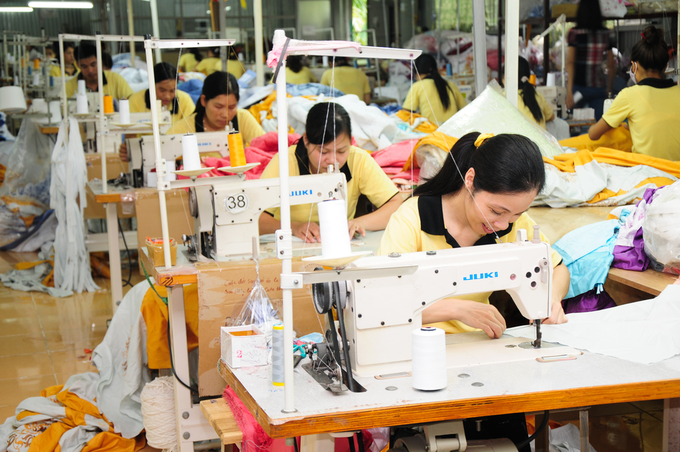

  • Bangladesh Garment Shipments to Russia Drop to $257 Million

    Bangladesh Garment Shipments to Russia Drop to $257 Million

    Bangladesh apparel exports to Russia plunged to $257.26 million in fiscal year 2025-26, down 61 percent from pre-war highs as banking restrictions and shipping hurdles severed trade corridors.

    The export drop from $665.31 million in fiscal 2020-21 ends a decade of rapid expansion that local suppliers hoped would reach $1 billion in annual sales. Garments account for more than 95 percent of all goods Dhaka ships to Moscow, led by knitwear and sweaters.

    Payment Bottlenecks and Trapped Capital

    Trade ground to a crawl after Western sanctions disconnected major Russian lenders from the SWIFT international payment messaging network following the invasion of Ukraine in February 2022. Exporters in Dhaka cannot collect funds through normal interbank channels, forcing transactions into complicated third-country clearing systems.

    Bangladeshi apparel makers now hold more than $1 billion in unpaid receivables from Russian accounts, according to Mohammad Hatem, president of the Bangladesh Knitwear Manufacturers and Exporters Association. Individual small and mid-tier knitwear suppliers carry between $3 million and $4 million each in uncollected dues, with payments stalled even on indirect shipments handled through European intermediaries such as Polish retail group LPP.

    Transit Rerouting Adds Freight Costs

    Direct ocean shipments to Russian ports have stopped entirely. Manufacturers now route consignments through overland and sea corridors across Poland, Finland, Belarus and Germany, adding transit time, border handling fees and third-party forwarding costs.

    Attempts to settle trade in alternate currencies such as Chinese yuan or Turkish lira create separate liabilities for suppliers. Factory owners face the risk of secondary sanctions or international blacklisting if transactions cross sanctioned Russian entities or non-compliant payment conduits.

    “Because of payment problems, I stopped exporting to Russia, although I used to export more than $1 million worth of garments to the country before the war,” said Rajiv Chowdhury, managing director of Young4ever Textiles, a local apparel exporter.

    Pivot to Alternative Asian Markets

    For factory operators in Dhaka and Chittagong, the collapse of direct Russian business forces a structural shift in capacity allocation. Rather than carrying the credit risk of trapped receivables, large manufacturing houses are redirecting production lines to established and emerging buyers in Japan, India, South Korea and Turkey.

    This shift increases competition across Asian consumer markets as Dhaka seeks volume buyers to replace lost European orders. Exporters that built specialised heavy-knit capacity for cold-climate markets must either convert machinery for year-round collections or compete for tighter margins in East Asia.

    Tariff History and the Line to Sanctions

    Direct garment flows between Bangladesh and Russia originally took off after 2011, when Turkey imposed a 17.5 percent safeguard duty on Bangladeshi clothing to protect domestic producers. Prior to that duty, Bangladeshi factories shipped basic garments to Turkish intermediaries, who rebranded and re-exported the finished apparel to Moscow. The Turkish tariff forced Dhaka suppliers to bypass Istanbul and establish direct commercial links with Russian retail buyers, building export volumes from nominal levels to $638.30 million by fiscal 2021-22.

    Trade bodies including the Bangladesh Garment Manufacturers and Exporters Association maintain that Russia remains a viable long-term outlet once geopolitical conditions normalize. BGMEA president Mahmud Hasan Khan noted that factory groups will focus on expanding market share across Asian retail corridors while monitoring unresolved payment settlements on outstanding Moscow shipments.

  • Bangladesh Pushes Fruit Importers to Open Credit Lines as Orange Prices Hit Tk 520

    Bangladesh Pushes Fruit Importers to Open Credit Lines as Orange Prices Hit Tk 520

    Bangladesh Commerce Minister Khandakar Abdul Muktadir pressed fruit traders in Dhaka on Saturday to accelerate letters of credit for imported produce. The push aims to curb surging retail prices.

    Retail prices for imported sweet oranges, known locally as malta, climbed to Tk 520 per kilogram. That surge came despite regular landed costs and existing customs duty schedules. Muktadir met commercial traders and state regulatory bodies at the Secretariat to demand an explanation and outline immediate supply adjustments.

    Supply deficit triggers retail squeeze

    Traders blamed container shortfalls at maritime ports for the price spike. Weekly arrivals dropped to between 12 and 29 containers of sweet oranges. That falls far short of Bangladesh’s normal daily market consumption of roughly 15 containers.

    Importers reported that compounding logistics costs, port turnaround delays, and steep import taxes forced businesses to curb order volumes. Financial losses suffered on earlier shipments also discouraged merchants from booking high-volume consignments for perishable items carrying high spoilage risks.

    Muktadir instructed the Directorate of National Consumer Rights Protection to monitor retail markets and penalise vendors charging unjustified markups. He told traders the government will not tolerate speculative pricing on household fruit.

    Tariff reassessment for dates and fresh produce

    The Ministry of Commerce offered tariff relief to encourage fresh import financing through commercial banks. Muktadir pledged that the government will review the duty structure on sweet oranges. He also promised a formal decision on date duties and taxes within the week.

    Fruit importers raised concerns over shipping windows for dates ahead of seasonal consumption cycles. International transit hurdles require early tax clarity to avoid supply bottlenecks. Customs valuation disputes have also complicated date clearances at border checkpoints.

    A representative from the National Board of Revenue confirmed that actual purchase prices across different grades of dates vary widely. Customs assessments frequently fail to reflect those tiers accurately. The Bangladesh Trade and Tariff Commission plans to meet importers to determine realistic baseline prices verified against international source markets before submitting a revised schedule to revenue authorities.

    Supermarkets face inventory costs

    Grocery chains and retail fruit sellers across Dhaka and regional urban hubs face shrinking sales margins under the import bottleneck. When fruit consignments arrive at irregular intervals, procurement desks compete for scarce spot containers. That drives wholesale terminal auction prices upward before stock reaches store displays.

    Lowering duty barriers without ensuring commercial banks clear foreign exchange allocations for letters of credit will keep wholesale prices elevated. Traders must also identify alternative overseas agricultural suppliers quickly to rebuild port inventory pipeline volumes before winter consumption peaks.

    Regulatory scrutiny on staple food chains

    This pricing clash follows repeated government interventions across Bangladesh’s essential food supply chains over the past year. Authorities have maintained active price ceilings and import duty waivers on core commodities such as edible oil, onions, and sugar to counteract stubborn food inflation.

    Extending formal pricing reviews to imported table fruits reflects broader consumer pressure on non-staple grocery budgets. The commerce ministry is threatening enforcement actions through the consumer rights directorate while dangling duty concessions to push commercial trading houses toward voluntary price moderation.

    Importers agreed to explore alternative overseas sourcing destinations to diversify citrus procurement away from disrupted traditional routes. Next, the Bangladesh Trade and Tariff Commission must set its new valuation schedule for date consignments before revenue collectors implement the revised import framework.

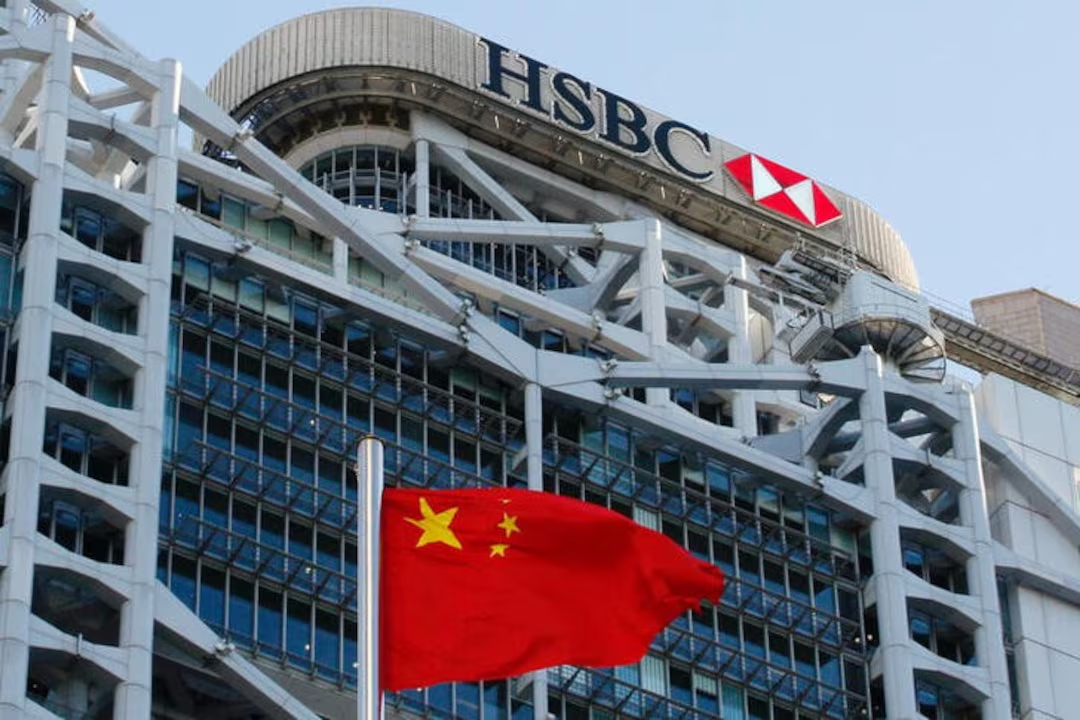
  • HSBC Targets Thailand-Japan Corridor as FDI Stock Hits $104 Billion

    HSBC Targets Thailand-Japan Corridor as FDI Stock Hits $104 Billion

    HSBC expanded banking services across the Thailand-Japan corridor as Japanese foreign direct investment stock in the Southeast Asian economy reached $104 billion.

    Japanese capital represents more than a quarter of Thailand’s total foreign direct investment base, backed by more than 6,000 Japanese companies operating across the country.

    The push comes as Japanese corporations allocate fresh capital to Southeast Asian supply chains. Japanese firms invested $1.2 billion in Thailand in 2025 and committed another $1.1 billion through June 2026, targeting operations that serve both regional and global supply chains. Takeo Kaneko, chief executive and head of banking at HSBC Group Japan, visited Bangkok to meet commercial clients alongside Giorgio Gamba, chief executive and head of banking at HSBC Thailand.

    Shifting Capital Beyond Traditional Manufacturing

    Bilateral commerce between the two nations reached substantial volumes in 2025. Japan took $23.6 billion of Thai exports as Bangkok’s third-largest export destination and delivered $29.7 billion in goods as its second-largest source of imports. Trade between the two countries has more than tripled since 1998.

    Corporate investments are shifting away from basic assembly lines toward higher-value manufacturing and technology. Capital flows increasingly target electric vehicles, advanced electronics, smart appliances, digital infrastructure, and renewable energy transition projects. Both markets are pushing domestic industrial bases up the value chain to protect margins against rising labour costs elsewhere in Asia.

    For consumer brands and component suppliers, this migration changes factory floor requirements and vendor networks. Japanese automotive and electronics manufacturers in Thailand are retooling facilities for battery electric platforms and energy-efficient appliances, forcing local component vendors to meet stricter technological standards or risk displacement by regional competitors.

    Regional Networks and Multi-Market Expansion

    Kaneko’s Bangkok stop formed part of a regional tour covering Indonesia, Malaysia, Singapore, and Thailand. Japanese multinationals are no longer treating Thailand as a single standalone production outpost. Instead, corporate treasurers are linking Thai manufacturing hubs with logistics networks in Malaysia and regional treasury headquarters in Singapore.

    Managing operations across multiple Southeast Asian jurisdictions creates specific balance-sheet demands for corporate treasurers. Companies require cross-border cash pooling, trade finance, foreign exchange risk mitigation, and supply chain liquidity that function across multiple regulatory regimes simultaneously.

    What we are seeing now is a more complex expansion agenda: regional supply chains are being redesigned, technology and sustainability are reshaping production models, and companies are looking for partners who can support them across multiple markets, not just one.

    Long-Standing Ties and Industrial Reorganisation

    Decades of bilateral industrial integration laid the groundwork for the current investment volumes. Japanese automotive assemblers and consumer electronics groups began establishing Thai production clusters in the 1980s, turning the country into an export base for the broader Association of Southeast Asian Nations. HSBC has operated in both Japan and Thailand for more than 135 years.

    Commercial ties are expanding ahead of the 140th anniversary of formal Thailand-Japan diplomatic relations in 2027. Corporate treasurers and lenders are now tracking whether the $1.1 billion in commitments recorded in the first half of 2026 converts into completed factory retooling projects before year-end.

  • US Dollar Dips to VND26,200 as State Bank of Vietnam Sets Record Rate

    US Dollar Dips to VND26,200 as State Bank of Vietnam Sets Record Rate

    Vietcombank trimmed its selling rate for the US dollar by 0.02 percent to VND26,200 on Friday, easing pressure on commercial foreign exchange counters across Vietnam.

    The State Bank of Vietnam lifted its daily central reference rate by 0.02 percent to a fresh peak of VND25,637. That adjustment set the official trading band for commercial lenders while unofficial street trade moved in the opposite direction.

    Divergence Between Official Banks and Street Trade

    Unofficial money changers pushed the greenback up by 0.23 percent to trade near VND25,880. The gap left street desks pricing dollars below the headline counters at major state lenders, reversing the usual premium seen during periods of sharp currency volatility.

    Trading desks in Ho Chi Minh City and Hanoi handled the adjustments without disruption to trade settlement. Commercial importers purchasing intermediate goods face stable landed costs at these levels, though the high central baseline keeps financing charges elevated across foreign currency credit lines.

    Regional Pressures and Central Bank Policy

    Currency desks across Southeast Asia monitored broader central bank actions as policymakers continued tightening cycles to curb imported inflation. The Bank of Japan raised its benchmark rate to 1.25 percent, marking a 31-year peak for Japanese borrowing costs.

    That policy tightening softened the yen by 0.5 percent to 156.75 per dollar, even as Tokyo’s currency retained a month-to-date gain of nearly 2 percent. A fluctuating yen shifts sourcing calculations for Vietnamese consumer electronics assemblers and industrial component suppliers that invoice contracts in Japanese currency.

    Global Dollar Index Softens Against Major Pairs

    International foreign exchange trading saw the broader US dollar index slide 0.1 percent to 100.1900. The slight retreat gave Asian central banks room to adjust baseline pegs without triggering sharp outflows from local debt markets.

    European currencies notched modest gains during the session. The British pound strengthened 0.1 percent to $1.3374 while the euro rose by the same margin to trade at $1.1491, offering mild relief to Vietnamese apparel and footwear exporters booking revenue from European retail orders.

    Operational Risks for Importers and Retailers

    Consumer goods distributors in Vietnam operate on tight margins where small exchange fluctuations determine quarterly profitability. Sustained rates near the VND26,000 threshold force brand owners to choose between absorbing currency conversion losses or raising shelf prices across imported grocery, cosmetics and packaged foods.

    Inventory planners heading into the final quarter will track the State Bank of Vietnam’s daily fixings against commercial bank ceilings. The immediate figure to watch is whether commercial selling rates stay anchored near VND26,200 as global central banks complete their latest policy reviews.

  • Standard Chartered Creates Dedicated Yuan Unit as Offshore Bond Issuance Surges 60 Percent

    Standard Chartered Creates Dedicated Yuan Unit as Offshore Bond Issuance Surges 60 Percent

    Standard Chartered appointed Jerry Zhang as global head of RMB commercialisation in Hong Kong, targeting cross-border corporate trade as offshore dim sum bond issuance jumped 60 per cent.

    Panda bond sales in mainland China rose 69 per cent during the first half of 2026, prompting international lenders to centralise their currency desks to capture corporate transaction flows. Zhang retains her position as global head of banks and broker dealers alongside the new role. The bank currently offers yuan-denominated account, remittance, foreign exchange, and trade financing services across 35 markets, spanning Southeast Asia, the Middle East, Europe, and Africa.

    Fixing Corporate Balance Sheets

    Corporate balance sheets across Asia show a persistent structural mismatch between day-to-day revenue and underlying liabilities. Internal research from Standard Chartered shows that multinational corporations generate 23 per cent of their revenue and pay 25 per cent of their procurement costs in yuan, yet denominate only 14 per cent of their debt in the currency. This exposure leaves cross-border supply chains vulnerable to sharp foreign exchange fluctuations against the US dollar.

    For consumer goods manufacturers and electronics suppliers across Asia, closing that gap requires shifting working capital facilities directly into yuan. Refinancing through local currency instruments reduces conversion costs when purchasing mainland inputs. The risk sits with corporate treasurers who delay adjusting their liability mix while cross-border trade settlements in the Chinese currency continue to rise across more than 130 partner markets.

    Liquidity Backstops and Digital Clearing

    Central bank facilities are expanding offshore liquidity pools to meet corporate credit demand. The Hong Kong Monetary Authority raised the quota for its RMB Business Facility in stages during 2026 from 100 billion yuan to 500 billion yuan. That expansion allows commercial banks to extend larger working capital loans directly to regional corporate clients operating outside mainland China.

    Clearing infrastructure is also shifting toward digital platforms. Standard Chartered joined the People’s Bank of China Cross-border e-CNY Transfer Services platform in June as a direct foreign participant, testing blockchain architecture to settle international digital yuan payments faster. The pilot connects with mainland capital market pipelines, where international investors access onshore assets through the established Stock Connect and Bond Connect routes.

    There is a natural and strong demand for greater use of the RMB internationally, not only in the traditional payment trade, but also in financing, risk management and asset allocation.

    Cross-Border Read Across for Asian Supply Chains

    International commercial banks in Hong Kong and Singapore are reorganising their debt syndication and trade desks to defend market share against Chinese state-owned lenders. Industrial and Commercial Bank of China and Bank of China have long dominated primary panda bond issuance and trade settlement clearing. By deploying a single coordination head across global transaction banking and institutional dealer desks, Standard Chartered is pitching unified pricing on cross-currency swaps, trade letters of credit, and offshore bond distributions.

    Retail importers, regional contract manufacturers, and commodity buyers in Southeast Asia face practical consequences from this banking shift. When international lenders provide integrated yuan debt alongside digital settlement rails, regional operators can negotiate direct pricing with mainland vendors without paying dollar conversion margins. Financial institutions that fail to integrate local clearing pipes risk losing corporate cash management mandates across ASEAN supply chains.

    What Regulators and Treasurers Watch Next

    Policy momentum built through mid-2026 following the Lujiazui Forum in June, where People’s Bank of China governor Pan Gongsheng launched an offshore foreign exchange trading pilot inside the Shanghai Free Trade Zone. Pan followed with 11 financial connectivity measures in Hong Kong in July, while the central bank held bilateral currency-swap agreements with more than 30 countries valued above 4.3 trillion yuan.

    Market participants are now tracking regulatory approvals that would permit offshore institutional investors to pledge onshore Chinese bond and equity holdings directly as collateral for international repo financing. Implementation dates for expanded collateral frameworks across the Bond Connect channel will determine how quickly corporate treasurers shift their liquidity buffers into yuan assets.

  • Jefferies-Linked Fund Seeks Singapore Injunction Against Radiant World

    Jefferies-Linked Fund Seeks Singapore Injunction Against Radiant World

    LAM Trade Finance Group II applied for a freezing injunction against iron ore trader Radiant World and founder Pinkesh Nahar in Singapore on Sept 7, court records show.

    The filing in the Supreme Court escalates legal pressure on the trading house. Commercial banks have frozen accounts, and trading partners cut ties over questioned invoices.

    Court Filings and Named Entities

    Court documents name Radiant World entities alongside Nahar, as well as iron ore trading firm Sapphire Minmetals and its chairman Rakesh Sethi. LAM Trade Finance Group II filed the application ahead of a Sept 9 hearing. US investment bank Jefferies holds a minority stake in the fund.

    British judges granted the fund a separate freezing order against Radiant World a week earlier. Radiant World denies all allegations of wrongdoing. Representatives for the named firms and executives did not respond to requests for comment.

    Trade Finance Exposure and Market Fallout

    Legal actions across London and Singapore show how fast credit lines vanish when financiers question collateral documents. A freezing order in Singapore stops an operator from moving capital through Southeast Asia’s primary financing hub. Commodity desks across the region are tracking the case.

    Lenders are moving to ring-fence recovery positions rather than waiting for formal restructuring. Trade finance specialist Incomlend is pursuing separate litigation against Radiant World and Nahar in Singapore. Meanwhile, Japan’s Mizuho Bank took legal steps to oust the management of Radiant World’s local operating entity.

    Police Raids and Cross-Company Ties

    Troubles for the trader widened in August 2026, when the Singapore Police Force opened an investigation into Radiant World following official reports on its operations. Glencore chief executive Gary Nagle said that month that the mining giant treated Radiant World and Sapphire Minmetals as parts of a single group. Sethi disputes that claim.

    Singapore’s Supreme Court will hear the freezing injunction application from LAM Trade Finance Group II on Sept 9.

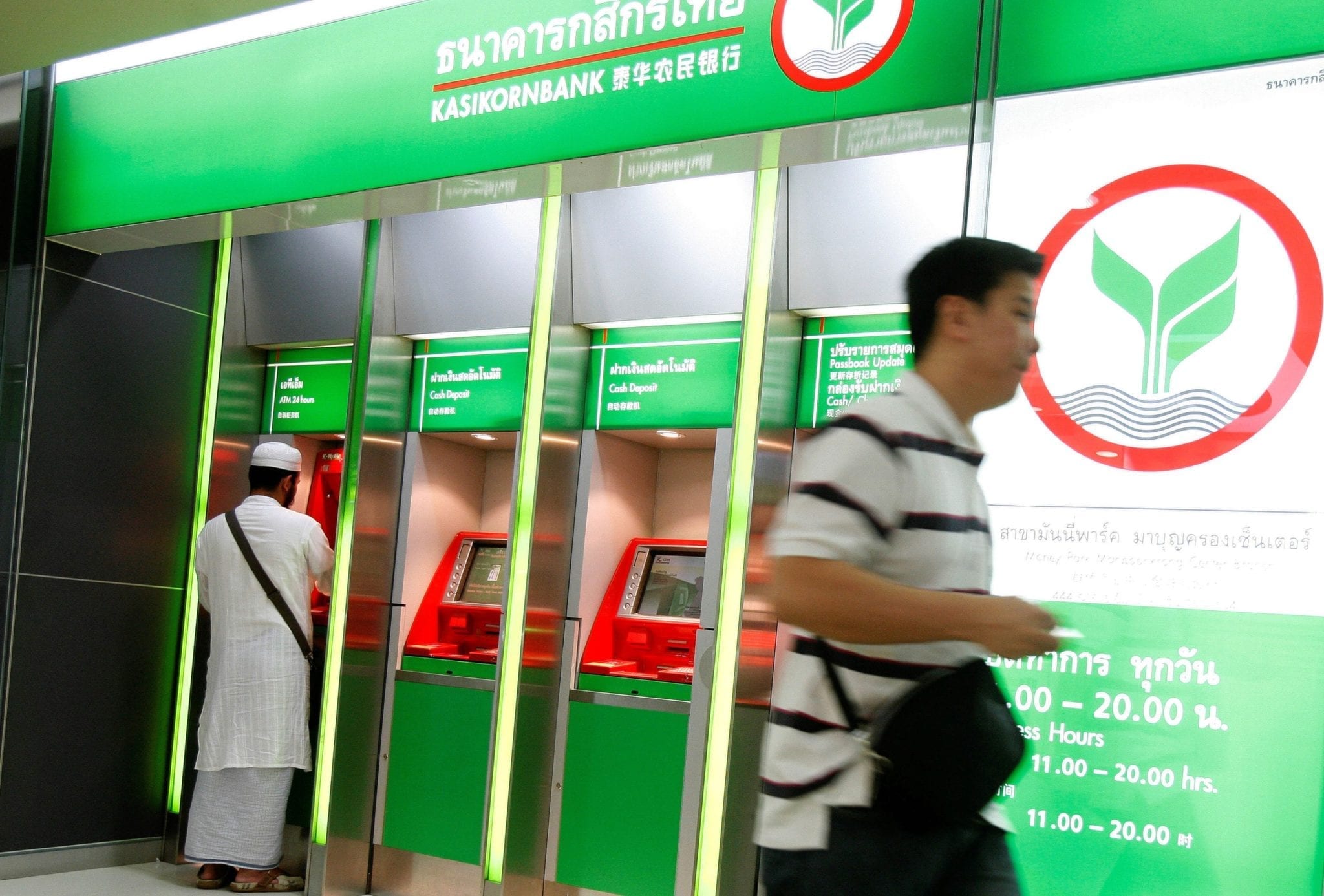
  • Kasikornbank Launches KBank Indonesia with 40 Trillion Rupiah Loan Target

    Kasikornbank Launches KBank Indonesia with 40 Trillion Rupiah Loan Target

    Thailand’s Kasikornbank has opened operations in Indonesia under the KBank Indonesia brand, targeting a loan portfolio exceeding 40 trillion rupiah by 2030.

    The formal launch follows the rebranding of PT Bank Maspion Tbk to PT Bank Kasikorn Indonesia Tbk after a multi-year acquisition drive in Southeast Asia’s biggest economy.

    KBank Indonesia will focus on corporate, commercial, and retail clients, combining Maspion’s branch network with the parent bank’s regional cross-border infrastructure. Kasemsri Charoensiddhi, chief executive officer of KBank Indonesia, said the bank will connect Indonesian clients directly to trade and investment flows with Thailand, Vietnam, and China.

    Building an 89 Percent Stake

    Kasikornbank entered Bank Maspion in 2017 with an initial 9.99 percent purchase. It took majority control in 2022 by lifting that share to 67.5 percent, before injecting roughly 3.5 trillion rupiah in 2023 to reach 84.55 percent.

    Regulatory filings from July 31, 2026, show the Thai group and its units hold a combined 89.48 percent stake in the Indonesian lender. Kasikorn Vision Financial Company Pte. Ltd. Holds 86.03 percent, Kasikornbank Public Company Limited owns 2.45 percent, and PT Kasikorn Vision Financial Indonesia holds 1 percent. Public investors hold the remaining 10.52 percent.

    Trade Corridors and Mobile Banking

    Thai financial groups have expanded aggressively across Southeast Asia over the past decade to offset slower growth and demographic shifts at home. Bangkok Bank acquired Indonesia’s Bank Permata for 2.3 billion dollars in 2020, while Kasikornbank has focused on building proprietary cross-border platforms across the Greater Mekong Subregion and Indonesia.

    Digital retail services form a core pillar of the Indonesian strategy. Maspion rolled out its MEB mobile banking platform in 2024 to adapt Kasikornbank’s small-business credit underwriting and consumer app interface for local depositors.

    The bank now faces the task of growing its balance sheet toward the 40 trillion rupiah mark while competing against established state-owned and private commercial lenders across Java and the outer islands.

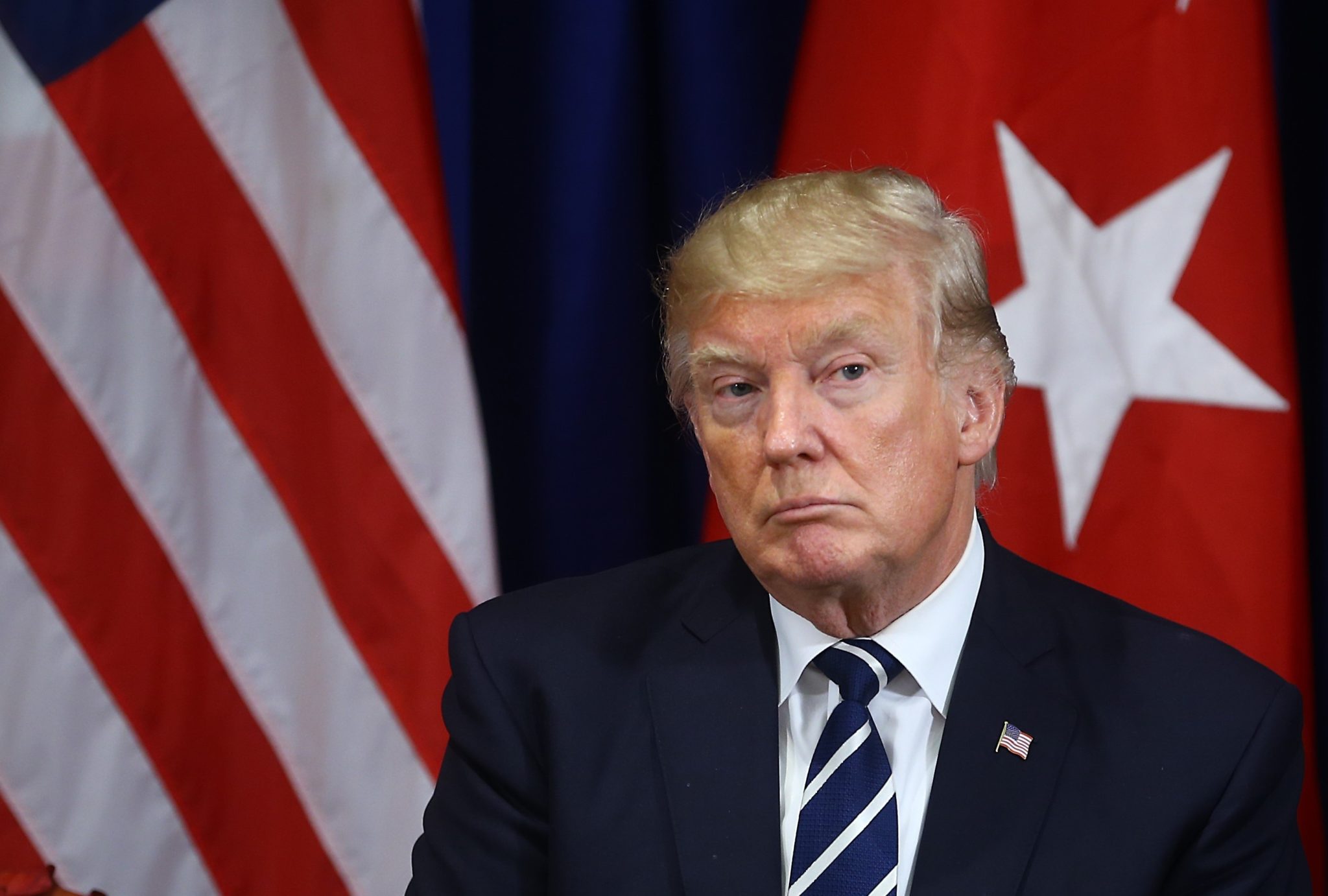
  • Trump Signals US Dollar Bans on Chinese Banks over Iran Trade

    Trump Signals US Dollar Bans on Chinese Banks over Iran Trade

    US President Donald Trump signaled plans to bar Chinese banks from the US dollar system over their commercial transactions with Iran. The warning follows the blacklisting of 60 international entities, including firms in mainland China and Hong Kong, under an enforcement push labeled Economic D-Day.

    Treasury Secretary Scott Bessent announced the initial sanctions package earlier in the week, demanding an immediate halt to commercial dealings with Tehran. The measures aim to intensify economic pressure after six months of regional conflict and disruptions in the Strait of Hormuz failed to resolve through military action or negotiations.

    Dollar clearing and secondary sanctions

    Bessent stated that any institution facilitating transactions on behalf of Iranian entities faces removal from the US dollar network. The mechanism targets secondary intermediaries, putting Chinese state-owned and commercial lenders at direct risk of losing correspondent banking access in New York.

    For corporate treasuries and supply chain operators across Asia, exclusion from greenback settlement creates immediate operational friction. Trade finance across the region relies heavily on dollar-denominated letters of credit, even when settlement involves third-party energy and commodity flows originating in the Middle East.

    Pre-summit pressure on Beijing

    Commercial lenders in Beijing and Hong Kong have maintained trade settlement channels with trading partners across the Gulf. Cutting those conduits would force corporate clients to route settlement through alternative clearing channels or drop counterparties entirely to protect broader international banking books.

    The next test arrives with the scheduled bilateral summit between Trump and Chinese President Xi Jinping in Washington, where trade enforcement and financial sector access sit at the center of negotiations.