
Tag: trade pact

  • India Pursues Trump Tariff Agreement Following UK Trade Pact Breakthrough

    India Pursues Trump Tariff Agreement Following UK Trade Pact Breakthrough

    Starting July 9, U.S. President Donald Trump’s vast array of global trade tariffs is set to roll out, posing serious implications for economies and businesses worldwide.

    In a race against time, India is working diligently to forge an agreement that could shield its exports from a hefty 26% tariff imposed on goods shipped to its largest market. However, unlike many nations navigating these choppy waters, New Delhi has a fresh strategy in place: the recently announced free trade agreement (FTA) with the U.K. This deal not only highlights India’s proactive stance but also mandates some tough choices as it seeks to solidify its trading relationships.

    With the clock ticking down to the implementation of these tariffs, all eyes are on how India can maneuver its way through the evolving trade landscape. Meanwhile, business owners and consumers alike watch anxiously, wondering how these changes will ripple through their wallets and shopping carts.

    Questions & Answers

    Questions & Answers

    What are the main implications of the U.S. tariffs for India?
    The tariffs could impose a 26% levy on Indian goods, significantly increasing costs for exporters and potentially leading to a drop in trade volumes.

    How is India responding to the impending tariffs?
    India is actively seeking trade agreements and has recently announced a free trade agreement with the U.K. as part of its strategy to mitigate the impacts of U.S. tariffs.

    What does the future hold for India’s trade relationships?
    The path ahead is uncertain, but with proactive measures like the FTA with the U.K., India is positioning itself to adapt and thrive in the changing global trade landscape.
  • EU expects free trade pact with Vietnam to take effect early 2018

    EU expects free trade pact with Vietnam to take effect early 2018

    The European Union is trying to capitalize on free-trade interest amid gloom over Trump policies.

    The European Union is seeing increased impetus around the world to move forward with Free Trade Agreements (FTA) with the bloc, which will make the most of uncertainty over the outlook for U.S. trade policy, the EU’s trade envoy said late last week.

    The EU was close to finishing or implementing FTAs with Japan, Vietnam and Singapore and was readying to start talks with Australia, New Zealand and Chile – all members of a U.S-inspired Trans-Pacific Partnership (TPP) devastated by Donald Trump’s decision to pull Washington out of the deal on day three of his presidency.

    “Today, there is political opportunity to say that those of us who believe in open markets and good trade, we are willing to do trade agreements,” EU Trade Commissioner Cecilia Malmstrom told in an interview.

    “Whether that (TPP) is dead, or partially dead, it is not for me to judge. But we have seen an increase of willingness to step up trade agreements.”

    One project thrust back on the table is an FTA between the EU and the Association of Southeast Asian Nations (ASEAN) that was abandoned in 2009 due to disparities in wealth and standards between its 10 markets.

    Malmstrom also said it should not be assumed an EU-U.S. trade deal had collapsed, despite indications the Trump administration would pursue a protectionist agenda.

    EU and U.S. officials were negotiating for more than three years on a Transatlantic Trade and Investment Partnership (TTIP) and that could be easily resumed, she said, and should not be impacted by Britain’s looming departure from the EU.

    “We have left in a tidy order, when we stopped negotiating before the change of administration,” she said. “It makes a lot of sense to facilitate trade between the EU and the U.S.”

    She added: “We need to be patient. But while waiting for more clarity from the American administration, there are lots of other partners as well.”

    Malmstrom said ASEAN, a region with combined $2.6 trillion GDP and some of the world’s fastest-growing economies, had become integrated “in an impressive way.”

    EU figures show trade between the EU and ASEAN region was worth $220 billion last year. The EU is its biggest source of investment, according to the EU-ASEAN business council.

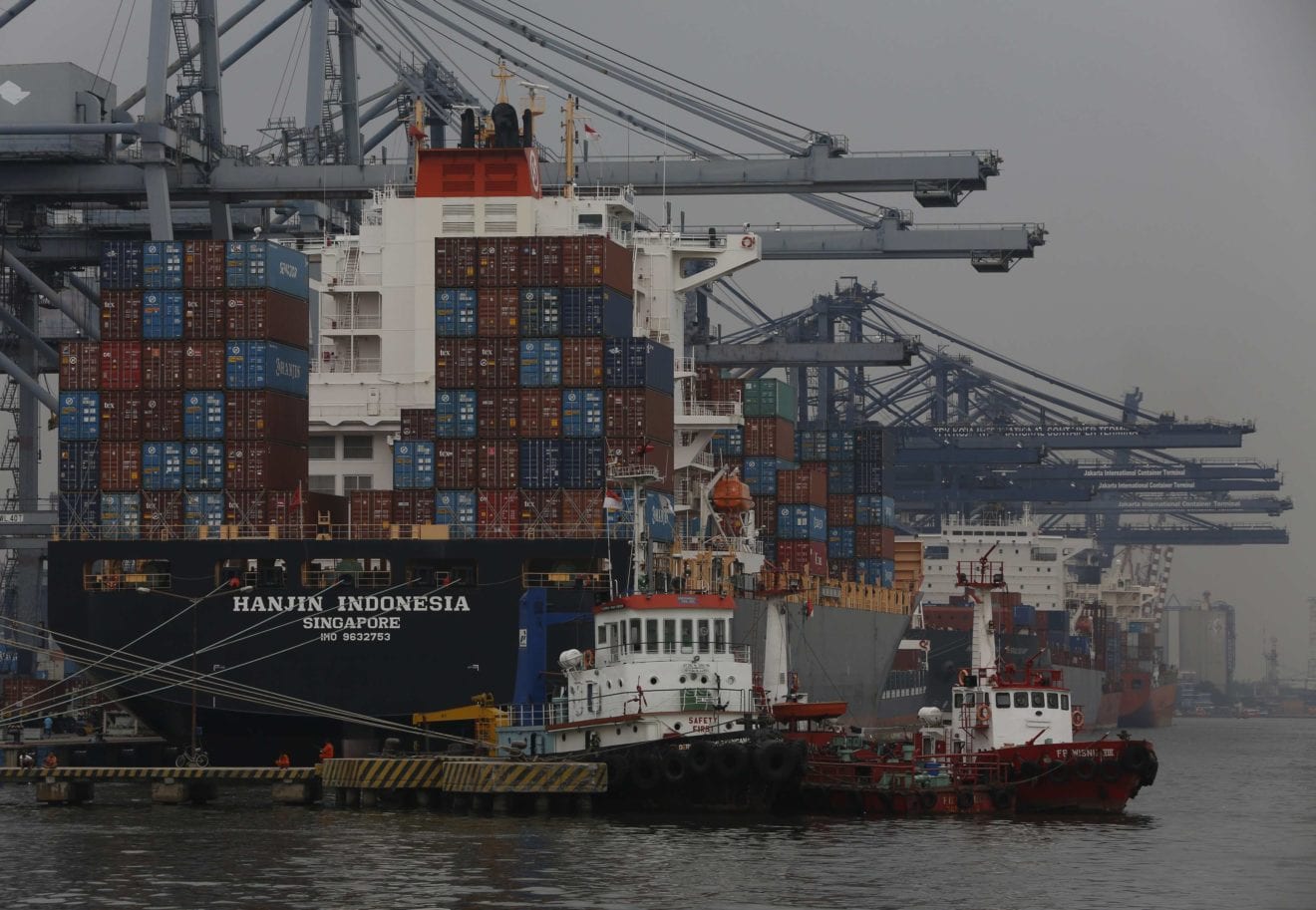
    FTAs with Vietnam and Singapore should come into force early next year, Malmstrom said, while negotiations with Indonesia and the Philippines were “at full speed” and discussions had taken place about reviving plans for an FTA with Malaysia.

    Malmstrom said establishing a bloc-to-bloc trade deal would be a challenge, so an FTA with ASEAN might be less comprehensive that others.

    “There’s still a lot of differences between the richest and poorest countries here, so there will have to be different levels and it will not be as ambitious,” she said.