Tag: trade policy

  • China Warns UK of Firm Retaliation over Electric Vehicle Tariffs

    China Warns UK of Firm Retaliation over Electric Vehicle Tariffs

    China’s Ministry of Commerce threatened countermeasures against Britain on Monday if London introduces import duties on Chinese electric vehicles. The warning follows British trade minister Anas Sarwar’s remarks confirming ongoing discussions with European partners over potential alignment with European Union tariffs of up to 45.3 per cent.

    Beijing urged the UK to follow World Trade Organization rules and maintain equal trade terms rather than copying Brussels. Automotive cooperation between both countries relies on complementary strengths, the ministry said in an official statement.

    “China will closely monitor the UK’s actions. If the UK insists on imposing restrictions on Chinese EVs, China will take firm countermeasures to safeguard the legitimate rights and interests of its industry,” the ministry said.

    London weighs European market access

    British officials are balancing domestic trade ties with European supply integration. London wants British manufacturers included in the EU’s Industrial Accelerator Act, a framework giving local production preferential access to public procurement programs.

    Exclusion from that initiative would penalize vehicle assembly operations across Britain. To secure access, EU negotiators asked London to align vehicle tariffs directly against Chinese carmakers, turning trade protection into an entry fee for European industrial policy.

    Retaliation risks for British exporters

    British Business Secretary Jonathan Reynolds acknowledged the friction in September, pointing out that the domestic automotive manufacturing base relies heavily on export markets. Any Chinese tariff retaliation would hit British luxury vehicle shipments hard, slicing into margins for premium brands that count China as their primary profit engine outside Europe.

    For Chinese original equipment manufacturers, losing tariff-free access to Britain would alter dealer pricing models and compress gross margins on mass-market models like the MG4 hatchback. Importers would have to absorb the cost difference or pass price increases to British car buyers, dampening EV adoption rates across consumer segments.

    The fallout from the 2024 duties

    Brussels imposed definitive countervailing duties on Chinese battery electric vehicles for five years in October 2024. Those levies added between 7.8 per cent and 35.3 per cent on top of standard 10 per cent baseline import duties, pushing total import taxes to 45.3 per cent for affected producers.

    Britain chose not to replicate those duties at the time, keeping its market open and becoming an essential European distribution hub for Chinese automakers. The European Commission subsequently urged London in September to eliminate that regulatory gap.

    Expansion plans continue regardless

    Chinese brands are pressing ahead with British retail distribution networks despite the regulatory dispute. Chery plans to introduce its iCar brand into the UK market under the name iCaur with the launch of the V27 in early 2027.

    That rollout will represent Chery’s fifth distinct brand trading in Britain. Whether those vehicles face standard import duties or double-digit countervailing penalties depends on the final terms London negotiates with Brussels over the coming months.


  • Hong Kong to Host 21 APEC Economies for 2026 Finance Ministers’ Meeting

    Hong Kong to Host 21 APEC Economies for 2026 Finance Ministers’ Meeting

    Hong Kong will stage the Asia-Pacific Economic Cooperation (APEC) 2026 Finance Ministers’ Meeting for the first time from October 20 to 21, hosting delegates from 21 member economies.

    Gathering at the Hong Kong Convention and Exhibition Centre, finance ministers and leading financial institution representatives will meet as part of the wider APEC China 2026 event hosted by the Ministry of Finance, with Financial Secretary Paul Chan Mo-po highlighting the city’s role as a regional connector.

    Trade exposure and direct investment flows

    Total foreign direct investment inflows into APEC economies reached an estimated US$956.3 billion in 2024, with more than US$126 billion flowing into Hong Kong, while member economies collectively accounted for 62 per cent of global gross domestic product in 2021, or US$67.7 trillion.

    Financial Secretary Paul Chan Mo-po noted that the ministerial sessions will center on four core tracks: fiscal policy, digital infrastructure funding, inclusive finance, and talent development. The agenda also covers small-business financing and productivity measures across member markets.

    Capital deployment across regional supply chains

    For cross-border operators and retail conglomerates, the ministerial agenda directly touches liquidity and transaction friction. Supply chain realignment across Asia has forced corporate treasurers to diversify trade settlements and manage currency volatility across multiple jurisdictions. Hong Kong is using the talks to position its debt markets and clearing systems as the primary conduit for those reconfigured trade corridors.

    Commercial banks face tighter regulatory scrutiny across regional corridors, making common standards on digital infrastructure financing a practical priority for lenders. If delegates align on cross-border payment platforms and green bond standards, regional retail chains and consumer goods suppliers could see lower borrowing spreads for sustainability linked projects.

    Green debt issuance and capital market rankings

    Green and sustainable debt issuance in Hong Kong exceeded US$76 billion in 2025, with approximately US$38 billion arranged as green and sustainable bonds. That pool of capital gives commercial developers and infrastructure operators access to institutional funds seeking low-carbon transition assets.

    Andrew Weir, vice-chairman of the Hong Kong Financial Services Development Council, pointed to the city’s concentration of advisory and legal firms as a structural advantage during periods of market friction. “It’s a great opportunity to clarify any areas of potential misunderstanding or clarify areas of collaboration which need deeper engagement,” Weir said.

    Strategic policy rollout before October summit

    The October summit follows the release of the Hong Kong government’s five-year economic blueprint in September. That development strategy prioritizes offshore yuan liquidity, deeper capital market links with the mainland, and expanded wealth management infrastructure. The Global Financial Centres Index ranked Hong Kong third worldwide behind New York and London in the same month.

    Finance ministers and central bank representatives will convene on October 20 to finalize joint policy recommendations on digital trade infrastructure and multilateral green funding mechanisms.

  • Japan Drops Reflation Label as Currency Friction with Washington Mounts

    Japan Drops Reflation Label as Currency Friction with Washington Mounts

    Japan abandoned its decade-long reflation doctrine this week. The government pledged fiscal discipline after currency depreciation pushed the yen to 164 against the US dollar.

    Prime Minister Sanae Takaichi told parliament that 2026 begins a period of responsible fiscal management. The statement formally disavowed the easy-money playbook championed by former leader Shinzo Abe.

    During parliamentary debates on Oct 8, Takaichi rejected the reflationary tag and laid out plans to steer domestic capital into higher-productivity sectors. That pivot followed a tense Sept 22 meeting in New York with US President Donald Trump. Trump complained that a cheap yen penalises American exporters. US Treasury Secretary Scott Bessent increased pressure shortly after, explicitly telling Tokyo to halt its reflation policies.

    Exchange Rate Pressures and Import Costs

    Tokyo spent more than 27 trillion yen on direct foreign exchange interventions in 2026 alone to defend the currency. In July, Japanese and American authorities conducted a joint yen-buying operation, their first coordinated market intervention since the 1998 Asian financial crisis. The gains faded quickly. The interest rate gap between Tokyo and global central banks remained wide.

    For retailers and consumer goods distributors across Japan, prolonged currency weakness has inflated wholesale import costs for food, energy and raw inputs. Core consumer inflation in Tokyo reached 2.7 percent year on year in September. That eroded household discretionary spending despite nominal wage growth. Retail margins on imported apparel, processed foods and electronics have tightened, forcing store chains to lift shelf prices.

    Fiscal Realities and Consumption Taxes

    Regional supply chains and consumer brands face higher borrowing costs as the Bank of Japan normalises monetary policy. Japanese conglomerates that benefited from cheap overseas earnings translation now confront shifting trade calculations. Import-reliant domestic operators stand to gain relief if the yen steadies. Still, rising debt-servicing costs present clear balance-sheet risks across the corporate sector.

    Public finances leave little room for error. Japan’s gross government debt sits near 200 percent of gross domestic product. Takaichi told lawmakers not to worry about funding gaps, yet her administration plans a two-year cut to the food consumption tax. That tax cut will erase an estimated 10 trillion yen in annual state revenue.

    Shifting Away From Easy Money

    Central bank officials raised Japan’s benchmark interest rate to 1.25 percent in mid-September, lifting borrowing costs to their highest point in 31 years. Meeting records revealed pushback from government representatives. That resistance triggered fresh yen sales before Takaichi moved to reset her administration’s messaging in parliament.

    Washington has considerable political use, particularly when exchange rates become linked to trade negotiations and the broader bilateral relationship.

    Trade friction between Tokyo and Washington has deep precedent, extending from the 1985 Plaza Accord to bilateral investment pacts where Japanese groups committed 550 billion dollars to American projects. The current dispute directly links currency valuations to bilateral trade balance metrics.

    Targeting High-Tech Industrial Investments

    Takaichi is directing state support toward industrial modernization rather than monetary stimulus. Tokyo intends to channel combined public and private capital into 17 designated sectors. These include artificial intelligence, semiconductor fabrication and commercial shipbuilding.

    The administration plans to finalise its Growth Strategy Implementation Plan before the end of December. The document will establish investment milestones toward a 370 trillion yen capital deployment target by 2040.

  • Vietnam and Cambodia Trade Hits $8.7B as Both Nations Eye $20B Target

    Vietnam and Cambodia Trade Hits $8.7B as Both Nations Eye $20B Target

    Bilateral trade between Vietnam and Cambodia reached 8.7 billion dollars in the first eight months of 2026. That represents an 8.3 percent increase year on year.

    The pace keeps both governments on track toward their target of 20 billion dollars in annual trade. Last year, bilateral trade reached a record 11.3 billion dollars.

    Vietnamese Customs figures show exports to Cambodia rose 13.8 percent to 4.3 billion dollars between January and August. Imports from Cambodia reached 4.4 billion dollars, up 3.4 percent over the same period. Vietnam currently ranks as Cambodia’s third-largest trading partner, its second-largest supplier of imported goods, and its second-largest export destination.

    Supply Chains and Commodity Flows

    Factories in Vietnam supply Cambodia with industrial inputs and finished goods, including textiles, garments, steel, footwear components, fertilizer, animal feed, paper products, plastics, and industrial machinery. Cambodia sends agricultural commodities and raw inputs back across the border. Shipments to Vietnam concentrate in 14 primary product categories, led by cashew nuts, natural rubber, cassava, rice, timber, fresh produce, and textile materials.

    The flow reflects an integrated supply chain rather than simple merchant trade. Cambodian farms provide raw commodities. Vietnamese processors then package and distribute those goods through domestic retail networks or export them overseas. Linking Cambodia’s agricultural base with Vietnam’s processing capacity and transport network yields higher margins than raw trade alone.

    Investment Capital and Manufacturing Footprint

    Companies from Vietnam hold 223 registered investment projects in Cambodia, representing nearly 3.4 billion dollars in committed capital. These ventures span agriculture, manufacturing, and telecommunications. Together, they employ tens of thousands of workers in Cambodian border provinces and industrial hubs.

    Cross-border manufacturing helps firms diversify production risks while keeping freight costs below distant East Asian supply routes. However, regulatory differences remain a hurdle. Customs procedures, technical standards, and clearance speeds still differ across the frontier.

    Transport Links and Border Infrastructure

    Border infrastructure has expanded to handle heavier commercial freight. Officials opened the Khanh Binh-Chrey Thom international border gate on October 3, 2026, linking Vietnam’s An Giang province directly with Cambodia’s Kandal province. That followed the late 2025 opening of the Meun Chey-Tan Nam crossing between Tay Ninh and Prey Veng.

    Planners now focus on connecting the Ho Chi Minh City-Moc Bai expressway to the Bavet-Phnom Penh expressway corridor. The highway link will cut transit times between southern Vietnamese ports and the Cambodian capital. It will also reduce freight rates and support industrial park development along the route.

    Policy Alignment at the Executive Level

    Government leaders reviewed economic ties at the Vietnam-Cambodia Business Forum in Phnom Penh on October 9, 2026. Vietnamese Prime Minister Le Minh Hung and Cambodian Prime Minister Hun Manet agreed to review trade pacts and eliminate border clearance bottlenecks.

    Negotiators will meet again before year-end to review cross-border trucking permits and customs data exchange protocols.

  • Vietnam Opens First Copyright Infringement Case over Japanese Media

    Vietnam Opens First Copyright Infringement Case over Japanese Media

    In October 2026, Vietnam launched its 1st copyright infringement case involving Japanese media, intensifying national efforts to combat intellectual property violations.

    Authorities in Hanoi initiated the crackdown against a website suspected of piracy following pressure from the US and Japan.

    Enforcement on illicit digital networks

    Investigators targeted an online platform that captured Japanese studio productions and distributed them locally with Vietnamese subtitles. The case represents the first formal prosecution under Vietnam’s criminal intellectual property statutes involving media assets originating from Japan.

    Unlicensed streaming hubs operating out of Southeast Asia have long undercut legitimate distributors and commercial licensing deals. Vietnamese operators frequently build high-traffic web portals that monetize foreign media catalogues through offshore display advertising networks while avoiding licensing fees.

    Bilateral pressure and international trade

    Commercial relations with Tokyo and Washington drove Hanoi to accelerate enforcement against local digital pirate rings. Both the American and Japanese governments have repeatedly pressed Vietnamese regulators to protect foreign intellectual property rights as bilateral trade and digital commerce flows expand.

    Trade officials in Washington previously scrutinized intellectual property enforcement standards in Vietnam alongside wider bilateral trade imbalances. Tokyo has similarly backed legal initiatives to assist Japanese entertainment companies in pursuing copyright lawsuits and regulatory actions across Southeast Asian jurisdictions.

    Commercial impact for digital distributors

    Licensed streaming services and entertainment companies operating in Vietnam face persistent margin pressure when competing against zero-cost pirated catalogues. Formal prosecutions alter the commercial market by raising operating risks for unauthorized platforms and establishing direct legal accountability for web hosts.

    Legitimate entertainment groups and local media platforms gain commercial ground when authorities dismantle unauthorized distribution networks. Sustained enforcement creates a clearer runway for Japanese studios, streaming networks and consumer merchandise partners seeking direct digital distribution contracts in Vietnam.

    The regulatory pipeline in Southeast Asia

    Japanese regulators have expanded regional assistance programs to help Southeast Asian emerging markets draft and enforce intellectual property frameworks. The effort aims to curb cross-border revenue leakages that cost studios and content creators billions of yen in overseas royalties annually.

    Court filings and formal trial proceedings in Hanoi will determine the scale of penalties levied against the site operators as prosecutors prepare the case for court.

  • Pakistan Raises Import Duties on Tyres and Motorbike Parts to Protect Local Industry

    Pakistan Raises Import Duties on Tyres and Motorbike Parts to Protect Local Industry

    Pakistan raised additional customs duty on imported tyres and motorcycle components on Thursday. The tariff on certain bike parts climbs to 31 per cent to shelter domestic manufacturers.

    Cabinet members on the Economic Coordination Committee lifted the additional customs duty on locally manufactured radial tyres and motorcycle components from 4 per cent to 11 per cent. Rates on motorbike parts imported by local assemblers surged from 11 per cent to 31 per cent.

    Finance Minister Muhammad Aurangzeb presided over the Islamabad meeting. The committee altered statutory regulatory order SRO 693(I)/2006 on the recommendation of the Revenue Division. These tariff hikes follow the first quarter of the fiscal year and coincide with a staff-level agreement with the International Monetary Fund.

    Higher tariffs on tyres and motorcycle components

    Imported parts that compete with local suppliers face direct penalties under the new structure. Components brought in by vehicle assemblers take the steepest hit, jumping 20 percentage points to 31 per cent. Finished radial tyres and replacement parts now carry an 11 per cent levy.

    Revenue Division documents confirm the amendment to SRO 693(I)/2006 targets imports where domestic manufacturing capacity already exists. Officials structured the differential to push assemblers toward local supply contracts over foreign procurement.

    Vehicle assemblers across the country have long relied on imported knock-down kits from China, Japan and Southeast Asia. The wider tariff gap raises landed costs on foreign parts. Assemblers must now absorb the higher expenses or negotiate domestic purchasing contracts.

    Protectionist shelter for domestic assemblers

    Component vendors gain a protected customer base in a volatile retail market. Two-wheelers dominate urban transport in Karachi, Lahore and Rawalpindi. Consequently, motorbike parts rank among the largest consumer replacement categories in Pakistan.

    Motorcycle manufacturers must now speed up vendor localisation programmes. Assemblers that failed to build local supply networks over the past decade face immediate cost disadvantages. Competitors with higher domestic parts content will hold an edge.

    Retail buyers will feel the impact quickly at motorcycle repair shops and tyre dealerships. Importers of Japanese and Chinese radial tyres must raise wholesale prices or lose ground to domestic tyre makers in Punjab and Sindh.

    Credit guarantees and small business funding

    Credit guarantee measures accompanied the tariff decisions. The State Bank of Pakistan designed a structure to expand lending to small suppliers and the agricultural sector. The scheme provides 20 per cent first-loss coverage on loans to small enterprises, alongside 10 per cent coverage for medium industries and small farmers.

    Risk-sharing under the programme will flow through Agency Financial Institutions, connecting non-banking lenders and microfinance firms to state guarantees. The committee also amended the Second Supplemental Trust Deed of the Credit Guarantee Trust Fund. That step expands a housing finance facility created for the Prime Minister’s Mera Pakistan Mera Ghar initiative.

    Total supplementary grants cleared during the session reached Rs57.85 billion across 11 allocations. Within that sum, the Small and Medium Enterprises Development Authority secured Rs2 billion to execute its corporate plan.

    Restructuring state retail and infrastructure

    Industries and Production Division officials secured Rs11.329 billion to shut down the state-owned Utility Stores Corporation. The state retail chain operated thousands of discount grocery outlets nationwide. The closure forms part of a wider push to rationalise state enterprises.

    Infrastructure spending took up the rest of the major allocations. The Public Private Partnership Authority received Rs8 billion for project delivery. Meanwhile, the Ministry of Railways received Rs10 billion for the Thar Coal Rail Connectivity Project, linking domestic coal reserves to power stations and industrial buyers.

    Export Development Fund balances will also be invested in government securities to earn sovereign yields on idle trade funds. Revised customs tariff schedules take effect immediately across all major customs ports.

  • EU Prepares Hybrid Quotas as Chinese Imports Surge to 50,000 Units

    EU Prepares Hybrid Quotas as Chinese Imports Surge to 50,000 Units

    The European Commission is preparing import restrictions on Chinese hybrid vehicles after monthly shipments surged from 3,800 units in October 2024 to around 50,000 units by July 2026.

    Brussels moved toward safeguard procedures after China rejected requests for voluntary export curbs, as Chinese automakers including BYD and MG Motor increasingly pivot toward hybrid models in Europe.

    Safeguard Quotas Replace Pure Tariffs

    Under the proposed framework, Chinese hybrid models will enter the European Union under the standard 10 per cent automotive tariff up to an agreed volume ceiling. Any shipments exceeding that quota will face an additional special duty.

    Safeguard instruments apply to whole product categories rather than individual manufacturers, unlike the anti-subsidy duties on battery electric vehicles. European authorities can deploy them rapidly if sudden import surges threaten material injury to domestic car plants.

    China’s Ministry of Commerce rejected earlier requests for voluntary limits. The ministry stated that “so-called voluntary export restrictions seriously violate WTO rules and run counter to market principles and fair competition”.

    Hybrid Surge Bypasses Battery EV Duties

    Chinese automakers shifted their export focus toward plug-in and full hybrids after the European Union enacted anti-subsidy duties of up to 35.3 per cent on pure electric models in October 2024. That regulatory gap left hybrid powertrains exposed only to standard baseline import duties.

    Volume surged immediately. BYD registered 11,291 units of its Seal U DM-i plug-in hybrid in Germany alone between January and September, while SAIC Motor’s MG brand expanded its European presence through full-hybrid drivetrains.

    Total hybrid arrivals from China climbed from 3,800 vehicles in October 2024 to roughly 50,000 units by July 2026. For EU policymakers, the influx sustained price pressure on domestic carmakers while increasing fleet emissions contrary to regional climate targets.

    Local Assembly Accelerates Across Europe

    Trade barriers on fully built imports are driving Chinese investment into European production hubs. BYD begins series production at its new manufacturing plant in Szeged, Hungary, before the end of the year.

    Chery is assembling vehicles alongside Ebro at a joint facility in Barcelona. Xpeng has established semi-knocked-down assembly operations with Magna Steyr in Graz, Austria. These footprints mirror agreements Japanese manufacturers struck with European authorities four decades ago, trading import caps for regional factory investments.

    For Asian supply chains, the pivot from finished vehicle shipping to local assembly shifts freight demand toward battery cells, sub-assemblies, and specialized automotive components.

    Talks Underway in Beijing

    European Union Trade Commissioner Maroš Šefčovič opened direct negotiations in Beijing with Chinese Commerce Minister Wang Wentao. The two sides are discussing export caps and minimum price undertakings across both electric and hybrid categories.

    EU trade officials want an enforceable ceiling that shields domestic manufacturing while local factories ramp up competitive electrified powertrains. Bernd Lange, Chairman of the European Parliament’s Trade Committee, stated: “The goal is to flatten the import curve and give the European automotive industry time to do its homework.”

    Negotiators must now settle terms before the European Commission formally launches the safeguard procedure. Import volumes through the final quarter will determine the quota baseline.

  • Thai Protesters Slam Foreign Companies as GDP Growth Slows to 1.9%

    Thai Protesters Slam Foreign Companies as GDP Growth Slows to 1.9%

    Thai activist groups staged protests in Bangkok against Chinese, Israeli and other foreign businesses accused of bypassing local ownership caps through nominee structures as quarterly growth slowed to 1.9 per cent in the second quarter.

    The pushback targets foreign entities operating in protected commercial sectors without direct statutory permits, prompting authorities to consider widening an ongoing enforcement campaign against proxy shareholding arrangements.

    Scrutiny on nominee corporate structures

    Demonstrators gathered outside foreign diplomatic missions, including the Israeli embassy, in October 2026, citing widespread evasion of foreign business limits and labor regulations. Under current corporate rules, foreign ownership in designated services, retail and agricultural sectors remains capped unless granted specific board exemptions or bilateral treaty waivers. Activists argue that overseas operators increasingly rely on silent local shareholders to secure operating control while running competing storefronts and logistics networks.

    Thai regulatory agencies have responded by reviewing business registrations in tourism hubs, retail districts and agricultural centers. Investigators examine voting rights, dividend distributions and bank accounts to identify enterprises where domestic shareholders act merely as legal fronts for overseas capital.

    Commercial tension across local supply chains

    For international operators and regional suppliers, heightened scrutiny on corporate structures raises immediate compliance hurdles. Foreign retailers, distributors and franchise networks operating through joint ventures must prove authentic domestic capital participation or risk sudden operational halts and corporate deregistration. The risk sits directly with joint-venture operators that structured majority-local equity on paper while retaining sole operational and financial authority.

    Local merchant groups continue to press trade authorities for tighter enforcement, arguing that foreign-backed entities flood consumer channels with subsidized imports and operate unlicensed supply chains. This pressure complicates commercial expansion for regional businesses seeking market entry through fast-tracked partnership arrangements.

    Slowing domestic momentum and investment friction

    The regulatory tightening coincides with a broader deceleration across the domestic economy, where second-quarter economic expansion reached only 1.9 per cent due to higher energy expenses and soft tourism receipts. A shifting public mood tests the country’s historic reliance on foreign commercial investment to support private sector employment.

    Yet capital inflows into capital-intensive industries remain elevated. Total investment applications filed with authorities climbed 37 per cent during the January to June period, propelled by data centers and advanced manufacturing projects that operate under statutory promotional exemptions rather than local proxy setups.

    Enforcement reviews expand into commercial hubs

    Scrutiny follows earlier municipal sweeps against foreign-operated wholesale markets and agricultural supply firms that used local nominees to trade goods reserved for Thai nationals. Commercial enforcement teams have since expanded document audits across hospitality and retail districts in Bangkok, Chiang Mai and Phuket.

    Commercial registries and enforcement agencies are now set to audit registered corporate shareholding structures across high-risk service sectors, with initial compliance findings expected before year-end.

  • Trump and Xi Summit in Washington Yields Limited Progress on Tariffs

    Trump and Xi Summit in Washington Yields Limited Progress on Tariffs

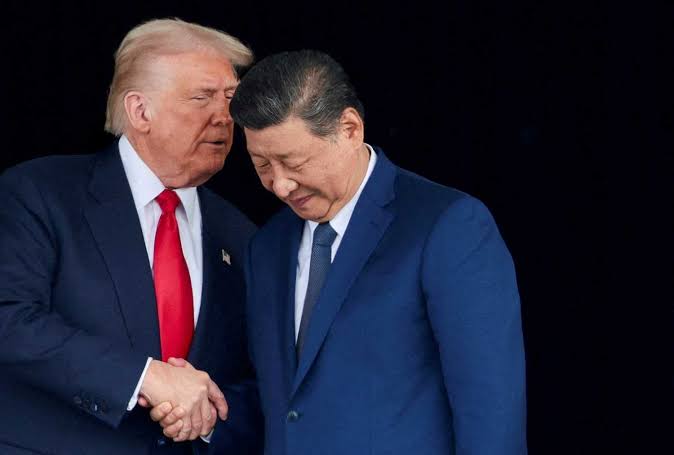
    President Donald Trump and Chinese leader Xi Jinping met in Washington last week for a summit that yielded limited progress on tariffs, leaving bilateral relations in what analysts describe as a managed stalemate.

    The limited outcomes showed how far apart Washington and Beijing remain on core economic issues, reinforcing analyst views that China sees little incentive to grant major political concessions ahead of November’s midterm elections.

    Limited Progress on Technology and Supply Chains

    Asia-Pacific supply chains face operations without clear visibility into 2027. Negotiators deferred binding settlements on critical trade disputes. These include China’s export limits on rare earth materials and US trade restrictions on advanced semiconductor shipments.

    Xi arrived in Washington seeking trade predictability as domestic retail spending softens in mainland China. Chinese factory exports have reached record levels globally. Still, falling residential property prices and persistent youth unemployment continue to depress household demand across tier-one and tier-two cities, where homeownership stands near 80 percent.

    Stalemate Over Tech Controls and Taiwan

    Artificial intelligence discussions ended without operational safeguards or a formal bilateral pact. Xi argued during the meetings that advanced computing systems must stay under direct human control. Meanwhile, the White House maintained its broader export controls on cutting-edge processors.

    Geopolitical friction also limited commercial progress. Xi reiterated that American arms sales to Taiwan cross a fundamental red line for Beijing, following a May warning that mishandling the territory could spark direct conflict. The US administration continues to hold a pending 14 billion dollar arms package for the island, using it during negotiations.

    What Operators and Exporters Face Next

    For consumer electronics makers, apparel brands and contract manufacturers across East Asia, the outcome changes little on the ground. Companies that accelerated factory shifts into Southeast Asia to dodge unilateral duties must continue carrying dual-supply chain overhead.

    Retailers sourcing consumer goods through southern Chinese hubs face an immediate cost risk early next year. The three-month extension merely pushes tariff uncertainty past the November US midterm elections without removing the threat of sudden duty hikes.

    January brings the next formal test for cross-border logistics and bilateral commerce, when the current tariff pause expires and working groups resume formal negotiations over market access and tech controls.

  • US and China Agree to $30 Billion Tariff Relief as Chinese EVs Eye Entry

    US and China Agree to $30 Billion Tariff Relief as Chinese EVs Eye Entry

    Chinese electric vehicle makers plan to enter the United States market despite bilateral trade talks in Washington on Thursday and Friday concluding without a breakthrough agreement on automotive import access.

    High vehicle prices and sustained inflation in the American domestic market keep Chinese automakers focused on entry routes even after negotiators limited bilateral tariff relief to 30 billion dollars of non-sensitive goods for each country.

    Export Volumes Drive Overseas Push

    Automakers in China are accelerating their export strategies as domestic competition reaches a consolidation point. BYD set a target of 2 million overseas sales in 2026, building on vehicle sales momentum across Brazil and Europe.

    Rising vehicle retail prices and fuel expenses in North America provide commercial incentives for Chinese manufacturers. Smaller players are also gaining global scale, with Zhejiang-based Leapmotor surpassing the global sales volumes of legacy Japanese automakers Subaru and Mitsubishi Motors.

    Competitive Shift Across Asian Automakers

    For Asian automotive supply chains, the push toward Western markets represents a permanent structural realignment. Japanese carmakers are already altering production schedules and supplier networks to counter Chinese pricing and manufacturing speed.

    Suzuki plans to halve vehicle development cycles to match Chinese design timetables, while Honda committed nearly 2.5 billion dollars to construct a dedicated hybrid vehicle assembly plant in the United States. Traditional tier-one components suppliers in Japan face margin pressure as Toyota expands extended-range electric vehicle production using Chinese facilities and local supply bases.

    Bilateral Talks and Tariff Boundaries

    The latest diplomatic meetings in Washington between United States and Chinese leaders established selective tariff relief covering 30 billion dollars of goods on each side. The bilateral framework excluded automotive imports, leaving existing trade barriers and tech scrutiny in place.

    Commercial transport startups are testing alternative international regulatory pathways in parallel. Autonomous delivery developer Neolix launched robovan trials in Belgium to build European commercial logistics operations ahead of broader international rollouts.

    Manufacturing Targets to Watch

    Market attention turns to full-year delivery reports to verify whether BYD can hit its 2 million export vehicle threshold by December 2026.

  • US and China Extend Trade Truce to Jan. 10 as Leaders Meet in Washington

    US and China Extend Trade Truce to Jan. 10 as Leaders Meet in Washington

    The United States and China have agreed to extend their bilateral trade truce through January 10, pushing back a deadline previously set for November 10 as heads of state opened their second summit of the year in Washington.

    US Treasury Secretary Scott Bessent confirmed he and Chinese Vice Premier He Lifeng agreed to the two-month extension, providing temporary relief as US President Donald Trump and Chinese President Xi Jinping hold talks amid lingering tensions over tariffs, rare earth materials and artificial intelligence.

    Carving Out Non-Strategic Goods

    Negotiators spent the run-up to the summit narrowing the range of products exposed to sudden tariff spikes. The Manhattan meetings produced an understanding to exempt nonsensitive consumer and industrial lines from future escalations, aiming to insulate everyday trade from broader geopolitical tensions.

    Bessent met with He Lifeng twice in four days to lock in the framework before official state ceremonies began at the White House. The Treasury stated that strategic stability between the two economies requires reciprocity, setting clear guardrails for subsequent negotiations covering specific import codes.

    Shifting Supply Chains and Agricultural Flows

    Prolonged tariff disputes have already redrawn key trade channels across the Pacific. American soybean shipments to China plunged from nearly $18 billion in 2022 to $3 billion in 2025, according to US Department of Agriculture data, reallocating massive bulk purchasing power to South American exporters.

    Brazil captured the bulk of that diverted demand, shipping a record 108.7 million metric tons of soybeans in 2025 with roughly 80 percent bound for Chinese processors. For Asian supply chain managers, the shift shows how quickly commodity and consumer product pipelines reroute when trade barriers persist beyond initial negotiation cycles.

    Manufacturing Strength Against Domestic Headwinds

    China enters the extended truce period holding a record trade surplus exceeding $1 trillion, maintaining its stronghold on global industrial exports despite years of Western tariff pressure. Factory output and technological adoption have accelerated across high-end manufacturing segments, expanding outward shipments to Southeast Asia and Latin America.

    Domestic retail conditions tell a different story. A protracted property downturn continues to constrain household spending across Chinese tier-one and tier-two cities, while youth unemployment stood at 18.9 percent in August. Retail operators in mainland hubs face cautious consumer sentiment, forcing domestic brands to look overseas for margin growth.

    Terms of the January Window

    Previous summit rounds in Beijing established the framework for dialogue, but commercial buyers spent recent months front-loading inventory to avoid scheduled tariff resets. Extending the deadline from November 10 to January 10 gives procurement teams a clear window to clear fourth-quarter holiday stock without sudden duty hikes.

    The next test comes as working teams draft the finalized list of nonsensitive product exemptions ahead of the January 10 expiry date. Importers, logistics carriers and retail buyers across Asia are tracking whether consumer tech accessories, apparel and packaged goods will make the permanent exemption schedule.

  • Philippines and Canada on Track to Conclude Free Trade Deal by Year-End

    Philippines and Canada on Track to Conclude Free Trade Deal by Year-End

    Manila and Ottawa have resolved major roadblocks to a landmark free trade agreement during their fourth round of negotiations, putting the deal on track for conclusion before year-end.

    In 2025, bilateral trade reached $2.15 billion, with Canada taking in $1.31 billion worth of Philippine goods, equivalent to 1.5 percent of total exports.

    Resolving Agricultural Access and Tariff Roadblocks

    Substantial progress was made during talks held in Toronto from Sept. 8 to Sept. 11, with Philippine Trade Undersecretary Allan Gepty confirming that negotiators will address remaining issues through smaller meetings and online exchanges rather than another full round.

    Agricultural tariffs represented the main point of contention during the Toronto talks, mirroring past Philippine trade negotiations with the European Union and Chile. Manila sought protection for domestic farming sectors while pushing for broader access for its food exporters across Canadian grocery shelves.

    Expanding North American Supply Lines

    For Philippine consumer brands and food manufacturers, a completed pact opens direct duty-free channels into Canada without navigating third-party transshipment hubs. Importers in Manila gain cheaper access to Canadian agri-food commodities, processed foods, and cold-chain inputs, which will lower sourcing costs for local supermarket operators.

    Canadian retailers and industrial suppliers also gain formal investment protections and clearer intellectual property rules across the Philippine market. The deal will serve as Manila’s first direct bilateral free trade treaty with a North American economy.

    Fast-Tracked Talks Across Asia-Pacific

    Official negotiations between both governments began in February 2026. Beyond tariffs on physical goods, the working texts cover service exports, business visa mobility, cross-border investments, digital commerce safeguards, and anti-corruption standards.

    Canadian International Trade Minister Maninder Sidhu arrived in Manila on Sept. 21 for two days of consultations with Association of Southeast Asian Nations economic ministers. Ottawa is running parallel regional trade talks with ASEAN alongside comprehensive partnership negotiations with India.

    Final Review Steps Before Year-End Ratification

    Legal teams from both sides will scrub the agreed treaty text through October before presenting the final document for executive signatures.

    Both governments target formal signing by December 2026, after which the treaty heads to the Philippine Senate and the Canadian Parliament for domestic ratification.

  • Pentagon Blacklist of Nearly 200 Chinese Companies Threatens Trump and Xi Talks

    Pentagon Blacklist of Nearly 200 Chinese Companies Threatens Trump and Xi Talks

    President Donald Trump and Chinese counterpart Xi Jinping will address the Pentagon’s 1260H blacklist this week after the roster expanded to nearly 200 Chinese corporate champions.

    The register now includes e-commerce group Alibaba, search provider Baidu, and electric vehicle maker BYD, creating friction across consumer technology and automotive supply chains.

    Mandated by the US Congress, the 1260H designation penalizes companies accused of assisting the Chinese military. The listing restricts designated firms from securing US government contracts and cuts off access to Washington lobbying firms under rules that took effect on June 30. Companies on the list face heightened scrutiny from international supply chain partners, institutional shareholders, and trade compliance desks.

    Court Challenges and Boardroom Pushback

    Corporate targets are fighting the designations in federal court rather than waiting for diplomatic resolutions. Alibaba, autonomous driving sensor producer Hesai Group, biotechnology contractor WuXi AppTec, and drone maker DJI have secured interim procedural victories in US district courts over evidentiary standards used by defense officials. The legal wins provide temporary relief, though federal judges traditionally defer to executive discretion on national defense matters.

    Beijing retaliated following the June blacklist updates by enforcing export curbs and procurement reviews against selected American suppliers. Chinese trade officials are now including executives from designated companies, including battery giant Contemporary Amperex Technology and optical transceiver manufacturer Zhongji Innolight, in summit delegations to force direct negotiations.

    Supply Chain Exposure Across Asia

    For consumer tech and automotive operators across the Asia-Pacific region, the expansion of 1260H creates direct commercial risk. Suppliers integrating components from BYD or Hesai must navigate secondary compliance questions when selling assembled goods into North American distribution networks. Cloud software developers utilizing AI tools from Alibaba or Baidu face parallel questions regarding data provenance, as Washington claims Chinese platforms extracted training data from US labs.

    Asian retail and hardware brands cannot treat 1260H as a symbolic naming list. Institutional investors often mirror federal defense rosters in their internal risk matrices, constraining equity valuations and raising borrowing costs across Hong Kong and mainland bourses. The practical consequence is a sharp division in enterprise software and mobility hardware: vendors must either ring-fence their Western operations or absorb complete exclusion from public sector contracts.

    I would not be surprised if Beijing raises 1260H around the summit, particularly because several prominent Chinese companies now on the list are also being discussed as part of Xi’s business delegation.

    Legislative Escalation in Washington

    The latest dispute follows a nine-year diplomatic gap that paused when Trump visited Beijing in May. The Pentagon updated the blacklist weeks after that meeting, prompting the China Daily newspaper to publish a June 14 editorial arguing the enforcement contradicted efforts to stabilize bilateral commerce. Treasury Secretary Scott Bessent attempted to calm tensions on Sunday in New York during trade talks with Vice Premier He Lifeng, establishing a bilateral artificial intelligence working group.

    Capitol Hill is pushing in the opposite direction, with lawmakers introducing 64 separate bills referencing 1260H since last year. Proposals under review in the draft National Defense Authorization Act would widen the designation criteria to target any enterprise where the Chinese state holds even a single publicly traded share.

  • Japan and ASEAN Agree to Review Economic Partnership Pact

    Japan and ASEAN Agree to Review Economic Partnership Pact

    Japan and the Association of Southeast Asian Nations agreed on Sunday at a meeting in Manila to work toward strengthening their economic partnership pact.

    The two sides will review the agreement, taking into consideration the risk of supply chain disruptions and the growing role of artificial intelligence.

    Addressing Supply Disruptions and Tech Rules

    Japan’s Economy, Trade and Industry Minister Ryosei Akazawa said at the opening of the meeting that it was time to join forces to turn challenges into opportunities under the pact, which first took effect in 2008.

    Philippine Trade Secretary Maria Cristina Roque said commercial cooperation across the bloc is growing more important as external trade pressures mount. Japan reaffirmed technical and financial support for oil stockpiles across ASEAN member nations. That aid aims to insulate regional transport networks from Middle East energy delivery bottlenecks.

    Impact on Cross-Border Trade and Logistics

    The formal review addresses mounting vulnerabilities across freight networks that carry goods for industrial operators, Japanese parts manufacturers, and consumer goods shippers. Trade lanes between Tokyo and ASEAN hubs face higher operating expenses from route diversions and fluctuating fuel surcharges. Safeguards under the pact will give multinational logistics firms more predictable clearance procedures during regional emergencies.

    New artificial intelligence provisions will establish commercial terms for digital trade, automated warehouse systems, and cross-border data routing. Retailers expanding automated fulfillment across Southeast Asia have struggled with fragmented national regulations on software compliance and automated transactions. A unified standard negotiated through the partnership reduces regulatory friction for Japanese electronics and automation vendors operating in Manila, Bangkok, and Jakarta.

    Origins of the Pact Revision

    The original ASEAN-Japan Comprehensive Economic Partnership took effect in 2008, focusing primarily on tariff elimination for manufactured goods and agricultural products. Member states expanded the treaty in 2019. That revision added updated chapters on trade in services, movement of business personnel, and direct investment protections.

    Bilateral discussions in May accelerated the current review after Philippine President Ferdinand Marcos Jr. And Japanese Prime Minister Sanae Takaichi agreed to widen the scope of the treaty. Negotiators will now draft specific treaty language covering digital governance and energy security ahead of the next ministerial session.

  • China Rejects EU Push to Cap Hybrid Vehicle Exports

    China Rejects EU Push to Cap Hybrid Vehicle Exports

    China’s commerce ministry has rejected European Union proposals to voluntarily restrict hybrid vehicle exports, stating that such measures seriously violate World Trade Organization rules.

    The ministry issued a statement on Friday in response to reports that the EU wants Beijing to limit hybrid shipments or face higher tariffs.

    EU hybrid imports from China surged from 3,800 vehicles in October 2024 to 50,000 in July 2026 as average prices fell over the same period.

    The Tariff Shift That Triggered Hybrid Volumes

    European policymakers created this opening in October 2024 by imposing countervailing duties on battery electric vehicles. Tariffs reached 45 per cent on pure electrics while hybrids remained taxed at 10 per cent. Chinese carmakers responded by redirecting production lines toward plug-in and traditional hybrids. Pure battery models met heavy import friction. Hybrid passenger cars moved freely through European ports at lower retail prices.

    Pricing pressure hit legacy European carmakers immediately. European producers idled assembly lines and cut jobs across plants in Germany, France and Italy. Trade officials in Brussels argue that uncurbed hybrid volumes threaten domestic manufacturing employment. They now seek an informal ceiling before considering a formal duty hike.

    Domestic Cooling Forces Carmakers Abroad

    Auto manufacturers in China must defend access to foreign dealerships. Domestic sales of new energy vehicles in China fell 4.6 per cent year on year in August. Assembly lines hold excess stock that local buyers cannot absorb. Export channels supply the volume needed to keep factories running profitably.

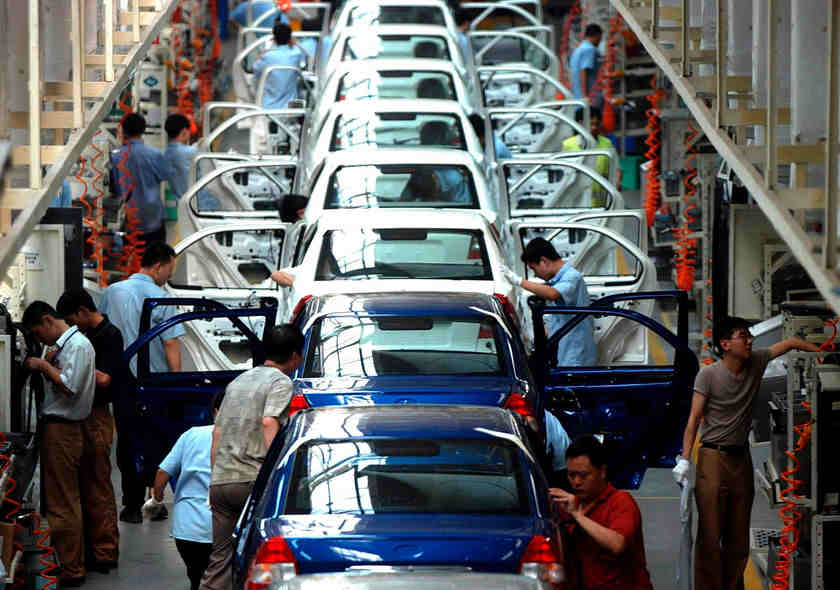
    Total vehicle exports from China jumped 65.3 per cent year on year to 1.01 million units in August, according to data from the China Association of Automobile Manufacturers. New energy vehicles accounted for 526,000 of those shipments. That represented a 130 per cent increase compared to the same month a year earlier. Overseas shipments made up 52.1 per cent of all Chinese vehicle exports in August.

    Legal Friction Replaces Bilateral Compromise

    Beijing is setting a rigid legal perimeter rather than offering commercial concessions by framing the dispute around WTO compliance. Voluntary export restraints fell out of favour under multilateral trade treaties in the 1990s. Chinese negotiators are using that status to box in European regulators. A unilateral tariff increase by the European Commission will likely trigger immediate dispute filings in Geneva alongside targeted retaliatory duties on European goods.

    Retail networks and franchise dealers in Europe face immediate supply chain uncertainty. Showrooms that added Chinese hybrid brands to offer affordable entry-level models risk sudden inventory price adjustments if the bloc implements provisional tariffs. Component suppliers also face disruptions if Chinese brands freeze showroom rollouts across secondary European markets.

    Factory Investments and the Next Regulatory Deadlines

    European officials hoped tariff pressure would force Chinese automakers into building local factories or signing joint ventures with struggling European plants. Several Chinese brands have evaluated production sites across Central and Eastern Europe. Greenfield automotive projects take three to four years before producing finished cars at scale. An export cap would starve local retail networks long before domestic European assembly begins.

    Envoys from Brussels and Beijing will meet in October 2026 for high-level bilateral trade discussions. The key figure to monitor is whether Chinese hybrid imports hold above the 50,000-unit monthly mark when third-quarter shipment data is compiled.