Tag: trade shows

  • Beautyworld Osaka Welcomes Record 37,561 Trade Visitors

    Beautyworld Osaka Welcomes Record 37,561 Trade Visitors

    Beautyworld Osaka drew a record 37,561 trade visitors over its three-day run from 19-21 October 2026 at INTEX Osaka, representing a 7.3 per cent increase from the previous year. The western Japan beauty event brought together buyers, salon operators and trade professionals evaluating commercial supplier agreements.

    A total of 573 exhibitors from Japan and overseas presented products and services across aesthetic, hair, nail, eyelash, wellness and other beauty-related sectors. International participation accounted for 91 exhibitors representing six countries and regions: China, Hong Kong, Ireland, Korea, Taiwan and Thailand.

    Organiser Messe Frankfurt deployed 12 exhibition zones across the venue floor, introducing a dedicated Sleep + Recovery zone that displayed recovery wear alongside sleep-related goods and services. The Korean Pavilion also returned to the show floor, giving cross-border companies direct access to explore sales channels and prospective Japanese business partners.

    New Retail Zones and Sourcing Floors

    Organisers divided the show floor into 12 dedicated zones, adding a Sleep + Recovery section to target consumer demand for functional sleep aids and recovery apparel. The specialized floor featured wearable recovery products alongside items intended to improve sleep routines for retail shelves.

    Business negotiations took place primarily in the Premier Hall, which housed a Clinic Care zone restricted to medical professionals. Alongside the product booths, the Japan Nailist Association staged the Osaka Nail Forum, drawing salon technicians and store owners sourcing professional inventory.

    Trade education played a central role in driving footfall across the halls. The event ran 31 presentations, technical demonstrations and seminars across seven stages, including dedicated tracks for medical aesthetics, hair and nail care. A series of hands-on workshops in the Premium Seminar program restricted attendee numbers to smaller groups to review practical application techniques.

    Cross-Border Brands Target Japanese Shelves

    The return of the Korean Pavilion gave South Korean beauty manufacturers a concentrated platform to negotiate distribution deals with regional Japanese retail partners. Western Japan remains an essential proving ground for foreign cosmetics labels seeking accounts outside the competitive Greater Tokyo department store and drugstore chains.

    For retail buyers and department store category managers, expanding the show into sleep recovery items reflects a broader shift on pharmacy shelves toward functional wellness. Japanese consumers increasingly treat nighttime recovery as part of daily personal care rather than a medical issue, prompting buyers to secure inventory that pairs topical cosmetics with functional apparel.

    The competition between domestic beauty distributors and incoming regional suppliers now centers on retail shelf allocations for hybrid wellness goods. Retail operators face inventory risk if they commit display space to premium recovery wear before consumer adoption catches up to promotional claims, yet drugstores that ignore sleep merchandise risk ceding foot traffic to specialty lifestyle chains.

    Trade Fair Network Expands

    The Osaka show forms part of a broader commercial network managed by Messe Frankfurt, which operates Beautyworld trade exhibitions across nine cities including Tokyo, Fukuoka, Nagoya, Taipei, Dubai, Riyadh, Tashkent and Grasse. Osaka serves as the company’s anchor commercial gateway for the Kansai regional market.

    The 2026 turnout surpassed the previous year’s gate figures across all three exhibition days, demonstrating steady procurement budgets among salon chains and retail distributors despite broader cost pressures across consumer goods supply chains.

    The next edition of Beautyworld Osaka is scheduled to run from 18 to 20 October 2027, taking over Halls 1, 2, 4, 5, 6A and 6B at INTEX Osaka.

  • Japan Oshikatsu Fan Economy Reaches 4.1 Trillion Yen as Retailers Target Youth Spending

    Japan Oshikatsu Fan Economy Reaches 4.1 Trillion Yen as Retailers Target Youth Spending

    Japan’s fan-merchandising market reached an estimated valuation of ¥4.1 trillion ($25 billion). Spending on character and idol devotion has turned into a steady retail pillar despite inflation.

    Locally known as oshikatsu, the sector spans manga figurines, Hello Kitty accessories, virtual streamers, and pop idols.

    Surging Supplier Participation at Tokyo Trade Show

    Commercial interest filled the Oshikatsu Expo in Tokyo last month. More than 240 supplier booths pitched products directly to talent agencies and intellectual property managers.

    Vendor participation grew twelvefold from roughly 20 exhibitors when the trade show launched two years ago. Mainstream manufacturers and novelty producers are shifting factory capacity toward licensed character goods.

    Central Bank Tracks Dedicated Youth Outlays

    Resilient category spending caught the attention of the Bank of Japan. The central bank flagged fan-support purchases as a sustained driver of consumption among younger demographics.

    Broader retail sales face pressure from domestic price inflation and real wage drops. Spending on favorite personalities and animated figures remains steady. Fans treat these purchases as essential monthly budget items.

    Shifting Inventory Dynamics for Retail Operators

    The expansion of oshikatsu changes floor space yields for store operators and merchandise distributors. Traditional mass-market novelties are giving way to higher-margin, specialized collectibles produced in limited runs.

    Supplier financial risk sits in licensing concentration. Production runs must synchronize tightly with fast-moving entertainment cycles. Vendors face losses if a character’s popularity fades before inventory clears distribution channels.

    Next Pipeline for Character Merchandising

    Agency managers expanded commercial licensing deals across everyday consumer categories over the past two years. The subculture hobby quickly became a mainstream retail channel.

    Attention now turns to autumn merchandising orders. Brand managers will see whether the 240 trade suppliers can maintain order volumes as production costs rise across Japan’s manufacturing sector.

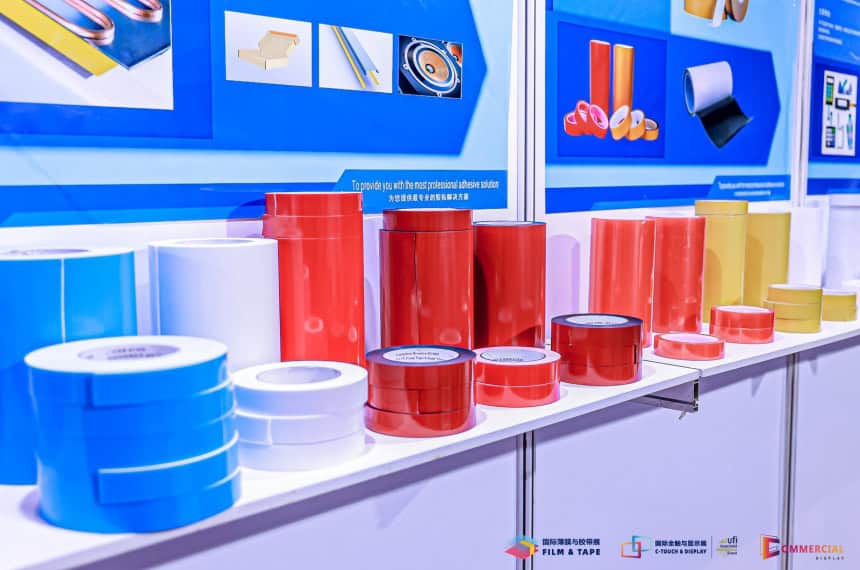
  • Film & Tape Expo 2026 Sets Shenzhen Gathering for 1,200 Materials Suppliers

    Film & Tape Expo 2026 Sets Shenzhen Gathering for 1,200 Materials Suppliers

    Kuozhan Exhibition Services will run Film & Tape Expo 2026 in Shenzhen from October 27 to 29, gathering 1,200 exhibitors across 80,000 square meters of floor space. The trade show targets component makers in consumer electronics, automotive manufacturing and semiconductor packaging.

    Organisers expect more than 60,000 commercial buyers at the Shenzhen World Exhibition & Convention Center in Bao’an. The show includes 30 technical conferences, over 200 product launches, and roughly 3,000 pre-arranged one-to-one supplier meetings under a dedicated matchmaking programme.

    Sourcing Across Hardware and Battery Chains

    Exhibitors will present functional films, adhesive tapes, chemical raw materials, and precision converting machinery. Demand centres on high-grade materials for lithium battery separators, aluminum-plastic packaging, and tab adhesives required for electric vehicle powertrains.

    Display manufacturers will source optically clear adhesives, polyimide films, and optical layers tailored for foldable handsets and automotive digital dashboards. Semiconductor suppliers plan to exhibit wafer tapes, thermal interface materials, and protective release films used in microchip assembly.

    Supply Chain Consolidation in South China

    Shenzhen remains the operational centre for South China’s consumer hardware ecosystem. Staging the event inside Asia Material Week allows industrial buyers to source specialty chemical inputs alongside downstream converting equipment in one visit.

    For consumer electronics brands and automotive tiers across Asia, access to domestic film and tape producers offers a way to trim bill-of-materials costs. Heavy capital spending on advanced coating machinery in China has steadily narrowed the quality gap with Japanese and Korean specialty chemical makers, tightening price competition across standard optical and protective grades.

    Trade Matching and Technical Forums

    The 2026 edition follows previous annual gatherings that expanded from base converting equipment into precision semiconductor substrates. Industrial procurement teams increasingly require custom die-cutting and heat dissipation solutions rather than off-the-shelf roll stock.

    Technical sessions across the three days will cover thermal management, multi-layer ceramic capacitor materials, and flexible printed circuit substrates. Floor registration and commercial matchmaking bookings open ahead of the October 27 start date.

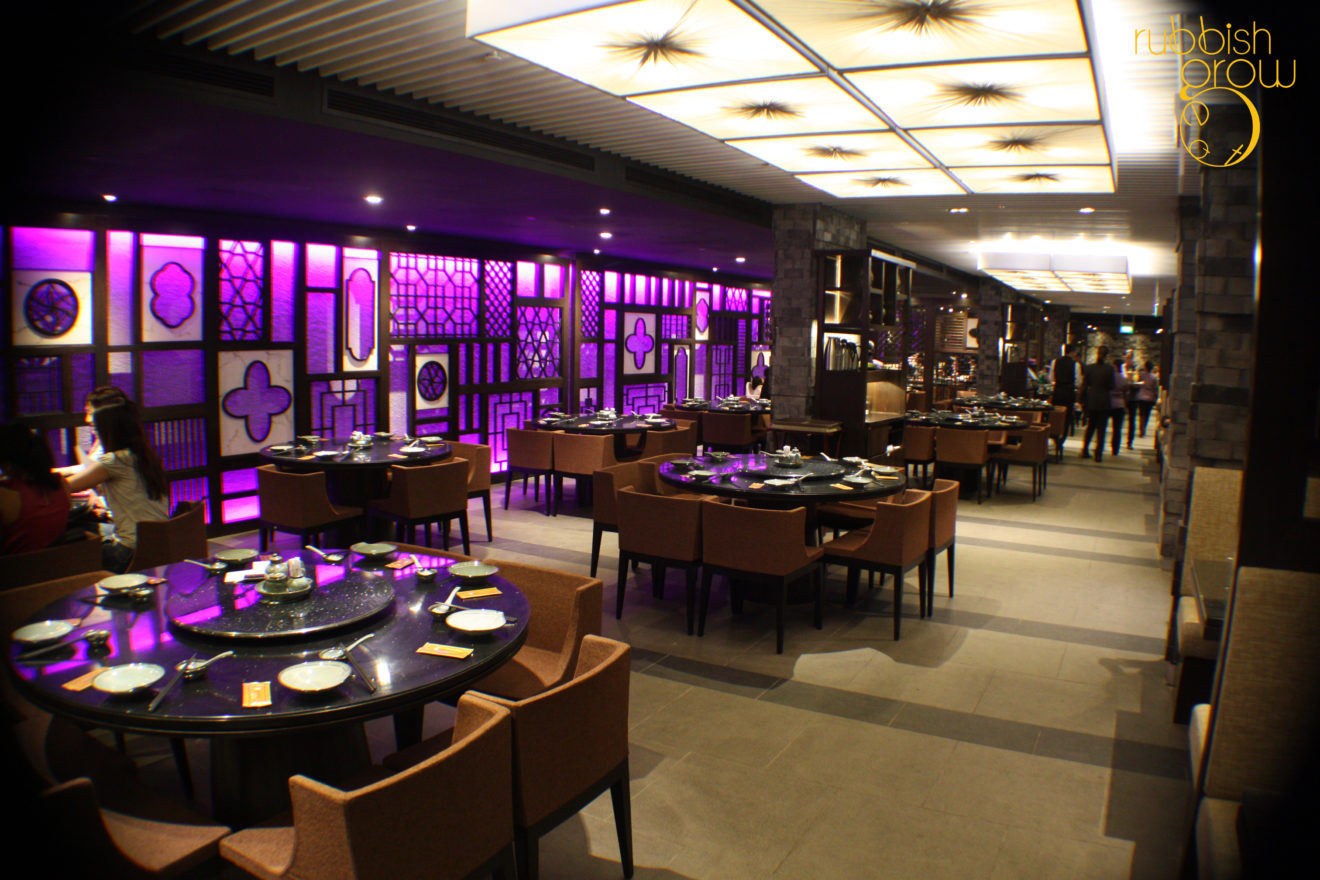
  • Informa Opens Restaurant, Bar & Café 2026 with 400 Brands in Hong Kong

    Informa Opens Restaurant, Bar & Café 2026 with 400 Brands in Hong Kong

    Informa Markets opened the 2026 edition of Restaurant, Bar & Café Hong Kong on September 1. More than 400 commercial brands across 11 countries and regions are taking part. The trade exhibition runs for three days at the Hong Kong Convention and Exhibition Centre. Organisers expect to draw over 9,000 commercial buyers, operators and hospitality suppliers.

    Eight commercial sectors are represented, spanning food and beverage, coffee, hospitality equipment, natural products and front-of-house technology. Informa co-located the show with the Retail Asia Conference and Expo. That pairing links traditional foodservice procurement directly to retail automation, point-of-sale software and artificial intelligence systems.

    Equipment Debuts and Dedicated Sourcing Zones

    Exhibitors are using the floor to debut equipment and raw ingredients in Asian commercial channels. Hardware displays include the FSWAAI automated packing and labelling scale, as well as robotic dispensing units from Tao Bin Smart Beverage Machine (HK) Limited. Food suppliers brought premium lines such as Marble King Full Blood Wagyu and Kochi Prefecture chicken from Japan. These items target upscale restaurant buyers looking for differentiated menus.

    Dedicated sourcing zones divide the floor to speed up buyer meetings. The Japan Sake & Spirits Pavilion groups regional distillers and brewers. Nearby, the Eco-Innovation Hub concentrates on biodegradable packaging and certified organic food products. The Specialty Coffee Corner features live demonstrations at a dedicated Brew Bar, connecting green coffee importers with independent café chains.

    Retail Technology and Automation Take the Floor

    Hong Kong restaurant operators face heavy margin pressure from high rents and kitchen staffing shortages. Automation is no longer optional. Dining chains must automate basic prep work, weighing, inventory control and beverage delivery to protect their margins. Suppliers displaying self-service beverage dispensers and automated packaging systems are pitching directly to quick-service operators seeking to trim back-of-house headcount.

    Landlords and food hall operators face equal pressure to refresh tenancies with destination dining concepts. Store layouts increasingly require digital ordering kiosks, automated inventory integration and rapid takeaway counters. The commercial risk falls hardest on small operators. Many face steep capital costs when adopting proprietary smart kitchen tech that takes years to deliver a return.

    Demographic Shifts Drive Sourcing Priorities

    Consumer demographic shifts across East Asia shape this year’s conference programme. Organised with KPMG, the Retail Asia Conference focuses on artificial intelligence adoption and younger consumer engagement. On the final day, the IFSA Food Safety Symposium addresses nutrition and texture formulations tailored specifically to an ageing population.

    Local trade shows are working to rebuild international exhibitor numbers following years of travel disruptions and tighter regional budgets. Earlier editions saw smaller regional turnouts. Drawing 11 exhibiting jurisdictions sets a benchmark for the city’s cross-border hospitality trade recovery.

    Events wrap up on September 3 with the Hong Kong Coffee Challenge finals, the Pairing Sensations Awards and the release of final verified trade buyer attendance figures.

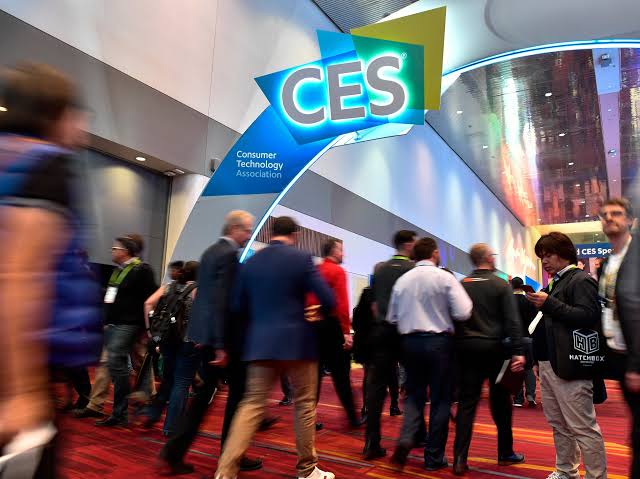
  • CES Asia Unveiled Expands to Seoul in Partnership with KES

    CES Asia Unveiled Expands to Seoul in Partnership with KES

    CES Asia Unveiled is expanding into Seoul through a formal partnership with the Korea Electronics Show. The tie-up connects the regional preview platform directly with South Korea’s primary trade gathering for consumer electronics, appliance manufacturers and component suppliers.

    Organisers designed the Seoul event to give domestic tech makers, retail buyers and international media an early look at product launches ahead of the main global exhibitions. South Korean conglomerates and hardware startups will gain a dedicated stage to demonstrate consumer hardware, artificial intelligence applications and smart home devices to regional distributors.

    Bringing Preview Formats to South Korea

    The Seoul expansion reflects South Korea’s position as a dominant exporter of consumer electronics and display technologies. By collaborating with the Korea Electronics Show, the platform integrates local exhibition infrastructure with international brand networks that typically anchor large-format consumer technology shows across Asia.

    Participating companies will present products across smart appliances, mobility solutions, gaming hardware and personal devices. The format focuses on direct business matchmaking, pairing device manufacturers with Asian retail operators, ecommerce platform buyers and regional supply chain partners seeking early product inventory.

    Regional Competition in Consumer Electronics

    Trade event organisers across the Asia-Pacific region continue to adjust their calendars to secure hardware debuts from top tier manufacturers. While previous editions of regional technology shows concentrated heavily in Shanghai and Tokyo, trade bodies are increasingly setting up multi-city formats across key consumer markets in Northeast Asia.

    For South Korean electronics suppliers and regional distributors, the joint event provides immediate access to product roadmaps without requiring travel outside the domestic market. Registration timelines and exhibition schedules for the joint Seoul show will open through official trade channels as participating brands finalize their regional product lineups.