Tag: Trademark

  • Louis Vuitton to Close Guiyang Store as Southwest China Footprint Shrinks

    Louis Vuitton to Close Guiyang Store as Southwest China Footprint Shrinks

    Louis Vuitton will close its only store in Guiyang on August 31, cutting its footprint in southwestern China to three locations.

    The retreat brings the French luxury house down from a peak of six stores across the southwestern region.

    An on-site notice confirmed the pending exit in the capital of Guizhou province. The closure follows a wider review of the brand’s network across mainland China, where consumer spending on luxury goods has softened and purchasing habits continue to evolve.

    Network cuts in the southwest

    Trimming regional outposts allows luxury operators to protect margins while focusing resources on premier flagship locations in tier-one hubs. Southwestern provincial capitals once served as key targets for European brands seeking newly affluent shoppers outside Beijing and Shanghai. That rapid retail buildout has steadily unwound across secondary hubs as consumer footfall and basket sizes contract.

    Legal pushback and consumer sentiment

    The network changes coincide with active trademark enforcement in mainland courts. In July, Chinese beverage chain Molly Tea was ordered to pay Louis Vuitton 10.3 million yuan ($1.5 million) over the use of a similar logo. While the court ruled in favour of the luxury brand, the verdict generated public sympathy for the domestic drinks company across Chinese social platforms.

    S&P Global Ratings director Sandy Lim noted that while immediate sales effects from the dispute are limited, brand perception among younger buyers requires attention. Lim stated that this emerging consumer group prioritises cultural respect alongside prestige when selecting brands.

    Operations at the Guiyang store cease on August 31, leaving three operational sites in the southwestern provinces as luxury houses track autumn demand trends.

  • Public Outcry in China as Louis Vuitton Wins Trademark Case Against Popular Beverage Chain Molly Tea

    Public Outcry in China as Louis Vuitton Wins Trademark Case Against Popular Beverage Chain Molly Tea

    French luxury fashion giant Louis Vuitton is currently in the midst of public disapproval in China, following its array of trademark lawsuits including a significant victory against the well-liked beverage chain, Molly Tea. In June, a court in Suzhou, Jiangsu province, concluded that Molly Tea, based in Shenzhen, had violated seven of LV’s registered four-petal floral trademarks. The beverage chain was subsequently ordered to pay 10.3 million yuan (approximately US$1.5 million) in damages and legal costs. Despite Molly Tea’s indication of appealing the decision, the verdict has garnered public discontent and stimulated a fervent debate across the country.

    The Dispute Fuels Chinese Public Opinion

    Initially, the argument centered on the resemblance between Molly Tea’s logo and LV’s trademarks, and the reasoning behind the fashion house’s lawsuit against a company operating in a completely different sector. However, the debate soon shifted towards determining the fine line between protecting intellectual property rights and monopolizing elements of shared cultural heritage. As seen from public discourse, a large proportion of Chinese citizens compared the four-petal floral trademarks to various elements of their cultural heritage, including the baoxiang floral designs on Tang dynasty pipa instruments, decorative window patterns in Suzhou’s classical gardens, and even older public toilet ventilation grilles and floor tiles. The critics argue that while the LV monogram has a history of about 130 years, the four-petal flower motif has been a part of Chinese culture for more than a millennia. This case has also rekindled public resentment over perceived cultural appropriation by international luxury brands.

    Public Relations Woes Despite Legal Victories

    Despite its legal defeat, Molly Tea appears to have garnered significant public support. The beverage chain’s official social media account on Weibo witnessed a surge in followers in the days following the lawsuit. Moreover, the brand gained even more backing after donating to the Guangxi Zhuang Autonomous Region, which had been affected by a typhoon.

    Meanwhile, Louis Vuitton continues to actively enforce its trademark rights in China, with numerous cases of opposition filed against designs similar to its four-leaf or four-petal trademarks. Despite some defending the luxury brand’s actions, many have accused it of monopolizing ancient Chinese motifs and exploiting smaller businesses. This controversy has impacted the brand’s foot traffic and resale market prices of popular handbags.

    Spring Chang, founding partner of IP law firm Chang Tsi and Partners, considers these controversies to highlight the gaps in legal application and communication. “If public opinion swings entirely to the view that any enforcement by a big company is bullying, that will weaken the basis for legitimate enforcement and confidence in the system over time,” she noted.

    Questions & Answers

    What is the source of the conflict between Louis Vuitton and Molly Tea?
    The conflict stems from a lawsuit filed by Louis Vuitton, claiming that Molly Tea infringed on seven of its registered four-petal floral trademarks with its logo.

    What has been the public’s reaction to the lawsuit in China?
    The lawsuit has ignited a public debate about cultural appropriation and intellectual property rights. While some defend Louis Vuitton’s actions, many see it as an example of a global luxury brand exploiting smaller businesses and monopolizing shared cultural symbols.

    How has this controversy affected Louis Vuitton’s business in China?
    The controversy has led to a noticeable drop in foot traffic in Louis Vuitton boutiques in several cities, including Shanghai, and a decline in the resale market prices of some of its popular handbags.

  • A2 Milk Triumphs in Trademark Tussle: Historic Australian Court Victory Over Care A2 Plus

    A2 Milk Triumphs in Trademark Tussle: Historic Australian Court Victory Over Care A2 Plus

    The Federal Court of Australia has ruled in favor of The A2 Milk Company in a trademark lawsuit against its competitor, Care A2 Plus. The A2 Milk Company, a dairy company based in New Zealand, has several registered trademarks in Australia, including ‘A2 Milk’ and ‘A2’, that encompass a variety of products such as milk and infant formula.

    Care A2 Plus’s Alleged Infringement

    Care A2 Plus, another infant and toddler formula producer, markets its products in Australia under the branding ‘Care A2+’. The lawsuit was initially filed by A2 Milk against Care A2 Plus in 2023. The plaintiff accused Care A2 Plus of violating its trademark rights in contravention of the Australian Consumer Law.

    The A2 Milk Company asserted that Care A2 Plus consciously used the similar ‘A2/A2+’ branding even after requests to cease. The plaintiff also claimed that Care A2 Plus indulged in litigation strategies that escalated costs, and subsequently sought either damages or an account of profits.

    Court’s Stance on the Dispute

    At a hearing that took place this past Thursday, the court backed The A2 Milk Company. However, the court mandated both parties to present further submissions before it pronounces the final verdict concerning relief, including damages and costs.

    Despite Care A2 Plus’s claims that its packing was entirely distinctive, the court maintained that the conspicuous ‘A2/A2+’ branding could potentially indicate a connection to The A2 Milk Company.

    The court justified its ruling by stating that an average consumer encountering Care A2 Plus’s products for the first time would likely presume a connection with The A2 Milk Company. The consumer might even think that these products are part of The A2 Milk Company’s range or endorsed by the company.

    Questions & Answers

    What was the dispute between The A2 Milk Company and Care A2 Plus about?
    The dispute was about Care A2 Plus allegedly infringing on The A2 Milk Company’s registered trademarks by using a similar ‘A2/A2+’ branding.

    What did The A2 Milk Company seek from the lawsuit?
    The A2 Milk Company sought either damages or an account of profits from Care A2 Plus for using a similar branding and escalating litigation costs.

    What was the court’s ruling in the trademark dispute?
    The court ruled in favor of The A2 Milk Company, stating that Care A2 Plus’s ‘A2/A2+’ branding might lead consumers to believe that there is a connection between the two companies.

  • “Tiger Triumphs over Puma: Singapore Regulators Dismiss Trademark Dispute Over ‘Big Cat’ Logos”

    “Tiger Triumphs over Puma: Singapore Regulators Dismiss Trademark Dispute Over ‘Big Cat’ Logos”

    In a recent trademark dispute involving two sportswear brands, Puma and Sun Day Red by Tiger Woods, both known for their “big cat” logos, Singapore regulators have concluded that there is no risk of causing confusion among consumers. The controversy was brought to an end by the Intellectual Property Office of Singapore (Ipos).

    Trademark Dispute Settlement

    The dispute was sparked by Sun Day Red’s trademark application, which was met with opposition from Puma. The trademarks, both featuring “big cat” designs, were scrutinized following an application submitted by Sun Day Red on January 18, 2024. Puma declared its opposition to the application just 11 days later.

    According to Ipos, the onus was on Puma to prove the likelihood of confusion between the two marks. To successfully oppose the trademark application, Puma needed to show similarities in the design of the logos, as well as in the goods and services associated with each logo.

    Brand Backgrounds

    The brand Sun Day Red was founded in 2024, with golf legend Tiger Woods and TaylorMade Golf as its creators. The brand name was inspired by Woods’ tradition of wearing red during the final rounds of golf tournaments. Puma, however, has been a staple in Singapore since 2007, when it set up its Southeast Asia hub in the city-state.

    In its defense, Sun Day Red argued that the animals depicted in the competing trademarks were distinct, highlighting that its logo features a tiger, indicated by a stripe pattern, whereas Puma’s logo is based on the animal of the same name.

    Regulator’s Ruling

    Upon reviewing the evidence presented by both parties, Ipos determined that the competing marks had significant visual differences. “The competing marks differ in terms of composition, shape, features, and movement, and these differences influence the consumer’s overall impression of the marks,” Ipos stated.

    In relation to the potential confusion among consumers, Ipos clarified that, due to the visual dissimilarities and the level of attention typically given during the purchasing process, consumers were unlikely to mistake one brand for the other.

    Questions & Answers

    What was the basis of the trademark dispute between Puma and Sun Day Red?
    The dispute centered around the “big cat” logos used by both brands, with Puma opposing Sun Day Red’s trademark application.

    Which factors did Ipos consider in resolving the trademark dispute?
    Ipos evaluated the visual similarities between the logos, the goods and services associated with each logo, and the potential for consumer confusion.

    What were the final conclusions of Ipos regarding the trademark dispute?
    Ipos concluded that the logos were visually different and that consumers would not likely confuse one brand for the other due to these differences and the degree of attention involved in the purchasing process.

  • Muji loses Chinese trademark infringement case

    Muji loses Chinese trademark infringement case

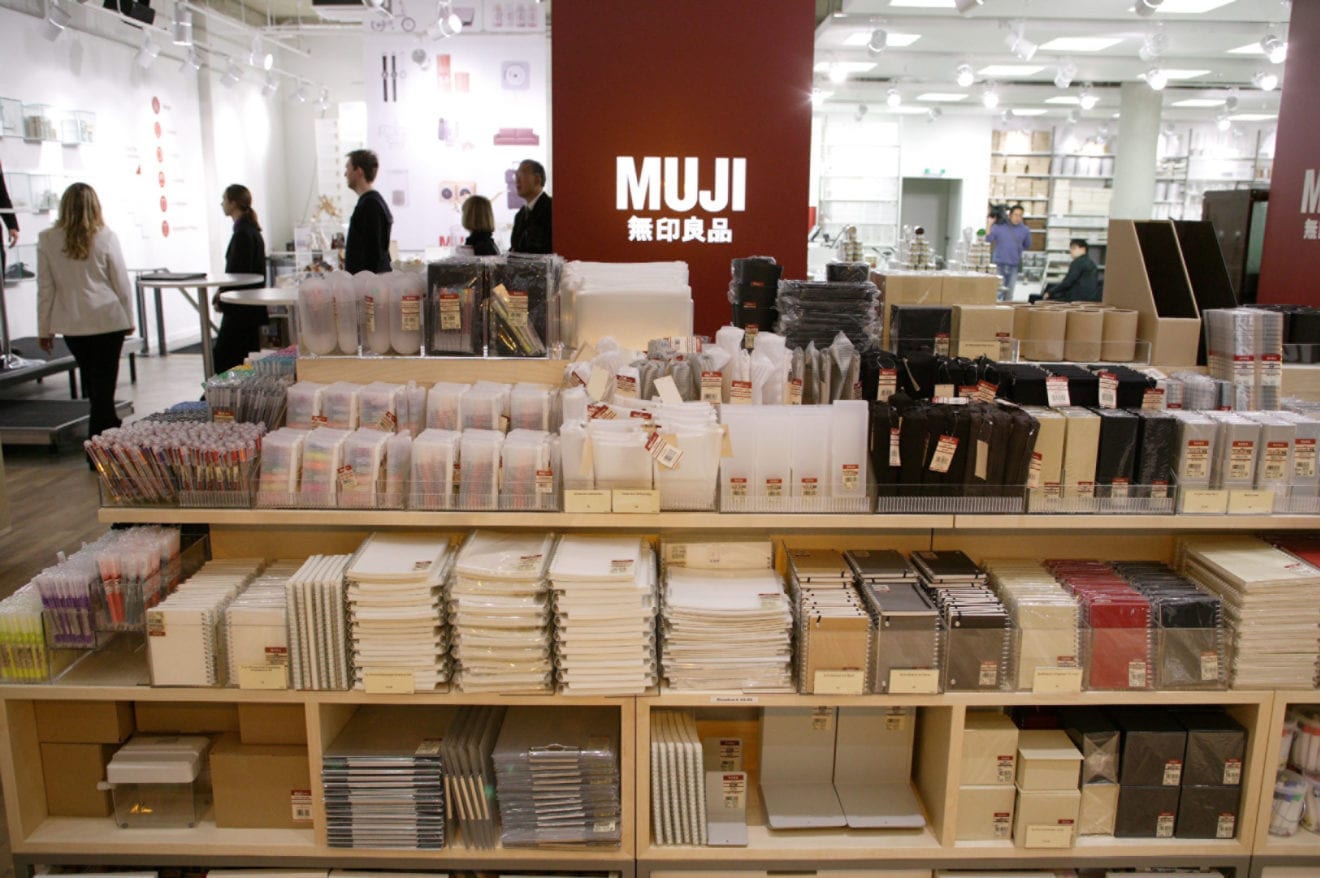
    A Chinese court has ruled Japanese retailer Muji must pay RMB626,000 (US$89,000) and apologize to a local firm after losing a trademark-infringement case, according to the South China Morning Post

    Muji had appealed a 2017 ruling finding against its use of a trademark currently held by Beijing Cottonfield Textile Corp, which was registered four years before Muji entered China, its largest market outside Japan. The Chinese characters in the trademark translate as “Unbranded, quality goods”.

    The phrase was owned by Cottonfield subsidiary Natural Mill. Muji was sued by Beijing Cottonfield and the trademark’s original owner Hainan Nanhua in 2015.

    China’s appeals court ruled against Muji this week saying “Beijing Cottonfield Textile Corp has the exclusive rights to the trademark… others may not infringe on that right without permission,” according to the South China Morning Post report.

  • Customs seizes $7 million worth of fake goods

    Customs seizes $7 million worth of fake goods

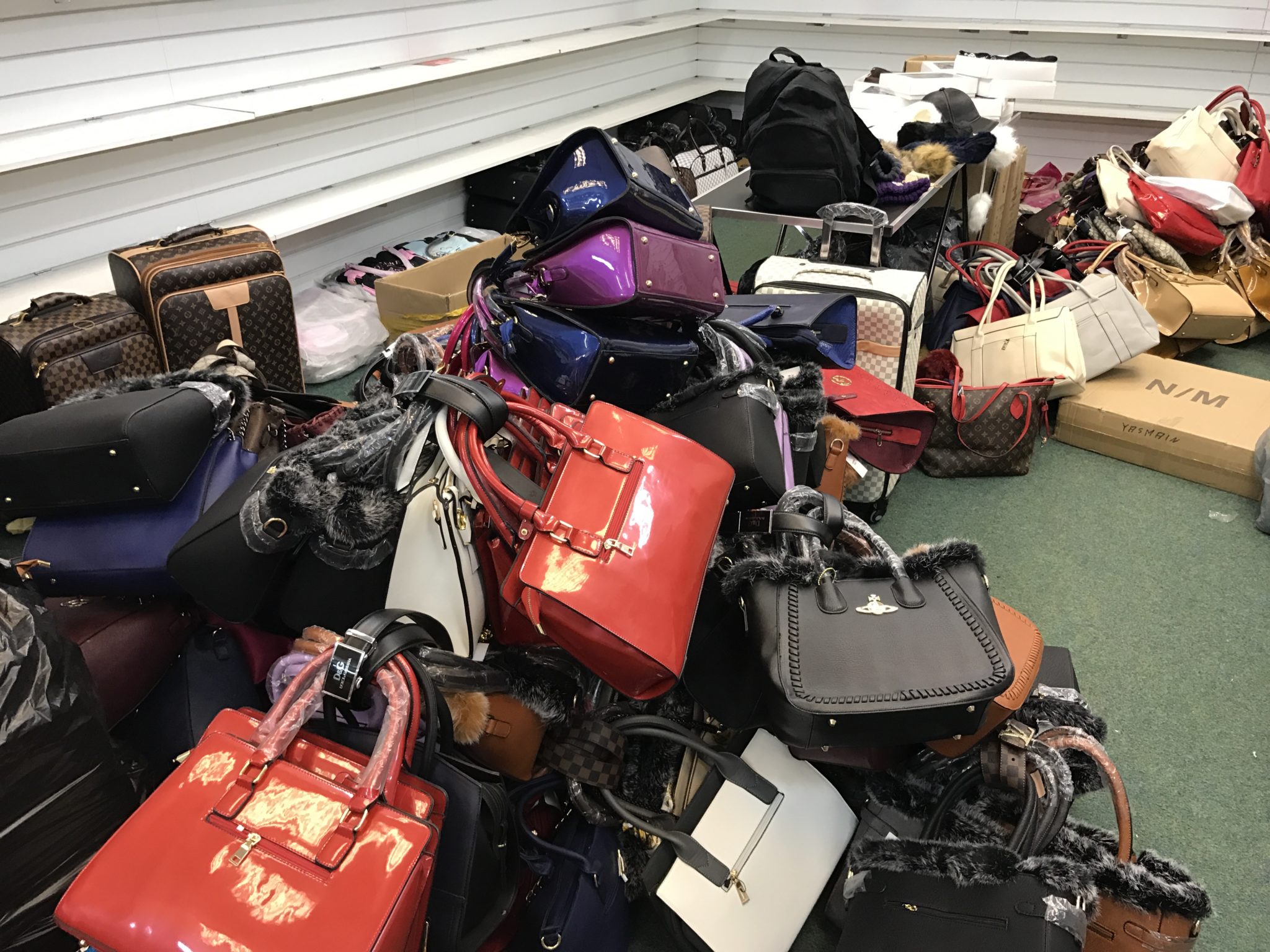
    Hong Kong Customs has seized 55,000 items of fake goods destined for the US during a three-month campaign to combat cross-border counterfeiting. The haul, some of which is shown in the accompanying photograph, included trainer, apparel, mobile phones and accessories, handbags and Beats-branded headphones.

    Customs officers estimated the value of the haul to be about HK$7 million.

    “Hong Kong Customs has been working closely with the US Customs and Border Protection using intelligence exchanges, and took targeted enforcement action between January and April including stepped-up inspection of suspicious express courier parcels destined for the US,” said a Customs spokesperson.

    “Hong Kong Customs will continue working closely with overseas law enforcement agencies to combat cross-boundary counterfeiting activities through intelligence exchanges and joint enforcement actions.”

    Under the Trade Descriptions Ordinance, any person who imports or exports any goods to which a forged trademark is applied commits an offense. The maximum penalty upon conviction is a fine of $500,000 and imprisonment for five years.

  • Counterfeit goods seized in Stanley retail raids

    Counterfeit goods seized in Stanley retail raids

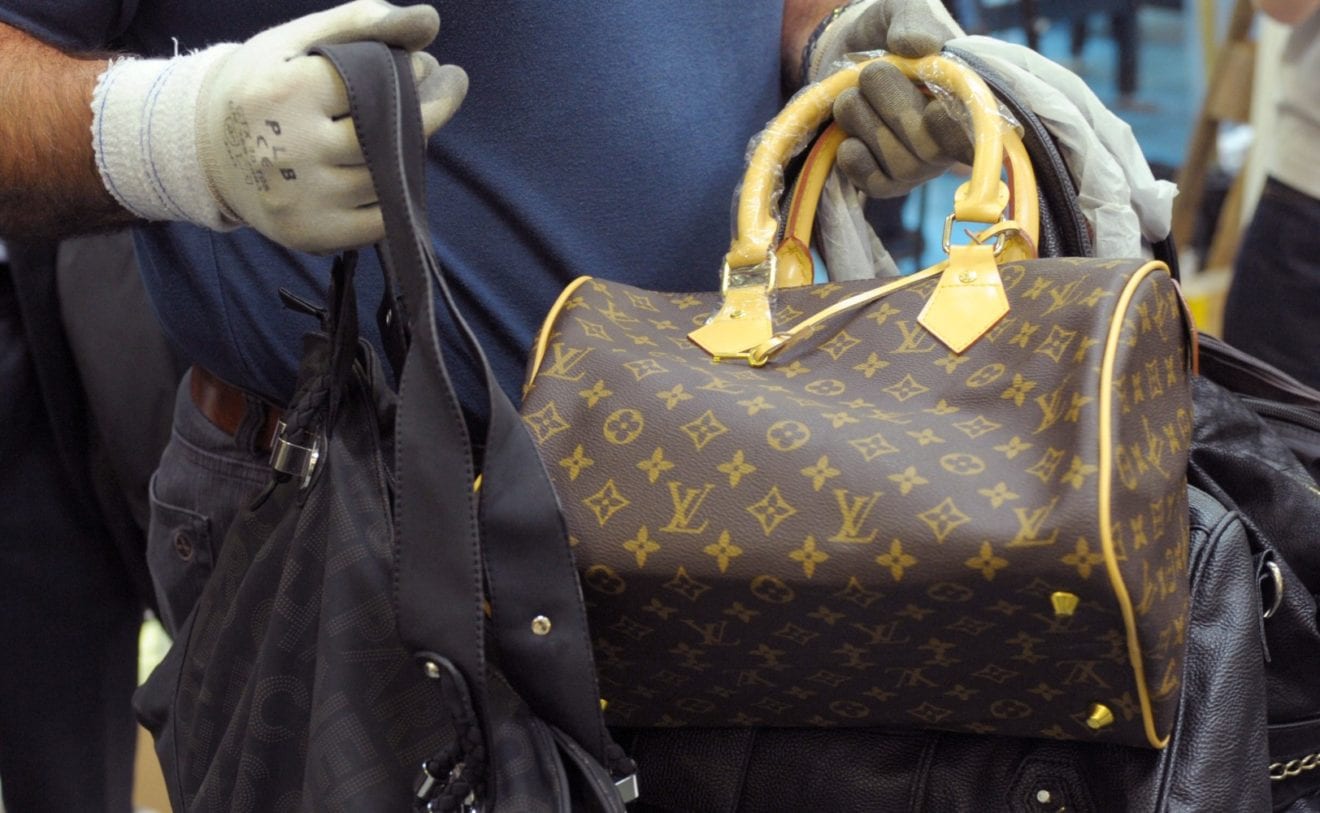
    Hong Kong Customs seized about 1300 fake branded items with a street value estimated at $600,000 during Stanley retail raids yesterday.

    The raid followed an earlier patrol where officers found suspected counterfeit goods were being sold at retail shops in the seaside suburb.

    The goods seized included handbags, leather products and clothing.

    A Customs spokesperson said that with the assistance of trademark owner, Customs officers took enforcement action, raiding two retail shops and one storage facility in the district.

    One man and two women were arrested – a shop owner and two salespersons, all aged between 34 and 47.

    The investigation is ongoing.

    Customs has previously said it will continue to step up inspection and enforcement to combat the sale of counterfeit goods and the number of raids in the territory has increased this year.

    “Customs reminds traders to be cautious and prudent in merchandising since the sale of counterfeit goods is a serious crime and offenders are liable to criminal liability,” said the spokesperson.

    Under the Trade Descriptions Ordinance, any person who sells or possesses for sale any goods with a forged trademark commits an offence. The maximum penalty upon conviction is a fine of $500,000 and imprisonment for five years.

  • Jollibee to sue Chinese copycat

    Jollibee to sue Chinese copycat

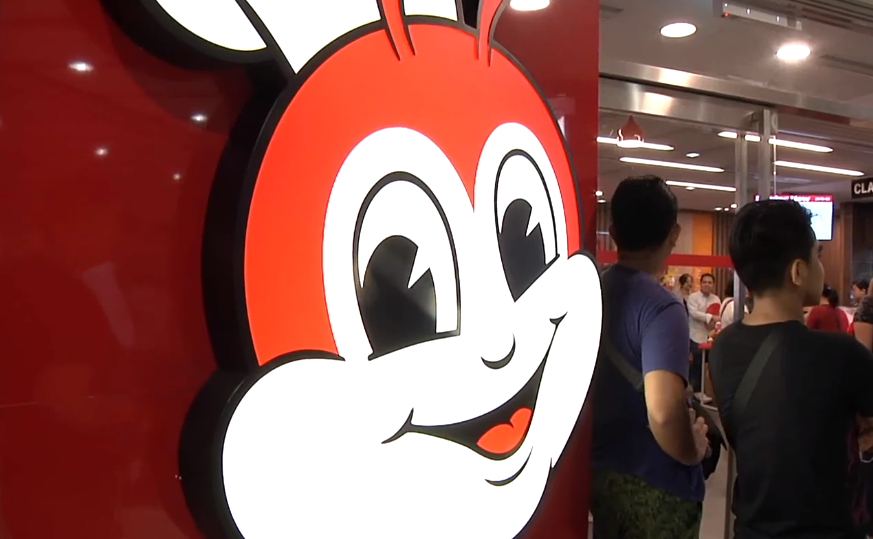
    Jollibee Foods has confirmed it is taking legal action against a copycat restaurant in China. A recent Facebook post which went viral featuring the Chinese restaurant – named JoyRulBee – drew much attention among internet users in the Philippines, after a Filipino couple travelling in Guangxi spotted the the familiar mascot and documented the knockoff.

    Pictures and a video showed that both the exterior and interior of the restaurant were close copies of the Jollibee brand, while the menu was also markedly similar.

    Jollibee’s response to the post indicated the firm was already aware of the existence of the copycat restaurant and has initiated legal proceedings to protect its trademark.

  • LVMH sues Hong Kong merchant over XLV wine range

    LVMH sues Hong Kong merchant over XLV wine range

    French luxury group LVMH is suing a wine merchant in Hong Kong over an alleged trademark infringement.bThe plaintiffs are suing over a wine range named “XLV”, established in collaboration between Cuvee XLV French Wine and Quentin-Louis, the son of fifth generation family member Xavier-Louis Vuitton.

    During a January 16 hearing in the High Court, LVMH claimed that the wine’s label design deliberately mimics the Louis Vuitton logo to mislead consumers. Cuvee XLV’s owner Wong Sau Ying has previously stated that the range has no relationship with the LV business, although the family connection is a factor in the wine sales.

    “The family is involved and that is important. In China trust is important – there are many imitations, but this brand can be trusted,” said Wong in a 2012 interview.

    Wong is pleading that the font size used on the XLV label differs from that of LV products.

    The case has been pending since 2008 when the label became apparent to the LVMH group.

  • Samsung ranks second in 2018 U.S. patent grants

    Samsung ranks second in 2018 U.S. patent grants

    Samsung Electronics grabbed the No. 2 spot in U.S. patent grants among global corporate giants in 2018, industry data showed Thursday. Samsung Electronics, the world’s top smartphone and memory chip maker, received 5,850 U.S. patent grants last year, up 13 from the previous year, according to the data from IFI Claims Patent Services, provider of a top global patent data platform.

    IBM topped the list with 9,100 grants, up 1 percent from a year earlier, maintaining the U.S. company’s position as top patent leader for a 26th consecutive year.

    Canon followed Samsung with 3,056. Intel came next with 2,735 then LG Electronics with 2,474. All registered declines from a year earlier.

    Other Korean firms included Samsung Display, which ranked 14th with 1,948 grants. Hyundai Motor placed 19th with 1,369.

    Last year, U.S. patent grants totaled 308,853, down 3.5 percent from the previous year.

    By country, the United States took up the largest share, at 46 percent, followed by Japan with 16 percent, Korea with 6.5 percent, Germany with 5 percent and China 4 percent.

    China was the only major patenting country to report an on-year increase in the 2018 patent grants.

  • Jimmy Choo takes trademark action against Chu

    Jimmy Choo takes trademark action against Chu

    Jimmy Choo is taking a preemptive strike at some potential competition. Xianjie Zhu, a 19-year-old from Guangdong Province in China, goes by Jerry Chu at Central Saint Martins, where he’s a fashion student specialising in menswear.

    Last year, at the recommendation of his father, he applied to register his English name in Beijing in case he decided to use it to start a clothing line in the future. With two years left of school, Chu had not yet given starting a line any serious thought, he said.

    Last week, the footwear and accessories brand Jimmy Choo filed a request to invalidate Chu’s trademark, arguing that the similarities between the names Jimmy Choo and Jerry Chu would cause confusion in the market.

    The company cited previous trademarks it has successfully invalidated, for trademarks including Jenny Choo and Ray Choo.

    Susan Scafidi, founder and director of the Fashion Law Institute at Fordham University’s School of Law, said these disputes are common — so much so that she always urges young designers not to name their businesses after themselves.

    “Designers with common names in particular often have to engage in protracted legal disputes with companies who already own the same or similar names,” she said.

    But fashion consumers today are accustomed to distinguishing between namesake labels with similar names, such as Alexander Wang and Vera Wang, said Scafidi, and there is hope for independent designers.

    Last month, Thaddeus O’Neil, the surf-inspired menswear label, reached a settlement with surfwear brand O’Neill after more than four years of legal disputes between the two companies.

    Scafidi explained that a significant difference between those disputes and Jerry Chu’s situation is that in the US, trademarks must be used in commerce in order to be valid. Having an active business can also help demonstrate that a brand with a similar name is not producing similar products or “trademark squatting” in order to get a payout from a larger brand. Brands with global name recognition like Jimmy Choo are especially vigilant about trademark protection.

    “Jimmy Choo may well have assumed that the Jerry Chu registration was just another attempt to trade on the established Jimmy Choo name, since soundalike registrations are a particular problem in countries like China, whose primary writing system uses characters rather than letters,” said Scafidi.

    Chu and his lawyers will wait to see what the trademark committee decides, he said, hoping that the situation can be resolved quickly.

    The student posted the legal papers on Instagram this week, catching the attention of fashion’s social media watch dogs, Diet Prada, who echoed his frustration and spread the word.

    “I’m surprised so many people would care about me, an independent designer, a student,” he said.

  • Major trade mark victory for Alfred Dunhill in China

    Major trade mark victory for Alfred Dunhill in China

    Alfred Dunhill has announced it has won a major victory in a long-running trademark battle in China. In a ground-breaking decision, the luxury brand has been awarded RMB 10 million (USD 1.47 million) after the Foshan Intermediate People’s Court, Guangdong Province, ruled that rival menswear brand Danhuoli was guilty of both trademark infringement and unfair competition practice.

    In a rare move for Chinese courts, the judge also deemed that the individual responsible for the company was personally liable for the infringement, giving extra teeth to the court’s decision and strengthening China’s growing reputation for intellectual property protection.

    The trademark infringement centred around Danhuoli’s illegal imitation of the ‘long tail mark’ of Alfred Dunhill’s globally recognised logo.

    Danhuoli had originally registered the ‘Danhuoli’ trade mark in plain font, but had for several years used the mark in a manner bearing striking similarities to Alfred Dunhill’s signature elongated lettering and black and white colour palette.

    The budget clothes company had also established a shadow company named ‘Dunhill Group’ in Hong Kong, to manage corporate business activities for the brand. Alfred Dunhill had previously been successful in shutting down the shadow company in Hong Kong; however, it had continued to trade across the Chinese mainland.

    Danhuoli operates more than 200 franchisee stores across 61 cities in China, claiming to generate annual turnover of RMB 100m (USD 14.7m).

    The case represents a landmark trade mark victory in China for any global brand, given the scale of the damages awarded. The RMB 10 million awarded is significantly larger than the average ruling in trade mark infringement cases in China.

    The ruling is another key milestone in China’s continued crackdown on IP infringement. Over the past decade China has made significant strides in developing and enforcing a robust IP rights regime, bringing the Chinese IP landscape in line with other developed systems in the US and Europe.

    Alfred Dunhill were supported by international IP consultancy Rouse and its Chinese law firm partner, Lusheng Law Firm.

    Commenting on the ruling, Andrew Maag, CEO at Alfred Dunhill said:

    “Today’s ruling demonstrates Alfred Dunhill Ltd.’s unequivocal resolve in tackling infringement of our IP rights in China and globally. Our system of IP management and enforcement is second to none. With the support of Rouse and Lusheng Law Firm, we’ve secured a fair and proportionate ruling.”

    Luke Minford, Global CEO of Rouse, said:

    “This win for Alfred Dunhill is just reward for all their hard work protecting their brand in China. The decision should reinforce to other brand owners that China is finally getting serious about protecting foreign brands.”

  • Dr. Martens maker sues online retailer Yoox over lookalike boots

    Dr. Martens maker sues online retailer Yoox over lookalike boots

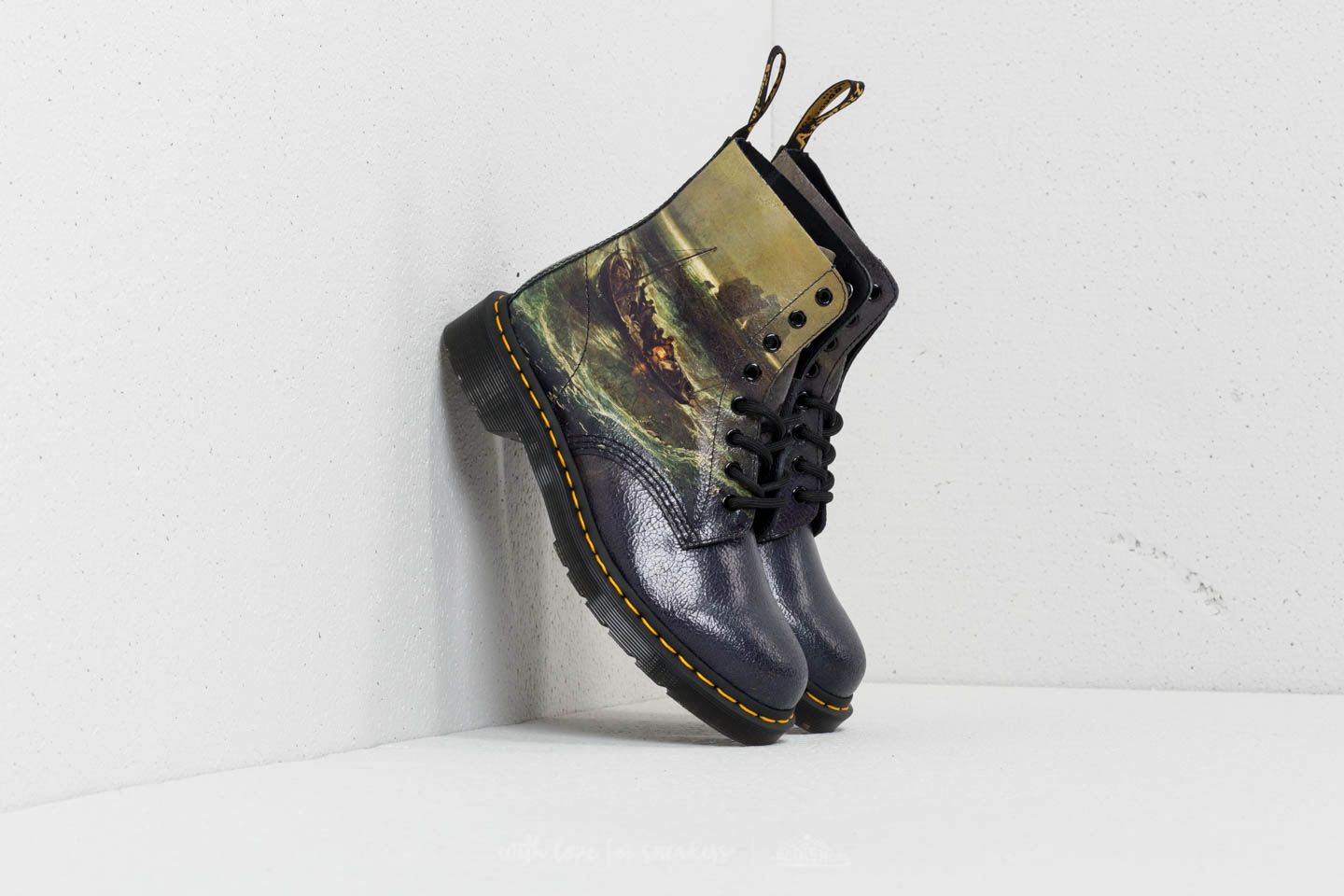
    Airwair International Ltd, the company that makes Dr. Martens, is suing Yoox-Net-A-Porter Group for selling shoes that, it claims, look too much like its iconic lace-up boots.

    The lawsuit, filed in federal court in San Francisco, alleges trademark infringement, trademark dilution and unfair competition which first reported the story.

    Dr. Martens is reportedly calling for a preliminary injunction against the online retailer.

    This isn’t the first time the British brand has sued a competitor for ripping off its designs.

    In 2017, Airwair International slapped US-based shoe brand Steve Madden with a lawsuit for trademark infringement, claiming that it unlawfully copied Dr. Martens’ two tone grooved sole edge, DMS undersole and heel loop.

    In 2013, the company sued US-based shoe brand Chinese Laundry, citing similar trademark infringements.

  • Red soles are Christian Louboutin’s trademark

    Red soles are Christian Louboutin’s trademark

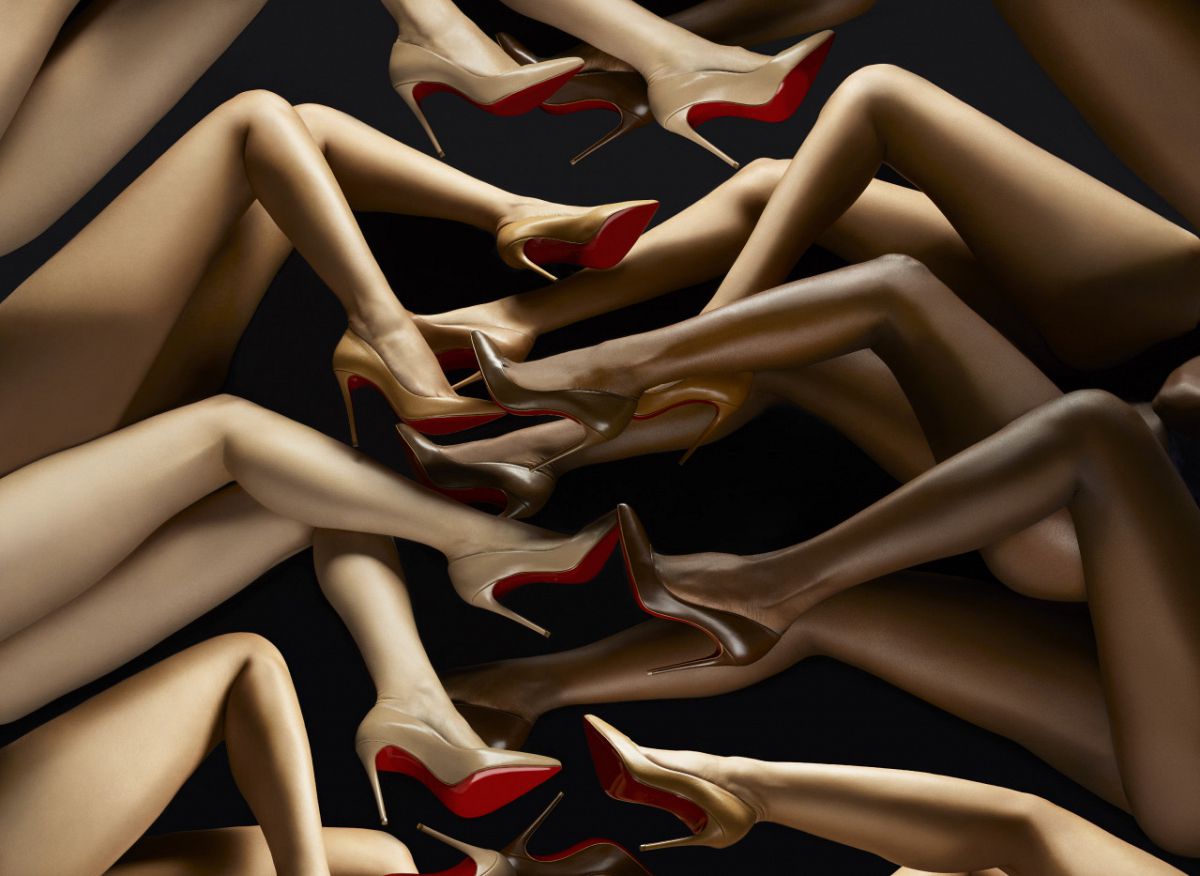
    World-famous designer Christian Louboutin has won a legal battle to protect his brand’s distinctive red soles.

    In 2012, Louboutin sued rival firm Van Haren for selling high-heeled shoes with scarlet soles, reports bbc.com.

    Under EU law, companies cannot trademark common shapes of products such as the soles of shoes and Van Haren argued that applying red to a shoe sole came under the law and, as a result, Louboutin did not have trademark protection.

    However, the European Court of Justice said shape trademarks do not apply to Louboutin’s red sole, reports bbc.com.

    Louboutin first designed his trademark shoe in 1993, using an assistant’s red nail polish.

    The luxury brand said it “warmly welcomes” the judgement.

    “For 26 years, the red sole has enabled the public to attribute the origin of the shoe to its creator, Christian Louboutin. This case will now be referred back to The Hague court, which is expected to confirm the validity of the red sole trademark,” said a statement from the company.

  • Michael Jordan wins trademark dispute

    Michael Jordan wins trademark dispute

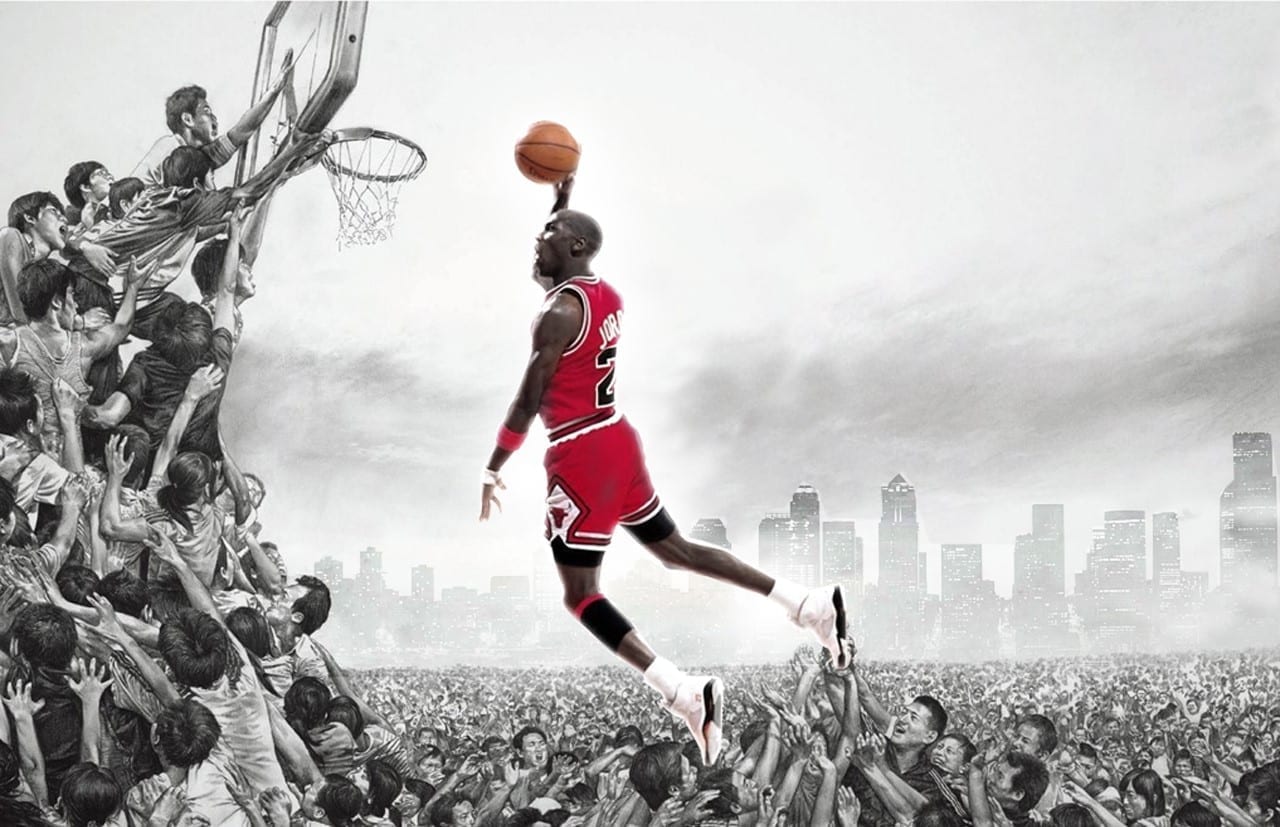
    Following a four-year legal battle over a trademark dispute, US basketballer Michael Jordan now owns his Chinese name.

    China’s highest court has decided in his favour against Chinese sportswear maker Qiaodan Sports. Its name, pronounced “Cheeow-dan”, is a transliteration of “Jordan” in Mandarin, and the company was selling its own shoes and sportswear with Qiaodan as its registered trademark.

    Jordan has been known by the Chinese characters for “Qiaodan” since he became popular in the 1980s, and previously argued unsuccessfully in Beijing courts that Qiaodan Sports had used his Chinese name, his old jersey number, 23, and basketball player logo to make it look like he was associated with its brand.

    Now, the Supreme People’s Court has overturned two rulings by Beijing courts against Jordan, from 2014 and 2015, that had found there was not sufficient evidence to support the athlete’s allegations over the use of his image, and that “Qiaodan” was the translation of a common family name as claimed by the Chinese company.

    It also ordered the trademark bureau to issue a new ruling on the use of the Chinese characters in the brand name “Qiaodan”, effectively awarding the trademark to Jordan. The company can continue to use the Romanised spelling of the name, however.

    Chief judge Tao Kaiyuan says there was an established link between Jordan and the Chinese characters for “Qiaodan”, which are commonly used by the public when referring to the former basketball player, meaning that Jordan was entitled to protection under the trademark law.

    Jordan says millions of Chinese fans and consumers have always known him by the name Qiaodan.

    “Chinese consumers deserve to know that Qiaodan Sports and its products have no connection to me. Nothing is more important than protecting your own name, and today’s decision shows the importance of that principle.”

    After the ruling, the company defended its actions but said it would respect the court’s decision.

    In a twist, Qiaodan Sports was able to counter-sue Jordan in 2013 for preventing it from pursuing a stock-market listing because of the trademark lawsuit.