Chinese regulators discovered nitrite levels averaging 4,400 milligrams per kilogram in edible bird’s nests imported from Malaysia, sixty times higher than the national safety limit.
The Zhejiang Provincial Administration for Industry and Commerce tested blood-red cubilose across 491 dealers before issuing the health alert. Under national rules, nitrite content cannot exceed 70 milligrams per kilogram. Investigators found that dealers applied chemical dyes to standard nests to sell them as rare blood-red varieties, generating elevated concentrations of nitrite, a compound linked to cancer risks.
Tainted stock pulled from shelves
Beijing Tongrentang Co. Pulled all edible bird’s nests from its retail counters in mainland China and overseas locations. The traditional Chinese medicine merchant enacted the withdrawal two days after Zhejiang officials issued their findings.
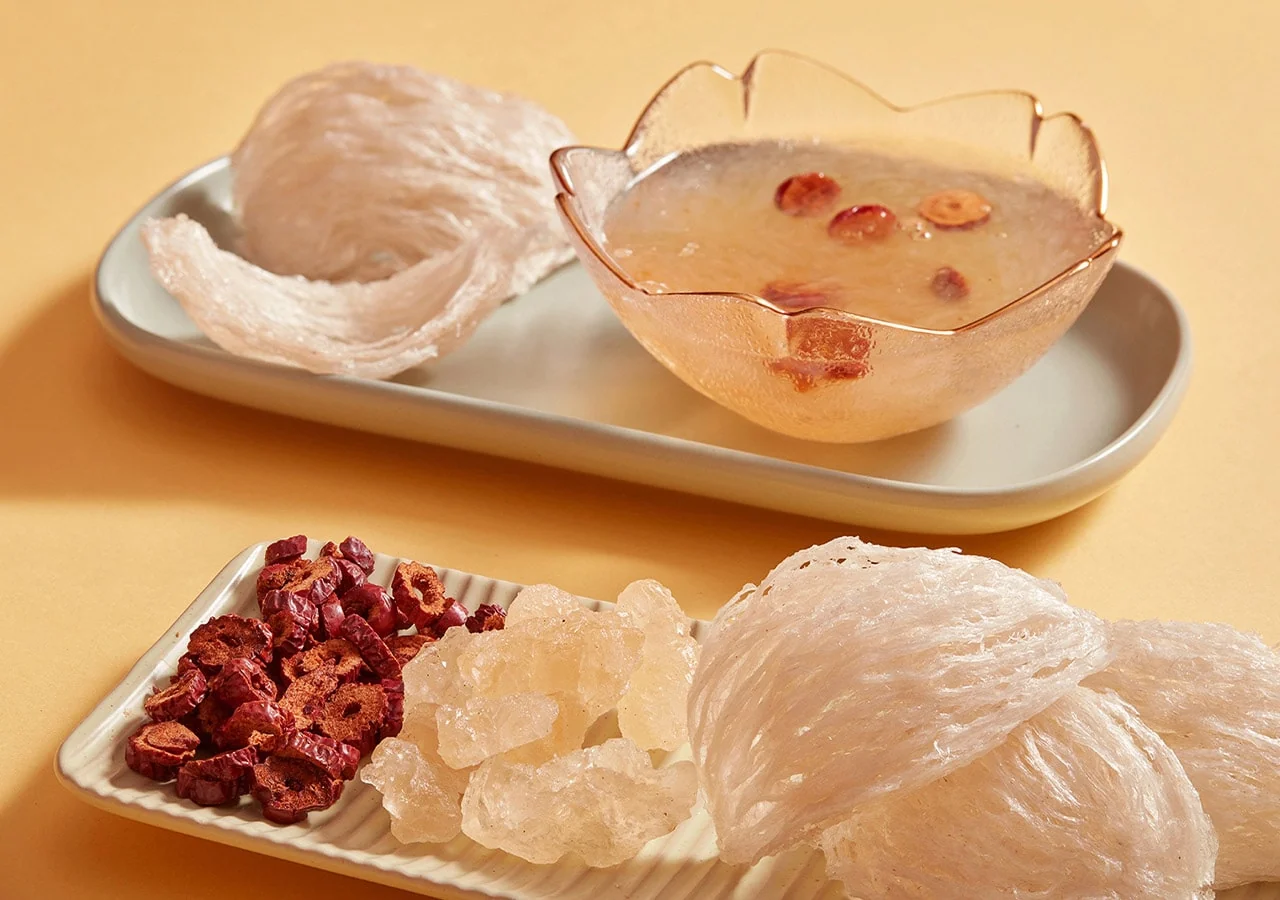
Bird’s nests rank among the most expensive luxury food items in Asia, commanding prices up to 10,000 US dollars per kilogram in markets across China, Hong Kong and the United States. Premium wellness retailers face immediate margin disruption when quality failures occur in products sold specifically for health maintenance.
Export supply lines under pressure
Malaysia operates as the world’s largest supplier of edible bird’s nests and ships 95 per cent of its output directly to China. The test results in Zhejiang expose supply chain weaknesses in cross-border trade for unrefined animal secretions, putting pressure on upstream processors to prove product purity before goods clear Chinese customs.
China’s State Food and Drug Administration has not issued a nationwide directive on imported cubilose, leaving retail buyers waiting for central border inspectors to set updated testing protocols.