Tag: traditional market

  • Indonesian Gov’t to Modernize Thousands of Traditional Markets

    Indonesian Gov’t to Modernize Thousands of Traditional Markets

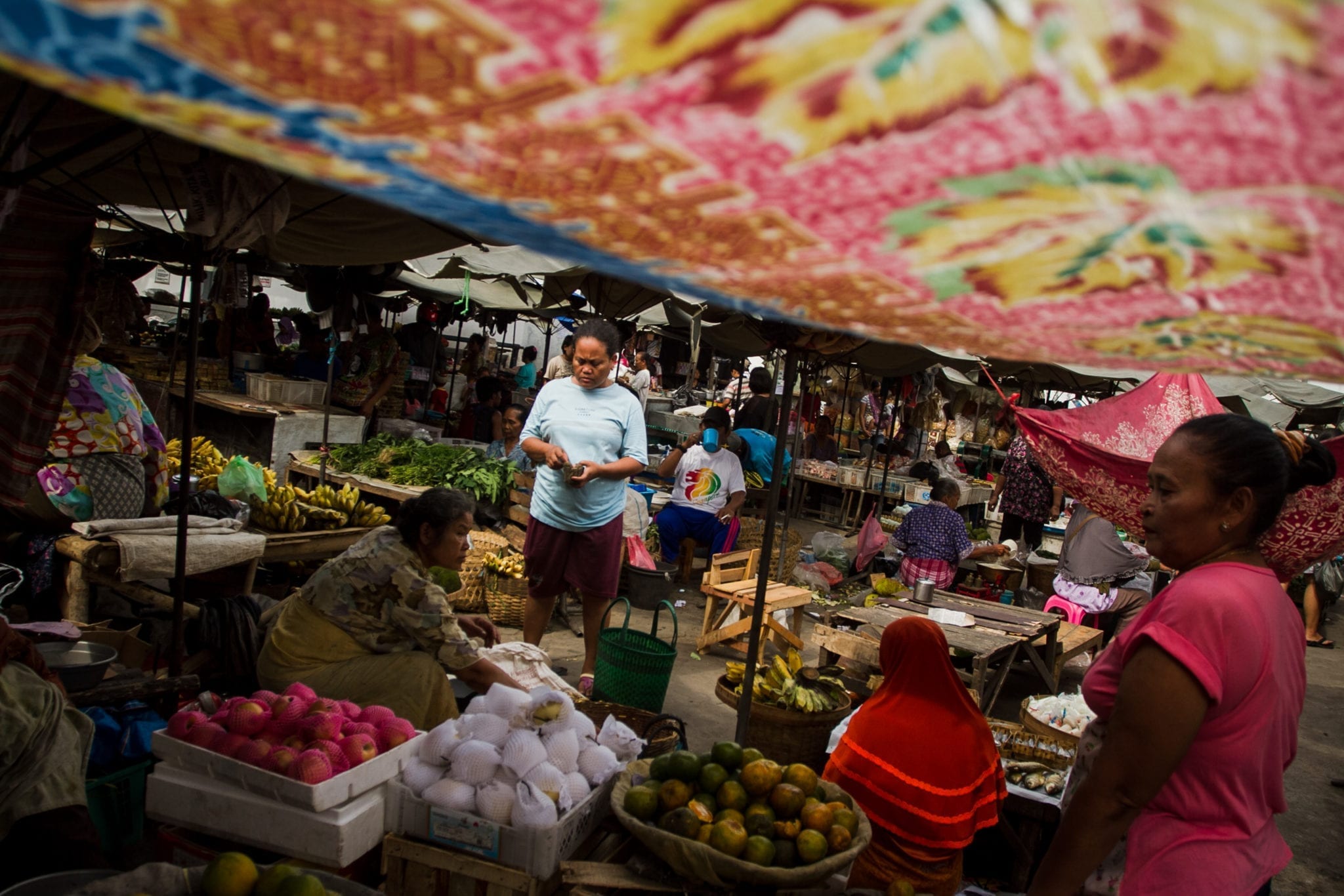
    Indonesia will refurbish 1,592 traditional markets across the country this year as part of President Joko “Jokowi” Widodo’s nine-pronged and domestic-focused Nawacita development program, its Trade Minister Enggartiasto Lukita said on Thursday (04/01).

    A total of Rp 5.5 trillion ($409 million) will be made available to modernize 267 markets through co-administration funding (TP), 1,275 markets through special allocation funding (DAK) and 50 markets under the management of the Cooperatives and Small Businesses Ministry.

    Enggartiasto said the government faces many challenges in trying to modernize traditional markets, ranging from budget limitations to protests from market sellers.

    “It’s not easy to rebuild or move [traditional] markets. Moving an old market always raises problems… even if we only move it 500 meters away from its original site. The sellers never want to move,” Enggartiasto told reporters during a press conference in Jakarta.

    The ministry’s director general of national export development, Tjahya Widayanti, warned regional administrations to treat sellers fairly when they refurbish a market.

    “Don’t abandon the old merchants. [City administrations] should reserve stalls at the new market for them, not just for new sellers coming in,” Tjahya said.

    The government will focus on refurbishing traditional markets in the suburbs this year — mostly markets that are open at least twice a week and comprising at least 50 sellers in a 500-square meter area.

    It will also refurbish some weekly markets with at least 500 sellers in a 500-square meter area.

    The government has already refurbished 2,715 traditional markets since 2015 till last year, out of an eventual target of 5,000 markets by 2019.
  • Markets dropping lead over comfort shops

    Markets dropping lead over comfort shops

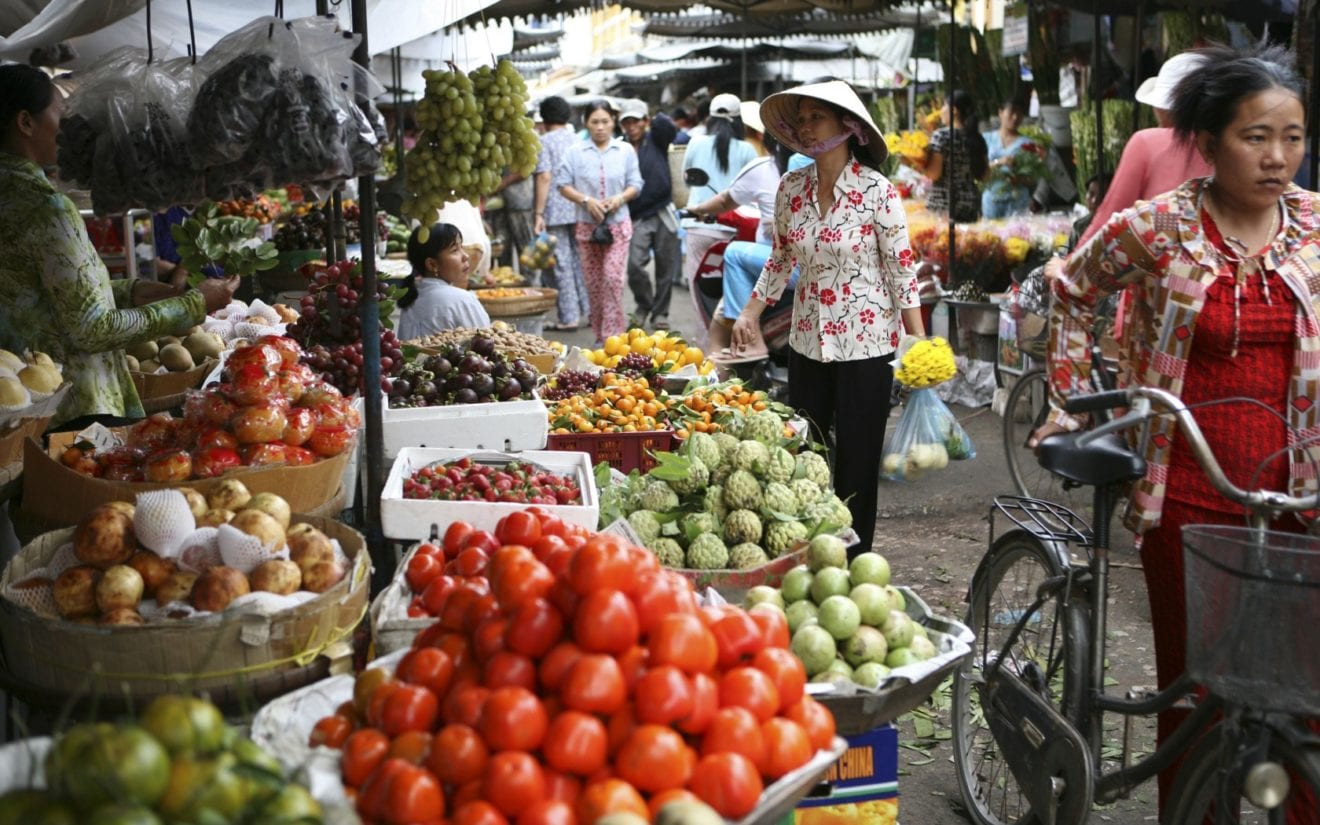
    Moist markets and conventional shops stay the popular retail channels for Vietnamese consumers, although they’re beneath menace as shoppers shift away, based on a Nielsen report launched on Wednesday.

    The 2 have seen a decline in gross sales of 5 per cent and 17 per cent respectively since 2012.

    The frequency of visits additionally decreased.

    Whereas shoppers have turn into extra “savvy” of their buying behaviour in recent times, the necessity for comfort continues to develop.

    In Viet Nam, retailer enlargement additionally continues to realize momentum, particularly in city areas.

    Comfort shops greater than doubled from 147 in 2012 to 348 final yr, whereas mini marts elevated from 863 to 1452.

    This new demand is being led by time-poor and predominantly younger buyers in making on a regular basis meals and grocery purchases, and has been a key driver in comfort retailer enlargement.

    Some 22 per cent of shoppers store for meals and grocery extra typically at comfort shops in comparison with 12 months in the past.

    Meals and drinks are driving comfort retailer gross sales, with 86 per cent of shoppers shopping for both and 62 per cent of beverage consumers additionally shopping for meals and 51 per cent of meals consumers additionally shopping for drinks.

    Vaughan Ryan, managing director of Nielsen Viet Nam, stated: “Comfort shouldn’t be a retailer entrance, however relatively a lifestyle. Shoppers are more and more demanding merchandise and options that assist them of their more and more busy life.

    “In consequence we’ll see the emergence in Viet Nam of each the comfort channel and e-commerce to satisfy this shopper demand.”

    To deal with these shifts, retailers should deepen their understanding of this evolving shopper behaviour, foresee altering wants and develop methods which are targeted on differentiation in areas that matter most to consumers, he added.