Tag: traditional

  • Mid-Autumn Festival Mooncakes Soar in Price: Navigate the 20% Hike in this Popular Traditional Treat

    Mid-Autumn Festival Mooncakes Soar in Price: Navigate the 20% Hike in this Popular Traditional Treat

    Mooncakes, a beloved traditional treat during the mid-autumn festival, have seen a noticeable rise in price this year. The increase, ranging from 3 to 20 percent, is attributed to heightened costs for ingredients, labor, and packaging. As a result, consumers have found themselves paying more for the festive delicacies.

    The Price of Tradition

    Hoa, a resident of HCMC’s Gia Dinh Ward, was taken aback when she discovered that a pack of four mooncakes, which she purchased last year for VND700,000, is now priced between VND830,000-850,000 in many stores. Shockingly, some vendors even charge up to VND1 million for the same box.

    Locally-made mooncakes from small bakeries and shops are equally affected. Consumers can expect to pay 7-8% more for cakes with traditional fillings such as red bean, taro, and lotus seed paste. For mooncakes with mixed fillings, the price hike reaches 10%.

    Tran Tien Dung, proprietor of a long-standing mooncake bakery in HCMC’s Cau Kieu Ward, admitted to increasing his prices by 15% in response to a 30-40% surge in the cost of ingredients and labor.

    However, it appears larger manufacturers have taken a more conservative approach. KIDO, for instance, has only implemented a 3-5% price increase for some mooncake varieties, leaving the rest of its offerings at their original price.

    Online Shopping and Consumer Caution

    As the festival approaches, selling mooncakes online has become a widespread practice. Online offerings often include non-traditional fillings, such as tiramisu or molten salted egg. These mooncakes, often marketed as homemade, can be found at half or even a quarter of the price set by physical stores.

    However, the HCMC Department of Food Safety has advised consumers to be cautious when buying online. They stress the importance of purchasing from sellers who clearly state their production facilities and ingredient sources.

    Questions & Answers

    Why have mooncake prices increased?
    Prices have risen due to increased costs for ingredients, labor, and packaging.

    How much have prices increased for traditional filling mooncakes?
    Mooncakes with traditional fillings have seen a price increase of 7-8% this year.

    What advice has been given for buying mooncakes online?
    The HCMC Department of Food Safety recommends buying from sellers who clearly state their production facilities and ingredient sources.

  • Vietnam’s E-commerce Boom: Soaring Online Sales Triple Traditional Retail Growth Rate

    Vietnam’s E-commerce Boom: Soaring Online Sales Triple Traditional Retail Growth Rate

    During the first half of 2026, online retail sales have seen a significant surge, growing by over 40% year-over-year on key e-commerce platforms. This is triple the growth rate of Vietnam’s overall retail sector.

    Online Marketplaces Experience Rapid Growth

    According to a report from an e-commerce data analytics platform, the four main multi-category online marketplaces – Shopee, TikTok Shop, Lazada, and Tiki – experienced growth in gross merchandise value (GMV) ranging from 38-52%. These platforms collectively hosted 613,900 stores, with a total GMV of VND291.6 trillion (US$11.07 billion). These stores sold more than 2.18 billion products, marking a 41% and 12% increase respectively. On average, consumers spent around VND1.6 trillion a day, purchasing 12 million products, with the majority of spending in the beauty, fashion, home and living, groceries and food, and household appliances categories.

    Many brands have reaped the benefits of this e-commerce boom. For instance, JBL, an audio equipment retailer, reported that its second-quarter sales on Lazada were double those of the previous year.

    The Impact of Livestreaming and Discounts

    The rapid growth of online retail has been partly attributed to the rise of livestreaming shopping, which has become the primary purchasing channel for online shoppers, accounting for 67% of their online expenditure. In addition to this, discounts have greatly influenced consumers’ preference for online shopping over traditional brick-and-mortar stores, with 82% of consumers citing discounts as a key factor in their purchasing decisions. Shoppers are encouraged to make immediate purchases due to livestream-exclusive vouchers and limited-time promotions.

    However, increased fees for merchants on both Shopee and TikTok Shop have led to some sellers raising their prices. The National Competition Commission has requested reports from these platforms on the impact of their increased fees.

    Questions & Answers

    What is contributing to the rapid growth of online retail sales?
    Factors such as the rise of livestream shopping, discounts, and the convenience of express delivery have contributed to the rapid growth of online retail sales.

    How are brands benefiting from the e-commerce boom?
    Brands are gaining high traffic and reaching more consumers through online channels, which also serve as effective platforms for promotional campaigns targeting younger consumers.

    How are increased fees on e-commerce platforms affecting sellers?
    Increased fees on e-commerce platforms like Shopee and TikTok Shop are leading some sellers to raise their prices. The impact of these increased fees is currently under review by the National Competition Commission.

  • DBS Warns Investors: Traditional Stock Strategies May Falter Amid Ongoing Mideast Conflict

    DBS Warns Investors: Traditional Stock Strategies May Falter Amid Ongoing Mideast Conflict

    Historically, US equities have demonstrated strong performance following significant conflicts. However, DBS asserts that the current Middle East conflict may not follow this trend, warning investors against complacency in this situation.

    The Ongoing Conflict in Iran

    The war in Iran, now in its third week, has resulted in thousands of casualties with no definitive end in sight. DBS advises investors to exercise caution and avoid putting too much stock in historical trends concerning American equities.

    DBS states, “While history may suggest that US equities often yield positive returns after major conflicts, complacency is not advisable given the current Middle East conflict.”

    As the conflict continues to unfold, DBS encourages investors to implement risk management strategies in their portfolio construction. This could involve increasing their exposure to gold and partially substituting US equity exposure with the S&P 500 Low Volatility Index.

    Predicted Themes for Q2 2026

    DBS has identified three themes they believe will heavily influence narratives in the second quarter of 2026.

    Firstly, oil continues to be a significant factor due to the ongoing military crisis in the Middle East, especially considering Iran’s role as the fourth largest OPEC producer. Rising energy prices could pose problems for risk assets.

    Secondly, the policy stance of Kevin Warsh, the nominee for Fed chair, indicates a potential reset with an increased likelihood for “renewed quantitative tightening,” which could lead to a steepening of the yield curve.

    Finally, diversification beyond crowded trades is encouraged, with recent profit-taking seen as “transitory.” A “return to fundamentals” is expected, with a focus on pre-crisis themes like precious metals and technology. These are driven by “dollar debasement” and “AI supremacy”, respectively.

    Emerging Markets and Japanese Equities

    In terms of diversification, DBS suggests investors consider increasing their exposure to emerging markets (EM) and Japanese equities. EM equities are likely to benefit from Fed rate cuts, dollar weakness, robust earnings growth, and light positioning. Conversely, Japanese equities are set to gain from fiscal stimulus, governance reforms, and an attractive yield gap.

    DBS concludes, “Global markets are currently navigating through an unusual convergence of geopolitical challenges and technological opportunities. The paradoxical nature of this situation reflects the complex yet potentially rewarding market conditions investors are currently navigating—an era where traditional strategies may no longer apply.”

    Questions & Answers

    What is the advice from DBS regarding the current Middle East conflict?
    DBS advises investors not to rely excessively on the historical trends of stock market performances following major conflicts, warning that complacency is unwarranted in this instance.

    What are the three themes DBS identified for Q2 2026?
    The three themes are the role of oil in the military crisis in the Middle East, the potential policy reset implied by Fed Chair nominee Kevin Warsh, and the need for diversification beyond crowded trades.

    What are DBS’s recommendations for diversification?
    DBS suggests investors consider increasing their exposure to emerging markets and Japanese equities, which are set to benefit from several factors including Fed rate cuts, dollar weakness, robust earnings growth, light positioning, fiscal stimulus, and governance reforms.

  • Pepsi Unveils Prebiotic Cola: A Revolutionary Step In Classic Beverage

    Pepsi Unveils Prebiotic Cola: A Revolutionary Step In Classic Beverage

    PepsiCo has announced the launch of Pepsi Prebiotic Cola, a significant development in the traditional cola category that it hasn’t seen in two decades.

    The Modern Twist to Classic Pepsi

    The new product brings a fresh perspective to the conventional Pepsi flavor, enhanced with functional prebiotic fiber aimed at promoting gut health. Pepsi Prebiotic Cola is available in two distinctive flavors: Original Cola and Cherry Vanilla. Each 350ml can of this innovative concoction includes five grams of cane sugar, 30 calories, and three grams of prebiotic fiber, and is void of any artificial sweeteners.

    A Leap Forward in Cola Experience

    PepsiCo’s US CEO, Ram Krishnan, expressed his excitement about the new product, stating that Pepsi Prebiotic Cola takes a significant leap forward in offering consumers more choice and functional ingredients in their cola drinking experience, without sacrificing the iconic Pepsi taste that the brand is renowned for.

    Reflecting Mindful Consumption Trends

    The introduction of Pepsi Prebiotic Cola is a marker of shifting trends towards more conscious consumption. This product complements PepsiCo’s existing portfolio, which includes Pepsi Zero Sugar and Poppi, a rapidly growing prebiotic soda brand recently acquired by PepsiCo.

    Availability and Packaging

    The new Pepsi Prebiotic Cola range is scheduled to launch online in the fall, and it is expected to be available in retail stores nationwide in the early part of next year. The product will be sold as single cans and in eight-packs, allocated in the conventional soft drink aisle, alongside Pepsi’s comprehensive range.

    Questions & Answers

    What is the new product that PepsiCo has launched?
    PepsiCo has launched Pepsi Prebiotic Cola, a product that brings a modern twist to the traditional Pepsi flavor with the addition of functional prebiotic fiber.

    What are the key features of Pepsi Prebiotic Cola?
    Pepsi Prebiotic Cola contains five grams of cane sugar, 30 calories, and three grams of prebiotic fiber. It does not contain any artificial sweeteners and is designed to support gut health.

    When and where will Pepsi Prebiotic Cola be available?
    The new Pepsi Prebiotic Cola range will be available online in the fall and in nationwide retail stores in the early part of next year.

  • China’s Coffee Consumption Keeps Growing

    China’s Coffee Consumption Keeps Growing

    China’s coffee craze has gained pace with the growth rate in consumption on premise 25 per cent higher last year.

    According to research from Mintel, China’s on-premise coffee market value reached RMB64.7 billion (US$9.6 billion) last year, up 7.5 per cent on the year prior, when the growth rate was 6 per cent. It is predicting growth to resume to 6 per cent annually from this year until 2023.

    However, while sales by value are thriving, Mintel estimates that the number of on-premise coffee house outlets shrank by 2 per cent as fewer new stores opened than closed. But that is half the decline of a year earlier.

    “Like many industries across China, the on-premise coffee market is not immune to the influence of New Retail,” said Belle Wang, associate food and drink research analyst at Mintel.

    “The quick expansion of New Retail coffee businesses across the country has stimulated more coffee consumption among consumers, resulting in strong sales volume. With the growing momentum of New Retail coffee shops, and an increasing number of international and domestic brands entering the market, consumers today have more options when it comes to coffee. As such, the industry will see positive growth rates over the next two years.

    “However, this growth will slow down, largely due to Chinese consumers’ traditional behaviour of drinking tea and the country’s thriving tea shops,” said Wang.

    Mintel expects positive volume growth in the next two years, at 0.6 per cent from last year to this year and a further 1.2 per cent between this year and next, to reach an estimated 74,000 coffee houses by 2020.

    Convenience versus traditional

    When it comes to choosing where to get their caffeine fix, more Chinese consumers today are purchasing coffee from convenience stores than traditional coffee house chains. Mintel’s research reveals that 52 per cent of Chinese consumers (survey sample of 3000) buy coffee at convenience stores compared to just 44 per cent who purchase it from a traditional coffee-house chain.

    About 23 per cent of consumers who drink on-premise coffee at least once a month have done so at new retail coffee houses.

    “Our research shows that more on-premise coffee users get their coffee from convenience stores than from traditional chain coffee houses. This is perhaps due to Chinese consumers associating convenience stores with a full range of breakfast options. Convenience stores are also viewed as easily accessible and more affordable. Given this upward trend, other coffee vendors could introduce unique features, like providing various food and coffee pairings, in order to compete,” said Wang.

    “While New Retail coffee is experiencing a lot of growth at the moment, consumer engagement remains low – partially because they are still relatively new. However, there is an opportunity for New Retail coffee houses to catch up in terms of popularity by offering aggressive discounts and delivery service.”

    That said, big discounts alone will not be sufficient, as discounting is neither the best nor a sustainable strategy for a long-term business plan. There needs to be other merits such as offering healthy mix-and-match meal deals,” Belle added.

    Latte the top choice

    Mintel’s research reveals the favourite coffee beverages consumed in China’s coffee craze. More than half of on-premise coffee consumers order lattes (54 per cent) or cappuccinos (52 per cent). These are followed by mocha (45 per cent), Americano (38 per cent), flavoured coffee (36 per cent), espresso (26 per cent) and cold-brew coffee (23 per cent).

    A relatively new concept in China’s coffee craze is coffee mixed with plant-protein milk, with 22 per cent of on-premise coffee consumers ordering it.

    “Lattes and cappuccinos are the most popular drinks in coffee houses as they are generally very palatable due to their creamy texture and rich dairy flavour. Furthermore, as they are usually widely available, they are often a first step into coffee appreciation,” said Wang.

    “Once consumers fully appreciate these basic beverages, they are more likely to try non-milk based drinks, like an Americano or cold brew coffee. However, only offering basic coffee selections makes it difficult to stand out in the homogenous coffee marketplace and attract more coffee consumers.

    “As such, coffee houses can take inspiration from tea shop drinks by making their offerings more visually appealing and ‘instagramable’ in order to draw attention and pique consumer interest,” Belle concluded.

  • Government to revitalize 1,000 traditional market centers in 2017

    Government to revitalize 1,000 traditional market centers in 2017

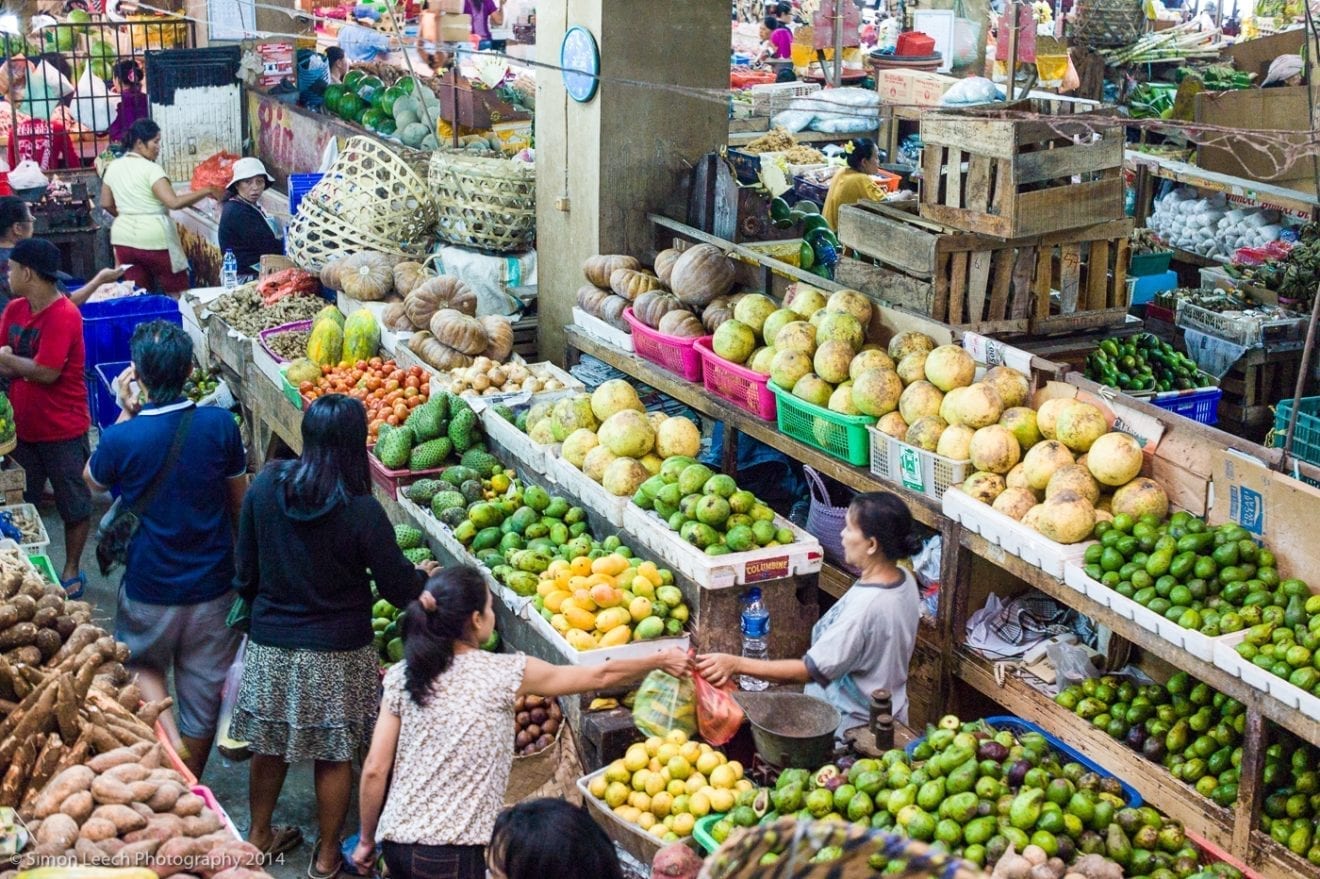
    The government will build and revitalize 1,000 traditional market centers in 2017 at a total cost of Rp3.7 trillion Fund.

    The Trade Ministry would build and revitalize 272 of the markets with the Aid Task Fund and 52 carry over project from 2016, Trade Minister Enggartiasto Lukita said.

    The remaining 728 units would be built and revitalized with the Special Allocation Fund (DAK) and fund from the Ministry of Cooperatives and Small and Medium Enterprises..

    Enggartiasto said the trade ministry had carry over projects to be implemented in 2017 was as a result of the cut in the budget for all ministries and government agencies including the trade ministry.

    “We will give priority to development of small traditional markets . The development and revitalization program would follow standardization of market and system of management,” he said.

    With the system the markets would be well maintained, he added.

    “Currently the traders pay fee but there is no accountability of the fee from the market management. The market management charges fee but the fund is not used to improve the service and for the maintenance of the market,” the minister said.

    In 2015, the government plans to build and revitalize 1,017 traditional market centers, including 182 units to be financed with TP fund, 770 units with DAK and 65 units with fund from the the Ministry of Cooperatives and Small and Medium Enterprises.

    Implementation of the plan in 2016 reached 99 percent with 1,002 units of market built and revitalized.

    In 2016, development of traditional markets with TP fund, 168 units with a budget of Rp1.46 trillion and 710 units within DAK of Rp1.006 trillion.