Retail News CRM

Tag: Traffic

  • Malaysia’s Luxury Car Crackdown: Over 1,050 High-End Vehicles Seized Amid Traffic Violation Storm

    Malaysia’s Luxury Car Crackdown: Over 1,050 High-End Vehicles Seized Amid Traffic Violation Storm

    Since July 2025, Malaysia’s Road Transport Department has confiscated over 1,050 high-end vehicles, including brands such as Rolls-Royce, Lamborghini, Mercedes-Benz, and BYD. The total value of these seized vehicles exceeds RM200 million (US$50.9 million). The operation aimed to address traffic violations committed by luxury car owners, including unpaid road taxes, lack of sufficient insurance coverage, and expired or invalid driving licenses.

    Strict Enforcement of Traffic Rules

    The Road Transport Department launched the ‘Ops Luxury’ operation to underscore its commitment to enforcing traffic regulations without exceptions. The department emphasized that owning an opulent vehicle does not exempt one from adhering to traffic rules.

    Datuk Muhammad Kifli Ma Hassan, the department’s Senior Enforcement Director, stated that the enforcement actions have heightened awareness among vehicle owners. He highlighted a decrease in the number of luxury vehicles found with invalid road taxes, indicating improved compliance. The strict operations have led to fewer vehicles being seized in recent times.

    Ongoing Surveillance

    Hassan noted that some owners have cited forgetfulness or financial limitations as reasons for their failure to renew their road taxes, even with cars that have a market value of RM3 million to RM5 million.

    He added that the department’s monitoring efforts persist, especially in Kuala Lumpur and Penang, and several vehicles remain under the department’s watchful eye.

    Previously, the department would only issue fines as low as RM300, which proved ineffective as a deterrent. However, since the department began seizing vehicles and requiring owners to clear their outstanding road tax dues, compliance rates have significantly improved. According to a local news source, about 90% of vehicle owners have settled their arrears.

    Questions & Answers

    What was the focus of the ‘Ops Luxury’ operation launched by Malaysia’s Road Transport Department?
    The operation targeted high-end vehicle owners who were in violation of traffic regulations, such as unpaid road taxes, lack of insurance coverage, and expired or invalid driving licenses.

    What impact has the operation had on compliance with road tax regulations among luxury vehicle owners?
    The operation has led to improved compliance, with fewer luxury vehicles found with invalid road taxes. Since the department started impounding vehicles, about 90% of vehicle owners have settled their outstanding road tax dues.

    What was the approach of the Road Transport Department towards traffic violations before the operation?
    Before launching the operation, the department would only issue fines as low as RM300 for traffic violations, which proved ineffective as a deterrent.
  • Record-Breaking 2025: Changi Airport Soars with Highest Passenger Traffic and Unprecedented Cargo Performance

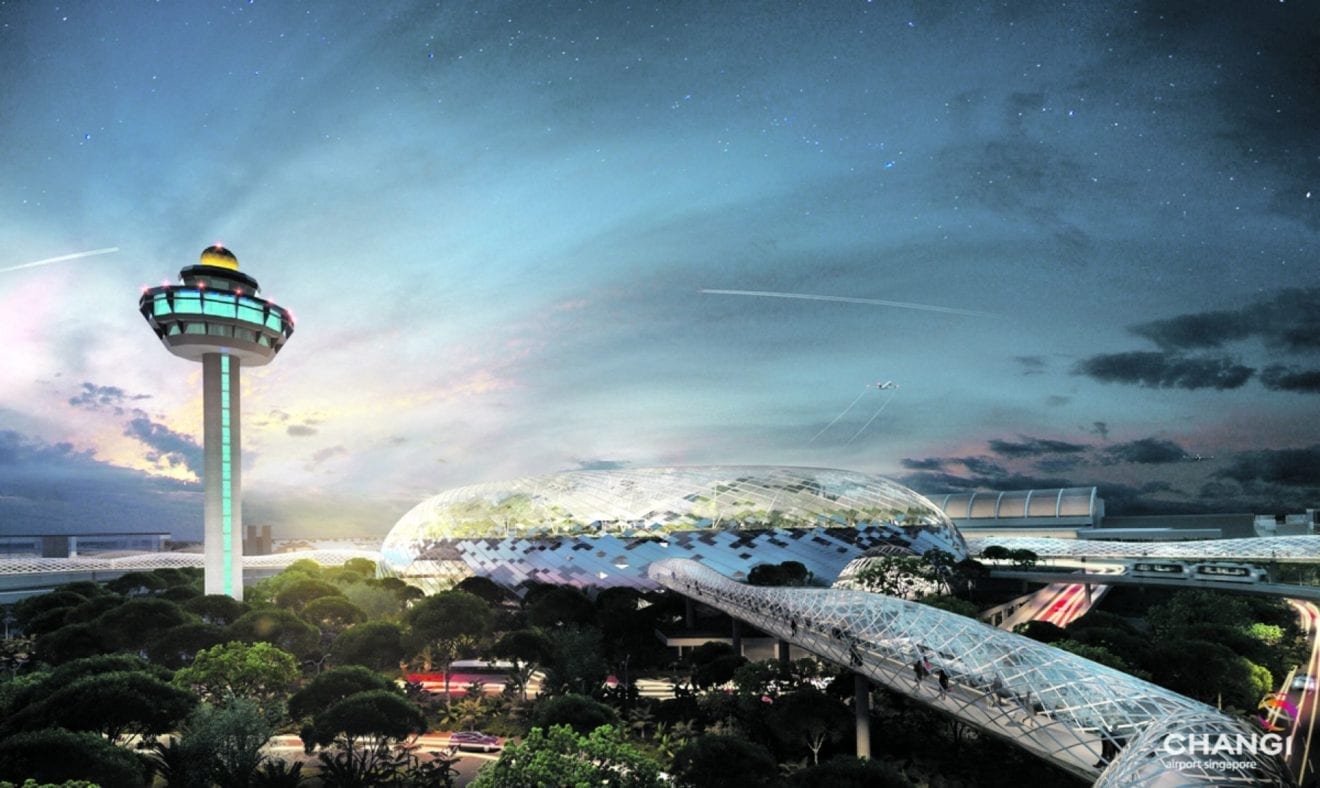
    Record-Breaking 2025: Changi Airport Soars with Highest Passenger Traffic and Unprecedented Cargo Performance

    In the year 2025, Singapore’s Changi Airport experienced record-breaking passenger traffic, with 69.98 million passenger movements noted, indicating a rise of 3.4% in comparison to the previous year. Aircraft activities, such as landings and take-offs, also witnessed a growth of 2.2%, reaching 374,000 movements in total. Furthermore, airfreight throughput amounted to an impressive 2.08 million tonnes, surpassing the prior year’s records by 4.5% and solidifying its position as one of Changi Airport’s most successful cargo performances.

    Busiest Periods of 2025

    The most crowded month of the year was December 2025, which saw 6.3 million passenger movements. A significant day during this period was the 20th of December, the Saturday preceding Christmas, when more than 223,000 passengers traversed the Changi terminals.

    The growth in traffic for 2025 was diversified, underpinned by steady travel demand and the air hub’s improved connectivity. Notably, the top five passenger markets for Changi Airport were China, Indonesia, Malaysia, Australia and India. China, in particular, remained the largest traffic market with the most significant growth of 12.2% compared to 2024. Vietnam and Japan also experienced substantial growth of 9.8% and 7.0% respectively. The most frequented routes for the year included Kuala Lumpur, Bangkok, Jakarta, Denpasar (Bali), and Hong Kong.

    Cargo Performance and Expansion

    In terms of cargo, growth was observed in all areas – exports, imports and transshipments. This can be attributed to the first three quarters’ front-loading activities and the robust global demand for semiconductors, driven by advancements in AI, electric vehicles and clean technology. The top five air cargo markets for Changi were China, the United States, Australia, Hong Kong and India, with China, the United States and Taiwan posting the highest growth.

    Enhancing Global Connectivity

    Changi Airport achieved a milestone in network growth in 2025 by adding 13 city links to its global network. These new destinations included locations in China, Indonesia, Austria, India, Malaysia, Mongolia and Vietnam. This expansion included two new passenger airlines, MIAT Mongolian Airlines and Pelita Air.

    A significant addition was the introduction of a direct connection to Ulaanbaatar, Mongolia, strengthening Changi’s position as a regional gateway. The introduction of new routes in China and Southeast Asia underscores Changi Airport’s commitment to diversifying its Asian network and enhancing its competitive edge as a hub.

    A Word from the CEO

    Mr Yam Kum Weng, Chief Executive Officer of Changi Airport Group (CAG), expressed satisfaction with the year’s performance, attributing the success to strong collaboration with airline partners. As travel demand in Asia continues to grow, Changi is actively seeking to expand its regional network, including to emerging secondary cities with promising economic and tourism potential. He also stated that CAG would continue to innovate to deliver more efficient and seamless operations to ensure Changi remains a leading aviation hub.

    As of January 2026, approximately 100 airlines operate more than 7,300 weekly scheduled flights at Changi Airport, connecting Singapore to over 170 cities in 50 countries and territories worldwide.

    Questions & Answers

    What was the total passenger traffic at Changi Airport in 2025?
    The total passenger traffic at Changi Airport in 2025 was 69.98 million.

    Which were the top five passenger markets for Changi Airport in 2025?
    The top five passenger markets for Changi Airport in 2025 were China, Indonesia, Malaysia, Australia, and India.

    Which new routes were added to Changi Airport’s network in 2025?
    New routes added to Changi Airport’s network in 2025 included destinations in China, Indonesia, Austria, India, Malaysia, Mongolia, and Vietnam.

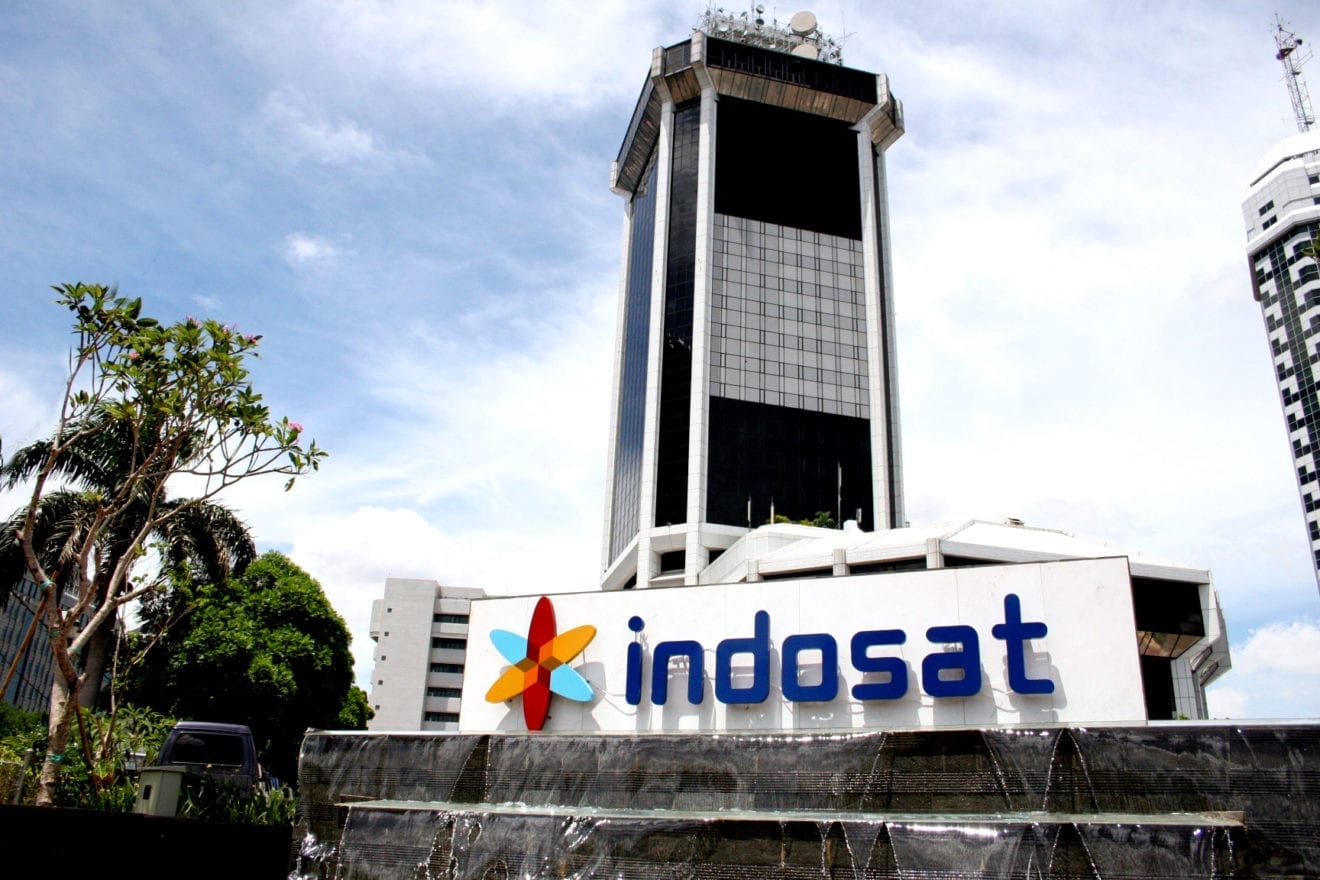
  • AI-Driven Network Optimization Boosts Indosat Data Traffic, Fuelling Digital Surge across Indonesia

    AI-Driven Network Optimization Boosts Indosat Data Traffic, Fuelling Digital Surge across Indonesia

    Indosat Ooredoo Hutchison (Indosat) saw a significant increase in data traffic throughout 2025, propelled by a rise in digital consumption across Indonesia. From December 21, 2025, to January 1, 2026, national data traffic grew by approximately 15% compared to regular days and by over 20% in comparison to the same period the previous year. This increase showcases the growing scale of digital activities across various regions. With a robust network across thousands of strategic locations and constantly improving infrastructure, Indosat ensured uninterrupted service even during the high-traffic holiday period.

    Optimizing Network Through Digital Intelligence Operations Center (DIOC)

    Indosat’s efforts were enhanced by network optimization through the Digital Intelligence Operations Center (DIOC), an artificial intelligence-based operations center that allows real-time network performance monitoring. The surge in data usage emphasizes Indosat’s dedication to improving customer experience by extending network coverage and enhancing quality, particularly for seamless video streaming and gaming in remote areas and key tourist destinations. This technology allows for adaptive capacity adjustments in areas experiencing traffic growth, ensuring customers have a reliable and high-quality digital experience across Indonesia.

    Desmond Cheung, Director and Chief Technology Officer at Indosat Ooredoo Hutchison, said that data traffic growth is not merely a technical indicator, but a tangible reflection of Indonesia’s digital economic progress. Usage surges are not restricted to major cities, but are also occurring in tourist destinations and emerging economic centers. This demonstrates the expanding impact of Indosat, and with AI-powered technology at DIOC, technical teams can more swiftly respond to potential disruptions, ensuring consistent connectivity for all customers.

    Preparing for the Digital Surge

    In anticipation of the surge in digital activity, Indosat increased network capacity at strategic locations, especially in regions with the highest traffic growth. This period also saw an increased popularity of digital services, with apps like TikTok, WhatsApp, Instagram, Facebook, and YouTube recording the highest usage growth. These efforts are supported by over 208,000 4G BTS and 1,404 5G BTS deployed nationwide, leading to an expanded service coverage for customers across Indonesia.

    Continuing Connectivity Recovery in Disaster-Affected Areas

    Connectivity remains critical for supporting community activities during post-disaster recovery. Indosat is expediting the restoration of telecommunications network services in areas affected by recent disasters. The company’s recovery effort reflects its commitment to supporting communities, ensuring connectivity remains a vital element for coordination, access to information, and daily activities.

    Indosat has also increased the number of technical personnel deployed across affected areas. Working closely with the Ministry of Communications and Digital Affairs, the Indonesian National Board for Disaster Management, and local governments, Indosat is ensuring priority fuel supplies and access to areas previously isolated due to infrastructure damage. Standby teams have been deployed at strategic locations for maximum service quality maintenance.

    Questions & Answers

    What led to the surge in Indosat’s data traffic in 2025?
    The rapid increase in digital consumption across Indonesia throughout 2025 led to a surge in Indosat’s data traffic.

    How is Indosat responding to the growth in data usage?
    Indosat is responding to the growth in data usage by optimizing its network through the AI-based Digital Intelligence Operations Center (DIOC), expanding network coverage, and enhancing service quality.

    What steps is Indosat taking to restore connectivity in disaster-stricken areas?
    Indosat is expediting the restoration of telecommunications network services, deploying more technical personnel, securing priority fuel supplies, and maintaining standby teams at strategic locations.

  • Muji’s Retail Revolution: Blending Digital Convenience With Enhanced In-store Experience In Asia

    Muji’s Retail Revolution: Blending Digital Convenience With Enhanced In-store Experience In Asia

    As the winds of change sweep across the retail landscape in Asia, an increasing number of chains are mastering the delicate art of balancing online convenience with in-store experience. This transformation, driven by the fast-evolving consumer preferences, has become essential for survival in the competitive market. Recently, major players like Japan’s Muji have unveiled strategies that reflect a deep understanding of this duality.

    Muji’s Emphasis on Omni-Channel Experience

    In an industry increasingly leaning towards online shopping, Muji is steering its focus back to the physical space with a fresh perspective. The brand plans to enhance its in-store experiences by offering a curated selection of items designed to engage customers in an interactive environment. Imagine strolling through a thoughtfully designed space where products inspire creativity and ignite a sense of community. Such initiatives are fundamental to reigniting the in-store shopping passion that has slightly waned in the digital age.

    Digital Innovations to Drive Foot Traffic

    Not one to shy away from leveraging technology, Muji is launching a series of digital tools aimed at improving customer interaction while they browse. From personalized recommendations through a mobile app to seamless integration of online orders for easy pickup in-store, these innovations promise to enhance the shopping experience. This strategy doesn’t just aim to boost sales; it seeks to create a symbiotic relationship between digital and physical platforms, ensuring that customers feel valued at every touchpoint.

    Rethinking Supply Chains and Sustainability

    As consumers become more environmentally conscious, Muji is also addressing sustainability head-on. The brand’s commitment extends beyond its product offerings, with efforts to streamline supply chains by focusing on local sourcing. In a region often beset by logistical challenges, this move not only reduces carbon footprints but also supports regional economies. It’s a win-win that demonstrates the power of mindfulness in retail practices.

    The Role of Collaboration

    The retailer is further enriching its strategy through collaborations with local artisans and designers. This not only enriches the product mix but also embeds cultural relevance into its offerings—a smart move in a region where local ethos can define consumer loyalty. Think of a limited-edition product line that reflects the soul of a city; it’s enough to entice any local shopper to step inside for a unique experience.

    Lessons from Asia’s Retail Giants

    As Muji navigates this new path, it stands to learn from the successes of other Asian retail giants that have already blazed trails in omni-channel strategies. Each endeavor reinforces the notion that the future of retail is not about choosing one channel over another, but about harmonizing them into a cohesive experience that truly resonates with consumers.

    Questions & Answers

    How is Muji enhancing the in-store shopping experience?
    Muji is focusing on creating interactive environments and curated selections that engage customers and foster community, potentially reigniting interest in physical shopping.

    What digital innovations is Muji implementing?
    The retailer is introducing digital tools, such as personalized recommendations via a mobile app and seamless online orders for in-store pickup, to enhance customer interaction and convenience.

    How is Muji addressing sustainability challenges?
    By emphasizing local sourcing and streamlining its supply chains, Muji aims to reduce its carbon footprint while supporting regional economies, showcasing a commitment to sustainability.

  • Singapore raises alarm over speeding violations

    Singapore raises alarm over speeding violations

    Singapore will impose stricter penalties for speeding from next year, following a sharp rise in road accidents, fatalities, and violations over the past years.

    Singapore’s Home Affairs and Law Minister K. Shanmugam said on Feb. 15 that the number of road accidents in the country has increased “very significantly” since 2020.

    In 2024, there were nearly 7,200 accidents with 142 fatalities, while the number of speed-related fatal incidents shot up by almost 44% from 2023, to 46.

    The number of speeding violations detected – 192,000 – was also the highest in the past decade, Shanmugam noted.

    While the Traffic Police have stepped up enforcement, such as activating the speed enforcement function in red-light cameras, he said more needs to be done to change or shape behavior.

    To address this issue, the Singapore Road Safety Council (SRSC) is collaborating with various stakeholders to develop public education initiatives aimed at promoting road safety awareness, including the use of social media to reinforce safe driving habits.

    Starting Jan. 1, 2026, the demerit points and total penalties for speeding violations in Singapore will be increased.

    Singaporean authorities will provide further details on the new penalties in due course.

  • AI solutions help reduce traffic accidents

    AI solutions help reduce traffic accidents

    VinAI’s Driver Technology Software provides drivers with a 360-degree view of all surroundings, including blind spots, to help avoid traffic accidents.

    At the recent 2023 Consumer Electronics Show (CES) in Las Vegas (U.S.), VinAI showcased two smart driving features – Automatic Mirror Adjustment (AMA) and Jelly View, a 360-degree view mode. AMA is the world’s first auto mirror adjustment feature, according to a VinAI announcement.

    These are the two newest features of the Driver and Occupants Monitoring System (DMS/OMS) and Advanced Surround View Monitoring (SVM). Both are in-vehicle solution suites that apply AI to reduce traffic accidents and improve the driving experience.

    VinAI applies infrared cameras, vehicle sensors, and facial expression analysis technology (ranked 6th in the world), which detect the driver’s condition, such as drowsiness or fatigue, and also monitors for risky behaviors, including being distracted or using a phone. As soon as the system detects such issues, the DMS issues different levels of warnings throughout the journey, even when the driver is wearing sunglasses or a mask.DMS is compatible with various hardware platforms, enabling carmakers to easily integrate it into their existing systems without spending too much on transformation.

    The Automatic Mirror Adjustment (AMA) is also an outstanding feature, easily activated with just the touch of a button. AMA can automatically adjust the mirrors on both sides of the car to the perfect position, thanks to the driver’s eye position analysis.

    The system works by estimating the driver’s eye position three-dimensionally. Normally, this problem would require two or more cameras to solve, but VinAI’s advanced system can accurately predict eye position with a single infrared camera.

    The VinAI enhanced 360-degree panoramic view feature (ASVM) helps the driver keep a close eye on the outside world while driving. The driver can also adjust the view using the on-screen control panel by choosing Jelly View mode, a transparent wraparound view. With the support of Jelly View, the driver can observe the entire space surrounding the vehicle: the front, rear, behind and outside, from the trunk to the chassis.

    The system uses AI technology to collect images from four fisheye cameras as well as information from the accelerometer to construct the vehicle’s chassis view in real-time. This helps drivers observe blind spots through the rearview mirrors. From there, users can easily detect obstacles and avoid unexpected accidents on narrow roads, rough roads, or in parking lots.

    The SVM system won the VnExpress Innovation Awards 2022 and is currently being deployed in the VFe34 electric car in Vietnam. The Jelly View feature was first introduced to the public at CES 2023.

    Dr. Bui Hai Hung, General Director of VinAI Artificial Intelligence Research and Application Joint Stock Company, said the new AMA and Jelly View features had received positive reviews from professionals as well as consumers at CES 2023.

    These AI solutions can significantly reduce accidents, which are a big issue not just for Vietnam, but also for the world, including developed countries. This “life-saving” technology is highly applicable.

    VinAI has also developed various AI products in many other fields including smart cities. One such solution includes Smart Edge, an access control solution that uses facial recognition technology. Smart Edge is currently deployed to more than 50,000 people at Vinpearl resorts, Vinhomes Ocean Park, Vinhomes Smart City, and Vinhomes Grand Park. The feature has proven to be over 99% accurate.

    Just three years since its establishment, VinAI has registered 66 patents in Vietnam and the U.S. and has published 107 research papers at the world’s leading AI conferences.

    VinAI was the only Vietnamese company ranked by Thundermark Capital as one of last year’s top 20 leading global AI research companies.

    VinAI’s cutting-edge machine learning-based technology aims to address global needs in various industries, with a focus on automobiles and smart cities.

    VinAI’s cutting-edge machine learning-based technology aims to address global needs in various industries, with a focus on automobiles and smart cities.

    VinAI’s cutting-edge driving technologies, including AMA and Jelly View, were showcased at CES 2023 from January 5 to January 8, offering guests the opportunity to experience these features first-hand in two electric cars, VinFast’s VF8 and VF9. The vehicles were installed with the full set of driver monitoring systems and 360-degree panoramic view systems.

  • Google Maps traffic triples in Ukraine

    Google Maps traffic triples in Ukraine

    Google’s Transparency reports are designed to show “how the policies and actions of governments and corporations affect privacy, security, and access to information online.” And the policies and actions of the government in Russia, by invading Ukraine, are having an effect on the demand for information available online in the latter country.

    Maybe it shouldn’t come as a surprise considering what is going on in Ukraine, but usage of Google Maps nearly tripled in that country over the last few days as many families have been taking to the roads trying to get over the Ukrainian border to Poland. Television reports show hours-long waits at service stations and heavy traffic on the roads leading to the border.

    The impact on Google Maps usage in Ukraine can be seen graphically thanks to the charts tweeted by Damian Menscher, who is the Security Reliability Engineer responsible for DDoS defense at Google. Menscher tweeted a graph showing how the online traffic from inside Ukraine to Google Maps rose from a score of 55.239 on February 23rd, to 157.275 the very next day, peaking at 186.983 on February 24th.

    That’s only half the story. Menscher included in his tweet a graph showing the declining traffic from Ukraine to Google Docs and Google Sheets as businesses are not running as usual in the country thanks to the invasion. Traffic to both sites from Ukraine declined by about 3x during the same time period.

    Gmail, Search, and YouTube traffic from Ukraine did not significantly budge since the invasion. We’ve heard reports of Ukrainians seeking shelter in the subway watching YouTube to catch the latest news on the War and to pass the time. This might have propped up YouTube’s numbers inside the country since we’re sure that most Ukrainians are not interested in watching cat videos at this time.

  • Waze brings back a beloved voice for a limited time

    Waze brings back a beloved voice for a limited time

    Waze has just announced that due to popular demand it has decided to bring back a beloved voice. Starting today, in celebration of Cookie Monster’s birthday this month, Waze users will be able to download the Cookie Monster voice for a limited time in the United States.

    Cookie Monster is Waze’s most downloaded voice in the United States to date with over 130 million monthly active users on the road using this specific voice. The voice was originally released in the US this summer as part of the company’s partnership with Sesame Street.

    Just as with all Waze famous voices, Cookie Monster was only available for a limited time, but if you didn’t manage to get it for whatever reason, now would be a good time to fix that.

    To get Cookie Monster’s voice, Waze users must open the application and click the magnifying glass. Then, simply open the Settings menu and choose “voice and sound.” The last step is tapping the “Waze Voice” and choosing the Cookie Monster voice, which, once again, will only be available for download for a limited time.

  • Improving retail sales and operations with customer traffic data

    Improving retail sales and operations with customer traffic data

    “Highly detailed and accurate traffic information is an absolute necessity in the modern retail environment and the solution provided by ShopperTrak has allowed Kathmandu to leverage this data with great success.”

    ShopperTrak gives retailers and shopping centres the data they need to optimise labour, store and marketing performance.

    By leveraging a combination of traffic data information and analytics, shopping centres that have morphed into ‘destinations’ for consumers can react better to events that impact the popularity and profitability of their venue.

    Today’s shopping centres can fully assist retailers who are on a mission to attract and retain customers and drive conversions in an exciting transitional marketplace for a new generation of shoppers. More importantly than ever, knowledge and accurate data is power!

    Additionally, the ShopperTrak Analytics Suite provides comprehensive, customised reports of high traffic times and traffic patterns across the operation.

    Implementation of the ShopperTrak traffic counting solution in Kathmandu stores has been very successful in driving the business forward and increasing its ability to make data-driven decisions in everything from marketing campaigns to roster management.

    Data produced by these counters now forms a core part of the KPI set for Kathmandu retail and is a daily topic of discussion at every level of the business.

    “While it is impossible to place a solid number on the additional sales/profit to this one project, there can be little doubt that it has enabled us to drive additional sales through a focus on conversion and improved rostering at a store level through the development of a labour demand model.”

  • Waze app gains Pandora integration on Android and iOS

    Waze app gains Pandora integration on Android and iOS

    Waze, Google Maps’ rival, and Pandora, the music streaming company have just announced they have teamed up to offer Android and iOS users the option to soundtrack their travel experience on mobile phones.

    If you’re a Pandora fan, you’ll now be able to listen to your favorite tunes on both iOS and Android devices across all tiers of the music streaming service, as well as personalize your experience directly inside the Waze app via an embedded audio player.

    Thanks to the new Pandora integration, drivers will now be able to navigate and listen to music simultaneously without ever leaving the map. Since the integration goes both ways, if you open Pandora, you’ll be able to use Waze’s navigation features.

    In order to connect Pandora with Waze, simply download the navigation app from the Google Play or App Store if you don’t have it already, tap on the music icon on the top right of the map, and select the Pandora icon. Also, make sure that the sound is turned on so that you can listen to music.

  • Cloud gaming could make up half of 5G data traffic by 2022

    Cloud gaming could make up half of 5G data traffic by 2022

    Cloud gaming could generate as much as 50% of 5G data traffic by 2022, based on the rapid progression of cloud gaming services in recent months.

    That was one of the key findings presented during a recent livecast hosted by Openwave, which was attended by over 50 operators, including Vodafone, Orange, Deutsche Telekom, Verizon, AT&T and Telefónica.

    According to Openwave, most operators believe cloud gaming could represent 25% to 50% of 5G data traffic by 2022.

    As mobile operators deploy 5G networks, it’s vital that mobile operators prepare for the disruptive impact that cloud gaming could pose, the company noted.

    “The recent emergence of cloud gaming platforms including Google Stadia, Apple Arcade, Microsoft xCloud and Snap Games has not escaped the attention of the operator community,” said John Giere, president and CEO of Openwave Mobility. “Over-the-top (OTT) players have ambitious plans to become the ‘Netflix for gaming’, hosting libraries of thousands of instantly accessible games that, ultimately, will consume three to four times the amount of bandwidth on 5G networks, compared to standard definition video traffic. Needless to say this will impact mobile operator data strategies.”

    “While 5G network rollouts are still in their infancy, OTTs are already planning augmented, virtual and mixed reality services, in addition to cloud gaming. Combined with the expected continued growth of streaming video, these services will rapidly eat into the additional bandwidth provisions of 5G.”

  • Globe interconnects with DE-CIX

    Globe interconnects with DE-CIX

    The Philippines’ Globe Telecom has enhanced its peering capacity in Europe through a new agreement with Deutscher Commercial Internet Exchange (DE-CIX). DE-CIX is the world’s largest internet exchange point with a peak traffic of over 6.4Tbps. Globe has peered at the company in Germany via its location in Frankfurt. The carrier neutral DE-CIX exchange interconnects more than 800 member networks, and provides peering and interconnection services to over 1,500 network operators, ISPs and content providers from more than 100 countries.

    The company offers peering and interconnection services from 13 locations in India, the Middle East, Europe, and North America.

    “This initiative will further complement existing infrastructure and enable users direct access to European content. At the same time, it functions as alternate internet gateways to the Philippines from that region as the internet is two-way,” Globe CTO Gil Genio said.

    “Improvements may also be observed in reaching networks that are part of the exchanges as the set-up will avoid the traditional via US traverse.”

    He said Globe Telecom now has connections to 23 internet exchange providers worldwide.

  • AirAsia trains crew to spot human traffickers

    AirAsia trains crew to spot human traffickers

    AirAsia, the biggest budget carrier in Asia, is training thousands of its staff to fight human trafficking, becoming one of the first airlines in the continent to crack down on the global crime.

    Companies have come under increased pressure to tackle human trafficking, with an estimated 46 million people living in slavery and profits thought to be about US$150 billion.

    Planes are a key part of the illegal business, as criminal gangs transport thousands of children and vulnerable people by air each year for redeployment as sex workers, domestic helpers or in forced labour.

    The United Nations has urged airlines to step in and look out for the tell-tale signs of trafficking.

    Kuala Lumpur-based AirAsia, which flies millions of passengers annually to more than 110 destinations, said it was planning to train between 5,000 and 10,000 frontline staff, including cabin crew.

    “We like to be able to have our staff know what to do if somebody comes up to them and says ‘I need help’,” said Yap Mun Ching, the executive director of AirAsia Foundation, the airline’s philanthropic arm, which is driving the initiative.

    “Sometimes (the victims) don’t know they have been trafficked. They realise it only when they are on their way and they want to be able to get help. Most of the time they don’t know who to turn to,” she told the Thomson Reuters Foundation.

    AirAsia has teamed up with US-based Airline Ambassadors International, a group that trains airline staff on trafficking, for the initiative, which kicked off this week at the airline’s four main hubs – Kuala Lumpur, Bangkok, Jakarta and Manila.

    All are hotspots for trafficking.

    The group said signs of trafficking include young women or children who appeared to be under the control of others, show indications of mistreatment or who seem frightened, ashamed or nervous.

    The UN Office on Drugs and Crime urged airline bosses at a summit in June to train flight crews to help combat human trafficking, the first time the aviation industry has held global discussion on the issue.

    While some training of airline staff to spot and report potential trafficking is mandatory in the United States, it is not widespread across the industry.

    So far, more than 70,000 US airline staff have been trained under a programme that began in 2013.

    Asia has some of the worst offenders of human trafficking.

    Countries such as Thailand, Myanmar and Laos are listed by the United States on a trafficking watch list for not meeting the minimum standards needed to end the crime.

  • Customer traffic dropping fast at Korean online shopping malls

    Customer traffic dropping fast at Korean online shopping malls

    Online shopping malls are fast losing customer traffic, industry data showed , compounding their massive business losses last year. According to the data, the number of unique visitors to the six top online shopping sites totaled 84.86 million last month. This is 9.2 percent less than the same month last year, with each site losing between 2 to 19 percent. For Ticket Monster, the monthly tally for April was 9.91 million, the smallest among the six sites.

    It is the first time that the number fell under the 10-million mark since the latter half of 2014.

    Industry analysts say the market has become overcrowded with both large retailers and smaller competitors all strengthening their online platforms. Customers consequently have scattered in the face of more choices. E-shoppers have also matured, making purchases at select sites best suited for them instead of hopping through different malls.

    A growing number of online customers shop through portals like Naver instead of directly visiting the sites, which is contributing to the decrease in traffic among online malls, analysts said.

    Industry experts estimate that losses by e-shopping sites last year exceeded 1 trillion won (US $892.85 million). Given that most of the companies are making ends meet through monetary increase in transactions, they may be pushed to the brink if the current loss in traffic leads to bigger operational deficits, analysts say.

    “The number of unique visitors is not the absolute indicator,” an industry official said. “However, since it is related to transactions, we are closely watching the situation.”

  • One person, one car in Hanoi as it considers a new traffic plan

    One person, one car in Hanoi as it considers a new traffic plan

    Hanoi is considering limiting individuals to one car and one license plate to ease pressure on its roads due to the continuing rise of newly-registered vehicles.

    Colonel Dao Vinh Thang, the chief of the Hanoi traffic police force, made the proposal at a meeting on Friday, urging municipal leaders to consider the new regulation.“If people want to get a new vehicle, they must use the old license plate,” he added.

    16,000 new motorbikes and 500 new cars are registered in the city every month, official figures show. Five years ago, Hanoi’s traffic infrastructure could support 5 million vehicles, but now it has to cope with two or three times that amount, which authorities are really struggling to control, Thang said.

    Major General Tran The Quan from the Ministry of Public Security shared the same view, saying this type of restriction on vehicle ownership has been applied in other countries, and that transferring license plates from old cars to new vehicles could help lower registration costs.

    However, Quan said that since Vietnam’s current law doesn’t impose any limit on the number of vehicles citizens are allowed to own, the regulation would require a lot of amendments to existing decrees and government circulars.

    But the proposal has raised some eyebrows.

    Attorney Pham Thanh Binh, director of Bao Ngoc Law Company, warned that restricting vehicle ownership would risk violating the Constitution.

    “Vietnam’s Constitution says that all citizens have the right to buy or sell any assets that are not prohibited by the state,” said Binh.

    The attorney, however, supports the idea that each person should only be allowed one license plate which they can use for life.

    Statistics show that Hanoi has more than 5.5 million personal vehicles (nearly 500,000 cars and more than five million motorcycles). The numbers are expected to increase to more than 7.3 million motorbikes and 1.3 million cars by 2025.

    Hanoi recently launched a competition seeking solutions from the public to solve its serious congestion problems, with a first prize of $200,000.

    The capital has been trying to ease traffic by constructing more highways and overpasses and launching the city’s first bus rapid transit route, in addition to more normal buses. To ease congestion, the city previously suggested banning motorbikes from inner-city streets over the next four years. However, experts said the proposal was unfeasible due to undeveloped and insufficient public transport.

    Last September, the city’s top leader Hoang Trung Hai also put forward another plan to make vehicles park only on one side of the road, depending on whether it’s an odd or even day. To date, no additional details of the plan have been unveiled.