Tag: trai

  • Indian Telecom Carriers Face 5G Speeds Squeeze as Data Traffic Surges

    Indian Telecom Carriers Face 5G Speeds Squeeze as Data Traffic Surges

    Mobile subscribers in India are consuming an average of 31.1 gigabytes of cellular data each month, driving monthly mobile network traffic to 27.6 exabytes and squeezing real-world 5G connection speeds across major commercial centres.

    Monthly 5G volume climbed 70 per cent year over year to 12.9 exabytes, now accounting for 46.8 per cent of all cellular data traffic in the country, according to Nokia’s Mobile Broadband India Traffic Index 2026. Network capacity is falling behind that appetite. Even as carrier icons display 5G service on phone screens, users face sluggish response times and reduced throughput across shopping centres, transport hubs and high-density housing developments.

    Traffic Surges Overwhelm Local Cells

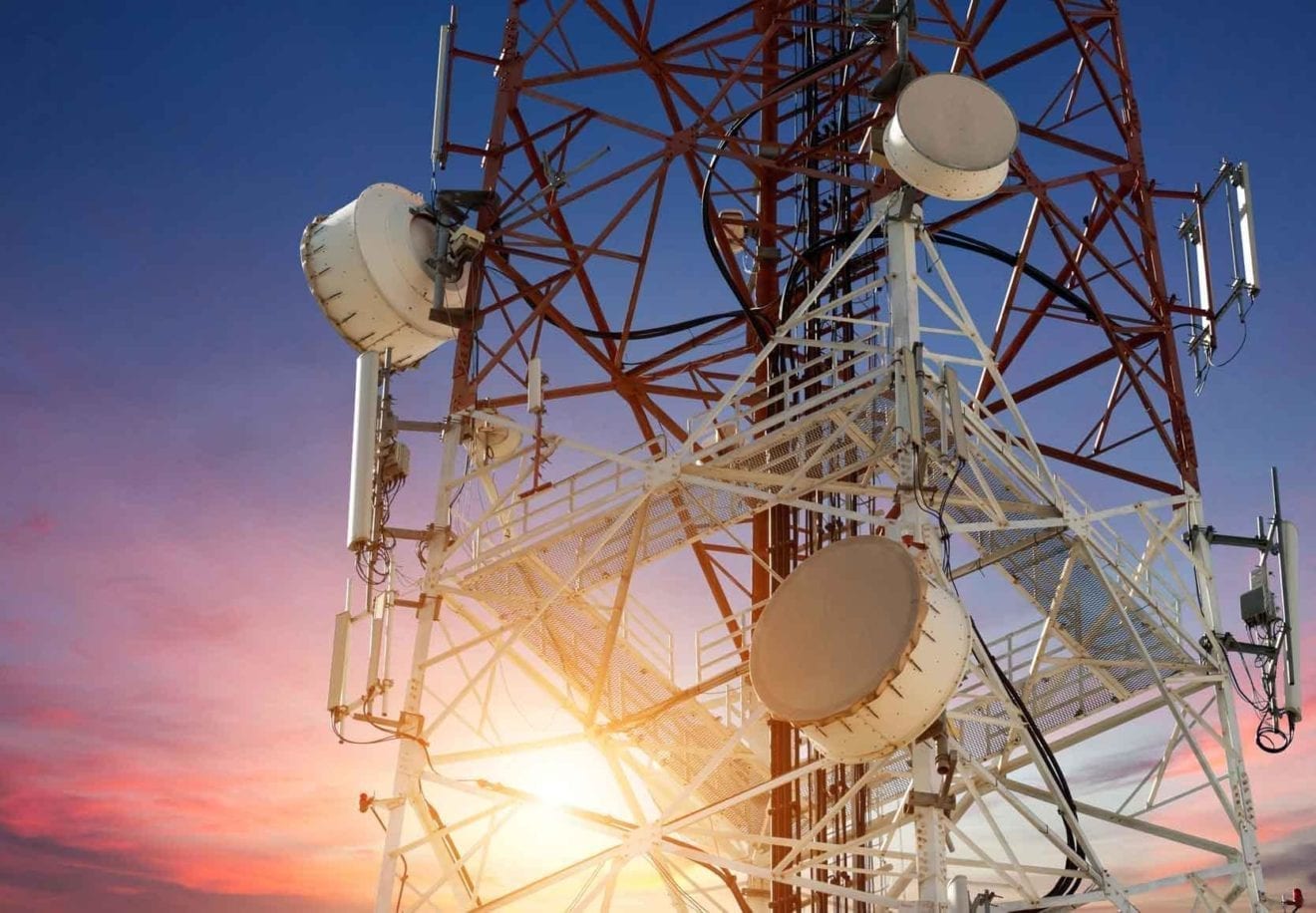
    Radio cells in major urban corridors now handle simultaneous demand for video streaming, cloud gaming, digital retail checkouts and video conferencing. When thousands of handsets connect to a single base station, available radio spectrum splits across those devices, causing local throughput to fall sharply regardless of advertised network capabilities.

    The Telecom Regulatory Authority of India reported that total wireless mobile data consumption reached 84,424 petabytes during the April to June quarter of 2026. That represents an 8.30 per cent quarter-on-quarter increase from 77,953 petabytes. Average monthly wireless data usage per subscriber rose 6.32 per cent to 28.39 gigabytes over the same period.

    Reliance Jio reported in its October 2026 financial disclosures that its user base included roughly 300 million 5G customers out of 542 million total connections. Individual monthly data usage on Jio’s network reached 44.2 gigabytes per subscriber, up from 38.7 gigabytes twelve months earlier. Handling that traffic volume demands constant radio densification and high-capacity backhaul lines.

    The Backhaul Bottleneck and Indoor Walls

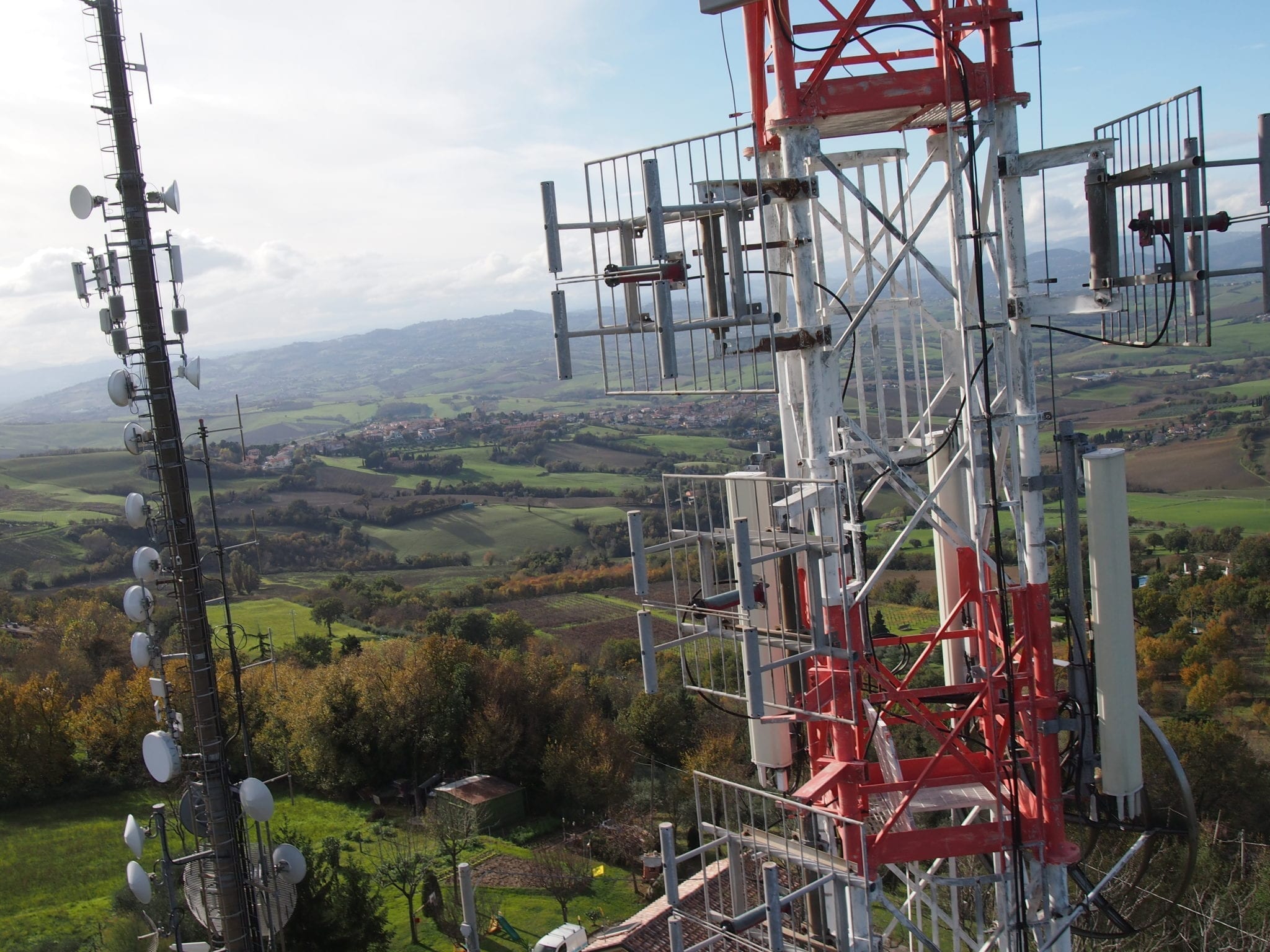
    Carrier deployments show rapid physical additions, but transmission feeds from base stations to core networks frequently fall short. Fixed wireless access services have intensified that strain. Home broadband products such as Reliance Jio’s JioAirFiber and Bharti Airtel’s Xstream AirFiber now generate more than 25 per cent of all 5G data traffic in India, locking heavy continuous data streams onto cellular masts.

    Physical structural barriers compound the problem. High-frequency 5G radio signals, particularly mid-band 3.3 GHz frequencies, struggle to penetrate concrete walls, metallic cladding and coated window glass in indoor commercial venues. When indoor signal strength falls, base stations downgrade customer devices to more robust but slower transmission modulations, cutting download rates.

    Regulator drive tests conducted in July 2026 across Kolkata, Howrah and Hooghly logged 122 poor-signal samples for Airtel, 181 for Jio, 401 for Vodafone Idea and 3,904 for state-run BSNL across roughly 65,000 samples per operator along 309.7 kilometres of roadways and hotspots. Cellular operators rely on hardware vendors like Ericsson, Nokia, Samsung Networks and Mavenir for carrier aggregation and active antenna arrays, but equipment on towers cannot bypass missing fibre lines.

    Operator Speeds and Consumer Grievances

    Performance gaps between operators remain wide in field measurements. Testing conducted by nPerf across real users between April 2025 and March 2026 showed Bharti Airtel leading average download performance at 113.81 megabits per second, with an upload rate of 16.84 Mbps and latency of 58.98 milliseconds. Reliance Jio recorded 94.22 Mbps down, 8.97 Mbps up and latency of 62.09 milliseconds.

    Vodafone Idea trailed with average download speeds of 75.80 Mbps, higher upload speeds of 14.51 Mbps and elevated latency of 111.60 milliseconds. BSNL delivered 15.11 Mbps down and 5.45 Mbps up, reflecting its reliance on an indigenous 4G network deployed with TCS, Tejas Networks and C-DOT. State filings showed BSNL operated 95,511 active 4G sites out of 97,672 installed units as of January 15, 2026.

    Capital Allocation and Network Expansion

    Private operators have pursued diverging technical strategies to maintain performance. Reliance Jio built its standalone 5G network from the outset, whereas Bharti Airtel expanded via non-standalone 5G configurations while adding infrastructure. Airtel deployed more than 2,900 new 5G sites across Punjab, Haryana, Himachal Pradesh and Jammu and Kashmir over 12 months, covering 77 districts, alongside 2,750 sites in Gujarat.

    Vodafone Idea is executing a phased catch-up strategy. After servicing 43 cities across 17 priority circles, the company mapped out an expansion in March 2026 targeting 90 additional cities to reach 133 municipal markets. Network equipment suppliers including Nokia, Ericsson and Samsung have secured rollout contracts to modernize Vi’s physical gear, but spectrum density in residential districts remains thin.

    Retailers and mobile commerce operators rely directly on cellular network stability at the point of sale. Digital payments, dynamic in-store inventory tracking and rapid logistics fulfillment require low-latency cell handoffs that degraded 5G connections fail to deliver during peak foot-traffic hours. The pressure now shifts to municipal fibre approvals and small-cell indoor installations.

    The next major performance test will come as Vodafone Idea works to operationalize its expanded 133-city footprint.

  • India Telecom Base Hits 1.35 Billion as 5G Fixed Wireless Expands

    India Telecom Base Hits 1.35 Billion as 5G Fixed Wireless Expands

    India’s total telephone subscriber base expanded by 6.20 million connections in July 2026 to reach 1.35 billion, according to data from the Telecom Regulatory Authority of India.

    Monthly growth of 0.46 per cent lifted overall wireless subscriptions to 1.31 billion, while wireline connections ticked up 0.39 per cent to 48.01 million. National wireless tele-density crossed a key threshold, rising from 89.71 per cent in June to 90.04 per cent. Urban mobile connections climbed 0.57 per cent during the month, outpacing rural mobile subscriber growth of 0.24 per cent.

    Concentration in broadband access

    Broadband lines reached 1.094 billion at the end of July, up from 1.09 billion in June. Mobile wireless remains the primary access route for consumers, representing 1.03 billion connections after growing 0.59 per cent. Fixed wired lines rose 0.90 per cent to 48.14 million.

    Five operators control 98.59 per cent of the broadband market. Reliance Jio retained the lead with 535.12 million subscribers, followed by Bharti Airtel at 384.23 million. Vodafone Idea held third place with 129.96 million users, while state-run BSNL and Atria Convergence Technologies followed with 27.28 million and 2.47 million connections, respectively.

    Rural adoption of 5G fixed wireless

    Fixed wireless access outpaced traditional connectivity categories, climbing 2.60 per cent month-on-month to 18.84 million lines. Within that segment, 5G-based fixed wireless subscriptions reached 13.21 million, up from 12.94 million in June after adding 272,820 connections.

    Rural households accounted for 50.31 per cent of all 5G fixed wireless connections, slightly ahead of the 49.69 per cent recorded across urban centers. The split indicates that operators are relying on wireless broadband to bypass physical fiber bottlenecks outside major metropolitan areas.

    Subscriber switching remained high across the country, with 15.98 million users submitting mobile number portability requests in July. Uttar Pradesh East generated the highest churn volume with 2.29 million porting requests, followed by Uttar Pradesh West at 1.55 million.

  • TRAI Takes Action Against Spam and Cyber Fraud: What Retailers Need to Know!

    TRAI Takes Action Against Spam and Cyber Fraud: What Retailers Need to Know!

    In a bid to address the growing menace of spam, cyber fraud, and the misuse of telecom infrastructure, the Telecom Regulatory Authority of India (TRAI) gathered the Joint Committee of Regulators (JCoR) on Tuesday. This pivotal meeting took place at TRAI’s headquarters, bringing together influential figures from various sectors.

    Representatives from top regulatory bodies, including the Reserve Bank of India (RBI), the Securities and Exchange Board of India (SEBI), the Insurance Regulatory and Development Authority of India (IRDAI), and the Pension Fund Regulatory and Development Authority (PFRDA), joined their counterparts from the Ministry of Electronics and Information Technology (MeitY). Also present were officials from the Department of Telecommunications (DoT), the Ministry of Home Affairs (MHA), and the National Payments Corporation of India (NPCI).

    A united front against digital threats

    During the meeting, TRAI Chairman Anil Kumar Lahoti emphasized the necessity of collaboration among different regulatory bodies in an increasingly digital marketplace. He said, “In a digital-first economy, collaboration among financial sector regulators, digital communication regulators, and security agencies becomes paramount. TRAI appreciates the swift collaboration being facilitated through JCoR in building a reliable and safer communication environment.”

    The agenda took a concentrated approach at combating digital payment fraud while enhancing consumer protection measures. One significant proposal discussed was the phased adoption of a dedicated 1600-series number range for service and transactional calls in banking and finance, aimed at reducing confusion and potential scams.

    Innovating security with digital consent

    Additionally, the meeting reviewed advancements in the Digital Consent Acquisition (DCA) pilot. This innovative initiative replaces traditional paper-based consent methods with a secure digital system, making the process streamlined and efficient. The pilot, a joint effort between TRAI and RBI, involves participation from major telecom companies and banks, including SBI, PNB, ICICI, HDFC, Axis Bank, Canara Bank, and Kotak Mahindra Bank.

    Speeding up fraud prevention

    To further combat fraud, the regulators discussed methods for facilitating automatic data sharing between the Indian Cyber Crime Coordination Centre (I4C), the DoT’s Digital Intelligence Platform, and the telecom industry’s Distributed Ledger Technology (DLT) systems. This collaboration is intended to expedite responses to fraudulent activities involving illicit phone numbers and telecom resources.

    Concerns about the misuse of SIP and PRI lines for bulk spam calls were also raised, leading participants to explore remedies such as assigning these lines from controlled number ranges and implementing additional security measures. This meeting followed a workshop co-hosted by TRAI and RBI, where banks and telecom providers delved into DCA’s development and pledged to enhance collaboration.

    Questions & Answers

    What key topics did the TRAI meeting focus on?
    The meeting centered on tackling spam, cyber fraud, and enhancing consumer protection, particularly in the context of digital payments.

    Which organizations participated in the JCoR meeting?
    Representatives from the TRAI, RBI, SEBI, IRDAI, PFRDA, MeitY, DoT, MHA, and NPCI were present, highlighting a robust collaboration across various sectors.

    What is the significance of the Digital Consent Acquisition pilot?
    The DCA pilot aims to streamline communication consent by replacing paper-based approvals with a secure digital system, involving major telecom operators and banks.

  • India Targets to Roll Out 6G by 2030

    India Targets to Roll Out 6G by 2030

    At an event celebrating the Telecom Regulatory Authority of India’s (TRAI) 25th anniversary, Prime Minister Narendra Modi said that the country is on track to roll out domestically developed 6G by the end of the decade.

    Currently, India’s 5G developments are still underway. Modi noted that connectivity will determine the pace of India’s growth, making it important for the country to pursue modernization at every level.He called for accelerated 5G network deployments to boost the Indian economy, which is projected to add $450 billion to the country.

    “5G technology will bring positive change in the governance of the country, ease of living and ease of doing business,” Modi stressed. “It will boost growth in agriculture, health, education, infrastructure and logistics.”

    At the same time, Modi announced the country’s first 5G testbeds, which would enable start-ups and industry players to test and validate their products locally and reduce dependence on foreign facilities.

    The Telecom Regulatory Authority of India (TRAI) had recommended a base price for upcoming spectrum auctions. According to sources, the Department of Telecommunications (DoT) is likely to move the 5G spectrum auction proposal to the Union Cabinet for approval next week.


  • TRAI releases consultation paper on satellite gateway

    TRAI releases consultation paper on satellite gateway

    Telecom Regulatory Authority of India (TRAI) has extended an invitation to industry stakeholders to gather inputs on a framework for satellite gateways in India. This will facilitate the launch of satellite communication services in India.

    Prior to this, the Department of Telecommunications (DoT) has requested TRAI to furnish recommendations on licensing framework for establishing a satellite gateway. DoT has requested TRAI to address existing limitations in satellite gateway operations as there is no provision regarding the use of gateway by service providers established by a satellite constellation operator.

    The regulator is called to look into factors and make recommendations on entry fee, license fee, bank guarantee, NOCC charges, and other issues which may concern LEO, MEO and HTS systems.

    TRAI has since released a consultation paper to garner inputs by 13 December.

  • Trai cracks down on Jio’s free service offers

    Trai cracks down on Jio’s free service offers

    Indian telecoms regulator Trai has finally ordered an end to disruptive new operator Reliance Jio Infocomm’s practice of offering free services to customers as promotional exercises.

    The regulator has instructed Jio to withdraw its Summer Surprise offer, which would have entitled new customers to three months of free services upon making their first recharge payment of at least 303 rupees ($4.70).

    The regulator has declared that the offer does not fit with India’s regulatory framework covering promotions, which places limits on the duration that discounts can be offered.

    Jio has announced it will comply fully with the order, but that customers who have already signed up for the offer will remain eligible.

    Jio’s latest offer follows an initial promotion providing completely free services that had run for three months, and was subsequently expanded for a further three. This aggressive strategy helped the operator sign up over 100 million customers  in less than six months of commercial operation.

    Rival operators had objected to the offer extension, but Jio had insisted that the second offer represented an entirely new promotion and so did not violate the regulations limiting promotions. At the time, Trai sided with Jio, but this latest decision indicates that the regulator’s patience is wearing thin.

  • Trai to allow Jio to continue free data offer

    Trai to allow Jio to continue free data offer

    Indian telecommunications regulator Trai has determined to allow disruptive new market entrant Reliance Jio Infocomm to continue with its free data offer, despite objections from rivals.

    Trai has rejected petitions from incumbent operator Bharti Airtel as well as Idea Cellular calling for the regulator to prohibit Reliance Jio from maintaining what it calls a predatory promotional offer.

    Indian regulations prevent operators from running a promotional campaign for longer than three months, and Reliance Jio has now been offering free services to subscribers for longer than this time, having recently decided to extend the offer to March 31.

    But to circumvent the restriction, Jio is calling its current promotional offer the Happy New Year offer, and has argued that this was distinct from its initial Welcome offer.

    Trai has now sided with Jio, finding that the new offer is a distinct promotion and cannot be considered an extension of the earlier offer. On this basis, Jio will be allowed to continue to offer free services.

    Jio’s aggressive marketing is triggering a fresh price war in India, which could have a significant impact on an already hurting industry. The report cites an executive from one of the big three operators stating that if the price war continues, there will be job losses.

    Operators are meanwhile exploring consolidation in order to survive in the strictly competitive environment. Indian media recently reported of a four-way merger between Aircel, Reliance Communications, Telenor India and Sistema Shyam Teleservices (SSTL).

  • India’s Trai sets 512kbps broadband speed minimum

    India’s Trai sets 512kbps broadband speed minimum

    The Telecommunications Regulatory Authority of India (Trai) has instructed the market’s fixed line operators to guarantee a minimum download speed of 512kbps at all times.

    In a new directive, Trai set the minimum required speed to be considered broadband at 512kbs and ordered the nation’s operators not to reduce their speeds below this even when throttling customers for excess data use.

    ISPs as well as mobile broadband subscribers have also been told to provide information on data usage limits, connection speeds and capped speeds in any advertisements published in any media covering broadband plans.

    New and existing subscribers must also be informed of this information over email or SMS.

    Finally, operators will need to provide alerts to customers via these channels when their data usage reaches 50%, 90% and 100% of their allocation, and to maintain a portal or website to allow users to access their usage at any time.

    Operators including Bharti Airtel, Reliance Communications and Sistema Shyam Teleservices had urged the regulator to allow throttling to speeds of just 64kbps to prevent misuse of fixed broadband services. With the directive this request has now been rebuffed.

    But on the other hand, the government had previously considered setting 2Mbps rather than 512kbps as the minimum speed.