Retail News CRM

Tag: transactions

  • Revolutionizing In-Car Transactions: Alipay Debuts Voice-Controlled Mobile Payment System

    Revolutionizing In-Car Transactions: Alipay Debuts Voice-Controlled Mobile Payment System

    At the 2026 Beijing International Automotive Exhibition, Banma Intelligence, a renowned Chinese tech corporation, partnered with fintech heavyweight Alipay to introduce a pioneering AI-enabled in-car system. This innovative technology allows drivers to initiate transactions using just their voice.

    Revolutionizing In-Car Transactions

    Known as the “AI cockpit”, the cutting-edge solution merges Banma’s in-vehicle intelligence with Alipay’s AI Pay. This allows drivers to perform hands-free transactions without the need for a smartphone. The developers of this technology aim to simplify in-car digital experiences as vehicles continue to become more software-focused.

    Ming Cai, the Chief Product Officer at Banma, noted that significant progress has been made in the realm of smart cockpits over the past two years, particularly in understanding user intent. He stated that by integrating voice-activated payments, one of the last barriers to smooth in-car digital experiences has been effectively eliminated. As a result, drivers can now simply express their intent verbally to complete a purchase.

    Emphasis on High-Demand Services

    Initially, the system primarily concentrates on services in high demand like entertainment and travel. For instance, drivers can book movie tickets, reserve hotel rooms, or order food through voice commands. A command like “buy two movie tickets” prompts the system to select showtimes and seats, following which the user can verbally confirm the choices to finalize the payment.

    Security Measures

    Security is a key feature of this new system, with Alipay integrating multi-layered risk controls and real-time fraud detection to safeguard the transactions carried out via the system.

    The development indicates a wider industry trend towards intelligent, connected vehicles, with digital services emerging as a key differentiator. Payment integration is viewed as a vital part of this ecosystem as it allows car manufacturers and software providers to deliver smooth, comprehensive user experiences.

    The companies revealed that the AI cockpit has already completed integration testing with several prominent automakers and is set to feature in new vehicle models in the latter half of 2026.

    Questions & Answers

    What is the “AI Cockpit”?
    The “AI Cockpit” is a state-of-the-art system developed by Banma Intelligence and Alipay that allows drivers to conduct transactions using voice commands.

    What services does the AI Cockpit initially focus on?
    The system is initially focused on high-demand services like entertainment and travel. It allows drivers to book movie tickets, reserve hotel rooms, and order food using voice commands.

    How does the system ensure the security of transactions?
    Security is a key feature of the system. Alipay has incorporated multi-layered risk controls and real-time fraud detection measures to protect transactions conducted through the system.
  • Pandemic Accelerating Shift to Cashless Society By 4 Years

    Pandemic Accelerating Shift to Cashless Society By 4 Years

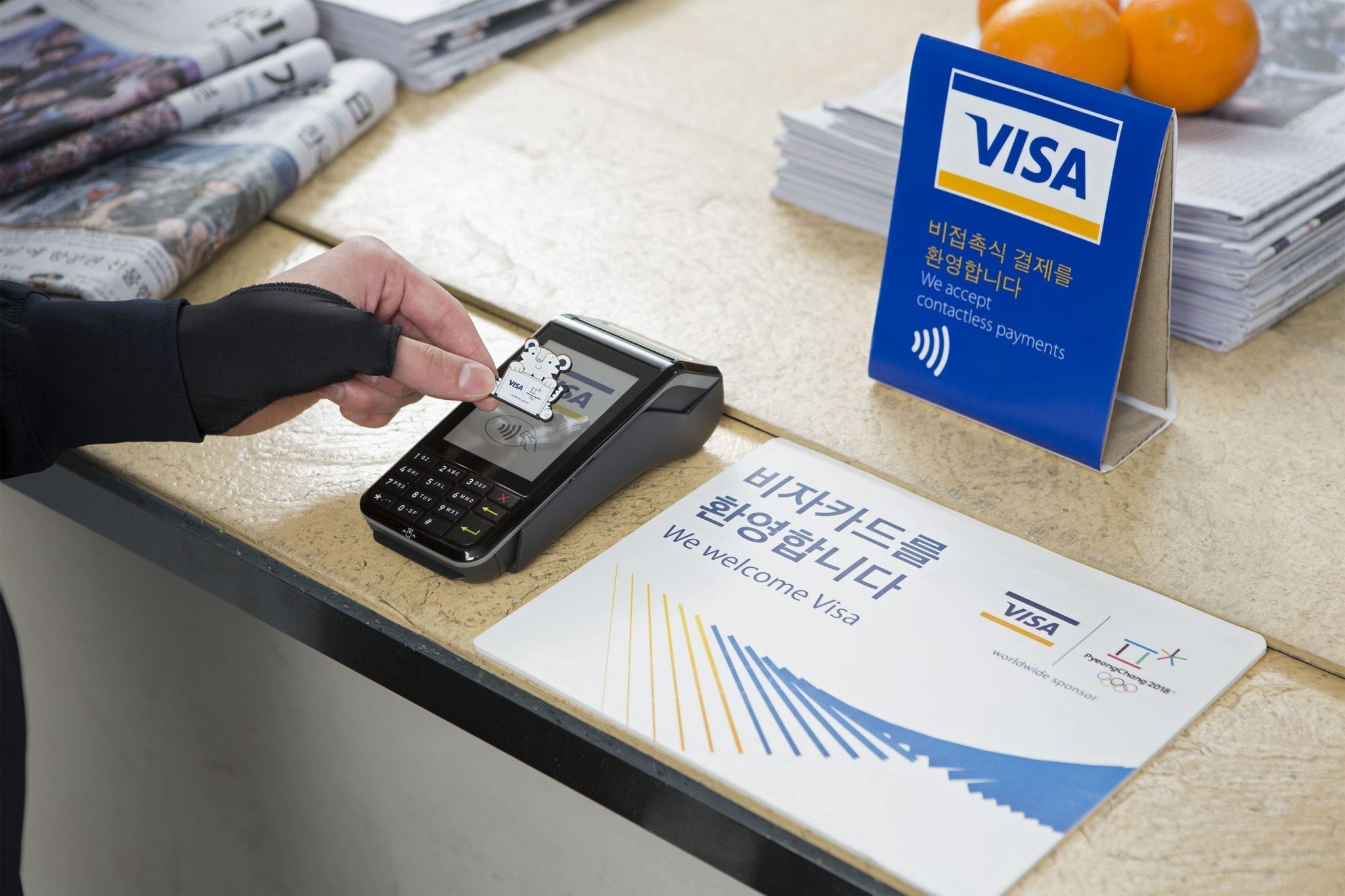
    A new study by the payments giant reveals the growing popularity of digital payment methods such as online wallets, mobile contactless payments and QR code payments among Singaporeans.

    The ongoing Covid-19 pandemic is hastening the demise of cash-based transactions in the city-state by at least four years, Visa said in its Consumer Payment Attitudes Study, published Thursday.

    The survey shows a preference among Singapore consumers for contactless card payments (31 percent), followed by online card payments (23 percent). Visa said that more than 9 in 10 transactions of its transactions by Singapore consumers are contactless – one of the highest in the world.

    Fewer than one in five Singaporean consumers (15 percent) prefer using cash, the survey revealed, noting that its use has fallen by 45 percent for public transport transactions and 42 percent for health and fitness-related transactions. Overall, more than one-third of Singaporean consumers who prefer using cash (35 percent) used this payment method less frequently.

    According to the survey, Singaporean consumers have shown receptiveness to emerging payment trends, including installment payments (87 percent) and real-time bill payments (80 percent).

    The stickiness of new digital payment habits formed during the pandemic cannot be underestimated… With cash usage decreasing, we believe there is a significant opportunity to encourage more usage of digital payments in the country, Kunal Chatterjee, Visa country manager for Singapore and Brunei, said in a statement.

  • Deutsche Bank Split Staff Upon Coronavirus Incident

    Deutsche Bank Split Staff Upon Coronavirus Incident

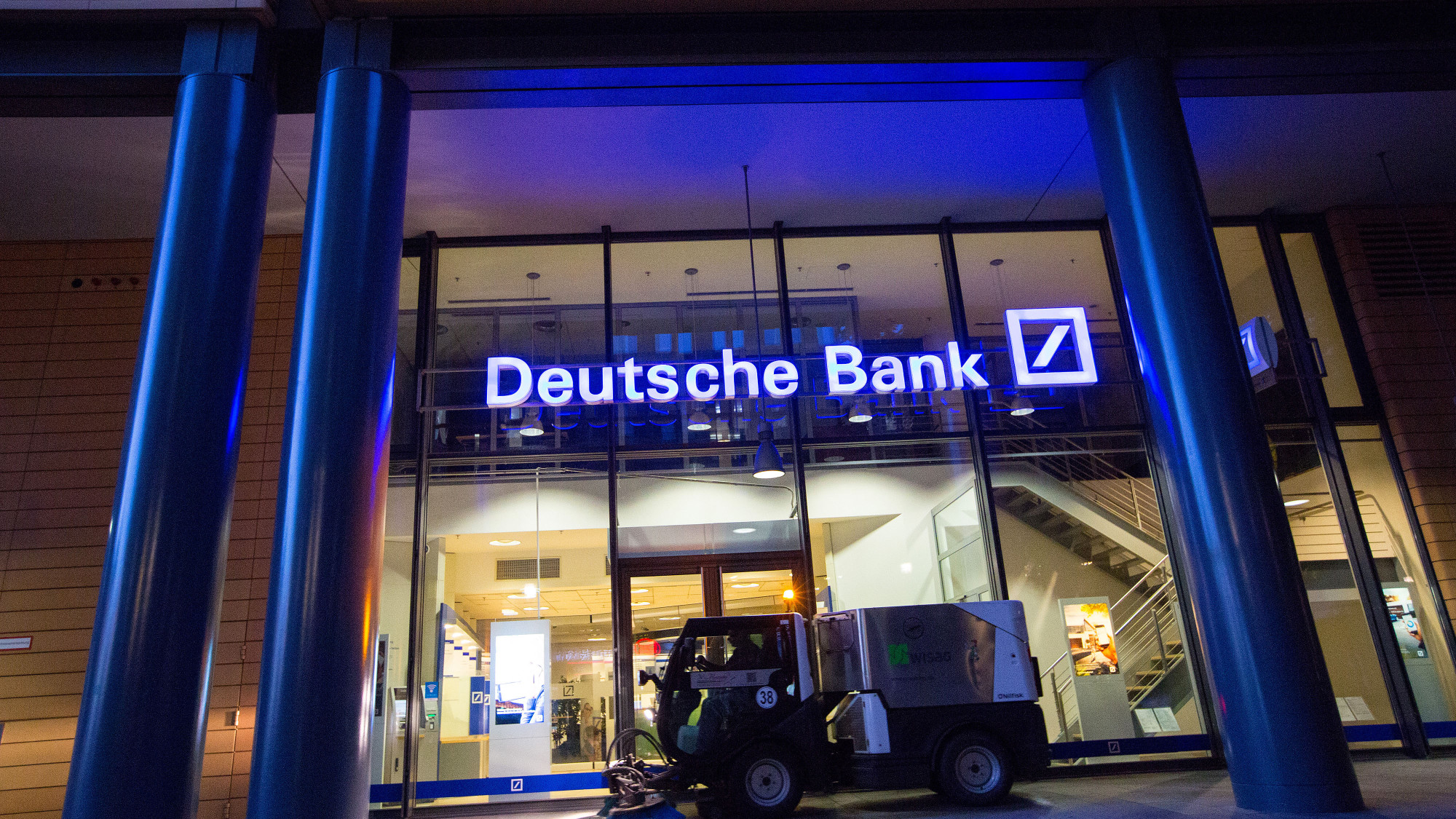
    Deutsche Bank has split up sales and trading teams in Frankfurt after an employee tested positive for the coronavirus, following moves by other global banks which have separated their workforces into different teams.

    The lender intends to divide sales and trading teams into different locations at that office and at a recovery site until 27 March as a precaution, according to the bank’s memo. Some employees may also be asked to work from home.

    All employees who have had contact with the affected colleague were informed directly, and we will undertake deep cleaning on floors N1 and N2 and other areas in DBC. We expect no impact on our ability to operate our full range of services for our clients and recognize that this setup will require extra effort and discipline from all,» Deutsche Bank wrote in its memo.

    The firm added that employees working remotely won’t be allowed at offices where they are not assigned and that staff should avoid meeting socially with any colleagues stationed elsewhere. It is also planning to take other «precautionary hygiene measures. At hubs around the world, global banks have begun separating their workforces into different teams so as to limit the potential that an outbreak disrupts operations key to financial markets. At Credit Suisse and UBS, bankers who return from affected regions such as China, South Korea, Singapore or Northern Italy are confined to working from home for two weeks. Most banks have told staff to reduce their travel to the bare minimum.

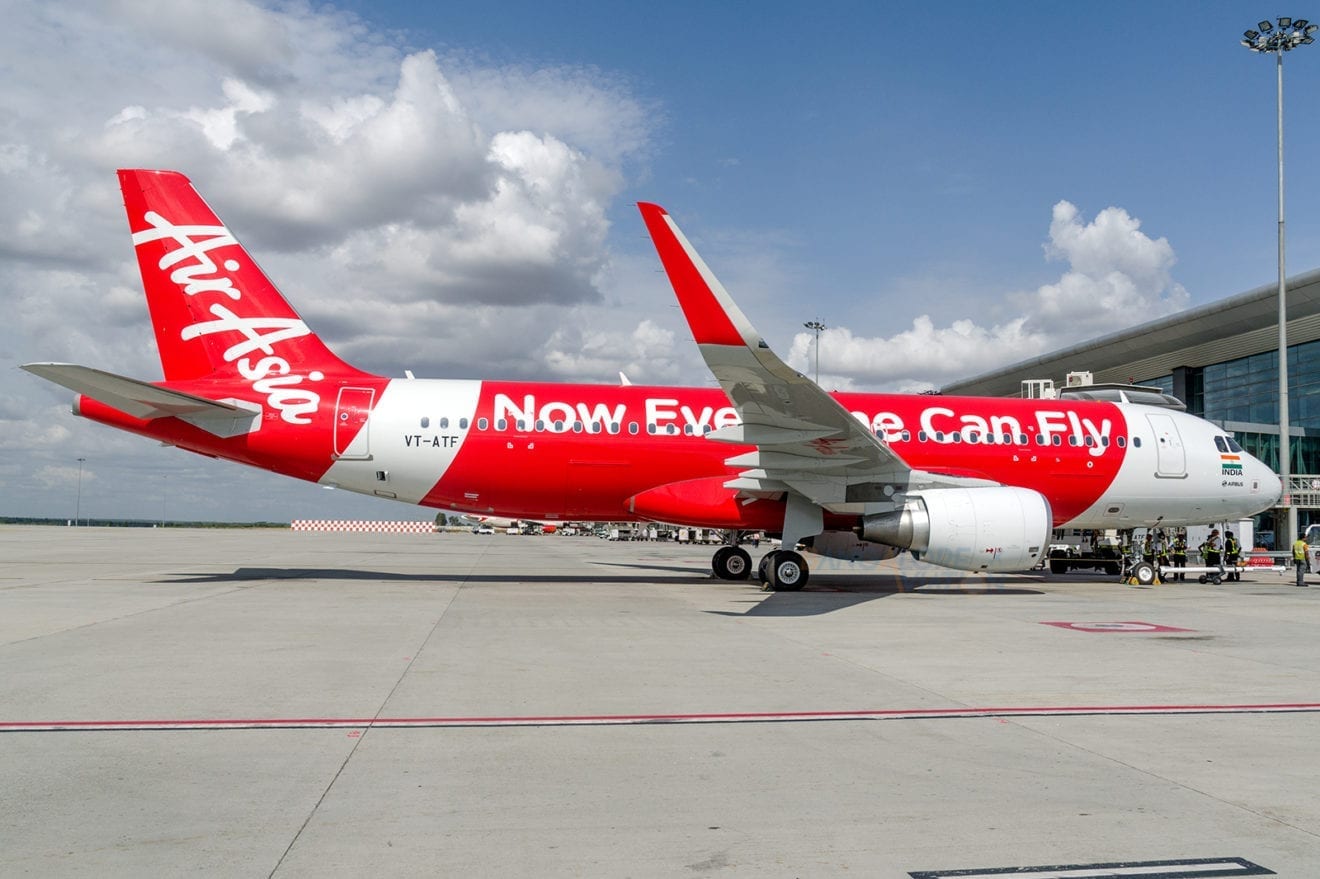
  • AirAsia may face fines for charging processing fees for card and online banking transactions

    AirAsia may face fines for charging processing fees for card and online banking transactions

    low-cost carrier AirAsia could still face fines for charging passengers additional processing fee for card and online banking transactions. This comes right after AirAsia Group CEO, Tan Sri Tony Fernandes had announced that the airline will scrap the processing fee beginning October 2019.

    The Malaysian Aviation Commission (Mavcom) had made it compulsory for all airlines in Malaysia to remove hidden charges such as card payment charges and administrative fee effective 1st June 2019. The amendments to the Malaysian Aviation Consumer Protection Code 2016 (MACPC) also require airlines to refund the passenger service charges, taxes, fees and charges prescribed under any written law for both refundable and non-refundable tickets if a passenger did not travel. Refunds must be reimbursed within 30 days and airlines are only permitted to charge a maximum of 5% processing fee if the ticket is non-refundable.

    It was also reported that the Mavcom will issue a show-cause letter to airlines on the violation of the MACPC and the commission will then determine if the airline has contravened the said provision. The commission highlights that it is compulsory for airlines to remove the processing fee and airlines must also disclose the final price of the airfare both at the point of advertisement and prior to the consumer purchasing the flight tickets.

    They added that the final price must include the base fare and all required charges to be paid to the airline, government-imposed taxes, fees as well as fuel surcharge. This, according to the commission, will eliminate hidden charges such as card payment charges and administrative fees.

    The regulator said that it has been a practice in the past where the price increases after selections are made due to additional charges that were not disclosed upfront. The Edge Markets had reported that it may seem that AirAsia and AirAsia X would be liable for contravening the MACPC as they continue to charge processing fees until 30th September 2019.

    As mentioned earlier, AirAsia charges card processing fee as high as RM12 per passenger per flight depending on the destination. This means a return ticket could cost as high as RM24 for processing fee and if you’re travelling in a group of four, that’s equivalent to RM96 for processing fees alone.

    When Tony Fernandes was asked if Mavcom had ordered AirAsia to remove the transaction fees, he denied it on Twitter.

    At the moment, AirAsia encourages its passengers to pay by BigPay prepaid Mastercard to enjoy zero processing fees for their flight tickets. It is also worth pointing out that Bank Negara Malaysia had decreed that merchants cannot impose surcharges for payments using debit and credit cards.

    The same report also highlighted that AirAsia had stopped charging a RM3 klia2 fee on passengers departing from klia2 after it was made illegal by Mavcom. According to AirAsia, the extra fee was to cover the huge amount of extra cost klia2 has created such as aerobridges and the SITA check-in/boarding systems. Although it wasn’t disclosed in AirAsia’s annual report, The Edge Markets estimated that the airline would have collected RM45.24 million from the RM3 fee based on the number of passengers carried by the group from Malaysia Airports Holdings Bhd’s 2018 annual report.

  • 4 Reasons Why Crypto Transactions Could Dominate the Payment Markets in the Future

    4 Reasons Why Crypto Transactions Could Dominate the Payment Markets in the Future

    Over time, the position of the payment markets in the global economy has been invariably shaped and defined by the traditional payment systems. However, as with all technologies, it is not without its pitfalls.
    While these payment systems are equipped to handle the level of transactions well enough, they still have several faults. Thus, in the bid to survive the rapid pace at which revolution is taking place globally, the payments market had to accept the innovative power wielded by cryptocurrencies.

    As a result, these traditional payment systems have to compete with cryptocurrencies for dominance. However, given the pace at which crypto adoption is going, experts believe that crypto transactions could dominate the payments market at some point in the future.
    Let’s see why.

    Crypto Transactions have Blockchain Technology as their Backbone

    With blockchain technology being the primary backbone of crypto transactions, the payments market get to experience innovations in various ways. One such way is decentralization. No one wants to wake up to find their accounts frozen for something they are not aware of. Centralized services do this to people — with central authorities in control, there is limited freedom for flexibility in transactions. PayPal, for instance, imposes daily transaction limits on users and sometimes suffers from delayed services due to many glitches.

    Blockchain technology, on the other hand, is glitch-free. Furthermore, there are no limits as users get to transfer as much money as they want to anyone they want. This, of course, is a recipe for a high influx of people into the payments market.

    Let’s Talk About Scalability

    No one wants to wait for several hours or days before getting their transactions confirmed. A slow system can be really frustrating. This is where crypto transactions stand out. Created as an electronic cash system, they are better equipped to deal with the high demand for services.

    Cyber Security

    The evolution of technology means that keeping one’s transactions and accounts protected from prying eyes is quite difficult. This is particularly true of traditional online transactions.
    With the immutable force of tamper-proof ledger system offered by blockchain, crypto transactions are safe from these threats. Blockchain technology works in such a way that transactions and data can only be added to it but cannot be altered afterward.
    Thus, with crypto transactions, chances of intercepting transfers or installing malicious software are curtailed. This is particularly the case with crypto transactions performed through cold wallets and decentralized exchanges.

    The Future is Going Cashless

    The world is increasingly adopting digital economy which means that soon fiat currencies could be ditched and replaced with different forms of electronic cash systems. The fact that cryptocurrencies were introduced to the world as digital money means they could one day be the way to go. Even though the possibility of crypto transactions being used with different businesses is limited at the moment, the future appears to be bright. In fact, cryptocurrencies like Ripple and Stellar are gradually making the cut in larger circles.
    IBM, for example, recently announced that it was adopting Stellar as its native currency. This is definitely a move in the right direction for all cryptocurrencies.

    Learn more about crypto transactions and related subjects by checking out the infographic originally published at Bitcoinfy.net.

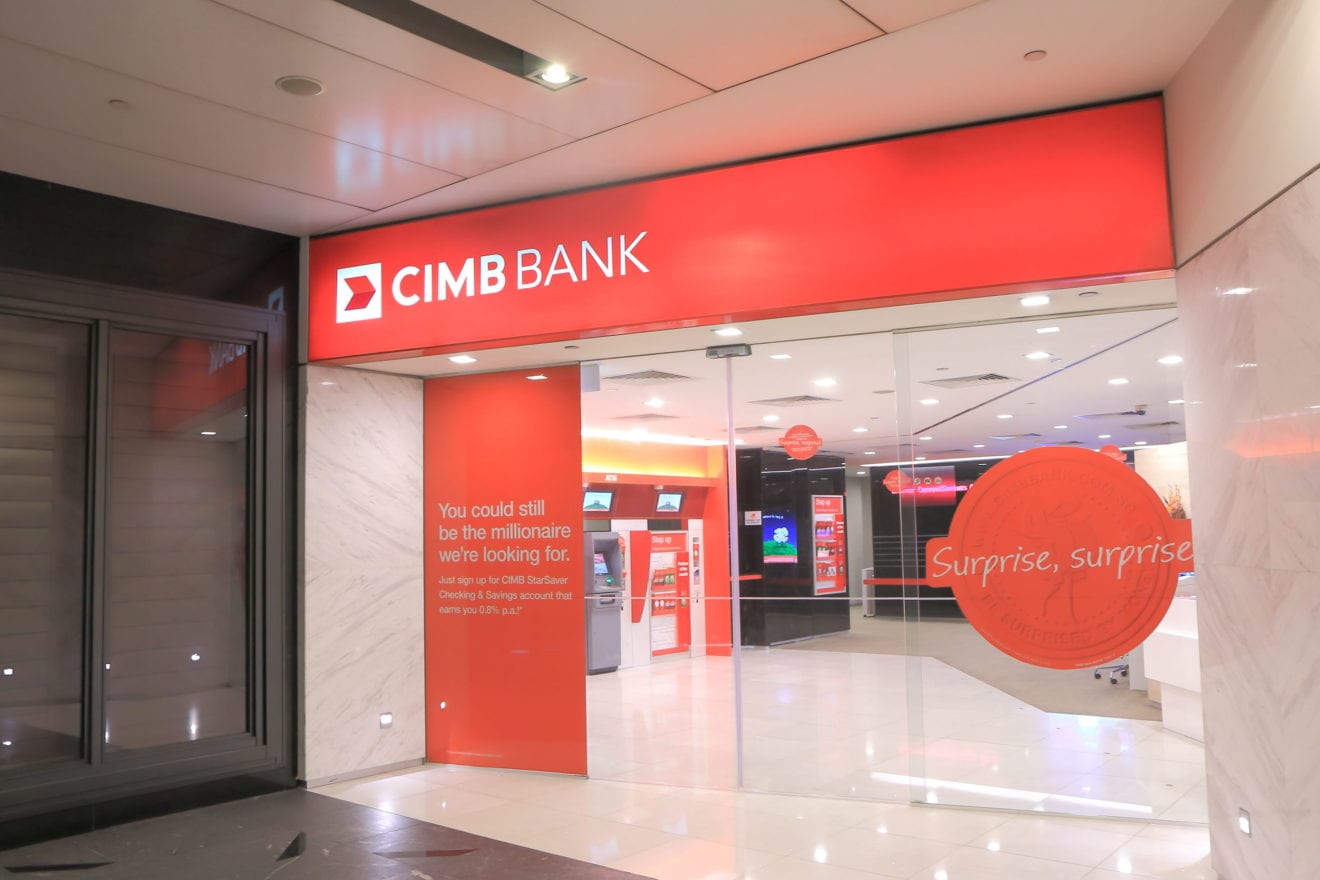
  • CIMB launches mobile wallet app for cashless payments

    CIMB launches mobile wallet app for cashless payments

    CIMB Bank Bhd has launched a lifestyle mobile application, CIMB Pay that provides combine secure cashless payments with deals and offers.

    This enables the bank’s seven million customers to experience faster, easier and more secure payments at over 1,800 contactless terminal-enabled merchants nationwide as well as search nearby location-based real-time deals.

    Group consumer banking chief executive officer Samir Gupta said the launch of CIMB Pay further strengthens its suite of digital offering, reaffirming CIMB’s position as a customer-centric bank with cutting-edge technology in the region.

    “We are proud that CIMB Pay is the first mobile wallet app that enables consumers to not only make cashless payments, but also allows them to take advantage of lifestyle deals.

    “Combined with the ability to store cards issued by both Mastercard and Visa, CIMB Pay is the leader among similar apps,” Gupta said in a statement, adding the initiative also supports Bank Negara’s move to go cashless.

    On the app’s security features, Gupta noted that security and privacy are at the core of CIMB Pay and that all card details were tokenised with no information stored on the devices.

    “Users will also be required to authenticate transactions either using the mobile fingerprint or a six digit PIN,” he added.

    In the meantime, Gupta said more functionalities will be added onto CIMB Pay in the first quarter of 2017, including simplified online payment and express checkout solutions powered by Mastercard’s Masterpass.

    With Masterpass, shoppers will be able to use their CIMB Mastercard debit or credit card along with the shipping information saved on the mobile app to complete online transactions.

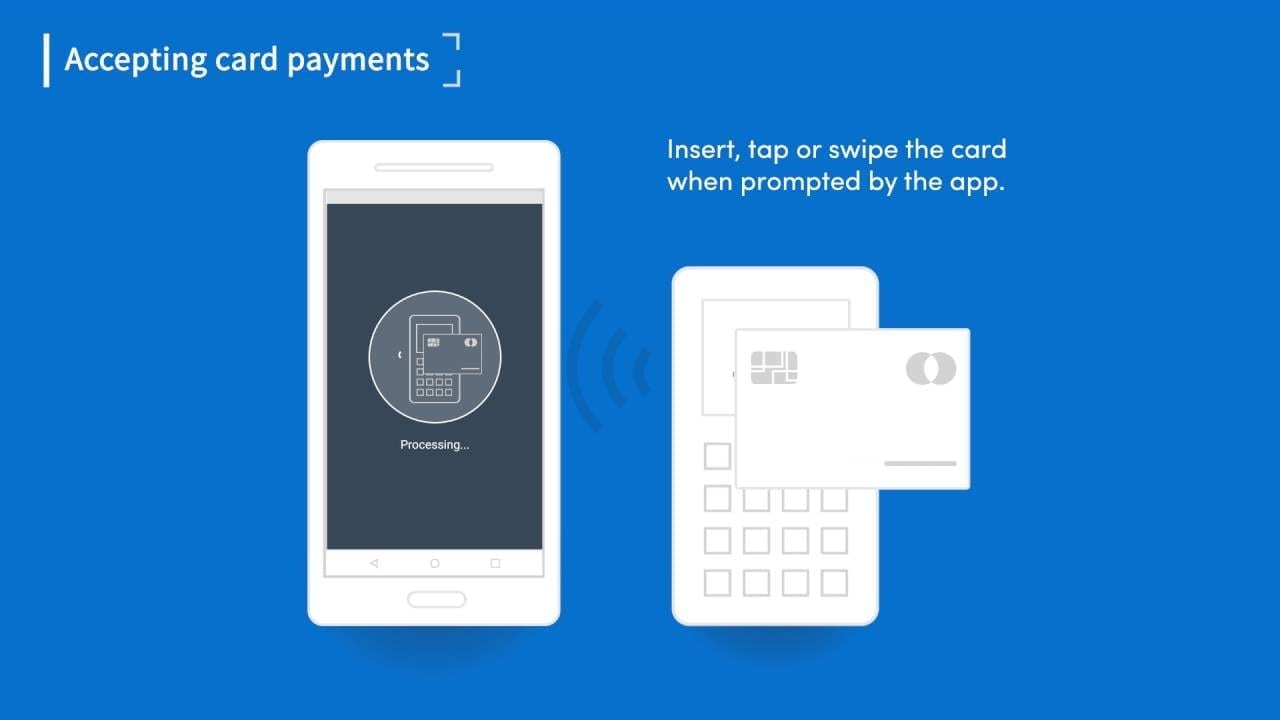
    Customers can make payments by simply tapping their phone on any contactless terminal based on Near Field Communication technology.

    The app also has an in-built notification system that alerts customers on nearby contactless terminals and flash deals.

    CIMB Pay can be downloaded on Google Play for NFC-enabled smartphones running on Android 4.4 and above.

  • Fraudulent transactions hitch for e-commerce growth

    Fraudulent transactions hitch for e-commerce growth

    Interbank network provider Artajasa Pembayaran Elektronis says that the popularity of conventional payment methods in e-commerce has made the sector prone to fraudulent transactions, creating potential obstruction to the growth of e-commerce in Indonesia.

    Artajasa information technology (IT) and operation director Bayu Anantasena said in Jakarta on Wednesday that fraudulent transactions happened due to the lack of a payment authentication procedure in conventional payment methods, including bank transfers and cash-on-delivery (COD) payment.

    The company records that 75 percent of Indonesian e-commerce customers make payments through bank transfers, 20 percent through COD and the remaining 5 percent through credit cards and other methods.

    “Fraudulent transactions occur due to a lack of authentication between e-commerce merchants, issuing banks and customers. As e-commerce businesses grow in Indonesia, transaction security becomes more important for their development,” he said.

    The government expects that by 2020, that nation will record US$130 billion in e-commerce transactions, in line with the country’s anticipated digital boom in following years.

    As many as 87 issuing banks are currently using Artajasa’s ATM Bersama network, including Bank Mandiri, Bank Rakyat Indonesia (BRI) and Bank Tabungan Pensiunan Nasional (BTPN).

  • GoSwiff Partners UnionPay International to Increase Mobile Transactions in Thailand

    GoSwiff Partners UnionPay International to Increase Mobile Transactions in Thailand

    GoSwiff, a global leader in digital payments, announced a partnership with UnionPay International (UPI), a global payment network, to enable merchants on Nimmanahaeminda Road in Chiang Mai to accept UnionPay cards. Using GoSwiff’s mobile point of sale (mPOS) solution, micro merchants can now accept and process secure PIN-based card transactions in Thailand.

    Merchants and shoppers on Nimmanahaeminda Road, a street popular with both locals and tourists visiting Chiang Mai, will reap significant advantages with the launch of mPOS. Merchants will benefit from the convenience of digital payments, while consumers can pay with their UnionPay cards, minimizing foreign exchange costs from ATM withdrawals and reducing the risk of carrying cash. All the banks within the UPI network can now connect to mPOS, and leverage NFC, HCE and PIN payments for the first time in Thailand.

     “We see great benefits in this partnership with GoSwiff in the Thai market,” said Wenhui Yang, General Manager, UnionPay International, Southeast Asia. “We are not only enabling small merchants to accept micro-payments securely, but also supporting our customers who prefer to pay with cards. With the help of our contactless mobile payment solution, we are confident this will lead to a wider adoption of cashless payments in Thailand and Southeast Asia alike.”

    On Nimmanahaeminda Road, small and mobile merchant stalls are not able yet to provide PIN-based card acceptance through regular electronic data capture platforms. There are constraints on telephone and electricity lines and investment requirements on the bank’s side.

    “Thailand has seen an enormous increase in mobile payment acceptance in recent years thanks to the very active approach from the banks to roll out mPOS services to their clients. The Bank of Thailand has encouraged all debit cards to include a PIN code, which will create even more interest from the merchants to use mPOS”, said Svyatoslav Garal, Head of Asia Pacific and CIS, GoSwiff. “We have implemented mobile payment solutions for banks and Mobile Network Operators across the globe and boosted electronic payments in the emerging markets. The payment ecosystem greatly benefits from our mPOS solution with UnionPay, as well as the expansion of payment acceptance locations, especially in countries where the card penetration is increasing.”

  • With close to 55%, Japan has highest mobile commerce transactions

    With close to 55%, Japan has highest mobile commerce transactions

    Mobile commerce conversion rates are highest in Japan, the U.K and South Korea for Q2 2016 states the State of Mobile Commerce Report released by performance marketing technology company, Criteo. The company claims to have studied 1.7 billion transactions across desktop and mobile sites worth $720 billion in annual sales, covering over 3,300 online retail businesses for this report.

    Global numbers

    • Mobile Vs Desktop: With close to 55% of its retail commerce transactions done through mobile phones, Japan tops the list of countries in the world with the highest mobile retail commerce transactions for Q2 2016 followed by United Kingdom and South Korea with a little over 50% and 48% of its retail commerce transactions, respectively.
    • Smartphone Vs Tablet: For the first time, smartphones have superseded tablets delivering majority of the mobile commerce transactions. South Korea recorded over 95% of its mobile retail commerce transactions were done through smartphones while Japan and Brazil recorded close to 90% and over 80% of its mobile retail ecommerce transactions through smartphones, respectively.
    • Apps Vs Mobile Web: According to the report, apps convert 3x more than mobile website in Q2 2016. Globally, 54% of the transactions were driven through mobile apps while 46% of the transactions were driven by mobile web in Q2 2016.
    • According to the report, new app users are twice as likely to return within 30 days vs. mobile web users.
    • Average order value higher on apps vs mobile web: $127 seems to be the average order value on apps compared to $91 and $100 on mobile web and desktops respectively.
    • Apps’ conversion rates highest: The conversion rate for transactions is highest on mobile apps (3x) followed by desktop (2x) while mobile web is the lowest.
    • Mobile-friendly websites aid higher transactions: According to the report, countries with mobile-friendly websites seem to have the greatest share of mobile transactions. With close to 90% mobile-friendly websites, Japan has over 50% mobile transactions followed by U.K with little over 85% mobile-friendly websites and nearly 50% mobile transactions. In the third place, with over 95% mobile-friendly websites, South Korea has close to 50% mobile transactions.
    • Leading retailers vs Emerging retailers: The report also notes that leading retailers that succeed retaining users and attracting views drive 39% more mobile web conversions more than emerging retailers. The report defines leading retailers as mobile app that attract more products browsed per user than lower tiers while emerging retailers are mobile-commerce enabled apps that are accessible via at least one operating system.

    U.S Market

    • In Q2 2016, Android has a market share of 68% superseding iOS (31%) although iOS continues to generate the maximum number of mobile commerce transactions done on smartphones with 14.6% compared to Android devices (8.8%).
    • In the same quarter, 70% of mobile commerce transactions were done on smartphones compared while the remaining was done on tablets.
    • Contributing over 40% to mobile commerce transactions in the U.S, fashion and luxury retail is the category with the highest number of transactions in the quarter followed by Mass Merchants (close to 40%) and Health & Beauty (30%).
  • Access to credit card transactions needed to check taxpayers` profiles

    Access to credit card transactions needed to check taxpayers` profiles

    Regulations are required to access taxpayers credit card transactions data, particularly of individual tax payers (WP OP), without violating banking laws, Finance Minister Bambang Brodjonegoro said.

    “We need the data for WP OP profiles because we cannot access their bank accounts as the banking law prohibits that. Therefore, we want access to their credit card transactions in order to check their tax profiles,” said Bambang here on Friday.

    Bambang said that if a taxpayer reported his or her monthly income at Rp5 million but his/her expenditure through credit cards reached Rp20 million per month, the tax officials will know that he or she has made an incorrect annual tax report (SPT).

    “This means that while he/she has claimed to have a monthly income of Rp5 million through the SPT, but his/her tax liability should be corrected. We will compare his or her transactions undertaken though credit cards with his or her annual tax report and see if these match,” the minister said.

    Bambang said the plan to put in place a regulation to access credit card transaction reports was discussed long back with the Financial Service Authority (OJK). The OJK will popularize it among banks and credit card issuers.

    Indonesian central bank (BI) Deputy Governor Ronald Waas said bringing in regulations to access credit card transactions will be problematic since the law on banks does not allow access to this information.

    “We can look at the banks confidentiality regulations to see if the credit card detail or information about savings has to be kept confidential. But all laws which regulate the confidentiality of data allow access to the same if it concerns national interest, but with the approval of the OJK,” the finance minister remarked.

    The Finance Ministry has issued a regulation which requires 22 banks and credit issuer institutions to report credit card data and transactions to the Directorate General of Taxations.

    The matter was regulated vide the Finance Ministers Decree No. 39/PMP.03/2016 on the Type of Data and Information as well as the Report Procedure of Data and Information which concerns taxation. It came into effect on the day of its enactment on March 22, 2016.